

P0036 on 2010-2014 Subaru Outback 2.5L: Causes and Fixes for the Rear O2 Sensor Heater
On a 2010-2014 Subaru Outback, code P0036 almost always means the heater element inside the rear (downstream) oxygen sensor has failed. Replacing the sensor is the typical fix. Expect to pay $70-$120 for an aftermarket sensor and $150-$250 for an OEM part. It's a DIY-friendly job with a difficulty of 2/5, provided the sensor isn't seized in the exhaust.
- P0036 points specifically to a fault in the heater circuit of the rear (downstream) O2 sensor.
- The most probable cause is a failed oxygen sensor, which needs to be replaced.
- This is a manageable DIY repair for those with basic tools, but a seized sensor can add difficulty.
- Driving with this code is safe, but it will cause an automatic failure on an emissions test.
What's Unique About the 2010-2014 Subaru Outback
The 2010-2014 Subaru Outback is the fourth generation (BR), but it uses two different 2.5L engines. Models from 2010-2012 have the older EJ25 engine, while 2013-2014 models feature the newer FB25 engine. While the meaning of P0036 is identical for both, the exact part number for the rear oxygen sensor and its wiring harness length may differ. This guide focuses on the FB25 engine as specified, but owners of 2010-2012 models will find the causes and diagnostic steps to be the same. It is critical to verify the correct part number for your specific year and engine before purchasing.
Symptoms You May Notice
- Check Engine Light is on.
- Inability to pass an emissions/smog test.
- No noticeable drivability issues in most cases.
- Slightly reduced fuel economy in some cases, though often not noticeable by the driver.
- Replacing the front (upstream) oxygen sensor. P0036 specifically refers to Sensor 2, which is the rear (downstream) sensor.
- Replacing the sensor without checking the fuse first. A shorted sensor can blow the fuse, and replacing only the sensor without replacing the fuse will not resolve the code.
Most Likely Causes
- Failed Rear Oxygen Sensor 🔴 High Probability The internal heating element of the O2 sensor has a finite lifespan and eventually burns out, creating an open circuit. This is the most common failure mode for P0036.
How to confirm: Disconnect the sensor and measure the resistance between the two heater circuit pins (usually the two wires of the same color, often black or white). An infinite resistance reading (OL) confirms the heater has failed. A healthy heater typically has a low resistance, often specified in a range like 1.5-25 ohms depending on the sensor manufacturer.
Typical fix: Replace the Bank 1, Sensor 2 (rear/downstream) oxygen sensor.
Est. part cost: $70-$250 - Damaged Wiring or Connector 🟡 Medium Probability The sensor wiring is routed under the vehicle and can be damaged by road debris, corrosion, or melting from contact with the hot exhaust pipe. Oil leaks from the engine, a known issue on some Subarus, can also saturate and degrade the wiring harness insulation over time.
How to confirm: Visually inspect the wiring harness from the sensor to its connection point. Look for any frayed, melted, brittle, or broken wires. Check that the connector is clean, dry, and securely fastened. Water intrusion into the connector is a known cause for blowing the related fuse.
Typical fix: Repair the damaged section of wire or clean/replace the connector.
Est. part cost: $5-$50 - Blown Fuse ⚪ Low Probability
How to confirm: Locate and inspect the fuse for the O2 sensor heater circuit. On this platform, there is often a fuse labeled "A/F HEATER" or similar in the main fuse box under the hood. Check the owner's manual for the exact location and designation. A visual inspection or a continuity test with a multimeter will confirm if it's blown.
Typical fix: Replace the blown fuse. If it blows again immediately, this indicates a short circuit in the wiring or the sensor itself that must be diagnosed and repaired.
Est. part cost: $1-$5
Rare But Worth Checking
- Faulty Engine Control Module (ECM): This is extremely rare. The ECM's internal driver for the heater circuit can fail. This should only be considered after definitively ruling out the sensor, wiring, and fuse as the cause.
Diagnosis Steps
- Scan for any other DTCs. If other codes are present, address them first.
- Perform a visual inspection of the rear oxygen sensor, its wiring, and its connector. The sensor is in the exhaust pipe after the catalytic converter. The connector is typically on the passenger side of the engine bay. Look for obvious signs of damage, melting, or corrosion.
- Check the fuse for the O2 sensor heater circuit, often labeled 'A/F Heater' in the under-hood fuse box. Replace if blown.
- Disconnect the O2 sensor connector. Using a multimeter set to Ohms (Ω), measure the resistance across the two same-colored heater circuit pins on the sensor side. An open circuit (OL or infinite resistance) indicates a failed sensor that must be replaced. A good sensor will have a low resistance, typically under 30 ohms.
- If sensor resistance is within spec, test the vehicle-side connector. With the ignition key in the 'On' position (engine off), check for 12-volt battery power on one pin and a good ground on another. A wiring diagram is recommended to identify the correct pins.
- If power or ground is missing, trace the wiring back to the ECM and fuse box to find the break or short in the circuit.
- If the sensor, fuse, and wiring all test good, the fault may lie with the ECM, but this is highly unlikely and should be the last resort.
Parts You'll Likely Need
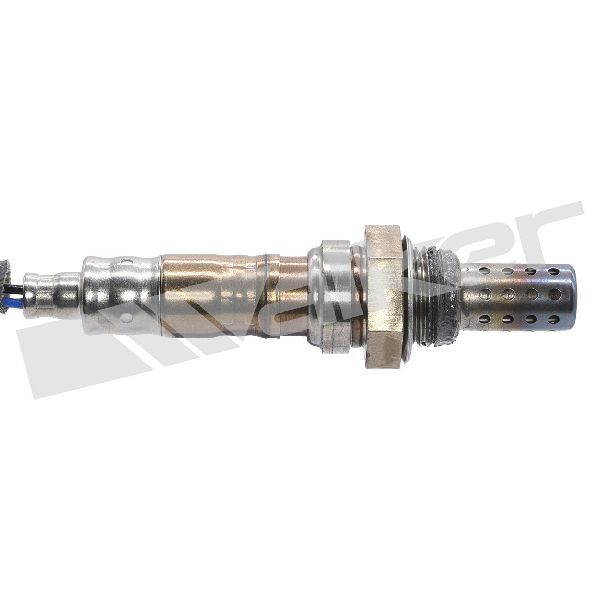
- Rear (Downstream) Oxygen Sensor
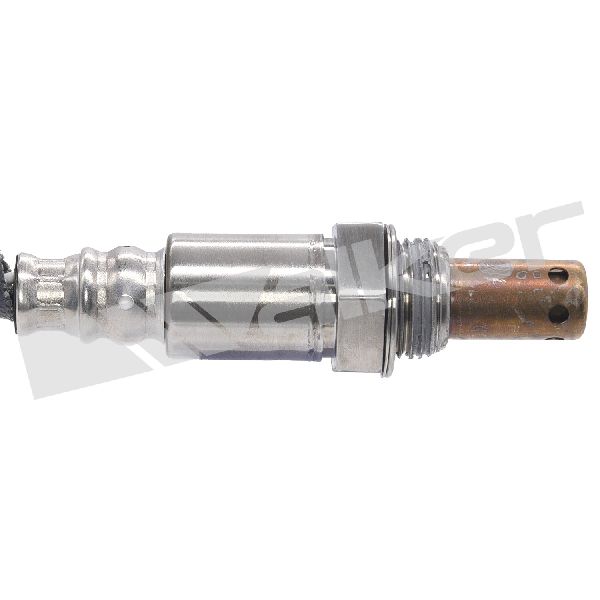
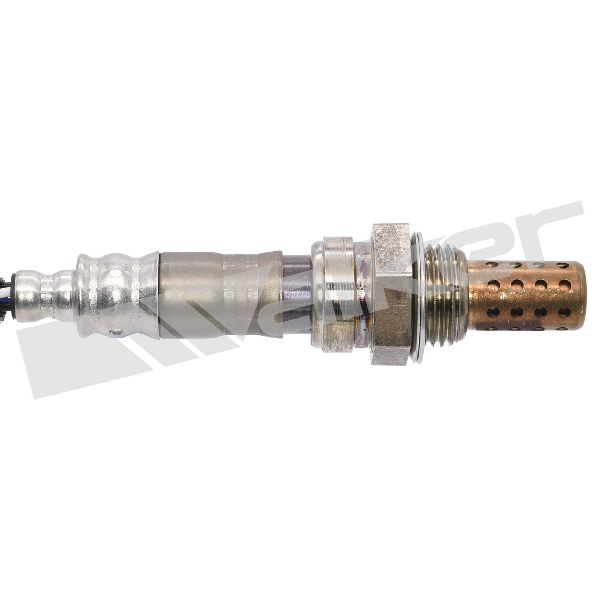
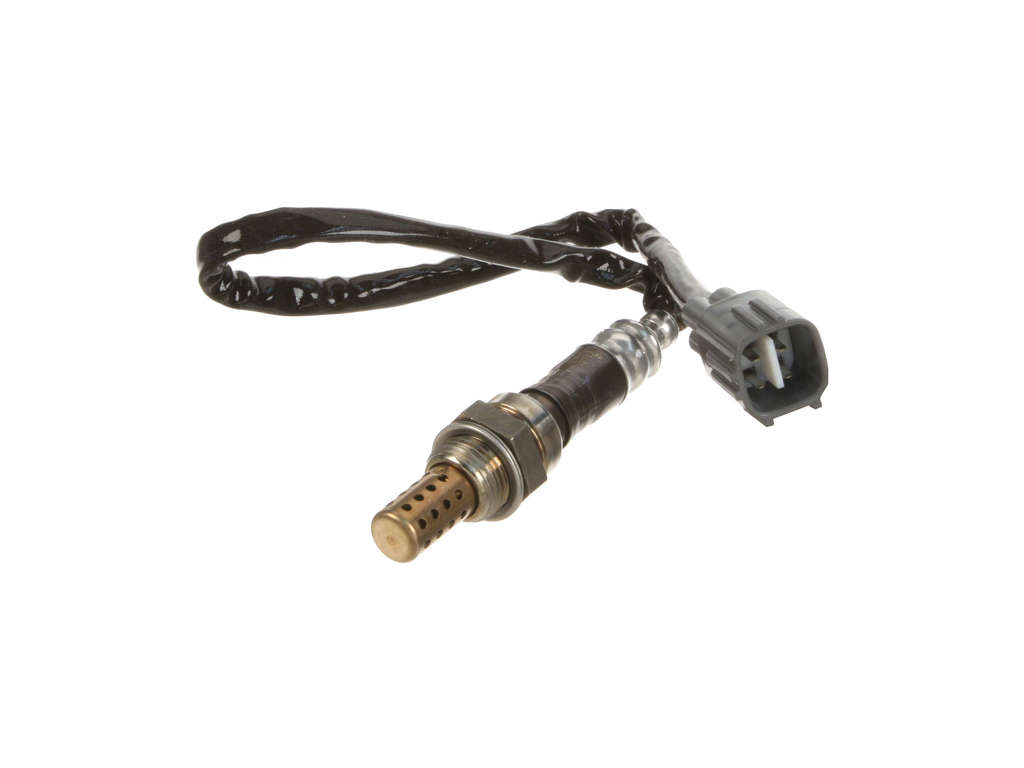
(OEM #22690AA970 (Verify with VIN, specific to FB25 engine models))— This is the component that contains the heater element reported as faulty by code P0036. Failure of the internal heater is the most common cause.
Trusted brands: Denso (OEM supplier), NTK, Bosch
OEM price range: $150-$250
Aftermarket price range: $70-$120
Platform-Specific Known Issues
- The rear oxygen sensor can be difficult to access from directly underneath the car. Many owners and technicians find it easier to access the sensor through the passenger-side front wheel well after turning the wheels.
- Due to constant exposure to heat cycles, the oxygen sensor can become seized in the exhaust pipe. Liberal use of penetrating oil (letting it soak for an extended period) is highly recommended before attempting removal. A special 22mm (7/8") slotted oxygen sensor socket is required for the job.
- The wiring harness for the rear O2 sensor is long and routes up into the engine bay on the passenger side. Be sure to purchase a replacement with the correct wire length and connector for your specific model year (EJ25 vs FB25).
Mechanic-Grade Diagnostic Values
- Rear O2 Sensor Heater Element Resistance — expected: 5.0 to 25.0 Ohms at ambient temperature. Some sources cite a tighter range like 5-10 Ohms.. Failure: A reading of infinite resistance (OL) indicates an open circuit (burnt-out heater). A reading significantly outside the expected range suggests a faulty sensor.
- Voltage at Heater Circuit (Vehicle-Side Connector, Key On Engine Off) — expected: One pin should show battery voltage (~12V). The other pin (ECM control side) may show a reference voltage, for example ~2.9V, which the ECM uses to detect an open circuit when the sensor is unplugged.. Failure: Absence of ~12V power points to a fuse or wiring issue upstream. Incorrect voltage on the control side could indicate a wiring or ECM issue.
Scan Tool Commands That Help
- Subaru Select Monitor (SSM): Current Data Display > O2 Heater Diagnosis — The dealer-level scan tool can run a specific self-test on the oxygen sensor heater circuit to confirm its operational status ('Complete' or 'Incomplete'). This can be used to verify if the circuit is functioning correctly after a repair, without waiting for the full drive cycle to complete.
Wiring & Ground Locations
- Engine Ground Straps — The FB25 engine has braided ground straps at the front corners, running from the frame rail to the engine block/valve cover area. One is on the passenger side, and a more hidden one is on the driver's side, which may require lowering the exhaust manifold to access.. Subaru ECUs are sensitive to poor grounding, which can cause a variety of strange electrical faults. A corroded or broken main engine ground strap can introduce resistance and voltage drops, potentially affecting sensor heater performance and triggering circuit codes even if the sensor and its direct wiring are good.
- Heater Circuit Wires — On the 4-wire oxygen sensor, the two wires for the heater element are typically the same color (e.g., two black wires or two white wires).. These are the specific wires to probe with a multimeter to test the resistance of the heater element within the sensor itself.
Real Owner Repair Stories
- YouTube Channel 'K. Bros Automotive' (2010 Subaru Outback (EJ25 engine, but grounding locations are similar for FB25)) — Mysterious electrical issues and fault codes.
❌ Tried (didn't work) The video focuses on preventative maintenance and addressing known weak points.
✅ What actually fixed it The video demonstrates the replacement of a completely broken braided engine ground strap on the driver's side. While not directly tied to a P0036 in this specific video, multiple forum and Reddit sources confirm that corroded ground straps are a common cause of various electrical and sensor-related codes on Subarus.
OEM Part Supersession History
22690AA831→22690AA970— Part revision or supplier change.
Heads up: While 22690AA970 is listed for the FB25 Outback, another part, 22690AA96A, is also listed for 2.5L Outbacks of this era. Always verify the correct part number with the vehicle's VIN before purchasing to ensure correct fitment and wire harness length.
Model Year Variations Within This Range
- 2010-2012 vs 2013-2014: The primary difference is the engine: 2010-2012 models use the EJ25, while 2013-2014 models use the FB25. While the P0036 code's meaning is the same, the specific oxygen sensor part number, wire harness length, and connector style may be different. The diagnostic principles are identical.
Diagnostic Flowchart
Other Known Issues on This Vehicle
Issues unrelated to this code that are worth knowing about as an owner of this generation:
- Excessive Oil Consumption 🔴 High — Common on 2013-2014 models with the FB25 engine, particularly early in the vehicle's life. Caused by defective piston rings. (Ref: Subject of class-action lawsuit (Yaegar v. Subaru) and TSB 02-157-14R. The settlement extended warranties and provided reimbursements for repairs, which could include a new engine short block.)
- CVT Transmission Problems 🔴 High — Common across the 2010-2014 generation. Symptoms include shuddering/vibration, hesitation, whining noises, and premature failure, often between 80,000-120,000 miles. (Ref: Subaru extended the CVT warranty to 10 years/100,000 miles for many affected vehicles due to widespread issues.)
- Steering Wheel Vibration / "Shimmy" 🟡 Low — Reported by many owners of 2010-2012 models at highway speeds. (Ref: A TSB was issued to address the concern, but the fix was reportedly extensive.)
- Frequently Failing Headlight Bulbs 🟡 Low — A common annoyance reported by owners, compounded by the fact that bulb replacement is difficult and often requires accessing them through the wheel well.
- Rattling Exhaust Heat Shields 🟡 Low — The thin metal heat shields on the exhaust system can rust at the mounting points and come loose, causing a metallic rattling noise at certain RPMs.
Used vs. New Parts: Buying Guide for This Vehicle
When a used part is the smart pick: For this repair, a used part is almost never a smart choice. Oxygen sensors are wear items with a finite lifespan. A used sensor from a junkyard has an unknown history and could fail shortly after installation, wasting time and money. The only exception might be sourcing a wiring harness pigtail connector if only the connector is damaged.
Donor-vehicle mileage cap: roughly under 40000 miles for the part to have meaningful remaining life.
What to inspect on the donor part:
- If sourcing a connector, inspect for brittle plastic, corrosion on pins, or melted sections.
- Avoid any sensor that shows signs of physical damage, heavy carbon buildup, or white/ashy deposits.
OEM-only on this vehicle (don't cheap out):
- While not strictly OEM-only, using a sensor from the original equipment manufacturer (Denso for this application) is highly recommended for best performance and longevity.
Aftermarket brands forum-validated for this vehicle:
- Denso (OEM supplier)
- NTK
Brands owners have reported issues with on this vehicle:
- Generic, unbranded, or 'white-box' sensors from online marketplaces are frequently reported by forum users to fail prematurely or not meet the ECM's performance parameters, causing the code to return.
Real Owner Stories
Aggregated from forums and TSBs cited above. Mileages and costs reflect what owners reported in those sources.
2010-2014 Subaru Outback 2.5L
Symptoms: Check Engine Light is on with code P0036; the user noted that the code is almost universally resolved by a specific part replacement.
What fixed it: Replacing the rear O2 sensor with a Denso or NTK unit.
Source hint: subaruoutback.org - Numerous threads discuss P0036 as a common code, almost universally resolved by replacing the rear O2 sensor. Users confirm Denso and NTK as reliable aftermarket choices.
2010-2014 Subaru Outback 2.5L
Symptoms: The owner experienced a blown fuse for the heater circuit, which can be caused by water intrusion into the sensor connector.
What fixed it: Replacing the blown 'A/F Heater' fuse and ensuring the connector is clean, dry, and securely fastened.
Source hint: Article Context: Common Causes (Blown Fuse / Damaged Wiring or Connector)
Related OBD-II Codes
Frequently Asked Questions
Is there a TSB for the oil consumption issues on my 2013-2014 Subaru Outback 2.5L?
I'm having trouble reaching the rear O2 sensor on my Outback; do I have to go under the car?
Which aftermarket brands are recommended for replacing the rear oxygen sensor on this platform?
Could an oil leak cause my P0036 code on this Subaru?
Is there a specific fuse I should check for the P0036 heater circuit?
Why is it important to check the wire length when buying a replacement sensor for the FB25 engine?
Helpful Videos
![How to Fix P0036 Engine Code in 2 Minutes [1 DIY Method / Only $19.64]](https://img.youtube.com/vi/qgkaZUN2re0/mqdefault.jpg)
We Have This Part in Stock


The information in this article is provided for general reference and educational purposes only. Vehicle specifications, procedures, and part compatibility can vary by production date, trim level, and region. Always consult your vehicle's factory service manual and verify part numbers before purchasing or performing repairs. Safety-critical components such as airbags, seat belts, and braking systems should be installed by a qualified professional.
- Subaru Outback:
- 🎬 Helpful Videos
- 🛍️ Shop This Part
- What's Unique About the 2010-2014 Subaru Outback
- Symptoms You May Notice
- Most Likely Causes
- Rare But Worth Checking
- Diagnosis Steps
- Parts You'll Likely Need
- Platform-Specific Known Issues
- Mechanic-Grade Diagnostic Values
- Scan Tool Commands That Help
- Wiring & Ground Locations
- Real Owner Repair Stories
- OEM Part Supersession History
- Model Year Variations Within This Range
- Diagnostic Flowchart
- Other Known Issues on This Vehicle
- Used vs. New Parts: Buying Guide for This Vehicle
- Real Owner Stories
- 2010-2014 Subaru Outback 2.5L
- 2010-2014 Subaru Outback 2.5L
- Related OBD-II Codes
- Frequently Asked Questions
- 🎟️ Get 5% Off