

P0036 on 2008-2010 Saturn Vue 2.4L: O2 Sensor Heater Circuit Causes and Fixes
This code points to a problem with the heater circuit in the downstream oxygen sensor (after the catalytic converter). The most common fix is to replace the Bank 1, Sensor 2 O2 sensor. Before replacing, check the fuse and inspect the wiring connector for damage or backed-out pins. Expect to pay $35-$70 for an aftermarket part or $80-$120 for an OEM-quality part. It's a straightforward DIY job.
- P0036 almost always means the downstream (post-catalytic converter) oxygen sensor's internal heater has failed.
- The most probable fix is to replace the sensor itself, which is an accessible and affordable DIY task.
- Before replacing the sensor, always perform a quick visual check of the wiring for melting or damage and verify that the O2 sensor fuse is not blown.
- A crucial, vehicle-specific check is to inspect the wiring harness connector for pins that may have pushed back, creating an open circuit.
- Driving with this code is not dangerous, but it will cause an automatic failure on an emissions test.
What's Unique About the 2008-2010 Saturn Vue
The 2008-2010 Saturn Vue with the 2.4L LE5 engine is a GM Theta platform vehicle, sharing its powertrain and many components with the 2008-2009 Chevrolet Equinox, Pontiac Torrent, and the fleet-only Chevrolet Captiva Sport. This makes parts widely available. While the P0036 code is standard, a known issue on some similar Saturn platforms is that O2 sensor codes can sometimes be triggered by a poor engine ground connection, not just a failed sensor. Additionally, these 2.4L Ecotec engines can be prone to excessive oil consumption, which can contaminate and shorten the life of emissions sensors over time.
Symptoms You May Notice
- Check Engine Light is on.
- Failure to pass a vehicle emissions test.
- In some rare cases, the vehicle may enter a failsafe mode with reduced performance, but this is not typical for a P0036 alone.
- Replacing the upstream (Sensor 1) oxygen sensor instead of the downstream (Sensor 2) sensor.
- Replacing the catalytic converter when the code is for a sensor heater circuit, not converter efficiency (like P0420). P0036 must be resolved before 🎬 Watch: How to diagnose and fix common GM O2 sensor codes a P0420 can be accurately diagnosed.
Most Likely Causes
- Failed Downstream Oxygen Sensor 🔴 High Probability Oxygen sensors are wear-and-tear items. The internal heating element is often the first part of the sensor to fail due to constant, rapid heat cycles.
How to confirm: Disconnect the sensor and measure the resistance across the two heater circuit wires (usually the two wires of the same color). An open circuit (infinite resistance) or a short (near-zero resistance) confirms the heater has failed. A healthy sensor typically has a resistance between 2 and 40 ohms, depending on the specific part; check the manufacturer's specification for the replacement part. A healthy heater on a similar GM vehicle might measure around 6 ohms.
Typical fix: Replace the Bank 1, Sensor 2 (downstream) oxygen sensor. 🎬 See this walkthrough for replacing the downstream sensor
Est. part cost: $35-$120 - Damaged Wiring or Connector 🟡 Medium Probability The sensor and its wiring are located under the vehicle, exposed to road debris, moisture, and high exhaust temperatures, which can lead to chafed, melted, or corroded wires. A specific issue noted by owners is a terminal pin backing out of the harness-side connector, causing a poor connection even with a new sensor.
How to confirm: Visually inspect the wiring harness leading to the downstream O2 sensor. Look for any signs of melting, cracking, or breaks. Unplug the connector and check for corrosion, moisture, or backed-out pins. Ensure all pins are seated securely.
Typical fix: Repair the damaged section of the wiring harness, clean the connector with electrical contact cleaner, or replace the connector pigtail. If a pin has backed out, it may need to be reseated or the connector replaced.
Est. part cost: $5-$50 - Blown Fuse ⚪ Low Probability A short circuit in the heater element or its wiring can cause the corresponding fuse to blow. On this platform, the O2 sensor heater fuse often powers other components, so a blown fuse might present other codes as well.
How to confirm: Locate the underhood fuse box and identify the fuse for the O2 sensor heater circuit (often labeled 'O2 HTR' or similar in the owner's manual). Visually inspect the fuse to see if it is blown.
Typical fix: Replace the blown fuse. If the new fuse blows immediately, it indicates a persistent short circuit in the wiring or the sensor itself that must be found and fixed.
Est. part cost: $1-$5 - Poor Engine Ground ⚪ Low Probability On related Saturn platforms, a corroded main engine-to-chassis ground strap has been known to cause various electrical issues, including erratic sensor codes.
How to confirm: Locate the main engine-to-chassis ground straps. One key ground point on the 2.4L engine is located on the back of the block, above the starter. Another is G107, located at the rear of the engine. Inspect them for corrosion, looseness, or damage. A voltage drop test across the ground strap can confirm a bad connection.
Typical fix: Clean the contact points of the ground strap with a wire brush and ensure it is securely fastened. Replace the strap if it is frayed or corroded through.
Est. part cost: $10-$30
Rare But Worth Checking
- Faulty Engine Control Module (ECM): This is extremely rare. The ECM's internal driver for the heater circuit can fail. All other possibilities, including the sensor, wiring, fuse, and grounds, should be exhaustively ruled out before considering the ECM as the cause.
Diagnosis Steps
- Read the trouble codes with an OBD-II scanner and confirm P0036 is present. Note any other codes.
- Visually inspect the downstream O2 sensor, its connector, and the wiring harness for obvious damage like melting, chafing, or corrosion from road salt.
- Check the underhood fuse box for a blown O2 sensor or emissions-related fuse. Replace if necessary.
- If the fuse is good, disconnect the sensor connector. Carefully inspect the pins on both the sensor side and the harness side for corrosion, moisture, or any pins that look pushed back into the connector housing.
- If the connector looks good, use a multimeter to test the resistance of the heater circuit within the sensor itself (across the two same-colored wires). A reading of infinite resistance (open) or near-zero resistance (short) indicates a bad sensor. Compare to the spec for the new part (often 2-40 ohms). A reading of around 5 ohms is common for a good GM sensor.
- If the sensor's resistance is within spec, test the vehicle-side connector for power (battery voltage) and ground with the ignition key on. One pin should have 12V, and the other is a pulsed ground from the ECM.
- If power or ground is missing, trace the wiring back to its source (fuse box or ECM) to find the break or short.
- If the sensor, fuse, and wiring all test good, the fault may be intermittent or, in very rare cases, an issue with the ECM.
Parts You'll Likely Need
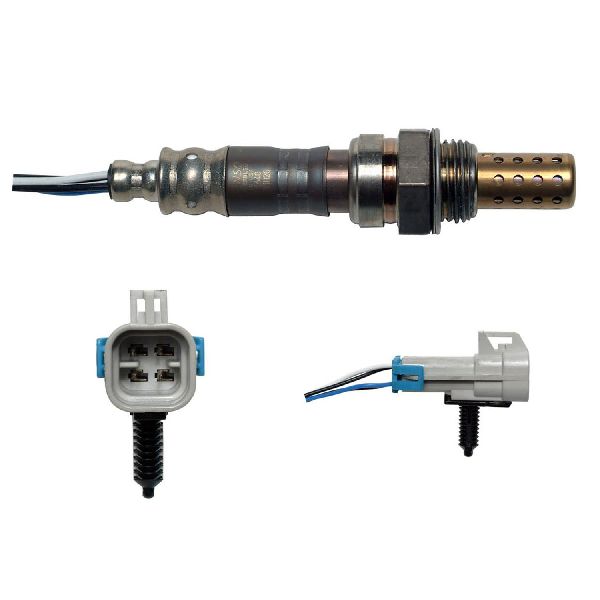
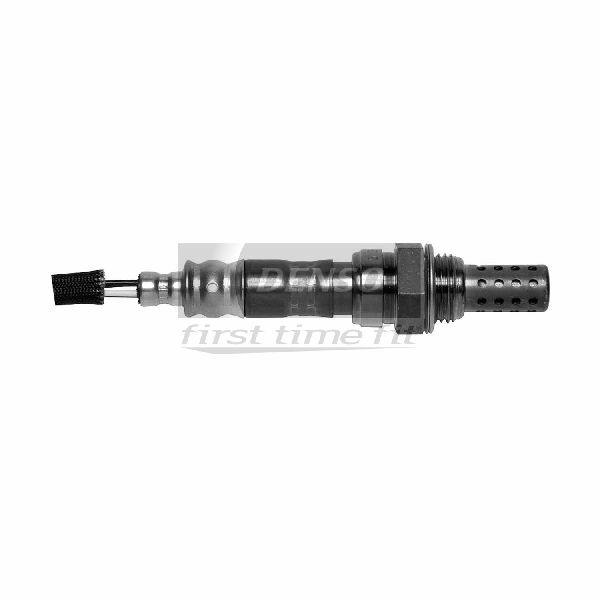
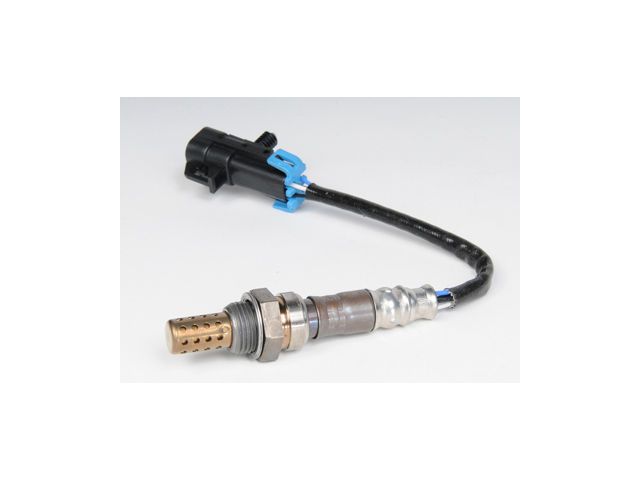
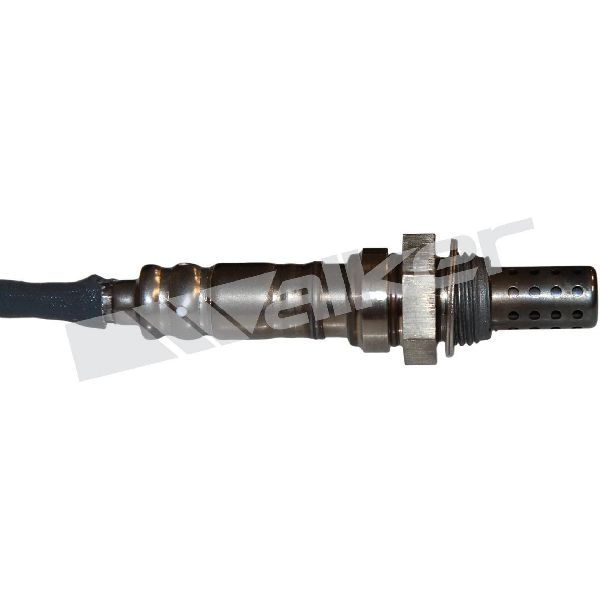
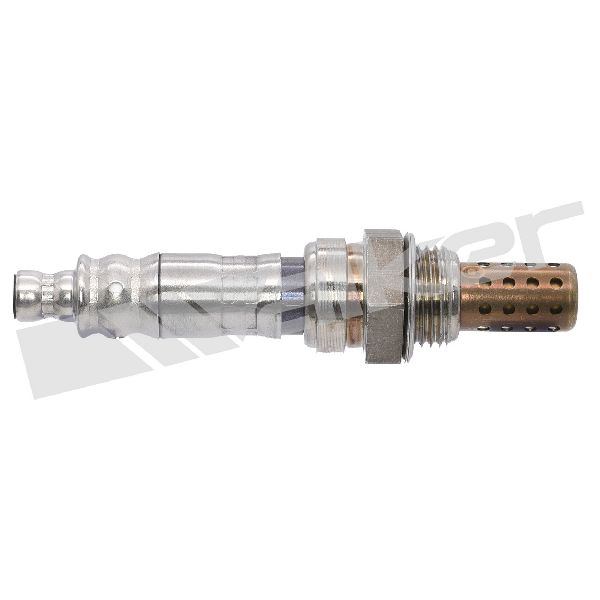
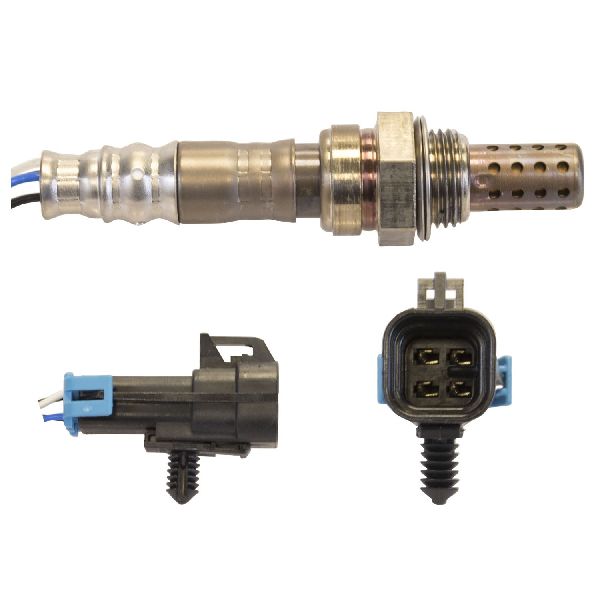
- Downstream Oxygen Sensor (Bank 1, Sensor 2)
(OEM #ACDelco 213-3138 (GM 12578576))— This is the component that contains the heating element that the P0036 code identifies as faulty. Internal failure of the heater is the most common cause of this code.
Trusted brands: ACDelco (OEM), Denso (234-4294), NTK/NGK, Bosch
OEM price range: $80-$120
Aftermarket price range: $35-$70
Related Codes That Often Appear With This One
- P0141 — P0141 is an almost identical code ('O2 Sensor Heater Circuit Malfunction Bank 1, Sensor 2'). They both point to the same heater circuit issue and are often triggered together or interchangeably depending on the specific fault condition detected by the ECM.
- P0054 — This code is for 'HO2S Heater Resistance (Bank 1, Sensor 2)' and specifically points to the resistance value of the heater circuit being out of range, which is another facet of the same P0036 fault.
Platform-Specific Known Issues
- Backed-out Connector Pin: Owners have reported chasing a P0036 code even after replacing the sensor, only to find the true cause was a female pin on the vehicle's wiring harness connector that had pushed back, preventing a solid electrical connection. Always inspect the harness connector closely when replacing the sensor.
Mechanic-Grade Diagnostic Values
- HO2S Heater Current — expected: 0.3 to 2.9 amps. Failure: The ECM will set the code if the current is less than 0.3 amps or greater than 2.9 amps for more than 8 seconds.
- O2 Sensor Heater Resistance — expected: Typically 2-10 ohms when cold. A common value for a good GM sensor is around 5-6 ohms.. Failure: An open circuit (infinite resistance) or a direct short (near 0 ohms) indicates a failed heater element. Some service data notes that less than 10 ohms on the circuit is acceptable.
- Heater Circuit Power Supply — expected: 11-18 volts with ignition on.. Failure: No voltage indicates a blown fuse or an open in the power supply wire.
Scan Tool Commands That Help
- Tech 2 / GDS2 / Professional Scan Tool: HO2S Heater Resistance Learn Reset — After replacing a heated oxygen sensor, GM service information recommends performing a code clear and a heater resistance learn reset. This clears the old learned resistance value from the ECM's memory. Failure to do so can lead to improper heater control and potentially premature failure of the new sensor. An alternative is to simply clear all codes, which on some GM systems performs the same function.
Wiring & Ground Locations
- ECM (Engine Control Module) — Located on the left rear of the engine compartment for the 2.4L engine.. The ECM provides the pulsed ground signal that controls the O2 sensor heater. A fault in the ECM driver is rare but possible. The wiring for the heater circuit runs from the sensor to the ECM.
- G107 — A primary engine ground point located at the rear of the engine.. A poor connection at this ground can cause a variety of electrical issues, including sensor faults. While not directly for the O2 sensor heater circuit, a bad engine ground can create voltage offsets that confuse the ECM.
- Underhood Fuse Block — Located on the left side of the engine compartment.. This fuse block contains the fuse that supplies ignition power to the O2 sensor heater circuit. This is the first place to check for power supply issues.
OEM Part Supersession History
12565680, 12568221, 12578573→12578576 (ACDelco 213-3138)— Part consolidation and updates over time.
Model Year Variations Within This Range
- 2008-2010: No significant variations have been identified for the P0036 fault on the 2.4L LE5 engine within this model year range. The primary components (ECM, sensor, wiring concept) remained consistent. The high-performance Red Line trim was discontinued for 2010, but this did not affect the base 2.4L powertrain.
Diagnostic Flowchart
Other Known Issues on This Vehicle
Issues unrelated to this code that are worth knowing about as an owner of this generation:
- Excessive Engine Oil Consumption 🔴 High — Very common on the 2.4L Ecotec engine family. Caused by faulty piston ring design, often leading to consumption rates of 1 quart per 1,000-2,000 miles. (Ref: Multiple TSBs and Special Coverage Adjustments (e.g., 15285C) were issued for platform mates like the Equinox, and it was the subject of class-action lawsuits.)
- Premature Timing Chain Failure 🔴 High — Common, often occurring before 100,000 miles. The issue is severely accelerated by low oil levels from the known oil consumption problem, which starves the hydraulic tensioner. A rattling noise on cold startup is the primary symptom. (Ref: No specific recall, but it is a widely documented failure mode for this engine. A failure can cause catastrophic, engine-destroying damage.)
- Power Steering Fluid Leak 🔴 High — Affects 2008-2009 models specifically. A nut securing a power steering line could loosen, causing a fluid leak. (Ref: NHTSA Safety Recall #08V470000. The leak poses a fire risk if the fluid contacts hot exhaust components.)
- Failed Camshaft Position Actuator Solenoids 🟠 Medium — A very common failure item on the 2.4L Ecotec. Often caused by oil sludge or low oil levels. Triggers codes like P0010, P0011, P0013, P0014, leading to rough idle and poor performance. (Ref: No recall, but a well-known pattern failure. The parts are relatively inexpensive and easy to replace.)
- Cracked Exhaust Manifold 🟡 Low — The exhaust manifold on the 2.4L Ecotec is known to develop cracks over time, creating an exhaust leak that can disrupt O2 sensor readings and potentially trigger other codes like P0420. (Ref: null)
Used vs. New Parts: Buying Guide for This Vehicle
When a used part is the smart pick: A used part is almost never a smart choice for an oxygen sensor. They are wear items with a finite lifespan, and a used sensor from a junkyard has an unknown history and could fail shortly after installation, wasting time and money. Used parts are only viable for components like a connector pigtail or a section of wiring harness if they are in excellent condition.
Donor-vehicle mileage cap: roughly under 40000 miles for the part to have meaningful remaining life.
What to inspect on the donor part:
- For a wiring pigtail, ensure the insulation is flexible and not cracked.
- Check that connector locking tabs are intact and not brittle.
- Verify there is no corrosion or backed-out pins in the connector.
Aftermarket brands forum-validated for this vehicle:
- Denso
- NTK/NGK
Brands owners have reported issues with on this vehicle:
- While Bosch is a major OEM supplier, some forum users report inconsistent performance when using their universal or non-OEM-specific sensors on vehicles that did not originally come with Bosch parts. It is generally safer to stick with Denso or NTK for Asian-platform-derived vehicles like the Vue.
Real Owner Stories
Aggregated from forums and TSBs cited above. Mileages and costs reflect what owners reported in those sources.
Saturn Vue 2.4L LE5
Symptoms: Persistent heater circuit fault code P0036 that remained even after installing a new oxygen sensor.
What fixed it: Discovered a pin had pushed back inside the wiring harness connector, preventing contact; reseating the pin resolved the issue.
Source hint: Saturn Forum - Thread: 'Where is the fuse for O2 Heater'
Saturn Vue 2.4L LE5
Symptoms: Erratic sensor codes and electrical issues related to ground locations.
What fixed it: Located and cleaned the ground point on the back of the engine block above the starter which has two ring terminals.
Source hint: Saturn Forum - Thread: 'Ground wires'
Related OBD-II Codes
Frequently Asked Questions
I replaced the downstream O2 sensor on my Saturn Vue 2.4L but the P0036 code is still there. What else should I check?
Where is the fuse for the O2 sensor heater located on the 2008-2010 Saturn Vue?
Could a bad ground cause a P0036 code on my 2.4L LE5 engine?
Is there a recall for the power steering on my 2008 Saturn Vue?
What is the typical resistance for a healthy O2 sensor heater on this vehicle?
Does the 2.4L Ecotec engine have any known issues that might affect electrical sensors?
Helpful Videos
We Have This Part in Stock

The information in this article is provided for general reference and educational purposes only. Vehicle specifications, procedures, and part compatibility can vary by production date, trim level, and region. Always consult your vehicle's factory service manual and verify part numbers before purchasing or performing repairs. Safety-critical components such as airbags, seat belts, and braking systems should be installed by a qualified professional.
- Saturn Vue:
- 🎬 Helpful Videos
- 🛍️ Shop This Part
- What's Unique About the 2008-2010 Saturn Vue
- Symptoms You May Notice
- Most Likely Causes
- Rare But Worth Checking
- Diagnosis Steps
- Parts You'll Likely Need
- Related Codes That Often Appear With This One
- Platform-Specific Known Issues
- Mechanic-Grade Diagnostic Values
- Scan Tool Commands That Help
- Wiring & Ground Locations
- OEM Part Supersession History
- Model Year Variations Within This Range
- Diagnostic Flowchart
- Other Known Issues on This Vehicle
- Used vs. New Parts: Buying Guide for This Vehicle
- Real Owner Stories
- Saturn Vue 2.4L LE5
- Saturn Vue 2.4L LE5
- Related OBD-II Codes
- Frequently Asked Questions
- 🎟️ Get 5% Off