

P0036 on 2008-2012 Honda Accord 2.4L: O2 Sensor Heater Circuit Causes and Fixes
P0036 on an 8th generation Honda Accord almost always means the downstream (post-catalytic converter) oxygen sensor has failed. The fix is to replace the sensor, which costs about $60-$120 for an aftermarket part or $135-$200 for an OEM part. DIY difficulty is 2/5, but be aware the connector is inside the cabin, under the passenger-side carpet.
- P0036 on this Accord points specifically to the heater circuit in the REAR (downstream) O2 sensor.
- Before buying any parts, check the 15A fuse (#14) in the fuse box under the hood. It's a quick, free check.
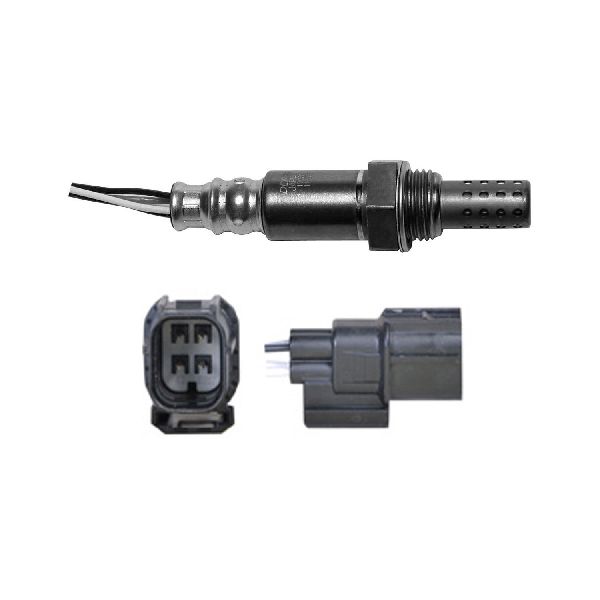
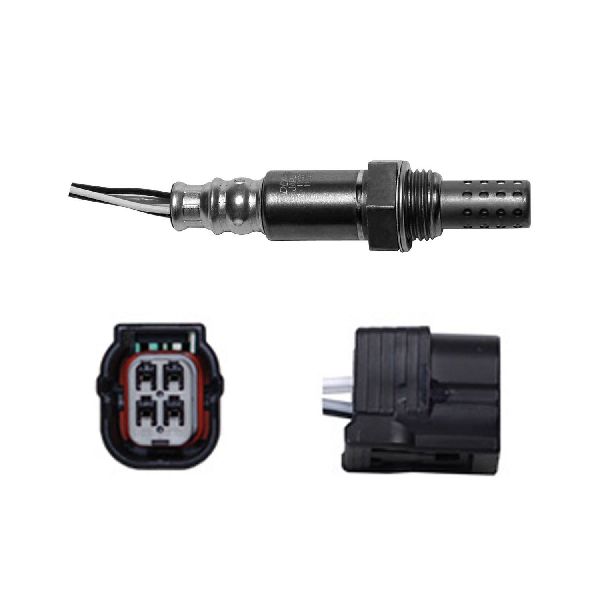
- The most likely cause is a failed O2 sensor. The correct replacement is Honda part #36532-R40-A01 or a direct-fit aftermarket equivalent like Denso #234-4462.
- Be prepared to access the sensor's electrical connector inside the car by pulling back the carpet in the front passenger footwell.
- This issue will not leave you stranded, but it will cause an automatic failure on an emissions test.
What's Unique About the 2008-2012 Honda Accord
For the 2008-2012 Honda Accord, this code is very straightforward and almost always points to the sensor itself. A unique characteristic of this platform is the location of the downstream O2 sensor's electrical connector. Instead of being under the vehicle, the connector is routed through a rubber grommet in the floor and is located inside the cabin, under the passenger-side carpeting and a plastic trim piece near the front seat. This makes replacement slightly more complex than on vehicles where the entire component is external, as interior trim must be partially removed. Another key detail is the connector style: the downstream sensor (Sensor 2) uses a female connector body, while the upstream sensor (Sensor 1) uses a male connector body with exposed pins, preventing accidental swaps.
Symptoms You May Notice
- Check Engine Light is on
- Failure to pass an emissions inspection
- Possible slight decrease in fuel economy over time
- Potential for rough cold-starts or delayed throttle response, though rare for a downstream sensor issue.
- Replacing the upstream (Bank 1, Sensor 1) Air/Fuel ratio sensor. P0036 is specific to the downstream (Sensor 2) heater circuit.
- Replacing the catalytic converter. While the sensor monitors the converter, this code points to an electrical issue with the sensor's heater, not the converter's performance.
Most Likely Causes
- Failed Downstream O2 Sensor 🔴 High Probability The internal heating element of oxygen sensors is a common failure point over time due to constant, rapid heat cycles. This is the most frequent cause for P0036.
How to confirm: After confirming the fuse is good, unplug the sensor connector (inside the passenger cabin) and test the resistance between the two same-colored wires (usually black) leading to the sensor. A healthy heater circuit should have a resistance between 5 and 20 Ohms. An infinite resistance reading (OL) confirms the internal heater has an open circuit and has failed.
Typical fix: Replace the Bank 1, Sensor 2 (downstream) oxygen sensor.
Est. part cost: $60-$200 - Blown O2 Sensor Fuse 🟡 Medium Probability
How to confirm: Check fuse #14 (a 15A fuse) in the under-hood fuse box. If it is blown, replace it. If it blows again immediately, this indicates a short circuit in the wiring harness that needs to be traced, possibly where it passes near the hot exhaust.
Typical fix: Replace the 15A fuse. If the fuse blows repeatedly, inspect the O2 sensor wiring harness for shorts to ground.
Est. part cost: $1-$5 - Damaged Wiring or Connector ⚪ Low Probability The wiring harness runs under the vehicle and is exposed to road debris, moisture, and exhaust heat, which can cause damage over time. The section of the harness near the catalytic converter is most susceptible to melting if not secured properly.
How to confirm: Visually inspect the wiring harness from the O2 sensor to where it enters the cabin floor for any signs of melting, chafing, or corrosion. Check the connector pins under the passenger carpet for corrosion or damage.
Typical fix: Repair the damaged section of wiring or clean/replace the connector.
Est. part cost: $10-$50
Rare But Worth Checking
- Faulty Powertrain Control Module (PCM): This is extremely rare. The PCM should only be considered if all other possibilities, including the sensor, fuse, and wiring, have been definitively ruled out.
Diagnosis Steps
- Scan the vehicle for any other trouble codes. Address other codes first if present.
- Open the under-hood fuse box located on the driver's side of the engine bay.
- Locate and inspect fuse #14, a 15-amp fuse for the oxygen sensors. If it's blown, replace it, clear the codes, and see if the fault returns.
- If the fuse is good, safely raise and support the vehicle. Visually inspect the downstream O2 sensor (located on the catalytic converter) and its wiring for any obvious damage, melting, or corrosion.
- Move to the interior passenger side. Slide the front passenger seat all the way back. Pull up the carpet at the front of the footwell, near the firewall, to expose the O2 sensor's gray electrical connector mounted to the floor.
- Disconnect the sensor. Using a multimeter set to Ohms (Ω), measure the resistance across the two pins on the sensor side of the connector 🎬 Watch: How to test the heater circuit with a multimeter. that have matching wire colors (typically two black wires). A healthy heater circuit will have a low resistance, typically between 5-20 Ohms. An 'OL' or infinite reading indicates the heater element is broken and the sensor must be replaced.
- If the sensor resistance is within spec, turn the ignition key to the 'ON' position (engine off). Carefully use a multimeter set to DC Volts to check for battery voltage (approx. 12V) at one of the corresponding pins on the vehicle-harness side of the connector. If there is no power, a wiring issue between the fuse box and the connector is likely.
- If all wiring and the sensor test good, the issue may be with the PCM's driver circuit, but this is highly unlikely and professional diagnosis is recommended at this stage.
Parts You'll Likely Need
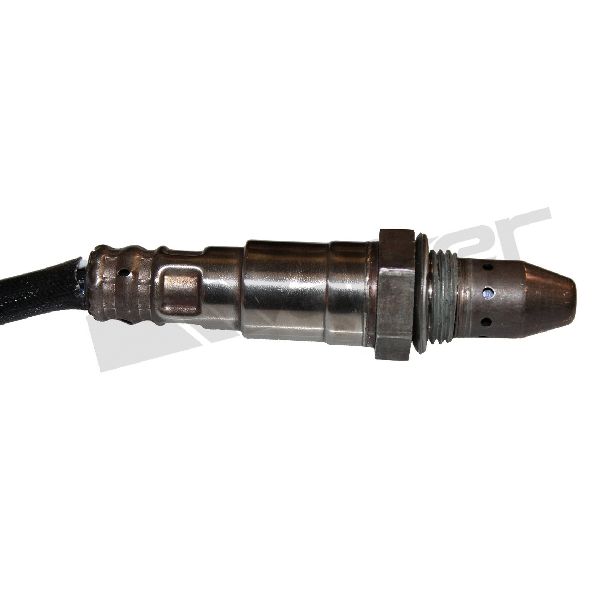
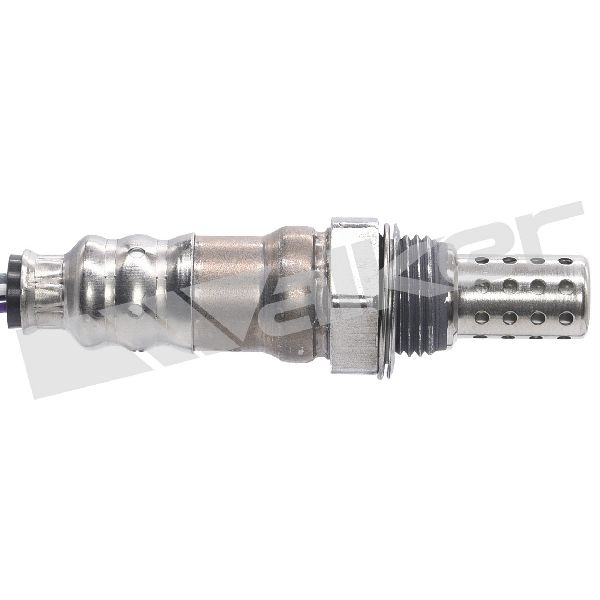
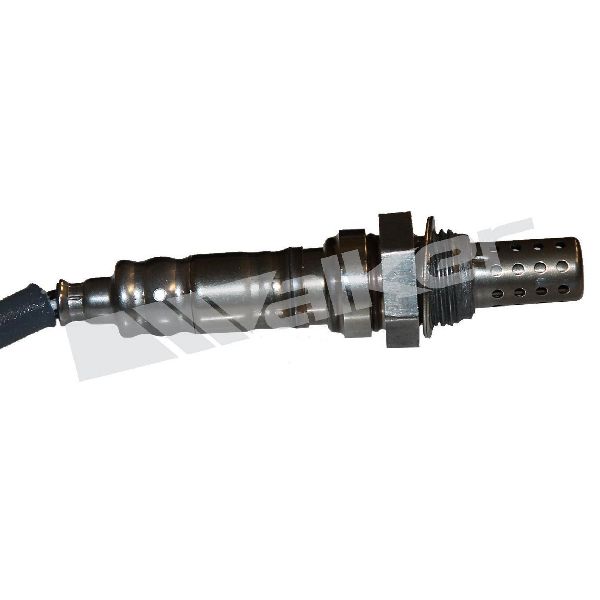
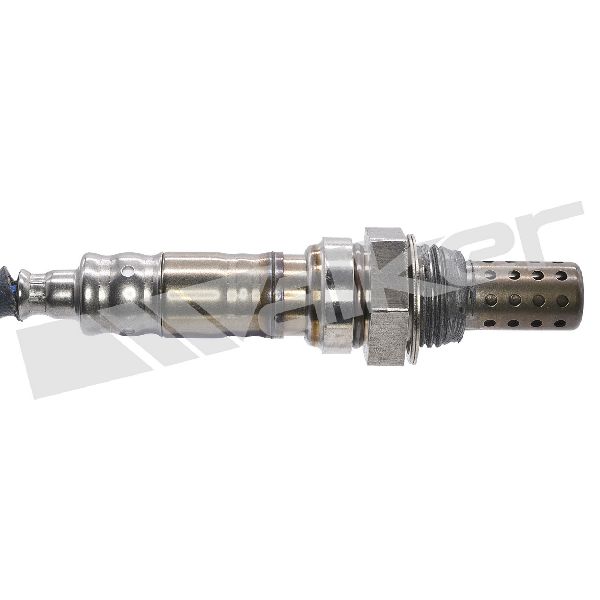
- Downstream Oxygen Sensor (Bank 1, Sensor 2)
(OEM #36532-R40-A01)— The internal heater element is the most common point of failure, which requires replacing the entire sensor assembly.
Trusted brands: Denso (OEM supplier, P/N 234-4462), NGK/NTK (P/N 24434), Bosch (P/N 18100)
OEM price range: $135-$200
Aftermarket price range: $60-$120
Related Codes That Often Appear With This One
- P0420 — In some cases, a failing or slow-to-respond downstream O2 sensor (which can be caused by a faulty heater) can lead the PCM to incorrectly flag the catalytic converter's performance. A real-world example on a 7th generation Accord showed a P0420 code appearing after the initial P0141 (heater circuit fault) and being resolved by replacing only the downstream O2 sensor.
Technical Service Bulletins (TSBs) & Recalls
- Honda TSB 09-010: Addresses the common VTC actuator rattle on cold starts for 2008-2012 Accords. While unrelated to P0036, it's a critical issue for this platform.
Platform-Specific Known Issues
- Owner Repair Experience: An owner on Honda-Tech.com with a 2008 Accord 2.4L experienced persistent misfire codes after replacing numerous parts including injectors, plugs, and coils. They finally replaced the upper and lower oxygen sensors, which resolved the issue, highlighting that while P0036 itself doesn't cause misfires, a failing sensor can be part of a larger set of issues on a higher mileage vehicle.
Mechanic-Grade Diagnostic Values
- B1S2 O2 Sensor Heater Resistance — expected: 5 - 20 Ohms (some sources state up to 40 Ohms is acceptable for Hondas).. Failure: Infinite resistance (OL) indicates an open circuit (bad sensor). Very low resistance (under 2 Ohms) may indicate an internal short.
- B1S2 O2 Sensor Heater Power Supply — expected: Battery Voltage (~12V) with Key On, Engine Off.. Failure: 0V indicates a blown fuse or an open in the power supply wire.
- B1S2 O2 Sensor Heater Current Draw (Live Data) — expected: Varies, but should be within a specified range, for example -2.5 to +2.5 mA (this specific value was for an upstream sensor on the same platform, but a similar PID should exist for the downstream).. Failure: 0 mA or a reading stuck at the maximum/minimum value indicates a circuit or sensor fault.
Wiring & Ground Locations
- B1S2 Connector — Inside the cabin, under the passenger-side carpet in the front footwell, near the firewall.. This is the primary access point for testing the sensor and vehicle-side harness without removing the sensor from the exhaust.
- Heater Circuit Wires — On the sensor-side of the connector, these are the two wires of the same color (typically black).. These are the specific wires to probe with a multimeter to test the resistance of the sensor's internal heater element.
- G101 — Main engine harness ground, often located on the driver's side of the intake manifold on K-series engines.. A poor main engine harness ground can cause a variety of sensor issues. While not the direct ground for the heater circuit itself, ensuring it's clean and tight is a crucial step in diagnosing any persistent electrical fault.
Real Owner Repair Stories
- Naija DIY Auto blog post (2003 Honda Accord 2.4L (7th Generation)) — Check Engine Light with code P0141 (Heater Circuit Malfunction Bank 1 Sensor 2). Later, a P0420 (Catalyst Efficiency) code also appeared.
❌ Tried (didn't work) The owner did not report trying other fixes before replacing the sensor.
✅ What actually fixed it Replacing the downstream (Bank 1, Sensor 2) O2 sensor with a Denso aftermarket part (234-4797 for that specific model) resolved both the P0141 and the P0420 codes. The car was driven over 5,000 miles after the repair with no codes returning.
OEM Part Supersession History
36532-R40-A01→36532-R40-A01— No supersession found. This part number appears to be the consistent original and replacement part for the entire 2008-2012 model year range.
Model Year Variations Within This Range
- 2008-2012: The K24Z2 engine (found in LX/LX-P trims) and K24Z3 engine (found in EX/EX-L trims) have different cylinder heads and VTEC systems. The K24Z2 produces 177 hp, while the K24Z3 has a higher-flowing head, a dual-exit exhaust manifold integrated into the head, and produces 190 hp. While the downstream O2 sensor part number is the same, the physical location of the catalytic converter and sensor may have very slight differences due to the different exhaust manifold design, but the diagnostic and repair procedure for P0036 remains identical.
Diagnostic Flowchart
Other Known Issues on This Vehicle
Issues unrelated to this code that are worth knowing about as an owner of this generation:
- VTC Actuator Rattle on Cold Start 🟠 Medium — Very common. A loud, brief rattle for 1-2 seconds immediately after a cold start (engine off for 6+ hours). Does not typically cause immediate damage but is a known defect. (Ref: Honda TSB 09-010.)
- Excessive Oil Consumption 🔴 High — Common, particularly on 2008-2010 models. Some engines may consume over 1 quart of oil per 1,000 miles. Caused by issues with piston rings. (Ref: Subject of a class-action lawsuit (settled, warranty extended for some V6 models, but 4-cylinder owners had limited recourse).)
- Premature Rear Brake Pad Wear 🟡 Low — Widespread on 2008-2009 models. Rear brake pads may wear out in as little as 25,000-35,000 miles. Later models were less affected. (Ref: Subject of multiple class-action lawsuits.)
- Starter Motor Failure 🟠 Medium — Becomes more common after 100,000 miles. Can result in a no-start condition.
Used vs. New Parts: Buying Guide for This Vehicle
When a used part is the smart pick: For this repair, a used part is almost never a smart choice. The only exception might be sourcing a used connector pigtail from a junkyard if only the connector is damaged, but even then, a new pigtail is inexpensive.
Donor-vehicle mileage cap: roughly under 50000 miles for the part to have meaningful remaining life.
What to inspect on the donor part:
- If sourcing a connector, ensure the plastic is not brittle and the locking tab is intact.
- Check for any signs of corrosion on the pins or melting on the wires.
OEM-only on this vehicle (don't cheap out):
- While not strictly OEM-only, using a known OEM supplier like Denso is highly recommended. Cheap, unbranded sensors are a common cause of repeat failures or other emissions codes.
Aftermarket brands forum-validated for this vehicle:
- Denso (OEM supplier)
- NGK / NTK
Brands owners have reported issues with on this vehicle:
- Generic, unbranded 'no-name' sensors from online marketplaces are frequently reported on forums as being unreliable or failing prematurely.
Real Owner Stories
Aggregated from forums and TSBs cited above. Mileages and costs reflect what owners reported in those sources.
2008 Honda Accord 2.4L — ~125000 miles
Symptoms: Experienced persistent misfire codes after replacing injectors, plugs, and coils.
What fixed it: Replaced the upper and lower oxygen sensors.
Source hint: honda-tech.com - '2008 Honda Accord 2.4 L'
Related OBD-II Codes
Frequently Asked Questions
Where is the downstream O2 sensor connector located on my 2008-2012 Accord?
Which fuse should I check for a P0036 code on my K24Z engine?
Does Honda TSB 09-010 explain why my Check Engine Light is on for P0036?
What is the recommended replacement part for the Bank 1, Sensor 2 oxygen sensor?
Can I use a sensor from a 2010 Acura TSX to fix my Accord's P0036 code?
How can I confirm the sensor itself is bad rather than the wiring?
Helpful Videos
We Have This Part in Stock

The information in this article is provided for general reference and educational purposes only. Vehicle specifications, procedures, and part compatibility can vary by production date, trim level, and region. Always consult your vehicle's factory service manual and verify part numbers before purchasing or performing repairs. Safety-critical components such as airbags, seat belts, and braking systems should be installed by a qualified professional.
- Honda Accord:
- 🎬 Helpful Videos
- 🛍️ Shop This Part
- What's Unique About the 2008-2012 Honda Accord
- Symptoms You May Notice
- Most Likely Causes
- Rare But Worth Checking
- Diagnosis Steps
- Parts You'll Likely Need
- Related Codes That Often Appear With This One
- Technical Service Bulletins (TSBs) & Recalls
- Platform-Specific Known Issues
- Mechanic-Grade Diagnostic Values
- Wiring & Ground Locations
- Real Owner Repair Stories
- OEM Part Supersession History
- Model Year Variations Within This Range
- Diagnostic Flowchart
- Other Known Issues on This Vehicle
- Used vs. New Parts: Buying Guide for This Vehicle
- Real Owner Stories
- 2008 Honda Accord 2.4L — ~125000 miles
- Related OBD-II Codes
- Frequently Asked Questions
- 🎟️ Get 5% Off