

P0031 on 2011-2015 Hyundai Sonata 2.4L GDI: Heater Circuit Fixes for Bank 1 Sensor 1
On a 2011-2015 Sonata 2.4L GDI, P0031 almost always means the upstream oxygen sensor (Bank 1, Sensor 1) has failed. Replacing the sensor is the most common fix. Before replacing, check the 'SENSOR 1' 15A fuse in the engine bay fuse box and inspect wiring near the exhaust for melting. Expect to pay $90-$230 for an aftermarket part or around $200 for OEM. It's a straightforward DIY job for many.
- P0031 on your Sonata 2.4L GDI points to the upstream oxygen sensor's heater circuit.
- The most likely fix is replacing the Bank 1, Sensor 1 oxygen sensor. This is a DIY-friendly job for many.
- Before buying a new sensor, always check the 15A 'SENSOR 1' fuse in the engine fuse box and visually inspect the wiring near the sensor for any melting or damage.
- Ensure you are replacing the correct sensor: Bank 1, Sensor 1 is the 'upstream' sensor, located on the exhaust manifold before the catalytic converter.
- This guide applies specifically to the 2011-2015 Hyundai Sonata with the 2.4L GDI engine, but the same issue is common on the Kia Optima, Santa Fe, and Tucson with this engine.
What's Unique About the 2010-2015 Hyundai Sonata
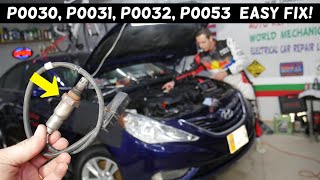
While P0031 is a generic code, the 2011-2015 Sonata with the 2.4L GDI engine is straightforward to diagnose. 🎬 Watch: A quick overview of diagnosing P0031 on the Sonata. There are no widespread, unique platform issues that complicate this code. The cause is almost always a failed sensor, a wiring issue near the hot exhaust, or a fuse. Unlike other engine issues on this platform that have specific Technical Service Bulletins (TSBs) related to the Theta II engine's longevity (e.g., P1326), P0031 is typically a simple component failure. However, it's worth noting that excessive oil consumption, a known issue with these engines, can sometimes lead to premature O2 sensor failure.
Generation note: The 2010-2015 year range covers two Sonata generations. The 2010 model year is the 'NF' generation, while the 2011-2015 model years are the 'YF' generation. The 2.4L GDI engine was introduced with the YF generation, so this guide is specifically applicable to the 2011, 2012, 2013, 2014, and 2015 Hyundai Sonata. The issue is also common on platform mates like the Kia Optima with the same engine.
Symptoms You May Notice
- Check Engine Light is on.
- Reduced fuel economy.
- Rough or unstable idle, especially during cold starts.
- Failing a vehicle emissions test.
- Engine may hesitate or surge.
- Replacing the downstream (Sensor 2) oxygen sensor instead of the upstream (Sensor 1) sensor.
- Replacing the oxygen sensor without first checking the 'SENSOR 1' fuse and inspecting the wiring for melting.
Most Likely Causes
- Failed Upstream Oxygen Sensor 🔴 High Probability The heater element inside the sensor is a common failure point over time due to constant heat cycles. It's a wear-and-tear item.
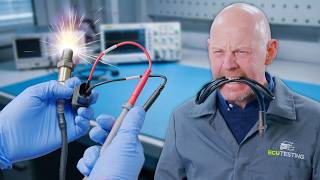
How to confirm: Disconnect the sensor and measure the resistance across the two heater circuit pins (usually the two wires of the same color, often black) with a multimeter. An open circuit (infinite resistance) or a dead short confirms the heater has failed. A good sensor will have a specific resistance, often between 2-15 ohms, 🎬 See how to test the heater circuit with a multimeter. but consult a service manual for the exact spec.
Typical fix: Replace the Bank 1 Sensor 1 (upstream) oxygen sensor.
Est. part cost: $90-$230 - Damaged Wiring or Connector 🟡 Medium Probability The sensor wiring is located near the hot exhaust manifold, making it susceptible to melting or becoming brittle and breaking over time. The harness clip can fail, allowing the wires to contact the exhaust.
How to confirm: Visually inspect the wiring harness leading to the oxygen sensor for any signs of melting, chafing, or broken wires. Check that the connector, located on the back of the engine, is secure and free of corrosion or oil contamination.
Typical fix: Repair the damaged section of wire or replace the connector pigtail.
Est. part cost: $10-$30 - Blown Fuse ⚪ Low Probability
How to confirm: Locate the fuse for the O2 sensor heater circuit in the engine compartment fuse box. On the YF Sonata, this is often a 15A fuse labeled 'SENSOR 1'. Visually inspect the fuse or test it with a multimeter. The fuse box cover has a diagram.
Typical fix: Replace the blown fuse. If the fuse blows again immediately, it indicates a short circuit in the wiring or a shorted sensor heater that must be found and repaired.
Est. part cost: $1-$5
Rare But Worth Checking
- Faulty Powertrain Control Module (PCM): This is extremely rare. The PCM is the last component to suspect after all other possibilities (sensor, wiring, fuses) have been thoroughly tested and ruled out.
Diagnosis Steps
- Read the code with an OBD-II scanner to confirm P0031 is the primary code present.
- Check the fuse for the oxygen sensor heater circuit. On a 2011-2014 Sonata, this is typically the 15A 'SENSOR 1' fuse in the engine bay fuse box. Replace if blown.
- Perform a thorough visual inspection of the Bank 1 Sensor 1 wiring harness and connector. Look for any signs of melting, corrosion, or physical damage, paying close attention to where it runs near the exhaust manifold.
- If the wiring looks good, disconnect the sensor and test the resistance of the heater element using a multimeter. The heater pins are typically the two same-colored wires. A reading of infinite resistance (OL) or near zero ohms indicates a failed heater. The expected range is typically low, around 2-15 ohms.
- If the sensor's resistance is within spec, check for power and ground at the vehicle-side connector. With the key on (engine off), one pin should have battery voltage (12V), and the ground pin should have continuity to the chassis ground.
- If there is no power at the connector, trace the circuit back from the fuse. If there is no ground, check the ground wire for breaks.
- If the sensor, fuse, and wiring all test good, the fault may lie with the PCM, but this is highly unlikely and professional diagnosis is recommended at this point.
Parts You'll Likely Need
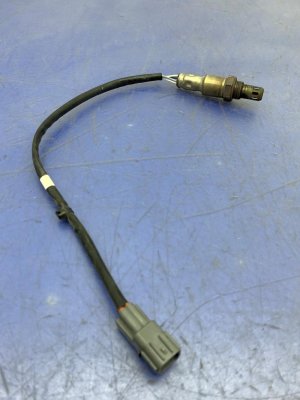
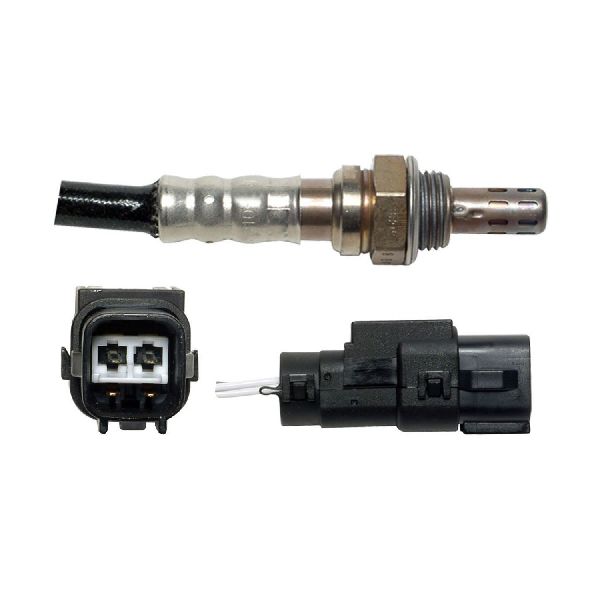
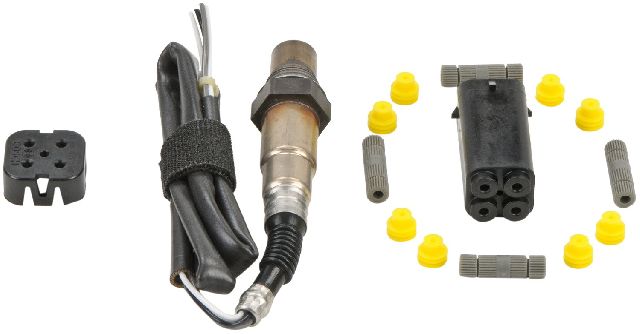
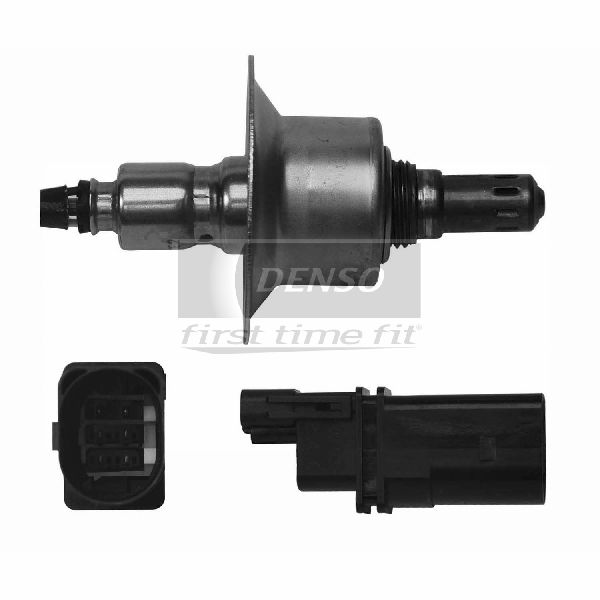
- Upstream Oxygen Sensor (Air/Fuel Ratio Sensor)
(OEM #39210-2G200)— This is Bank 1, Sensor 1. The internal heater element is the most common failure point for code P0031. While this part number is widely cited, some sources list it for the downstream sensor, so always verify with your VIN. Part number 39210-2G100 is also associated with upstream sensors on these engines.
Trusted brands: Denso, Bosch, NGK / NTK, Walker Products, HL Mando (OEM Supplier)
OEM price range: $180-$255
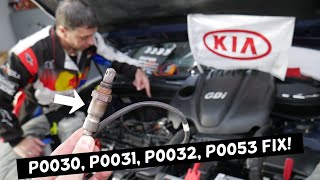
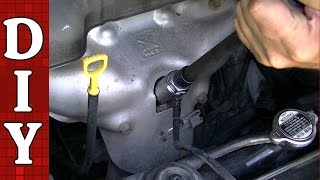
Aftermarket price range: $90-$230 - O2 Sensor Socket — A special slotted socket (typically 22mm or 7/8") is required to remove and install the sensor without damaging the wire. 🎬 Watch: Step-by-step guide to removing and replacing the sensor. It can often be rented from auto parts stores.
Trusted brands: Lisle, OEMTools, GearWrench
Aftermarket price range: $10-$25
Technical Service Bulletins (TSBs) & Recalls
- TSB #25-01-054H / Service Campaign 968: ECM software update to improve combustion and fuel trim adaptations. Not a direct fix for P0031 but relevant to overall engine emissions management.
- Campaign T3G / TSB #20-01-004H-3: Pertains to DTC P1326 and potential engine replacement due to bearing wear. Not directly related to P0031, but highlights the context of known issues with the 2.4L GDI engine.
Platform-Specific Known Issues
- Known Theta II Engine Issues: The 2.4L GDI Theta II engine has known issues with oil consumption and connecting rod bearing wear, which led to recalls and warranty extensions (e.g., Campaign T3G for DTC P1326). While P0031 is not directly caused by this, excessive oil burning can foul and shorten the life of oxygen sensors. If your vehicle consumes a lot of oil, this may be a recurring problem.
- ECM Software Updates: Hyundai has released several TSBs and campaigns to update the ECM software for emissions logic and fuel trim adaptations on the 2.4L GDI engine, such as Service Campaign 968. While not a direct fix for a failed heater circuit, it is good practice to ensure your vehicle's software is up to date when addressing any emissions-related codes.
Mechanic-Grade Diagnostic Values
- Upstream O2 Sensor (Lambda Sensor) Heater Resistance — expected: 2.4 Ω - 4.0 Ω at 20°C (68°F). Failure: A reading of 0 Ω (short circuit) or OL/infinite Ω (open circuit) indicates a failed heater element.
- Heater Circuit Power Supply Voltage at Connector — expected: Battery Voltage (~12V) with Key On, Engine Off. Failure: 0V or significantly low voltage indicates a problem upstream, such as a blown 'SENSOR 1' fuse, a bad relay, or a break in the power wire.
- Heater Circuit Control (ECM side) Waveform — expected: A Pulse-Width Modulated (PWM) square wave when viewed with an oscilloscope. The ECM controls the ground side of the heater to regulate temperature.. Failure: A flat line at 0V or battery voltage indicates the ECM is not attempting to control the heater, or the wire is shorted/open.
Scan Tool Commands That Help
- Hyundai GDS / Hi-Scan Pro: Actuator Test Mode — Before replacing parts, use this function to command the O2 sensor heater relay (and other related actuators) ON/OFF to verify if the control circuit from the ECM and the relay itself are functioning.
- Hyundai GDS / Professional Scan Tool: Component Change Routine — After replacing the lambda (O2) sensor, this procedure should be performed. Failing to do so may result in the ECM using incorrect adaptive values, potentially affecting vehicle performance and emissions even with the new part installed.
Wiring & Ground Locations
- Upstream O2 Sensor Connector (C208) — On the back of the engine, connected to the sensor pigtail that comes up from the exhaust manifold.. This is the primary connector to test for power, ground, and sensor resistance. It's a 4-pin connector.
- Heater Circuit Power Pin — Pin 4 (typically a Red wire) on the C208 connector (harness side).. This pin should have battery voltage from the 'SENSOR 1' 15A fuse when the ignition is on. This is the power supply for the heater.
- Heater Circuit Control Pin — Pin 3 (typically a White wire) on the C208 connector (harness side).. This wire goes to the ECM, which provides a pulsed ground to control the heater. A short to ground on this wire will cause P0031. Testing for a short to ground here is a key diagnostic step if the sensor and fuse are good.
- Engine Grounds — Multiple ground points exist on the engine block, cylinder head, and chassis. A common ground point is located on the driver's side inner fender near the battery.. While P0031 is a specific circuit low code (short), a poor ground connection for the ECM can cause a variety of unpredictable electrical issues, though it's not the most likely cause for this specific code.
Real Owner Repair Stories
- Hyundai-Forums user post (2011 Hyundai Sonata 2.4L) — Check engine light with code P0031.
❌ Tried (didn't work) Replacing the Bank 1 Sensor 1 oxygen sensor.
✅ What actually fixed it The code returned immediately after replacing the sensor. Further diagnosis found that the new sensor's heater circuit also read as a short. The technician then inspected the wiring harness more closely and found the signal wire for the heater circuit was shorted to ground where the harness had rubbed against a metal bracket on the back of the engine block. Repairing the wire and protecting it with loom resolved the code.
OEM Part Supersession History
39210-2G100→Varies by production date/VIN— Standard part evolution.
Heads up: Significant confusion exists with part number 39210-2G200. Many parts catalogs list 39210-2G200 as a REAR (downstream) sensor for the Sonata. However, some vendors list its position ambiguously as 'Upper, Rear, Lower'. The correct upstream sensor is often 39210-2G100 or a similar variant. This is a major trap for DIY and professional repairers. ALWAYS confirm the part number with the vehicle's VIN through a dealership or reliable OEM parts source before ordering.
Model Year Variations Within This Range
- 2011: Some part numbers for emissions components, including oxygen sensors, have a production date cutoff around November 2010. For example, part number 39210-2G560 is specified for vehicles built 'From 11/15/10'. This highlights that even within the same model year, part changes occurred, reinforcing the need to verify all parts against the VIN.
Diagnostic Flowchart
Real Owner Stories
Aggregated from forums and TSBs cited above. Mileages and costs reflect what owners reported in those sources.
Hyundai Sonata 2.4L GDI
Symptoms: The check engine light returned even after replacing the oxygen sensor twice.
What fixed it: Diagnosing the wiring harness with a multimeter to find a short to ground, rather than just continuing to replace parts.
Source hint: Reddit r/MechanicAdvice
Hyundai Sonata 2.4L GDI
Symptoms: Check engine light illuminated with code P0031.
What fixed it: Replaced the upstream O2 sensor with a Denso or NTK brand replacement using a rented O2 sensor socket.
Source hint: hyundai-forums.com / sonataforums.com
Hyundai Sonata 2.4L GDI
Symptoms: Check engine light on due to a failed heater circuit.
What fixed it: Found melted wires near the exhaust manifold and replaced the blown 15A 'SENSOR 1' fuse in the engine bay fuse box.
Source hint: YouTube channels 'World Mechanics' and 'Electrical Car Repair LIVE'
Related OBD-II Codes
Frequently Asked Questions
Is the P0031 code related to the known Theta II engine recalls like Campaign T3G?
Which fuse should I check for the P0031 code on my 2011-2014 Sonata?
Does Service Campaign 968 fix the P0031 code?
What brand of oxygen sensor do other Sonata owners recommend for this fix?
I replaced the upstream O2 sensor on my 2.4L GDI but the P0031 code came back. What's next?
Helpful Videos
Used OEM Parts in Stock
New Aftermarket Parts Available


The information in this article is provided for general reference and educational purposes only. Vehicle specifications, procedures, and part compatibility can vary by production date, trim level, and region. Always consult your vehicle's factory service manual and verify part numbers before purchasing or performing repairs. Safety-critical components such as airbags, seat belts, and braking systems should be installed by a qualified professional.
- Hyundai Sonata:
- 🎬 Helpful Videos
- 🛍️ Shop This Part
- What's Unique About the 2010-2015 Hyundai Sonata
- Symptoms You May Notice
- Most Likely Causes
- Rare But Worth Checking
- Diagnosis Steps
- Parts You'll Likely Need
- Technical Service Bulletins (TSBs) & Recalls
- Platform-Specific Known Issues
- Mechanic-Grade Diagnostic Values
- Scan Tool Commands That Help
- Wiring & Ground Locations
- Real Owner Repair Stories
- OEM Part Supersession History
- Model Year Variations Within This Range
- Diagnostic Flowchart
- Real Owner Stories
- Hyundai Sonata 2.4L GDI
- Hyundai Sonata 2.4L GDI
- Hyundai Sonata 2.4L GDI
- Related OBD-II Codes
- Frequently Asked Questions
- 🎟️ Get 5% Off