

P0031 on 2006-2010 Dodge Charger 5.7L HEMI: O2 Sensor Heater Circuit Causes and Fixes
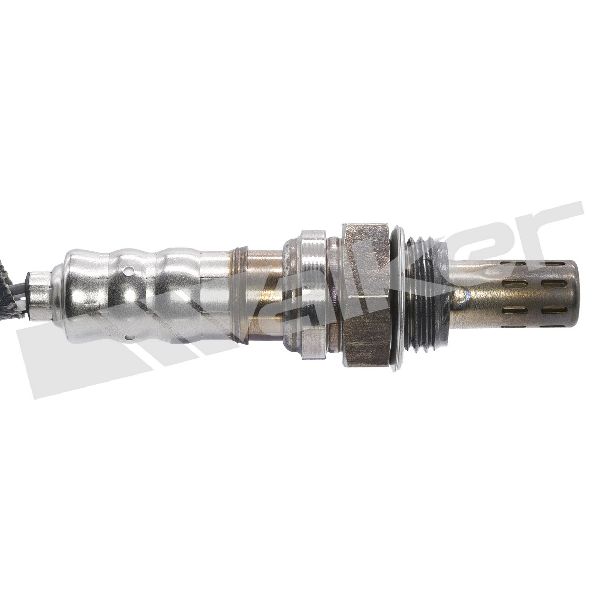
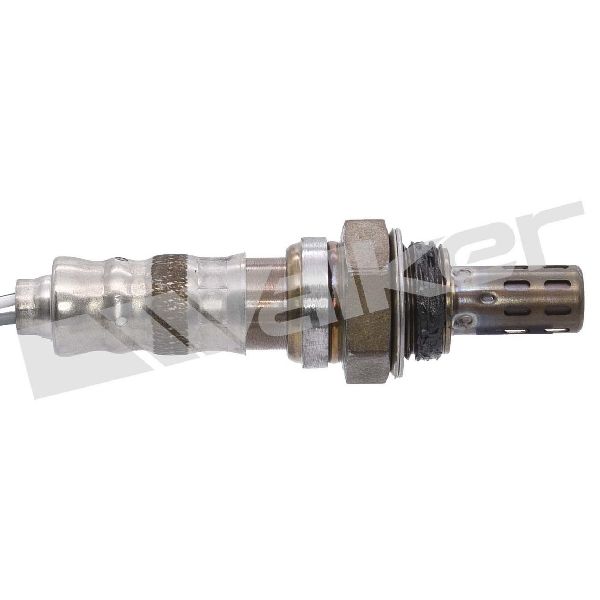
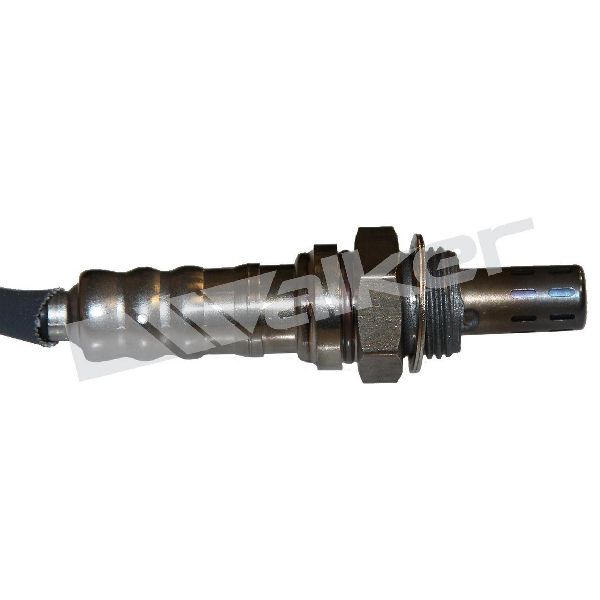
This code almost always means the Bank 1, Sensor 1 oxygen sensor has failed. On the 5.7L HEMI, this is the upstream sensor on the driver's side. Replacing the sensor is the most common fix. Before replacing, do a quick check of the wiring for melting and confirm the related fuse isn't blown. Expect to pay $40-$80 for a quality aftermarket part (NTK/Denso) or $100-$150 for an OEM Mopar sensor. DIY difficulty is 2/5.
- P0031 points to a problem with the heater in the driver's side upstream O2 sensor.
- The most likely fix is to replace the Bank 1, Sensor 1 O2 sensor itself.
- Before replacing the sensor, it's wise to do a quick visual check of the wiring for any obvious melting or damage and test the sensor's heater resistance with a multimeter.
- For a reliable, long-term fix, use a high-quality OEM (Mopar) or reputable aftermarket (NTK, Denso) sensor.
- This is a DIY-friendly repair for those with basic tools, including an O2 sensor socket.
What's Unique About the 2006-2010 Dodge Charger
For the first-generation Dodge Charger with the 5.7L HEMI, the P0031 code is a very common and straightforward issue. While wiring or fuse problems can cause it, experience from owners and mechanics shows the root cause is typically the oxygen sensor's internal heater failing due to age and countless heat cycles. A common mistake is using a cheap, or incorrect brand, of oxygen sensor; the Chrysler PCM can be sensitive, and using a low-quality or non-specified part (notably, Bosch brand sensors are frequently reported as problematic in this application) may cause the code to return quickly or not work at all. It is highly recommended to use an OEM Mopar part (P/N: 56029049AA for 2006-2008, 56028994AA for 2009-2010) or a sensor from the OE supplier, NTK, for a lasting repair. In some rare cases, particularly when all four O2 sensor heater codes appear at once (P0031, P0037, P0051, P0057), it can point to a systemic issue like a faulty PCM driver circuit, as documented by technicians who have encountered multiple 'bad' rebuilt PCMs in a row.
Symptoms You May Notice
- Check Engine Light is on
- Reduced fuel economy
- Rough or unstable idle, especially when the engine is cold
- Failing a vehicle emissions test
- Vehicle may hesitate or stumble on acceleration
- Replacing the wrong oxygen sensor (e.g., Bank 2 passenger side, or Sensor 2 downstream). Bank 1 is the driver's side, and Sensor 1 is upstream (before the catalytic converter).
- Replacing the O2 sensor without first checking the fuse and inspecting the wiring for obvious damage like melting.
- Condemning the PCM before thoroughly testing the sensor, wiring, and power/ground supply to the sensor connector.
Most Likely Causes
- Failed Bank 1, Sensor 1 Oxygen Sensor 🔴 High Probability The internal heater element within the O2 sensor is a common failure point due to constant, extreme heat cycles over many years of service. On the 5.7L HEMI, this is overwhelmingly the most frequent culprit for P0031.
How to confirm: Unplug the sensor and measure the resistance between the two heater circuit pins (often the two same-colored wires, typically black or white). An open circuit (infinite resistance or 'OL' on a multimeter) or a resistance value outside of the manufacturer's specification indicates a failed heater. A typical good heater has a resistance of 4-10 ohms when cold.
Typical fix: Replace the Bank 1, Sensor 1 (driver's side, upstream) oxygen sensor.
Est. part cost: $40-$150 - Damaged Wiring or Connector 🟡 Medium Probability The wiring harness for the O2 sensor is routed near the hot exhaust manifold and other engine components, making it susceptible to melting, chafing, or becoming brittle and cracking over time. The connector pins can also corrode.
How to confirm: Visually inspect the entire wiring harness from the O2 sensor back to the main loom. Look for any signs of melting, burns, frayed wires, or corrosion on the connector pins. Perform a continuity test on the heater circuit wires between the PCM and the sensor connector to check for breaks in the wire.
Typical fix: Repair the damaged section of the wiring harness with new wire and heat-shrink butt connectors, or replace the connector pigtail if the damage is at the connector itself.
Est. part cost: $15-$50 - Blown Fuse or Faulty Relay ⚪ Low Probability
How to confirm: While many Chrysler products from this era do not use a dedicated, user-serviceable fuse for the O2 heaters, it's worth checking. Some forum discussions suggest the O2 heaters are powered by the ASD (Auto Shutdown) relay. If the engine runs, the ASD relay is likely working, but it's a point of reference. Check the main fuse box (Front Power Distribution Center) for any blown fuses related to engine or emissions controls. A user on a Ram forum with a similar 5.7L engine and multiple O2 heater codes noted that his fuse box diagram showed locations for O2 heater relays, but the terminals were not present in the box, indicating the circuit is controlled differently.
Typical fix: Replace the blown fuse. If the fuse blows again immediately, it indicates a short circuit in the heater circuit that must be diagnosed and repaired.
Est. part cost: $1-$10
Rare But Worth Checking
- Faulty Powertrain Control Module (PCM): This is the least likely cause and should only be considered after all other possibilities have been exhaustively ruled out. A failed driver circuit within the PCM can prevent it from supplying the correct voltage or ground to the heater circuit. This is more likely to be the cause if multiple O2 heater circuit codes (e.g., P0031, P0037, P0051, P0057) are present simultaneously after the sensors and wiring have been verified as good.
Diagnosis Steps
- Scan for Codes: Confirm P0031 is present. Note any other codes. If all four O2 heater codes are present (P0031, P0037, P0051, P0057), the diagnostic path may lead towards a shared power/ground issue or a PCM fault.
- Visual Inspection: Safely raise the vehicle. Locate the Bank 1 Sensor 1 O2 sensor on the driver's side exhaust manifold. Meticulously inspect the sensor's wiring harness and connector for melting, chafing, corrosion, or physical damage. Follow the harness as far back as possible.
- Check for Power at the Connector: Disconnect the O2 sensor. Turn the ignition to 'Key On, Engine Off'. Use a multimeter to check for 12-volt power on one pin of the vehicle-side harness connector and a good ground on another. This confirms the PCM is attempting to power the heater circuit.
- Test the Sensor's Heater Resistance: Using a multimeter set to Ohms, measure the resistance across the two heater pins on the sensor itself (not the harness connector). A reading of infinite resistance ('OL') means the heater is burned out and the sensor must be replaced. 🎬 See how to diagnose and fix the P0031 code. A good sensor typically reads between 4 and 10 Ohms.
- Check for Shorts (Advanced): With the sensor unplugged, check for continuity to ground on the power feed wire in the harness. There should be no continuity. If there is, it indicates a short to ground in the harness that needs to be found and repaired.
- Replace the Sensor: If the sensor's heater circuit has failed the resistance test (Step 4), replace the Bank 1, Sensor 1 oxygen sensor. Use an O2 sensor socket for easier removal 🎬 Watch this full tutorial on replacing Charger oxygen sensors. and installation.
- Clear Codes and Test Drive: After any repair or replacement, clear the trouble code with a scan tool and perform a test drive, including a full warm-up cycle, to ensure the code does not return.
Parts You'll Likely Need
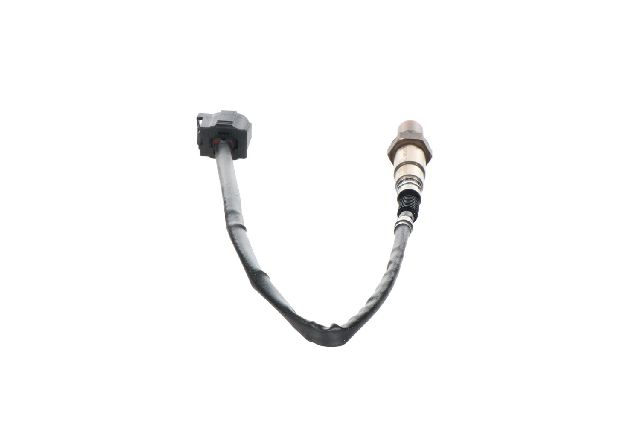
- Oxygen Sensor (Bank 1, Sensor 1)
(OEM #56029049AA)— This is the upstream sensor on the driver's side. Its internal heater element is the most common failure point for code P0031 on this vehicle.
Trusted brands: Mopar, NTK, Denso, Bosch
OEM price range: $100-$150
Aftermarket price range: $40-$80
Platform-Specific Known Issues
- Multiple O2 Heater Codes: In some instances, owners report seeing all four O2 heater circuit codes (P0031, P0037, P0051, P0057) appear simultaneously. While this could be a wiring issue, it has also been linked in forums and technician videos to an internal failure of the PCM. One technician documented receiving three consecutive faulty rebuilt PCMs with the same internal issue.
Technical Service Bulletins (TSBs) & Recalls
- TSB Bulletin #18-092-15: This manufacturer bulletin addresses instances where the O2 Sensor 1/1 Heater Circuit Low (P0031) is triggered alongside other heater circuit codes like P0037, P0051, and P0057.
- TSB Bulletin #25-002-14: Notes that P0031 (O2 Sensor 1/1 Heater Circuit Low) can sometimes be associated with soot-related issues or slow response codes like P014D in certain Chrysler-family fuel systems.
- TSB Bulletin #25-004-12: Identifies P0031 as a specific heater circuit low malfunction that may occur in conjunction with P0030, P0032, or P0036.
- TSB Bulletin #25-003-13: Further documents the occurrence of P0031 O2 Sensor 1/1 Heater Circuit Low within the manufacturer's diagnostic framework for engine and emissions control systems.
Mechanic-Grade Diagnostic Values
- O2 Sensor Heater Element Resistance — expected: 4.0 to 10.0 Ohms at room temperature (~70°F / 21°C). Some service manuals state a wider range of 2.0 to 30.0 Ohms. A tighter range of 4-7 Ohms is typical for a new NTK/Mopar sensor.. Failure: A reading of 'OL' (Over Limit/infinite resistance) indicates a burned-out open circuit. A reading near 0 Ohms indicates an internal short circuit.
- O2 Heater Power Supply at Harness Connector — expected: Battery voltage (~12V) with Key On, Engine Off (KOEO).. Failure: Voltage near 0V indicates an open in the power supply wire (from the ASD relay) or a blown fuse/faulty relay.
- O2 Heater Circuit Current Draw (Advanced) — expected: Approximately 0.8 to 1.5 Amps when the heater is commanded on by the PCM.. Failure: Current draw significantly below 0.8 Amps can trigger a 'low circuit' code like P0031. This is best measured with a low-amp clamp around the heater control wire.
Scan Tool Commands That Help
- wiTECH or other professional bidirectional scanner: O2 Heater Test or Actuator Test — This function allows a technician to manually command the PCM to activate the O2 sensor heater circuit, typically in duty cycle increments (e.g., 25%). It is used to verify that the PCM driver is functional and that the wiring can carry a load, which can be observed by monitoring current with an amp clamp or voltage drop on a multimeter. This is useful for diagnosing an intermittent fault or confirming a PCM failure after the sensor and wiring have been proven good.
Wiring & Ground Locations
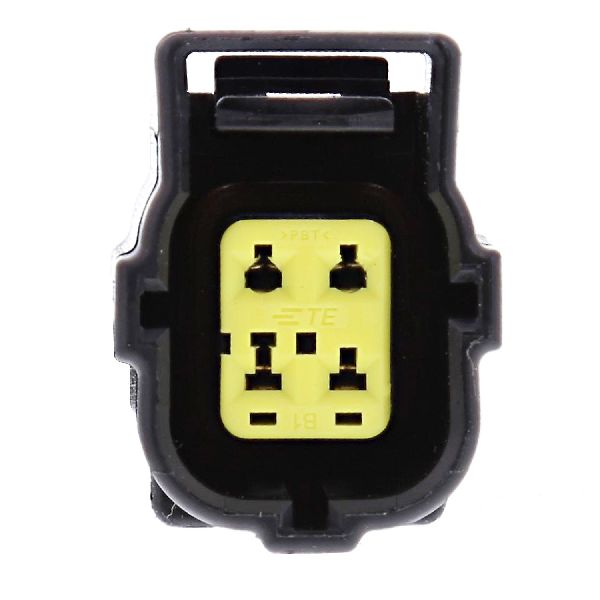
- Bank 1 Sensor 1 O2 Sensor Connector (C103) — On the driver's side of the engine, connecting to the upstream O2 sensor located in the exhaust manifold.. This is the 4-pin connector where all electrical tests for the sensor and circuit are performed. Pin 1 (typically a Dark Blue/White wire) is the heater control (pulsed ground) from the PCM. Pin 2 (typically a Dark Blue/Orange wire) is the 12V+ power feed from the ASD relay output. Pins 3 and 4 are for the O2 sensor signal and signal ground.
- G305 — Varies by exact model year, but typically on the passenger side of the engine block near the starter or in the rear of the vehicle/trunk area.. While not a direct ground for the O2 sensor heater circuit itself, G305 is a major chassis ground point. Poor main engine or chassis grounds can create floating voltages and electrical noise, leading to a variety of unpredictable sensor-related codes. If multiple, seemingly unrelated electrical issues are present with P0031, checking major grounds like this is a wise step.
Real Owner Repair Stories
- LXForums user report (2007 Dodge Charger 5.7L) — Check engine light with codes P0031 and P0051 (both upstream O2 heater circuit low).
❌ Tried (didn't work) Replaced both upstream O2 sensors with Bosch brand sensors.
✅ What actually fixed it The codes persisted after installing the Bosch sensors. The problem was only resolved after replacing the new Bosch sensors with NTK brand sensors. This highlights the known sensitivity of the Chrysler PCM to specific O2 sensor brands. - ChargerForums user report (2006 Dodge Charger R/T (5.7L)) — Check engine light with code P0031.
❌ Tried (didn't work) Replacing the Bank 1 Sensor 1 O2 sensor.
✅ What actually fixed it The code returned after sensor replacement. A more thorough inspection of the wiring harness revealed that the wires had melted and were shorting against the engine block. Repairing the melted section of the harness permanently fixed the issue.
OEM Part Supersession History
56029049AA→56029049AF (and others in between)— Standard part revision and supplier updates.
Heads up: The key incompatibility is not within the Mopar supersession chain, but when using aftermarket brands. The OE supplier is NTK (their equivalent part is 23531). Using brands like Bosch is known to cause recurring codes on this platform.
Model Year Variations Within This Range
- 2009-2010: In 2009, the 5.7L HEMI was updated with Variable Valve Timing (VVT), often called the 'Eagle' Hemi. This engine update also came with a different PCM and potentially different O2 sensors. While the 2006-2008 models primarily use Mopar P/N 56029049AA, the 2009-2010 models often require a different sensor, such as Mopar P/N 56028994AA (NTK 23158). Always verify the part number with the vehicle's VIN.
Diagnostic Flowchart
Other Known Issues on This Vehicle
Issues unrelated to this code that are worth knowing about as an owner of this generation:
- MDS Lifter / Camshaft Failure 🔴 High — Common, especially on engines with extended oil change intervals or high mileage. Often preceded by a distinct 'Hemi tick'. Can occur anytime after 80,000 miles. (Ref: While no direct recall for the Charger, related TSBs exist for other platforms and the issue is widely documented.)
- Shifter Stuck in Park ('Pink Thingy' Failure) 🟠 Medium — Extremely common on 2006-2007 models. A small plastic park lock lever inside the shifter assembly breaks, immobilizing the vehicle. (Ref: Not subject to a recall, but a well-known failure with robust aftermarket solutions (e.g., metal replacement levers).)
- Front Suspension Tension Strut Failure 🟠 Medium — Very common wear item. The large hydro-bushing on the control arm fails, causing clunking noises over bumps, poor alignment, and a wandering feeling. Typically requires replacement every 60,000-100,000 miles.
- Dropped Valve Seats (Pre-2009 Models) 🔴 High — Less common than lifter failure but catastrophic when it occurs. Primarily affects 2006-2008 'pre-Eagle' 5.7L HEMIs. Overheating can increase the risk. Results in severe engine damage.
- Premature Engine Failure (2006 Model Year) 🔴 High — The 2006 model year has a higher-than-average number of owner complaints regarding sudden and catastrophic engine failure, sometimes without prior warning.
Used vs. New Parts: Buying Guide for This Vehicle
When a used part is the smart pick: For this repair, a used part only makes sense for the wiring harness connector pigtail. If the original connector is melted or corroded, a pigtail cut from a junkyard harness is an excellent, cost-effective repair. Never use a used oxygen sensor, as it is a wear item with a finite lifespan.
Donor-vehicle mileage cap: roughly under 100000 miles for the part to have meaningful remaining life.
What to inspect on the donor part:
- For a wiring pigtail, inspect for any signs of brittleness, cracking, or melting.
- Ensure the plastic is still flexible and the wire insulation is intact.
- Check connector pins for corrosion or signs of water intrusion.
OEM-only on this vehicle (don't cheap out):
- Oxygen Sensor: While not strictly 'OEM-only', the choice is limited to OEM (Mopar) or the original equipment supplier (NTK). Using other brands is a significant risk for this vehicle.
- Powertrain Control Module (PCM): If the PCM is condemned, using an OEM Mopar unit (new or remanufactured) or a unit from a highly reputable specialist is critical to avoid repeat failures.
Aftermarket brands forum-validated for this vehicle:
- NTK (for Oxygen Sensors)
- Denso (for Oxygen Sensors)
Brands owners have reported issues with on this vehicle:
- Bosch (for Oxygen Sensors): Widely reported in owner forums to cause compatibility issues and repeat codes with the Chrysler PCM on this platform.
Real Owner Stories
Aggregated from forums and TSBs cited above. Mileages and costs reflect what owners reported in those sources.
2005 Chrysler 300C 5.7L HEMI
Symptoms: Heater circuit low codes for all O2 sensors simultaneously.
What fixed it: The diagnostic led to suspicion of the PCM after sensors and wiring were checked and found to be functional.
Source hint: 2carpros.com question '2005-chrysler-300-heater-circuit-low-for-all-o2-sensors'
2006-2010 Dodge Charger 5.7L HEMI
Symptoms: Check Engine Light with all four O2 heater circuit codes (P0031, P0037, P0051, P0057) appearing at the same time.
What fixed it: Replacement of the PCM, though the owner noted that multiple rebuilt PCM units were faulty out of the box with the same internal heater circuit failure.
Source hint: vehicle_specific_issues section 'Multiple O2 Heater Codes'
2009 Dodge Ram 5.7L HEMI
Symptoms: P0031 and P0037 codes present.
What fixed it: Investigation of the ASD (Auto Shutdown) relay circuit, as the owner discovered the fuse box terminals for O2 heater relays were not present, indicating the heaters are powered via the ASD circuit.
Source hint: ramforum.com thread 'where-are-the-fuses-for-the-o2-scensors'
Related OBD-II Codes
Frequently Asked Questions
Where is the Bank 1, Sensor 1 oxygen sensor located on my 5.7L HEMI Charger?
I have P0031, P0037, P0051, and P0057 all at once. Is it likely all four sensors failed?
Is there a specific fuse for the O2 sensor heaters on the 2006-2010 Charger?
What is the correct resistance for a new Bank 1, Sensor 1 oxygen sensor?
Can I use any O2 sensor, or is there a specific part number for the HEMI engine?
Will this code cause my Charger to fail an emissions test?
Helpful Videos
We Have This Part in Stock


The information in this article is provided for general reference and educational purposes only. Vehicle specifications, procedures, and part compatibility can vary by production date, trim level, and region. Always consult your vehicle's factory service manual and verify part numbers before purchasing or performing repairs. Safety-critical components such as airbags, seat belts, and braking systems should be installed by a qualified professional.
- Dodge Charger:
- 🎬 Helpful Videos
- 🛍️ Shop This Part
- What's Unique About the 2006-2010 Dodge Charger
- Symptoms You May Notice
- Most Likely Causes
- Rare But Worth Checking
- Diagnosis Steps
- Parts You'll Likely Need
- Platform-Specific Known Issues
- Technical Service Bulletins (TSBs) & Recalls
- Mechanic-Grade Diagnostic Values
- Scan Tool Commands That Help
- Wiring & Ground Locations
- Real Owner Repair Stories
- OEM Part Supersession History
- Model Year Variations Within This Range
- Diagnostic Flowchart
- Other Known Issues on This Vehicle
- Used vs. New Parts: Buying Guide for This Vehicle
- Real Owner Stories
- 2005 Chrysler 300C 5.7L HEMI
- 2006-2010 Dodge Charger 5.7L HEMI
- 2009 Dodge Ram 5.7L HEMI
- Related OBD-II Codes
- Frequently Asked Questions
- 🎟️ Get 5% Off