

P0031 on 2005-2010 Chrysler 300 2.7L: Causes and Fixes for the O2 Sensor Heater Circuit
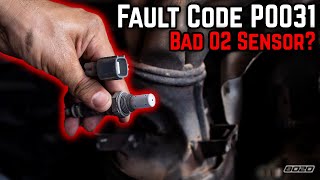
This code almost always means the internal heater in the Bank 1, Sensor 1 oxygen sensor has failed. On the 2.7L V6, this is the upstream sensor on the passenger side. Replacing the sensor is the most common fix, costing around $30-$60 for an aftermarket part or $70-$120 for an OEM part.
- P0031 points specifically to a fault in the heater circuit for the upstream oxygen sensor on the passenger's side (Bank 1).
- The most likely cause by far is a burned-out heating element inside the O2 sensor itself.
- Diagnosis is straightforward with a multimeter: check for power at the connector and test the resistance of the old sensor.
- This is a DIY-friendly repair that can prevent poor fuel economy, rough idling, and a failed emissions test.
- Always confirm you are replacing the correct sensor: Bank 1, Sensor 1 (upstream passenger side).
What's Unique About the 2005-2010 Chrysler 300
For the 2005-2010 Chrysler 300 with the 2.7L V6 engine, Bank 1 is located on the passenger's side of the vehicle, as this is the side with cylinder #1. Sensor 1 is the upstream sensor, positioned in the exhaust manifold before the catalytic converter. While the code itself is common across many brands, owners should be careful to identify the correct sensor, as replacing the wrong one is a frequent misstep.
Symptoms You May Notice
- Check Engine Light is on.
- Increased fuel consumption.
- Rough or unstable idle, especially when the engine is cold.
- Vehicle may hesitate or run rough until fully warmed up.
- Guaranteed failure of an emissions test.
- Replacing the wrong oxygen sensor (e.g., the downstream sensor or the sensor on the driver's side bank).
- Replacing the catalytic converter. This code is specific to the sensor's heater circuit and is not related to converter efficiency.
- Assuming the sensor is bad without checking for power and ground at the connector first. A blown fuse or wiring issue will mimic a bad sensor.
Most Likely Causes
- Failed Oxygen Sensor Heater Element 🔴 High Probability The internal heating element is like a light bulb filament; it has a finite lifespan and can burn out from age and countless heat cycles. This is the most common resolution reported by owners.
How to confirm: Disconnect the sensor and measure the resistance between the two heater circuit pins (usually the two wires of the same color, often black) using a multimeter. An open circuit (infinite resistance or 'OL') confirms the heater has failed. A good heater should have a resistance between 3.3 and 4.5 ohms for an upstream sensor on this platform.
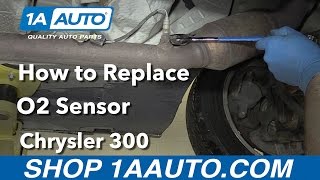
Typical fix: Replace the Bank 1, Sensor 1 (upstream, passenger side) oxygen sensor. An O2 sensor socket is highly recommended for removal.
Est. part cost: $30-$120 - Damaged Wiring or Connector 🟡 Medium Probability The wiring harness is close to hot exhaust components and can become brittle, melt, or chafe over time, causing a short or open circuit. The plastic connector can also become brittle and break.
How to confirm: Visually inspect the wiring and connector from the sensor up into the engine bay for any signs of melting, corrosion, or physical damage. Use a multimeter to check for 12-volt power and a good ground at the connector with the key on, engine off. The absence of voltage points to a wiring or fuse issue, not a sensor issue.
Typical fix: Repair the damaged section of the wiring harness or replace the connector pigtail.
Est. part cost: $10-$30 - Blown Fuse or Faulty Relay ⚪ Low Probability
How to confirm: Locate the Power Distribution Center (fuse box) under the hood. Check the fuse designated for the O2 sensor heaters (often labeled 'O2 HTR' or similar, and may be a 15A or 20A fuse). On some LX platform vehicles, this may be fuse #15 in the under-hood fuse box, but consult your owner's manual to be certain. If the fuse is blown, it indicates a short circuit that needs to be found before replacing the fuse.
Typical fix: Replace the blown fuse after diagnosing the underlying short circuit (e.g., melted wiring).
Est. part cost: $1-$5
Rare But Worth Checking
- Faulty Powertrain Control Module (PCM): This is very uncommon. The PCM's internal driver for the heater circuit can fail, but all other possibilities like the sensor, wiring, and fuses must be exhaustively ruled out first. This should be the last resort after all other diagnostics have failed.
Diagnosis Steps
- Read the code with an OBD-II scanner to confirm P0031 is present.
- Identify Bank 1, Sensor 1. On the 2.7L V6, this is the upstream sensor on the passenger side exhaust manifold.
- Visually inspect the sensor's wiring harness and connector for any obvious damage, melting, or corrosion.
- Check the fuse for the O2 sensor heater circuit in the vehicle's fuse box (Power Distribution Center) under the hood.
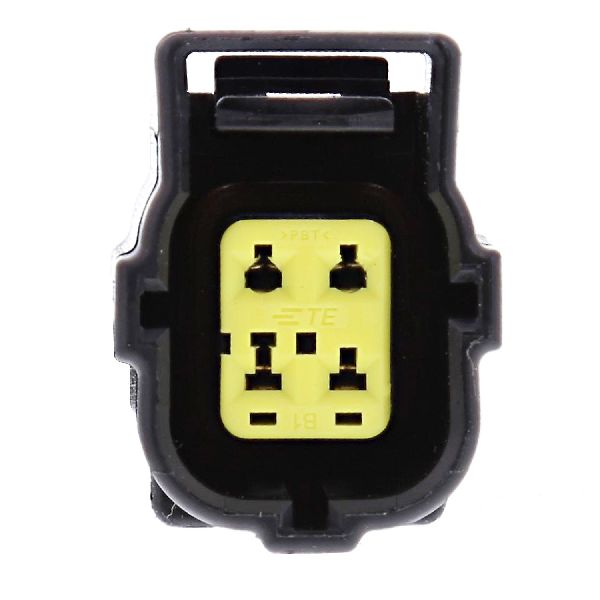
- Disconnect the sensor. With the ignition on (engine off), use a multimeter to test the vehicle-side connector. You should have approximately 12 volts on one pin and a good ground on another. If not, the problem is in the vehicle's wiring or fuse, not the sensor.
- Using the multimeter set to Ohms, measure the resistance across the two heater pins on the sensor itself (usually the two same-colored wires). A typical reading for an upstream sensor is between 3.3 and 4.5 ohms. An open circuit (no reading or 'OL') or a dead short (zero ohms) indicates a failed sensor.
- If the sensor's resistance is good and the wiring has proper power and ground, there may be a break in the signal wire between the connector and the PCM, or a rare PCM fault.
Parts You'll Likely Need
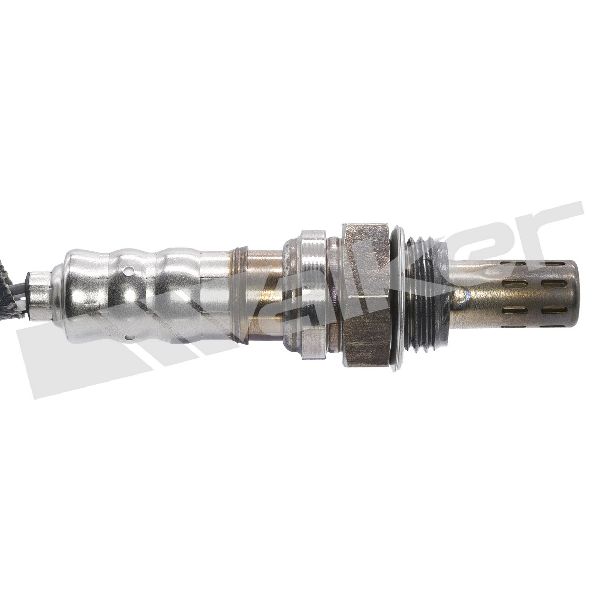
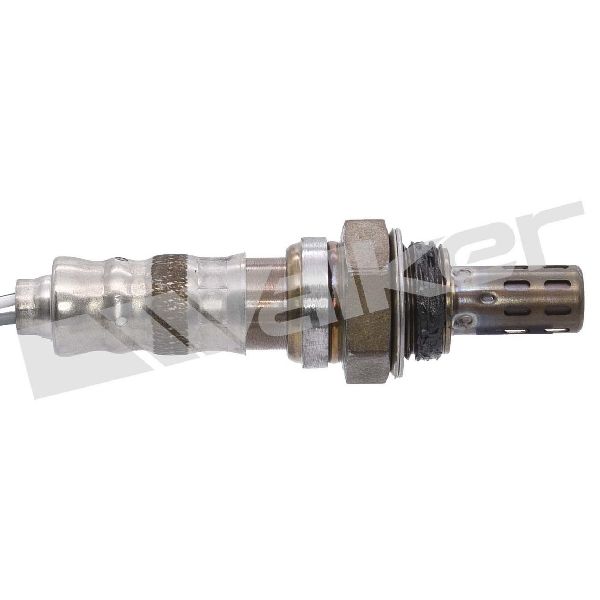
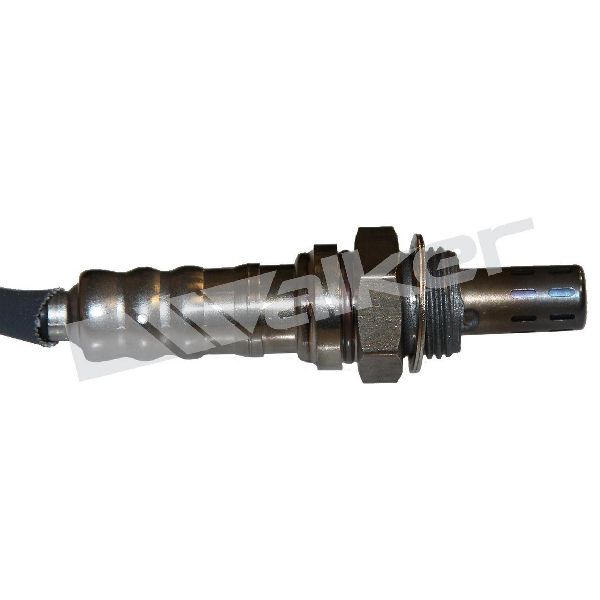
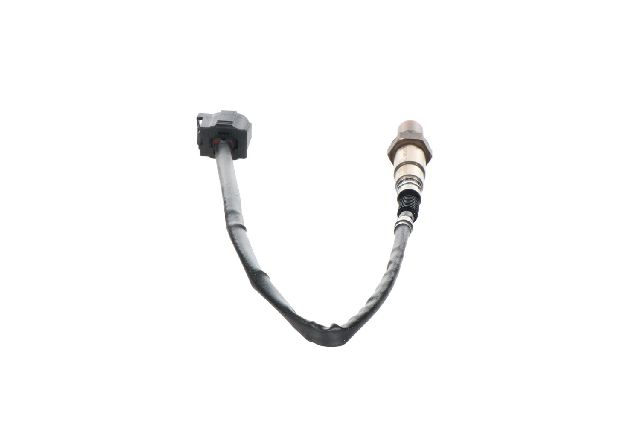
- Upstream Oxygen Sensor (Bank 1, Sensor 1)
(OEM #56029049AA)— This is the component that contains the heating element that most commonly fails and triggers the P0031 code.
Trusted brands: Mopar, NTK, Denso, Bosch
OEM price range: $70-$120
Aftermarket price range: $30-$60
Related Codes That Often Appear With This One
- P0032 — This code is for "O2 Sensor Heater Circuit High," which is the opposite fault for the same circuit. Seeing both could indicate an intermittent wiring problem or a short to power.
- P0051 — This is the identical "Heater Circuit Low" fault, but for Bank 2, Sensor 1 (the upstream sensor on the driver's side). It's not uncommon for both front sensors to fail around the same time due to age and similar operating conditions.
Technical Service Bulletins (TSBs) & Recalls
- 1805022REVA - While for a different model (Pacifica), this TSB lists P0031 as a known O2 heater circuit fault code for Chrysler.
- 1805916 - Similar to the above, this TSB for the Town and Country also includes P0031, showing a pattern of this fault across the manufacturer's lineup.
Platform-Specific Known Issues
- On some Chrysler vehicles of this era, insufficient clearance between exhaust components and wiring could lead to premature failure of wires, though no specific TSB for the 300 and P0031 was found. A recall for 2.7L engines noted insufficient clearance between rear brake lines and the EGR tube, highlighting the potential for component interference in the engine bay.
- Owner experiences on forums frequently confirm that the P0031 code is resolved by replacing the Bank 1 Sensor 1 O2 sensor. The most common challenge mentioned is not the diagnosis, but the physical difficulty in accessing and removing the old sensor, which is often seized in the exhaust manifold.
Mechanic-Grade Diagnostic Values
- Upstream O2 Sensor (1/1) Heater Resistance — expected: 3.3 to 4.5 ohms. Failure: An open circuit (infinite resistance) or a value outside this range.
- Downstream O2 Sensor (1/2) Heater Resistance — expected: 4.05 to 5.4 ohms. Failure: An open circuit (infinite resistance) or a value outside this range. This is for reference, as P0031 applies to the upstream sensor.
- O2 Sensor Voltage (with sensor disconnected, ignition on) — expected: Approximately 5.0 volts. Failure: Significantly lower or no voltage, indicating a wiring issue from the PCM.
Scan Tool Commands That Help
- Chrysler Scan Tool (e.g., WiTech, StarSCAN): O2 Sensor Heater Actuation Test — After checking fuses and wiring, this command allows a technician to force the heater circuit on. While monitoring voltage at the sensor connector, this test can confirm if the PCM is capable of sending the command and if the circuit is complete.
Wiring & Ground Locations
- G102 — At the right side of the engine compartment.. This is a primary ground point in the engine bay. A corroded or loose G102 can cause various electrical issues, including erratic sensor behavior. The Right Front Oxygen Sensor (Bank 1 Sensor 1) is listed as a component connected to this ground.
- O2 Sensor Heater Wires — On the sensor pigtail and vehicle-side harness connector.. On many sensors, the two same-colored wires (often both black or both white) are for the heater circuit. One will be the 12V feed from the fuse/relay, and the other is the ground or control wire from the PCM. Correctly identifying these is crucial for resistance and voltage testing.
Real Owner Repair Stories
- iATN (International Automotive Technicians Network) (2006 Chrysler Town & Country 3.8L (Similar Chrysler platform)) — Check Engine Light with codes P0031 and P0037.
❌ Tried (didn't work) The user was in the diagnostic phase.
✅ What actually fixed it The presence of both Bank 1 heater low codes (P0031 for sensor 1, P0037 for sensor 2) strongly suggests a common power or ground issue for that entire bank, such as a blown fuse or wiring problem, rather than two simultaneously failed sensors.
OEM Part Supersession History
4606135AD→56029049AA— Part discontinued and superseded by the newer number.
Heads up: The new part number 56029049AA is the correct replacement for the discontinued one.
Diagnostic Flowchart
Other Known Issues on This Vehicle
Issues unrelated to this code that are worth knowing about as an owner of this generation:
- Engine Oil Sludge Buildup 🔴 High — Very common, can lead to catastrophic engine failure at any mileage, but risk increases with poor maintenance. Failures reported as early as 50,000-60,000 miles. (Ref: Subject of class-action lawsuits. Caused by a combination of factors including an internal water pump that can leak coolant into the oil, poor crankcase ventilation, and a small oil capacity.)
- Front Suspension Clunking Noise 🟠 Medium — Extremely common. Noise develops over bumps, typically caused by worn tension strut bushings or sway bar links.
- NAG1 (W5A580) Transmission Shudder / Shift Issues 🟠 Medium — Common issue. Can present as a shudder during light acceleration or harsh shifts. Often caused by a leaking electrical connector plug wicking fluid to the controller, or by fluid contamination. (Ref: TSB 21-011-05 addresses shudder from water contamination; TSB 21-002-05A addresses the leaking electrical plug.)
- Internal Water Pump Failure 🔴 High — A known failure point. The pump is located inside the timing cover and driven by the timing chain. Failure can cause coolant to leak into the engine oil, leading to oil sludge and bearing failure.
- Plastic Coolant Air Bleeder Housing Cracking 🟠 Medium — Common as the vehicle ages. The plastic housing becomes brittle from heat cycles and can crack, causing a sudden and significant coolant leak.
Used vs. New Parts: Buying Guide for This Vehicle
When a used part is the smart pick: It is strongly recommended to avoid used oxygen sensors. The sensing element and internal heater have a finite lifespan and degrade over time. A used sensor may fail shortly after installation, wasting time and money.
What to inspect on the donor part:
- Not applicable as used sensors are not recommended.
OEM-only on this vehicle (don't cheap out):
- While not strictly 'OEM-only', using a reputable OEM-supplier brand is highly advised. Cheaper, no-name aftermarket sensors have a high failure rate and can cause persistent issues.
Aftermarket brands forum-validated for this vehicle:
- NTK (often the Mopar OEM manufacturer)
- Denso
- Bosch
Brands owners have reported issues with on this vehicle:
- Generic, unbranded, or 'white-box' sensors sold on auction sites are frequently cited by mechanics as being unreliable.
Real Owner Stories
Aggregated from forums and TSBs cited above. Mileages and costs reflect what owners reported in those sources.
2006 Chrysler 300 2.7L V6
Symptoms: The vehicle experienced both P0031 and P0051 codes simultaneously.
What fixed it: Replacing both upstream O2 sensors resolved the issue.
Source hint: 300cforums.com/threads/p0031-and-p0051.91618/
2005-2010 Dodge Charger 2.7L V6
Symptoms: Owner performed a diagnostic check: verified the fuse was good and confirmed 12V power was reaching the connector, but the code persisted.
What fixed it: Replacing the Bank 1 upstream oxygen sensor.
Source hint: dodge-talk.com/threads/code-p0031.332305/
2005-2010 Chrysler 300 (LX Platform)
Symptoms: All four O2 heater circuit codes (P0031, P0037, P0051, P0057) set at the same time, especially in slow traffic with a hot engine. Codes would clear when cool but return intermittently.
What fixed it: Replacing the PCM (Powertrain Control Module) with a rebuilt unit.
Source hint: Chrysler Sebring / 200 Convertible Club (Owner Reports)
Related OBD-II Codes
Frequently Asked Questions
Where is Bank 1, Sensor 1 located on my 2005-2010 Chrysler 300 with the 2.7L V6?
Are there any TSBs for P0031 that apply to Chrysler vehicles of this era?
What is the correct resistance for a new upstream O2 sensor on the 300 2.7L platform?
Could a blown fuse cause P0031 on my Chrysler 300?
Is it common for both upstream sensors to fail at once on the 2006 Chrysler 300?
Why is it so difficult to remove the O2 sensor on this vehicle?
Helpful Videos


We Have This Part in Stock


The information in this article is provided for general reference and educational purposes only. Vehicle specifications, procedures, and part compatibility can vary by production date, trim level, and region. Always consult your vehicle's factory service manual and verify part numbers before purchasing or performing repairs. Safety-critical components such as airbags, seat belts, and braking systems should be installed by a qualified professional.
- Chrysler 300:
- 🎬 Helpful Videos
- 🛍️ Shop This Part
- What's Unique About the 2005-2010 Chrysler 300
- Symptoms You May Notice
- Most Likely Causes
- Rare But Worth Checking
- Diagnosis Steps
- Parts You'll Likely Need
- Related Codes That Often Appear With This One
- Technical Service Bulletins (TSBs) & Recalls
- Platform-Specific Known Issues
- Mechanic-Grade Diagnostic Values
- Scan Tool Commands That Help
- Wiring & Ground Locations
- Real Owner Repair Stories
- OEM Part Supersession History
- Diagnostic Flowchart
- Other Known Issues on This Vehicle
- Used vs. New Parts: Buying Guide for This Vehicle
- Real Owner Stories
- 2006 Chrysler 300 2.7L V6
- 2005-2010 Dodge Charger 2.7L V6
- 2005-2010 Chrysler 300 (LX Platform)
- Related OBD-II Codes
- Frequently Asked Questions
- 🎟️ Get 5% Off