

P0031 on 2014-2019 Chevrolet Silverado: Heater Circuit Low Causes and Fixes
This code indicates a problem with the heater circuit for the upstream oxygen sensor on the driver's side (Bank 1, Sensor 1). The most common fix is to replace the sensor itself, which has a failed internal heater. Before replacing, check the O2/heater fuse and inspect wiring for damage. Expect to pay between $40 and $90 for an aftermarket sensor and around $120 for an OEM part.
- P0031 on a 2014-2019 Silverado points to an issue with the heater in the driver's side upstream O2 sensor.
- The most likely cause is a failed O2 sensor, which requires replacement.
- Before buying a new sensor, always check the O2 heater fuse (often 15A/20A) and visually inspect the wiring for damage, as this can save you time and money.
- Bank 1 is the driver's side on a Silverado V8 or V6. Sensor 1 is the sensor before the catalytic converter.
- This is a DIY-friendly repair with the right tool (an O2 sensor socket) and can be done in under an hour.
What's Unique About the 2014-2019 Chevrolet Silverado
On the 2014-2019 Silverado (K2XX generation), the P0031 code is a straightforward issue, almost always pointing to the sensor itself. While some GM trucks have had issues with wiring harnesses being mis-routed and melting on the exhaust, this is less commonly reported for this specific code on this platform, though it's always worth a visual inspection. The 2019 model year is a split, with the new generation also being released; this guide primarily covers the 2014-2018 and the 2019 'LD' models.
Generation note: The 2014-2019 period primarily covers the third generation (K2XX) of the Silverado 1500. However, the all-new fourth generation (T1XX) was introduced in 2019. The previous generation was continued for the 2019 model year as the Silverado 1500 LD. The information here applies to the K2XX platform (2014-2018, 2019 LD).
Symptoms You May Notice
- Check Engine Light is on
- Reduced fuel economy
- Rough idle, especially when the engine is cold.
- Poor engine performance or sluggish acceleration
- Occasional stall on first start, particularly in cold weather.
- Replacing the oxygen sensor without first checking the fuse and wiring. A simple blown fuse or a damaged wire can mimic the symptoms of a failed sensor, leading to unnecessary expense.
Most Likely Causes
- Failed Bank 1, Sensor 1 Oxygen Sensor 🔴 High Probability The internal heater element within the oxygen sensor is a common failure point due to constant, extreme heat cycles and exposure to exhaust gases. It eventually burns out or shorts internally, similar to a light bulb filament.
How to confirm: Disconnect the sensor and measure the resistance across the two heater circuit pins (usually the two wires of the same color, often black). A healthy sensor should have a resistance typically between 2 and 20 ohms. An open circuit (infinite resistance) or a dead short (near zero resistance) indicates a failed heater element.
Typical fix: Replace the Bank 1, Sensor 1 (driver's side, upstream) oxygen sensor.
Est. part cost: $40-$120 - Damaged Wiring or Connector 🟡 Medium Probability The sensor wiring is located near the hot exhaust manifold. Wires can become brittle, melt, or chafe against engine components. GM has issued bulletins for similar models regarding harness chafing on the cylinder head, drive belt idler pulley bracket, and other frame parts, which can cause a short or open circuit. Road salt and moisture can also lead to corrosion in the connector pins.
How to confirm: Visually inspect the wiring harness from the sensor to the main engine harness for any signs of melting, chafing, or broken wires. Check the connector for corrosion, moisture, or pushed-out pins. Use a multimeter to check for 12V power and a good ground at the harness-side connector with the key on, engine off.
Typical fix: Repair the damaged section of the wiring harness or clean/replace the connector. Secure the harness away from heat sources or sharp edges.
Est. part cost: $5-$50 - Blown Fuse ⚪ Low Probability A short circuit in the heater element of the O2 sensor or in the wiring can cause the corresponding fuse to blow as a protective measure.
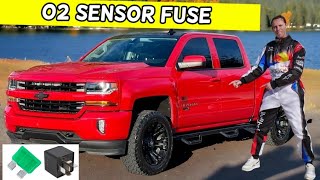
How to confirm: Locate the fuse for the O2 sensor heaters in the underhood fuse block (check your owner's manual 🎬 Watch: How to find and replace the O2 sensor fuse for the specific fuse, often labeled 'O2 HTR', 'A/F Heater', or similar). It is typically a 15A or 20A fuse. Visually inspect the fuse or test it for continuity with a multimeter.
Typical fix: Replace the blown fuse. If the new fuse blows immediately, it indicates a persistent short circuit in the wiring or the sensor itself that must be found and repaired.
Est. part cost: $1-$5
Rare But Worth Checking
- Poor Ground Connection: The heater circuit's ground path can become corroded or loose, adding resistance to the circuit and causing a low voltage condition. This can be difficult to trace but should be considered if other tests pass.
- Faulty Powertrain Control Module (PCM): This is very rare. The PCM's internal driver for the heater circuit can fail, but all other possibilities (sensor, wiring, fuse, grounds) should be exhaustively ruled out before considering PCM replacement.
Diagnosis Steps
- Read the code with an OBD-II scanner to confirm P0031 is present. Note any other codes, especially P0051.
- Check the fuse for the oxygen sensor heaters (often labeled 'O2 HTR' or similar) in the underhood fuse panel. Replace if blown.
- Visually inspect the wiring harness and connector for the Bank 1, Sensor 1 (driver's side, upstream) O2 sensor. Look for any signs of melting, chafing, corrosion, or contact with the exhaust or engine block.
- If the wiring looks good, disconnect the sensor. With the ignition on (engine off), use a multimeter to verify that there are approximately 12 volts at the power pin and a good ground on the harness side of the connector.
- If power and ground are present, test the heater circuit of the O2 sensor itself. Measure the resistance between the two heater pins on the sensor. A reading between 2-20 ohms is typical. A reading of infinite resistance (open) or near-zero ohms (short) means the heater is burned out and the sensor must be replaced.
- If all tests pass but the code returns, perform a 'wiggle test' on the harness while monitoring voltage to check for intermittent connections. If the issue persists, the fault may be a poor ground connection or a rare fault with the PCM.
Parts You'll Likely Need
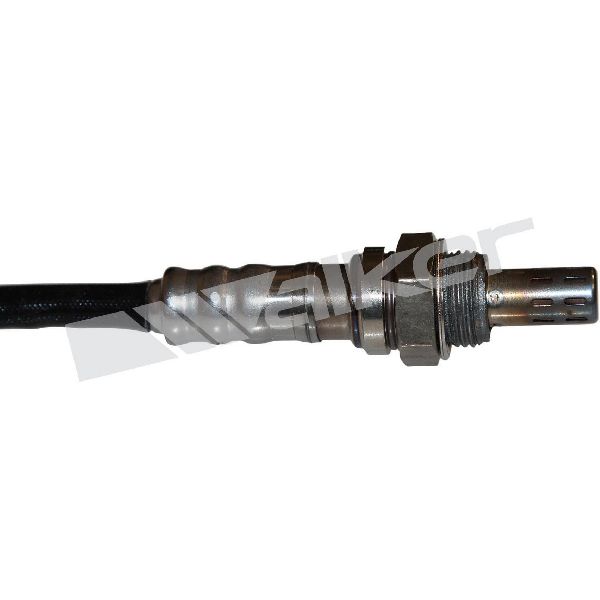
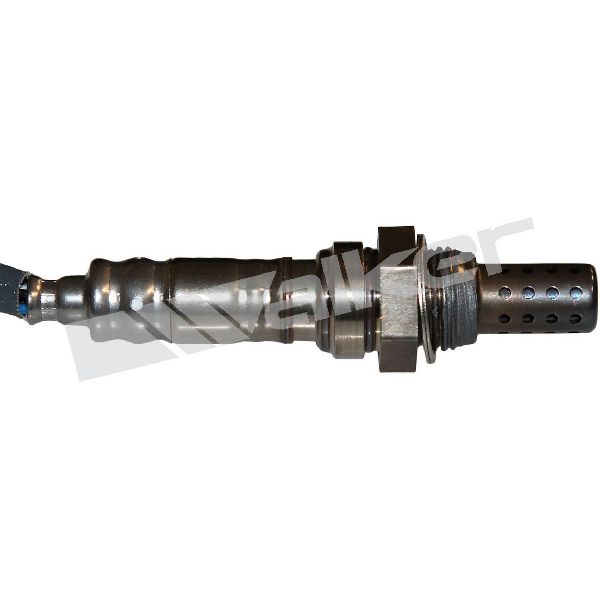
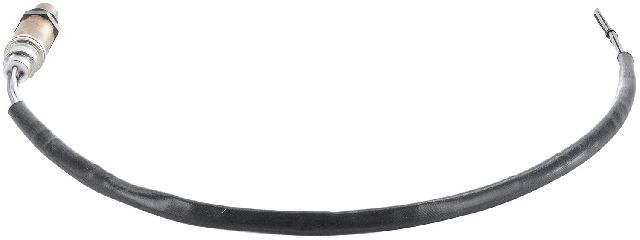
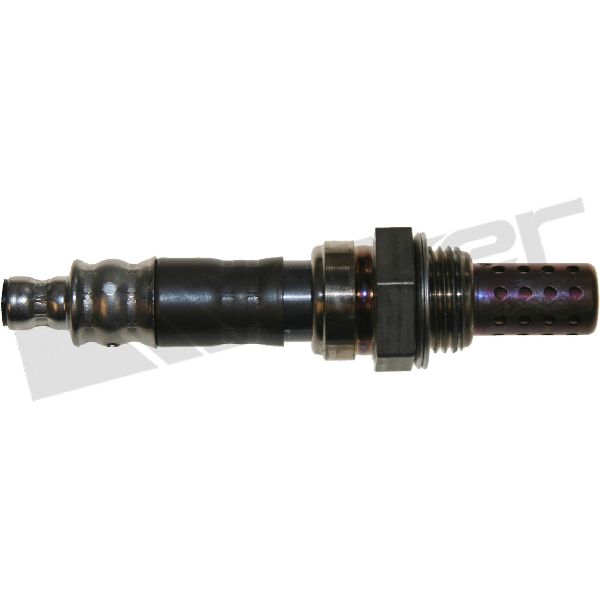
- Heated Oxygen Sensor (Bank 1, Sensor 1)
(OEM #12677895 (Superseded by 12671700 for some applications, always verify with VIN))— This is the upstream sensor on the driver's side. Its internal heater is the most common failure point for code P0031.
Trusted brands: ACDelco (OEM), Denso, Bosch, NGK/NTK
OEM price range: $100-$130
Aftermarket price range: $40-$90
Related Codes That Often Appear With This One
- P0051 — This code is for 'HO2S Heater Control Circuit Low (Bank 2, Sensor 1)'. If P0031 and P0051 appear together, it strongly suggests a problem common to both sensors, such as a blown fuse or a faulty relay that powers both heater circuits, rather than two failed sensors.
- P0131 — P0131 (O2 Sensor Circuit Low Voltage Bank 1 Sensor 1) can appear if the sensor is not heating up correctly, as it cannot produce the proper voltage signal when cold.
- P0171 — P0171 (System Too Lean Bank 1) can be triggered because the unheated O2 sensor may incorrectly report a lean condition to the PCM, causing it to add too much fuel.
Technical Service Bulletins (TSBs) & Recalls
- Bulletin #PIT5336: This manufacturer bulletin notes that technicians may find P0031 along with a long list of other O2 sensor heater and circuit codes on various GM models, indicating a potential for broad electrical or sensor-related issues.
- 24-NA-042: While for 2024 HD trucks, this TSB mentions mis-routed O2 sensor harnesses leading to codes including P0031, highlighting the importance of checking for wiring contact with the exhaust on all GM trucks.
- 21-NA-149: Details various engine wiring harness chafing conditions on 2019-2021 models, including the 4.3L V6, which can cause a wide variety of DTCs. It points to potential rubbing on the front corner of the left cylinder head or drive belt idler bracket, relevant to diagnosing wiring-related P0031 faults.
Platform-Specific Known Issues
- A user on SilveradoSierra.com with a 2014 Silverado 5.3L reported getting P0031 intermittently. After replacing the sensor with an aftermarket part and having the code return, they checked the fuse panel. They discovered the 'MISC IGN' fuse was blown. Replacing the fuse and the aftermarket sensor with an ACDelco OEM sensor resolved the issue permanently, suggesting the aftermarket sensor's heater may have caused the fuse to blow.
- On a 2016 Sierra, a forum member described chasing P0031 for weeks. The sensor tested good, and the fuse was intact. The problem was finally traced to the wiring harness connector where it passed near the front driveshaft on a 4x4 model. The harness had rubbed through, causing an intermittent short to ground. Repairing the wire and securing it with a zip tie fixed the code.
Mechanic-Grade Diagnostic Values
- O2 Sensor Heater Element Resistance — expected: Between 2 and 4 ohms, with some sources stating up to 20 ohms is acceptable.. Failure: A reading of infinity (open circuit) or near zero (short circuit) indicates a failed heater element.
- Heater Circuit Power Supply Voltage (Key On, Engine Off) — expected: Approximately 12V (battery voltage) at the power supply pin (Pink wire) on the harness-side connector.. Failure: Voltage below 11V or no voltage indicates a problem with the fuse, relay, or wiring from the fuse block.
- PCM Heater Circuit Current Draw (via Scan Tool) — expected: Between 0.25 amps and 1.375 amps.. Failure: Current outside this range for more than 10 seconds will trigger the fault code.
Scan Tool Commands That Help
- GDS2 (GM Global Diagnostic System 2): O2 Sensor Heater Control — A technician can use this bidirectional control to command the heater circuit on and off manually. This is used to verify if the PCM driver is functioning and if the circuit responds to commands, helping to isolate the fault between the PCM, wiring, and the sensor itself.
- High-end OBD-II Scanner with Live Data: Monitor 'O₂ Sensor Heater Voltage - Bank 1 Sensor 1' — While the engine is warming up, this PID should show a voltage close to battery voltage (above 11V). If it's consistently low, it confirms the 'low circuit' condition reported by the code.
Wiring & Ground Locations
- Underhood Fuse Block — On the driver's side of the engine compartment, near the firewall.. This block contains the fuses for the O2 sensor heaters. For 2014-2016 models, check fuse F46 and F50. For 2017-2019 models, the locations are similar. One of these 15A fuses provides power to the Bank 1 Sensor 1 heater circuit via a Pink wire.
- Bank 1 Sensor 1 Connector (Harness Side) — Connected to the upstream O2 sensor on the driver's side exhaust manifold.. This is where you test for power and ground. Pin A (Pink wire) is the 12V+ supply from the fuse block. Pin B (Tan/White wire) is the low reference/control wire from the PCM. Pins C and D are for the sensor signal.
- G103 / G104 — These are the primary engine-to-chassis grounds. G103 is on the front of the passenger side cylinder head. G104 is on the rear of the driver's side cylinder head.. The PCM and its related circuits rely on a solid engine ground. A corroded or loose G103 or G104 can cause a host of electrical issues, including incorrect voltage readings and sensor faults that could indirectly lead to a P0031 code by creating voltage drops.
Real Owner Repair Stories
- SilveradoSierra.com Forum User (2014 Chevrolet Silverado 5.3L) — Intermittent P0031 Check Engine Light.
❌ Tried (didn't work) Replacing the Bank 1 Sensor 1 with an aftermarket part.
✅ What actually fixed it The user found the 'MISC IGN' fuse was blown. Replacing this fuse and swapping the aftermarket sensor for an OEM ACDelco part resolved the code permanently. The implication is the aftermarket sensor may have caused the fuse to blow or was incompatible. - GM-Trucks.com Forum User (2016 GMC Sierra (K2XX Platform)) — Persistent P0031 code.
❌ Tried (didn't work) Sensor tested good., Fuse was intact.
✅ What actually fixed it The problem was traced to the wiring harness near the front driveshaft (on a 4x4 model). The harness had rubbed through, causing an intermittent short to ground. The wire was repaired and secured away from the driveshaft, which fixed the issue.
Documented NHTSA Reports
- NHTSA ODI #11632222 describes a situation where a "Reduced Propulsion" message appeared alongside P0031 and other codes. A technician found fuse [F03] blown, which was likely caused by an EGR valve issue.
- An owner reported in NHTSA ODI #11448862 that their vehicle would lose power on the highway and eventually stop, with P0031 found among a long list of other error codes including P0054 and P0135.
- NHTSA ODI #11681144 notes that P0031 was pulled as a diagnostic code in conjunction with an EGR failure that prevented coolant from circulating properly.
OEM Part Supersession History
12677895→12671700 (ACDelco P/N 213-4768)— Standard part update/revision by GM.
Heads up: While both are generally compatible, some forum users report that using non-OEM or even certain aftermarket sensors can lead to recurring codes or blown fuses. Sticking with the latest ACDelco OEM part is the safest option to ensure correct heater resistance and current draw.
Model Year Variations Within This Range
- 2014-2016 vs 2017-2019: The layout of the underhood fuse block changed slightly between these year groups. While the O2 heater fuses (F46, F50) are in a similar area, their exact position relative to other components may differ. Always refer to the diagram on the underside of the fuse box cover for the specific vehicle.
- 2019: 2019 was a split year. The 'Silverado 1500 LD' is a continuation of the K2XX generation (2014-2018) and this guide applies. The all-new 2019 Silverado (T1XX generation) has different wiring, part numbers, and potentially different fuse locations. It is critical to identify which 2019 model is being serviced.
Diagnostic Flowchart
Used vs. New Parts: Buying Guide for This Vehicle
When a used part is the smart pick: Never. An oxygen sensor is a wear-and-tear item with a finite lifespan, exposed to extreme heat and exhaust gases. The heater element is the most common failure point. Installing a used sensor is installing a part that has already consumed a significant portion of its useful life and is not a cost-effective repair.
What to inspect on the donor part:
- Not applicable as used parts are not recommended.
OEM-only on this vehicle (don't cheap out):
- While not strictly 'OEM-only', using an ACDelco (GM's OEM brand) oxygen sensor is highly recommended. Some forum reports indicate that aftermarket sensors, even from reputable brands, can have slightly different heater resistances, leading to recurring codes or blown fuses on these specific trucks.
Aftermarket brands forum-validated for this vehicle:
- Denso
- NGK/NTK
- Bosch
Brands owners have reported issues with on this vehicle:
- Avoid unbranded, 'white-box' parts from online marketplaces. These often have poor quality control and are a common source of repeat failures.
Real Owner Stories
Aggregated from forums and TSBs cited above. Mileages and costs reflect what owners reported in those sources.
2014 Silverado 1500, 5.3L (L83)
Symptoms: Truck pretty much feels like it goes into limp mode, I lose all power, for about 4-5 seconds or so. Then it downshifts... the truck seems to be getting worse and almost sounds like it's about to stall out at times. Check Engine Light came on.
What fixed it: The issue was complex and also involved P0420 and P0430. The final resolution was replacing the OEM y-pipe which includes the catalytic converters.
Source hint: GM-Trucks.com
2014 Silverado 5.3L
Symptoms: Getting P0031 intermittently, even after replacing the sensor with an aftermarket part.
What fixed it: The owner discovered the 'MISC IGN' fuse was blown. Replacing the fuse and swapping the aftermarket sensor for an ACDelco OEM part resolved the issue permanently.
Source hint: SilveradoSierra.com user report
2016 GMC Sierra
Symptoms: Chasing P0031 for weeks; the sensor tested good and the fuse was intact.
What fixed it: The problem was a wiring harness that had rubbed through near the front driveshaft on the 4x4 model. Repairing the damaged wire and securing the harness fixed the code.
Source hint: Forum member with a 2016 Sierra
2015 GMC Sierra
Symptoms: Owner was troubleshooting a P0031 code.
What fixed it: The repair ended up being a wiring issue where the harness had chafed near the starter motor.
Source hint: GM-Trucks.com Forum: In the K2XX (2014-2019) section
Related OBD-II Codes
Frequently Asked Questions
Where is the Bank 1, Sensor 1 oxygen sensor located on my 2014-2019 Silverado?
I replaced the O2 sensor but P0031 came back. What's the next thing to check?
Are there any GM Technical Service Bulletins (TSBs) about wiring problems that could cause P0031?
My truck is a 4x4 model. Are there any specific problem spots for the O2 sensor wiring?
What resistance reading should I get when testing the O2 sensor's heater circuit?
Does this P0031 issue also affect the GMC Sierra or Chevy Tahoe?
Helpful Videos
Used OEM Parts in Stock

New Aftermarket Parts Available


The information in this article is provided for general reference and educational purposes only. Vehicle specifications, procedures, and part compatibility can vary by production date, trim level, and region. Always consult your vehicle's factory service manual and verify part numbers before purchasing or performing repairs. Safety-critical components such as airbags, seat belts, and braking systems should be installed by a qualified professional.
- Chevrolet Silverado:
- 🎬 Helpful Videos
- 🛍️ Shop This Part
- What's Unique About the 2014-2019 Chevrolet Silverado
- Symptoms You May Notice
- Most Likely Causes
- Rare But Worth Checking
- Diagnosis Steps
- Parts You'll Likely Need
- Related Codes That Often Appear With This One
- Technical Service Bulletins (TSBs) & Recalls
- Platform-Specific Known Issues
- Mechanic-Grade Diagnostic Values
- Scan Tool Commands That Help
- Wiring & Ground Locations
- Real Owner Repair Stories
- Documented NHTSA Reports
- OEM Part Supersession History
- Model Year Variations Within This Range
- Diagnostic Flowchart
- Used vs. New Parts: Buying Guide for This Vehicle
- Real Owner Stories
- 2014 Silverado 1500, 5.3L (L83)
- 2014 Silverado 5.3L
- 2016 GMC Sierra
- 2015 GMC Sierra
- Related OBD-II Codes
- Frequently Asked Questions
- 🎟️ Get 5% Off