

P0031 on 2010-2017 Chevrolet Equinox 2.4L: O2 Sensor Heater Causes and Fixes
P0031 on a 2.4L Equinox most often means the upstream oxygen sensor (Bank 1, Sensor 1) has a failed internal heater. Before replacing the sensor (costing $40-$90 for aftermarket or $100-$180 for OEM), always check the 15A fuse in position #43 of the under-hood fuse box. This is a common, cheap fix. On 2010-2013 models, this code can also be a side effect of excessive oil consumption fouling the sensor, a major known issue with this engine.
- P0031 almost always points to the upstream O2 sensor (Bank 1, Sensor 1) or its fuse.
- ALWAYS check the 15A fuse in slot #43 of the under-hood fuse box before buying any parts.
- If you own a 2010-2013 model, check your oil level immediately. This code could be a symptom of the engine's known excessive oil consumption issue.
- The sensor's location and part number are different for 2010-2014 vs. 2015-2017 models; verify the correct part for your specific year.
- Replacing the sensor is a DIY-friendly job with an O2 sensor socket, but the sensor can be seized in the exhaust and require penetrating oil and effort to remove.
What's Unique About the 2010-2017 Chevrolet Equinox
The 2.4L Ecotec engine in 2010-2013 Equinox models is widely known for excessive oil consumption due to defective piston rings. This issue was so prevalent that GM issued multiple special coverage programs and technical service bulletins (TSBs), including 14159 for 2010 models, 15285C for 2011 models, and 16118 for 2012 models. Burning oil can contaminate and destroy the oxygen sensors, causing codes like P0031. Therefore, on these specific model years, P0031 could be a symptom of a much larger engine problem that may require piston and ring replacement, a repair covered for eligible vehicles under the special coverage.
Generation note: This covers the entire second generation of the Chevrolet Equinox (2010-2017). However, there is a key difference in the location of the Bank 1 Sensor 1: on 2010-2014 models, it is higher up on the exhaust manifold, while on 2015-2017 models, it is located further down, closer to the catalytic converter. The electrical connectors may also differ, requiring different part numbers for the sensor.
Symptoms You May Notice
- Check Engine Light is on
- Decreased fuel economy
- Rough or unstable idle, especially when cold
- Hesitation during acceleration
- Failing a vehicle emissions test
- Smell of gasoline from the exhaust
- Replacing the oxygen sensor without first checking the fuse. A blown fuse will make a brand new sensor appear faulty and the P0031 code will return immediately.
- Replacing the wrong oxygen sensor. P0031 specifically refers to Bank 1, Sensor 1, which is the upstream sensor before the catalytic converter.
Most Likely Causes
- Failed Upstream (Bank 1, Sensor 1) Oxygen Sensor 🔴 High Probability On 2010-2013 models, excessive oil consumption can foul the sensor, causing premature failure. On all models, it is a standard wear item that can fail from age and heat cycles. The internal heater element is the most common point of failure.
How to confirm: After checking fuses and wiring, test the resistance of the sensor's heater circuit with a multimeter. Disconnect the sensor and probe the two pins for the heater circuit (often the two same-colored wires). A healthy sensor will have a low resistance (typically 4-20 Ohms). An open circuit (infinite resistance) or a short (very low, near-zero resistance) confirms the internal heater has failed.
Typical fix: Replace the Bank 1, Sensor 1 oxygen sensor. Use an O2 sensor socket for easier removal and installation.
Est. part cost: $40-$180 - Blown O2 Sensor Heater Fuse 🟡 Medium Probability An internal short within the old O2 sensor's heater element can cause a surge that blows the protective fuse. This is a very common occurrence when the sensor fails.
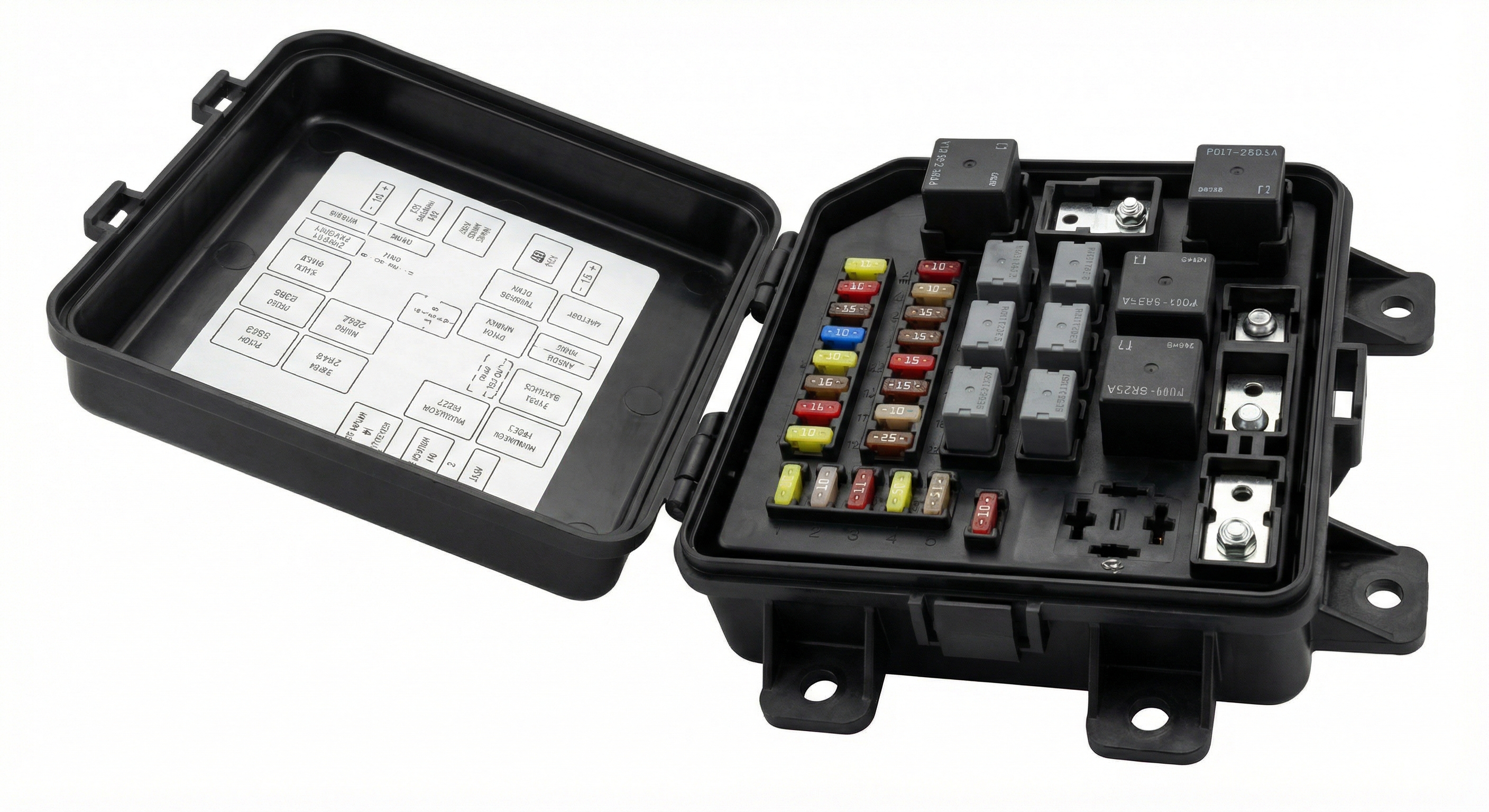
How to confirm: Check the 15A fuse in position #43 (often labeled F43UA, O2 SNSR-UP) in the under-hood fuse box. Some diagrams also suggest checking fuse #42, so it's wise to inspect both. A visual inspection or a continuity test with a multimeter will confirm if the fuse is blown.
Typical fix: Replace the blown 15A mini fuse. If it blows again immediately after installing a new sensor, there is likely a short in the wiring harness itself.
Est. part cost: $1-$5 - Damaged Wiring or Connector ⚪ Low Probability The wiring harness is routed close to the hot exhaust manifold and cylinder head. Over time, the plastic conduit can become brittle and break, exposing the wires to heat and chafing, which can cause a short to ground.
How to confirm: Visually inspect the wiring harness from the O2 sensor to its connection point on the engine. Look for melted insulation, frayed wires, or green corrosion inside the connector. With the key on (engine off), use a multimeter to test for 12-volt power on the heater circuit supply wire (typically a pink/black wire) at the vehicle-side connector.
Typical fix: Repair the damaged section of the wiring harness using solder and heat-shrink tubing or replace the connector pigtail.
Est. part cost: $10-$50
Rare But Worth Checking
- Faulty Powertrain Control Module (PCM): This is very uncommon. The PCM's internal driver for the heater circuit can fail, but this should only be considered after all other possibilities (sensor, fuse, wiring) have been exhaustively ruled out. A failure here often presents with multiple, unrelated trouble codes.
Diagnosis Steps
- Read the trouble codes with an OBD-II scanner to confirm P0031 is the primary code.
- Open the hood and locate the main fuse box near the brake fluid reservoir.
- Check fuse #43 (15A) and fuse #42 (15A). These are often labeled for the upstream O2 sensor (O2 SNSR-UP). Replace if blown.
- If fuses are good, locate the Bank 1, Sensor 1 O2 sensor. On 2010-2014 models, it's high on the front of the exhaust manifold. On 2015-2017 models, it's lower down, closer to the firewall.
- Inspect the sensor's wiring harness for any signs of melting, chafing, or damage, especially where it runs near the engine block.
- Disconnect the sensor. With the ignition key in the 'On' position (engine off), use a multimeter to verify there are 12 volts being supplied to the heater circuit pins on the vehicle-side connector (usually the two same-colored wires).
- With the sensor still disconnected, set your multimeter to measure resistance (Ohms) and probe the two heater circuit pins on the sensor itself. A healthy sensor will have a low resistance (typically under 30 Ohms). An infinite or very high reading indicates the heater element has failed.
- If the sensor's heater circuit tests bad, replace the oxygen sensor. If the sensor tests good but there was no voltage at the connector, the problem lies in the vehicle's wiring or the PCM.
Parts You'll Likely Need
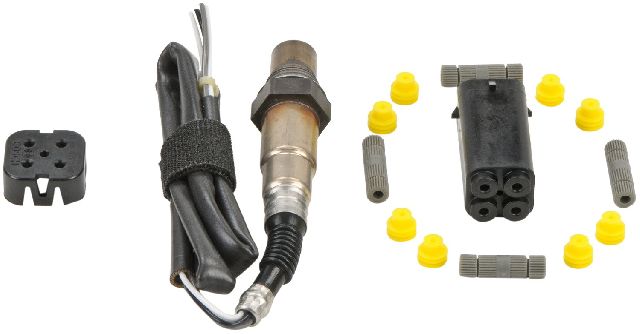
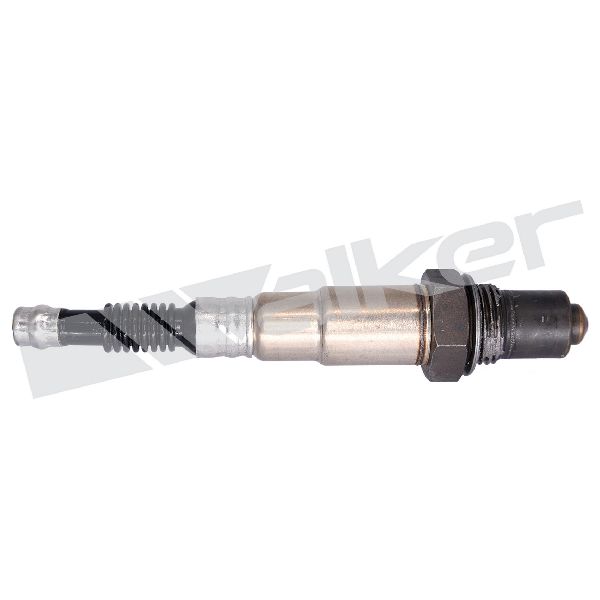
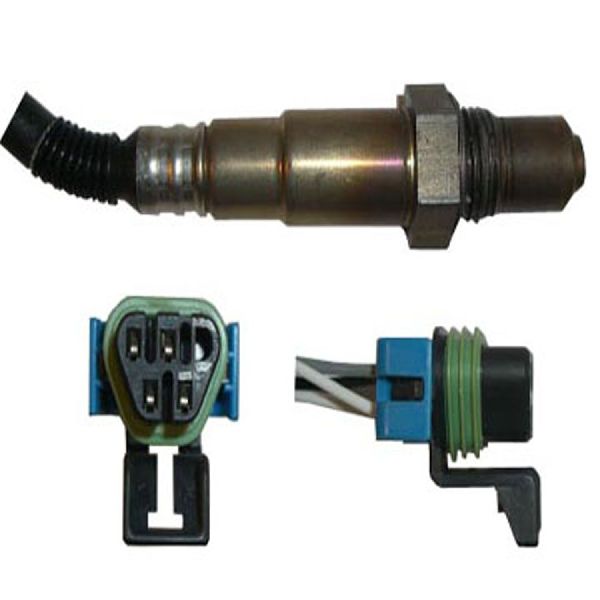
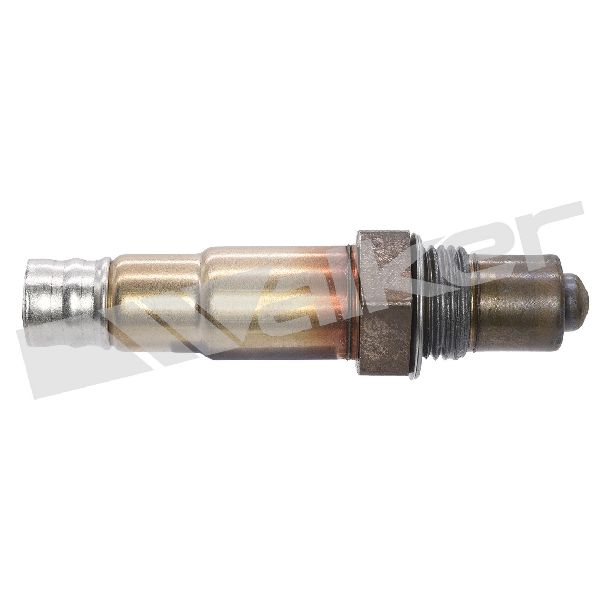
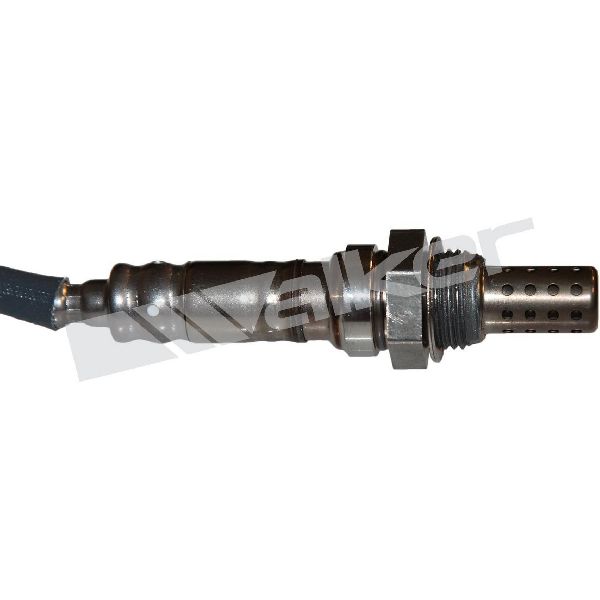
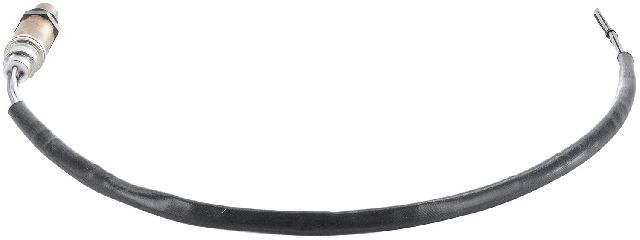
- Upstream Oxygen Sensor (Bank 1, Sensor 1)
(OEM #ACDelco 213-4779 (for 2010-2011) or ACDelco 213-4768 (for 2012-2017). Always verify with VIN.)— The internal heating element is the most common failure point for code P0031.
Trusted brands: ACDelco (OEM), Denso, Bosch, NTK
OEM price range: $100-$180
Aftermarket price range: $40-$90 - 15 Amp Mini Fuse — The fuse for the heater circuit can blow due to a short in the old sensor, preventing the new one from working. This is a mandatory check.
Trusted brands: Bussmann, Littlefuse
OEM price range: $1-$5
Aftermarket price range: $1-$5
Related Codes That Often Appear With This One
- P0135 — This code is for 'O2 Sensor Heater Circuit Malfunction (Bank 1 Sensor 1)'. It's a more general heater circuit fault, while P0031 specifically points to a 'low' voltage (short circuit) condition. They are often caused by the exact same part failure.
- P0030 — This is another general heater control circuit code for Bank 1, Sensor 1. It frequently appears with P0031 as they both relate to the same circuit's performance.
- P0172 — This code means 'System Too Rich (Bank 1)'. A failing O2 sensor that isn't heating correctly can provide false readings to the PCM, causing the engine to run rich and triggering this code. This can also be a symptom of a failing high-pressure fuel pump leaking fuel into the oil.
Technical Service Bulletins (TSBs) & Recalls
- N192287100: Special Coverage for some 2012-2013 models addressing catalytic converter and oxygen sensor degradation resulting from excessive engine oil consumption.
- 14159: Special Coverage for 2010 models for excessive oil consumption due to piston ring wear, extending warranty to 10 years/120,000 miles for this repair.
- 15285C: Special Coverage for 2011 models for excessive oil consumption due to piston ring wear, extending warranty to 7.5 years/120,000 miles.
- 16118: Special Coverage for 2012 models for excessive oil consumption due to piston ring wear, extending warranty to 7.5 years/120,000 miles.
- 14882: TSB addressing a frozen/plugged PCV orifice causing rear main seal failure in cold weather.
Platform-Specific Known Issues
- Excessive Oil Consumption: On 2010-2013 models, high oil consumption due to bad piston rings is a known issue that leads to fouled O2 sensors. GM issued Special Coverage bulletins (e.g., 14159, 15285C, 16118) for these models that may cover O2 sensor replacement if caused by this condition.
- Frozen PCV Orifice: In cold climates, the PCV orifice in the intake manifold can freeze, leading to excessive crankcase pressure. This can blow out engine seals, most notably the rear main seal, causing a massive oil leak. While not directly causing P0031, the resulting low oil levels and oil spray can damage various components.
Mechanic-Grade Diagnostic Values
- O2 Sensor Heater Element Resistance — expected: 4.0 to 10.0 Ohms. A forum post on a 2014 Equinox 2.4L measured a good sensor at 4.5 Ohms.. Failure: An open circuit (infinite resistance, 'OL') or a direct short (near 0 Ohms) indicates a failed heater element.
- Heater Circuit Voltage at Connector (Key On, Engine Off) — expected: One pin should have 12V+ (battery voltage). This is typically a Pink/Black wire coming from the fuse. The other heater pin (control wire, often Gray/White) will likely show a lower voltage, as reported by one mechanic seeing 2.4V, as it is controlled by the ECM.. Failure: Absence of 12V+ power points to a blown fuse (F43UA) or a break in the power wire. Absence of any voltage on the control wire could indicate a wiring issue or, rarely, a faulty ECM driver.
- Heater Circuit Current Draw — expected: Typically between 0.8 Amps and 10 Amps during warm-up.. Failure: A 'low' circuit code like P0031 is set when the current is below the minimum threshold (e.g., less than 0.8A), indicating high resistance or an open circuit.
Scan Tool Commands That Help
- GDS2 (GM Global Diagnostic System 2): O2 Sensor Heater Readiness Monitor Completion — After replacing the sensor or fixing the circuit, the readiness monitor for the O2 heater must run to verify the fix. A cold start is required. To force the test, let the vehicle sit overnight, then start the engine and let it idle for 2-3 minutes with the A/C and defrost on to increase electrical load. GDS2 can be used to view the live status of the readiness monitor to confirm it has completed successfully.
Wiring & Ground Locations
- G109 — Top right rear of the engine block for the 2.4L engine.. This is a primary engine ground. While not directly for the O2 sensor heater, a poor engine ground can cause a host of erratic sensor readings and electrical issues. It's a critical point to check for corrosion or looseness when diagnosing any engine electrical fault.
- G101 — Left front of the engine compartment.. This ground point is used by the Engine Control Module (ECM). A faulty ECM ground can cause incorrect operation of the drivers that control components like the O2 sensor heater, leading to false codes.
- Heater Circuit Wiring — At the O2 sensor connector on the vehicle harness side.. The power supply wire for the heater is typically Pink/Black. The ECM control wire is often Gray/White. Knowing these colors is essential for correctly testing for 12V power and for a control signal from the ECM without a full wiring diagram.
Real Owner Repair Stories
- Equinox Forum user 'wbandet2' (2010 Chevrolet Equinox) — Recurring oxygen sensor codes.
❌ Tried (didn't work) Replacing the oxygen sensor twice at a non-dealership shop (Firestone).
✅ What actually fixed it Replacing the sensor with a genuine dealership (OEM) part finally resolved the issue, suggesting that this vehicle can be sensitive to aftermarket sensor quality.
OEM Part Supersession History
ACDelco 213-4779 (GM 12618010)→ACDelco 213-4768— Part consolidation and potential design update.
Heads up: While both are upstream sensors for the 2.4L, the physical connector or harness length may differ. It is critical to use the part number specified for the vehicle's model year. Using the wrong part may cause the code to persist.
Model Year Variations Within This Range
- 2010-2011 vs 2012-2017: The OEM upstream oxygen sensor part number changes. 2010-2011 models typically use ACDelco 213-4779, while 2012-2017 models use ACDelco 213-4768. This implies a possible change in the sensor's calibration, connector, or harness length between these years.
Diagnostic Flowchart
Other Known Issues on This Vehicle
Issues unrelated to this code that are worth knowing about as an owner of this generation:
- Excessive Oil Consumption 🔴 High — Very common on 2010-2013 models, often starting before 80,000 miles. Caused by faulty piston rings. (Ref: TSB 15285C, TSB 14159, Special Coverage 16118)
- Timing Chain Stretch/Failure 🔴 High — Common around 70,000-120,000 miles. Low oil levels from oil consumption accelerate wear on chains, guides, and tensioners. Symptoms include rattling on startup and codes like P0011, P0014, P0016.
- High-Pressure Fuel Pump (HPFP) Failure 🟠 Medium — Common on 2010-2012 models. The pump can fail internally, leaking fuel into the engine oil, causing a rich condition (P0172), rough running, and engine damage. (Ref: Voluntary Emission Recall 43180)
- Rear Main Seal Failure due to Frozen PCV 🔴 High — Occurs in freezing temperatures. The PCV orifice in the intake manifold freezes, causing crankcase overpressure that blows out the rear main seal, leading to rapid, catastrophic oil loss. (Ref: TSB 14882)
Used vs. New Parts: Buying Guide for This Vehicle
When a used part is the smart pick: It is strongly discouraged to buy a used oxygen sensor. They are wear-and-tear items with a finite lifespan (typically 80,000-100,000 miles). The labor to install the part is the same, and the risk of getting a part that is already near the end of its life is very high. A used fuse is acceptable if it is the correct amperage.
Donor-vehicle mileage cap: roughly under 10000 miles for the part to have meaningful remaining life.
What to inspect on the donor part:
- For a used part, there are no reliable visual cues. The failure is almost always internal to the heater circuit or the sensing element.
- Do not purchase a sensor with any visible damage to the wiring, connector, or sensor body.
OEM-only on this vehicle (don't cheap out):
- Oxygen Sensor: While not strictly 'OEM-only', forum reports indicate that some aftermarket sensors can cause persistent issues on these vehicles. Using an OEM ACDelco part is the safest option to avoid repeat repairs.
Aftermarket brands forum-validated for this vehicle:
- Denso
- NTK (a brand of NGK)
- Bosch
Brands owners have reported issues with on this vehicle:
- No-name, unbranded sensors from online marketplaces are highly likely to be out of specification, fail prematurely, or be dead on arrival.
Real Owner Stories
Aggregated from forums and TSBs cited above. Mileages and costs reflect what owners reported in those sources.
2012 Chevrolet Equinox 2.4L — ~80000 miles
Symptoms: Excessive oil consumption and fouled O2 sensors; owner received a letter from GM regarding the issue.
What fixed it: Replacement of oxygen sensor and catalytic converter under GM Special Coverage for oil consumption.
Source hint: GM Forum (gmforum.com) regarding GM letter to owners
2011 Chevrolet Equinox 2.4L — ~75000 miles
Symptoms: Check engine light on with P0031, following a history of high oil consumption.
What fixed it: Replacement of the Bank 1, Sensor 1 oxygen sensor and addressing piston ring wear under Special Coverage 15285C.
Source hint: Reddit (r/MechanicAdvice) threads discussing 2.4L oil consumption and extended warranty
Related OBD-II Codes
Frequently Asked Questions
Is there a GM Special Coverage bulletin for my 2011 Equinox that might cover the O2 sensor failure?
Which fuse should I check for the upstream O2 sensor heater on my 2010-2017 Equinox?
Does the 2012 Chevrolet Equinox have a specific TSB for oil consumption damaging the catalytic converter and O2 sensor?
I have a 2010 Equinox; is my oil consumption issue covered longer than the 2011-2012 models?
Can a frozen PCV orifice cause my P0031 code?
Where is the Bank 1, Sensor 1 oxygen sensor located on a 2016 Equinox?
Helpful Videos

Used OEM Parts in Stock


New Aftermarket Parts Available

The information in this article is provided for general reference and educational purposes only. Vehicle specifications, procedures, and part compatibility can vary by production date, trim level, and region. Always consult your vehicle's factory service manual and verify part numbers before purchasing or performing repairs. Safety-critical components such as airbags, seat belts, and braking systems should be installed by a qualified professional.
- Chevrolet Equinox:
- 🎬 Helpful Videos
- 🛍️ Shop This Part
- What's Unique About the 2010-2017 Chevrolet Equinox
- Symptoms You May Notice
- Most Likely Causes
- Rare But Worth Checking
- Diagnosis Steps
- Parts You'll Likely Need
- Related Codes That Often Appear With This One
- Technical Service Bulletins (TSBs) & Recalls
- Platform-Specific Known Issues
- Mechanic-Grade Diagnostic Values
- Scan Tool Commands That Help
- Wiring & Ground Locations
- Real Owner Repair Stories
- OEM Part Supersession History
- Model Year Variations Within This Range
- Diagnostic Flowchart
- Other Known Issues on This Vehicle
- Used vs. New Parts: Buying Guide for This Vehicle
- Real Owner Stories
- 2012 Chevrolet Equinox 2.4L — ~80000 miles
- 2011 Chevrolet Equinox 2.4L — ~75000 miles
- Related OBD-II Codes
- Frequently Asked Questions
- 🎟️ Get 5% Off