

P0030 on 2006-2012 Mitsubishi Eclipse 3.8L V6: HO2S Heater Circuit Fault Causes and Fixes
This code indicates a failure in the heater circuit of the Bank 1 upstream oxygen sensor. On the 3.8L V6, this is the sensor on the rear exhaust manifold near the firewall. The most common fix is replacing the sensor itself. Expect to pay $60-$90 for a quality aftermarket sensor (like Denso) or $140-$200 for an OEM part. DIY difficulty is moderate due to tight access.
- P0030 on this Eclipse almost always means the rear upstream oxygen sensor (Bank 1, near the firewall) has failed.
- Before replacing the sensor, always check the 15A fuse (#23) and consider swapping the MFI relay to rule out simple electrical issues.
- Access is difficult; be prepared with penetrating oil and specialized O2 sensor sockets for the rear manifold location.
- Use a quality Denso (OEM) or NGK/NTK sensor for a reliable repair; avoid cheap no-name brands which are known to fail prematurely.
What's Unique About the 2006-2012 Mitsubishi Eclipse
On the fourth-generation Eclipse with the 6G75 3.8L V6, the engine is mounted transversely (sideways). This layout places 'Bank 1' against the firewall, making access to the corresponding oxygen sensor (Sensor 1) notoriously tight. While the failure itself is a common wear-and-tear issue not unique to Mitsubishi, the location of this specific sensor makes the repair more challenging than on other vehicles where it might be more exposed. Misdiagnosing the bank and replacing the easier-to-access front sensor (Bank 2) is a common mistake that will not fix this code. This engine is also used in the Galant and Endeavor, which share the same transverse layout and repair difficulty.
Symptoms You May Notice
- Check Engine Light is on
- Decreased fuel economy
- Rough or unstable idle, especially when the engine is cold
- Failure to pass an emissions test
- Slight hesitation or sluggish engine performance
- Replacing the wrong oxygen sensor (e.g., replacing the Bank 2 front sensor, which is much easier to access, instead of the Bank 1 rear sensor).
- Replacing the oxygen sensor without first checking the #23 fuse and MFI relay.
Most Likely Causes
- Failed Oxygen Sensor Heater Element 🔴 High Probability The internal heater element is a wear-and-tear component that fails from constant, extreme heat cycles. This is the most common reason for a P0030 code on any vehicle, including the Eclipse.
How to confirm: Disconnect the sensor and use a multimeter to test the resistance between the two heater circuit pins (usually the two wires of the same color, often black or white). A good sensor on this Mitsubishi should read between 4.5 and 8.0 ohms at room temperature. A real-world test on a similar sensor showed 5.5 ohms. An open circuit (infinite resistance) or a short (near-zero resistance) confirms the heater has failed.
Typical fix: Replace the Bank 1, Sensor 1 (upstream rear) oxygen sensor.
Est. part cost: $60 - $200 - Blown O2 Sensor Heater Fuse or Faulty MFI Relay 🟡 Medium Probability A short circuit in the sensor's heater element or its wiring can cause the dedicated fuse to blow as a protective measure. Power for the heater circuit is supplied via the MFI (Multi-Port Fuel Injection) relay.
How to confirm: Inspect fuse #23 (15A) in the engine compartment fuse box. If the fuse is blown, it confirms a circuit issue. If the fuse is good, the MFI relay itself could be faulty. A common diagnostic step is to swap the MFI relay with an identical one (e.g., the horn relay) to see if the problem resolves. The MFI relay can be tested with a multimeter for continuity and resistance across its pins.
Typical fix: Replace the blown 15A fuse. If the fuse blows again, inspect the wiring harness for shorts and test the O2 sensor for an internal short before replacing the fuse again. If the fuse is good, consider replacing the MFI relay.
Est. part cost: $1 - $30 - Damaged Wiring or Connector ⚪ Low Probability The wiring harness for the rear oxygen sensor is routed in a high-heat area near the exhaust manifold and firewall, making it susceptible to melting, becoming brittle and cracking, or sustaining damage from road debris over time.
How to confirm: Visually inspect the entire wiring harness leading to the Bank 1 Sensor 1 connector. Look for any signs of melting, chafing, corrosion on the connector pins, or breaks in the wires. Check for battery voltage (12V) and a ground signal at the vehicle-side connector with the key on. A simple test is to plug a test light or a #194 bulb into the heater circuit pins on the harness connector; it should light up when the engine is started, confirming the wiring and ECU control are working.
Typical fix: Repair the damaged section of the wiring harness or clean/replace the connector. Ensure the harness is properly secured away from hot exhaust components.
Est. part cost: $10 - $50
Rare But Worth Checking
- Faulty Engine Control Module (ECM): This is very rare. The ECM's internal driver for the heater circuit can fail. This should only be considered after the sensor, fuse, relay, and wiring have all been confirmed to be in good condition.
Diagnosis Steps
- Read the code with an OBD-II scanner to confirm P0030 is the only code present.
- Locate the engine compartment fuse box and inspect fuse #23, a 15A fuse for the O2 sensor heater circuit. If it's blown, replace it and see if the code returns. If the fuse blows immediately, suspect a short in the wiring or sensor.
- If the fuse is good, consider swapping the MFI relay with an identical relay to rule out a relay failure.
- Locate the Bank 1, Sensor 1 oxygen sensor. It is on the rear exhaust manifold, near the firewall.
- Inspect the sensor's electrical connector and wiring harness for any signs of melting, corrosion, or physical damage.
- If the wiring appears intact, disconnect the sensor. Set a multimeter to measure resistance (Ohms).
- Probe the two pins on the SENSOR side of the connector that correspond to the heater circuit (typically the two wires of the same color).
- A healthy sensor should have a resistance between 4.5 and 8.0 ohms when cold. A reading of 'OL' (over-limit/infinite resistance) indicates an open circuit, while a reading near 0 ohms indicates a short circuit. Both mean the sensor has failed and needs replacement.
- If the sensor tests good, the fault lies in the wiring harness or, rarely, the ECM. Test for 12V power and a switched ground at the vehicle-side harness connector with the key on, engine running. A test light connected to the heater pins should illuminate. Lack of power points to an issue between the MFI relay and the connector.
Parts You'll Likely Need
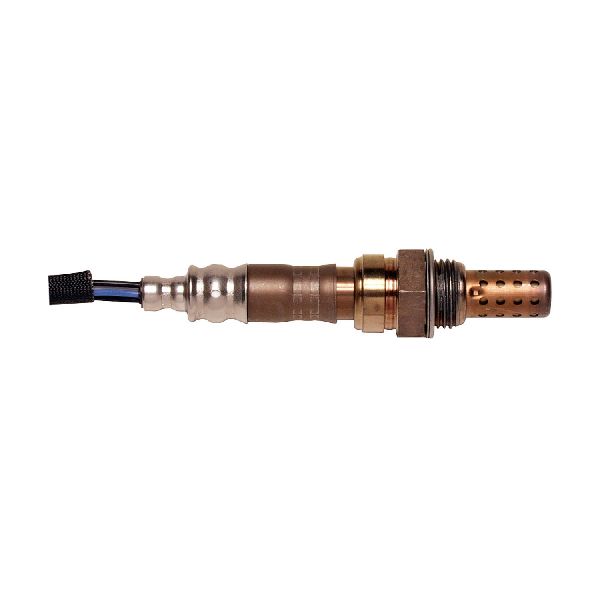
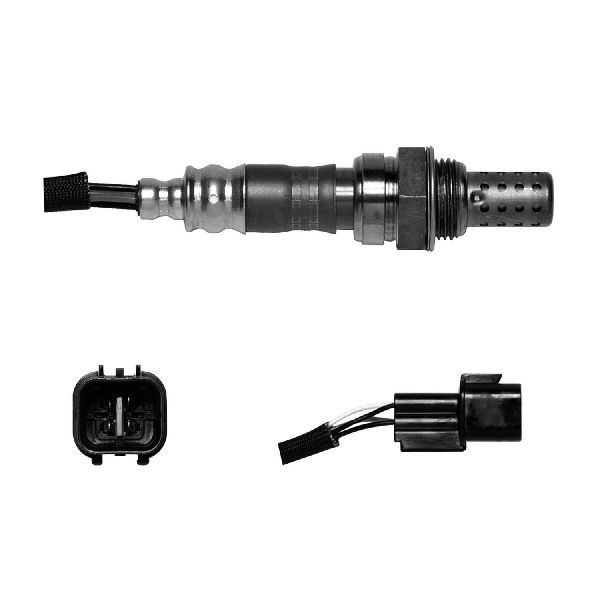
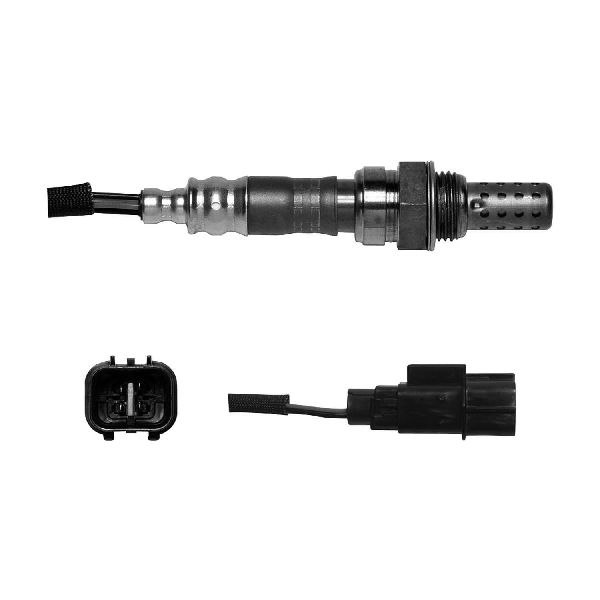
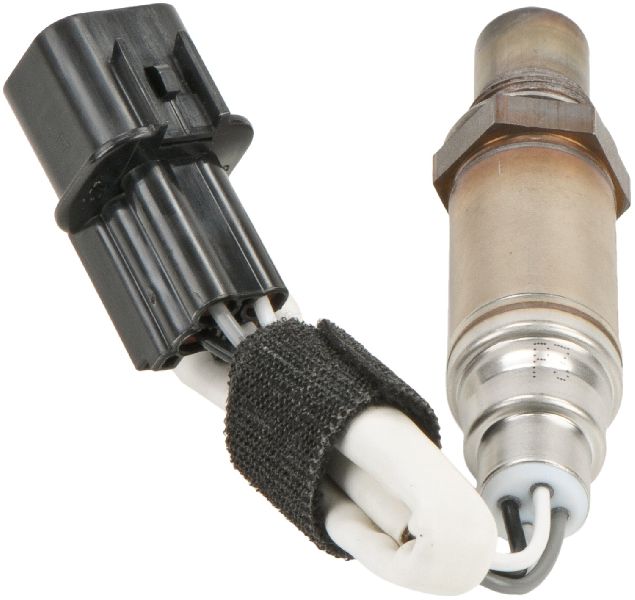
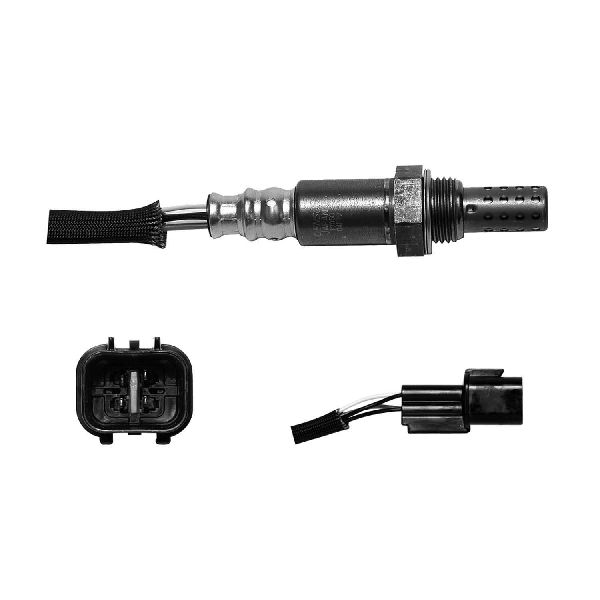
- Upstream Rear Oxygen Sensor (Bank 1, Sensor 1)
(OEM #1588A081)— This is the component that contains the heater element that most commonly fails, directly causing the P0030 code. Denso is the original equipment manufacturer, making their aftermarket part a reliable and cost-effective choice.
Trusted brands: Denso (p/n: 234-4738), NGK/NTK, Bosch
OEM price range: $140-$200
Aftermarket price range: $60-$90
Technical Service Bulletins (TSBs) & Recalls
- TSB-23-11-003: While not a fix for P0030, this TSB provides the official service manual procedure for removing the 'air fuel ratio sensor 1,' confirming the steps required to access and replace the component.
Platform-Specific Known Issues
- Access to the Bank 1 (rear) upstream O2 sensor is very tight due to the transverse engine layout, requiring patience and potentially specialized tools like swivel-head O2 sensor sockets and long extensions. The sensor is also frequently seized in the exhaust manifold and may require significant force and penetrating oil to remove.
- Official Mitsubishi service procedures for removing this sensor involve removing the engine under cover and exhaust front tube to gain access from below.
Mechanic-Grade Diagnostic Values
- O2 Sensor Heater Element Resistance — expected: 4.5 - 8.0 Ohms at room temperature. Failure: OL (infinite resistance) or near 0 Ohms
- O2 Sensor Heater Circuit Current Draw — expected: Between 0.16 Amps and 7.5 Amps. Failure: A current draw less than 0.16A (open) or greater than 7.5A (short) for 4 seconds will trigger the code.
- Practical Circuit Load Test — expected: A #7440 or #194 incandescent bulb connected to the harness-side heater pins should light up with the engine running.. Failure: Bulb does not light, indicating an issue with the power supply, ground control, or wiring, rather than the sensor itself.
- O2 Sensor Installation Torque — expected: 26 - 33 ft-lbs. Failure: Overtightening can damage the sensor threads or body; undertightening can cause exhaust leaks.
Scan Tool Commands That Help
- Mitsubishi MUT-III or advanced bidirectional scanner: Actuator Test for O2 Heater Circuit (or similar name) — Use this after confirming the sensor and wiring are good. This command directly tells the ECM to energize the heater circuit. If the heater works during the test (can be verified with a test light or by feeling the sensor warm up) but the P0030 code returns on its own, it points to a rare failure in the ECM's *monitoring* circuit, not the control driver. This isolates the fault to the ECM itself, even if it can technically still control the component.
Wiring & Ground Locations
- Bank 1 Sensor 1 Heater Wires — On the sensor-side and harness-side 4-pin connector for the rear, upstream O2 sensor.. These are the specific wires that must be tested for resistance (on the sensor) and for power/ground (on the harness). On universal replacement sensors, these are almost always the two wires of the same color (e.g., two blacks or two whites).
- G10 — Rear of engine.. A poor engine ground can cause a variety of electrical issues and fault codes, including incorrect sensor readings or heater circuit problems. Ensuring this ground is clean and tight is a crucial step when diagnosing electrical faults.
- G12 — At the left rear of the engine compartment, under the relay box.. This is a primary chassis ground point. A loose or corroded connection here can disrupt power to multiple systems controlled by the nearby relays and fuse box, including the MFI relay which powers the O2 heater circuit.
- Engine-to-Chassis Ground Strap — Typically a braided strap connecting the engine block or transmission to the vehicle's frame/firewall. One is located near the main motor mount.. This is the main ground path for the entire engine. If this strap is corroded or broken, the ECM and sensors may seek ground through other, smaller paths, causing erratic behavior and voltage drops that can trigger heater circuit codes.
Model Year Variations Within This Range
- 2009-2012: A minor facelift in 2009 included a new dual exhaust for the GT V6 model, which resulted in a small power increase of 2 hp and 2 lb-ft of torque. However, this change did not affect the O2 sensors, their locations, the wiring, or the diagnostic procedure for code P0030.
Diagnostic Flowchart
Other Known Issues on This Vehicle
Issues unrelated to this code that are worth knowing about as an owner of this generation:
- Timing Belt Failure 🔴 High — This is a critical maintenance item. The belt and hydraulic tensioner must be replaced every 60,000 to 100,000 miles. Failure of the belt on this interference engine will cause catastrophic engine damage.
- Cracked/Peeling Dashboard 🟡 Low — Extremely common issue where the dashboard material becomes brittle from sun/heat exposure, leading to cracks and peeling near the windshield and vents.
- Valve Cover Gasket Oil Leaks 🟠 Medium — The valve cover gaskets are known to degrade over time, causing oil to leak onto the exhaust manifolds, which can create a burning smell and a fire risk.
- Intake Manifold Swirl Flap Failure 🔴 High — Less common but critical; some 6G75 engines have swirl flaps in the intake manifold that can break off and fall into the cylinders, causing severe engine damage.
Used vs. New Parts: Buying Guide for This Vehicle
When a used part is the smart pick: For this repair, used parts are a smart choice for the MFI Relay, the O2 sensor's electrical pigtail/connector if damaged, or the engine bay fuse box. These components have no significant wear items and can be sourced cheaply from a junkyard.
Donor-vehicle mileage cap: roughly under 150000 miles for the part to have meaningful remaining life.
What to inspect on the donor part:
- For relays, look for a donor vehicle with no signs of front-end collision or water damage in the fuse box area.
- For wiring connectors, inspect for any brittleness, cracking, or melted plastic before cutting the pigtail.
- Ensure the donor vehicle is the same engine type (6G75 V6) as connector locations can differ from the 4-cylinder models.
OEM-only on this vehicle (don't cheap out):
- Engine Control Module (ECM): While aftermarket remanufactured units are available, their quality can be inconsistent, as noted in edge cases. Sourcing a used OEM unit from a reputable recycler or opting for a new OEM part, while expensive, can prevent repeat failures.
Aftermarket brands forum-validated for this vehicle:
- Denso (for the Oxygen Sensor, as they are the Original Equipment Manufacturer)
- NGK / NTK (for the Oxygen Sensor)
Brands owners have reported issues with on this vehicle:
- Unbranded, ultra-low-cost oxygen sensors from online marketplaces. These are notorious for failing within months or being dead-on-arrival, wasting time and money.
Real Owner Stories
Aggregated from forums and TSBs cited above. Mileages and costs reflect what owners reported in those sources.
2006-2012 Mitsubishi Eclipse 3.8L V6
Symptoms: The dashboard is cracking and peeling from sun exposure, which is a common cosmetic flaw for this generation.
What fixed it: Not applicable to P0030, but noted as a widespread platform issue alongside mechanical repairs.
Source hint: Reddit r/MitsubishiEclipse
Related OBD-II Codes
Frequently Asked Questions
Where is the Bank 1, Sensor 1 oxygen sensor located on my 3.8L V6 Eclipse?
Which fuse should I check for a P0030 code on my 2006-2012 Eclipse?
What resistance should a healthy O2 sensor heater have on the 6G75 engine?
Does TSB-23-11-003 provide a fix for the P0030 code?
Can I swap the MFI relay with another relay to test it?
Is the Bank 1 O2 sensor easy to replace myself?
We Have This Part in Stock


The information in this article is provided for general reference and educational purposes only. Vehicle specifications, procedures, and part compatibility can vary by production date, trim level, and region. Always consult your vehicle's factory service manual and verify part numbers before purchasing or performing repairs. Safety-critical components such as airbags, seat belts, and braking systems should be installed by a qualified professional.
- Mitsubishi Eclipse:
- 🛍️ Shop This Part
- What's Unique About the 2006-2012 Mitsubishi Eclipse
- Symptoms You May Notice
- Most Likely Causes
- Rare But Worth Checking
- Diagnosis Steps
- Parts You'll Likely Need
- Technical Service Bulletins (TSBs) & Recalls
- Platform-Specific Known Issues
- Mechanic-Grade Diagnostic Values
- Scan Tool Commands That Help
- Wiring & Ground Locations
- Model Year Variations Within This Range
- Diagnostic Flowchart
- Other Known Issues on This Vehicle
- Used vs. New Parts: Buying Guide for This Vehicle
- Real Owner Stories
- 2006-2012 Mitsubishi Eclipse 3.8L V6
- Related OBD-II Codes
- Frequently Asked Questions
- 🎟️ Get 5% Off