

P0030 on 2020-2024 Hyundai Palisade 3.8L: Causes and Fixes for the O2 Sensor Heater Fault
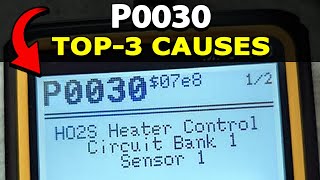
This code almost always means the heater element inside the Bank 1, Sensor 1 oxygen sensor has failed. This is the upstream sensor on the firewall side of the engine. Expect to pay $70-$150 for an aftermarket sensor or $300+ for OEM, with labor being higher than average due to difficult access.
- P0030 points to a failure in the heater circuit for the upstream oxygen sensor on the rear (firewall side) cylinder bank.
- The most probable cause is a failed oxygen sensor. Don't forget to check the fuse first as a simple preliminary step.
- Accessing this specific sensor is difficult due to its location. Expect higher labor costs compared to the more accessible front sensor.
- Using a quality OEM or reputable aftermarket brand like Bosch or NTK is recommended for a lasting repair.
What's Unique About the 2020-2024 Hyundai Palisade
On the Palisade's transversely mounted 3.8L V6, Bank 1 is the cylinder bank located against the firewall (the rear bank). This makes accessing Bank 1 Sensor 1 significantly more difficult than accessing the Bank 2 sensor, which is on the radiator side. While not as involved as a spark plug change which requires removing the intake manifold, replacing this sensor requires working in a tight space from below the vehicle, and labor costs will be higher as a result. An O2 sensor socket with a slit for the wire is considered essential for this job.
Symptoms You May Notice
- Check Engine Light is on
- Decreased fuel economy
- Failing a state emissions test
- Rough idle on cold starts
- Replacing the wrong oxygen sensor (e.g., Bank 2 Sensor 1 on the radiator side, or a downstream Sensor 2 after the catalytic converter).
Most Likely Causes
- Failed Bank 1, Sensor 1 Oxygen Sensor 🔴 High Probability The internal heater element is a common failure point in modern oxygen sensors due to constant heat cycles. This is the most frequent cause of P0030.
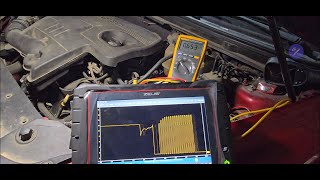
How to confirm: After checking the fuse, test the resistance of the heater circuit within the sensor itself using a multimeter. 🎬 Watch: How to test oxygen sensor heater circuits with a multimeter. An open circuit (infinite resistance, or 'OL') confirms the sensor has failed. The resistance should typically be between 2-15 ohms when cold.
Typical fix: Replace the Bank 1, Sensor 1 (upstream, rear/firewall side) oxygen sensor.
Est. part cost: $70-$480 - Damaged Wiring or Connector 🟡 Medium Probability The wiring harness is exposed to significant heat from the exhaust manifold, which can make it brittle or cause it to melt over time. Wires can also be damaged during unrelated maintenance near the back of the engine.
How to confirm: Visually inspect the wiring and connector leading to the sensor for any signs of melting, chafing, corrosion, or broken pins. Use a multimeter to check for 12V power and a proper ground at the connector with the key on, engine off.
Typical fix: Repair the damaged section of the wiring harness or replace the connector pigtail.
Est. part cost: $15-$50 - Blown Fuse ⚪ Low Probability
How to confirm: Locate and inspect the fuse for the O2 sensor heater circuit in the vehicle's fuse box. A visual inspection or a continuity test with a multimeter will confirm if it's blown.
Typical fix: Replace the blown fuse. If the fuse blows again immediately, it indicates a short circuit in the wiring or the sensor itself that must be diagnosed.
Est. part cost: $1-$5
Rare But Worth Checking
- Faulty Engine Control Module (ECM): This is very rare. The ECM's internal driver for the heater circuit can fail. All other possibilities, especially the sensor and wiring, must be exhaustively ruled out before considering ECM replacement.
Real Owner Repair Stories
While the Palisade is a newer platform, P0030 is a documented fault across the Hyundai lineup. For instance, NHTSA ODI #11675752 describes a scenario where an owner experienced a "P0030 HO2S Heater Control Circuit (Bank 1, Sensor 1)" code alongside misfire and timing codes, requiring the vehicle to be towed to a dealership for diagnostic work.
Diagnosis Steps
- Read the code with an OBD-II scanner to confirm P0030 is the only code present.
- Check the fuse box for a blown fuse related to the emissions system or O2 sensors. Replace if necessary.
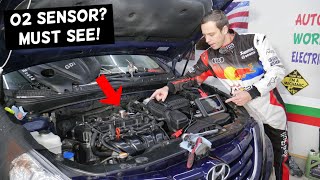
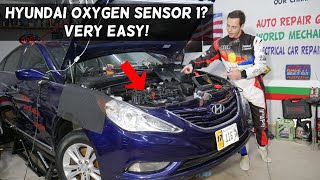
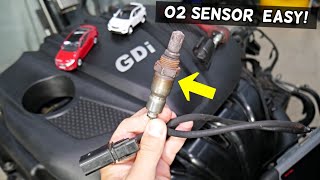
- Locate Bank 1 Sensor 1. It is the upstream sensor (before the catalytic converter) on the rear cylinder bank, near the firewall. Access is from underneath the vehicle. 🎬 See this video for help locating the Bank 1 sensor.
- Inspect the sensor's wiring harness and connector for any visible damage, such as melting, fraying, or corrosion.
- Disconnect the sensor. With the ignition on and engine off, use a multimeter to verify there are 12 volts at the power pin on the vehicle's harness connector.
- Check for a good ground on the corresponding ground pin in the harness connector.
- On the sensor itself, measure the resistance between the two heater circuit pins (often the two same-colored wires). A reading of 'OL' (over-limit/infinite) indicates an open circuit and a failed sensor. A healthy sensor will have a low resistance, typically under 20 ohms.
- If the fuse, wiring, and sensor resistance all check out, the fault may lie in the wiring between the ECM and the sensor, or, rarely, the ECM itself.
Parts You'll Likely Need
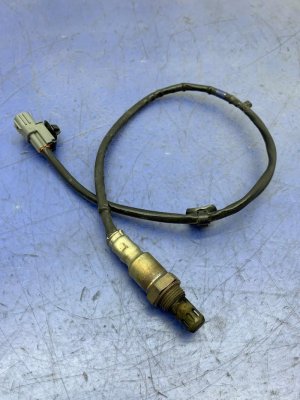
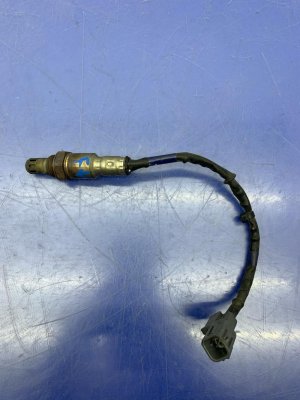
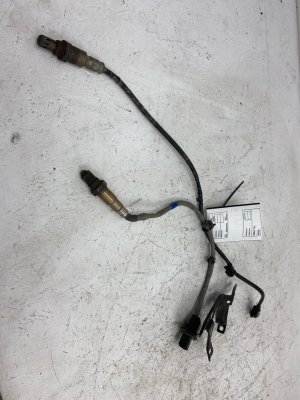
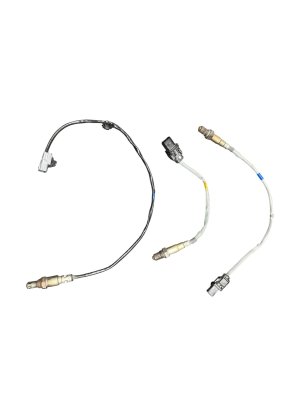
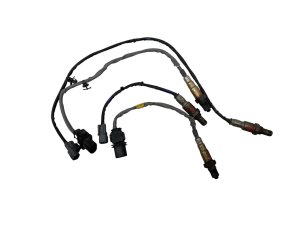
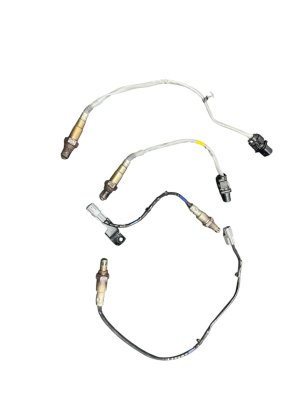
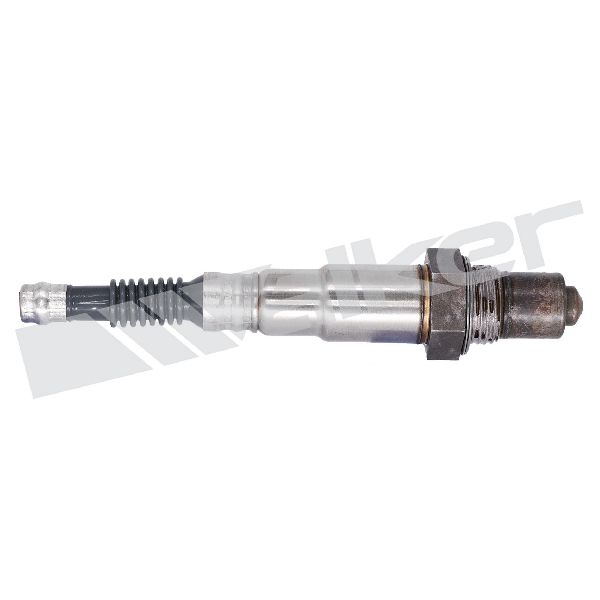
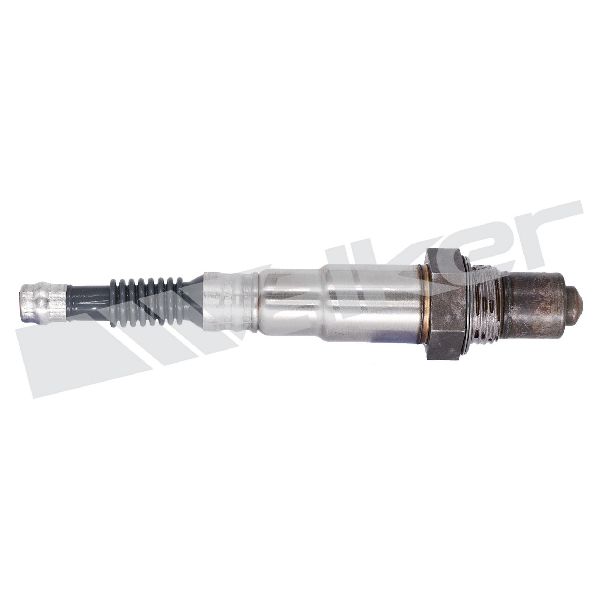
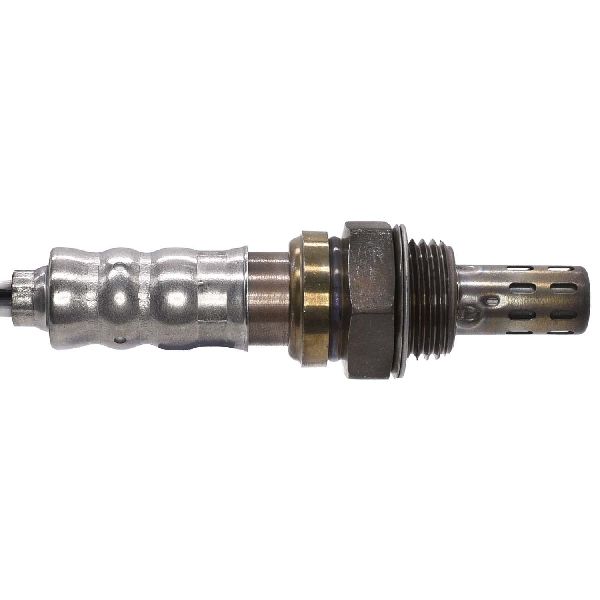
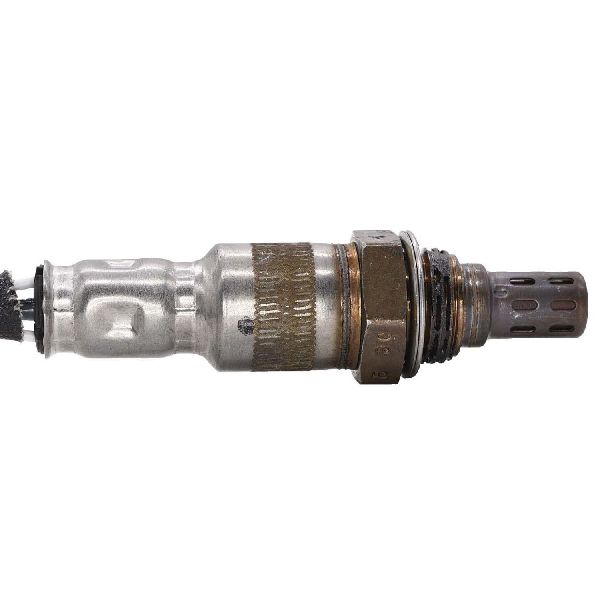
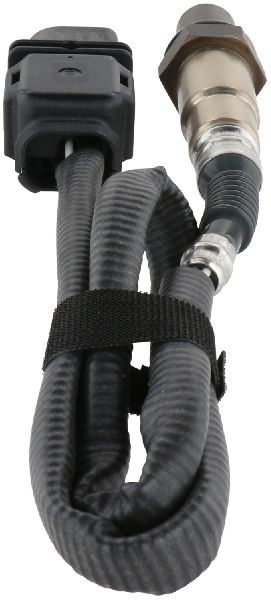
- Oxygen Sensor (Bank 1, Sensor 1)
(OEM #39210-3L105)— This is the upstream oxygen sensor for the rear bank (Bank 1), and its internal heater element is the most common failure point for code P0030. This part is specified for vehicles built from 10/23/2019.
Trusted brands: Hyundai (OEM), Bosch, NTK, Denso
OEM price range: $325-$480
Aftermarket price range: $70-$160
Mechanic-Grade Diagnostic Values
- O2 Sensor Heater Element Resistance (cold) — expected: 5.0 to 15.0 Ohms. Failure: A reading of infinite resistance ('OL') indicates an open circuit and a failed sensor. A reading significantly outside the expected range also indicates a fault.
- Voltage at O2 Sensor Harness Connector (Heater Power Pin) — expected: ~12 Volts (Battery Voltage). Failure: A reading of 0 volts indicates a blown fuse or a break in the power supply wire.
- Scan Tool Live Data - O2 Heater Duty Cycle — expected: High percentage (e.g., 75%+) during initial warm-up, then decreasing as the sensor heats up.. Failure: Stuck at 0% or 100% can indicate a circuit fault or a command issue from the ECM.
Hidden / Shadow Codes Worth Checking
- P0031: HO2S Heater Control Circuit Low Bank 1 / Sensor 1. This is a more specific version of P0030, indicating the ECM has detected a short to ground in the heater circuit. (see via Standard OBD-II scanner.)
- P0032: HO2S Heater Control Circuit High Bank 1 / Sensor 1. This is a more specific version of P0030, indicating the ECM has detected a short to power in the heater circuit. (see via Standard OBD-II scanner.)
Scan Tool Commands That Help
- Hyundai GDS (Global Diagnostic System): Actuator Test -> Oxygen Sensor Heater — This bidirectional command allows a technician to manually turn the O2 sensor heater circuit ON and OFF. It is used to verify that the ECM driver, wiring, and the heater element itself are all capable of functioning. If the heater can be activated with the scan tool but P0030 still sets during normal operation, it points towards a more complex logic or intermittent wiring issue.
OEM Part Supersession History
39210-3L100→39210-3L105— Part update or manufacturer change.
Heads up: Part 39210-3L100 is specified for Palisade models built up to 10/23/2019. Part 39210-3L105 is for models built from 10/23/2019 onwards. Using the wrong part may result in fitment or electrical compatibility issues.
Model Year Variations Within This Range
- 2023-2024: The Hyundai Palisade received a significant facelift for the 2023 model year, including revised exterior styling and interior technology like a larger standard infotainment screen. While the 3.8L V6 engine and basic emissions components remained the same, wiring harnesses and connector locations could have minor differences. However, the fundamental cause and diagnosis for P0030 are not expected to change.
Diagnostic Flowchart
Other Known Issues on This Vehicle
Issues unrelated to this code that are worth knowing about as an owner of this generation:
- Tow Hitch Wiring Harness Fire Risk 🔴 High — Affects a large number of 2020-2022 models equipped with an accessory tow hitch. Debris and moisture can cause a short circuit in the harness module, posing a fire risk even when parked. (Ref: NHTSA Recall 22V-633 (Hyundai Recall 235). Owners were advised to park outside until a remedy (installing a new fuse and wire extension kit) was performed.)
- Wind/Whistling Noise from Door/Mirror Area 🟡 Low — Common complaint on 2020-2021 models. The noise is typically heard at highway speeds. (Ref: TSB 21-BD-002H (supersedes 19-BD-010H). The fix involves adding foam pads and replacing weatherstripping around the side mirror and door glass area.)
- Foul Interior Odor 🟡 Low — Reported on 2020-2021 models, particularly Limited and Calligraphy trims with Nappa leather. The smell is often described as garlic or rotten produce and worsens in heat. (Ref: TSB 20-BD-018H. The cause was traced to a manufacturing defect in the headrest materials. The fix involves cleaning and, if unsuccessful, replacing the headrests.)
- Potential for Oil Consumption 🟠 Medium — Some owners have reported oil consumption issues, though it is less prevalent than on other Hyundai/Kia engines. Regular oil level checks are recommended.
Used vs. New Parts: Buying Guide for This Vehicle
When a used part is the smart pick: For this repair, using a used part is generally not recommended for the sensor itself. However, a used wiring harness connector pigtail from a junkyard is a smart choice if only the connector is damaged, as it provides an OEM-quality component for a low cost.
Donor-vehicle mileage cap: roughly under 15000 miles for the part to have meaningful remaining life.
What to inspect on the donor part:
- For a connector pigtail, ensure the plastic is not brittle or cracked.
- Check for any signs of melting or heat damage on the connector housing.
- Inspect the pins to ensure they are straight and free of corrosion.
- Ensure at least 6 inches of wire is attached to the pigtail for easier splicing.
OEM-only on this vehicle (don't cheap out):
- While not strictly OEM-only, it is highly recommended to use either a genuine Hyundai oxygen sensor or one from a reputable OEM supplier like NTK or Denso. Cheap, unbranded 'universal' sensors often have incorrect heater resistance values and can fail prematurely or not work at all.
Aftermarket brands forum-validated for this vehicle:
- NTK
- Denso
- Bosch
Brands owners have reported issues with on this vehicle:
- Unbranded 'universal' sensors that require splicing wires.
Related OBD-II Codes
Frequently Asked Questions
Where is the Bank 1 Sensor 1 oxygen sensor located on my 3.8L Palisade?
Does TSB 21-BD-002H relate to my P0030 check engine light?
Can I use a universal oxygen sensor to fix the P0030 code on my Palisade?
Is there a recall for the 2020-2022 Palisade that could cause electrical issues like this?
What should the resistance be for a healthy O2 sensor heater on the 3.8L Lambda II engine?
Could the foul odor in my 2021 Palisade Limited be related to the O2 sensor failure?
Helpful Videos
Used OEM Parts in Stock
New Aftermarket Parts Available

The information in this article is provided for general reference and educational purposes only. Vehicle specifications, procedures, and part compatibility can vary by production date, trim level, and region. Always consult your vehicle's factory service manual and verify part numbers before purchasing or performing repairs. Safety-critical components such as airbags, seat belts, and braking systems should be installed by a qualified professional.
- Hyundai Palisade:
- 🎬 Helpful Videos
- 🛍️ Shop This Part
- What's Unique About the 2020-2024 Hyundai Palisade
- Symptoms You May Notice
- Most Likely Causes
- Rare But Worth Checking
- Real Owner Repair Stories
- Diagnosis Steps
- Parts You'll Likely Need
- Mechanic-Grade Diagnostic Values
- Hidden / Shadow Codes Worth Checking
- Scan Tool Commands That Help
- OEM Part Supersession History
- Model Year Variations Within This Range
- Diagnostic Flowchart
- Other Known Issues on This Vehicle
- Used vs. New Parts: Buying Guide for This Vehicle
- Related OBD-II Codes
- Frequently Asked Questions
- 🎟️ Get 5% Off