

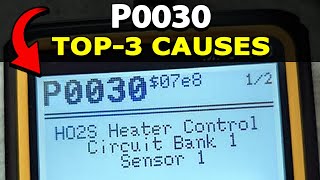
P0030 on 2011-2023 Dodge Charger 3.6L: HO2S Heater Circuit Causes and Fixes
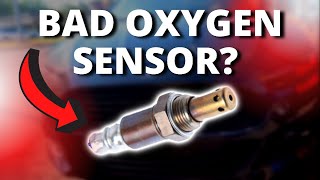
This code means the heater inside the upstream oxygen sensor on the passenger side has failed. The most common fix is to replace the Bank 1, Sensor 1 O2 sensor. Before replacing, check fuse F70 in the front fuse box. Expect to pay $40-$80 for an aftermarket part (like NTK or Denso) or $100-$180 for an OEM Mopar sensor. This is a DIY-friendly repair.
- P0030 points to a failed heater in the upstream O2 sensor on the **passenger side** of your 3.6L engine.
- The most probable fix is replacing the Bank 1 Sensor 1 oxygen sensor.
- Before buying a new sensor, always check fuse F70 in the engine bay fuse box and inspect the wiring for damage or oil contamination.
What's Unique About the 2011-2023 Dodge Charger
On the Dodge Charger with the 3.6L Pentastar V6, the most critical piece of information is that 'Bank 1' is the passenger's side (right side) of the engine, as it is a rear-wheel-drive platform. This is counter-intuitive for many technicians who are used to Bank 1 being on the driver's side for many other manufacturers like GM. Mistaking the bank location is the single biggest cause of misdiagnosis for this code on this specific vehicle. The failure itself is a common wear-and-tear issue, not indicative of a major design flaw.
Generation note: The 2011-2023 year range covers the Dodge Charger (LD) platform, which had a major facelift in 2015. However, the 3.6L Pentastar V6 engine and its emissions components, including the oxygen sensor locations and functions, remained consistent throughout these years. The repair process is the same for all models in this range.
Symptoms You May Notice
- Check Engine Light is illuminated
- Decreased fuel economy.
- Failing an emissions test.
- Slightly rough idle on a cold start.
- Engine may feel sluggish or have reduced performance.
- Replacing the wrong oxygen sensor (e.g., Bank 2 on the driver's side, or the downstream Sensor 2).
- Replacing the catalytic converter. This code is for an electrical circuit fault, not converter efficiency.
- Assuming the sensor is bad without first checking fuse F70 and inspecting the wiring for damage.
Most Likely Causes
- Failed Oxygen Sensor Heater Element 🔴 High Probability The internal heating element is a common point of failure in oxygen sensors due to constant, extreme heat cycles. It is a standard wear-and-tear component.
How to confirm: Disconnect the sensor and use a multimeter to test the resistance between the two heater circuit pins (usually the two wires of the same color, often black). A good heater should have a resistance between 4 and 30 ohms. An open circuit (infinite resistance or 'OL') confirms a failed heater.
Typical fix: Replace the Bank 1, Sensor 1 oxygen sensor.
Est. part cost: $40-$180 - Damaged Wiring or Connector 🟡 Medium Probability The wiring harness is located under the vehicle and is exposed to road debris, moisture, and high heat from the exhaust, which can lead to corrosion, chafing, or melting over time. Oil leaks from the common valve cover gasket or oil filter housing failure can also saturate and ruin the wiring.
How to confirm: Visually inspect the wiring harness and connector leading to the Bank 1, Sensor 1 O2 sensor for any signs of breaks, melting, or corrosion on the pins. Check for 12V power and a ground signal at the connector with the key on, engine off.
Typical fix: Repair the damaged section of wiring or replace the connector pigtail.
Est. part cost: $15-$40 - Blown Fuse ⚪ Low Probability A short in the heater circuit or a shared circuit can cause the fuse to blow. This is an important and easy first check.
How to confirm: Check fuse F70 (15A) in the front Power Distribution Center (fuse box) in the engine bay. A visual inspection or a test light will confirm if the fuse is blown.
Typical fix: Replace the blown fuse. If the fuse blows again immediately, a short circuit exists in the wiring or the sensor itself that must be diagnosed.
Est. part cost: $1-$5
Rare But Worth Checking
- Faulty Powertrain Control Module (PCM): This is extremely rare. The PCM should only be considered after all other possibilities, including the sensor, wiring, and fuses, have been exhaustively tested and ruled out.
Diagnosis Steps
- Verify the code with an OBD-II scanner.
- IMPORTANT: Identify the correct sensor. For the 3.6L V6 in a RWD Charger, Bank 1 is the passenger side. Sensor 1 is the upstream sensor, before the catalytic converter.
- Inspect fuse F70 (15A) in the Power Distribution Center (engine bay fuse box). If blown, replace it and see if the code returns. If it blows again, diagnose a short circuit.
- Perform a thorough visual inspection of the sensor's wiring harness and connector. Look for any signs of melting, chafing, or corrosion. Pay close attention to any oil contamination from above.
- If the wiring appears intact, disconnect the sensor.
- With the ignition key in the 'On' position (engine off), use a multimeter to check for 12-volt battery power on one pin of the vehicle-side harness connector and a ground signal on another.
- On the sensor side of the connector, measure the resistance across the two heater pins (typically the two wires of the same color). A good sensor will read between 4-30 ohms. A reading of infinite resistance (OL) means the heater element is broken and the sensor must be replaced.
- If power, ground, and sensor resistance are all good, there may be an intermittent wiring issue or a rare PCM fault.
Parts You'll Likely Need
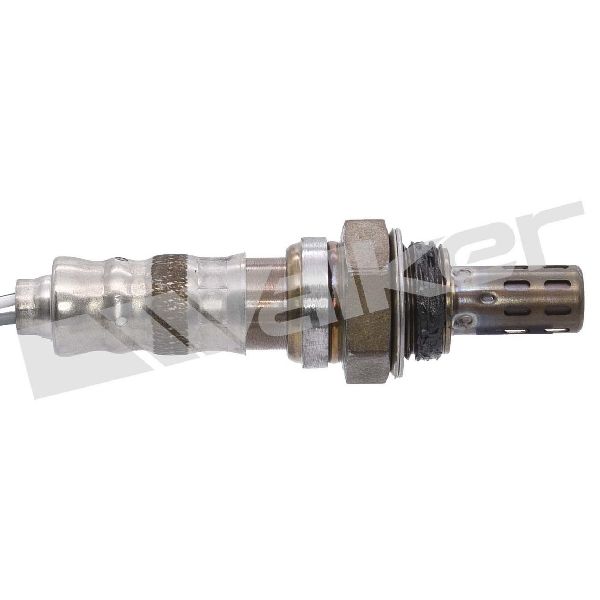
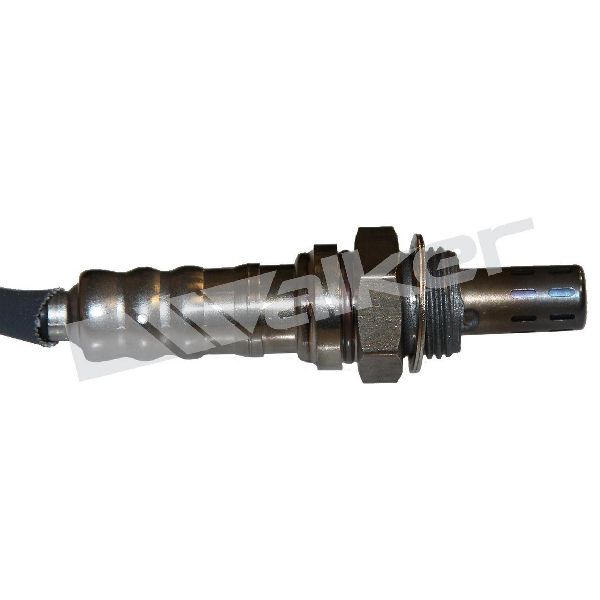
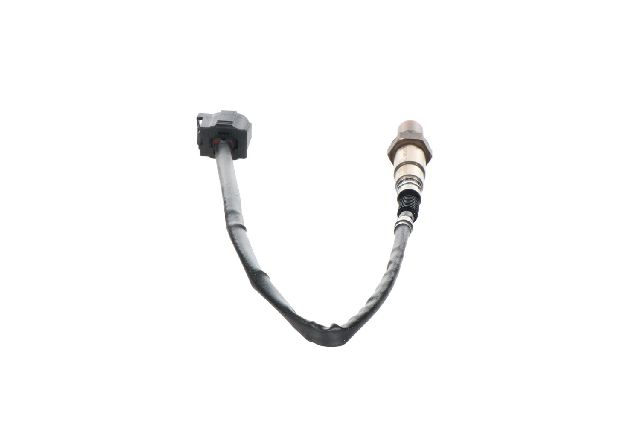
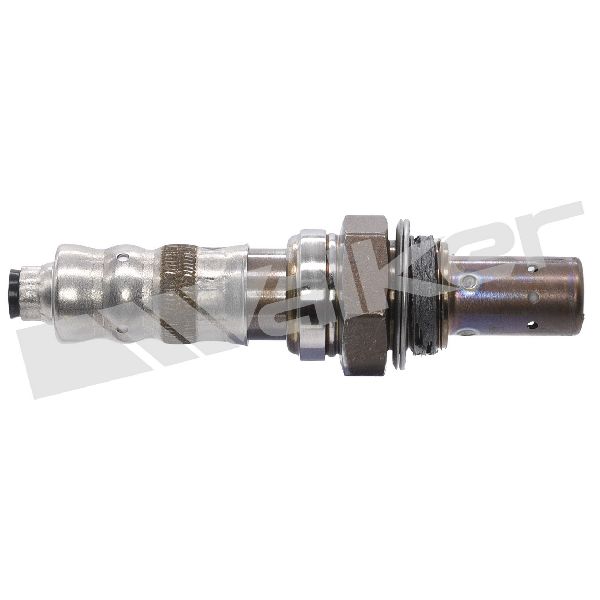
- Upstream Oxygen Sensor (Bank 1, Sensor 1)
(OEM #5149180AB)— The internal heater element fails from age and heat cycles, which is the most common cause of code P0030. The previous part number was 5149180AA.
Trusted brands: Mopar, NTK (P/N: 23545), Denso (P/N: 234-4545), Bosch (P/N: 15510)
OEM price range: $100-$180
Aftermarket price range: $40-$80
Related Codes That Often Appear With This One
- P0135 — This is the generic SAE equivalent of P0030. They mean the same thing and often appear together.
- P0031 — This code indicates the heater control circuit voltage is low, which can be caused by a short to ground in the same circuit that triggers P0030.
- P0032 — This code indicates the heater control circuit voltage is high, pointing to a short to power within the same circuit.
- P0300 — On some Chrysler platforms, the fuse for the O2 sensor heaters is shared with the ignition coils. If this fuse blows, it can cause both a P0030 and a random misfire code.
Platform-Specific Known Issues
- A known issue on some Pentastar engines involves the passenger-side valve cover gasket leaking oil directly onto the downstream (Sensor 2) oxygen sensor harness, causing codes like P0137. While P0030 is for the upstream sensor, it's wise to inspect the valve cover for leaks anytime you are working on the passenger side of the engine.
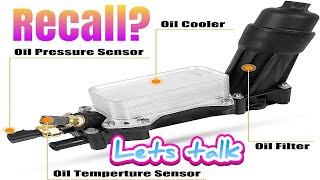
- The infamous 3.6L Pentastar oil filter housing leak can also cause issues. Located in the engine valley, a cracked housing can leak oil down the back of the engine, potentially contaminating the O2 sensor wiring harnesses for Bank 1.
Technical Service Bulletins (TSBs) & Recalls
- TSB Bulletin #25-004-12: A manufacturer service bulletin for related platforms notes that P0030 (O2 Sensor 1/1 Heater Circuit) can be triggered alongside other soot-related or response codes like P014D.
- TSB Bulletin #25-003-13: This bulletin identifies P0030 as a primary heater circuit fault for the 1/1 sensor, often appearing with circuit-high (P0032) or circuit-low (P0031) conditions.
- TSB Bulletin #25-002-14: Manufacturer records indicate that P0030 is a documented heater circuit fault for the primary upstream sensor (1/1), which may be diagnosed in conjunction with Sensor 1/2 heater circuit issues (P0036).
Mechanic-Grade Diagnostic Values
- O2 Sensor Heater Element Resistance — expected: 3 to 15 ohms at ambient temperature (approx. 70°F/21°C).. Failure: A reading of OL (Open Loop/infinite resistance) or 0 ohms (short circuit) indicates a failed heater element.
- Heater Circuit Power Supply (KOEO) — expected: Approximately 12V (battery voltage) at the power supply pin of the vehicle-side harness connector.. Failure: Near 0V indicates a blown fuse (F70) or an open in the power wire from the TIPM/fuse box.
- Heater Circuit Ground Control (Engine Running) — expected: A pulsing ground signal from the PCM, which will appear as a square wave on an oscilloscope or an averaged/blinking voltage on a multimeter.. Failure: No voltage or a steady ground when the heater should be active can indicate a wiring issue or a failed PCM driver.
Scan Tool Commands That Help
- wiTECH (or other advanced scan tools): O2 Heater Test — This bidirectional command allows the technician to manually activate the O2 sensor heater circuit with the engine on. It's used to verify if the PCM is capable of commanding the heater on and if the wiring can carry the load, helping to isolate the fault between the sensor, wiring, and PCM without having to wait for a full drive cycle.
Wiring & Ground Locations
- B1S1 O2 Sensor Heater Circuit Pins — At the sensor connector for the upstream O2 sensor on the passenger side.. For testing, you must identify the two heater wires. These are typically the two wires of the same color (e.g., both black or both white). One pin will receive ~12V from the fuse/TIPM, and the other is the ground control wire that is pulsed by the PCM.
- Engine Ground Strap — There are multiple grounds, but a key one runs from the engine block (often near an engine mount) to the chassis/frame rail on the passenger side.. A corroded or broken main engine ground can cause erratic behavior in various sensors, including O2 sensors, as the PCM may not have a stable ground reference. While less common for a specific heater circuit code, it's a known issue on these platforms and can cause intermittent electrical problems that are hard to diagnose.
Real Owner Repair Stories
- chargerforums.com user (2014 Dodge Charger 3.6L) — Check Engine Light with code P0030.
❌ Tried (didn't work) Initially, the owner was unsure of the cause.
✅ What actually fixed it After confirming the fuse was good, the user replaced the Bank 1, Sensor 1 (upstream, passenger side) oxygen sensor, which resolved the code.
OEM Part Supersession History
5149180AA→5149180AB— Standard part revision by the manufacturer. The new part is a direct replacement.
Heads up: There are no known incompatibilities; 5149180AB is the correct service part.
Model Year Variations Within This Range
- 2016-2023: While the O2 sensor function for P0030 remains the same, be aware that the 3.6L Pentastar engine received a major update (VVL) starting in 2016. This changed camshafts, timing components, and other parts. While not directly related to the O2 sensor itself, be mindful of engine variations if diagnostics lead you deeper into the engine systems for other codes.
Diagnostic Flowchart
Other Known Issues on This Vehicle
Issues unrelated to this code that are worth knowing about as an owner of this generation:
- Cracked Oil Filter/Cooler Housing 🔴 High — Extremely common, often occurs between 60,000 and 120,000 miles. The plastic housing becomes brittle from heat cycles and cracks, causing significant oil and/or coolant leaks into the engine valley. (Ref: No recall has been issued, despite widespread failure. Aftermarket aluminum housings (e.g., Dorman 926-959) are a popular and permanent fix.)
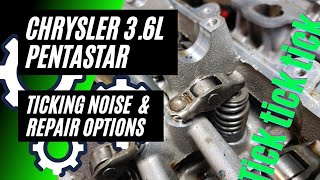
- Rocker Arm / Lifter Failure ('Pentastar Tick') 🔴 High — Common, especially on engines over 70,000 miles. Needle bearings in the rocker arms fail, causing a distinct ticking/tapping noise, misfires, and potential camshaft damage if not addressed. (Ref: TSB 09-011-25 addresses this issue, pointing to a manufacturing defect in some rocker arms. An extended warranty for early model cylinder heads (X56) existed but has largely expired and was a separate issue.)
- Left Cylinder Head Failure (Early Models) 🔴 High — Primarily affects 2011-2013 models. Overheating of valve seats on the #2 cylinder (left/driver's side bank) would lead to misfires (P0302) and require cylinder head replacement. (Ref: Chrysler issued an extended warranty (10 years/150,000 miles) for the left cylinder head on affected vehicles, but this has since expired for most.)
- Timing Chain Stretch 🟠 Medium — Can occur on higher-mileage engines (typically over 100,000 miles), causing cam/crank correlation codes like P0016. A rattling noise on startup is a key symptom.
- Melting Fuel Pump Connector 🟠 Medium — A known issue where the electrical connector on top of the fuel pump assembly can overheat and melt, causing intermittent starting issues or a no-start condition.
Used vs. New Parts: Buying Guide for This Vehicle
When a used part is the smart pick: For this repair, a used part is almost never a smart choice. The only exception might be sourcing a connector pigtail from a junkyard harness if the original is melted or physically damaged. The sensor itself should always be purchased new.
What to inspect on the donor part:
- If sourcing a connector pigtail, inspect for any signs of melting, corrosion on the pins, or brittle/cracked wiring.
- Ensure the locking tab on the connector is intact.
OEM-only on this vehicle (don't cheap out):
- While not strictly 'OEM-only', it is highly recommended to use either the Mopar OEM sensor or a direct OE-equivalent from NTK or Denso. Cheaper, no-name aftermarket sensors are known to have high failure rates or cause compatibility issues with Chrysler's sensitive ECU logic.
Aftermarket brands forum-validated for this vehicle:
- NTK (often the original OE supplier)
- Denso
Brands owners have reported issues with on this vehicle:
- Unnamed 'economy' or 'white-box' brands from online marketplaces.
- Some users have reported issues with certain Bosch sensors on Chrysler platforms, though they are generally a reputable brand. Sticking to Mopar, NTK, or Denso is the safest bet.
Real Owner Stories
Aggregated from forums and TSBs cited above. Mileages and costs reflect what owners reported in those sources.
2014 Dodge Charger 3.6L
Symptoms: Check Engine Light with code P0030.
What fixed it: Replacing the Bank 1 Sensor 1 (passenger side, upstream) O2 sensor after verifying the fuse was good.
Source hint: chargerforums.com - Thread 'P0030 code'
Related OBD-II Codes
Frequently Asked Questions
Where is Bank 1 Sensor 1 located on my RWD Charger with the 3.6L Pentastar?
Could an oil leak cause my P0030 code on a Dodge Charger?
Which fuse should I check for the O2 sensor heater circuit on my 2011-2023 Charger?
Is there a permanent fix for the oil leaks that damage the sensors on this engine?
Does TSB 09-011-25 relate to my O2 sensor code?
What should the resistance be for a healthy O2 sensor heater on a 3.6L Charger?
Helpful Videos


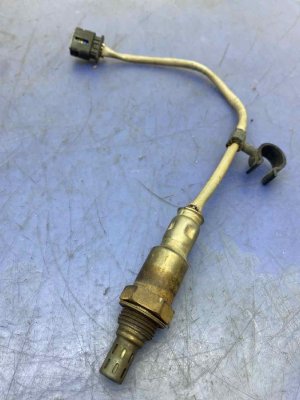
Used OEM Parts in Stock
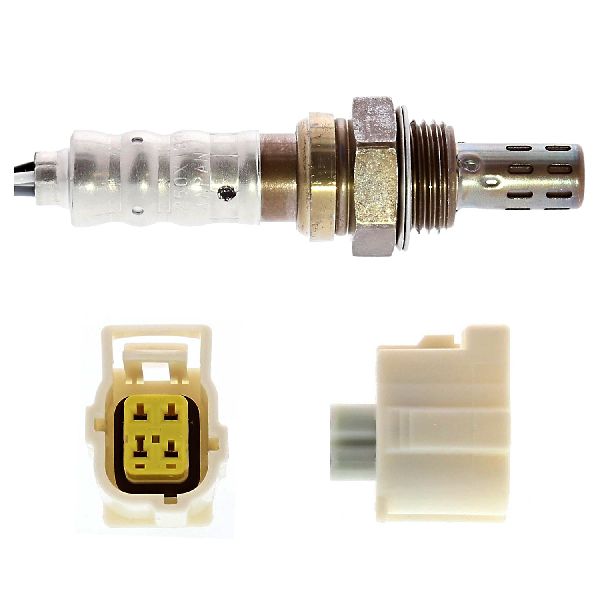
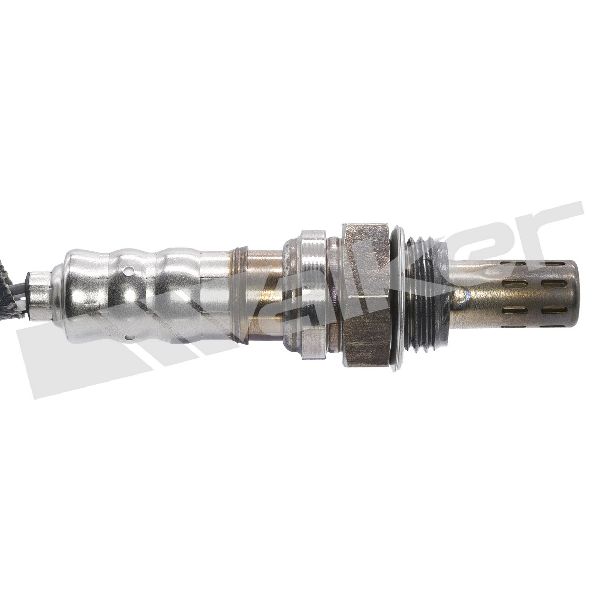
New Aftermarket Parts Available

The information in this article is provided for general reference and educational purposes only. Vehicle specifications, procedures, and part compatibility can vary by production date, trim level, and region. Always consult your vehicle's factory service manual and verify part numbers before purchasing or performing repairs. Safety-critical components such as airbags, seat belts, and braking systems should be installed by a qualified professional.
- Dodge Charger:
- 🎬 Helpful Videos
- 🛍️ Shop This Part
- What's Unique About the 2011-2023 Dodge Charger
- Symptoms You May Notice
- Most Likely Causes
- Rare But Worth Checking
- Diagnosis Steps
- Parts You'll Likely Need
- Related Codes That Often Appear With This One
- Platform-Specific Known Issues
- Technical Service Bulletins (TSBs) & Recalls
- Mechanic-Grade Diagnostic Values
- Scan Tool Commands That Help
- Wiring & Ground Locations
- Real Owner Repair Stories
- OEM Part Supersession History
- Model Year Variations Within This Range
- Diagnostic Flowchart
- Other Known Issues on This Vehicle
- Used vs. New Parts: Buying Guide for This Vehicle
- Real Owner Stories
- 2014 Dodge Charger 3.6L
- Related OBD-II Codes
- Frequently Asked Questions
- 🎟️ Get 5% Off