

P0025 on 2015-2021 Ford F-150: Exhaust Camshaft Timing Over-Retarded (Bank 2) Causes and Fixes
On a 2015-2021 Ford F-150, code P0025 is most often caused by a sticking or failed exhaust VCT solenoid on Bank 2 (driver's side). Before replacing parts, check your engine oil level and condition, as low or dirty oil is a frequent culprit. A replacement Motorcraft solenoid costs between $30 and $100, with part numbers varying by engine and year.
- Always check your engine oil first. Low or dirty oil is a primary cause of P0025 on these trucks.
- The most likely failed part is the Bank 2 (driver's side) exhaust VCT solenoid. It's relatively inexpensive and accessible.
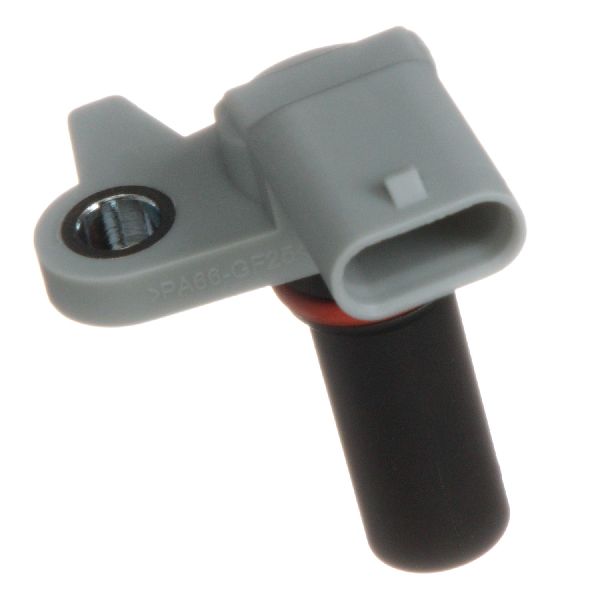
- Do not replace the camshaft position sensor; it is almost never the cause of this code.
- Ford has acknowledged that VCT solenoids can stick due to debris. Cleaning or testing the solenoid before replacement can save money. [⭐ MANUFACTURER TSB — highest authority]
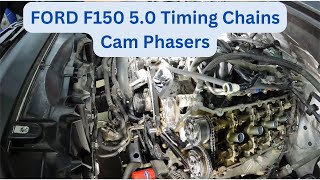
- If you hear a rattling noise from the engine on startup, the problem may be more serious, involving worn timing chains or cam phasers.
What's Unique About the 2015-2021 Ford F-150

On the 2015-2021 F-150, particularly those with the 3.5L EcoBoost and 5.0L V8 engines, the Variable Camshaft Timing (VCT) system is highly sensitive to oil pressure and cleanliness. Ford has issued multiple Technical Service Bulletins (TSBs) acknowledging that codes like P0025 can be triggered by small debris causing the VCT solenoid to stick. This suggests that the issue is often the solenoid itself rather than a more serious mechanical timing problem, a fact supported by numerous owner experiences.
Diagnostic Flowchart

Tap your situation to follow the diagnostic path that matches what you're seeing on this vehicle.
Generation note: The 2015-2021 model years span two F-150 generations: the 13th (2015-2020) and the 14th (2021-present). The 13th generation introduced the aluminum body. The 3.5L EcoBoost engine was significantly updated in 2017 (Gen 2), and the 5.0L V8 was updated in 2018 with dual injection and other changes. While the P0025 code applies to both generations and their common engines, the specific part numbers for VCT solenoids and the prevalence of timing chain issues can differ by engine and model year.
Symptoms You May Notice
- Check Engine Light is on
- Rough or unstable idle
- Reduced engine power and poor acceleration
- Engine stalling, especially when slowing to a stop
- Decreased fuel economy
- Engine knocking, ticking, or rattling noises, especially on startup
- Replacing the camshaft position sensor. The sensor is usually doing its job correctly by reporting the timing discrepancy. The P0025 code indicates a mechanical timing issue (solenoid, phaser, oil pressure), not a sensor failure.
Most Likely Causes


- Dirty or Low Engine Oil 🔴 High Probability The Ford VCT system uses pressurized engine oil to adjust cam timing. If the oil is low, old, the wrong viscosity, or contains sludge, the system cannot operate correctly, leading to stuck solenoids or phasers. Ford TSBs specifically mention debris in oil as a cause for VCT codes.
How to confirm: Check the oil level on the dipstick and inspect its color and consistency. If it's low or dark and sludgy, it needs to be changed. This is the first and most important check.
Typical fix: Perform an oil and filter change using the correct OEM-specified grade of oil (e.g., Motorcraft SAE 5W-30 Synthetic Blend for many models). Always use a quality filter like Motorcraft, as some aftermarket filters can cause issues.
Est. part cost: $50-$100 - Failed or Sticking VCT Solenoid (Bank 2 Exhaust) 🔴 High Probability Ford TSBs like SSM 50067 and SSM 47170 explicitly state that small debris can cause the VCT solenoid to stick, leading to this code. This is the most common component failure for P0025. The Bank 2 exhaust solenoid is located on the driver's side valve cover, typically the one closer to the exhaust manifold.
How to confirm: Use a scan tool to monitor commanded vs. actual cam angle. You can also apply 12V directly to the solenoid with it removed to see if it actuates with an audible click. A reliable DIY method is swapping the suspect solenoid with an identical one (e.g., the intake solenoid on the same bank) and seeing if the code follows (e.g., changes to P0022).
Typical fix: Replace the Bank 2 exhaust VCT solenoid. 🎬 Watch: Step-by-step VCT solenoid replacement on a 2016 F-150. It is located on the driver's side valve cover.
Est. part cost: $30-$100 - Worn Timing Components (Cam Phaser, Timing Chain, Tensioner) 🟡 Medium Probability On higher-mileage F-150s, especially the 3.5L EcoBoost, timing chain stretch and cam phaser wear are notorious issues. This often presents as a loud 'cold start rattle' that lasts for a few seconds. 🎬 Watch: A mechanic explains common Ford cam phaser failure symptoms. This can be caused by low oil pressure from failing tensioners allowing the chain to grind on the timing cover.
How to confirm: This is an involved diagnosis. Audible rattling from the front of the engine on cold startup is a strong indicator. Confirmation requires removing the valve cover(s) and front engine cover to inspect the timing chain for slack and the phasers for damage or play.
Typical fix: Replace the timing chain, tensioners, guides, and all four cam phasers. This is a labor-intensive job often costing thousands at a shop.
Est. part cost: $400-$1200+
Rare But Worth Checking
- Wiring or Connector Issue: Check the wiring harness and connector going to the Bank 2 exhaust VCT solenoid for damage, corrosion, or oil contamination. In some cases, owners have found the intake and exhaust solenoid connectors were accidentally swapped during a previous repair, which will cause timing codes.
- Clogged Oil Passages: Severe engine sludge can block the small oil passages leading to the VCT solenoid and cam phaser, preventing proper operation even with a new solenoid. This can happen if oil change intervals are neglected.
- Faulty Powertrain Control Module (PCM): This is extremely rare. The PCM should only be considered after all other mechanical and electrical possibilities have been exhaustively ruled out.
Diagnosis Steps
- Check Engine Oil: Verify the oil level is correct and the oil is clean. If low or dirty, perform an oil and filter change with the correct viscosity oil and clear the codes to see if the problem returns.
- Scan for Codes: Use an OBD-II scanner to confirm P0025 and look for any other related codes, such as P0019 or misfire codes on Bank 2. 🎬 See how these codes look on a 5.0L diagnostic scan.
- Inspect Wiring: Visually inspect the wiring harness and connector for the Bank 2 (driver's side) exhaust VCT solenoid. Look for damage, corrosion, or oil saturation. Ensure the intake and exhaust solenoid connectors are not swapped.
- Test the Solenoid: A scan tool can command the VCT solenoid on and off to check for a response. Alternatively, with the engine off, you can disconnect the solenoid and apply 12V power to its terminals; you should hear an audible click. You can also test the solenoid's internal resistance with a multimeter.
- Swap Solenoids (if applicable): On many F-150 engines, the intake and exhaust solenoids on the same bank are identical. Swap the Bank 2 exhaust solenoid with the Bank 2 intake solenoid. Clear codes and drive. If the code changes to P0022 (Intake Over-Retarded), the solenoid is confirmed faulty.
- Check Oil Pressure: If solenoids seem to be working, test the engine's oil pressure with a mechanical gauge to ensure it's within Ford's specification. Low pressure will prevent the VCT system from functioning.
- Inspect Mechanical Timing: If all else fails, the next step is to inspect the physical timing components (chain, phasers, tensioners). This is labor-intensive and usually prompted by other symptoms like a cold-start rattle.
Parts You'll Likely Need
- Engine Variable Camshaft Timing (VCT) Solenoid
(OEM #HL3Z-6M280-A (2017+ 3.5L/5.0L), BR3Z-6M280-F (5.0L), AT4Z-6M280-C (Right Exhaust, some models))— This is the most frequent point of failure for code P0025, often due to sticking from oil debris as noted in Ford TSBs. Part numbers vary, so confirm with VIN. HL3Z-6M280-A is a common OEM part number for 2017+ Gen 2 EcoBoost and updated 5.0L engines.
Trusted brands: Motorcraft, Dorman, NTK
OEM price range: $35-$90
Aftermarket price range: $25-$60 - Engine Oil and Filter
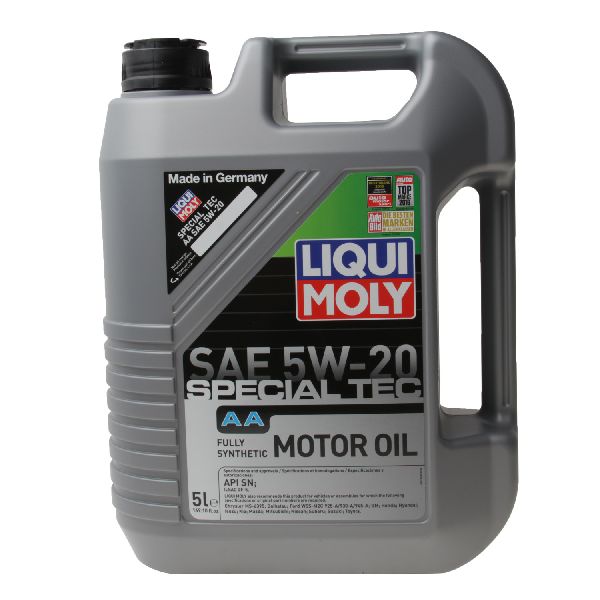
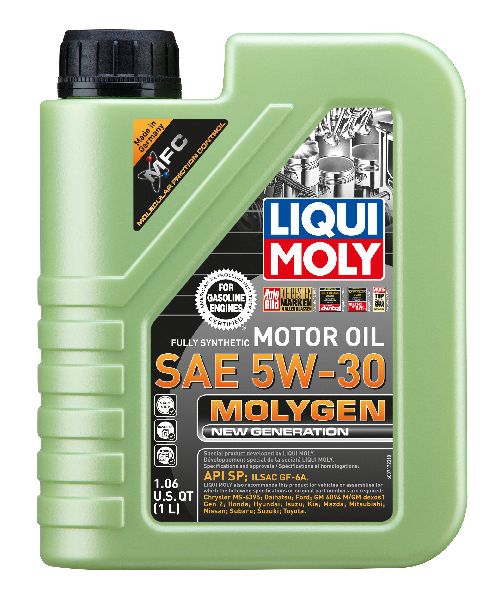
(OEM #Varies by engine (e.g., Motorcraft FL-500S filter))— Correct oil level and cleanliness are critical for the VCT system's operation. An oil change is the first and most important diagnostic step. Using the OEM Motorcraft filter is often recommended to avoid potential issues with oil pressure and dry starts.
Trusted brands: Motorcraft, Mobil 1, Pennzoil
OEM price range: $60-$100
Aftermarket price range: $40-$70 - Cam Phaser/VCT Unit Kit
(OEM #Varies (e.g., HL3Z-6256-CD for Intake VCT))— Required if diagnosis points to worn cam phasers, a common issue on the 3.5L EcoBoost causing startup rattles and timing codes. Typically all four are replaced at once along with the timing chain.
Trusted brands: Motorcraft
OEM price range: $300-$800 (for a full kit)
Aftermarket price range: $200-$500
Related Codes That Often Appear With This One
- P0019 — This code indicates a Crankshaft-Camshaft Correlation issue on Bank 2, Sensor B (exhaust). It is frequently triggered alongside P0025 because if the cam is over-retarded, its position will not correlate correctly with the crankshaft's position. An owner of a 2018 model reported this combination.
- P0021 — This is for 'Intake (A) Camshaft Position Timing - Over-Advanced (Bank 2)'. Seeing opposite codes on the same bank can point to a systemic issue like swapped solenoid connectors or a major oil pressure problem.
- P0300, P0306, P0307, P0308 — These are random or specific cylinder misfire codes for Bank 2. Incorrect camshaft timing disrupts the air/fuel mixture and valve events, leading to misfires on the affected bank. A 2018 F-150 owner reported P0025 along with multiple misfire codes on bank 2.
Technical Service Bulletins (TSBs) & Recalls
- TSB SSM 50067: Notes that various VCT codes including P0025 can be caused by small debris causing the VCT solenoid to stick. Advises performing diagnosis before replacing parts.
- TSB 18-2305: For 2011-2015 F-150s with 3.5L EcoBoost, addresses cold start rattle by replacing all four VCT units and the primary timing chain.
- TSB 20-2191 / TSB 22-2227: For 2017-2020 F-150/Expedition/Navigator with 3.5L EcoBoost, addresses cold start rattle/ticking due to worn VCT units, recommending replacement of all four.
- TSB 16-0038: For 2016 models with 3.5L GTDI, explicitly links codes P0019 and P0025 to a faulty Bank 2 exhaust VCT solenoid.
Platform-Specific Known Issues
- TSB #SSM 50067: Ford notes that DTCs P0011, P0012, P0014, P0015, P0016, P0017, P0018, P0019, P0021, P0022, P0024 and/or P0025 may be caused by small debris making the VCT solenoid stick. It recommends attempting to clear debris before replacement.
- TSB #SSM 47170: Similar to other TSBs, this bulletin for 2017-2018 vehicles suggests that before replacing a VCT solenoid for codes including P0025, a technician should use the diagnostic scan tool to cycle the affected solenoid 10 times to try and clear the debris.
Mechanic-Grade Diagnostic Values
- VCT Solenoid Internal Resistance — expected: Between 5 and 15 Ohms. More specifically, some sources state 6.9-7.9 Ohms at 68°F (20°C) or 7-14 Ohms.. Failure: A reading outside the specified range (e.g., an open circuit or a short) indicates a faulty solenoid.
- VCT Solenoid Connector Voltage (Key On, Engine Off) — expected: 12V (Battery Voltage) on the power supply pin.. Failure: No voltage indicates a problem in the wiring harness or PCM power supply, not the solenoid itself.
- Wiring Harness Continuity — expected: Less than 0.2 Ω resistance between the PCM connector and the solenoid connector.. Failure: High resistance or an open circuit (OL) indicates a break or corrosion in the wiring.
Scan Tool Commands That Help
- Ford IDS (or equivalent like FORScan): VCT Solenoid On/Off Command or Duty Cycle Control — This bidirectional control allows a technician to command the solenoid to actuate while monitoring the cam angle PIDs. This directly tests the solenoid's response and the hydraulic circuit's ability to move the phaser.
- Ford IDS: Pinpoint Test HK11 - Cycle VCT Solenoid — As per Ford's own TSB (SSM 47170), this function should be used before replacing a solenoid suspected of sticking. The command cycles the solenoid 10 times in an attempt to dislodge small debris that may be causing the fault.
Wiring & Ground Locations
- Engine to Firewall Ground Strap — Typically a braided strap located on the passenger side, connecting the back of the engine to the firewall.. A poor engine ground can cause a host of unpredictable electrical issues, including erratic sensor readings and incorrect actuator operation. While not a direct cause, it should be checked if multiple electrical faults are present.
- Body to Frame Ground — Underneath the truck, often below the passenger door area, a cable runs from the aluminum body to the steel frame.. These grounds are known to corrode, especially on 2015+ aluminum-body trucks. Ford specifically warns against using the frame as a ground point due to the risk of galvanic corrosion with the aluminum body. A bad body ground can cause communication issues between modules.
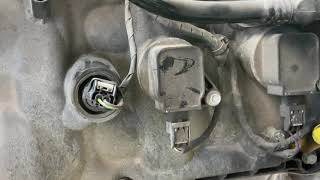
- VCT Solenoid Connector (Bank 2) — On the driver's side valve cover. The exhaust solenoid is typically the rearmost or lower of the two solenoids on that bank.. This is the direct electrical connection for the component in question. It must be inspected for oil contamination, corrosion, and secure connection. The two wires are a 12V+ power feed and a ground-side control wire from the PCM.
Real Owner Repair Stories
- YouTube video by user '2018 F-150 5.0L VCT Issue' (2018 Ford F-150 5.0L V8) — Extremely rough running, backfiring through the intake, no power, stalling at lights. Codes P0025, P0019, and multiple misfire codes (P0300, P0306, P0308, P0316).
❌ Tried (didn't work) The issue was recurring after a previous dealer visit.
✅ What actually fixed it The owner performed a temporary fix by disconnecting the Bank 2 (driver's side) exhaust VCT solenoid connector and repeatedly pulsing it with 12V from the battery using jumper wires. He noted that at first it didn't click, but after a few pulses it freed up and began clicking audibly. This cleared the stuck condition, resolved the symptoms, and allowed him to clear the codes. He noted this was a temporary fix before replacing the solenoid. - Ford F150 Forum thread (2011 Ford F-150 5.0L) — Check Engine Light with codes P0010 (actuator circuit open) and P0012 (timing over-retarded) for Bank 1.
❌ Tried (didn't work) Checking voltage at the connectors, which was good.
✅ What actually fixed it The owner tested the resistance (ohms) of the solenoids and confirmed the intake solenoid was dead. When replacing the solenoids, he discovered that the new, updated parts had a different, larger connector than the original 2011 harness. The final fix required replacing the VCT solenoids AND splicing in new pigtail connectors to match the updated parts.
OEM Part Supersession History
Unknown (for 2011 5.0L)→Updated VCT Solenoid (e.g., related to HL3Z-6M280-A family)— Part design was updated by Ford.
Heads up: The updated solenoids for early 5.0L engines (e.g., 2011) have a different electrical connector than the original factory harness. If replacing original solenoids on an early truck with the new parts, you must also purchase and splice in new pigtail connectors.
Model Year Variations Within This Range
- 2018-2021: The 5.0L V8 engine was significantly updated for the 2018 model year. It gained dual-injection (port and direct), a higher compression ratio (12.0:1), and was paired with the 10-speed automatic transmission. These changes mean VCT strategy and some related parts may differ from the 2015-2017 5.0L engine.
- 2017-2021: The 3.5L EcoBoost was updated to the second generation starting in 2017. Like the 5.0L, it was also paired with the 10-speed automatic transmission. While VCT issues persist, part numbers and diagnostic procedures may have been updated from the first generation.
- 2015-2017: The second generation of the 5.0L Coyote (2015-2017) is considered by some to be a 'sweet spot' for reliability, with a simpler port-injection system and lower 10.5:1 compression ratio compared to the 2018+ models.
Helpful Videos
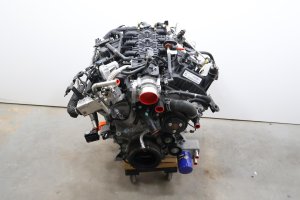
Used OEM Parts in Stock
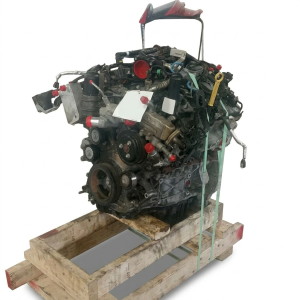
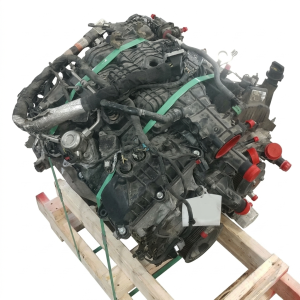
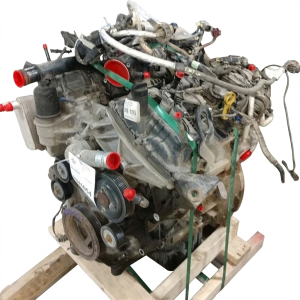
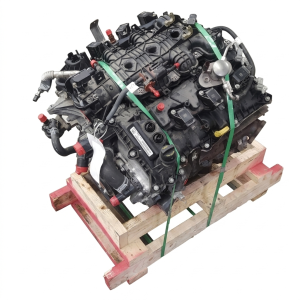
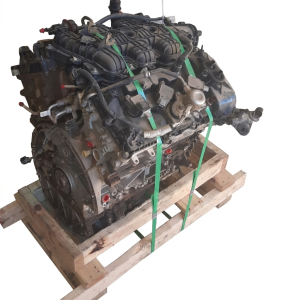
New Aftermarket Parts Available

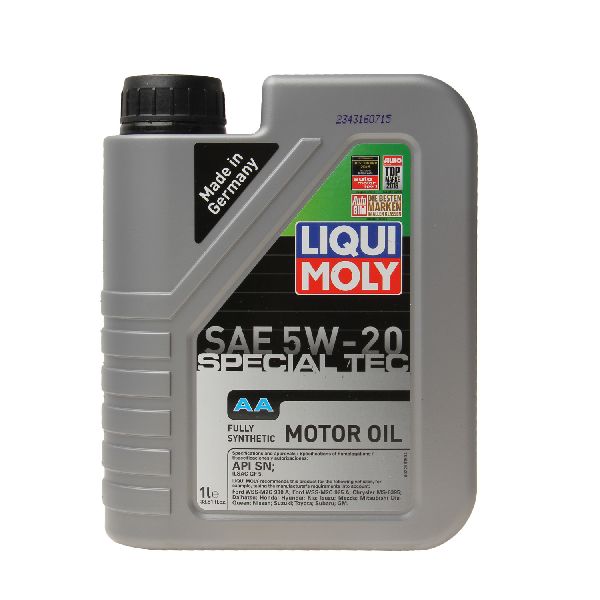

The information in this article is provided for general reference and educational purposes only. Vehicle specifications, procedures, and part compatibility can vary by production date, trim level, and region. Always consult your vehicle's factory service manual and verify part numbers before purchasing or performing repairs. Safety-critical components such as airbags, seat belts, and braking systems should be installed by a qualified professional.
- Ford F-150:
- 🎬 Helpful Videos
- 🛍️ Shop This Part
- What's Unique About the 2015-2021 Ford F-150
- Diagnostic Flowchart
- Symptoms You May Notice
- Most Likely Causes
- Rare But Worth Checking
- Diagnosis Steps
- Parts You'll Likely Need
- Related Codes That Often Appear With This One
- Technical Service Bulletins (TSBs) & Recalls
- Platform-Specific Known Issues
- Mechanic-Grade Diagnostic Values
- Scan Tool Commands That Help
- Wiring & Ground Locations
- Real Owner Repair Stories
- OEM Part Supersession History
- Model Year Variations Within This Range
- 🎟️ Get 5% Off