

P0025 on 2015-2020 Ford Explorer 3.5L: Exhaust Cam Timing Causes and Fixes
This code means the Bank 2 exhaust camshaft timing is over-retarded. The most common causes are low/dirty engine oil or a failing Variable Camshaft Timing (VCT) solenoid. Start by checking your oil; if it's clean and full, the VCT solenoid is the next likely culprit, costing around $40-$150 for the part.
- P0025 means the exhaust camshaft on the front (radiator side) of the engine has incorrect timing.
- The most likely cause is simple: your engine oil is low or dirty. Always check your oil first.
- If the oil is fine, the next most common culprit is a faulty VCT solenoid, a relatively inexpensive part.
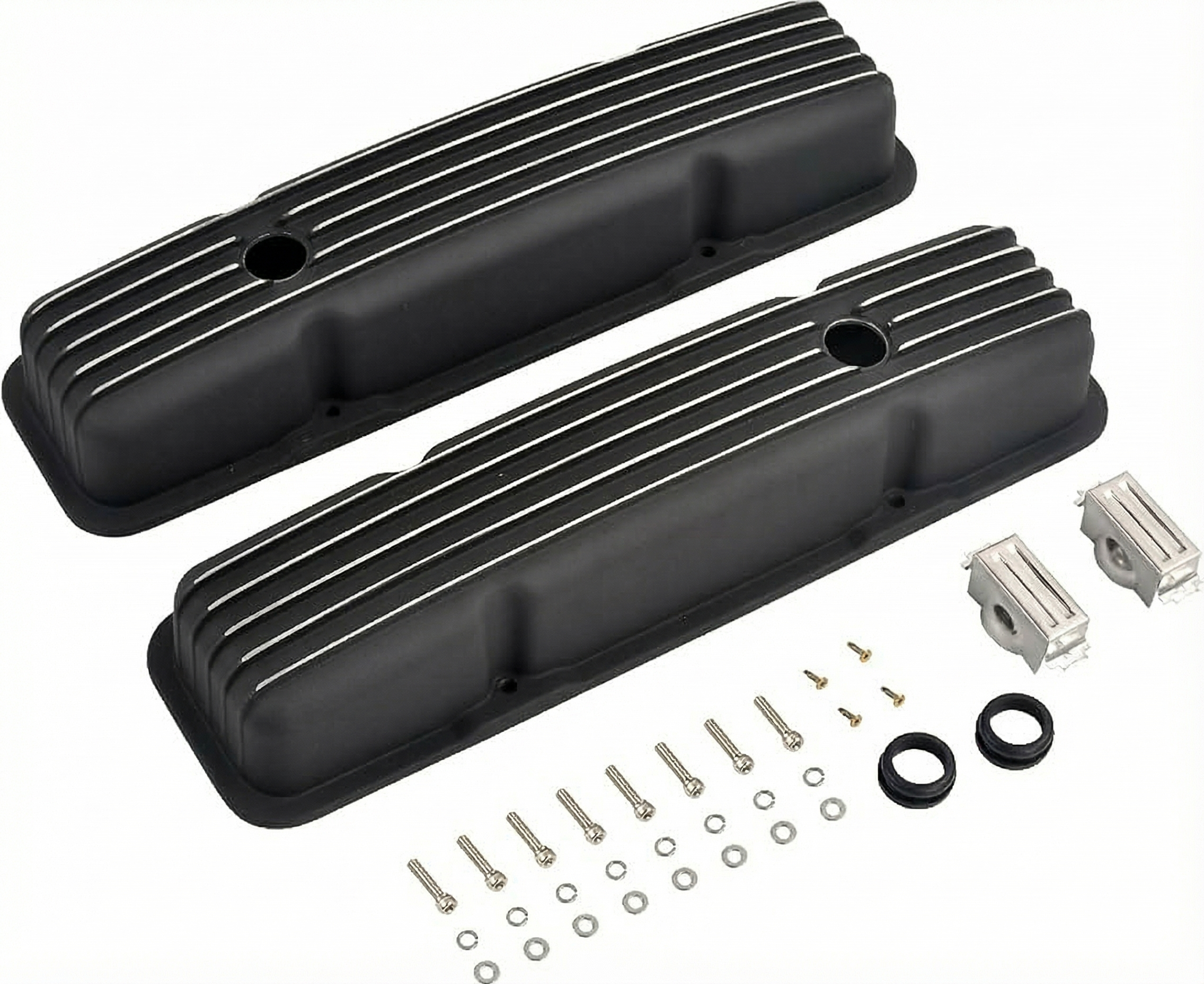
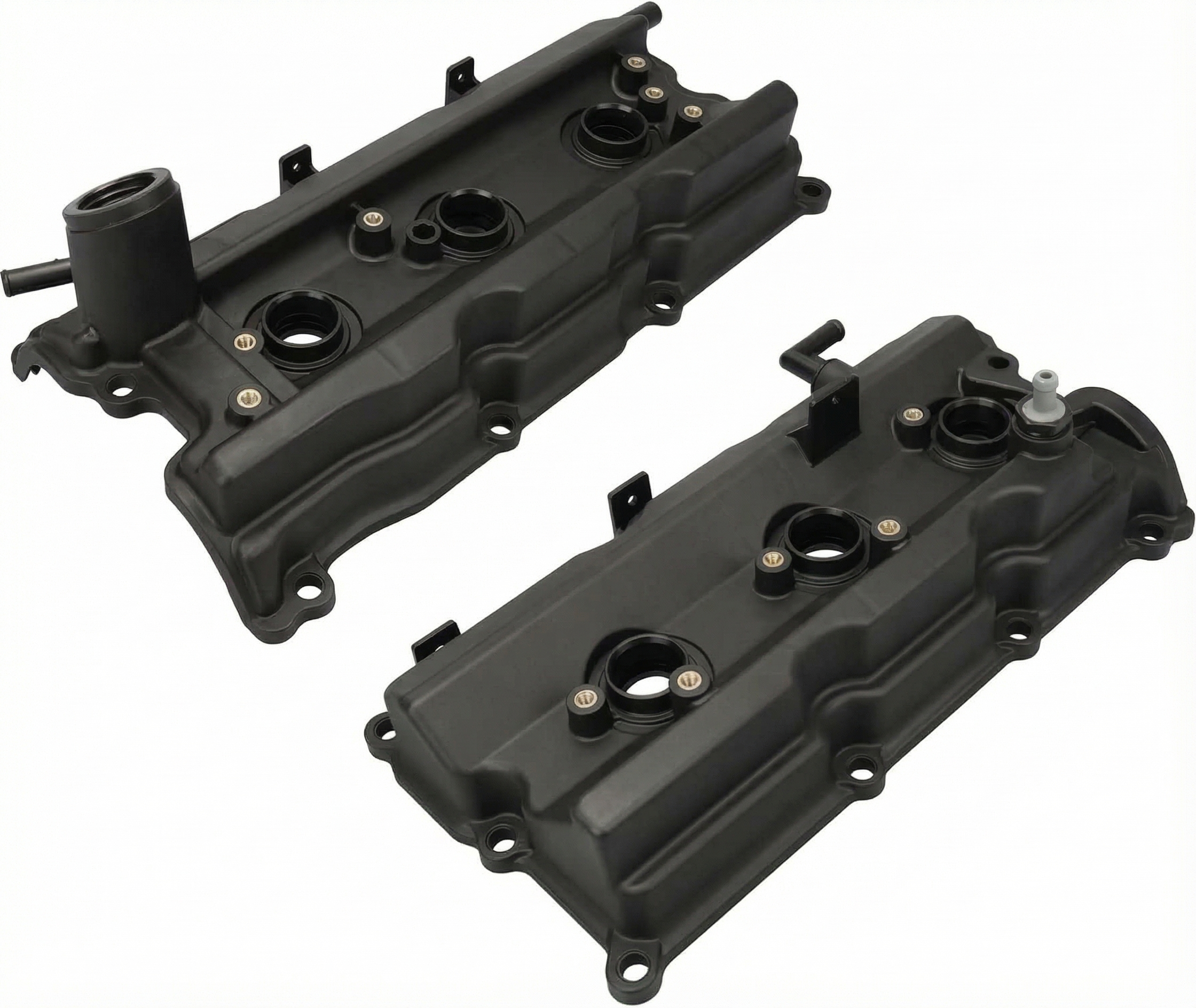
- Replacing the VCT solenoid on this engine requires removing the valve cover, so it's a good idea to replace the gasket at the same time.
- Ignoring this code can lead to poor performance, bad fuel mileage, and potentially more expensive engine repairs down the line.
What's Unique About the 2015-2020 Ford Explorer
The 3.5L 'Cyclone' V6 uses a Twin Independent Variable Camshaft Timing (Ti-VCT) system that is highly dependent on clean engine oil and stable oil pressure to function correctly. Ford has issued multiple Technical Service Bulletins (TSBs) acknowledging that these engines can set various cam timing codes, including P0025, due to small debris in the oil causing the VCT solenoids to stick. This makes regular, high-quality oil changes especially critical on this platform to prevent this specific code.
Generation note: This guide primarily covers the fifth-generation Ford Explorer (2015-2019) which commonly used the 3.5L 'Cyclone' V6. The 2020 model year marked the start of the sixth generation, where this engine was largely phased out for retail models in favor of EcoBoost and Hybrid powertrains. However, some 2020 fleet models (like the Police Interceptor Utility) may still have this engine.
Symptoms You May Notice
- Check Engine Light is on
- Rough or unstable idle
- Reduced engine power and poor acceleration
- Engine hesitation
- Decreased fuel economy
- Engine may be hard to start
- Audible rattling or ticking from the engine, especially on cold starts, which may indicate a timing chain issue.
- Replacing the camshaft position sensor when the actual problem is the VCT solenoid or oil quality.
- Replacing the camshaft phaser when the issue is just a stuck VCT solenoid, which is a much cheaper and easier repair.
Most Likely Causes
- Low or Dirty Engine Oil 🔴 High Probability The VCT system uses oil pressure to adjust cam timing. Sludge or low oil levels prevent the phasers and solenoids from operating correctly, a known issue highlighted in Ford TSBs.
How to confirm: Check the oil dipstick for level and inspect the oil's color and consistency. If it's low, dark, or sludgy, it needs to be changed.
Typical fix: Perform an engine oil and filter change using the manufacturer-specified grade (typically 5W-20 or 5W-30 for this engine). Clear the codes and drive to see if the issue is resolved.
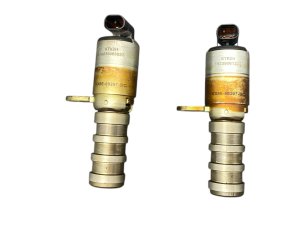
Est. part cost: $40-$80 - Failed VCT Oil Control Solenoid (Bank 2 Exhaust) 🔴 High Probability Ford TSBs SSM 50067 and TSB-16-0093 directly mention that debris can cause the VCT solenoid to stick, leading to this code. It is the most common component failure for P0025 on this engine.
How to confirm: Use a high-end scan tool to command the solenoid on and off while monitoring cam angle data. You can also test the solenoid's resistance with a multimeter (typically 5-15 ohms) or swap it with the intake solenoid on the same bank to see if the code changes to P0021 (Intake Cam Over-Retarded).
Typical fix: Replace the Bank 2 exhaust VCT solenoid, located on the front valve cover. Since the valve cover must be removed for access, it's wise to replace both the intake and exhaust solenoids on that bank at the same time, along with the valve cover gasket.
Est. part cost: $40-$150 - Worn Timing Chain or Guide 🟡 Medium Probability Typically seen on vehicles over 100,000 miles, especially with infrequent oil changes, the timing chain can stretch or the plastic guides can wear, creating slack that results in incorrect timing and a rattling noise on startup.
How to confirm: This is an involved diagnosis. It often starts with hearing a rattling noise from the front of the engine on cold startups. Confirmation requires removing the timing cover to physically inspect the chain, tensioners, and guides for wear or damage.
Typical fix: Replace the timing chain, tensioners, and guides. This is a labor-intensive job often costing over $2,000 at a shop.
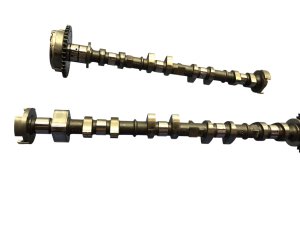
Est. part cost: $400-$800 - Failed Camshaft Phaser ⚪ Low Probability The phaser is the mechanical gear that actually adjusts the camshaft. It can get stuck or fail internally, often due to the same oil contamination issues that affect the solenoids. It is often replaced as a preventative measure during a timing chain job.
How to confirm: This is usually diagnosed after the VCT solenoid and oil have been ruled out. It requires a deep dive into the timing system, often confirmed during a timing chain inspection.
Typical fix: Replace the camshaft phaser for the Bank 2 exhaust camshaft. This is typically done during a timing chain job.
Est. part cost: $100-$250
Rare But Worth Checking
- Wiring Harness Damage: The wiring or connector to the VCT solenoid can become damaged or corroded, causing an open or short circuit. Visually inspect the harness leading to the solenoid on the front valve cover.
- Faulty Camshaft Position Sensor: It's less common for the sensor itself to cause an over-retarded code (it's more likely to cause a circuit code), but if it provides incorrect data to the PCM, it can lead to a misdiagnosis of the cam timing.
- Powertrain Control Module (PCM) Fault: In very rare cases, the PCM itself can be the source of the problem, either through a software glitch or hardware failure. This should only be considered after all other possibilities have been exhausted.
Diagnosis Steps
- Verify Oil Level and Condition: This is the first and most important step. If the oil is low or dirty, perform an oil and filter change, clear the code, and see if it returns.
- Scan for Codes: Use an OBD-II scanner to confirm P0025 and check for any other related codes, like P0019 or misfire codes.
- Inspect VCT Solenoid Wiring: Visually inspect the wiring harness and connector for the Bank 2 (front, radiator side) exhaust VCT solenoid. Look for any signs of damage, corrosion, or loose connections.
- Test the VCT Solenoid: Using a capable scan tool, monitor the PIDs for Bank 2 Exhaust Cam timing, such as
VCT_EXH_CMD_B2(commanded) andVCT_EXH_ERR_B2(error). Command the solenoid on and off. A large error value or no change in actual position indicates a stuck solenoid. - Check Solenoid Resistance: Disconnect the solenoid and measure its internal resistance with a multimeter. A reading outside the typical 5-15 ohm range indicates a faulty solenoid.
- Swap Solenoids (If Applicable): The intake and exhaust solenoids on the 3.5L are interchangeable. You can swap the exhaust solenoid with the intake solenoid on the same bank. Clear the codes and drive the vehicle. If the code changes to P0021 (Intake Cam Over-Retarded), you have confirmed the solenoid is the faulty part.
- Inspect Mechanical Timing: If the solenoid and wiring are good, the issue is likely mechanical. This requires removing the valve cover and potentially the timing cover to inspect the camshaft phaser, timing chain, and guides for wear or damage. Accessing the Bank 2 (front) valve cover on the Explorer is labor-intensive and may require removing the upper intake manifold.
Parts You'll Likely Need
- VCT Oil Control Solenoid (Bank 2 Exhaust)
(OEM #7T4Z-6M280-C (or superseded part BR3Z-6M280-D))— This solenoid is the most frequent point of failure for code P0025, often getting stuck due to oil debris, as noted in multiple Ford TSBs.
Trusted brands: Motorcraft, Dorman (p/n 917-210), Hitachi
OEM price range: $100-$150
Aftermarket price range: $40-$80 - Valve Cover Gasket Kit (Bank 2)
(OEM #BR3Z-6584-B)— The valve cover must be removed to access the VCT solenoids on the 3.5L engine. The gasket is a one-time use item and must be replaced to prevent oil leaks. TSB 16-0093 lists this part for the repair.
Trusted brands: Motorcraft, Fel-Pro, Mahle
OEM price range: $30-$50
Aftermarket price range: $15-$30
Related Codes That Often Appear With This One
- P0019 — P0019 is 'Crankshaft Position - Camshaft Position Correlation (Bank 2 Sensor B)'. It often appears with P0025 because if the exhaust cam is over-retarded, its position will not correlate correctly with the crankshaft's position. TSB 16-0038 notes these can appear together.
- P0300, P0302, P0304, P0306 — These are random or specific misfire codes for Bank 2. Incorrect camshaft timing disrupts the engine's air/fuel mixture and combustion, leading to misfires on the affected bank.
Technical Service Bulletins (TSBs) & Recalls
- SSM 54366: Notes updated diagnostic procedures for a range of VCT codes including P0025.
- SSM 50067: Explicitly states that P0025 may be due to small debris causing the VCT solenoid to stick and advises a diagnostic cleaning procedure before replacement.
- TSB-16-0093: Addresses P0025 on low-mileage 2016 vehicles and provides service procedures for replacing VCT solenoids.
- SSM 48423 / 47170: Earlier bulletins that also point to debris in oil causin
Platform-Specific Known Issues
- TSB SSM 50067 notes that P0025 (and other VCT codes) may be caused by small debris causing the VCT solenoid to stick, and advises against component replacement before checking for this.
- TSB-16-0093 and its superseding TSBs address P0025 on low-mileage 2016 models, often pointing to a faulty VCT solenoid as the cause.
- TSB SSM 54366 indicates that diagnostic procedures for a group of VCT codes including P0025 have been updated in the official workshop manual.
Mechanic-Grade Diagnostic Values
- VCT Solenoid Internal Resistance — expected: 5 to 15 Ohms. Failure: A reading outside of this range, or an open/infinite reading, indicates a failed solenoid coil.
- VCT Solenoid Connector Voltage (Key On, Engine Off) — expected: 12V (Battery Voltage). Failure: No voltage indicates a problem with the power supply wire from the PCM power relay or a blown fuse.
- Engine Oil Pressure at Hot Idle — expected: Minimum 15 PSI. Failure: Pressure below 15 PSI at a hot idle can cause the VCT system to malfunction and set timing codes.
- Scan Tool PID: VCT Cam Error (e.g., VCT_EXH_ERR_B2) — expected: Should hover around 0 degrees at idle and under steady load.. Failure: A consistent, large error value (e.g., more than +/- 5 degrees) indicates the camshaft is not reaching its commanded position, pointing to a stuck solenoid, phaser, or oil flow issue.
Scan Tool Commands That Help
- Ford IDS / FORScan: VCT Solenoid Duty Cycle Command (e.g., VCT_EXH_DC_B2) — This bidirectional control allows a technician to manually command the solenoid to activate while monitoring the cam error PID (VCT_EXH_ERR_B2). If the duty cycle is commanded but the error doesn't change, it strongly suggests a stuck/failed solenoid or a mechanical issue with the phaser.
- Ford IDS / FORScan: Monitor VCT PIDs (RCAM, VCT_DIF, VCT_INT_ERR, VCT_EXH_ERR) — Monitoring the requested cam angle (RCAM) versus the actual angle (derived from error PIDs) during a test drive can reveal if the system is slow to respond or overshooting its target, which often points to a sticking solenoid.
Wiring & Ground Locations
- Bank 2 VCT Solenoid Connectors — On the front valve cover, closer to the radiator. The intake solenoid connector is often black, and the exhaust solenoid connector is often white or gray for easy identification.. Correctly identifying the exhaust ('B' camshaft) solenoid is critical. A damaged connector or chafed wire at this location will directly cause a P0025 or related circuit code.
- Main Engine Grounds (e.g., G104/G105) — Typically located on the chassis rails in the engine bay or directly on the engine block/cylinder head.. While not a direct cause, a poor engine ground can introduce electrical noise and voltage drops that can affect the PCM's ability to accurately read sensor data and control actuators like the VCT solenoids, potentially leading to incorrect diagnoses.
Real Owner Repair Stories
- ExplorerForum user (2011 Ford Explorer, 3.5L V6, 75k miles) — Rough idle and stalling at stops after long drives, accompanied by codes P0022 and P0025.
❌ Tried (didn't work) Initial diagnosis was inconclusive.
✅ What actually fixed it The dealer identified a faulty camshaft phaser. The part was on backorder, suggesting it might be a common failure. The final repair involved replacing the cam phaser.
OEM Part Supersession History
7T4Z-6M280-C→BR3Z-6M280-D— Standard part revision and improvement by the manufacturer.BR3Z-6M280-D→BR3Z-6M280-E, then BR3Z-6M280-F— Continued part revisions. The -F revision is the latest common OEM part.
Heads up: The different letter suffixes generally represent revisions that are backward-compatible. However, it is always best to verify the correct part number for your specific VIN.
Model Year Variations Within This Range
- 2016-2019: A mid-cycle refresh occurred for the 2016 model year, which included a redesigned front fascia and the introduction of the SYNC 3 infotainment system. While the base 3.5L V6 engine remained fundamentally the same, some wiring harnesses and component locations may have minor differences from the 2015 models.
- 2020: The 2020 model year marked a new generation (U625) on a different platform. The 3.5L naturally aspirated V6 was largely discontinued for retail sales but remained in some fleet vehicles like the Police Interceptor Utility. The primary engines became the 2.3L and 3.0L EcoBoost variants.
Diagnostic Flowchart
Other Known Issues on This Vehicle
Issues unrelated to this code that are worth knowing about as an owner of this generation:
- Internal Water Pump Failure 🔴 High — Commonly occurs between 80,000 and 150,000 miles. Failure can cause catastrophic engine damage if coolant mixes with engine oil.
- Power Transfer Unit (PTU) Overheating and Failure (AWD Models) 🔴 High — The PTU fluid can overheat due to proximity to the exhaust, leading to seal and gear failure. Not easily serviceable, often requiring full replacement.
- Cracked Exhaust Manifold 🟠 Medium — Can develop cracks, leading to an exhaust leak, ticking noises, and potentially exhaust fumes in the cabin.
- Electronic Throttle Body (ETB) Malfunction 🟠 Medium — Can cause the vehicle to enter 'limp mode' with reduced power. Ford issued Customer Satisfaction Program 16B32 to address this on some models. (Ref: 16B32)
Used vs. New Parts: Buying Guide for This Vehicle
When a used part is the smart pick: Sourcing a used VCT solenoid is generally not recommended due to the high failure rate from internal wear and oil contamination. A used part may fail shortly after installation. However, for larger, more expensive components like a cylinder head or a complete timing cover assembly, a used part from a low-mileage donor can be a cost-effective option if the primary failure on your vehicle is physical damage.
Donor-vehicle mileage cap: roughly under 80000 miles for the part to have meaningful remaining life.
What to inspect on the donor part:
- For any engine component, ask for proof of the donor vehicle's mileage.
- When buying a used engine part, remove the oil fill cap and look inside with a flashlight. Avoid any parts that show signs of heavy, dark sludge or a varnish-like coating, as this indicates poor maintenance and a high likelihood of clogged oil passages.
- Check electrical connectors for corrosion, brittleness, or broken locking tabs.
OEM-only on this vehicle (don't cheap out):
- Timing Chain and Phasers: Given the labor-intensive nature of a timing job, using high-quality OEM or top-tier aftermarket parts is critical to ensure longevity. Cheap aftermarket timing kits are a common source of premature failure.
- Powertrain Control Module (PCM): If the PCM is diagnosed as faulty, a new or professionally remanufactured unit programmed to your vehicle's VIN is the only reliable option.
Aftermarket brands forum-validated for this vehicle:
- Dorman (for VCT Solenoids)
- Fel-Pro (for Gaskets)
- Mahle (for Gaskets)
Brands owners have reported issues with on this vehicle:
- Unnamed or 'white-box' timing chain kits from online marketplaces are frequently cited in forums as a cause of repeat failures.
Real Owner Stories
Aggregated from forums and TSBs cited above. Mileages and costs reflect what owners reported in those sources.
2016 Ford Explorer 3.5L
Symptoms: Code P0025 appeared at low mileage.
What fixed it: Replacement of the VCT solenoid as per service procedures in TSB-16-0093.
Source hint: TSB-16-0093
2015-2020 Ford Explorer 3.5L — ~100000 miles
Symptoms: Audible rattling or ticking from the engine, especially on cold starts, and P0025 code.
What fixed it: Replacement of the timing chain, tensioners, and guides.
Cost: $2,000+
Source hint: Article Context - Common Causes: Worn Timing Chain or Guide
Ford Explorer 3.5L
Symptoms: P0025 code triggered by small debris causing the VCT solenoid to stick.
What fixed it: Diagnostic cleaning procedure to clear debris from the VCT solenoid rather than immediate component replacement.
Source hint: SSM 50067
Related OBD-II Codes
Frequently Asked Questions
My 2016 Explorer is showing P0025 at low mileage; is there a specific bulletin for this?
Does Ford recommend replacing the VCT solenoid immediately if P0025 appears?
I'm hearing a rattling noise on cold starts along with the P0025 code; what does this mean for my 3.5L Cyclone engine?
Can I swap parts to test if the Bank 2 exhaust solenoid is actually bad?
Is the P0025 code related to the internal water pump issues common on the Explorer 3.5L?
Where is the Bank 2 exhaust VCT solenoid located on my Explorer?
Used OEM Parts in Stock
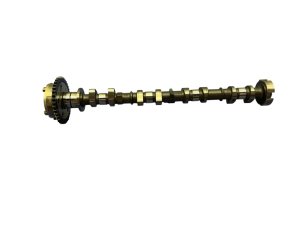
New Aftermarket Parts Available

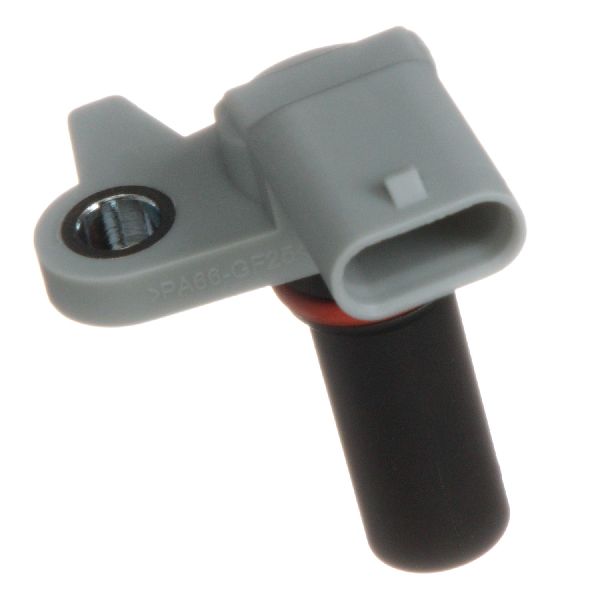
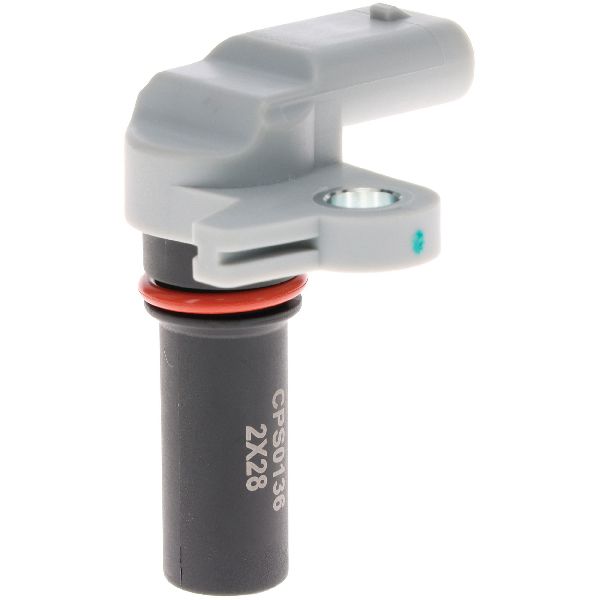

The information in this article is provided for general reference and educational purposes only. Vehicle specifications, procedures, and part compatibility can vary by production date, trim level, and region. Always consult your vehicle's factory service manual and verify part numbers before purchasing or performing repairs. Safety-critical components such as airbags, seat belts, and braking systems should be installed by a qualified professional.
- Ford Explorer:
- 🛍️ Shop This Part
- What's Unique About the 2015-2020 Ford Explorer
- Symptoms You May Notice
- Most Likely Causes
- Rare But Worth Checking
- Diagnosis Steps
- Parts You'll Likely Need
- Related Codes That Often Appear With This One
- Technical Service Bulletins (TSBs) & Recalls
- Platform-Specific Known Issues
- Mechanic-Grade Diagnostic Values
- Scan Tool Commands That Help
- Wiring & Ground Locations
- Real Owner Repair Stories
- OEM Part Supersession History
- Model Year Variations Within This Range
- Diagnostic Flowchart
- Other Known Issues on This Vehicle
- Used vs. New Parts: Buying Guide for This Vehicle
- Real Owner Stories
- 2016 Ford Explorer 3.5L
- 2015-2020 Ford Explorer 3.5L — ~100000 miles
- Ford Explorer 3.5L
- Related OBD-II Codes
- Frequently Asked Questions
- 🎟️ Get 5% Off