

P0024 on 2018-2023 Kia Stinger 3.3T: Causes and Fixes for Over-Advanced Exhaust Cam Timing
On the 2018-2023 Kia Stinger 3.3T, code P0024 is almost always caused by low or dirty engine oil. Before buying any parts, check the oil level and condition. A known oil leak from the driver's side turbo feed line (Recall SC300) is a frequent cause of low oil. If an oil change doesn't fix it, the next most likely cause is a faulty Bank 2 (driver's side) exhaust Oil Control Valve (OCV). Be cautious, as many parts catalogs incorrectly list the Bank 1 part for this code; the correct Bank 2 part is
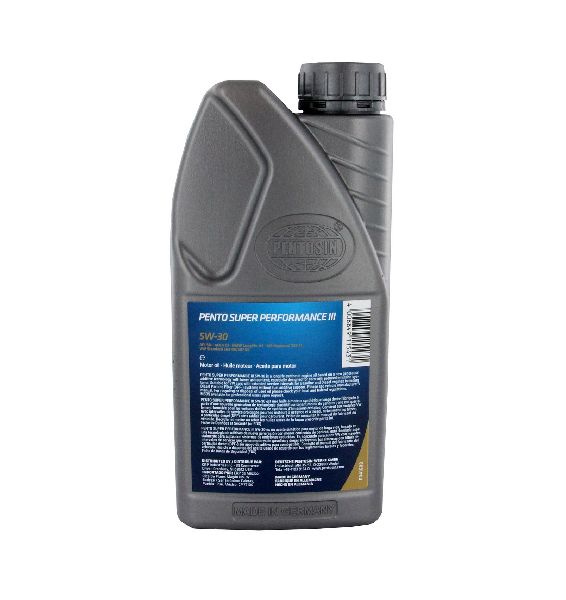
- Your first and cheapest step is to check the engine oil. An oil and filter change with full synthetic 5W-30 oil may fix the issue.
- Do not immediately replace the camshaft position sensor; it is likely doing its job by reporting a real timing error.
- The most likely failed part is the Bank 2 (driver's side) exhaust Oil Control Valve (OCV).
- Check if your vehicle has had the SC300 safety recall performed, as a leaking turbo oil line is a known cause of oil loss that triggers this code.
What's Unique About the 2018-2023 Kia Stinger
The Lambda II 3.3L Twin-Turbo V6 in the Stinger uses a sophisticated Continuous Variable Valve Timing (CVVT) system that is highly dependent on oil pressure and cleanliness to function correctly. While the engine is generally reliable, this system's sensitivity means that timing codes like P0024 are frequently the first sign of an oil maintenance issue rather than a major mechanical failure. A critical issue for this platform is Kia Safety Recall SC300 (NHTSA 24V-169), which addresses a deteriorating left-hand (Bank 2) turbocharger oil feed pipe that can leak due to radiant heat from the exhaust manifold. This leak leads to a low oil condition—a primary trigger for this code—and can also present a fire risk.
Symptoms You May Notice
- Check Engine Light is on
- Rough engine idle or stalling
- Hesitation or sluggish acceleration
- Decreased fuel economy
- Engine may be hard to start
- Rattling or knocking noises from the engine
- Burning oil smell or white smoke from the engine bay (related to recall SC300 oil leak)
- Replacing the Camshaft Position Sensor first. The P0024 code usually means the sensor is correctly detecting a mechanical timing problem, not that the sensor itself has failed.
- Replacing the wrong Oil Control Valve. P0024 specifically refers to the EXHAUST camshaft on BANK 2 (driver's side). Many parts catalogs incorrectly list part number 24360-3CAB2, which is for Bank 1 (passenger side). The correct part for Bank 2 is likely 24360-3CAA2.
Most Likely Causes
- Low or Dirty Engine Oil 🔴 High Probability The CVVT system is hydraulic and extremely sensitive to oil level, viscosity, and cleanliness. A known recall (SC300) for a leaking Bank 2 turbo oil feed pipe can cause a low oil condition, making this a critical first check. In some cases, a disintegrating aftermarket oil filter has been found to shed material, blocking oil passages and causing these codes.
How to confirm: Check the engine oil dipstick. The level should be at the 'F' (Full) mark and the oil should be amber/brown and not black, gritty, or sludgy. Inspect the driver's side of the engine bay near the turbo for signs of oil leakage.
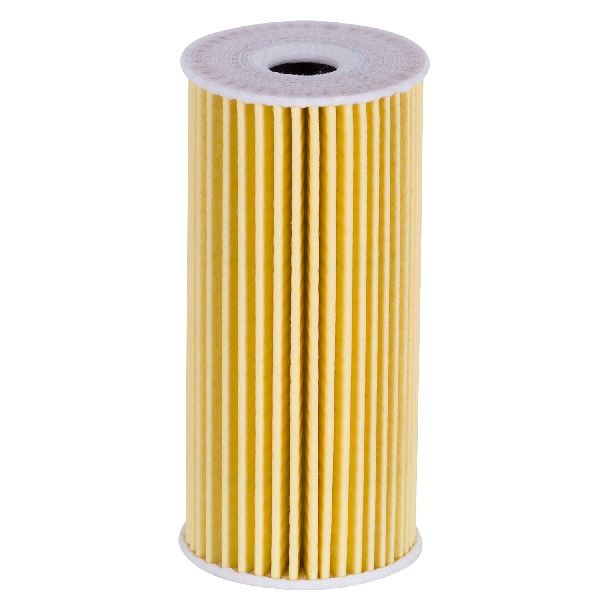
Typical fix: Perform a complete oil and filter change using a high-quality, full synthetic 5W-30 oil and an OEM-quality filter. If the oil level was low, inspect for leaks, especially around the driver's side turbo oil feed line and have the SC300 recall performed by a dealer if applicable.
Est. part cost: $50-$100 - Faulty Bank 2 Exhaust Oil Control Valve (OCV) 🟡 Medium Probability The OCV (or VVT solenoid) is an electromechanical valve that can get clogged with oil sludge or fail electrically. It's a common failure point for VVT systems across many vehicles.
How to confirm: On the 3.3T engine, the OCVs are located under the valve covers, making direct testing difficult. A common diagnostic method is to swap the Bank 2 exhaust OCV with the Bank 2 intake OCV. If the code changes to P0021 (Intake Cam Timing Over-Advanced Bank 2), the OCV is confirmed faulty. Alternatively, resistance can be tested with a multimeter and should be between 6.9 and 7.9 ohms at 68°F (20°C).
Typical fix: Replace the Bank 2 (driver's side) exhaust Oil Control Valve. This requires removing the valve cover for access. In some cases of sludging, removing and cleaning the OCV with a solvent may provide a temporary fix.
Est. part cost: $50-$120
Rare But Worth Checking
- Faulty Camshaft Position Sensor (CMP): This is less common because the code indicates the sensor is working and detecting a real timing error. However, a faulty sensor can send incorrect data. A good diagnostic step is to swap the Bank 2 exhaust CMP with the Bank 1 exhaust CMP. If the code changes to P0014, the sensor is bad.
- Stretched Timing Chain or Failed Tensioner: While possible, this is a much more serious and less likely cause on the Lambda II engine, which does not have a widespread reputation for timing chain failure. This issue is usually accompanied by a distinct rattling noise from the front of the engine, especially on cold startups.
- Damaged Camshaft Phaser: The phaser is the mechanical gear on the end of the camshaft that actually adjusts the timing. It can become stuck or damaged, but this is typically a last-resort diagnosis after ruling out oil issues and solenoids.
- Damaged Wiring Harness: For 2018 models specifically, Recall SC170 (NHTSA 18V-754) was issued because the front wiring harness could be damaged by a sharp edge on the Bank 2 (driver's side) fender apron, potentially causing shorts to sensors and solenoids on that bank.
Diagnosis Steps
- Check Engine Oil Level and Condition: This is the most important first step. Verify the oil is full, clean, and of the correct 5W-30 viscosity. If not, perform an oil and filter change with high-quality parts. Check for leaks related to recall SC300.
- Scan for Other Codes: Use an OBD-II scanner to see if any other codes are present, which can help narrow down the diagnosis (e.g., P0524 for oil pressure, or codes for other banks).
- Inspect Wiring: Visually inspect the wiring harness and connectors leading to the Bank 2 (driver's side) sensors and solenoids for any damage, corrosion, or oil contamination. For 2018 models, be aware of potential harness damage from recall SC170.
- Diagnose the Camshaft Position Sensor (CMP): A simple diagnostic is to swap the Bank 2 exhaust CMP with the Bank 1 exhaust CMP. Clear the codes and drive. If the trouble code changes to P0014 (the Bank 1 equivalent), the sensor is faulty and needs replacement.
- Diagnose the Oil Control Valve (OCV): If the sensor swap doesn't isolate the problem, the OCV is the next likely culprit. Since it's under the valve cover, this is an involved job. The valve can be tested for resistance (6.9-7.9 ohms) or swapped with the intake OCV to see if the code changes to P0021.
- Inspect Mechanical Components: If all else fails, the issue may be with the timing chain, tensioner, or cam phaser. This is a complex job that should be left to a professional mechanic.
Parts You'll Likely Need
- Engine Oil Control Valve (Exhaust, Bank 2)
(OEM #24360-3CAA2)— This solenoid controls oil flow to the cam phaser and is the most common component to fail or get clogged, causing the P0024 code. Note: Part number 24360-3CAB2 is for Bank 1 (Right/Passenger) and is often misidentified for this repair.
Trusted brands: Kia/Hyundai OE, Dorman, Standard Motor Products (SMP)
OEM price range: $120-$220
Aftermarket price range: $50-$100 - Engine Oil and Filter — Low, dirty, or incorrect viscosity oil is the number one cause of all VVT-related trouble codes on this engine. Using a non-OEM filter that disintegrates can also cause oil blockages.
Trusted brands: Pennzoil, Mobil 1, Castrol, Shell Helix (OEM recommended)
OEM price range: $70-$120
Aftermarket price range: $50-$90
Related Codes That Often Appear With This One
- P0014 — This is the same over-advanced exhaust timing code but for Bank 1 (passenger side). If both codes appear together, it strongly points to a systemic issue like low/dirty oil affecting the entire engine.
- P0524 — This code means 'Engine Oil Pressure Too Low'. It directly points to the root cause of many CVVT issues, as the system requires adequate oil pressure to function. This code may appear in conjunction with the SC300 recall oil leak.
- P0021 — This is the code for an over-advanced INTAKE camshaft on Bank 2. If you are swapping OCVs for diagnosis, you may intentionally cause this code to appear to confirm the OCV is faulty.
Technical Service Bulletins (TSBs) & Recalls
- SC300: Safety Recall
Platform-Specific Known Issues
- Recall SC300 (NHTSA ID: 24V169000): Affects 2018-2023 Stingers with the 3.3T engine produced from Sept 2017 to June 2022. The left-hand (Bank 2) turbocharger oil feed pipe may deteriorate from heat, leading to an oil leak. This leak can cause a low oil level, which is a primary trigger for code P0024, and also poses a fire risk.
- Recall SC170 (NHTSA ID: 18V754000): Affects some 2018 Stinger models. The front wiring harness may be damaged by contact with a sharp edge on the left fender apron, potentially causing an electrical short in circuits related to Bank 2 components.
Mechanic-Grade Diagnostic Values
- Oil Control Valve (OCV) Solenoid Resistance — expected: 6.9 - 7.9 Ohms at 68°F (20°C). Failure: A reading of infinity (open circuit), near-zero (short circuit), or outside the specified range indicates a faulty solenoid.
- CVVT Camshaft Angle Correlation (Live Data) — expected: Less than 5 degrees of difference between 'Current Position of Exhaust Camshaft' and 'Control Camshaft Position Setpoint Exhaust'. Failure: A difference greater than 5 degrees while revving the engine from idle to 4000 RPM indicates a system performance issue, pointing to a slow-to-respond OCV or a mechanical problem.
- Camshaft Position Sensor (CMP) Connector Voltage (Key On, Engine Off) — expected: Pin 1 (Power): ~5V, Pin 2 (Ground): Continuity to chassis ground, Pin 3 (Signal): ~5V. Failure: Absence of voltage on the power or signal pins, or a lack of ground continuity, points to a wiring or ECU issue.
- Camshaft Position Sensor (CPS) Signal Frequency (Live Data) — expected: Approximately 50 Hz at idle, increasing smoothly with engine RPM (e.g., ~200 Hz at 2,000 RPM).. Failure: A signal that is intermittent, drops out, or does not change with RPM points to a faulty sensor or wiring issue.
Scan Tool Commands That Help
- Kia GDS (Global Diagnostic System): CVVT Actuation Test — To command the Bank 2 exhaust OCV solenoid on and off while monitoring cam angle data on the scan tool. This directly tests the solenoid's response and the hydraulic circuit without requiring physical removal or swapping of parts.
- Kia GDS (Global Diagnostic System): Reset Adaptive Values — After replacing a component like an OCV or sensor, resetting the engine control module's learned adaptive values can help the system relearn faster with the new part and prevent the code from immediately returning due to old learned parameters.
- Kia GDS (Global Diagnostic System): View Cam/Crank Waveform — To visually compare the square wave patterns from the crankshaft position sensor and the Bank 2 exhaust camshaft position sensor. A deviation from the known-good pattern can reveal a subtle timing issue that a simple code reader might miss, helping to distinguish between a sensor fault and a mechanical timing problem.
Wiring & Ground Locations
- Engine Ground Strap — Main engine-to-chassis ground strap.. A poor ground connection can cause erratic behavior and incorrect readings from any sensor or solenoid on the engine, including the CMP sensors and OCVs. Ensuring this connection is clean and tight is a fundamental step in diagnosing any electrical fault. The OEM part number is 91860-J5010.
- Bank 2 OCV Connector — On the front of the driver's side valve cover.. This is the primary connector to test for resistance (6.9-7.9 Ohms) to verify the OCV's electrical integrity without removing the valve cover. Damage, corrosion, or oil contamination in this connector will prevent the OCV from functioning, mimicking a failed valve.
Real Owner Repair Stories
- Aggregated forum story for related 3.3T engine (Genesis G70) (Genesis G70 3.3T (Lambda II engine family)) — Persistent P0011 code (intake side equivalent of P0014/P0024)
❌ Tried (didn't work) Performing multiple standard oil and filter changes.
✅ What actually fixed it The issue was only resolved after removing the VVT solenoids (OCVs), cleaning them directly with a solvent like carburetor cleaner, and performing a chemical engine flush before adding new, clean oil. This indicated severe sludge that a simple oil drain and fill could not clear. - NHTSA ODI #11289069 — An owner reported that their mechanic read codes P0014 and P0024 and initially suggested checking wires and sensors, but ultimately determined the engine needed replacement.
- NHTSA ODI #11575366 — An owner reported that their vehicle threw codes including P0024 and P0019; upon inspection, the engine was found to be missing 5 quarts of oil with no warning light, leading to multiple cylinder misfires and timing issues.
OEM Part Supersession History
24360-3CAA1→24360-3CAA2— Part revision or supplier change.
Heads up: Both parts are generally interchangeable for this application, but 24360-3CAA2 is the latest revision and the recommended replacement part for the Bank 2 (Driver Side) OCV.
Model Year Variations Within This Range
- 2018: 2018 models are uniquely affected by Safety Recall SC170 (NHTSA 18V-754), where the front wiring harness could chafe on a sharp edge on the driver's side fender apron. This can directly damage wiring for Bank 2 components, including the OCV and CMP sensor, making a wiring inspection critical for this year.
- 2022-2023: The 2022 facelift introduced a variable exhaust system and a minor 3hp power increase for the 3.3T engine. While the core CVVT system hardware remained the same, there may be slight differences in ECU software or calibration compared to pre-facelift models.
Diagnostic Flowchart
Other Known Issues on This Vehicle
Issues unrelated to this code that are worth knowing about as an owner of this generation:
- Leaking Bank 2 Turbo Oil Feed Line 🔴 High — Common enough to warrant a major safety recall affecting most of the production run (2018-2023 models). (Ref: Recall SC300 / NHTSA 24V169000)
- Oil Pressure Sensor Failure 🟠 Medium — A widely reported failure, often occurring after 60,000 miles. It is an expensive repair out of warranty as the engine may need to be removed for access.
- High Pressure Fuel Pump (HPFP) Failure 🟠 Medium — Affects 2018-2021 models. The fuel control valve plunger can stick, causing over-pressurization and potential loss of power. (Ref: Recall SC215 / NHTSA 21V322000)
- Hydraulic Electronic Control Unit (HECU) Fire Risk 🔴 High — Affects 2018-2021 models. An electrical short within the HECU module can occur, potentially causing an engine compartment fire even when the car is off. (Ref: Recall SC200 / NHTSA 20V518000)
- Intake Valve Carbon Buildup 🟡 Low — Common to all Gasoline Direct Injection (GDI) engines, including the Lambda II. Over time (typically 60k-100k miles), buildup can restrict airflow, causing rough idle and reduced performance. Not a failure, but requires periodic cleaning (walnut blasting).
- Premature Brake Rotor Warping 🟡 Low — Frequently reported by owners of earlier models (2018-2021), causing a pulsing or vibration during braking. Often resolved by switching to aftermarket pads and rotors.
Used vs. New Parts: Buying Guide for This Vehicle
When a used part is the smart pick: Used parts are generally not recommended for this specific repair. The key components (OCV, sensors) are relatively inexpensive new, and the labor to access the OCV under the valve cover is significant. A used OCV carries a high risk of being clogged or worn, potentially causing you to do the job twice.
Donor-vehicle mileage cap: roughly under 40000 miles for the part to have meaningful remaining life.
What to inspect on the donor part:
- If considering a used sensor or OCV, it must come from a documented low-mileage vehicle wrecked due to collision, not engine failure.
- Inspect electrical connectors for corrosion, brittleness, or damage.
- Test the resistance of a used OCV with a multimeter before installation to ensure it is within the 6.9-7.9 Ohm specification.
OEM-only on this vehicle (don't cheap out):
- Oil Control Valve (OCV): Due to the sensitivity of the CVVT system and the significant labor involved in replacement, using a genuine Kia/Hyundai OEM part (24360-3CAA2) is strongly recommended to ensure reliability and avoid repeat repairs.
- Engine Oil Filter: Use an OEM or high-quality equivalent filter. Some aftermarket filters have been known to disintegrate, sending debris into oil passages and causing CVVT system failure.
Aftermarket brands forum-validated for this vehicle:
- Standard Motor Products (SMP)
- Dorman (often cited, but OEM is preferred for OCVs)
Brands owners have reported issues with on this vehicle:
- Unknown, no-name online marketplace brands for critical components like sensors and solenoids.
Real Owner Stories
Aggregated from forums and TSBs cited above. Mileages and costs reflect what owners reported in those sources.
2012 Kia Sedona V6 (Lambda Engine Family)
Symptoms: The vehicle threw P0014 and P0024 codes immediately after an oil change.
What fixed it: A repair shop discovered that a piece of a torn, non-OEM oil filter had broken off and was blocking an oil passage. NHTSA ODI #10911076 notes that warning codes P0024 and P0014 showed immediately after a service station oil change using a specific aftermarket filter.
Source hint: Reddit r/kia - Real-world repair story
2018-2023 Kia Stinger 3.3T
Symptoms: Burning oil smell or white smoke from the engine bay, potentially leading to low oil conditions and timing codes.
What fixed it: Performing the SC300 recall to replace the leaking left-hand (Bank 2) turbocharger oil feed pipe.
Source hint: Recall SC300 (NHTSA ID: 24V169000)
Related OBD-II Codes
Frequently Asked Questions
How does the SC300 recall for the turbo oil feed pipe affect code P0024 on my Stinger?
Can I use an aftermarket oil filter on my 3.3L Twin-Turbo V6?
Is there a wiring issue on the 2018 Stinger that could cause Bank 2 timing codes?
Where is the Bank 2 Exhaust Oil Control Valve (OCV) located for replacement?
What oil should I use to prevent CVVT issues like P0024?
Can a faulty oil pressure sensor cause issues on high-mileage Stingers?
Used OEM Parts in Stock

New Aftermarket Parts Available


The information in this article is provided for general reference and educational purposes only. Vehicle specifications, procedures, and part compatibility can vary by production date, trim level, and region. Always consult your vehicle's factory service manual and verify part numbers before purchasing or performing repairs. Safety-critical components such as airbags, seat belts, and braking systems should be installed by a qualified professional.
- Kia Stinger:
- 🛍️ Shop This Part
- What's Unique About the 2018-2023 Kia Stinger
- Symptoms You May Notice
- Most Likely Causes
- Rare But Worth Checking
- Diagnosis Steps
- Parts You'll Likely Need
- Related Codes That Often Appear With This One
- Technical Service Bulletins (TSBs) & Recalls
- Platform-Specific Known Issues
- Mechanic-Grade Diagnostic Values
- Scan Tool Commands That Help
- Wiring & Ground Locations
- Real Owner Repair Stories
- OEM Part Supersession History
- Model Year Variations Within This Range
- Diagnostic Flowchart
- Other Known Issues on This Vehicle
- Used vs. New Parts: Buying Guide for This Vehicle
- Real Owner Stories
- 2012 Kia Sedona V6 (Lambda Engine Family)
- 2018-2023 Kia Stinger 3.3T
- Related OBD-II Codes
- Frequently Asked Questions
- 🎟️ Get 5% Off