

P0024 on 2017-2020 Genesis G80 3.3T: Exhaust Cam Timing Over-Advanced Causes and Fixes
On a 2017-2020 Genesis G80 3.3T, code P0024 is most often caused by low or dirty engine oil. A critical related issue for 2018-2020 models is a safety recall (NHTSA 24V-191) for a cracking driver's side turbo oil feed pipe that causes significant oil loss. Before buying parts, check the oil level and recall status. If oil is sufficient, the next most likely cause is a faulty Bank 2 (driver's side) exhaust Oil Control Valve (OCV), which costs approximately $70-$150 for the part.
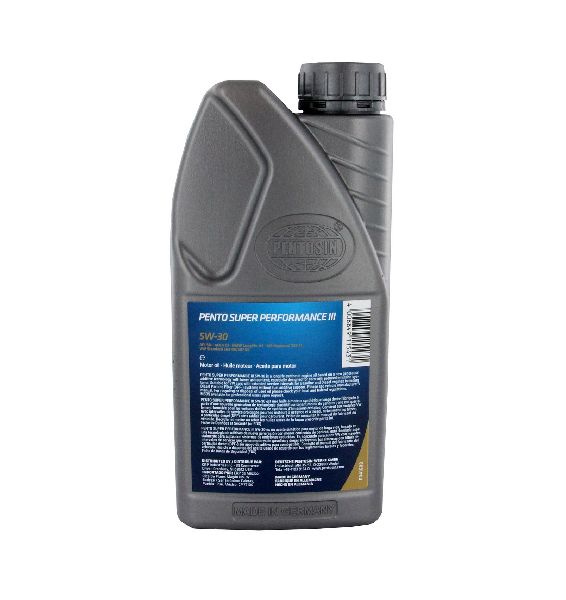
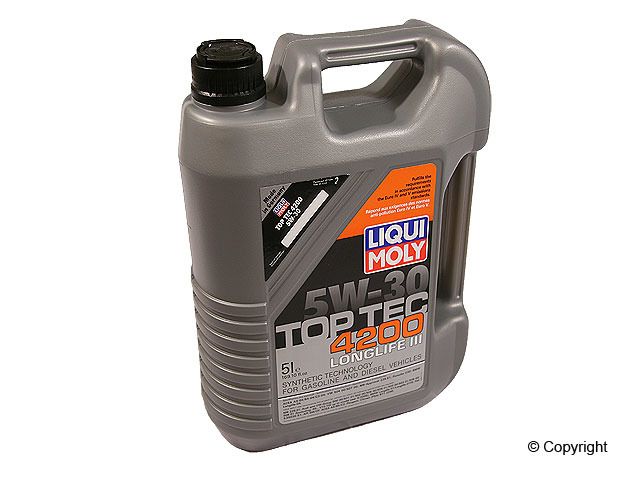
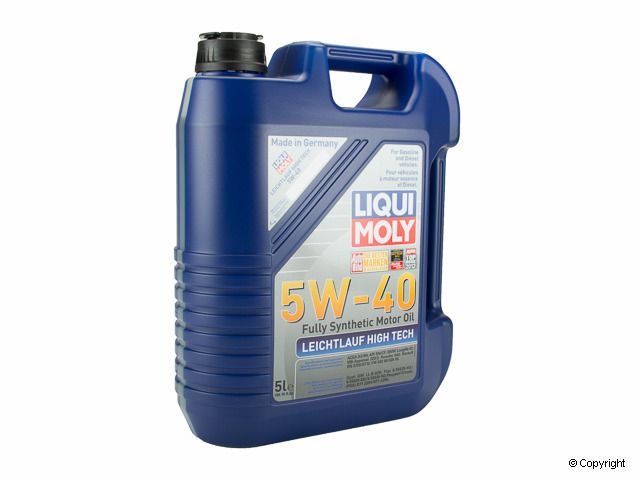
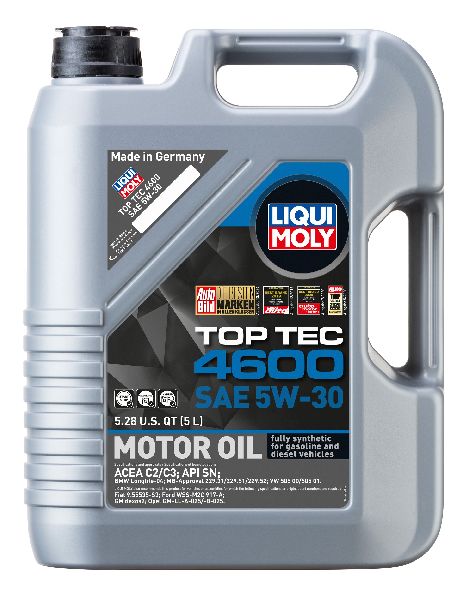
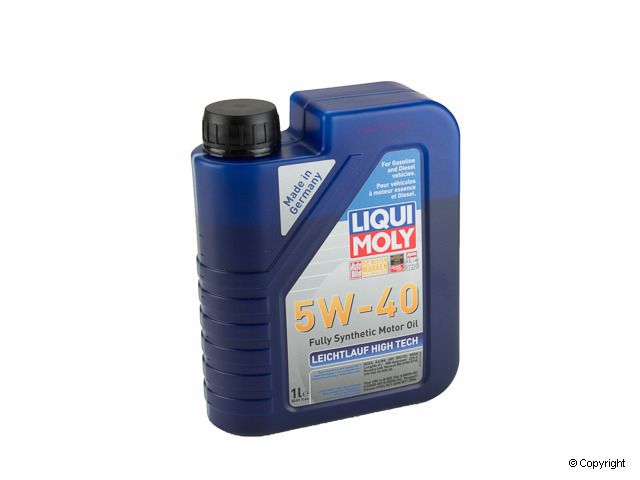
- Before any other repair, check your engine oil level and condition. A simple oil and filter change with high-quality full-synthetic 5W-30 oil is the most common fix.
- If an oil change doesn't solve the problem, the Bank 2 (driver's side) exhaust Oil Control Valve (OCV) is the most likely part to have failed.
- A smart diagnostic step is to swap the suspected faulty OCV with another one on the engine. If the trouble code moves to the new location, you have confirmed the OCV is bad.
- Do not replace the camshaft position sensor. It is almost never the cause of a P0024 code.
- Be aware of potential oil leaks on the driver's side of the engine, as a known issue on similar platforms involves a leaking turbo oil line that can cause this code.
What's Unique About the 2017-2020 Genesis G80
The Lambda II 3.3L twin-turbo engine is highly dependent on its CVVT system for performance, and this system is extremely sensitive to oil pressure, level, and cleanliness. A critical issue on the 2018-2020 G80 3.3T platform is a safety recall (NHTSA 24V-191 / Genesis Recall 019G) for a cracking driver's side (Bank 2) turbo oil feed pipe. This specific defect causes an oil leak directly onto the hot exhaust manifold, which can cause a sudden drop in oil level, directly triggering a P0024 code for Bank 2, and posing a significant fire risk. Owners should immediately check their oil level and verify the recall status of their vehicle.
Symptoms You May Notice
- Check Engine Light is on
- Rough or unstable idle
- Poor acceleration and loss of power
- Reduced fuel economy
- Engine hesitation or stalling at low speeds
- Rattling noise from the front of the engine on cold starts
- Replacing the Camshaft Position Sensor (CMP). P0024 is a performance code, not a sensor circuit code. This means the sensor is likely working correctly and reporting a real timing problem. Do not replace the CMP unless a specific sensor code (like P0365 or P0369) is also present.
Most Likely Causes
- Low, Dirty, or Incorrect Viscosity Engine Oil 🔴 High Probability The CVVT system uses small oil passages that are easily clogged by sludge or varnish from old oil. Turbocharged engines like the 3.3T degrade oil quickly, making strict adherence to oil change intervals critical. A primary cause of low oil on this specific vehicle is the recalled Bank 2 turbo oil feed pipe leak (NHTSA 24V-191).
How to confirm: Check the engine oil level on the dipstick immediately. Inspect the oil for darkness, thickness (sludge), or a gritty texture. Check for signs of an oil leak on the driver's side of the engine, near the turbocharger. This should always be the first step.
Typical fix: Perform an engine oil and filter change using a high-quality, full-synthetic 5W-30 oil that meets Genesis specifications. Use a genuine OEM oil filter (P/N 26320-3LTA0) to avoid pressure issues. If a leak is present from the turbo oil feed pipe, the vehicle must be taken to a dealer for the free recall repair.
Est. part cost: $50-$100 - Faulty Bank 2 Exhaust Oil Control Valve (OCV) 🔴 High Probability The OCV (or VVT solenoid) is a common failure point on the Lambda engine family. It can fail electronically or become clogged with debris from the engine oil, causing it to stick in the advanced position.
How to confirm: The most effective DIY diagnostic is to swap the Bank 2 exhaust OCV with the Bank 1 exhaust OCV (passenger side). They are identical parts. Clear the codes and drive. If the code changes to P0014 (Bank 1 Exhaust Over-Advanced), the OCV is confirmed to be faulty. The resistance of a good OCV should be between 6.9 and 7.9 ohms when tested with a multimeter.
Typical fix: Replace the faulty Oil Control Valve. It is accessible on the front of the driver's side valve cover, held by a single 10mm bolt. Using a genuine Hyundai/Genesis part is highly recommended for reliability.
Est. part cost: $70-$150 - Incorrectly Installed Oil Filter ⚪ Low Probability This engine uses a cartridge-style oil filter. If the filter is installed incorrectly, or if the small o-rings for the housing cap are missed or damaged, it can cause a significant drop in oil pressure to the cylinder heads, triggering timing codes immediately after an oil change. A Hyundai TSB also warns that some aftermarket filters can cause oil drain-back issues.
How to confirm: This issue will almost always appear immediately after an oil change. Re-inspect the oil filter housing and filter installation to ensure it is seated correctly with all gaskets in place.
Typical fix: Remove and correctly reinstall the oil filter and cap, ensuring all gaskets are properly seated. Replace the filter if it was damaged during the incorrect installation. It is highly recommended to use an OEM filter.
Est. part cost: $15-$40
Rare But Worth Checking
- Sticking or Failed CVVT Cam Phaser: The phaser is the mechanical gear on the camshaft. It can fail or get stuck due to sludge or mechanical wear. This is a much more labor-intensive and expensive repair than an OCV and should only be considered after ruling out oil issues and a faulty OCV.
- Stretched Timing Chain or Failed Tensioner: While not common, a stretched timing chain can cause the camshaft timing to be off, triggering this code. This is a major mechanical repair, often accompanied by rattling noises from the front of the engine, especially on cold starts.
- Failing Alternator: In one documented case on a related Hyundai 3.8L V6, multiple simultaneous VVT codes were traced back to a failing alternator providing unstable voltage to engine sensors and solenoids. While rare, it's a possibility if multiple, seemingly unrelated electrical issues are present.
Diagnosis Steps
- Immediately check the engine oil level and condition. If it is low, dirty, or past its service interval, perform an oil and filter change using OEM-spec full synthetic oil. Check for active oil leaks, especially on the driver's side near the turbocharger.
- Using your VIN, contact a Genesis dealer or check the NHTSA website to see if your vehicle is affected by recall 24V-191 (Genesis Recall 019G) for the turbo oil feed pipe and if the repair has been completed.
- Scan for any other pending or active trouble codes. Codes for other camshafts (P0014, P0021, P0011) or oil pressure (P0524) can help pinpoint the root cause.
- If the oil is clean and full, locate the Bank 2 (driver's side) and Bank 1 (passenger side) exhaust Oil Control Valves (OCVs). They are on the front of the valve covers, each held by a single 10mm bolt.
- Swap the Bank 2 exhaust OCV with the Bank 1 exhaust OCV. They are identical parts. Clear the codes and drive the vehicle.
- If the code changes to P0014 (Bank 1 Exhaust), the OCV you moved is faulty and must be replaced.
- If the P0024 code returns, the issue is not the OCV. The next steps involve testing the wiring and connector to the Bank 2 exhaust OCV for power and ground.
- If wiring is good, the problem is likely a more serious mechanical issue, such as a clogged oil passage in the cylinder head, a failing CVVT phaser, or a timing chain problem. At this point, professional diagnosis is recommended.
Parts You'll Likely Need
- Engine Oil Control Valve (Exhaust, Bank 2)
(OEM #24360-3LBA1)— This solenoid controls oil flow to the cam phaser and is the most common hardware component to fail, either by getting clogged with oil sludge or failing electronically. Note: Some parts catalogs may show other numbers like 24360-3CAA2 or 24360-3CAB2 for similar engines, so always verify with VIN.
Trusted brands: Hyundai / Genesis Genuine OE
OEM price range: $80-$150
Aftermarket price range: $50-$100 - Engine Oil and Filter
(OEM #26320-3LTA0 (Filter))— The CVVT system is highly sensitive to oil condition. A simple oil and filter change is the most common fix for this code, especially if maintenance has been deferred.
Trusted brands: Genesis OE Filter, Mobil 1 Full Synthetic, Pennzoil Platinum Full Synthetic
OEM price range: $25-$40
Aftermarket price range: $15-$30
Related Codes That Often Appear With This One
- P0014 — This is the equivalent code for Bank 1 (passenger side). If P0014 and P0024 appear together, it strongly suggests a systemic problem like critically low/dirty oil or low oil pressure affecting the entire engine.
- P0021 — This is the code for the intake camshaft on the same bank (Bank 2). Seeing both together suggests a more significant oil supply issue to the entire driver's side cylinder head or a problem with the timing chain on that bank.
- P0524 — This code means 'Engine Oil Pressure Too Low'. If seen with P0024, it directly points to the root cause of the cam timing issue and should be treated as a 'stop driving immediately' situation, especially given the turbo oil line recall.
- P0019 — This is a more severe correlation code for the same camshaft (Bank 2 Exhaust). It indicates a more significant misalignment between the crank and cam sensors and is also a primary symptom of the recalled turbo oil line leak.
Technical Service Bulletins (TSBs) & Recalls
- NHTSA 24V-191 / Genesis Recall 019G: This safety recall is for the 2018-2020 G80 3.3T (and other platform mates) for a cracking Bank 2 turbo oil feed pipe.
Platform-Specific Known Issues
- The most critical issue for the 2018-2020 G80 3.3T is NHTSA Safety Recall 24V-191 (Genesis Recall 019G). It addresses a cracking left (Bank 2) turbocharger oil feed pipe that leaks oil onto the exhaust manifold. This defect directly causes oil loss, which triggers code P0024, and creates a significant fire hazard.
Mechanic-Grade Diagnostic Values
- Bank 2 Exhaust Oil Control Valve (OCV) Coil Resistance — expected: 6.9 - 7.9 Ohms at 68°F (20°C). Failure: A reading of infinity (open circuit) or near-zero (short circuit) indicates a failed solenoid coil.
- Scan Tool Live Data: CVVT Desired vs. Actual Angle (Bank 2 Exhaust) — expected: At hot idle, the desired and actual position values should both be near 0 degrees and track each other closely.. Failure: A large, persistent gap between the desired and actual angle values, or an actual value that is stuck, points to a hydraulic (oil flow) or mechanical (OCV/phaser) problem. The ECM may set the code if the difference exceeds 20 degrees.
- OCV Power Supply Voltage — expected: Battery voltage (~12V) on the power supply pin of the OCV connector with the key in the ON position.. Failure: No voltage indicates a problem with the wiring or the engine main relay that supplies power.
Scan Tool Commands That Help
- Genesis GDS (or equivalent high-end bidirectional scanner): Actuation Test: CVVT Oil Control Valve (Bank 2 Exhaust) — This command manually energizes the OCV solenoid. It is used after checking oil level to confirm if the OCV is mechanically and electrically responding. When activated at idle, a working OCV will cause a noticeable change in engine RPM or sound. Monitoring the 'Actual vs. Desired' cam angle PIDs during the test will show if the phaser is responding to the command. This can confirm a working OCV or condemn it if there is no response, saving the labor of swapping it with the other bank.
Wiring & Ground Locations
- Bank 2 Exhaust OCV Connector — On the front of the driver's side (Bank 2) valve cover, plugged into the top of the exhaust CVVT solenoid.. This 2-pin connector is the primary point for electrical testing (resistance and voltage) of the OCV circuit. It is exposed to engine heat and vibration, making it susceptible to corrosion, oil contamination, or damage. A poor connection here will mimic a failed OCV.
- Engine Wiring Harness (Bank 2) — Routed along the driver's side of the engine, connecting to components like the ignition coils and OCV.. In at least one documented case on a 2018 G80 3.3T, this harness was damaged by rodents, causing chewed wires for both the cylinder 2 ignition coil and the Bank 2 exhaust OCV, leading to misfires and a P0024-related code. A visual inspection of the harness is critical if electrical faults are suspected.
Real Owner Repair Stories
- YouTube channel 'Saul's Automotive' (2018 Genesis G80 3.3T Sport) — Check engine light on, running rough, hesitation while driving. Codes for cylinder 2 misfire and 'exhaust valve control solenoid circuit'.
❌ Tried (didn't work) Initial diagnosis focused on the misfire.
✅ What actually fixed it The technician found broken/chewed wires for the cylinder 2 ignition coil and, critically, for the Bank 2 exhaust oil control valve. Repairing the damaged wiring harness resolved the codes and symptoms. - Aggregated from StingerForum.org and r/GenesisG70 (mechanically identical 3.3T engine) (Kia Stinger GT / Genesis G70 3.3T) — Intermittent P0024 and/or P0014 codes, often appearing after an extended oil change interval.
❌ Tried (didn't work) A standard oil and filter change did not resolve the code in cases of significant sludge buildup.
✅ What actually fixed it The issue was only resolved after physically removing the OCVs, cleaning them directly with brake or carburetor cleaner to dislodge sludge, performing a chemical engine flush, and then refilling with fresh oil. This indicates that for moderate to severe sludging, a simple oil change is insufficient to clear the blockage in the OCV or oil passages.
OEM Part Supersession History
24360-3LBA1 (from Pass 2)→24360-3CAA2— Correction
Heads up: Part number 24360-3LBA1 appears to be incorrect for the Bank 2 (Driver's Side) Exhaust OCV on this specific engine. Multiple Hyundai/Kia parts sources confirm that 24360-3CAA2 is the correct part for this application. Always verify with VIN, but 24360-3CAA2 is the widely accepted number.
Model Year Variations Within This Range
- 2018-2020: These model years are covered by NHTSA Safety Recall 24V-191 for a cracking Bank 2 turbo oil feed pipe. The 2017 model is not included in this specific recall. This makes low oil level due to this specific leak a primary suspect for P0024 on 2018-2020 vehicles.
Diagnostic Flowchart
Other Known Issues on This Vehicle
Issues unrelated to this code that are worth knowing about as an owner of this generation:
- Cracked Driver's Side (Bank 2) Turbo Oil Feed Pipe 🔴 High — Common enough to trigger a major safety recall across multiple model years. (Ref: NHTSA 24V-191 / Genesis Recall 019G)
- ABS Module Internal Short Circuit / Fire Risk 🔴 High — Affects 2017-2020 models, can cause an engine compartment fire while parked or driving. (Ref: NHTSA 20V-759 / 21V-160)
- High-Pressure Fuel Pump (HPFP) Failure 🟠 Medium — A well-documented failure point on the 3.3T engine family, often causing stalling or limp mode. More prevalent on platform mates like the Stinger/G70 but affects the G80 as well. (Ref: Related recalls exist for Kia Stinger (NHTSA #22V769000))
- Intake Valve Carbon Buildup 🟡 Low — Common to all Gasoline Direct Injection (GDI) engines, including the 3.3T. Becomes noticeable after 60,000-80,000 miles, potentially causing hesitation and rough idle. (Ref: Hyundai TSB 23-FL-003H (recommends periodic cleaning service))
- Water Ingress into Starter Solenoid 🔴 High — Affects 2017-2019 models, can cause an electrical short and engine compartment fire. (Ref: NHTSA 24V-204 / Genesis Recall 018G)
Used vs. New Parts: Buying Guide for This Vehicle
When a used part is the smart pick: For the Oil Control Valve (OCV), a used part from a reputable salvage yard can be a cost-effective option, as it is an external bolt-on component that is easy to replace if it fails.
Donor-vehicle mileage cap: roughly under 80000 miles for the part to have meaningful remaining life.
What to inspect on the donor part:
- Verify the donor vehicle did not have timing-related trouble codes or a catastrophic engine failure.
- Inspect the OCV's mesh screens for any metallic debris, heavy sludge, or tearing. A clean screen suggests a well-maintained donor engine.
- If possible, test the resistance of the used OCV with a multimeter before purchase. It must be within the 6.9-7.9 Ohm specification to be considered viable.
OEM-only on this vehicle (don't cheap out):
- CVVT Cam Phaser: These are precision mechanical parts where aftermarket quality is inconsistent. Failure can be catastrophic.
- Timing Chain and Tensioners: Given the labor-intensive nature of the job, using OEM parts is critical for long-term reliability.
- Engine Oil Filter: Use of non-OEM filters has been linked to oil pressure and drain-back issues on this engine platform.
Aftermarket brands forum-validated for this vehicle:
- Denso (for sensors and sometimes solenoids)
Brands owners have reported issues with on this vehicle:
- Unbranded or 'white-box' OCV solenoids are not recommended due to the CVVT system's sensitivity to precise oil pressure control and flow rates.
Real Owner Stories
Aggregated from forums and TSBs cited above. Mileages and costs reflect what owners reported in those sources.
2018-2020 Genesis G80 3.3T
Symptoms: Owners reported that a simple oil change was not enough to clear timing codes when sludge was present in the system.
What fixed it: Physically removing the OCVs, cleaning them with brake or carburetor cleaner to dislodge debris, performing a chemical engine flush, and refilling with fresh oil and a new OEM filter.
Source hint: Aggregated Owner Experience from StingerForum.org / r/GenesisG70
Related OBD-II Codes
Frequently Asked Questions
Is there a recall for the 2018-2020 Genesis G80 3.3T that causes the P0024 code?
Which oil filter should I use for my G80 3.3L Twin-Turbo to avoid timing codes?
Can I swap parts to test if my Bank 2 Exhaust Oil Control Valve is bad?
What type of oil is required for the Lambda II 3.3T engine to prevent CVVT issues?
Does the G80 have issues with carbon buildup affecting idle quality?
Are there other fire risks associated with the 2017-2020 G80 besides the turbo oil pipe?
Helpful Videos
![How to Fix P0024 Engine Code in 4 Minutes [2 DIY Methods / Only $6.74]](https://img.youtube.com/vi/0tbOM7HEJsQ/mqdefault.jpg)

We Have This Part in Stock

The information in this article is provided for general reference and educational purposes only. Vehicle specifications, procedures, and part compatibility can vary by production date, trim level, and region. Always consult your vehicle's factory service manual and verify part numbers before purchasing or performing repairs. Safety-critical components such as airbags, seat belts, and braking systems should be installed by a qualified professional.
- Genesis G80:
- 🎬 Helpful Videos
- 🛍️ Shop This Part
- What's Unique About the 2017-2020 Genesis G80
- Symptoms You May Notice
- Most Likely Causes
- Rare But Worth Checking
- Diagnosis Steps
- Parts You'll Likely Need
- Related Codes That Often Appear With This One
- Technical Service Bulletins (TSBs) & Recalls
- Platform-Specific Known Issues
- Mechanic-Grade Diagnostic Values
- Scan Tool Commands That Help
- Wiring & Ground Locations
- Real Owner Repair Stories
- OEM Part Supersession History
- Model Year Variations Within This Range
- Diagnostic Flowchart
- Other Known Issues on This Vehicle
- Used vs. New Parts: Buying Guide for This Vehicle
- Real Owner Stories
- 2018-2020 Genesis G80 3.3T
- Related OBD-II Codes
- Frequently Asked Questions
- 🎟️ Get 5% Off