

P0024 on 2012-2018 BMW N20/N26 Engines: Exhaust Cam Timing Causes and Fixes
On BMW's N20/N26 engine, P0024 is most often caused by a faulty exhaust VANOS solenoid, a ~$100 part that's easy to replace. However, it can also be a symptom of a failing timing chain, a much more serious and expensive repair, especially on pre-2015 models. Always check your oil level first and try swapping the intake and exhaust VANOS solenoids to diagnose.
- P0024 on an N20/N26 engine refers to the exhaust camshaft timing being too advanced.
- The first and easiest diagnostic step is to swap the intake and exhaust VANOS solenoids to see if the code follows the part.
- This code could be a simple fix (a bad VANOS solenoid) or a very serious one (failing timing chain).
- A high-pitched whining noise from the engine is a strong indicator of the more serious timing chain problem.
- Always use the correct BMW-approved engine oil and maintain regular oil change intervals to protect the timing components.
What's Unique About the 2012-2018 BMW Multiple
The BMW N20 engine is infamous for a critical design flaw in its timing chain system, particularly in models built before March 2015. The plastic timing chain guides can become brittle and break prematurely, causing the timing chain to stretch or skip, which can trigger timing codes like P0024. While a faulty VANOS solenoid is a common and simple fix for this code on many cars, on the N20/N26 platform, it must be taken more seriously as it could be an early warning sign of impending timing chain failure. This is a repair that can cost thousands and potentially lead to catastrophic engine damage if ignored. BMW acknowledged the issue through warranty extensions and a class-action settlement.
Symptoms You May Notice
- Check Engine Light (Malfunction Indicator Lamp) is on
- Rough or unstable idle
- Reduced engine power and poor acceleration
- Engine hesitation or stalling
- Worsened fuel economy
- A distinct whining or whirring noise from the front of the engine that increases with RPM (classic sign of timing chain guide failure).
- Rattling noise on cold start that lasts for a few seconds.
- Replacing the camshaft position sensor when the fault is with the VANOS solenoid or the timing chain.
- Replacing only the VANOS solenoid when the underlying issue is a stretched timing chain causing the timing deviation. The new solenoid may temporarily fix the issue, but the code will return as the chain continues to wear.
Most Likely Causes
- Faulty Exhaust VANOS Solenoid 🔴 High Probability The VANOS solenoids are oil-pressure driven and can become clogged with oil sludge or fail electrically over time, causing them to stick or respond slowly.
How to confirm: Swap the exhaust VANOS solenoid with the identical intake solenoid. They are located on the front of the engine. Clear the codes and drive the vehicle. If the code changes to P0011 or P0014 (intake camshaft codes), the solenoid is confirmed to be faulty.
Typical fix: Replace the faulty VANOS solenoid. The intake and exhaust solenoids are the same part. It is often recommended to replace both at the same time.
Est. part cost: $50-$120 - Stretched Timing Chain and/or Failed Timing Chain Guides 🔴 High Probability A well-documented factory defect in pre-2015 N20/N26 engines involves the use of a plastic material for the timing chain guides that degrades and fails prematurely. This leads to chain slack, incorrect timing, and a characteristic whining noise. BMW issued a warranty extension (SIB 11 03 17) and was subject to a class-action lawsuit (SIB 11 02 21) due to this widespread issue.
How to confirm: Listen for a persistent whining or whirring noise from the front of the engine, especially between 1,500-2,500 RPM. A mechanic can remove the valve cover to physically inspect the chain for slack and check the guides for broken plastic pieces. Looking through the oil filler cap with a light may reveal excessive chain slack.
Typical fix: This is a major repair that involves replacing the timing chain, all plastic guides, and the tensioner with updated parts. The oil pump chain and its guides are typically replaced at the same time as part of a comprehensive kit.
Est. part cost: $400-$900 for a complete kit - Low, Dirty, or Incorrect Viscosity Engine Oil 🟡 Medium Probability The VANOS and timing chain tensioner systems are entirely dependent on clean oil and correct oil pressure to function. Low or degraded oil can starve these components, causing timing deviations and clogging the fine mesh screens on the VANOS solenoids.
How to confirm: Check the engine oil level via the iDrive system or dipstick (if equipped) and review the service history. If the oil is old, dark, or below the minimum level, this is a likely contributor.
Typical fix: Perform an oil and filter change using a high-quality, BMW-approved synthetic oil of the correct viscosity (e.g., 5W-30 LL-01). Always use a quality oil filter, as aftermarket filters can disintegrate and clog oil passages.
Est. part cost: $70-$150
Rare But Worth Checking
- Failed Camshaft Position Sensor: While possible, it's less common for the sensor itself to fail than the mechanical or hydraulic components it monitors. This would typically be accompanied by other sensor-specific circuit codes. A bad crankshaft position sensor can also sometimes cause camshaft codes.
- Failed VANOS Actuator (Cam Phaser): This is the mechanical gear on the end of the camshaft that actually rotates it. It can fail internally and get stuck, but this is far less common than solenoid or timing chain failure.
Diagnosis Steps
- Check Engine Oil: Verify the oil level is correct and the oil is in good condition. If low or old, perform an oil and filter change, clear codes, and re-test. This is the simplest and cheapest first step.
- Scan for All Codes: Use a BMW-capable scanner to read all stored fault codes. Look for other timing-related codes (like P0015, P0016) or specific BMW codes that can provide more detail.
- Swap VANOS Solenoids: This is the most effective diagnostic step for isolating a bad solenoid. The intake and exhaust VANOS solenoids are identical (Part No. 11367593719) and accessible on the front of the engine. Label them, swap their positions, clear the codes, and drive the car. If P0024 disappears and a code like P0014 ('A' Camshaft Position - Timing Over-Advanced) appears, you have confirmed a bad solenoid.
- Inspect VANOS Solenoids: When you remove the solenoids, inspect their screens for debris. Fine metallic or plastic particles are a very bad sign, indicating disintegrating timing chain guides or other internal engine wear.
- Listen for Timing Chain Noise: Start the engine and listen for a distinct, high-pitched whining or whirring sound from the front of the engine, especially as RPMs increase. If this noise is present, timing chain failure is highly likely.
- Professional Inspection: If the solenoid swap does not isolate the problem and/or a whining noise is present, the vehicle should be taken to a qualified mechanic to inspect the timing chain and guides. This requires removing the valve cover for a visual check of chain tension and guide integrity.
Parts You'll Likely Need
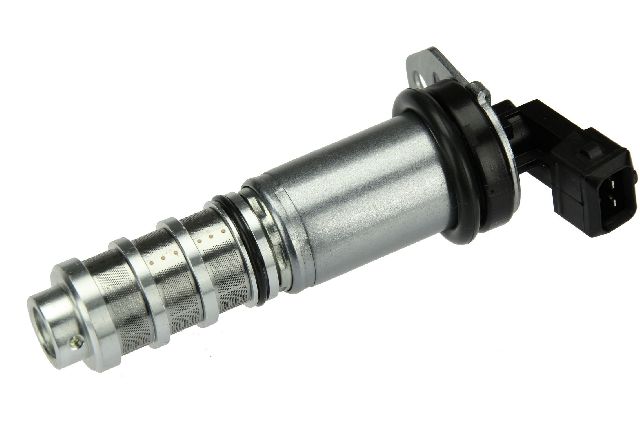
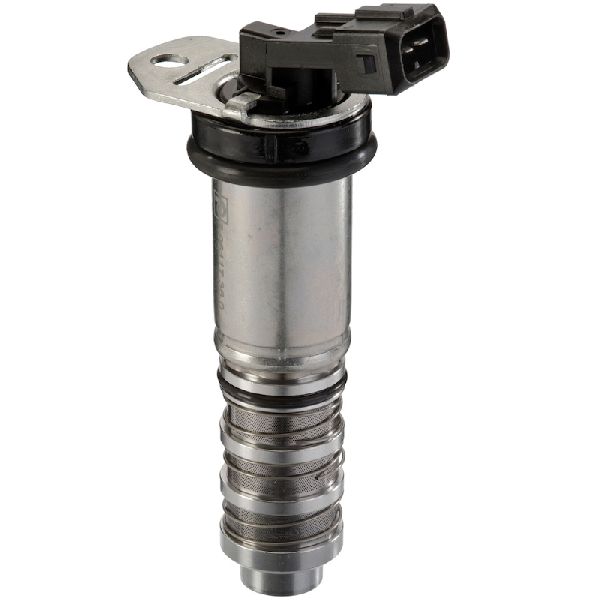
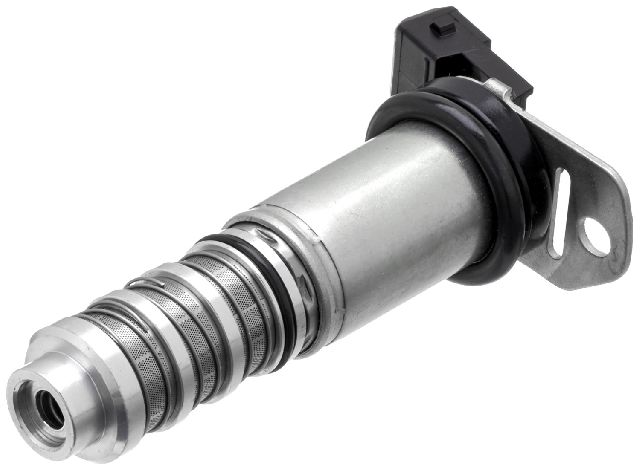
- VANOS Solenoid / Actuator
(OEM #11367593719)— This is the most common failure point for timing-related codes and the easiest to fix. It often gets clogged or fails electrically. Both intake and exhaust solenoids use the same part number.
Trusted brands: Genuine BMW, INA, VDO, Pierburg, Febi Bilstein
OEM price range: $90-$120
Aftermarket price range: $30-$70 - Timing Chain Replacement Kit
(OEM #11318648732KT)— Required if the diagnosis points to a stretched chain or failed guides, a known and severe issue on pre-2015 N20/N26 engines. The kit should include the main chain, oil pump chain, all guides, tensioners, and necessary hardware.
Trusted brands: Genuine BMW, Iwis, FCP Euro Kit, ECS Tuning Kit
OEM price range: $600-$900
Aftermarket price range: $350-$550
Related Codes That Often Appear With This One
- P0015 — 'B' Camshaft Position - Timing Over-Retarded. This can indicate an erratic VANOS system, where the solenoid or phaser is struggling to maintain the correct position, sometimes over-advancing and sometimes over-retarding.
- P0016 / P0017 — Crankshaft/Camshaft Position Correlation codes. These codes appearing with P0024 strongly suggest a physical timing issue, like a stretched or jumped timing chain, rather than just a solenoid problem.
- 130308 — This is a BMW-specific fault code for 'VANOS, exhaust: control fault, camshaft stuck'. It points directly to a mechanical or hydraulic issue with the exhaust VANOS system, often the solenoid or the cam phaser itself.
Technical Service Bulletins (TSBs) & Recalls
- SIB 11 03 17: Announces a limited warranty extension for the engine timing chain and oil pump drive chain to 7 years/70,000 miles for defects in material or workmanship. It specifies the conditions for replacement and notes that use of non-genuine oil filters could affect coverage.
- SIB 11 02 21: Details a class-action settlement that provides additional coverage for vehicles outside the original 7/70 warranty extension, outlining the repair benefits for current owners of affected vehicles produced up to early 2015.
Platform-Specific Known Issues
- Timing Chain Guide Failure: Primarily affecting engines built before March 2015, the original plastic timing chain guides are known to fail, causing a whining noise, chain slack, and potentially catastrophic engine damage. BMW addressed this with an updated guide design and a warranty extension program (SIB 11 03 17).
Mechanic-Grade Diagnostic Values
- VANOS Solenoid Electrical Resistance — expected: Approximately 10.7 to 11.5 Ohms. Failure: A reading significantly outside this range, or an open circuit (infinite resistance), indicates a failed solenoid coil. However, solenoids can test good electrically but still be mechanically stuck.
Hidden / Shadow Codes Worth Checking
- 130308: VANOS, exhaust: control fault, position not reached. This is a more specific BMW FC for the generic P0024, indicating the DME commanded a change and the camshaft did not reach the target position. (see via BMW-specific scan tools like ISTA, or high-end professional scanners (Autel, Snap-on).)
- 130304: VANOS, exhaust, control fault, camshaft jammed. This is more severe than 'position not reached' and suggests a mechanical blockage, a seized VANOS phaser, or a completely failed solenoid. (see via BMW-specific scan tools like ISTA, or high-end professional scanners.)
- 131401: VANOS, exhaust, starting from cold: Non-adjustable. This fault indicates the system is unable to control the exhaust cam timing specifically during a cold start, pointing towards oil pressure/viscosity issues or a sticky solenoid when cold. (see via BMW-specific scan tools like ISTA, or high-end professional scanners.)
Scan Tool Commands That Help
- ISTA or professional scan tools (e.g., Autel, YOUCANIC): Delete/Reset Adaptation Values for VANOS — This function should be performed after replacing VANOS solenoids, VANOS phasers, or performing a timing chain service. It forces the DME to re-learn the baseline positions and operational parameters of the new components. Failure to do this can cause codes to return even with new parts installed.
- ISTA or professional scan tools with bidirectional control: VANOS Solenoid Activation / Bleed Procedure — This allows a technician to manually command the VANOS solenoid to activate with the engine running. It can be used to confirm the solenoid is working and to help bleed any trapped air from the system after a repair, which could otherwise cause faults. The engine will typically bog down or stumble when the solenoid is activated, confirming the mechanical part of the system is responding.
Wiring & Ground Locations
- Engine Ground Strap — On F10/F30 models, the main engine ground strap is typically located on the passenger side (US models) of the engine, connecting the engine block to the chassis near the engine mount. It may be obscured by underbody panels.. A corroded or broken ground strap can cause a wide range of electrical issues, including erratic sensor readings and improper solenoid function. While not a direct cause of P0024, poor grounding can lead to incorrect diagnoses and should be checked if other electrical gremlins are present.
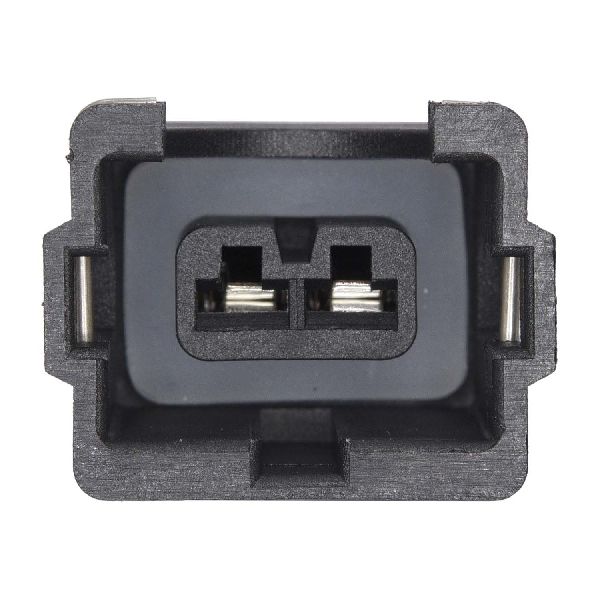
- DME Connector for VANOS — The VANOS solenoids are connected directly to the Digital Motor Electronics (DME) module. The exhaust VANOS solenoid is designated as 'VANOS solenoid actuator, exhaust camshaft' in BMW wiring diagrams.. If a solenoid tests good and swapping it doesn't resolve the issue, a technician may need to perform a continuity test from the solenoid connector back to the DME to rule out a wiring harness break or short circuit.
Real Owner Repair Stories
- Reddit user in r/BmwTech (BMW N20 (year not specified)) — Received VANOS codes 131401 and 131501 (cold start non-adjustable) immediately after installing a new timing chain.
❌ Tried (didn't work) Confirmed mechanical timing was correct with all special tools., Considered cleaning actuators or pulling the valve cover again.
✅ What actually fixed it Resetting the VANOS adaptations with a scan tool resolved the issue without any further mechanical work. The user noted, 'the adaptation reset seems to have resolved my issue!!' - Reddit user in r/BmwTech (BMW N20 (year not specified)) — Timing faults appeared after a timing chain replacement.
❌ Tried (didn't work) Initial diagnosis pointed towards a mechanical timing error, suggesting a full strip-down.
✅ What actually fixed it The user, a technician, advised resetting the specific VANOS adaptations before tearing the engine down again. The owner then used a Snap-on scanner to reset all engine adaptations, which made the check engine light go away.
OEM Part Supersession History
Unknown early part numbers→11367593719— Standard design evolution and supplier changes for the VANOS solenoid.
Heads up: 11367593719 is the widely accepted part number for the VANOS solenoid/actuator for the entire N20/N26 range.Pre-2015 timing chain guide set→Post-2015 timing chain guide set (included in kits like 11318648732KT)— The original plastic material was prone to becoming brittle and failing. The new parts use a more durable and heat-resistant material.
Heads up: It is critical to use the updated guide design when performing a timing chain service. Using old stock or non-updated parts will lead to repeat failure.
Model Year Variations Within This Range
- 2012 - Early 2015: Engines produced before approximately March 2015 were fitted with the defective timing chain guides made from a material that becomes brittle. The probability of P0024 being caused by timing chain issues is significantly higher on these earlier models.
- Late 2015 - 2018: Engines produced after this date have the updated, more durable timing chain guides from the factory, making timing chain failure a less likely (though not impossible) cause for P0024 compared to a faulty VANOS solenoid or oil pressure issue.
Diagnostic Flowchart
Other Known Issues on This Vehicle
Issues unrelated to this code that are worth knowing about as an owner of this generation:
- Timing Chain Guide Failure 🔴 High — Very common on engines built before March 2015, with failures sometimes occurring under 70,000 miles. Less common on later models with updated parts. (Ref: SIB 11 03 17, SIB 11 02 21)
- Oil Filter Housing Gasket (OFHG) Leak 🟠 Medium — Extremely common across most BMW engines, including the N20. Gasket typically fails between 60,000-100,000 miles, leaking oil onto the serpentine belt and alternator.
- Valve Cover & Gasket Leak 🟠 Medium — The plastic valve cover can crack and the gasket can become brittle, typically after 80,000 miles, causing oil to leak onto the hot exhaust manifold, creating a burning smell.
- Turbocharger Wastegate Rattle/Failure 🟠 Medium — Common on higher-mileage N20s. The actuator arm or internal flapper can wear, causing a rattling noise on startup/deceleration and leading to boost control problems (underboost/overboost fault codes).
- Electric Water Pump Failure 🔴 High — While more reliable than previous generations, the electric water pump can still fail without warning, typically between 60,000-100,000 miles, leading to rapid overheating.
Used vs. New Parts: Buying Guide for This Vehicle
When a used part is the smart pick: A used VANOS solenoid from a low-mileage, reputable donor vehicle can be a cost-effective diagnostic tool. Since they are identical, you can purchase one to swap in and confirm if it fixes the issue before buying a new one. However, given the relatively low cost of new aftermarket units, this is often not worth the effort.
Donor-vehicle mileage cap: roughly under 60000 miles for the part to have meaningful remaining life.
What to inspect on the donor part:
- Verify the donor vehicle's mileage.
- Inspect the solenoid's mesh screens for any metallic or plastic debris, which would indicate major engine problems in the donor car.
- Check for corrosion on the electrical connector pins.
OEM-only on this vehicle (don't cheap out):
- Timing Chain Kit: This is a critical, high-labor repair. Using a complete, high-quality kit with the latest revised parts from an OEM supplier (like Iwis) or a trusted source like FCP Euro is paramount. Avoid no-name, cheap kits as failure can be catastrophic.
Aftermarket brands forum-validated for this vehicle:
- VANOS Solenoids: INA (often the OEM supplier), VDO, Pierburg.
- Timing Chain Kits: Iwis (OEM supplier), FCP Euro Kits, ECS Tuning Kits.
Brands owners have reported issues with on this vehicle:
- Unbranded or generic 'eBay/Amazon' VANOS solenoids and timing chain kits have a high failure rate and are not recommended for these critical components.
Real Owner Stories
Aggregated from forums and TSBs cited above. Mileages and costs reflect what owners reported in those sources.
2012-2018 BMW 3-series (F30) with N20 engine
Symptoms: Check Engine Light with code P0024.
What fixed it: VANOS solenoid replacement.
Source hint: f30.bimmerpost.com: Multiple threads discuss the P0024 code, with many users confirming a VANOS solenoid replacement as the fix, while others share their experiences with the more serious timing chain failure, including audio clips of the characteristic whine.
Pre-2015 BMW with N20 engine
Symptoms: A characteristic whining noise from the engine, sometimes accompanied by a rattling noise on cold starts.
What fixed it: A major repair involving the replacement of the timing chain, all plastic guides, and the tensioner with updated parts.
Source hint: f30.bimmerpost.com: Multiple threads discuss the P0024 code, with many users confirming a VANOS solenoid replacement as the fix, while others share their experiences with the more serious timing chain failure, including audio clips of the characteristic whine.
BMW with N20 engine
Symptoms: A whining noise from the engine, noted as an early symptom.
What fixed it: The cause was identified as the disintegration of the plastic timing chain guide, requiring a full timing chain service.
Source hint: reddit.com/r/BMW: A thread from 2017 discusses the N20 timing chain plague, with a user noting the whining noise as an early symptom and the cause being the disintegration of the plastic chain guide.
Related OBD-II Codes
Frequently Asked Questions
I hear a distinct whining noise from the front of my N20 engine. Is this related to the P0024 code?
What is the most reliable way to test if the VANOS solenoid is the cause of my P0024 code?
My BMW was built in 2016. Is it still susceptible to the N20 timing chain guide failure?
Does BMW cover the timing chain repair under warranty for a P0024 code?
Can low or dirty oil really cause a P0024 code on this engine?
I removed the VANOS solenoid and found small plastic particles on the screen. What does that mean?
Are the intake and exhaust VANOS solenoids the same part on the N20 engine?
Used OEM Parts in Stock

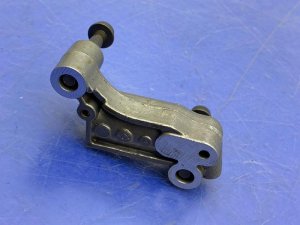
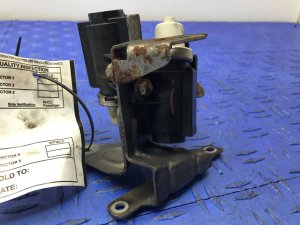
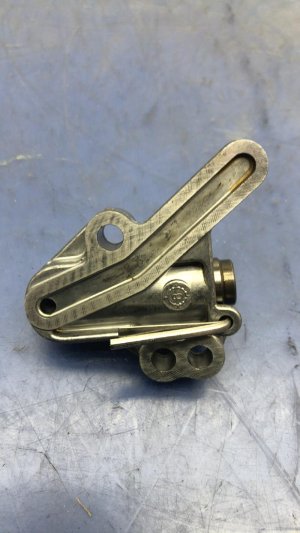
New Aftermarket Parts Available

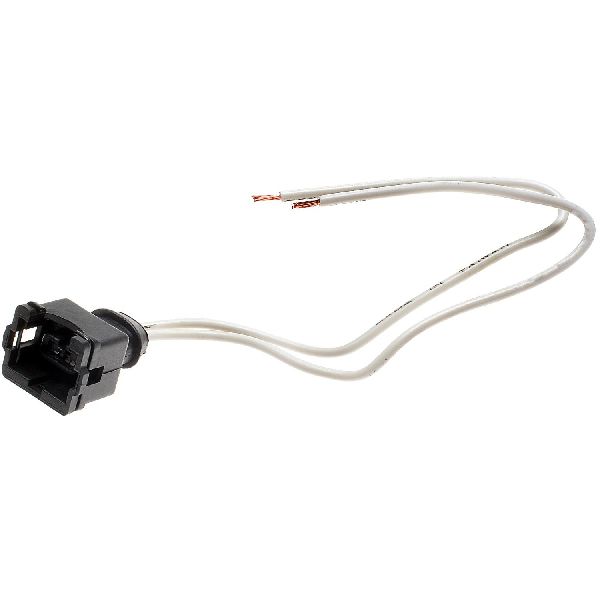

The information in this article is provided for general reference and educational purposes only. Vehicle specifications, procedures, and part compatibility can vary by production date, trim level, and region. Always consult your vehicle's factory service manual and verify part numbers before purchasing or performing repairs. Safety-critical components such as airbags, seat belts, and braking systems should be installed by a qualified professional.
- BMW Multiple:
- 🛍️ Shop This Part
- What's Unique About the 2012-2018 BMW Multiple
- Symptoms You May Notice
- Most Likely Causes
- Rare But Worth Checking
- Diagnosis Steps
- Parts You'll Likely Need
- Related Codes That Often Appear With This One
- Technical Service Bulletins (TSBs) & Recalls
- Platform-Specific Known Issues
- Mechanic-Grade Diagnostic Values
- Hidden / Shadow Codes Worth Checking
- Scan Tool Commands That Help
- Wiring & Ground Locations
- Real Owner Repair Stories
- OEM Part Supersession History
- Model Year Variations Within This Range
- Diagnostic Flowchart
- Other Known Issues on This Vehicle
- Used vs. New Parts: Buying Guide for This Vehicle
- Real Owner Stories
- 2012-2018 BMW 3-series (F30) with N20 engine
- Pre-2015 BMW with N20 engine
- BMW with N20 engine
- Related OBD-II Codes
- Frequently Asked Questions
- 🎟️ Get 5% Off