

P0022 on 2012-2016 Subaru Impreza: FB20 Camshaft Timing Over-Retarded Causes and Fixes
On the 2012-2016 Impreza, P0022 is almost always caused by either low/dirty engine oil or a failing driver's side intake Oil Control Valve (OCV). Always check your oil first, as the FB20 engine is known for oil consumption. If oil is fine, expect to replace the OCV (part #10921AA231) for around $90-$130 for the part.
- First, check your oil. The P0022 code on the 2012-2016 Impreza is very often caused by an engine oil level that is simply too low due to the engine's tendency to consume oil.
- The most likely failed part is the driver's side intake Oil Control Valve (OCV), part number 10921AA231.
- This is a DIY-friendly repair. Swapping the driver's side and passenger's side OCVs is a free and effective way to confirm the valve is the problem. A P0012 code after the swap confirms a bad OCV.
- Do not worry about 'banjo bolt filters'. This common Subaru issue does not apply to the FB20 engine in your Impreza.
What's Unique About the 2012-2016 Subaru Impreza
Unlike the turbo Subaru EJ engines famous for clogged banjo bolt filters, the naturally aspirated FB20 engine in this Impreza does not have that specific issue. For this platform, the AVCS system is highly sensitive to oil level and cleanliness. Many early FB20 engines were subject to a class-action lawsuit and TSB 02-157-14R for excessive oil consumption, which can directly lead to the low oil levels that trigger a P0022 code. Therefore, the problem is almost always linked to oil level, oil condition, or the Oil Control Valve itself, not banjo bolt filters.
Symptoms You May Notice
- Rough, unstable idle
- Engine hesitates or feels sluggish during acceleration
- Noticeable decrease in fuel economy
- Engine stalling, especially when coming to a stop
- Check Engine Light is on
- Rattling noise from the engine on startup 🎬 Watch: A quick guide to P0022 symptoms and the fix.
- Replacing the camshaft position sensor. While a sensor *can* fail, it is far less common for this code than an OCV failure or oil issue. A failing sensor would typically set a different code related to the sensor circuit itself (like P0345).
- Searching for a clogged banjo bolt filter. This is a very common problem on turbo Subaru (EJ) engines, but the FB20 engine in this Impreza does not use the same design, and this is not a valid cause.
Most Likely Causes
- Low or Dirty Engine Oil 🔴 High Probability The FB20 engine, particularly in 2012-2014 models, is notorious for excessive oil consumption. This was the subject of TSB 02-157-14R and a class-action lawsuit which resulted in extended warranties for affected owners. The hydraulic AVCS system cannot function correctly without the proper oil level and pressure, making low oil the number one cause.
How to confirm: Check the engine oil dipstick when the engine is cold and on level ground. The oil level should be between the marks. Inspect the oil's color and consistency; if it is black, thick, or below the low mark, it needs service.
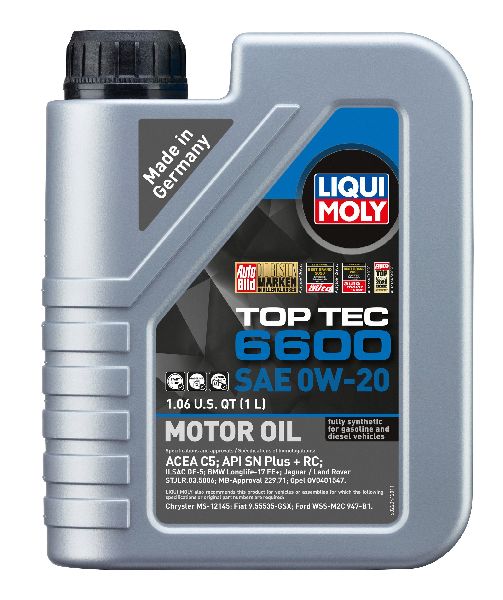
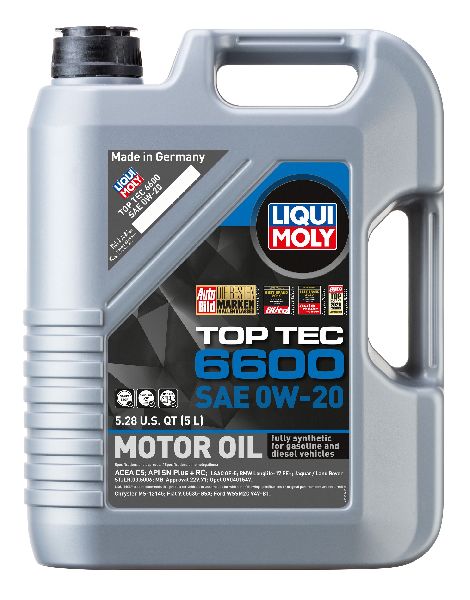
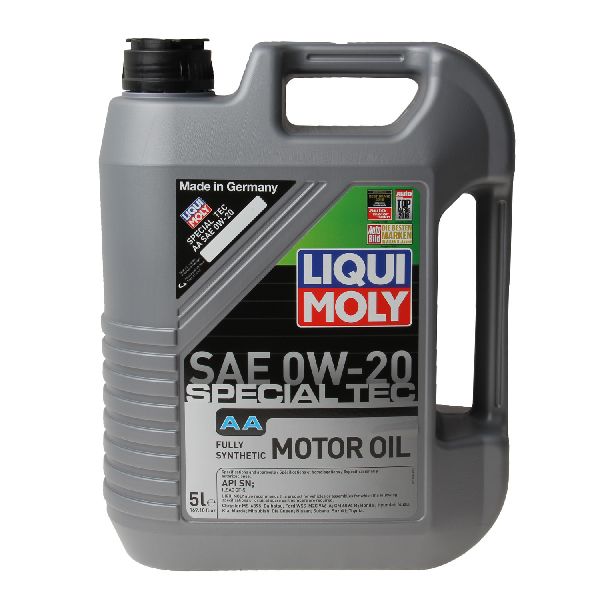
Typical fix: Change the engine oil and filter using the manufacturer-recommended 0W-20 synthetic oil. Reset the code and monitor the oil level closely. If consumption is high (e.g., a quart every 1200 miles), an oil consumption test at a dealer may be warranted.
Est. part cost: $40-$80 - Faulty Oil Control Valve (OCV) / VVT Solenoid 🔴 High Probability The OCVs on the FB20 are a known failure point. The solenoid can get stuck from oil sludge or debris, or the internal mechanism can fail, preventing it from correctly regulating oil flow to the cam phaser.
How to confirm: After confirming the oil is full and clean, the easiest test is to swap the Bank 2 (driver's side) intake OCV with the Bank 1 (passenger's side) intake OCV. They are identical parts. Clear the codes and drive. If the code changes to P0012 (Bank 1, Over-Retarded), the OCV is confirmed to be faulty.
Typical fix: Replace the Bank 2 intake Oil Control Valve. It is located on the front of the engine on the driver's side, held in by a single bolt. 🎬 Watch: See this walkthrough for replacing and upgrading the OCV.
Est. part cost: $90-$150
Rare But Worth Checking
- Stretched Timing Chain or Faulty Cam Phaser: While much less common than oil or OCV issues, a stretched timing chain or a failing AVCS cam phaser (sprocket) can cause timing to be physically out of spec. This is a much more involved and expensive repair, so it should only be considered after ruling out all other causes. TSB 02-163-16R provides advanced diagnostic steps for these scenarios.
Diagnosis Steps
- Check Engine Oil Level and Condition: Pull the dipstick. If the oil is low, top it off with 0W-20 synthetic oil. If it's old or dirty, perform a full oil and filter change. This is the most common and cheapest fix and should always be the first step.
- Inspect the OCV Connector: Locate the Bank 2 (driver's side) intake OCV. Ensure the electrical connector is secure and free of corrosion or oil contamination.
- Swap the Oil Control Valves: The intake OCVs for Bank 1 and Bank 2 are identical. Unbolt both (one 10mm bolt each) and swap their positions. The Bank 2 valve goes to Bank 1, and the Bank 1 valve goes to Bank 2. Clear the codes with a scanner.
- Drive and Re-scan: Drive the vehicle for 10-15 minutes, ensuring the engine gets to operating temperature. If code P0012 appears, it confirms the OCV you moved to Bank 1 is faulty. Purchase and install a new OCV.
- Further Mechanical Diagnosis: If the P0022 code returns after the swap, the problem is not the OCV. The issue may be a clog in the oil passages, a failing AVCS cam phaser, or a timing chain issue. At this point, following the advanced diagnostics in TSB 02-163-16R or seeking professional help is recommended.
Parts You'll Likely Need
- Intake Oil Control Valve (OCV)
(OEM #10921AA231)— This solenoid is the most common mechanical failure point for code P0022 on this engine after low oil has been ruled out. It controls the oil flow that adjusts the cam timing.
Trusted brands: Subaru (Genuine), Denso, Dorman
OEM price range: $110-$150
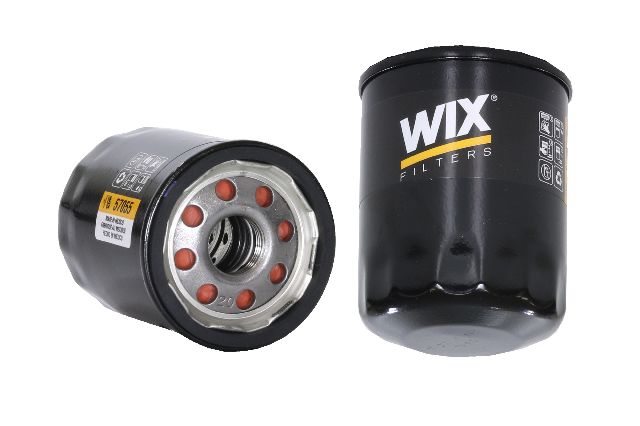
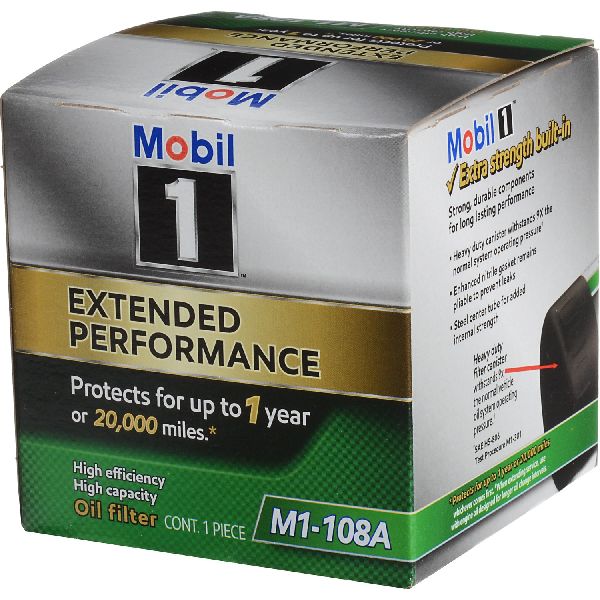
Aftermarket price range: $70-$120 - Engine Oil and Filter — The AVCS system is entirely dependent on oil pressure. Low, old, or incorrect viscosity oil is a primary cause of this code, especially given the FB20's tendency to consume oil.
Trusted brands: Subaru (Filter), Mobil 1, Castrol
OEM price range: $40-$80
Aftermarket price range: $35-$70
Related Codes That Often Appear With This One
- P0012 — If you swap the suspected bad OCV from Bank 2 (driver's side) to Bank 1 (passenger's side) for diagnosis, the over-retarded fault will follow the part and reappear as P0012 ('A' Camshaft Position - Timing Over-Retarded, Bank 1).
- P000C — This code for '"A" Camshaft Position Slow Response Bank 2' can appear alongside P0022. According to TSB 02-163-16R, this combination often points towards an oil flow problem, such as sludging from overdue oil changes, affecting the camshaft's ability to respond to commands.
Technical Service Bulletins (TSBs) & Recalls
- TSB 02-157-14R: Pertains to excessive oil consumption on some FB engines. It details the oil consumption test procedure and the eventual fix, which was often a replacement of the engine short block, covered under an extended warranty.
- TSB 02-163-16R: Provides updated, detailed diagnostic procedures for a wide range of AVCS-related trouble codes (including P0022) on FA and FB engines. It covers checking chain timing and oil pressure for issues beyond a simple OCV failure.
Platform-Specific Known Issues
- Owner Experience: P0022 Fixed with Oil Change and OCV: An owner of a 2013 Impreza on a Reddit forum reported experiencing rough idle and stalling. After getting a P0022 code, they first changed the oil, which provided a temporary fix. When the code returned, they replaced the Bank 2 (driver's side) intake OCV, which permanently resolved the issue. This aligns perfectly with the most common causes and repair path.
Mechanic-Grade Diagnostic Values
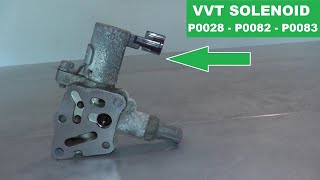
- Oil Control Valve (OCV) Solenoid Resistance — expected: 6.9 to 7.9 Ohms at 68°F (20°C). Failure: A reading of 0 (short), infinity/OL (open circuit), or a value significantly outside the expected range 🎬 Watch: How to test and replace your VVT solenoid. indicates a faulty solenoid coil.
- Live Data - Bank 2 Intake Cam Angle vs. Commanded Angle — expected: The 'Actual' camshaft position should closely follow the 'Desired' or 'Commanded' camshaft position PID on the scan tool as engine RPM changes.. Failure: A significant lag or a static 'Actual' value while the 'Commanded' value changes confirms a problem with the AVCS system on Bank 2. At idle, both values should be near 0 degrees.
- Engine Oil Pressure (Hot Idle) — expected: Approximately 1.0 - 2.0 bar (15-30 PSI). Note: This is a general value for Subaru engines; the FB20 should be within this range. Subaru's official procedure requires checking at both idle and 3000 RPM against a model-specific chart.. Failure: Pressure significantly below 15 PSI at hot idle indicates a base engine problem (worn bearings, failing oil pump, clogged pickup tube) that will starve the AVCS system and must be addressed before replacing other parts.
Scan Tool Commands That Help
- Subaru Select Monitor (SSM) or compatible advanced scanner (e.g., Autel, high-end BlueDriver): AVCS System Active Test / Actuator Test — This bidirectional command allows a technician to manually activate the Bank 2 intake OCV solenoid while the engine is running at a steady RPM (e.g., 2000 RPM). By watching the live cam angle data simultaneously, you can definitively confirm if the solenoid and cam phaser are mechanically capable of responding to commands. If the angle changes on command, the hydraulic/mechanical system is likely functional, pointing towards a potential wiring or ECM issue. If it does not change, the fault is mechanical (stuck OCV, clogged passage, bad phaser).
Wiring & Ground Locations
- Main Engine Ground — Bolts to the engine block or transmission bell housing via the top starter motor mounting bolt.. While not a direct cause, a loose or corroded main engine ground can create electrical noise and voltage discrepancies throughout the engine management system. This can lead to erratic sensor readings and improper operation of solenoids like the OCV. Verifying this ground is tight and clean is a crucial step in any complex electrical diagnosis after direct causes are ruled out.
OEM Part Supersession History
10921AA220→10921AA230, then 10921AA231. Part 10921AA23A is also related.— Subaru often revises parts to improve reliability or change suppliers. While the exact reason isn't publicly documented, later part numbers are generally preferred.
Heads up: All listed part numbers are considered interchangeable for this application, with 10921AA231 being the latest and most common service replacement.
Model Year Variations Within This Range
- 2012-2014 vs 2015-2016: While all 2012-2016 Imprezas use the FB20 engine, some major parts suppliers (like LKQ) make a distinction between engines from 2012-2014 and those from 2015-2016. This suggests there may be differences in long block accessories, sensors, or wiring that could affect a direct engine swap, even if the core AVCS components are the same. The oil consumption issue is also widely reported to be more severe on the earlier 2012-2014 models.
Diagnostic Flowchart
Other Known Issues on This Vehicle
Issues unrelated to this code that are worth knowing about as an owner of this generation:
- Excessive Oil Consumption 🔴 High — Common on 2012-2014 models. Caused a class-action lawsuit. Can manifest as needing to add a quart of oil every 1,200-2,000 miles. (Ref: TSB 02-157-14R)
- Premature Wheel Bearing Failure 🟠 Medium — Widespread issue across many Subaru models of this era, including the Impreza. Bearings can fail as early as 30,000-50,000 miles, but more commonly around 80,000-100,000 miles.
- CVT Valve Body/Solenoid Failure 🟠 Medium — More common on earlier models (2012-2014). Symptoms include shuddering, hesitation, or stalling. Not as frequent as oil consumption but a known expensive repair.
- Brake Light Switch Malfunction 🟡 Low — Common enough to trigger a recall. A failing switch can prevent brake lights from illuminating and may prevent the car from starting or shifting out of park. (Ref: NHTSA Recall 18V772000)
- Fracturing Engine Valve Springs 🔴 High — Less common, but affects 2012-2014 models and can cause engine malfunction or stalling. (Ref: NHTSA Recall 16V738000)
Used vs. New Parts: Buying Guide for This Vehicle
When a used part is the smart pick: For this specific repair, using used parts is not recommended. The primary failure components (OCV, oil) are wear-and-tear or maintenance items.
What to inspect on the donor part:
- Not applicable as used parts are not advised for this repair.
OEM-only on this vehicle (don't cheap out):
- AVCS Cam Phaser (Sprocket): If this more complex component is diagnosed as the fault, using a Genuine Subaru part is critical for ensuring correct operation and longevity.
Aftermarket brands forum-validated for this vehicle:
- Oil Control Valve (OCV): Denso is a known OEM supplier for many Japanese manufacturers, including Subaru. A Denso-branded OCV is a high-quality alternative to the more expensive Genuine Subaru part.
Brands owners have reported issues with on this vehicle:
- Avoid generic, unbranded OCV solenoids from online marketplaces. While cheap, they have a high failure rate and may not operate to the precise tolerances required by the AVCS system, causing the code to return.
Real Owner Stories
Aggregated from forums and TSBs cited above. Mileages and costs reflect what owners reported in those sources.
2013 Subaru Impreza 2.0L FB20
Symptoms: Rough idle and stalling; Check Engine Light on for P0022.
What fixed it: Initially fixed temporarily with an oil change, but required replacement of the Bank 2 (driver's side) intake OCV for a permanent resolution.
Source hint: vehicle_specific_issues: 'Owner Experience: P0022 Fixed with Oil Change and OCV'
2012 Subaru Impreza 2.0L FB20 — 110000 miles
Symptoms: Numerous issues including oil leaks and excessive oil consumption.
What fixed it: The owner was debating selling the vehicle due to the platform's known weaknesses regarding oil management.
Source hint: Car Talk Community - 'To sell or not to sell - 2012 Impreza with 110k miles'
2012 Subaru Impreza 2.0L FB20
Symptoms: Burns oil like nothing else (1 quart every 1200 miles and dropping).
What fixed it: The context identifies this as a primary cause for AVCS codes, often requiring a short block replacement under TSB 02-157-14R for qualifying owners.
Source hint: r/subaru - 'Opinions on 2012 and newer Imprezas'
Subaru FB20
Symptoms: Check engine light triggered by dirty oil; dealer quoted $1260 for repair.
What fixed it: Replacing the Left bank intake oil control valve (noting that parts are available for ~$60 and take 5 minutes to replace).
Cost: $1260
Source hint: reddit.com thread titled 'replacing the Left bank intake oil control valve'
Related OBD-II Codes
Frequently Asked Questions
My 2013 Impreza is burning a quart of oil every 1,200 miles; could this be causing my P0022 code?
Is there a simple way to test if my Oil Control Valve is actually bad before buying a new one?
Which specific oil should I use for my 2012-2016 Impreza to prevent AVCS issues?
I heard there was a class-action lawsuit regarding the engine in my 2014 Impreza. Does it relate to P0022?
Where is the Bank 2 intake Oil Control Valve located on the FB20 engine?
What should I do if P0022 returns even after I've replaced the OCV and changed the oil?
Helpful Videos
We Have This Part in Stock

The information in this article is provided for general reference and educational purposes only. Vehicle specifications, procedures, and part compatibility can vary by production date, trim level, and region. Always consult your vehicle's factory service manual and verify part numbers before purchasing or performing repairs. Safety-critical components such as airbags, seat belts, and braking systems should be installed by a qualified professional.
- Subaru Impreza:
- 🎬 Helpful Videos
- 🛍️ Shop This Part
- What's Unique About the 2012-2016 Subaru Impreza
- Symptoms You May Notice
- Most Likely Causes
- Rare But Worth Checking
- Diagnosis Steps
- Parts You'll Likely Need
- Related Codes That Often Appear With This One
- Technical Service Bulletins (TSBs) & Recalls
- Platform-Specific Known Issues
- Mechanic-Grade Diagnostic Values
- Scan Tool Commands That Help
- Wiring & Ground Locations
- OEM Part Supersession History
- Model Year Variations Within This Range
- Diagnostic Flowchart
- Other Known Issues on This Vehicle
- Used vs. New Parts: Buying Guide for This Vehicle
- Real Owner Stories
- 2013 Subaru Impreza 2.0L FB20
- 2012 Subaru Impreza 2.0L FB20 — 110000 miles
- 2012 Subaru Impreza 2.0L FB20
- Subaru FB20
- Related OBD-II Codes
- Frequently Asked Questions
- 🎟️ Get 5% Off