

P0022 on 2014-2018 GMC Sierra 1500 5.3L/6.2L: Causes and Fixes for Over-Retarded Cam Timing
On 2014-2018 GMC Sierra trucks with the 5.3L or 6.2L V8, code P0022 is most often caused by low/dirty engine oil or a failing Bank 2 (passenger side) intake camshaft actuator solenoid. An oil change with 0W-20 dexos1 oil or replacing the solenoid (GM Part No. 12681018, superseded by 12734067 or 12679099) usually resolves the issue.
- Always check your engine oil first. Low, old, or incorrect viscosity oil is the #1 cause of P0022.
- The code refers to Bank 2, which is the passenger side of the engine.
- The most common failed part is the intake camshaft position actuator solenoid, which is relatively inexpensive and accessible on the front of the engine.
- Do not immediately replace the camshaft position sensor; it is rarely the cause of this specific performance code.
- Ignoring this code can lead to reduced performance, poor fuel economy, and potential engine damage over time.
What's Unique About the 2014-2018 GMC Sierra 1500
The Gen V EcoTec3 engines (L83/L86) in this generation of Sierra rely heavily on the Variable Valve Timing (VVT) system for both power and efficiency. This system is hydraulically operated by engine oil pressure and is extremely sensitive to oil pressure, cleanliness, and viscosity. Unlike some older designs, the camshaft actuator solenoid on these engines is integrated into the camshaft retaining bolt, making it a unique service part. Problems with oil maintenance, such as using the wrong viscosity or extending change intervals, are a very frequent trigger for this code on these specific trucks due to the tight tolerances in the solenoid and phaser oil passages.
Symptoms You May Notice
- Check Engine Light is on
- Rough or unstable idle
- Reduced engine power and sluggish acceleration
- Poor fuel economy
- Engine may hesitate or stall at low speeds
- Rattling or clicking noises from the engine bay, particularly from the passenger side valve cover area
- Replacing the camshaft position sensor first. The code indicates a mechanical timing problem, not an electrical sensor failure.
- Replacing the camshaft phaser before replacing the much cheaper and more common failure point, the VVT solenoid.
- Assuming a major engine failure without first performing an oil change and replacing the VVT solenoid.
Most Likely Causes
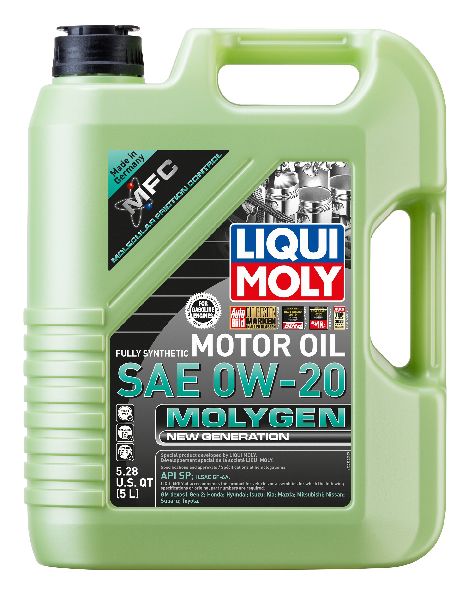
- Low, Dirty, or Incorrect Viscosity Engine Oil 🔴 High Probability The VVT system uses oil pressure to adjust cam timing. The small passages in the solenoids and phasers are easily clogged by sludge or restricted by oil that is too thick, too thin, or aerated. These engines specify a 0W-20 dexos1 approved synthetic oil.
How to confirm: Check the oil level on the dipstick and review vehicle service records. Note the oil's color and consistency. Ensure the correct oil viscosity (0W-20) was used. A low oil level is a primary trigger. 🎬 See: How to diagnose P0022 causes and symptoms
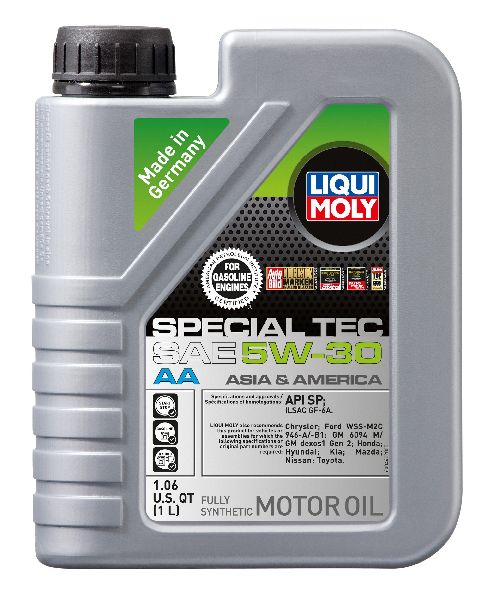
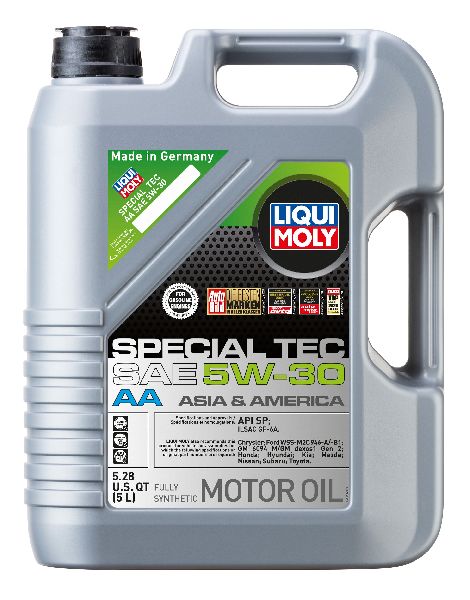
Typical fix: Perform an engine oil and filter change using a high-quality full synthetic oil of the correct viscosity (ACDelco dexos1 approved is recommended). Clear the code and test drive.
Est. part cost: $40-$80 - Faulty Bank 2 Intake Camshaft Position Actuator Solenoid 🔴 High Probability The solenoid's internal screen can become clogged with debris from infrequent oil changes, or the solenoid itself can fail electronically, causing it to get stuck. This prevents proper oil flow to the cam phaser.
How to confirm: After ruling out oil issues, this is the next logical step. A mechanic can command the solenoid with a scan tool to check its response. It can also be removed and inspected for debris or tested for resistance with a multimeter (typically 8-13 ohms).
Typical fix: Replace the Bank 2 (passenger side) intake camshaft position actuator solenoid. This part is also the camshaft bolt on these engines and requires removing the valve cover for access. 🎬 Watch: Step-by-step VVT solenoid and actuator replacement guide
Est. part cost: $30-$60 - Stuck or Failed Camshaft Phaser 🟡 Medium Probability Severe oil sludging or a mechanical failure within the phaser (e.g., a broken locking pin) can cause it to get stuck in the retarded position, preventing it from responding to commands from the solenoid.
How to confirm: This is a more advanced diagnosis. If a new solenoid and clean oil don't fix the issue, a mechanic will need to perform more in-depth testing, potentially requiring removal of the valve cover to inspect the phaser for movement.
Typical fix: Replace the Bank 2 intake camshaft phaser. This is a more labor-intensive job that often involves replacing the timing chain and other timing components as a preventative measure.
Est. part cost: $100-$250 - Worn Timing Chain or Tensioner ⚪ Low Probability While less common on these specific models compared to older GM engines, a stretched timing chain can cause the base mechanical timing to be off, leading to a performance code like P0022. This is usually a high-mileage failure.
How to confirm: This requires significant labor to access the timing components and measure chain slack. It's usually diagnosed after all other VVT system components have been ruled out.
Typical fix: Replace the timing chain, tensioners, and guides. The camshaft phasers are typically replaced at the same time.
Est. part cost: $200-$400
Rare But Worth Checking
- Faulty Camshaft Position Sensor: This is a common misdiagnosis. While possible, a bad sensor usually throws a specific sensor circuit code (like P0345-P0349), not a timing performance code like P0022. Only consider this if all other causes are eliminated.
- Wiring Issue to the VVT Solenoid: A damaged wire or loose connector can prevent the solenoid from receiving the correct signal from the ECM. Check the harness and connector for oil contamination, damage, or corrosion before replacing parts.
- Low Oil Pressure Due to Failing Oil Pump or Sensor: While the VVT system is sensitive to oil pressure, a failing oil pump is a less common cause. More likely is a faulty oil pressure sensor or a restriction in an oil galley. GM issued a Preliminary Information Bulletin (PIP5163D) regarding issues that could be misdiagnosed as internal engine problems, highlighting the need for proper oil system diagnosis.
Diagnosis Steps
- Check Engine Oil: Verify the oil level is correct and the oil is clean. If the oil is old, dirty, or of the wrong viscosity, perform an oil and filter change with the manufacturer-specified oil (full synthetic 0W-20 dexos1 approved) first. This simple step resolves the issue in many cases.
- Scan for Other Codes: Use an OBD-II scanner to check for any other pending or active codes that could point to a related issue, such as misfire codes (P0300-P0308) or codes for the opposite bank (P0011, P0012).
- Inspect Solenoid and Wiring: Visually inspect the wiring harness and connector for the Bank 2 (passenger side) intake VVT solenoid. Look for any signs of damage, corrosion, or loose connections. The solenoid is located on the front of the cylinder head, under the valve cover.
- Test/Replace VVT Solenoid: If the oil is good, the most likely culprit is the VVT solenoid. You can test the solenoid's resistance with a multimeter (should be 8-13 ohms) or use a bidirectional scan tool to command it on and off while monitoring cam position data. Given the low cost and high failure rate, many DIYers and shops choose to replace it as the next step.
- Advanced Diagnostics: If the problem persists, the issue is likely more mechanical. This involves checking the camshaft phaser for proper operation and inspecting the timing chain for excessive slack. These steps require removing the valve cover and potentially the engine front cover and are best left to a professional.
- Clear Codes: After any repair, clear the DTCs and perform a comprehensive test drive, including varied engine speeds and loads, to ensure the code does not return.
Parts You'll Likely Need
- Camshaft Position Actuator Solenoid (Bank 2, Intake)
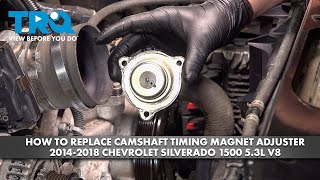
(OEM #12681018 (superseded by 12734067, also see 12679099))— This solenoid controls oil flow to the cam phaser and is the most common mechanical failure point for this code after oil-related issues. On these engines, it is integrated with the camshaft bolt. 🎬 Watch: How to replace the camshaft timing adjuster Part numbers have been updated, so verify the latest number with a dealer.
Trusted brands: ACDelco (GM Genuine), Delphi
OEM price range: $30-$50
Aftermarket price range: $20-$40 - Engine Oil and Filter — The VVT system is highly dependent on clean oil of the correct viscosity (0W-20). An oil change is the first and most important diagnostic and repair step.
Trusted brands: ACDelco, Mobil 1, Pennzoil
OEM price range: $60-$90
Aftermarket price range: $40-$70
Related Codes That Often Appear With This One
- P0011 — This is the equivalent code for Bank 1 ('A' Camshaft Position - Timing Over-Advanced). If oil quality is poor, it can affect both banks simultaneously, though not always with the same code (one bank could be retarded, the other advanced).
- P0021 — This is for Bank 2 timing being over-advanced. Seeing it with P0022 could indicate an erratic VVT system, a failing cam phaser that is not holding a stable position, or an intermittent wiring/solenoid issue.
- P0300 — This is a random/multiple cylinder misfire code. Incorrect cam timing disrupts the air/fuel mixture and ignition timing, which can lead to misfires. This is also a primary symptom of the common AFM lifter failure on these engines.
Technical Service Bulletins (TSBs) & Recalls
- GM TSB 15-06-01-002H: While not directly for P0022, this TSB addresses engine misfires and ticking
Mechanic-Grade Diagnostic Values
- Camshaft Position Actuator Solenoid Resistance — expected: 8 to 13 Ohms. Failure: A reading outside this range, or a reading that fluctuates wildly when wiggling the connector, indicates a faulty solenoid. An open circuit (infinite resistance) or a short (near zero resistance) also indicates failure.
- GDS2 Scan Tool 'Camshaft Position Variance' — expected: 0 degrees, but up to 3-4 degrees is acceptable.. Failure: Consistent variance exceeding 4 degrees while driving at a steady speed can indicate a sticking camshaft actuator magnet (solenoid) or a failing phaser, and may cause a shudder or surge feeling.
Scan Tool Commands That Help
- GDS2 (GM Global Diagnostic System): Camshaft Position Actuator Solenoid Control — This bidirectional test allows a technician to manually command the Bank 2 intake solenoid on and off or to a specific duty cycle. While monitoring desired vs. actual cam position, a lack of change in the 'Actual' angle when commanded confirms a fault in the solenoid, oil pressure supply, or the phaser itself.
- GDS2 (GM Global Diagnostic System): Intake Camshaft Position Actuator Solenoid Valve Test — Mentioned in GM bulletin PIP5130B, this function cycles the solenoid 4-5 times. It can be used to attempt to un-stick a camshaft phaser that is stuck due to debris or oil sludge, which can be a cause of P0022. If running this test temporarily resolves the issue, it points to a mechanical sticking problem within the phaser or solenoid.
Wiring & Ground Locations
- G102 — Located at the left rear of the engine.. This ground is for the ignition coils. While not directly for the VVT circuit, a poor ground here can cause erratic engine behavior and misfires that might be diagnosed alongside a P0022.
- G101 — Located at the left front of the engine, on the lower block.. This is a critical ground for the Engine Control Module (ECM) and Transmission Control Module (TCM). A loose or corroded connection here can cause a wide array of seemingly unrelated engine codes, including VVT performance codes.
- Bank 1 Cylinder Head Ground — A ground strap/wire is located on the back of the Bank 1 (driver's side) cylinder head.. This is a main engine block ground. Ensuring it is clean and tight is a fundamental step in diagnosing any electronic engine issue.
Real Owner Repair Stories
- YouTube video comment section / Forum discussions (2007-2013 GM Trucks with 5.3L V8 (Predecessor to L83, but with similar oiling system design)) — Low oil pressure warning on the dash, sometimes accompanied by P0522 (Oil Pressure Sensor Circuit) but the principle applies to VVT codes caused by low pressure.
❌ Tried (didn't work) Replacing the oil pressure sensor itself did not fix the issue.
✅ What actually fixed it The tiny, conical filter screen located in the oil port directly beneath the oil pressure sensor was clogged with sludge. Replacing this inexpensive screen (GM part 12585328 for older models) restored proper oil pressure to the sensor and resolved the warning. This highlights that oil flow restrictions are a common root cause.
OEM Part Supersession History
12633123→12681018, 12734067, 12679099— GM has updated the camshaft position actuator solenoid part multiple times. The latest part numbers are intended to be more robust.
Heads up: While Pass 2 listed 12734067 and 12679099 as superseding 12681018, some parts suppliers show 12681018 as replacing 12734067. Always verify the latest correct part number with a GM dealer using the vehicle's VIN before purchasing.N/A→N/A— A GM Preliminary Information bulletin (PIP5813) was issued regarding camshafts for L83 engines being boxed incorrectly. The camshaft for an L84 (P/N 12664911) could be in a box for an L83 (P/N 12619823).
Heads up: If major engine work involving camshaft replacement was recently performed, it is critical to verify the correct camshaft was installed by checking the last three digits of the part number etched on the end of the camshaft itself ('823' for L83). An incorrect camshaft will cause persistent timing and misfire issues.
Model Year Variations Within This Range
- 2016-2018: A mid-cycle refresh occurred for the 2016 model year. This included a new front fascia, grille, and taillights. While the core L83/L86 powertrain remained the same, the 8-speed automatic transmission became more widely available on 5.3L V8 models, primarily in higher trims. These changes do not fundamentally alter the diagnosis for P0022 but are relevant for sourcing correct body or certain electronic parts.
Diagnostic Flowchart
Other Known Issues on This Vehicle
Issues unrelated to this code that are worth knowing about as an owner of this generation:
- Active Fuel Management (AFM) Lifter Failure 🔴 High — Widespread issue, can occur at various mileages, sometimes as low as 35,000 miles. Often presents as a ticking noise and misfire codes (e.g., P0300). (Ref: Multiple TSBs exist, including 15-06-01-002H and 19-NA-218, which detail diagnostic and repair procedures for collapsed/stuck lifters.)
- 8-Speed Transmission Shudder (8L90/8L45) 🟠 Medium — Very common on 2015-2018 models equipped with the 8-speed automatic. Feels like driving over rumble strips, typically between 25-80 MPH. (Ref: TSB 18-NA-355 recommends a fluid flush with an updated Mobil 1 synthetic blue label fluid. If the flush doesn't work, torque converter replacement is often required.)
- Brake Vacuum Pump Failure 🔴 High — A recall (NHTSA #19V645000) was issued for this problem, which can cause a sudden loss of power brake assist, requiring increased pedal effort. (Ref: Recall #19V645000)
- Poor Headlight Performance 🟡 Low — A very common owner complaint, especially on lower and mid-trim models from 2014-2015, citing poor visibility at night.
- A/C Condenser Failure 🟠 Medium — Prone to leaking, leading to loss of cooling performance. A common failure point mentioned by owners.
Used vs. New Parts: Buying Guide for This Vehicle
When a used part is the smart pick: For this specific repair, using used parts is generally not recommended. The primary failure components are the VVT solenoid and potentially the cam phaser, both of which are subject to wear and contamination from the donor vehicle's oil. The cost of a new OEM or quality aftermarket solenoid is low enough that the risk and labor of installing a used part is not justified.
Donor-vehicle mileage cap: roughly under 30000 miles for the part to have meaningful remaining life.
What to inspect on the donor part:
- If considering a used part is unavoidable (e.g., for a larger component like a cylinder head), demand to see the VVT solenoids and the area under the valve cover. Any signs of sludge or dark, burnt oil should be an immediate red flag.
- Ask for the vehicle's service history if available; regular oil changes are a positive sign.
OEM-only on this vehicle (don't cheap out):
- Camshaft Position Actuator Solenoid: Given the multiple part number supersessions and the critical function, using a genuine GM/ACDelco part is strongly advised to ensure compatibility and longevity.
Aftermarket brands forum-validated for this vehicle:
- Delphi (Often an OEM supplier to GM)
Brands owners have reported issues with on this vehicle:
- Unnamed, 'white-box' parts from online marketplaces. The tight tolerances of the VVT system are unforgiving to parts that are not manufactured to precise OE specifications.
Real Owner Stories
Aggregated from forums and TSBs cited above. Mileages and costs reflect what owners reported in those sources.
2015 Chevrolet Silverado 1500 5.3L L83 — 35000 miles
Symptoms: Owner reported a ticking noise and engine misfires, highlighting the engine's sensitivity to internal mechanical issues and lifter defects.
What fixed it: The context discusses this in the framework of AFM lifter failure requiring diagnostic and repair procedures for collapsed/stuck lifters per TSB 15-06-01-002H.
Source hint: gm-trucks.com: A thread titled 'Another low mileage V8 falls to the AFM lifter defect...'
2014-2018 GMC Sierra 1500
Symptoms: Owner experienced a transmission 'rumble' or shudder while driving.
What fixed it: The issue was resolved with a transmission fluid flush as per the relevant TSB.
Source hint: reddit.com/r/gmcsierra: In a thread discussing the reliability of the 2014-2018 generation
Related OBD-II Codes
Frequently Asked Questions
What specific oil should I use in my 2014-2018 GMC Sierra 5.3L to prevent P0022?
Does GM TSB 15-06-01-002H apply to my P0022 code?
Where is the Bank 2 VVT solenoid located on my 6.2L L86 engine?
Can a low oil level really trigger a P0022 on my Sierra?
Is the P0022 code related to the AFM lifter issues common in these trucks?
What is the typical resistance for the VVT solenoid if I test it with a multimeter?
Helpful Videos
![2014+ Chevy LS LT VVT Oil Control Solenoid Cam Sensor and Actuator Replacement [the easy way] 2022](https://img.youtube.com/vi/IB2gmTp_wWc/mqdefault.jpg)
![How to Fix P0022 Engine Code in 4 Minutes [2 DIY Methods / Only $6.53]](https://img.youtube.com/vi/BO7HzbeFxqo/mqdefault.jpg)
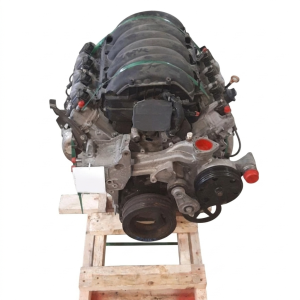
Used OEM Parts in Stock
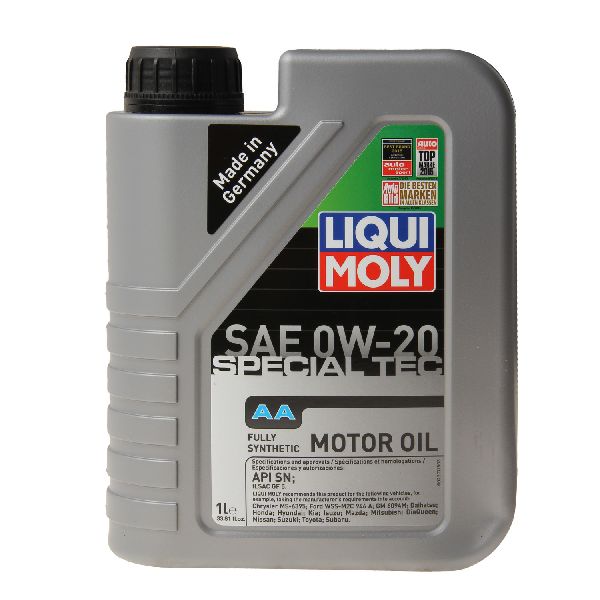
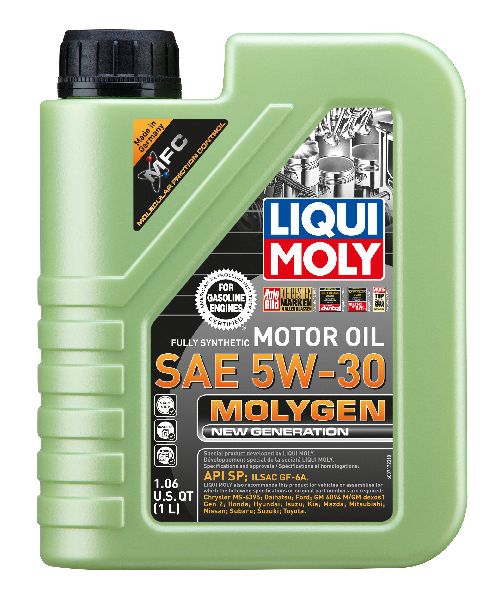
New Aftermarket Parts Available


The information in this article is provided for general reference and educational purposes only. Vehicle specifications, procedures, and part compatibility can vary by production date, trim level, and region. Always consult your vehicle's factory service manual and verify part numbers before purchasing or performing repairs. Safety-critical components such as airbags, seat belts, and braking systems should be installed by a qualified professional.
- GMC Sierra 1500:
- 🎬 Helpful Videos
- 🛍️ Shop This Part
- What's Unique About the 2014-2018 GMC Sierra 1500
- Symptoms You May Notice
- Most Likely Causes
- Rare But Worth Checking
- Diagnosis Steps
- Parts You'll Likely Need
- Related Codes That Often Appear With This One
- Technical Service Bulletins (TSBs) & Recalls
- Mechanic-Grade Diagnostic Values
- Scan Tool Commands That Help
- Wiring & Ground Locations
- Real Owner Repair Stories
- OEM Part Supersession History
- Model Year Variations Within This Range
- Diagnostic Flowchart
- Other Known Issues on This Vehicle
- Used vs. New Parts: Buying Guide for This Vehicle
- Real Owner Stories
- 2015 Chevrolet Silverado 1500 5.3L L83 — 35000 miles
- 2014-2018 GMC Sierra 1500
- Related OBD-II Codes
- Frequently Asked Questions
- 🎟️ Get 5% Off