

P0022 on 2015-2021 Ford Edge: 'A' Camshaft Position Timing Over-Retarded (Bank 2) Causes and Fixes
On a 2015-2021 Ford Edge with a V6 engine, code P0022 is most often caused by low/dirty engine oil or a sticking Variable Camshaft Timing (VCT) solenoid on Bank 2. An oil change and/or replacing the VCT solenoid (approx. $30-$80 for the part) is the most common fix. Bank 2 is the cylinder bank closer to the radiator.
- P0022 on a V6 Ford Edge means the Bank 2 intake camshaft timing is lagging.
- The first and most important diagnostic step is to check the engine oil. Low or dirty oil is a primary cause.
- The most common failed part is the VCT solenoid, which gets clogged by oil debris. This is confirmed by multiple Ford TSBs.
- A simple and effective way to diagnose a bad VCT solenoid is to swap it with the one from the other bank and see if the code follows.
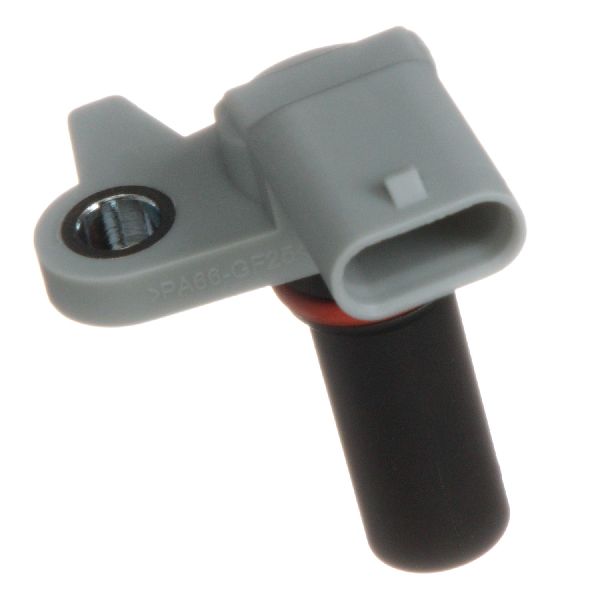
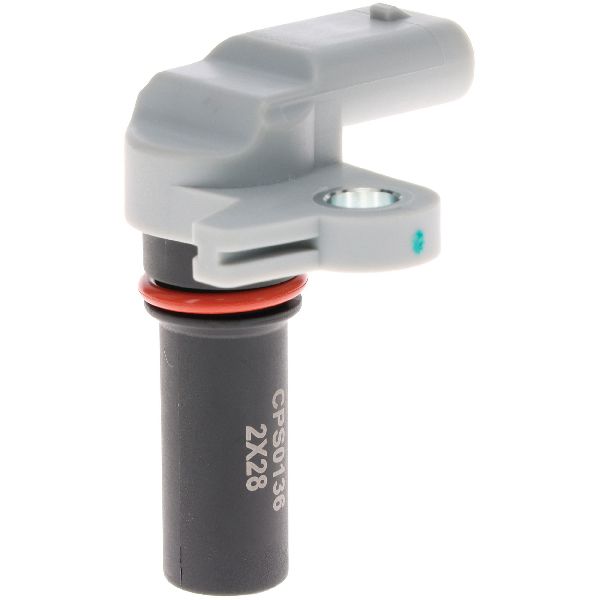
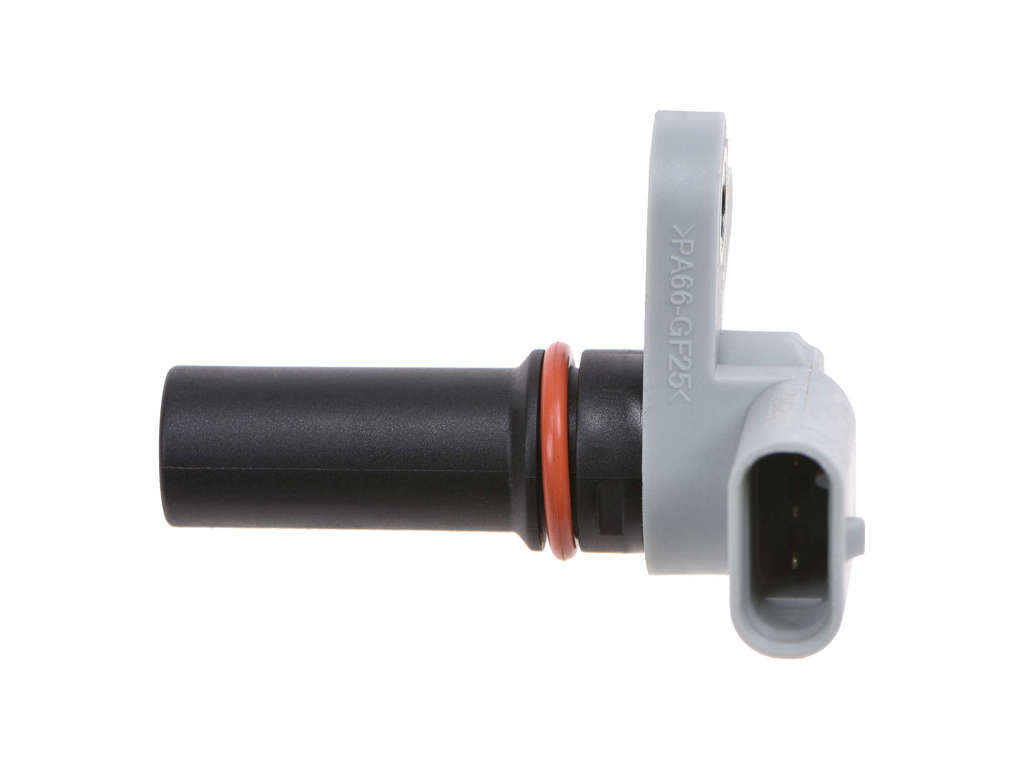
- Do not immediately assume you need a new camshaft position sensor; it is rarely the cause of this specific code.
What's Unique About the 2015-2021 Ford EDGE
For the second-generation Ford Edge with the 2.7L or 3.5L V6 engines, the P0022 code is a well-documented issue. Ford has released multiple Technical Service Bulletins (TSBs) like SSM 50067 and SSM 47170, highlighting that this and related timing codes are often caused by small debris in the engine oil, which causes the Variable Camshaft Timing (VCT) solenoids to stick. This platform's variable camshaft timing system is highly dependent on clean oil and proper oil pressure to function correctly. The TSBs even recommend using a scan tool to cycle the affected solenoid 10 times to attempt to clear debris before replacing the part, underscoring the sensitivity to oil contamination.
Diagnostic Flowchart
Tap your situation to follow the diagnostic path that matches what you're seeing on this vehicle.
Symptoms You May Notice
- Check Engine Light is on
- Rough engine idle, sometimes dropping to 400-500 RPM at stops
- Engine stalling, especially at low speeds or when stopping
- Poor acceleration or hesitation
- Decreased fuel economy
- Rattling, ticking, or knocking noises from the engine, especially on startup
- Replacing the camshaft position sensor. The code indicates a timing *correlation* problem, not a faulty sensor signal. The PCM is receiving a valid signal from the sensor, but the timing value is not what it expects. A forum user noted that the cam position sensors were working correctly if a P0022 code was present. Unless a specific sensor fault code (e.g., P0345, P0349) is also present, the sensor is likely not the issue.
Most Likely Causes
- Low or Dirty Engine Oil 🔴 High Probability The VCT system uses oil pressure to adjust timing. Ford TSBs SSM 50067 and SSM 47170 directly state that debris in the oil can cause the VCT solenoid to stick, triggering this code. Neglecting oil changes leads to sludge and varnish that can clog the fine mesh screens on the VCT solenoids.
How to confirm: Check the engine oil dipstick for low level and inspect the oil's color and consistency. If it is dark, thick, or past its service interval, it should be changed.
Typical fix: Perform an engine oil and filter change using the manufacturer-specified full synthetic oil (e.g., SAE 5W-30 for the 2.7L EcoBoost, 5W-20 for the 3.5L) and a quality filter like Motorcraft.
Est. part cost: $40-$80 - Sticking or Failed VCT Solenoid (Bank 2 Intake) 🔴 High Probability As noted in Ford TSBs, these solenoids are susceptible to clogging from oil debris. They are a very frequent failure point for this code. A forum user with a Mustang noted their VCT screen was clogged, causing the issue.
How to confirm: A common diagnostic technique is to swap the Bank 2 intake solenoid with the Bank 1 intake solenoid. Clear the codes and drive the vehicle. If the code changes to P0012 (Bank 1 Over-Retarded), the solenoid is confirmed to be faulty. A mechanic can also command the solenoid on and off with a scan tool to test its response. Resistance can also be tested and should typically be between 5-15 ohms.
Typical fix: Replace the Bank 2 intake VCT solenoid. On the 3.5L V6, this requires removing the valve cover. On the 2.7L EcoBoost, it is often accessible without removing the valve cover. 🎬 See this walkthrough for changing VVT solenoids on the 2.7L EcoBoost.
Est. part cost: $30-$80 - Worn Camshaft Phaser (Bank 2 Intake) 🟡 Medium Probability The phasers are mechanical gears that can wear out over time, especially if oil changes have been neglected. The 2.7L and 3.5L EcoBoost engines, in particular, are known for phaser issues at higher mileage, often causing a distinct rattle on cold starts.
How to confirm: This is a more advanced diagnosis. It often involves listening for distinct rattling or knocking sounds from the front of the engine (timing cover area) on cold startup. Confirmation requires removing the valve cover for inspection or in-depth scan tool data analysis showing the cam angle error.
Typical fix: This is a significant repair that involves replacing the camshaft phaser, which often includes replacing the timing chain, tensioners, and guides at the same time.
Est. part cost: $200-$500 for a phaser kit
Rare But Worth Checking
- Stretched Timing Chain: While less common than a single failed phaser or solenoid, a stretched chain can throw off the correlation between the crank and both camshafts, triggering timing codes. This is more likely at higher mileage (100k+ miles).
- Wiring Harness Damage: Damage to the wires leading to the VCT solenoid can cause an open or short, preventing it from operating correctly. Visually inspect the harness for any signs of fraying, corrosion, or breaks, especially at the connector.
- Low Oil Pressure: A failing oil pump or clogged oil passages can starve the VCT system of the pressure it needs to operate, leading to timing codes. This is a more serious mechanical issue that often points to widespread engine sludge or a failing pump.
Diagnosis Steps
- Check the engine oil level and condition. If low or dirty, perform an oil and filter change with the correct viscosity oil, clear the code, and see if it returns. This is the cheapest and most common fix.
- Use an OBD-II scanner to check for any other stored trouble codes. Address any sensor-specific or circuit codes first.
- Inspect the wiring and connector at the Bank 2 intake VCT solenoid for any damage, corrosion, or loose connections. The Bank 2 solenoid is on the valve cover closer to the radiator. 🎬 Watch: How to locate and replace VVT solenoids on the Ford Edge.
- The most effective DIY step: Swap the Bank 2 intake VCT solenoid with the Bank 1 intake solenoid. They are typically identical parts. Clear the codes and drive the vehicle.
- If the code returns as P0012 (the equivalent code for Bank 1), the solenoid you moved is faulty and must be replaced.
- If the P0022 code returns after the swap, the problem is not the solenoid. The next step is to use a scan tool to monitor VCT advance and retard commands vs. actual positions to see if the phaser is responding.
- If the solenoid is confirmed good but the code persists, listen for a rattling noise from the engine on cold starts. This noise is a strong indicator of a failing camshaft phaser or stretched timing chain.
- If oil pressure is good and there are no phaser rattles, but the code remains, the issue could be clogged oil passages within the cylinder head, which is a more complex diagnosis requiring professional help.
Parts You'll Likely Need
- Engine Variable Valve Timing (VVT) Solenoid
(OEM #7T4Z-6M280-C (for 3.5L, check fitment), BL3Z-6M280-B (common for 2.7L/3.5L EcoBoost, check fitment))— This is the most common point of failure for the P0022 code, often getting stuck due to oil contamination, as cited in Ford's own service bulletins.
Trusted brands: Motorcraft, Dorman, SKP, Walker
OEM price range: $50-$90
Aftermarket price range: $30-$60 - Camshaft Phaser — If the solenoid and oil are good, the mechanical phaser is the next likely culprit. It can fail internally, getting stuck in the retarded position, often causing a startup rattle.
Trusted brands: Motorcraft, Cloyes
OEM price range: $150-$250
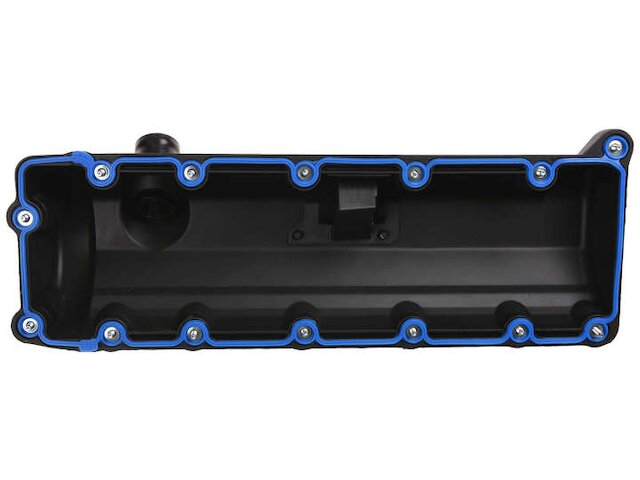
Aftermarket price range: $80-$150 - Valve Cover Gasket — On the 3.5L V6 engine, the VCT solenoids are located under the valve covers. The gasket must be replaced when the cover is removed to access the solenoids.
Trusted brands: Motorcraft, Fel-Pro
OEM price range: $30-$50
Aftermarket price range: $20-$40
Related Codes That Often Appear With This One
- P0012 — Intake Camshaft Position Timing - Over-Retarded (Bank 1). Seeing both codes could indicate a systemic issue like low oil pressure, very dirty oil, or a stretched timing chain affecting both banks.
- P0021 — Intake Camshaft Position Timing - Over-Advanced (Bank 2). This code relates to the same components but indicates the opposite timing error. Seeing both P0021 and P0022 intermittently could point to an erratically sticking VCT solenoid or a failing phaser that is moving erratically.
- P0300, P0301-P0306 — Random or specific cylinder misfire codes. If the cam timing is sufficiently off, it can disrupt the combustion process and cause misfires on the affected bank (cylinders 4, 5, 6 for Bank 2).
- P0430 — Catalyst System Efficiency Below Threshold (Bank 2). Incorrect cam timing can lead to unburnt fuel entering the exhaust, which can degrade the catalytic converter over time. A user on a Ford Edge forum reported a P0420 (Bank 1 equivalent) alongside their timing codes.
Technical Service Bulletins (TSBs) & Recalls
- SSM 54366: General TSB listing P0022 as a potential VCT-related code and pointing to standard diagnostic procedures in the workshop manual.
- SSM 50067: Notes that P0022 on 2015-2021 Ford/Lincoln vehicles may be due to small debris causing the VCT solenoid to stick. Recommends using a scan tool to cycle the solenoid to attempt to clear it before replacement.
- SSM 47170: An earlier bulletin with the same guidance as SSM 50067, indicating a persistent issue across many model years.
Platform-Specific Known Issues
- Technical Service Bulletin SSM 50067 states that on some Ford vehicles, DTCs like P0022 may be caused by small debris making the VCT solenoid stick. It advises against immediate component replacement, instead suggesting a scan tool be used to cycle the solenoid 10 times to attempt to clear the debris.
Mechanic-Grade Diagnostic Values
- VCT Solenoid Internal Resistance — expected: 5 to 15 Ohms. Failure: A reading outside this range (e.g., open circuit or short) indicates a failed solenoid coil.
- VCT Solenoid Voltage (Key On, Engine Off) — expected: Approximately 12V (Battery Voltage). Failure: No voltage at the connector could indicate a wiring issue, such as an open in the VPWR circuit or a bad connection.
- Engine Oil Pressure at Idle (Hot) — expected: Minimum 15 PSI. Failure: Pressure below 15 PSI at idle can cause the camshafts to oscillate and trigger timing codes.
- Scan Tool PID: VCT_ADV_ERR (VCT Advance Error) — expected: Should hover around 0° (±5° is allowable for short periods). Failure: A consistent, large error value indicates the phaser is not reaching its commanded position, pointing to a stuck solenoid, bad phaser, or oil flow issue.
Scan Tool Commands That Help
- Ford IDS (Integrated Diagnostic System) or FORScan: Output State Control for VCT Solenoid (VVT_COMMAND) — This bidirectional command allows a technician to manually cycle the VCT solenoid on and off to check its mechanical response. Per Ford TSBs, cycling it 10 times can sometimes dislodge debris and temporarily fix a sticking issue, which confirms the solenoid is the problem before replacement.
- Ford IDS (Integrated Diagnostic System) or FORScan: Datalogger with PIDs: VCT_ADV, VCT_ADVDSD, and VCT_ERR — Used to monitor and graph the desired camshaft angle (VCT_ADVDSD) vs. the actual angle (VCT_ADV) and the resulting error (VCT_ERR). This is crucial for determining if the failure is with the solenoid (not responding) or the phaser (responding slowly or erratically).
Wiring & Ground Locations
- Bank 2 VCT Solenoid Connector — On the 3.5L V6, the connector is on the front-facing (radiator side) valve cover, but the solenoid itself is under the cover. On the 2.7L EcoBoost, the solenoid and its connector are typically accessible on the top/front of the engine without removing the valve cover.. This is the primary electrical connection for the most likely failed component. Checking for 12V power and a good ground at this connector is a key diagnostic step. The connector is a Motorcraft WPT-1251.
- Engine Block Ground — A primary ground connection bolts from the battery negative cable to the side of the engine block. Access may require removing the battery.. A poor engine ground can cause a host of electrical issues and erratic sensor readings. While not a direct cause of P0022, ensuring all engine grounds are clean and tight is a foundational step in any electrical diagnosis.
Real Owner Repair Stories
- S197Forum.com user (Ford Mustang (with similar VCT system)) — Sudden rough running, no power, P0022 code, loud ticking from passenger side.
❌ Tried (didn't work) Initial diagnosis pointed towards checking phasers and timing chains.
✅ What actually fixed it Another user with the same symptoms reported that the only issue was a clogged screen on the VCT solenoid. Cleaning it resolved the problem. - Reddit r/MechanicAdvice user (2008 Ford Fusion V6 (140k miles, similar 3.5L VCT system)) — P0022 code, high-pitched noise on startup.
❌ Tried (didn't work) An oil change was performed, but the code returned the same day.
✅ What actually fixed it The thread lists a comprehensive set of possible causes provided by a technician, including a stuck VCT solenoid, oil flow restriction, or a binding phaser, indicating the next diagnostic steps beyond an oil change.
OEM Part Supersession History
7T4Z-6M280-A, 7T4Z-6M280-AA, 7T4Z-6M280-B→7T4Z-6M280-C— Part revision and improvement by the manufacturer.
Heads up: Part 7T4Z-6M280-C is the current replacement for the earlier versions and applies to the 3.5L and 3.7L engines.3L3Z-6M280-EA, 8L3Z-6M280-A→8L3Z-6M280-B— Part revision for V8 engines but this part number is often confused or cross-referenced incorrectly for V6 applications. BL3Z-6M280-B is more common for modern V6 EcoBoost engines.
Heads up: While BL3Z-6M280-B is listed for some 3.5L engines, it's critical to verify the correct part number by VIN as multiple designs exist. Using the wrong solenoid can result in incorrect operation even if it fits physically.
Helpful Videos
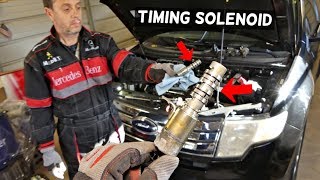

Used OEM Parts in Stock


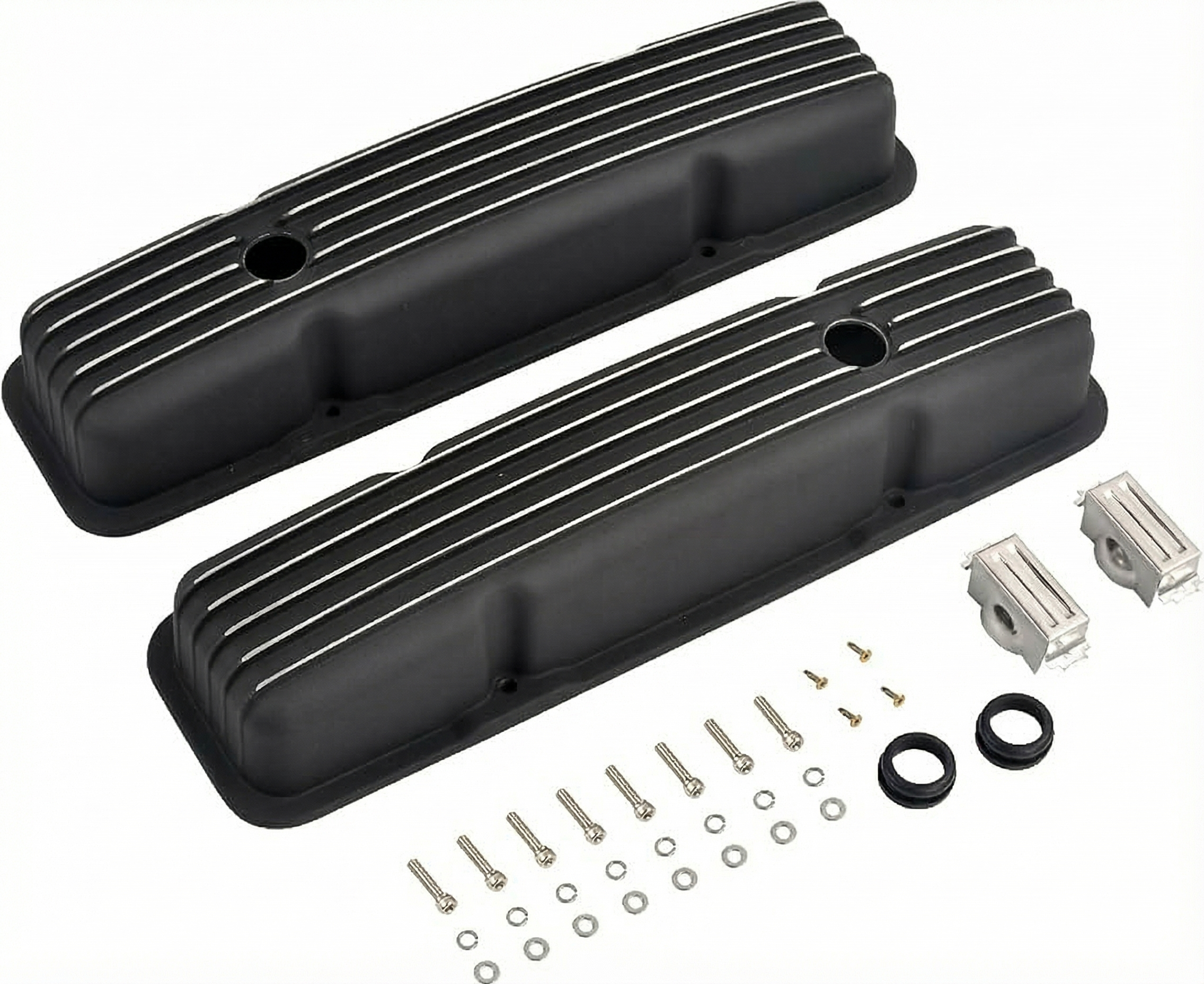
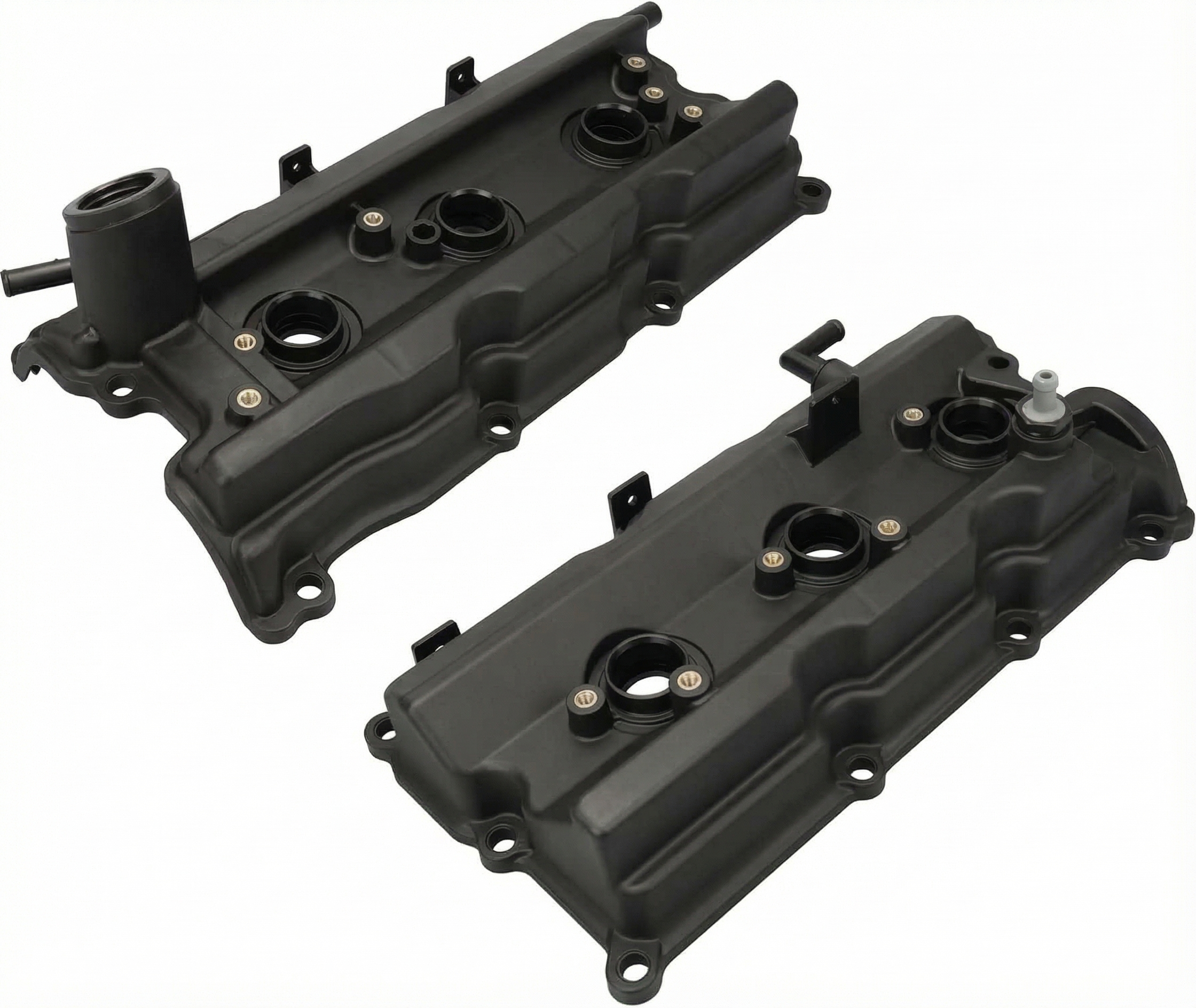
New Aftermarket Parts Available


The information in this article is provided for general reference and educational purposes only. Vehicle specifications, procedures, and part compatibility can vary by production date, trim level, and region. Always consult your vehicle's factory service manual and verify part numbers before purchasing or performing repairs. Safety-critical components such as airbags, seat belts, and braking systems should be installed by a qualified professional.
- Ford EDGE:
- 🎬 Helpful Videos
- 🛍️ Shop This Part
- What's Unique About the 2015-2021 Ford EDGE
- Diagnostic Flowchart
- Symptoms You May Notice
- Most Likely Causes
- Rare But Worth Checking
- Diagnosis Steps
- Parts You'll Likely Need
- Related Codes That Often Appear With This One
- Technical Service Bulletins (TSBs) & Recalls
- Platform-Specific Known Issues
- Mechanic-Grade Diagnostic Values
- Scan Tool Commands That Help
- Wiring & Ground Locations
- Real Owner Repair Stories
- OEM Part Supersession History
- 🎟️ Get 5% Off