

P0019 on 2014-2018 Subaru Forester 2.5L: Crank/Cam Correlation Causes and Fixes
On a 2014-2018 Forester, P0019 is most often caused by low or dirty engine oil. Always check your oil level and condition first. If the oil is fine, the next most likely cause is a faulty Oil Control Valve (OCV) for the driver's side exhaust camshaft, which costs about $100-$150. In some cases, an ECM software update may be required.
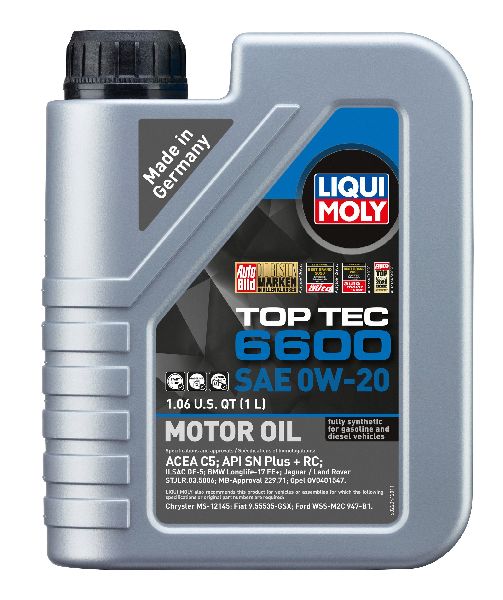
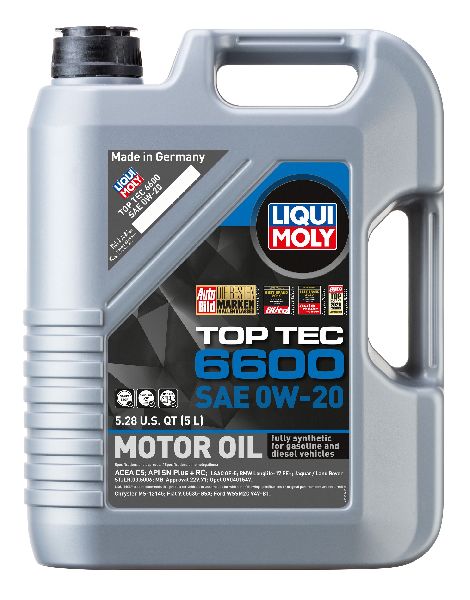
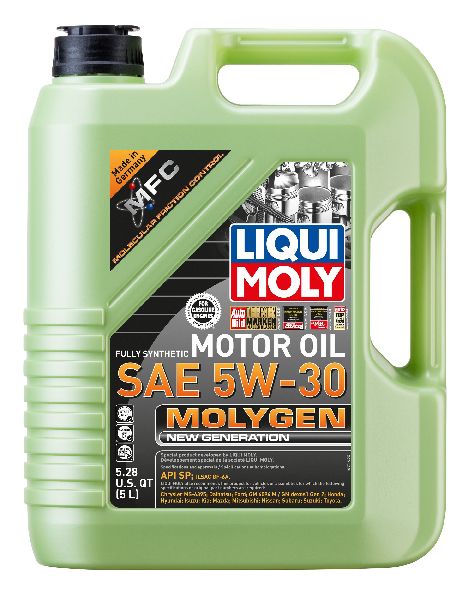
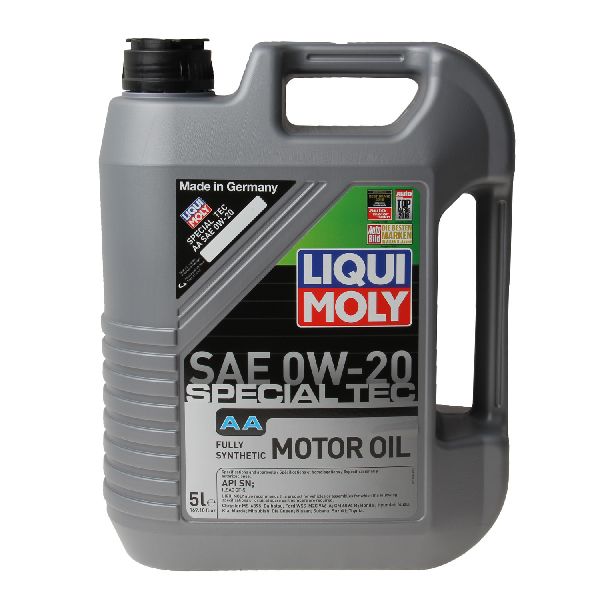
- First, check your engine oil. A simple oil and filter change using 0W-20 synthetic oil is the most common and cheapest fix for P0019 on this Forester.
- Do not immediately replace the camshaft or crankshaft sensors. They are rarely the cause of this correlation code.
- If the oil is clean and full, the next part to inspect and likely replace is the driver's side (Bank 2) exhaust Oil Control Valve (OCV).
- This is a very DIY-friendly diagnosis and repair for the most common causes (oil change, OCV replacement).
What's Unique About the 2014-2018 Subaru Forester
The FB25 engine in this generation Forester is highly dependent on clean, full oil for the AVCS (variable valve timing) to work correctly. Unlike some vehicles where this code might immediately suggest a major timing chain issue, on this platform, the problem is very frequently related to oil maintenance due to known oil consumption issues. Subaru has also issued a comprehensive Technical Service Bulletin (TSB 02-163-16R) that provides a specific diagnostic procedure for this and related codes, emphasizing the importance of checking oil and the function of the Oil Control Valves (OCVs) before condemning more expensive parts. A key issue for this platform is that the ECM can learn and retain fault data, meaning that even after a mechanical fix like replacing an OCV, the code may persist until a specific memory clear or relearn procedure is performed with an advanced scan tool.
Symptoms You May Notice
- Check Engine Light is on
- Engine may hesitate or stumble on acceleration
- Rough or erratic idle
- Decreased fuel economy
- Disabled cruise control or other driver aids
- Rattling noise from the engine on startup
- Replacing the camshaft or crankshaft position sensor. The code P0019 indicates a *correlation* problem between the two sensors, not necessarily that one of them has failed. The sensors are usually reporting the timing mismatch correctly. Swapping sensors is a valid diagnostic step, but they are rarely the cause.
Most Likely Causes
- Low or Dirty Engine Oil 🔴 High Probability The AVCS system uses oil pressure to adjust camshaft timing. The FB25 engine is known for consuming oil, and a warranty extension was issued to address this for some model years. Low oil pressure starves the AVCS system, making this the most common cause of VVT-related codes.
How to confirm: Check the oil level on the dipstick and inspect its condition. If the level is low or the oil appears very dark, sludgy, or past its change interval, this is the likely cause. Many owners report having to add oil between changes.
Typical fix: Perform an oil and filter change using the correct 0W-20 synthetic oil. Clear the code and drive to see if it returns. This simple step resolves the issue in many cases.
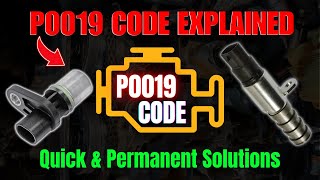
Est. part cost: $40-$80 - Faulty Bank 2 Exhaust Oil Control Valve (OCV) 🟡 Medium Probability The OCV (also called a VVT solenoid) can become clogged with sludge from dirty oil or fail electrically over time, preventing it from properly directing oil pressure to the cam phaser. It's a common failure point after oil level has been ruled out.
How to confirm: After confirming the oil is clean and full, you can test the OCV's resistance with a multimeter (typically 6.9-7.9 ohms at 68°F/20°C). A more practical test, recommended by many owners and technicians, is to swap the suspect OCV with the identical one from the intake side on the same bank. If the code changes from P0019 (exhaust) to P0018 (intake), the OCV is confirmed to be faulty. An advanced scan tool can also perform an actuation test; a functional OCV will cause the engine to stumble or stall when commanded.
Typical fix: Replace the Bank 2 (driver's side) exhaust Oil Control Valve. The part is located on the lower rear of the driver's side cylinder head.
Est. part cost: $90-$150 - Outdated Engine Control Module (ECM) Software ⚪ Low Probability Subaru has issued TSBs for other models with similar engines due to overly sensitive diagnostic logic that can falsely trigger correlation codes. While less common for this specific model and code compared to newer Subarus, it's a known possibility in the engine family that a dealer may need to address.
How to confirm: A Subaru dealer or a shop with a Subaru Select Monitor can check the current software version against available updates for your VIN.
Typical fix: Reprogram the ECM with the latest software update at a dealership. This usually costs one hour of labor.
Est. part cost: $0-$200
Rare But Worth Checking
- Stretched Timing Chain: While the FB25 uses a timing chain designed to last the life of the engine, severe neglect (like running with low/dirty oil for long periods) can cause premature wear and stretch, leading to timing correlation codes. Symptoms often include a rattling noise from the front of the engine. This is a much more involved and expensive repair.
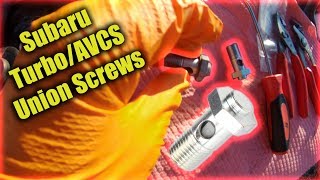
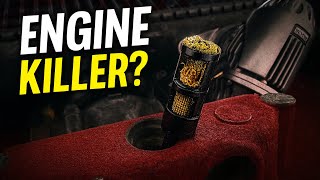
- Clogged OCV Filter Screen: There are small filter screens in the banjo bolts of the oil passages leading to the OCVs. Debris or sludge from infrequent oil changes can clog these screens, starving the OCV of oil pressure even if the valve itself is good. Many technicians recommend removing these filters entirely as a preventative measure, following Subaru's advice for earlier EJ engines.
- Failing AVCS Cam Sprocket (Phaser): The mechanical gear on the end of the camshaft that actually adjusts the timing can fail. This is uncommon and usually happens after all other causes have been ruled out. TSB 02-163-16R notes that if mechanical timing is correct and OCVs are good, the sprocket itself may be the issue.
Diagnosis Steps
- Check the engine oil level and condition. Top off or perform an oil and filter change with 0W-20 synthetic oil if needed. This is the most critical first step for any Subaru with AVCS codes.
- Scan for any other diagnostic trouble codes to see if other issues are present.
- Clear the code and perform a drive cycle to see if it returns. If it does not, the issue was likely transient or related to old oil.
- If the code returns, inspect the wiring and connector for the Bank 2 (driver's side) exhaust Oil Control Valve (OCV) for any damage or corrosion.
- Test the OCV. The most definitive DIY test is to swap the Bank 2 exhaust OCV (lower) with the Bank 2 intake OCV (upper). They are identical parts. Clear codes and drive. If the code changes to P0018, you have a bad OCV.
- If the OCV is suspect, replace it. The OEM part number is 10921AA23B. Consider inspecting and cleaning or removing the small banjo bolt filter screen in the oil passage before installing the new part.
- If the OCV swap does not move the code, the issue is not the valve. At this point, you could consider swapping the cam position sensors to definitively rule them out, though they are an unlikely cause.
- If the OCV and oil are good, contact a Subaru dealer with your VIN to see if any ECM software updates related to TSB 02-163-16R are applicable to your vehicle.
- If all else fails, a more advanced diagnosis is needed to check for a stretched timing chain or issues with the AVCS cam phaser, which may require a professional mechanic with a Subaru-specific scan tool.
Parts You'll Likely Need
- Engine Oil and Filter — Low or dirty oil is the number one cause of this code on the FB25 engine, which is known for oil consumption. An oil change is the first and most important step in diagnosis and repair.
Trusted brands: Subaru Genuine, Idemitsu, Mobil 1
OEM price range: $50-$70
Aftermarket price range: $40-$60 - Oil Control Valve (Bank 2 Exhaust)
(OEM #10921AA23B)— This solenoid is the second most common failure point. It controls oil flow to the cam phaser and can get stuck or fail electrically. The intake and exhaust OCVs are identical and can be swapped for diagnosis.
Trusted brands: Subaru (Genuine), Denso
OEM price range: $100-$150
Aftermarket price range: $70-$120
Related Codes That Often Appear With This One
- P0018 — This is the correlation code for the intake camshaft on the same bank (Bank 2). If P0018 and P0019 appear together, it strongly suggests a problem affecting the entire driver's side of the engine, like a clogged oil gallery or a timing chain issue on that bank.
- P0016 / P0017 — These are the equivalent correlation codes for Bank 1 (passenger side). Seeing codes for opposite banks (e.g., P0019 and P0017) can indicate a widespread problem like severe oil contamination, low oil pressure, or a stretched timing chain affecting the entire engine.
Technical Service Bulletins (TSBs) & Recalls
- TSB 02-163-16R: Provides revised inspection and repair procedures for a wide range of AVCS-related DTCs, including P0019, for 2011+ Forester 2.5L models. It outlines a clear diagnostic path starting with oil checks, checking mechanical timing, and testing OCVs before replacing major components like cam sprockets.
- TSB Bulletin #09-120-24: Announces the availability of new reprogramming files for the Engine Control Module (ECM) specifically developed to remedy DTCs P0016, P0017, P0018, and P0019.
- TSB Bulletin #09-120-24R: A manufacturer service bulletin that notes enhanced files are available for addressing crankshaft and camshaft position correlation faults, specifically identifying P0019 as Bank 2 Sensor B.
Platform-Specific Known Issues
- source — A 2018 Crosstrek owner with P0019 on Reddit first replaced the suspect VVT solenoid (OCV) with no luck. They then swapped cam sensors, which also didn't fix it. The final solution was replacing the OCVs *and* performing a 'test mode clear' with a Thinkdiag2 scan tool, which resolved the code. This highlights that sometimes a persistent memory in the ECU needs to be cleared with an advanced tool after the hardware is fixed.
- source — In a Reddit thread discussing P0019, a user confirms their oil was changed recently but the code appeared. A technician-commenter advises that if an oil change doesn't fix it, the best diagnostic is to swap the oil control solenoids from side to side to see if the code follows to the other bank. This confirms the solenoid is the fault before spending money on a new part.
Mechanic-Grade Diagnostic Values
- Oil Control Valve (OCV) / VVT Solenoid Resistance — expected: 6.9 to 7.9 Ohms at 68°F (20°C). Failure: A reading outside this range (e.g., open circuit/infinite resistance or a dead short) indicates a failed solenoid coil.
- Scan Tool Live Data: VVT Advance Angle Amount — expected: 0 degrees at idle (with OCVs disconnected). Failure: If the value is more than ±10 degrees from the 0-degree reference, it indicates the base mechanical timing (timing chain) is off.
- Engine Oil Pressure — expected: Greater than 10 PSI at warm idle; Greater than 30 PSI at 3000 RPM (warm engine). Failure: Pressure below these specifications indicates a systemic oiling problem (e.g., bad oil pump, clogged pickup tube) that must be fixed before addressing AVCS components.
Scan Tool Commands That Help
- Subaru Select Monitor (SSM) or equivalent (Thinkdiag2, Autel): Active Test: Bank 2 Exhaust OCV Activation — Use this command with the engine at a warm idle to manually cycle the OCV. A functional solenoid with clear oil passages will cause the engine to stumble or stall. If there is no change in engine operation, it confirms a fault in the OCV, its wiring, or a blocked oil passage.
- Subaru Select Monitor (SSM) or equivalent: Clear Memory / VVT Memory Clear / Test Mode Clear — This is critical after replacing an OCV or other timing component. The ECM can 'learn' and retain the fault state, causing the code to persist even after the hardware is fixed. A simple code clear is often not enough; this function forces the ECM to reset its learned AVCS values.
- Subaru Select Monitor (SSM) or equivalent: Read AVCS Diagnostic Value (Mode $06) — After a repair and a drive cycle, this function confirms if the AVCS diagnostic monitor has run successfully. A value of 1000 or greater indicates the system has passed its self-test. A value of 0 means the diagnostic has not yet completed.
Wiring & Ground Locations
- Bank 2 Exhaust OCV Connector — On the front of the driver's side (Bank 2) cylinder head. It is the lower of the two OCV connectors on that side.. This is the direct electrical connection for the solenoid that controls the exhaust cam timing. A poor connection, corrosion, or oil contamination in this plug will prevent the OCV from functioning correctly, directly causing a P0019.
- Bank 2 Exhaust Camshaft Position Sensor Connector — On the driver's side (Bank 2) cylinder head, often designated E36 in wiring diagrams.. This sensor provides the feedback signal to the ECM about the camshaft's actual position. A bad connection here means the ECM gets incorrect data, leading to a correlation fault even if the mechanical timing is perfect.
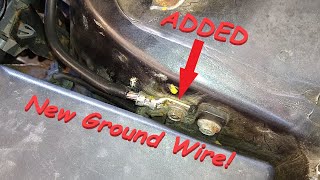
- Main Engine Ground Strap — Typically runs from the negative battery terminal to a bolt on the engine block, often near the starter motor or on the intake manifold.. A weak or corroded main engine ground can cause electrical noise and voltage drops, affecting the accuracy of both the crankshaft and camshaft position sensors. This can lead to false correlation codes when no mechanical fault exists.
OEM Part Supersession History
10921AA23A→10921AA23B— This is a common supersession for the OCV. While the exact reason for the update is not officially published, it often relates to improved internal components or sealing to prevent failures like internal oil leaks.
Model Year Variations Within This Range
- 2017-2018: The 2017 model year marked a mid-cycle refresh for the Forester. While the FB25 engine remained, the vehicle received aesthetic updates, redesigned headlights/taillights, and better sound insulation. These changes do not affect the diagnosis or repair of code P0019.
- 2014-2016 (approx.): Earlier models in this generation were more commonly associated with the oil consumption issue that led to a warranty extension (TSB 02-157-14R). While any FB25 can consume oil, owners of earlier years should be particularly vigilant about checking oil levels, as low oil is a primary trigger for P0019.
Diagnostic Flowchart
Other Known Issues on This Vehicle
Issues unrelated to this code that are worth knowing about as an owner of this generation:
- Excessive Oil Consumption 🔴 High — Very common on 2011-2015 models with the FB25 engine. Many owners report needing to add 1 quart of oil every 1,000-2,000 miles. Less frequent on later models but still present. (Ref: A class-action lawsuit led to an extended warranty (8 years/100,000 miles) and replacement of the short block for vehicles that failed an oil consumption test.)
- CVT Transmission Problems 🟠 Medium — Common across many Subaru models of this era. Symptoms include shuddering, hesitation, and sometimes outright failure. More prevalent in early-generation CVTs. (Ref: Subaru extended the CVT warranty to 10 years/100,000 miles for many vehicles due to reliability concerns. TSB 16-111-18R addresses reprogramming for a specific fluid pressure DTC.)
- Failing Catalytic Converter 🟡 Low — Can fail prematurely, often indicated by a P0420 code. This can be a secondary effect of the excessive oil consumption issue, as burning oil contaminates the catalyst.
- Seized Lower Ball Joint Pinch Bolts 🟡 Low — Extremely common in regions that use road salt. The pinch bolt that secures the ball joint to the steering knuckle rusts in place, making ball joint replacement very difficult and often requiring the bolt to be drilled out.
Used vs. New Parts: Buying Guide for This Vehicle
When a used part is the smart pick: For this repair, using a used part is generally not recommended for the electronic components. However, if a major mechanical failure like a damaged cylinder head or timing cover is diagnosed, a low-mileage used assembly from a reputable salvage yard can be a cost-effective alternative to new OEM parts.
Donor-vehicle mileage cap: roughly under 75000 miles for the part to have meaningful remaining life.
What to inspect on the donor part:
- Check for evidence of heavy oil sludge or varnish around the oil cap or visible internal components.
- Ask for the VIN of the donor vehicle to check its service history if possible.
- Avoid parts from vehicles that show signs of a major front-end collision, which could have damaged engine accessories.
OEM-only on this vehicle (don't cheap out):
- Oil Control Valve (OCV) / VVT Solenoid: While some aftermarket brands like Denso (who is often the OEM supplier) are reliable, cheap, unbranded solenoids have a high failure rate. Given the labor to access them and the potential for persistent codes, sticking with a Genuine Subaru part (10921AA23B) is the safest bet.
- Camshaft/Crankshaft Position Sensors: These sensors are critical for engine operation. Aftermarket sensors have a documented history of causing driveability issues or failing prematurely. Use Genuine Subaru or the original OEM supplier (e.g., Denso) only.
Aftermarket brands forum-validated for this vehicle:
- Denso (Often the OEM supplier for solenoids and sensors)
Brands owners have reported issues with on this vehicle:
- Unbranded, 'white-box' electronic parts from online marketplaces.
Real Owner Stories
Aggregated from forums and TSBs cited above. Mileages and costs reflect what owners reported in those sources.
2018 Subaru Crosstrek 2.0L
Symptoms: P0019 code persisted even after replacing the VVT solenoid (OCV) and swapping cam sensors.
What fixed it: Replacing the OCVs and performing a 'test mode clear' with a Thinkdiag2 scan tool to clear persistent memory in the ECU.
Source hint: r/AskMechanics - 2018 Crosstrek P0019: https://www.reddit.com/r/AskMechanics/comments/1b3b3cs/2018_subaru_crosstrek_p0019/
2014-2018 Subaru Forester 2.5L
Symptoms: The P0019 code appeared shortly after a recent oil change.
What fixed it: Swapping the oil control solenoids from side to side to confirm the fault followed the part before replacement.
Source hint: Reddit r/subaru thread discussing P0019 diagnosis
Related OBD-II Codes
Frequently Asked Questions
Is there a specific TSB for the P0019 code on my 2011-2018 Forester 2.5L?
My Forester consumes a lot of oil; could this be causing my P0019 code?
Is there a warranty extension that covers the oil consumption issues related to this code?
What is the recommended oil for my 2014-2018 Forester to prevent AVCS issues?
Can I test the Oil Control Valve myself before buying a new one?
What is the specific part number for the OCV if I need to replace it?
Helpful Videos

We Have This Part in Stock


The information in this article is provided for general reference and educational purposes only. Vehicle specifications, procedures, and part compatibility can vary by production date, trim level, and region. Always consult your vehicle's factory service manual and verify part numbers before purchasing or performing repairs. Safety-critical components such as airbags, seat belts, and braking systems should be installed by a qualified professional.
- Subaru Forester:
- 🎬 Helpful Videos
- 🛍️ Shop This Part
- What's Unique About the 2014-2018 Subaru Forester
- Symptoms You May Notice
- Most Likely Causes
- Rare But Worth Checking
- Diagnosis Steps
- Parts You'll Likely Need
- Related Codes That Often Appear With This One
- Technical Service Bulletins (TSBs) & Recalls
- Platform-Specific Known Issues
- Mechanic-Grade Diagnostic Values
- Scan Tool Commands That Help
- Wiring & Ground Locations
- OEM Part Supersession History
- Model Year Variations Within This Range
- Diagnostic Flowchart
- Other Known Issues on This Vehicle
- Used vs. New Parts: Buying Guide for This Vehicle
- Real Owner Stories
- 2018 Subaru Crosstrek 2.0L
- 2014-2018 Subaru Forester 2.5L
- Related OBD-II Codes
- Frequently Asked Questions
- 🎟️ Get 5% Off