

P0018 on 2023-2024 Subaru Impreza: Camshaft Correlation Causes and Fixes
On a 2023-2024 Impreza, P0018 is most often caused by outdated engine software or low/dirty engine oil. Before replacing parts, ask a dealer about TSB 09-111-24 for a potential software update. If not applicable, an oil change with 0W-20 synthetic oil is the next step. If the code persists, a faulty driver's side intake Oil Control Valve (OCV), part number 10921AA23B, is the next most likely cause, costing ~$120.
- Before any other action, contact a Subaru dealer about TSB 09-111-24 for a potential software fix on your 2023 Impreza.
- The #1 DIY step is to check your oil. If it's low or dirty, an oil change with 0W-20 synthetic oil and a good filter may fix the problem.
- The problem is on the driver's side of the engine ('Bank 2').
- Do NOT replace the camshaft or crankshaft sensors first. The most likely failed part is the Oil Control Valve (OCV), which is relatively inexpensive and easy to replace.
- Multiple warning lights on the dashboard are normal for a Subaru with a Check Engine Light and do not necessarily indicate separate problems.
What's Unique About the 2023-2024 Subaru Impreza
For the 2023-2024 Impreza, this code is very frequently triggered by overly sensitive diagnostic logic in the engine's computer, not an actual mechanical failure. Subaru has issued a Technical Service Bulletin (TSB 09-111-24) specifically for the 2023 model to address this with a software update. Because the AVCS system is operated by oil pressure, these FB-series engines are also highly sensitive to oil level and condition, making an oil change the first and most critical diagnostic step.
Generation note: The 2023-2024 year range covers two Impreza generations. The 2023 model is the final year of the 5th generation. The 2024 model is the first year of the 6th generation. Both generations use a 2.0L engine where this code is common. The 2024 RS trim introduces a 2.5L engine, but the causes and diagnostic principles for this code remain the same.
Symptoms You May Notice
- Check Engine Light is on
- Cruise control, traction control, and other warning lights may illuminate on the dash (a common Subaru trait when a CEL is present)
- Reduced engine power or hesitation ('limp mode')
- Rough idle
- Stalling
- Decreased fuel economy
- Rattling or ticking noise from the engine on startup or at idle (if timing chain or OCV is the cause)
- Replacing the camshaft position sensor. The code indicates a 'correlation' problem, which is more often caused by the mechanical/hydraulic system (OCV, oil pressure) than the sensor itself. Always swap the OCV first.
- Replacing the crankshaft position sensor. This sensor is rarely the cause of a single-bank correlation code. A failure here would likely affect both banks and trigger P0016 as well.
- Assuming a stretched timing chain immediately. This is an expensive repair and should only be considered after thoroughly ruling out software, oil issues, and a faulty OCV.
Most Likely Causes
- Outdated Engine Control Module (ECM) Software 🔴 High Probability Subaru has released TSB 09-111-24 specifically for the 2023 Impreza and Crosstrek to correct overly sensitive diagnostic logic that can falsely trigger P0018 and related codes.
How to confirm: Contact a Subaru dealership and provide your VIN. Ask if TSB 09-111-24 is open and applicable to your vehicle. This is the most important first step.
Typical fix: A Subaru dealer will reprogram the ECM with the updated software, which should be covered under the federal emissions warranty (8 years/80,000 miles).
Est. part cost: $0 - Low or Dirty Engine Oil 🔴 High Probability The AVCS (VVT) system uses oil pressure to adjust cam timing. Low, dirty, or incorrect viscosity oil can prevent the system from operating correctly, triggering a correlation fault. Forum users frequently report an oil change alone fixes the issue.
How to confirm: Check the oil level on the dipstick. Inspect the oil's color and consistency. If it is dark, gritty, or below the 'low' mark, this is a likely cause.
Typical fix: Perform an oil and filter change using the manufacturer-specified full synthetic 0W-20 oil and an OEM-quality filter (e.g., Subaru blue filter).
Est. part cost: $40-$80 - Faulty Oil Control Valve (OCV) / VVT Solenoid 🟡 Medium Probability The OCV for the Bank 2 intake cam is a common failure point. It can become clogged with sludge from infrequent oil changes or fail electrically. For P0018, this is the top solenoid on the driver's side of the engine.
How to confirm: A common DIY diagnostic is to swap the Bank 2 (driver's side) intake OCV with the Bank 1 (passenger's side) intake OCV. Clear the codes and drive. If the code changes to P0016 (the Bank 1 equivalent), the OCV is confirmed to be faulty. Before replacing, you can also remove the valve (one 10mm bolt) and inspect its small filter screen for sludge or debris.
Typical fix: Replace the faulty Oil Control Valve on Bank 2 (driver's side).
Est. part cost: $80-$150 - Stretched Timing Chain or Failed Tensioner ⚪ Low Probability This is typically a result of long-term poor maintenance (infrequent oil changes) or very high mileage, not a common failure on newer vehicles. However, it is a known failure mode for the FB engine family.
How to confirm: This usually requires professional diagnosis. A key symptom is a persistent rattling noise from the front of the engine. A mechanic can check timing marks and chain tension, which is a labor-intensive process.
Typical fix: Replace the timing chain, guides, and tensioners. This is a significant and labor-intensive repair.
Est. part cost: $400-$800
Rare But Worth Checking
- Failed Camshaft Sprocket (AVCS Actuator): The gear at the end of the camshaft can fail mechanically, but this is much less common than an OCV failure. One owner on a forum found metallic particles on the cam sensor, pointing to gear wear. This typically requires more advanced diagnostics to confirm and is an expensive repair.
- Clogged Oil Passages: In cases of severe engine sludge, the small oil passages that feed the AVCS system can become blocked. This often requires significant engine disassembly to clean and is a result of extreme neglect. Some owners recommend an engine oil system flush for persistent codes.
Diagnosis Steps
- Check for TSBs: Contact a Subaru dealer with your VIN to see if TSB 09-111-24 is applicable for a free software update. This is the most critical first step for a 2023 model.
- Check Engine Oil: Visually inspect the engine oil level and condition. If it is low, dirty, or past its service interval, perform an oil and filter change using full synthetic 0W-20 oil and a high-quality filter. Clear the codes and see if P0018 returns.
- Inspect Wiring: Visually inspect the wiring and connector for the Bank 2 (driver's side) intake Oil Control Valve for damage, corrosion, or oil contamination in the plug.
- Swap the Oil Control Valves: Swap the driver's side intake OCV (top position) with the passenger's side intake OCV. They are identical and held in by a single 10mm bolt. Clear the codes and drive the vehicle. If the code returns as P0016, the OCV is bad and needs to be replaced.
- Inspect OCV Screen: When the OCV is removed, check its small mesh screen for any sludge or debris that could be blocking oil flow. Clean it carefully if dirty.
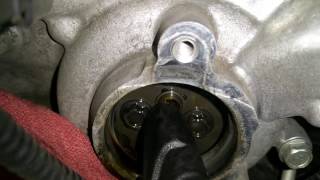
- Test the OCV: If you have a multimeter, you can test the resistance of the solenoid. A typical reading is between 6.9 and 7.9 ohms, but refer to a service manual for exact specifications. 🎬 Watch: How to test and fix the Bank 2 intake sensor
- Professional Diagnosis: If the above steps do not resolve the issue, the problem is likely more complex, such as a stretched timing chain or failed cam sprocket, and requires professional diagnosis.
Parts You'll Likely Need
- Engine Oil Control Valve (VVT Solenoid)
(OEM #10921AA23B (supersedes 10921AA23A))— This solenoid is the most common part to fail. It gets clogged with debris or fails electrically, directly causing the cam/crank correlation error. 🎬 See this walkthrough on how to replace or upgrade your OCV It is used for both intake and exhaust positions on many FB engines.
Trusted brands: Subaru (OEM), Denso (OEM supplier)
OEM price range: $100-$150
Aftermarket price range: $70-$120 - Engine Oil and Filter
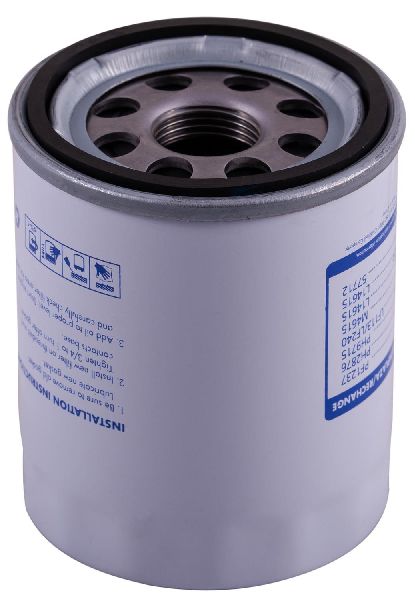
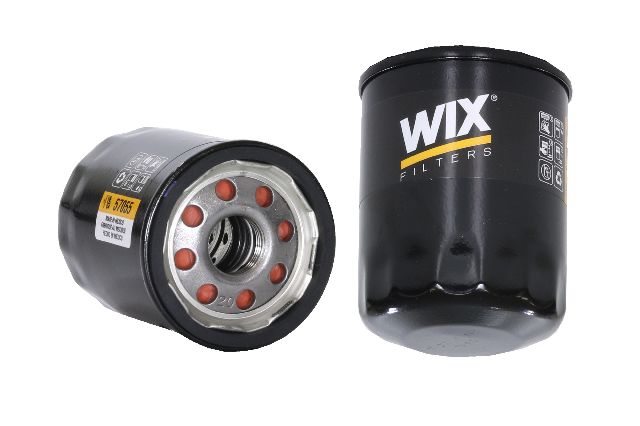
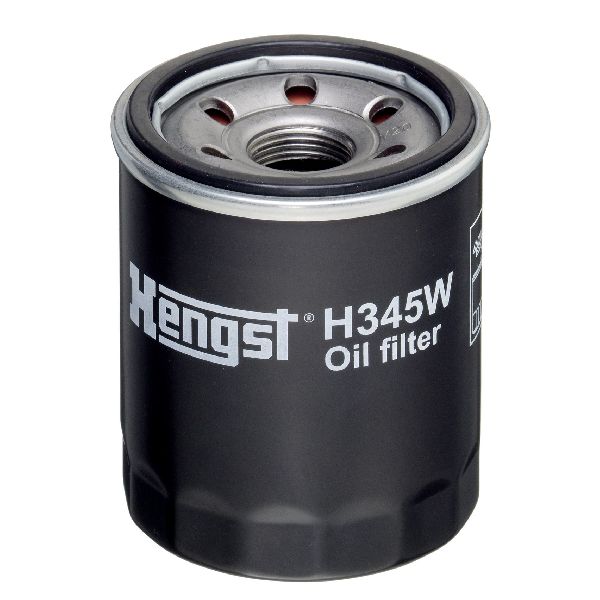
(OEM #Filter: 15208AA15A)— Low, dirty, or incorrect viscosity oil is a primary cause of this code. A fresh change with a quality filter is the first step in diagnosis and repair.
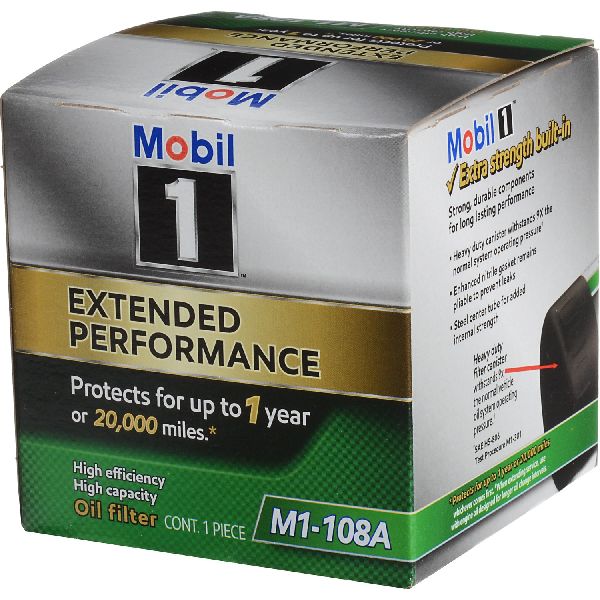
Trusted brands: Subaru OEM oil filter (15208AA15A), Idemitsu 0W-20 (OEM oil supplier for Subaru), Mobil 1 Extended Performance 0W-20, Pennzoil Ultra Platinum 0W-20
OEM price range: $50-$90
Aftermarket price range: $40-$70
Related Codes That Often Appear With This One
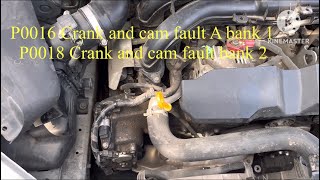
- P0016 — This is the same correlation error but for Bank 1 (passenger's side). If you swap a faulty Bank 2 OCV to Bank 1 for diagnosis, P0018 will be replaced by P0016. 🎬 Watch this DIY guide for troubleshooting P0016 and P0018 codes If both appear together, it points to a systemic issue like low oil or a stretched timing chain.
- P0019 — This is a correlation error for the exhaust camshaft on the same bank (Bank 2). Seeing it with P0018 suggests a more widespread oiling or mechanical timing issue on the driver's side of the engine. TSB 09-111-24 also addresses this code.
Technical Service Bulletins (TSBs) & Recalls
- DTCs: P0016, P0017, P0018, P0019 & P0087: Announces new ECM reprogramming files to correct overly sensitive diagnostic logic that can falsely trigger these camshaft correlation and fuel pressure codes on 2023 Impreza and Crosstrek models. This should be the first step in diagnosis.
- TSB Bulletin #09-120-24: This bulletin announces the availability of new reprogramming files for the Engine Control Module (ECM) developed specifically to remedy DTCs P0016, P0017, P0018, P0019, and P0087.
- TSB Bulletin #09-120-24R: A manufacturer service bulletin notes that P0018 indicates a Crankshaft Position - Camshaft Position Correlation Bank 2 Sensor A fault, and provides updated diagnostic guidance for this specific error.
- TSB Bulletin #11-127-13R: This record notes the availability of updated ECM reprogramming files to address correlation DTCs, confirming that the diagnostic procedure is applicable to P0016 and P0018.
Platform-Specific Known Issues
- Subaru has issued TSB 09-111-24 for 2023 Impreza models, indicating that the factory ECM software may be too sensitive and can trigger P0018 incorrectly. A software update is the specified fix and should be investigated before any parts are replaced.
- The FB series engines are known for being sensitive to oil level and quality. The AVCS system relies entirely on hydraulic pressure, and any deviation can cause timing correlation faults like P0018
Mechanic-Grade Diagnostic Values
- Oil Control Valve (OCV) Solenoid Resistance — expected: 6.9 to 7.9 Ohms at 68°F (20°C). Some sources state a broader 6 to 12 Ohms.. Failure: A reading of 0 ohms (short), infinite ohms (open), or a value significantly outside the specified range indicates a faulty solenoid coil.
- Camshaft Position Sensor Resistance — expected: 1.0 to 4.0 kΩ (kilo-ohms).. Failure: A reading outside this range suggests a failed sensor.
- Engine Oil Pressure — expected: Greater than 10 PSI at idle and greater than 30 PSI at 3000 RPM with a warm engine.. Failure: Pressure below these specifications indicates a systemic oiling problem (e.g., oil pump, pickup tube) that must be addressed before diagnosing AVCS components.
- AVCS Live Data (Scan Tool) — expected: At idle, both Left (Bank 2) and Right (Bank 1) intake cam advance angles should be near 0 degrees.. Failure: If the Bank 2 value is stuck at a high number (e.g., 50 degrees) while Bank 1 is at 0, it points to a stuck cam phaser or a malfunctioning OCV on Bank 2.
Hidden / Shadow Codes Worth Checking
- Mode 6, MID $36, TID $8B/$8C: These are not traditional DTCs but Test IDs within the OBD-II Mode 6 diagnostic data. MID $36 corresponds to Bank 2, and the TIDs ($8B, $8C) are specific checks for the AVCS correlation. A diagnostic value ('Val.') of 1000 or greater indicates a confirmed fault in the system. (see via Requires a professional scan tool with Mode 6 capabilities, such as the Subaru Select Monitor (SSM) or some high-end Autel/Launch scanners.)
- Permanent DTC (p-code): After a repair, a standard code clear may only remove the 'active' and 'pending' faults. A 'permanent' P0018 can remain stored in the ECM. This code cannot be cleared with a simple tool command and is designed to self-clear only after the vehicle's internal monitors have run and successfully passed over several drive cycles. (see via A more advanced scan tool will show the status of the DTC as 'active', 'pending', 'stored', or 'permanent'.)
Scan Tool Commands That Help
- Subaru Select Monitor (SSM), Autel, Launch, Thinkdiag: AVCS/OCV Actuator Test (Bidirectional Control) — Use this command with the engine running at idle to manually activate the Bank 2 intake OCV. A noticeable stumble, hesitation, or stall in the engine confirms the solenoid is working mechanically and that the oil passages to the phaser are likely not blocked.
- Thinkdiag, Autel, Launch: Special Function: Reset VVT Learned Values / Test Mode — This is a critical step if P0018 persists immediately after replacing an OCV or sensor. The ECM can store incorrect adaptive timing values ('burned in values') that will continue to trigger the code until reset. This function forces the ECM to relearn the cam/crank correlation from a zeroed state.
Wiring & Ground Locations
- Bank 2 Intake OCV Connector — On the driver's side (Bank 2) of the engine, it is the top-most solenoid connector on the front timing cover.. This is the connector for the primary suspect part. The two pins are for power (from the main relay) and the control signal (from the ECM). Testing for battery voltage on the power pin with the key on is a key diagnostic step.
- Engine Ground (GE-1) — Typically located on top of the engine block or intake manifold, secured with a bolt.. A poor engine ground can cause erratic behavior in sensors and solenoids, including the camshaft position sensor and OCV, leading to false correlation codes. Ensure this connection is clean and tight.
Real Owner Repair Stories
- Reddit user on r/WRX (2018 Subaru WRX, 37k miles) — P0018 code, but car runs and sounds fine.
❌ Tried (didn't work) Oil change., Inspected and cleaned all 4 OCVs and cam sensors., Swapped OCVs and cam sensors from Bank 1 to Bank 2.
✅ What actually fixed it The code did not move when parts were swapped, which ruled out the sensors and OCVs. Another user confirmed this points to a mechanical failure of the cam gear (phaser) itself, which requires removing the timing cover to replace. - Reddit user on r/WRX (2017 WRX) — P0018 code, CEL illuminates after 10-15 miles of driving.
❌ Tried (didn't work) Replaced the Oil Control Valve (OCV)., Replaced the camshaft position sensor.
✅ What actually fixed it After replacing parts, the code returned. The owner purchased a Thinkdiag2 scan tool and used the 'Test Mode / Learned Values Clear' function. This reset the stored VVT values to zero. After the reset and about 30 miles of driving, the code did not return, indicating the issue was 'burned in' incorrect data in the ECM, not a persistent mechanical fault. - Reddit user on r/WRX (Subaru WRX with FA20 engine, 54k miles) — P0018 code, ticking noise at idle.
❌ Tried (didn't work) Initially suspected a bad tune.
✅ What actually fixed it The user replaced the OCV solenoid, which resolved a year-long ticking noise. However, the code returned after also replacing the cam sensor. The final fix was using a different, more capable scan tool to clear a 'permanent' DTC that was not being cleared by their other tool (a Cobb Accessport). The permanent code cleared itself after several drive cycles. The discovery of silvery metallic particles on the old cam sensor suggested early cam gear wear was the root cause.
OEM Part Supersession History
10921AA23A→10921AA23B— Likely an internal revision for improved reliability or change in manufacturing.
Model Year Variations Within This Range
- 2023: The 2023 model is specifically called out in TSB 09-111-24 for having overly sensitive diagnostic logic that can be fixed with an ECM software update. While the 2024 model uses a similar engine, the TSB is explicitly for the 2023 model year, making a software check the absolute first step for that year.
- 2024: The 2024 model marks the start of the 6th generation Impreza. The RS trim introduces the 2.5L FB25D engine. While the P0018 code applies to both the 2.0L and 2.5L, part numbers for components like sensors or OCVs should be verified by VIN, as there could be subtle differences between the two engines.
Diagnostic Flowchart
Other Known Issues on This Vehicle
Issues unrelated to this code that are worth knowing about as an owner of this generation:
- Defective Starlink Infotainment System 🟠 Medium — Widespread across many 2019-2024 Subaru models. Issues include freezing, ghost touches, reboots, and connectivity problems. A class-action lawsuit is in progress. (Ref: Multiple software update TSBs exist, but no universal recall. A simple reset (holding the power knob for 10+ seconds) can temporarily fix glitches.)
- Front Driveshaft Failure 🔴 High — Affects a specific batch of 2024 Impreza and Crosstrek vehicles. The outer race of the driveshaft can crack, leading to a loss of power or vehicle rollaway. (Ref: NHTSA Recall 23V-780 (Subaru Recall WRP-23). Dealers will inspect and replace affected driveshafts free of charge.)
- Instrument Panel Harness Short Circuit 🔴 High — Affects a specific batch of 2024 Impreza and Crosstrek vehicles. The harness can rub against a bracket, causing a short that could lead to a loss of drive power. (Ref: NHTSA Recall 23V-582 (Subaru Recall WRL-23). Dealers inspect and add protective material or replace the harness.)
- Excessive Oil Consumption 🟡 Low — A historical issue with FB-series engines, though less common on newer models. Some owners report needing to add oil between changes. It is primarily caused by low-tension piston rings designed for efficiency.
- Parasitic Battery Drain 🟠 Medium — Some 2019-2023 Imprezas are included in a wider group of Subarus that experience unexplained battery drain, even after battery replacement. This is a separate issue from the older 3G Starlink shutdown problem. (Ref: Subaru has issued service bulletins for proper diagnosis (TSB 07-213-22R) but no single root cause has been identified across all models.)
Used vs. New Parts: Buying Guide for This Vehicle
When a used part is the smart pick: A used Oil Control Valve (OCV) from a low-mileage, reputable salvage yard can be a cost-effective option, as it is an external, easily-swapped part. Other simple external components like the camshaft position sensor are also reasonable to source used.
Donor-vehicle mileage cap: roughly under 60000 miles for the part to have meaningful remaining life.
What to inspect on the donor part:
- For an OCV, inspect the mesh screen for any signs of sludge or metallic debris. If it's not perfectly clean, do not buy it.
- Check the electrical connector for corrosion, cracks, or oil contamination.
- If possible, test the resistance of the used OCV with a multimeter before purchase to ensure it's within the 6.9-7.9 ohm specification.
OEM-only on this vehicle (don't cheap out):
- Timing Chain
- Timing Chain Tensioners and Guides
- Camshaft Sprockets (AVCS Phasers)
Aftermarket brands forum-validated for this vehicle:
- Denso (for Oil Control Valves and sensors, as they are a frequent OEM supplier for Subaru)
- Idemitsu (for 0W-20 engine oil, as they are the OEM supplier for Subaru)
Brands owners have reported issues with on this vehicle:
- Unnamed, no-brand 'white box' OCVs and sensors from online marketplaces should be avoided, as their quality control and electrical specifications can be inconsistent, leading to persistent codes.
Real Owner Stories
Aggregated from forums and TSBs cited above. Mileages and costs reflect what owners reported in those sources.
2023 Subaru Crosstrek (2.0L FB20D / 2.5L FB25D)
Symptoms: The vehicle triggered a P0018 code due to overly sensitive diagnostic logic in the factory software.
What fixed it: A Subaru dealer reprogrammed the ECM with updated software files as per TSB 09-111-24.
Cost: $0-$0
Source hint: TSB 09-111-24
2018 Subaru Impreza — ~150000 miles
Symptoms: The owner reported the P0018 code appearing with no noticeable engine trouble or drivability issues.
What fixed it: Professional diagnosis pointed to a stretched timing chain, likely resulting from a history of poor oil maintenance.
Source hint: Car Talk Community - P0018 No noticeable engine trouble
Subaru WRX
Symptoms: The owner experienced a P0018 fault and attempted to diagnose it by swapping sensors and Oil Control Valves (OCVs).
What fixed it: The issue was determined to be a mechanical failure of the cam gear itself.
Source hint: Reddit r/WRX - P0018 HELP!
2023 Subaru Crosstrek
Symptoms: Check engine light with code P0018.
What fixed it: One owner recommended an engine oil flush, while others noted the availability of a TSB for a software flash fix.
Source hint: Reddit r/Crosstrek - P0018 code.
Related OBD-II Codes
Frequently Asked Questions
Does TSB 09-111-24 apply to my 2023 Subaru Impreza?
Will the ECM software update for P0018 be covered under warranty for my 2023 Impreza?
Why are my traction control and cruise control lights on along with the Check Engine Light?
Which Oil Control Valve (OCV) should I check for a P0018 code on my FB engine?
Can I use any engine oil for my 2023-2024 Impreza to avoid AVCS timing issues?
Is there a recall for the driveshaft on the 2024 Impreza?
Helpful Videos

We Have This Part in Stock


The information in this article is provided for general reference and educational purposes only. Vehicle specifications, procedures, and part compatibility can vary by production date, trim level, and region. Always consult your vehicle's factory service manual and verify part numbers before purchasing or performing repairs. Safety-critical components such as airbags, seat belts, and braking systems should be installed by a qualified professional.
- Subaru Impreza:
- 🎬 Helpful Videos
- 🛍️ Shop This Part
- What's Unique About the 2023-2024 Subaru Impreza
- Symptoms You May Notice
- Most Likely Causes
- Rare But Worth Checking
- Diagnosis Steps
- Parts You'll Likely Need
- Related Codes That Often Appear With This One
- Technical Service Bulletins (TSBs) & Recalls
- Platform-Specific Known Issues
- Mechanic-Grade Diagnostic Values
- Hidden / Shadow Codes Worth Checking
- Scan Tool Commands That Help
- Wiring & Ground Locations
- Real Owner Repair Stories
- OEM Part Supersession History
- Model Year Variations Within This Range
- Diagnostic Flowchart
- Other Known Issues on This Vehicle
- Used vs. New Parts: Buying Guide for This Vehicle
- Real Owner Stories
- 2023 Subaru Crosstrek (2.0L FB20D / 2.5L FB25D)
- 2018 Subaru Impreza — ~150000 miles
- Subaru WRX
- 2023 Subaru Crosstrek
- Related OBD-II Codes
- Frequently Asked Questions
- 🎟️ Get 5% Off