

P0017 on 2005-2011 Mercedes-Benz M272 V6: Exhaust Camshaft Correlation Causes and Fixes
On the Mercedes M272 engine, P0017 is most often caused by either a failing camshaft adjuster magnet (a ~$50 part, easy DIY) or, on earlier models, a worn balance shaft requiring a major engine-out repair costing over $4,000. Always replace the magnets first before suspecting the balance shaft. If P0016 is also present, the balance shaft is the likely culprit.
- P0017 on an M272 engine is a serious code that should be diagnosed immediately.
- Always start diagnosis by replacing the inexpensive camshaft adjuster magnets, as they are a common failure point.
- If P0016 and P0017 appear together and persist after replacing magnets/sensors, a very expensive balance shaft repair is the most likely cause, especially on engines built before mid-2007.
- You can check if your engine is in the affected range by using an online VIN decoder to find your engine serial number and comparing it to the cutoff: 2729..30 468993.
- Ignoring the code can lead to catastrophic engine failure if the underlying cause is the balance shaft.
What's Unique About the 2005-2011 Mercedes-Benz Multiple

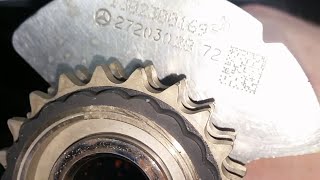
The M272 V6 engine has a notorious and well-documented design flaw that directly causes the P0017 code. Early versions of this engine were built with a balance shaft sprocket made from a soft metal that wears down prematurely. This wear introduces slack into the timing chain, leading to correlation errors between the cams and crank, specifically triggering P0016 and P0017. While the code can also be caused by simple sensor or solenoid failures, the possibility of this catastrophic balance shaft issue makes diagnosis on the M272 engine a high-stakes process. This issue was the subject of Mercedes-Benz Technical Service Bulletin (TSB) S-B-03.30/08i and a class-action lawsuit. NHTSA ODI #11552776 notes that these correlation codes are widely documented across owner forums and technical resources as a primary indicator of this mechanical failure.
Symptoms You May Notice
- Check Engine Light is on
- Reduced engine power and torque, especially from a stop
- Rough or unstable idle, sometimes with shaking at a stop
- Rattling or ticking noise from the front of the engine, especially on startup
- Engine may crank but fail to start in severe cases
- Engine may run poorly, with a lower-than-normal grumble between 3,000-5,500 RPM
- Loss of engine power as reported in NHTSA ODI #11549505
- Replacing only the camshaft position sensor without first checking the adjuster magnet.
- Assuming the engine needs a balance shaft replacement without first replacing all four camshaft adjuster magnets and verifying the code returns.
- Replacing the crankshaft position sensor, which is rarely the cause for this specific code.
- Mistaking a stretched timing chain for a balance shaft issue on a high-mileage engine that is outside the affected serial number range.
Most Likely Causes

- Worn Balance Shaft Sprocket 🔴 High Probability A known defect in M272 engines with a serial number below 2729..30 468993 involved a sprocket made of improperly hardened metal that wears prematurely, causing timing chain slack. This was addressed in TSB S-B-03.30/08i. NHTSA ODI #11465539 explicitly identifies the defective balance shaft and sprockets as the source for these correlation codes.
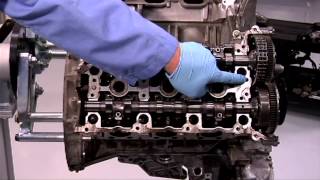
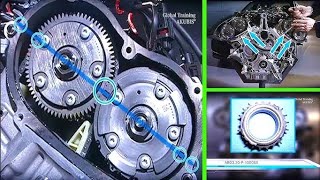
How to confirm: After ruling out magnets and sensors, the definitive test is to set the crankshaft to 305 degrees and remove the four camshaft position sensors. The timing marks (stamped circles) on the camshaft pulse wheels should be perfectly centered in the sensor holes. If they are not centered, particularly on Bank 1, the timing is off due to the worn shaft. This check should be performed twice (two full crankshaft rotations) to be certain. 🎬 See how to perform a basic cam timing check.
Typical fix: This is a major, labor-intensive repair that requires removing the engine to replace the balance shaft with an updated part made of harder material. The timing chain, tensioner, guides, and often the oil pump are replaced at the same time. A full parts kit can cost $500-$1200.
Est. part cost: $500-$1200 for a balance shaft kit with chain and guides - Faulty Camshaft Adjuster Magnet (Solenoid) 🟡 Medium Probability These magnets control oil flow to the cam phasers and are a very common failure item. They can get clogged with debris, fail electrically, or leak oil, preventing proper camshaft adjustment.
How to confirm: Swap the suspected faulty exhaust magnet on Bank 1 with the intake magnet on the same bank. Clear the codes. If the code changes to P0016 (Intake Camshaft Correlation), the magnet is bad. This is the first and most important diagnostic step. You can also test the magnet by shaking it to hear if the internal piston is free.
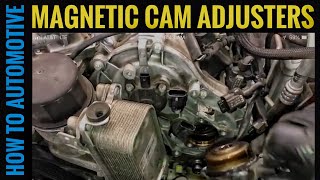
Typical fix: Replace the faulty camshaft adjuster magnet. It is highly recommended to replace all four magnets at the same time 🎬 Watch: Step-by-step guide to replacing the magnetic cam adjusters. as a preventative measure, as they tend to fail around the same time.
Est. part cost: $30-$60 per magnet - Faulty Camshaft Position Sensor (CPS) ⚪ Low Probability Like any electronic sensor, the CPS can fail with age and heat cycles, sending incorrect signals to the ECM. However, this is less common than magnet failure.
How to confirm: After confirming the magnet is good, you can test the sensor with a multimeter or swap it with the sensor from another position (e.g., from the other bank) to see if the fault code follows the sensor.
Typical fix: Replace the Bank 1 exhaust camshaft position sensor. The sensor is held in by one E8 Torx bolt and is easily accessible.
Est. part cost: $40-$100
Rare But Worth Checking
- Stretched Timing Chain: While the balance shaft sprocket is the usual cause of slack, on very high-mileage engines (150k+ miles), especially those outside the balance shaft issue range, the timing chain itself can stretch and cause correlation codes. One owner reported a stretched chain was 0.5" longer than the new one.
- Low or Dirty Engine Oil: The camshaft adjustment system is hydraulic and relies on clean oil at the correct pressure. Very old, low, or incorrect viscosity oil can cause the adjuster magnets and phasers to function improperly, leading to timing codes.
- Damaged Camshaft Adjuster (Phaser) Pulse Wheel: The reluctor or 'pulse' wheel on the end of the camshaft that the sensor reads can be damaged or installed incorrectly during a previous repair, causing incorrect readings and codes.
- Failing Intake Manifold: While not a direct cause, the M272 is also known for intake manifold failures due to broken plastic actuator arms. Sometimes, issues with the intake system can present with other driveability problems that can complicate diagnosis.
Diagnosis Steps

- Check engine oil level and condition. Top off or change if necessary, ensuring the correct Mercedes-spec oil is used.
- Scan for other fault codes. Note if P0016 is also present, as this strongly points to a mechanical timing issue.
- Swap the Bank 1 (passenger side) exhaust camshaft adjuster magnet with the intake magnet on the same bank. Clear codes and run the engine. If the code changes to P0016, the magnet is faulty. This is the first and most crucial step.
- If the code does not change, consider replacing all four adjuster magnets as a preventative measure, as they are a common failure point and relatively inexpensive.
- If the code remains P0017, swap the Bank 1 exhaust camshaft position sensor with another one to see if the code follows the sensor.
- If the code still returns, check your engine's serial number. If it is below 2729..30 468993, a balance shaft failure is highly likely.
- To confirm a mechanical timing issue, rotate the engine to the 305-degree mark on the crankshaft pulley. Remove the four camshaft position sensors. Look through the sensor holes and check the position of the stamped circles on the camshaft pulse wheels. They must be perfectly centered. If the Bank 1 pulse wheels are off-center, the balance shaft has failed or the timing chain has stretched.
- If timing marks are aligned but the code persists, investigate the wiring harness for damage or oil contamination wicking from the sensors/magnets.
Parts You'll Likely Need

- Camshaft Adjuster Magnet (Solenoid)
(OEM #A2720510177)— This is the most common and inexpensive part to fail, causing P0017. It should always be the first part replaced when diagnosing this code. The original part number A2720510077 was superseded by this one.
Trusted brands: Genuine Mercedes-Benz, Bosch, Pierburg, Continental
OEM price range: $60-$90
Aftermarket price range: $30-$50 - Balance Shaft Replacement Kit
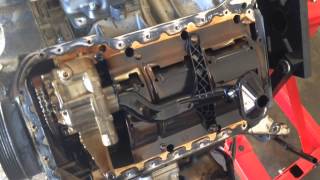
(OEM #A2720300413)— For M272 engines within the affected serial number range, this is the ultimate cause of the P0017 code. The repair involves replacing the defective shaft with an updated part. 🎬 Watch: Professional walkthrough of the balance shaft sprocket replacement. The kit usually includes the shaft, chain, guides, and tensioner.
Trusted brands: Genuine Mercedes-Benz, Febi Bilstein, INA
OEM price range: $800-$1200
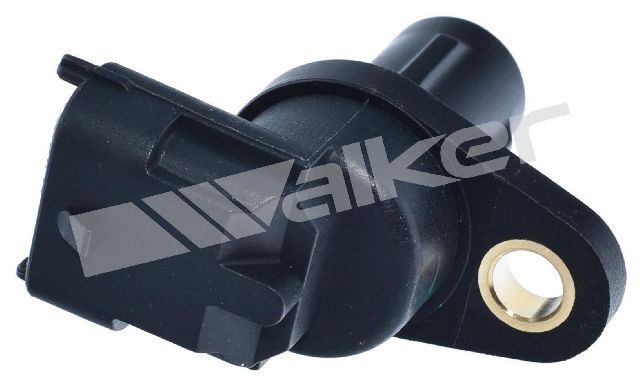
Aftermarket price range: $400-$700 - Camshaft Position Sensor
(OEM #A2729050043)— A less common but possible cause. The sensor provides the position data to the ECM, and if it fails, it can trigger the correlation code.
Trusted brands: Genuine Mercedes-Benz, Bosch, Continental/VDO
OEM price range: $80-$120
Aftermarket price range: $40-$70
Related Codes That Often Appear With This One
- P0016 — P0016 refers to the Bank 1 Intake camshaft correlation. When both P0016 and P0017 appear together and return immediately after being cleared, it is a very strong indicator of a worn balance shaft sprocket or a stretched timing chain.
- P1200 / P1208 — These are Mercedes-specific fault codes that correspond to P0017 and P0016, respectively. A STAR diagnostic tool will often show these codes instead of the generic OBD-II codes.
Technical Service Bulletins (TSBs) & Recalls
- S-B-03.30/08i: This TSB, issued April 23, 2009, specifically addresses the check engine light and fault codes 1200/1208 (P0017/P0016) due to worn balance shaft sprockets on M272 engines within the affected serial number range. It confirms the material of the sprocket was modified and provides the procedure for replacement, which includes replacing the oil pump and timing chain tensioner.
Platform-Specific Known Issues
- A class-action lawsuit was filed against Mercedes-Benz over the premature balance shaft failures in M272 and M273 engines. A settlement was reached in 2015.
- The settlement provided for reimbursement of past repairs (up to $4,000 for non-dealer work) and extended coverage for future repairs up to 10 years or 125,000 miles, on a declining scale. The deadline for claims on past repairs was in 2015.
- The issue affects M272 engines with serial numbers up to 2729..30 468993. Engines produced after this number have an updated balance shaft sprocket made from a more durable material.
- Oil wicking into the engine harness from leaking camshaft position sensors or magnets can cause various electrical issues, though it's not a direct cause of P0017 itself. Mercedes makes short extension harnesses to prevent this.
Mechanic-Grade Diagnostic Values
- Camshaft Adjuster Magnet (Solenoid) Function Test — expected: A distinct 'click' should be heard when 12V is applied directly to the magnet's two pins.. Failure: No click indicates the internal piston is seized or the coil has failed.
- Camshaft Position Sensor (CPS) Resistance — expected: Approximately 0.29 kΩ (290 Ohms) across the sensor's pins, though this can vary. Comparison with a known-good sensor is best.. Failure: An open circuit (infinite resistance) or a reading far from the specification.
- Visual Timing Mark Alignment — expected: With the crankshaft pulley set to the 305° mark, the stamped circles on the camshaft pulse wheels must be perfectly centered in the camshaft position sensor mounting holes.. Failure: Any deviation from the center indicates a mechanical timing issue (worn balance shaft sprocket or stretched chain).
- Camshaft Position Live Data (with STAR/XENTRY) — expected: Actual camshaft position values should closely track the specified (desired) values commanded by the ECM at idle and under load.. Failure: A significant, persistent deviation between actual and specified angles, or a value that is stuck and does not change with RPM.
Hidden / Shadow Codes Worth Checking
- 1200: Mercedes-specific equivalent of P0017. Often displayed as 'Constant adjustment of exhaust camshaft of right cylinder bank in direction 'Retarded''. (see via Mercedes STAR/XENTRY or other advanced diagnostic scanners.)
- 1208: Mercedes-specific equivalent of P0016. Often displayed as 'Constant adjustment of intake camshaft of right cylinder bank in direction 'Retarded''. When seen with 1200, it strongly indicates a base timing problem. (see via Mercedes STAR/XENTRY or other advanced diagnostic scanners.)
Scan Tool Commands That Help
- Mercedes STAR/XENTRY/DAS: Reset Adaptation Data — This function should be used after a major mechanical repair, such as replacing the balance shaft or timing chain, to clear the old learned values from the ECM.
- Mercedes STAR/XENTRY/DAS: Teach-in process for camshaft position — This is a mandatory step after resetting adaptations following a timing component replacement. The ECM relearns the new base positions of the camshafts. Failure to perform this can cause codes to return even if the repair is correct.
- Mercedes STAR/XENTRY/DAS: Solenoid Actuation Test — To test the functionality of a specific camshaft adjuster magnet without removing it from the vehicle. The scan tool commands the solenoid to activate, and the technician can observe the change in camshaft angle on live data.
Wiring & Ground Locations
- Camshaft Magnet and Sensor Connectors — Front of the cylinder head covers, four magnets and four sensors total.. The adjuster magnets are notorious for leaking engine oil through their electrical connectors. This oil can wick up the wiring harness, sometimes reaching the main Engine Control Module (ECM), causing short circuits and persistent, difficult-to-diagnose codes. Always inspect connectors for oil contamination.
- Ignition Coil Grounds — On the valve covers, where the ignition coils are bolted down.. While not directly related to the camshaft circuit, a loose ground on an ignition coil can cause electrical noise and potentially damage the ECM. This is a critical checkpoint for anyone working on the top end of the engine for any reason.
Real Owner Repair Stories
- Classic Jalopy article (2007 Mercedes E350 Wagon (engine number outside the affected balance shaft range)) — Check engine light with timing codes, engine bogging down.
❌ Tried (didn't work) Replacing camshaft adjuster magnets, Replacing camshaft position sensors, Repairing broken intake manifold flaps
✅ What actually fixed it A worn balance shaft was confirmed by a specialist shop, despite the engine serial number being outside the 'bad' range. The fix was a full balance shaft replacement. - MBWorld Forum User (2008 Mercedes C280 with 270,000 km (post-balance shaft issue engine)) — P0016 and P0017 codes (Mercedes codes 1208 & 1200) returned after clearing.
❌ Tried (didn't work) Replacing all camshaft position sensors, Replacing all magnetic camshaft adjusters
✅ What actually fixed it The diagnosis was inconclusive in the thread, but the owner confirmed the timing marks were perfectly aligned at 305 degrees. The final, most likely culprit identified by the owner and other posters was a stretched timing chain due to high mileage. - MHH Auto Forum User (Mercedes S350 with M272 engine) — P0017 code returned after major repair.
❌ Tried (didn't work) Replacing the balance shaft and timing chain, Replacing the Bank 1 exhaust camshaft adjuster magnet
✅ What actually fixed it The user was unable to complete the camshaft adaptation/relearn process with the STAR tool. The suggested root cause from an expert on the forum was that the pulse wheels on the end of the camshafts were installed improperly during the balance shaft replacement, which is a common mistake. - NHTSA ODI #11291831 — An owner reported that after an engine over-revving incident, the vehicle threw codes P0016 and P0017, which an independent mechanic confirmed were related to the balance shaft.
"I Checked Everything" — The Actual Cause
- This code is not related to vacuum or EVAP leaks, so a smoke test is not a relevant diagnostic procedure. The equivalent scenario is when the mechanical timing marks at 305 degrees are perfectly centered, yet the P0017 code persists. In these cases, the root cause is often a non-obvious component like a faulty timing chain tensioner that isn't holding pressure, an internal failure of the camshaft phaser (adjuster gear), or oil contamination in the wiring harness causing electrical faults.
When the Usual Fixes Don't Work
- While the engine serial number is a strong indicator, it is not a guarantee. There are multiple documented cases of engines with serial numbers *outside* the affected range (i.e., supposedly 'good' engines) that still suffered from premature balance shaft sprocket wear and required the full engine-out repair to fix P0017. Therefore, even on a 2008+ model, if magnets and sensors have been replaced and the code persists, the 305-degree timing check must be performed before ruling out the balance shaft.
Documented NHTSA Reports
- NHTSA ODI #11457699 describes a situation where a vehicle cannot pass smog or be sold because it persistently throws codes P0016 and P0017, with a repair estimate for the balancer reaching nearly $9,000.
- NHTSA ODI #11549505 reports that error codes P0016 and P0017 resulted in the camshaft being out of alignment, causing a loss of engine power and failure to pass emissions testing.
OEM Part Supersession History
A2720510077→A2720510177— The original camshaft adjuster magnets were prone to failure, most commonly by leaking oil through the electrical connector housing, which could contaminate the engine harness. The updated part has improved seals to prevent this.
Model Year Variations Within This Range
- 2005-2007 (Engines up to S/N 2729..30 468993): These engines were fitted with a balance shaft sprocket made of a softer metal that wears prematurely, making the P0016/P0017 codes highly likely to be caused by this issue. This was referred to as 'Scenario 1' in some TSBs.
- 2007-2008 (Engines after the balance shaft cutoff): These engines have the updated balance shaft but were still prone to camshaft adjuster magnet failures ('Scenario 2'). While a balance shaft failure is less likely, it is not impossible, but diagnosis should always start with the magnets.
Diagnostic Flowchart
Used vs. New Parts: Buying Guide for This Vehicle
When a used part is the smart pick: For this specific repair, using used parts is highly discouraged for any of the core components (sensors, magnets, timing parts). The only potentially acceptable used parts would be external hardware, brackets, or engine covers that are not subject to wear or electronic failure.
Donor-vehicle mileage cap: roughly under 50000 miles for the part to have meaningful remaining life.
What to inspect on the donor part:
- For any electronic part (sensor/magnet), inspect the connector pins for any sign of oil residue, corrosion, or physical damage.
- Verify the part number on the used component matches the latest OEM revision.
- Avoid any part that shows signs of external rust or damage, as this may indicate poor storage or a hard life.
OEM-only on this vehicle (don't cheap out):
- Balance Shaft
- Timing Chain
- Timing Chain Guides
- Timing Chain Tensioner
Aftermarket brands forum-validated for this vehicle:
- Bosch (Sensors, Magnets)
- Pierburg (Magnets)
- Febi Bilstein (Timing Kits)
- INA (Timing Kits)
- Cloyes (Timing Components)
Brands owners have reported issues with on this vehicle:
- Unbranded or 'white-box' parts from online marketplaces. Counterfeit parts are a known issue, especially for critical items like timing chain tensioners. Always verify the seller and check for authentic OE numbers on the part itself.
Real Owner Stories
Aggregated from forums and TSBs cited above. Mileages and costs reflect what owners reported in those sources.
2006 Mercedes-Benz C230
Symptoms: Check Engine Light with both P0016 and P0017 codes present.
What fixed it: The ultimate cause was confirmed to be the balance shaft, requiring a major repair.
Cost: $6500-$6500
Source hint: MBWorld.org: P0016 / P0017 - Camshaft / Crankshaft Issues
2008 Mercedes-Benz C300 — 184000 miles
Symptoms: P0016 and P0017 codes appeared on an engine that was outside the affected serial number range for the balance shaft issue.
What fixed it: Replacing the timing chain, which was found to be stretched by about 0.5 inches compared to the new part, resolved the codes.
Source hint: MBWorld.org: P0016 P0017 balance shaft and timing chain.
Mercedes-Benz E-Class (W211)
Symptoms: Experienced the common M272 balance shaft failure.
What fixed it: The balance shaft was repaired/replaced.
Cost: $4000-$4000
Source hint: MBWorld.org: The dreaded M272 Balance Shaft
Mercedes-Benz R350
Symptoms: Chain rattle and fault codes P0018/P0019.
What fixed it: The owner planned a DIY repair involving the replacement of the balance shaft kit and the timing chain kit.
Source hint: MBClub.co.uk: DIY M272 balance shaft repalcement
Related OBD-II Codes
Frequently Asked Questions
My M272 has a P0017 code. How do I know if it's the dreaded balance shaft issue?
What is the first and cheapest thing I should check for P0017?
Is there a TSB or recall for the P0017 balance shaft problem on my Mercedes?
I heard there was a class-action lawsuit for this engine. Will Mercedes pay for my balance shaft repair?
What is the '305-degree check' for diagnosing this issue?
My engine is outside the affected serial number range but I still have P0017. What else could it be?
Helpful Videos
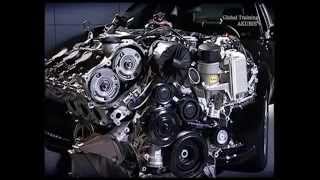
We Have This Part in Stock
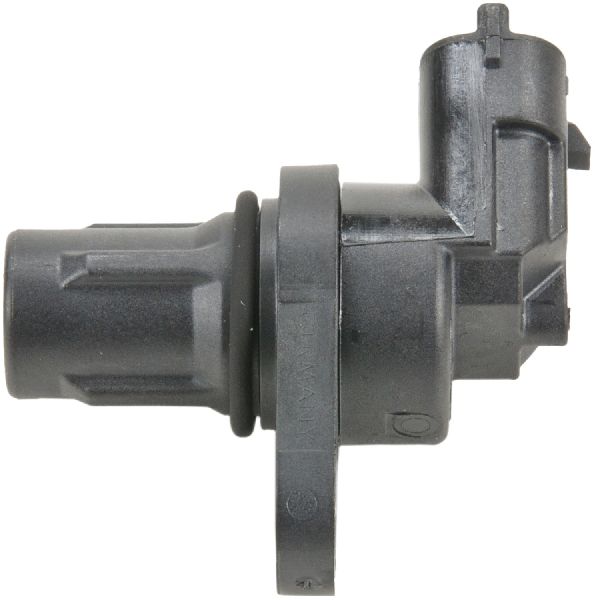

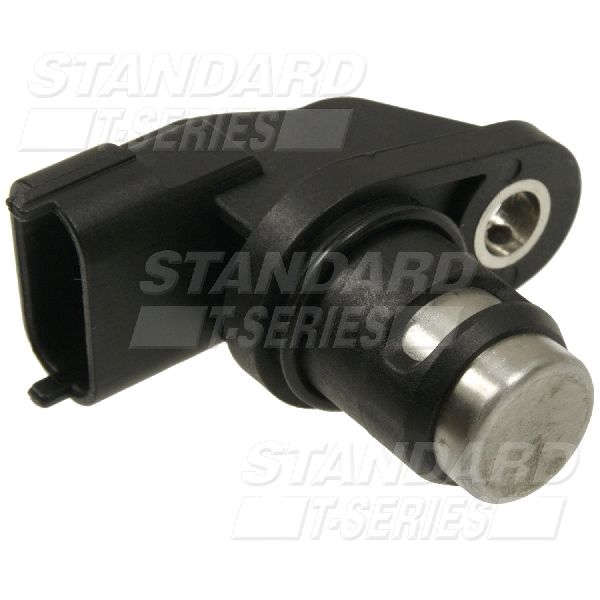
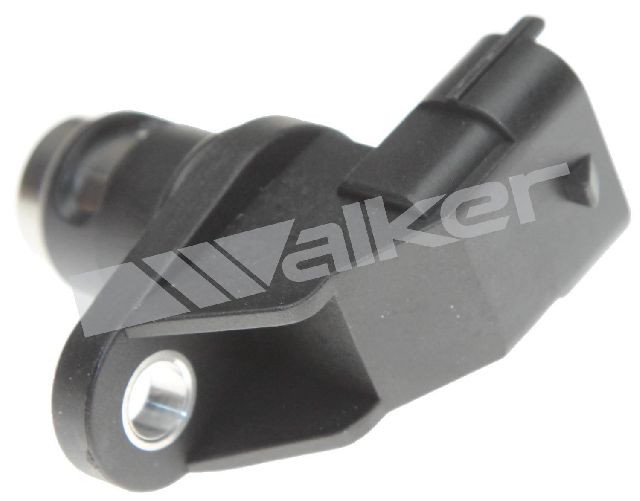

The information in this article is provided for general reference and educational purposes only. Vehicle specifications, procedures, and part compatibility can vary by production date, trim level, and region. Always consult your vehicle's factory service manual and verify part numbers before purchasing or performing repairs. Safety-critical components such as airbags, seat belts, and braking systems should be installed by a qualified professional.
- Mercedes-Benz Multiple:
- 🎬 Helpful Videos
- 🛍️ Shop This Part
- What's Unique About the 2005-2011 Mercedes-Benz Multiple
- Symptoms You May Notice
- Most Likely Causes
- Rare But Worth Checking
- Diagnosis Steps
- Parts You'll Likely Need
- Related Codes That Often Appear With This One
- Technical Service Bulletins (TSBs) & Recalls
- Platform-Specific Known Issues
- Mechanic-Grade Diagnostic Values
- Hidden / Shadow Codes Worth Checking
- Scan Tool Commands That Help
- Wiring & Ground Locations
- Real Owner Repair Stories
- "I Checked Everything" — The Actual Cause
- When the Usual Fixes Don't Work
- Documented NHTSA Reports
- OEM Part Supersession History
- Model Year Variations Within This Range
- Diagnostic Flowchart
- Used vs. New Parts: Buying Guide for This Vehicle
- Real Owner Stories
- 2006 Mercedes-Benz C230
- 2008 Mercedes-Benz C300 — 184000 miles
- Mercedes-Benz E-Class (W211)
- Mercedes-Benz R350
- Related OBD-II Codes
- Frequently Asked Questions
- 🎟️ Get 5% Off