

P0017 on 2013-2018 Hyundai Santa Fe 3.3L V6: Causes and Fixes
On the 2013-2018 Santa Fe 3.3L V6, P0017 most often points to a faulty Bank 1 exhaust Oil Control Valve (OCV), a ~$100 part that's easy to replace. However, it can also signal a stretched timing chain, a much more serious repair costing $1,800-$2,500+. Always check your engine oil level and condition first, as low or dirty oil is a primary cause.
- P0017 on your Santa Fe 3.3L V6 means the exhaust camshaft on the rear cylinder bank (Bank 1) is out of sync with the crankshaft.
- ALWAYS check your oil level and condition first. Low or dirty oil is a primary cause.
- The most likely failed part is the Bank 1 exhaust Oil Control Valve (OCV), which is a relatively inexpensive and accessible fix.
- If an oil change and new OCV do not solve the code, the cause is likely a stretched timing chain, which is a serious and expensive repair that should be handled by a professional.
- Do not immediately replace the camshaft or crankshaft sensors; they are often not the root cause of this specific code.
What's Unique About the 2013-2018 Hyundai Santa Fe
While many vehicles can trigger a P0017 from a simple sensor or solenoid issue, the Hyundai Lambda II 3.3L V6 has a known susceptibility to timing chain stretch over time. Therefore, this code should be treated with extra caution. While the easy fix is a faulty Oil Control Valve (OCV), ignoring the code could lead to a much larger problem if the underlying cause is a failing timing chain. Owner complaints to the NHTSA on various Hyundai models confirm that P0017 can be a precursor to significant timing system repairs. Furthermore, this engine family has been the subject of class-action lawsuits and NHTSA petitions regarding premature engine failure, sometimes related to timing components.
Symptoms You May Notice
- Check Engine Light is on
- Rough or unstable idle, especially on cold starts
- Engine rattling noise for a few seconds on startup
- Reduced engine power and sluggish acceleration
- Poor fuel economy
- Engine may stall or be difficult to start
- Engine shaking for a few seconds after startup
- Replacing the Camshaft Position Sensor (CMP) or Crankshaft Position Sensor (CKP) without first checking oil level/condition and testing the Oil Control Valve (OCV). The code indicates a correlation *problem*, not necessarily a bad sensor.
- Assuming the timing chain is the cause without first ruling out the much simpler and cheaper OCV. Many owners have fixed the issue by simply replacing the correct OCV.
Most Likely Causes
- Low or Dirty Engine Oil 🔴 High Probability The CVVT (Continuously Variable Valve Timing) system uses oil pressure to adjust cam timing. Low, old, or sludgy oil can't operate the components correctly, causing a correlation error. Using the incorrect oil viscosity can also trigger this code.
How to confirm: Check the oil level on the dipstick and inspect its color and consistency. If it's low or very dark/gritty, this is your starting point. Ensure the correct oil grade (e.g., 5W-30) is being used.
Typical fix: Top up the oil or perform a complete oil and filter change using the manufacturer-specified oil weight. Clear codes and see if P0017 returns.
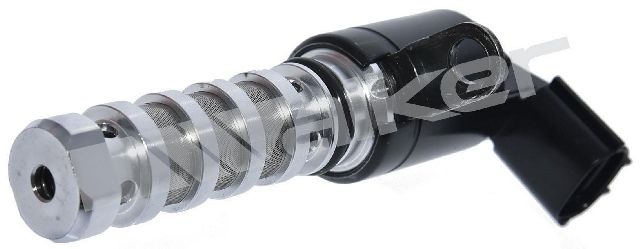
Est. part cost: $40-$80 - Faulty Oil Control Valve (OCV) / VVT Solenoid 🔴 High Probability This solenoid controls oil flow to the cam phaser. It's a common failure point, often getting clogged by sludge or failing electrically, preventing proper cam adjustment.
How to confirm: The OCV for Bank 1 Exhaust is located on the valve cover of the rear cylinder bank (near the firewall). It can be tested with a multimeter for resistance or by applying 12V to see if the internal plunger actuates. Swapping it with the intake OCV on the same bank is a common diagnostic trick; if the code changes to P0016 (Bank 1 Intake), the OCV is confirmed faulty.
Typical fix: Replace the Bank 1 exhaust Oil Control Valve. This is a relatively simple repair involving one bolt and one electrical connector.
Est. part cost: $80-$150 - Stretched Timing Chain or Failed Tensioner 🟡 Medium Probability The timing chains on the Lambda II engine can stretch over 100,000 miles, and the hydraulic tensioners can weaken. This causes slack in the system, leading to incorrect cam timing that the sensors detect. This is a well-documented issue on this engine platform.
How to confirm: A metallic rattling or scraping sound from the engine's side (passenger side) on cold startups is a classic sign. Diagnosis requires partial engine disassembly to physically inspect the chain guides for wear and the tensioner plunger extension. A professional can also use an oscilloscope to compare cam and crank sensor signals to verify a timing lag. This is best left to a professional.
Typical fix: Replace the timing chains, guides, and tensioners as a complete kit. This is a labor-intensive job, often taking 10+ hours.
Est. part cost: $200-$450
Rare But Worth Checking
- Failed Camshaft Position Sensor (CMP): The sensor that reads the camshaft's position can fail, but it's more common for it to be replaced mistakenly when the issue is mechanical. One owner complaint to the NHTSA notes getting a P0017 code right after an oil change, which points more toward a sludge/OCV issue than a sensor failure. A failing sensor is less likely to cause a startup rattle.
- Failed Crankshaft Position Sensor (CKP): The main sensor that reads the engine's rotation can fail, but it typically causes more severe running issues, a no-start condition, or may be accompanied by code P0335.
- Damaged Camshaft Phaser (CVVT Actuator): The gear on the end of the camshaft can fail internally, get clogged with debris, or the pin locating it to the camshaft can shear, allowing it to spin freely and create a massive timing error. This is a major mechanical failure requiring significant repair and often happens as a result of severe oil sludging.
- Wiring or Connector Issues: Damage to the wiring harness or a corroded connector for either the OCV or the Camshaft Position Sensor can cause an intermittent signal and trigger the code. This is less common than component failure but should be inspected.
Diagnosis Steps
- Check Engine Oil: Verify the oil level is full and the oil is clean and of the correct viscosity (typically 5W-30). If low, dirty, or incorrect, perform an oil change and clear the code to see if it returns. This is the most critical first step.
- Scan for Other Codes: Check for any other pending or active codes that could provide more clues (e.g., misfire codes, other timing codes).
- Locate Bank 1, Sensor B: Identify the rear cylinder bank (closer to the firewall) as Bank 1. 'Sensor B' refers to the exhaust camshaft.
- Inspect and Test the Oil Control Valve (OCV): Locate the exhaust OCV on the Bank 1 (rear) valve cover. Check its electrical connector and wiring for damage. A simple diagnostic is to swap the exhaust OCV with the intake OCV on the same bank. Clear codes and drive. If the code changes to P0016, you have confirmed the OCV is faulty.
- Replace the OCV: If the swap test confirms a bad OCV, or if you choose to replace it as a likely culprit, install a new Bank 1 exhaust OCV. Clear the code and test drive.
- Test the Camshaft Position Sensor (CMP): If the code returns, the Bank 1 exhaust CMP sensor can be tested with a multimeter or swapped with a known good sensor.
- Professional Inspection: If the code still persists, the issue is almost certainly mechanical. The vehicle should be taken to a qualified mechanic to inspect for a stretched timing chain, worn guides, or a failed tensioner. This is not a typical DIY diagnosis and requires specialized tools and knowledge.
Parts You'll Likely Need
- Engine Oil Control Valve (VVT Solenoid), Bank 1 Exhaust
(OEM #24360-3CAA2)— This is the most common component to fail or become clogged, causing the P0017 code. It is the first part to suspect after verifying oil condition. It is located on the left (driver's side) of the engine.
Trusted brands: Hyundai (Genuine), Dorman, Standard Motor Products (SMP), Aisin
OEM price range: $80-$150
Aftermarket price range: $40-$90 - Timing Chain Kit
(OEM #24321-3L100 (Chain), 24410-3CGA3 (Tensioner), 24820-3CGA3 (Guide) - Example parts, always verify with VIN.)— If the cause is a stretched chain, a full kit including chains, tensioners, and guides is required. This is a major repair where the labor cost far exceeds the part cost.
Trusted brands: Hyundai (Genuine), Cloyes
OEM price range: $300-$500
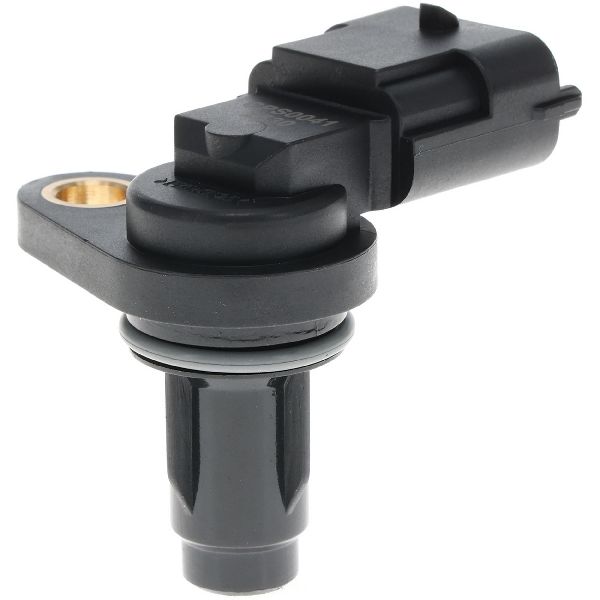
Aftermarket price range: $180-$300 - Camshaft Position Sensor, Bank 1 Exhaust
(OEM #39350-2G000)— This is a less common cause, typically replaced when other diagnostics fail to resolve the issue.
Trusted brands: Hyundai (Genuine), NGK/NTK, Hitachi
OEM price range: $70-$95
Aftermarket price range: $30-$60
Related Codes That Often Appear With This One
- P0300, P0301-P0306 — If the cam timing is off sufficiently, it can cause misfires in one or more cylinders. An NHTSA complaint for a Hyundai Elantra reported P0017 along with P0302 and P0303 (Cylinder 2 & 3 Misfire).
- P0016, P0018, P0019 — If the timing chain has stretched significantly, it can affect the timing on all camshafts, potentially triggering correlation codes for the other banks and cams as well.
Platform-Specific Known Issues
- NHTSA owner complaints suggest P0017 can be a persistent issue on Hyundai vehicles, sometimes requiring multiple repair attempts. One owner of a 2019 Kona reported recurring P0017 codes despite warranty replacement of the CVVT assembly and timing chain tensioner.
Mechanic-Grade Diagnostic Values
- Oil Control Valve (OCV) Coil Resistance — expected: 6.7 - 7.7 Ohms at 68°F (20°C) for Delphi-made valves.. Failure: A reading outside of this range indicates a faulty solenoid coil.
- OCV Power Supply Voltage — expected: Battery voltage (approx. 12V) at the power pin of the OCV connector with the ignition on.. Failure: No voltage suggests a wiring or fuse issue upstream of the solenoid.
Scan Tool Commands That Help
- Hyundai GDS (Global Diagnostic System): Actuation Test for Oil Control Valve — This bidirectional command allows a technician to force the OCV to operate while the engine is running. If the engine hesitates or stalls when the exhaust OCV is activated, it confirms the solenoid and phaser are mechanically responding to commands. No change in engine operation points to a stuck OCV or clogged oil passage.
- Hyundai GDS (Global Diagnostic System): CVVT System Relearn/Reset — After replacing a CVVT component like an OCV or phaser, some Hyundai systems require a reset procedure to learn the new component's operational characteristics. This function can be found under 'Resets and Relearns' or 'S/W Management' in the GDS tool.
Wiring & Ground Locations
- G52 — Located at the left rear of the engine compartment.. This is a primary ground point for multiple engine components, including the PCM and various sensors. A poor connection at G52 could cause erratic sensor readings and trigger correlation codes like P0017.
- PCM (Powertrain Control Module) — Located at the left rear of the engine compartment for this model generation.. The PCM is the central computer that receives signals from the crank and cam sensors and controls the OCVs. All related wiring terminates here, making it a central point for checking for harness damage or corrosion.
Real Owner Repair Stories
- YouTube channel 'a1mechanicaloakey' (2018 Hyundai Tucson 2.0L GDI (G4NC Engine - similar CVVT system design)) — Cranks but won't start, stalls, P0017 code for exhaust camshaft correlation.
❌ Tried (didn't work) Initial assumption was a bad sensor or stretched timing chain.
✅ What actually fixed it The locating pin on the exhaust CVVT phaser (sprocket) had sheared off. This caused the phaser to disconnect from the camshaft, allowing it to spin independently and creating a massive timing discrepancy detected by the sensors. The fix required replacing the failed exhaust CVVT phaser assembly. - Reddit user in r/Hyundai (2016 Hyundai Elantra SE) — Car died mid-drive, would not restart, permanent code P0017.
❌ Tried (didn't work) Replaced battery, Replaced camshaft position sensors
✅ What actually fixed it The user discovered significant oil sludge in the engine. The final diagnosis pointed to a jumped timing chain or damaged CVVT pin, requiring engine disassembly to confirm and repair. The story highlights that sensor replacement often fails to fix a mechanical correlation issue.
OEM Part Supersession History
24360-3CAA1→24360-3CAA2— Likely an internal revision for improved durability or performance, though specific details are not publicly documented by Hyundai.
Heads up: The newer part number 24360-3CAA2 is the correct replacement for the original and is fully compatible with the specified vehicles.
Model Year Variations Within This Range
- 2017-2018: The Santa Fe received a cosmetic facelift for the 2017 model year, but there were no significant changes to the 3.3L V6 powertrain or its CVVT components. Diagnostic and repair procedures for P0017 remain the same across the 2013-2018 range.
Diagnostic Flowchart
Other Known Issues on This Vehicle
Issues unrelated to this code that are worth knowing about as an owner of this generation:
- Catastrophic Engine Failure 🔴 High — Occurs frequently enough to have prompted class-action lawsuits and an NHTSA investigation petition. Failures often happen before 100,000 miles and are attributed to internal metal debris from manufacturing causing bearing failure. (Ref: Hyundai extended the warranty for some 2013-2019 models to 15 years/150,000 miles, but coverage has been reportedly inconsistent.)
- Failing Steering Coupler 🟠 Medium — A common issue where a flexible rubber coupler in the steering column degrades, causing a loud 'clunking' or 'clicking' noise and excessive play in the steering wheel. (Ref: While recalls were issued for other models like the Elantra and Sonata (e.g., TSB TXX7), the Santa Fe with the identical part was not officially recalled, making it a common out-of-pocket repair for owners.)
- Excessive Oil Consumption 🟠 Medium — Reported across multiple model years, sometimes leading to engine stalling or premature engine wear if not monitored closely.
- Steering Wheel Separation 🔴 High — Specific to the 2018 model year, a manufacturing defect could cause the steering wheel to separate from the steering column while driving. (Ref: Hyundai Recall 173 (NHTSA 18V-118) was issued to inspect and replace the steering wheel assembly.)
Used vs. New Parts: Buying Guide for This Vehicle
When a used part is the smart pick: For this specific repair, sourcing used parts is generally not recommended. The primary failure components (OCV, timing chain) are wear items or are susceptible to failure from oil sludge, making a used part a significant gamble. The only exception might be a major engine component like a cylinder head if sourced from a verified low-mileage, non-sludged engine.
Donor-vehicle mileage cap: roughly under 50000 miles for the part to have meaningful remaining life.
What to inspect on the donor part:
- For any engine part, remove the oil fill cap and inspect for thick, black sludge on the valvetrain. Any sign of sludge means the donor is poor.
- Verify the donor vehicle was not in a severe front-end collision that could have damaged engine components.
- Ask for maintenance records if available to ensure regular oil changes were performed.
OEM-only on this vehicle (don't cheap out):
- Timing Chain Kit: While some aftermarket brands are reputable, the labor for this job is so high that using genuine Hyundai parts is the safest bet to ensure longevity and avoid a repeat failure.
- Camshaft Phaser (CVVT Actuator): This is a precision component critical to engine timing. Aftermarket versions can have quality control issues; OEM is strongly advised.
Aftermarket brands forum-validated for this vehicle:
- Cloyes: A well-regarded brand for timing chain kits in the aftermarket.
- Standard Motor Products (SMP), Dorman, Aisin: Commonly used and generally reliable brands for Oil Control Valves (OCVs) and sensors.
Brands owners have reported issues with on this vehicle:
- Unbranded, 'white-box' timing kits from online marketplaces. The risk of premature failure is extremely high, and the cost of labor to replace a failed kit dwarfs any initial savings on the part.
Real Owner Stories
Aggregated from forums and TSBs cited above. Mileages and costs reflect what owners reported in those sources.
2019 Hyundai Kona
Symptoms: Recurring P0017 codes despite previous repair attempts.
What fixed it: Warranty replacement of the CVVT assembly and timing chain tensioner.
Source hint: NHTSA owner complaints cited in vehicle_specific_issues
2013 Hyundai Santa Fe Sport 2.0T
Symptoms: P0017 and P0018 codes present simultaneously.
What fixed it: Discussion relevant to the P0017 code and CVVT system diagnostics.
Source hint: https://www.hyundai-forums.com/threads/p0017-and-p0018-on-2013-santa-fe-sport-2-0t.678783/
Kia Sorento 3.3L V6
Symptoms: P0017 code on the Lambda II engine platform.
What fixed it: Diagnostic steps involving the OCV and timing chain inspection.
Source hint: Video from 'Kia Diagnostics' on a Sorento with P0017 (YouTube)
Related OBD-II Codes
Frequently Asked Questions
Where is the Bank 1 exhaust Oil Control Valve located on my 3.3L Santa Fe?
Is there a recall for the steering issues on my 2018 Santa Fe?
Can I use any oil weight to fix the P0017 correlation error?
Has Hyundai extended the warranty for engine failures on the 2013-2018 models?
How can I tell if my P0017 code is a bad sensor or a stretched timing chain?
Is the clunking noise in my steering wheel related to the P0017 code?
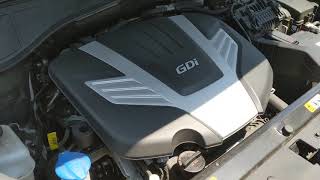
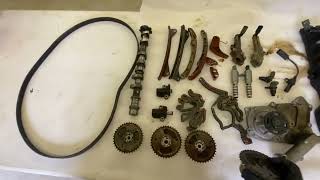
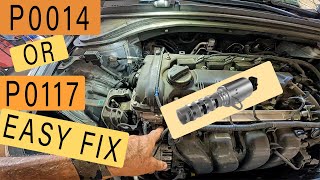
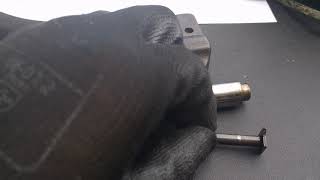
Helpful Videos
Used OEM Parts in Stock

New Aftermarket Parts Available


The information in this article is provided for general reference and educational purposes only. Vehicle specifications, procedures, and part compatibility can vary by production date, trim level, and region. Always consult your vehicle's factory service manual and verify part numbers before purchasing or performing repairs. Safety-critical components such as airbags, seat belts, and braking systems should be installed by a qualified professional.
- Hyundai Santa Fe:
- 🎬 Helpful Videos
- 🛍️ Shop This Part
- What's Unique About the 2013-2018 Hyundai Santa Fe
- Symptoms You May Notice
- Most Likely Causes
- Rare But Worth Checking
- Diagnosis Steps
- Parts You'll Likely Need
- Related Codes That Often Appear With This One
- Platform-Specific Known Issues
- Mechanic-Grade Diagnostic Values
- Scan Tool Commands That Help
- Wiring & Ground Locations
- Real Owner Repair Stories
- OEM Part Supersession History
- Model Year Variations Within This Range
- Diagnostic Flowchart
- Other Known Issues on This Vehicle
- Used vs. New Parts: Buying Guide for This Vehicle
- Real Owner Stories
- 2019 Hyundai Kona
- 2013 Hyundai Santa Fe Sport 2.0T
- Kia Sorento 3.3L V6
- Related OBD-II Codes
- Frequently Asked Questions
- 🎟️ Get 5% Off