

P0017 on 2012-2020 Chevrolet Sonic 1.6L/1.8L: Exhaust Camshaft Correlation Causes and Fixes
On the 1.6L and 1.8L Sonic, P0017 most often points to a faulty exhaust camshaft position actuator solenoid, which is an easy DIY fix for under $50. The second most likely cause is a mechanical timing issue, such as a slipped or incorrectly installed timing belt, which is a more serious repair. Always check oil level and condition first.
- Always check your engine oil level and condition first. Low or dirty oil is a primary cause of VVT system faults.
- The most likely fix is replacing the exhaust camshaft actuator solenoid. Use the 'solenoid swap test' to confirm this before buying parts.
- If the Check Engine Light appeared right after a timing belt replacement, the mechanical timing is almost certainly incorrect and needs to be redone by a competent mechanic.
- Do not immediately replace the camshaft or crankshaft sensors, as they are less common failure points than the solenoids or timing components for this specific code.
What's Unique About the 2012-2020 Chevrolet Sonic

The 1.6L and 1.8L Ecotec engines in the Sonic are known for issues with the camshaft actuator solenoids, which can get clogged by dirty oil or fail electrically. Unlike the 1.4L turbo Sonic which has a timing chain, these engines use a timing belt. A P0017 code appearing immediately after a timing belt replacement is a strong indicator that the mechanical timing was set incorrectly during the service. A specific issue noted in GM TSB PIP4543D is a small black plastic oil sleeve between the cam actuator and camshaft that can be lost during repairs, causing this exact code.
Symptoms You May Notice
- Check Engine Light is on
- Rough or unstable idle
- Poor acceleration and loss of power
- Engine stalling, especially at low speeds
- Increased fuel consumption
- Rattling noise from the engine
- Replacing the camshaft or crankshaft position sensors first. While they can fail, the actuator solenoids and mechanical timing are far more common culprits on this engine. Always diagnose by swapping the solenoids before replacing any sensors.
Most Likely Causes

- Faulty Exhaust Camshaft Position Actuator Solenoid 🔴 High Probability These solenoids use engine oil pressure to function and have small internal passages and screens that can become clogged by debris or sludge from old oil. Electrical failure is also common, making this the most frequent cause of P0017.
How to confirm: Swap the exhaust solenoid with the identical intake solenoid. They are located on top of the valve cover and held by a single bolt each. Clear the codes and drive. If the code changes to P0016 (Intake Camshaft Position Correlation), the solenoid is bad. This is a widely-accepted diagnostic shortcut in owner forums.
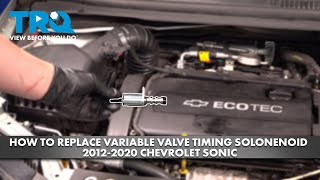
Typical fix: Replace the exhaust camshaft position actuator solenoid. 🎬 Watch: Step-by-step guide to replacing your VVT solenoid. Many owners replace both intake and exhaust solenoids at the same time as preventative maintenance since they are identical parts and have similar wear patterns.
Est. part cost: $25-$50 - Low or Dirty Engine Oil 🔴 High Probability The entire Variable Valve Timing (VVT) system, which includes the actuator solenoids and cam phasers, is dependent on clean oil at the correct pressure to function. These engines are sensitive to oil level and quality.
How to confirm: Check the engine oil dipstick for low level and inspect the oil for a dark, sludgy consistency. Check the vehicle's service history for oil change intervals.
Typical fix: Perform an oil and filter change using the manufacturer-specified grade of oil (typically 5W-30 synthetic blend). Clear codes and re-test.
Est. part cost: $30-$70 - Incorrect Mechanical Timing (Timing Belt) 🟡 Medium Probability The 1.8L and 1.6L engines use a timing belt that requires replacement at a set interval (around 97,500 miles). If the belt is installed incorrectly, even by one tooth, it will cause correlation codes. This is a very common issue reported by owners on forums like Reddit and Sonic Owners Forum immediately after a timing belt service.
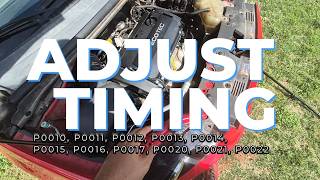
How to confirm: This requires a physical inspection of the timing belt, camshaft locking tools, and crankshaft position to verify all timing marks are perfectly aligned. This is an involved process. 🎬 See how to check and adjust your engine timing. One owner on a forum noted that even with the locking tool, the valve spring pressure can cause the cam to shift upon tool removal, requiring careful technique to keep it aligned while tensioning the belt.
Typical fix: Re-time the engine by removing and correctly reinstalling the timing belt, tensioner, and pulleys using the proper locking tools.
Est. part cost: $100-$250 (for a full kit) - Faulty Exhaust Camshaft Position Sensor ⚪ Low Probability While electronic sensors can fail, they are less likely to be the cause of a correlation code than the actuator solenoids or mechanical timing. Misdiagnosing this is common.
How to confirm: After confirming the solenoid is good (via the swap test), you can test the sensor. A visual inspection for damage to the sensor or its wiring is necessary. A more definitive test is to swap the intake and exhaust cam position sensors (if they are identical) and see if the code changes to P0016.
Typical fix: Replace the exhaust camshaft position sensor.
Est. part cost: $20-$60
Rare But Worth Checking
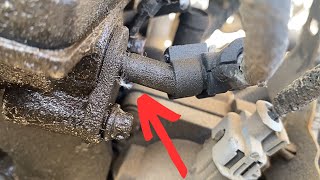
- Missing/Damaged Camshaft Actuator Oil Sleeve: A GM Technical Service Bulletin (PIP4543D) notes that a small black plastic oil sleeve between the cam actuator and the camshaft can be lost or damaged during repairs like a timing belt or cylinder head service. If this sleeve is missing, the actuator cannot be controlled properly, leading to timing codes. The bulletin states this part is NOT sold separately and comes with a new actuator assembly.
- Failed Camshaft Phaser (Actuator Gear): The mechanical gear (phaser) that the solenoid controls can become stuck or fail internally, but this is much less common than the solenoid itself failing.
- Damaged Crankshaft Reluctor Wheel: The toothed wheel that the crankshaft position sensor reads can be damaged or slip, causing an incorrect signal and triggering a correlation code. One forum user with a similar GM engine reported a broken reluctor wheel as the root cause of a persistent P0017.
Diagnosis Steps

- Check the engine oil level and condition. If it is low or very dirty, perform an oil and filter change before proceeding. This simple step resolves the issue in some cases.
- Scan the ECM for any other stored trouble codes to see if other systems are involved.
- Inspect the wiring and connectors for the camshaft position sensor and actuator solenoid for any signs of damage, corrosion, or oil contamination.
- Perform the 'solenoid swap test'. The intake and exhaust camshaft actuator solenoids are identical and easily accessible on top of the engine. Swap their positions, clear the codes, and drive the vehicle. If the code changes to P0016, the solenoid you moved to the intake position is faulty and must be replaced. This is the most effective initial diagnostic step.
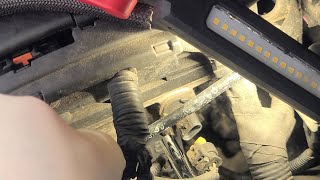
- If the code does not change after the swap, the issue is not the solenoid. The next step is to test the exhaust camshaft position sensor itself, either by swapping it with the intake sensor (if identical) or testing with a multimeter. 🎬 Watch: How to locate and replace both camshaft sensors.
- If the sensors and solenoids test good, the problem is likely mechanical. The timing belt alignment must be checked. This is an advanced procedure requiring special tools to lock the camshafts and crankshaft in place for verification.
- If the code appeared after recent engine work (e.g., timing belt change, valve cover gasket), check for the presence of the black plastic oil sleeve behind the camshaft actuator, as noted in TSB PIP4543D.
Parts You'll Likely Need
- Exhaust Camshaft Position Actuator Solenoid
(OEM #12655421 (may be superseded by 12679100))— This is the most common failure part for code P0017 on this engine. It is prone to clogging and electrical failure.
Trusted brands: ACDelco, Delphi, Dorman
OEM price range: $35-$50
Aftermarket price range: $20-$40 - Timing Belt Kit (with Tensioner and Idler)
(OEM #TCKWP338 (example kit number))— If the code is caused by incorrect mechanical timing, a full timing belt kit is needed to properly re-time the engine. The tensioner and idler should always be replaced with the belt.
Trusted brands: ACDelco, Gates, Continental
OEM price range: $150-$250
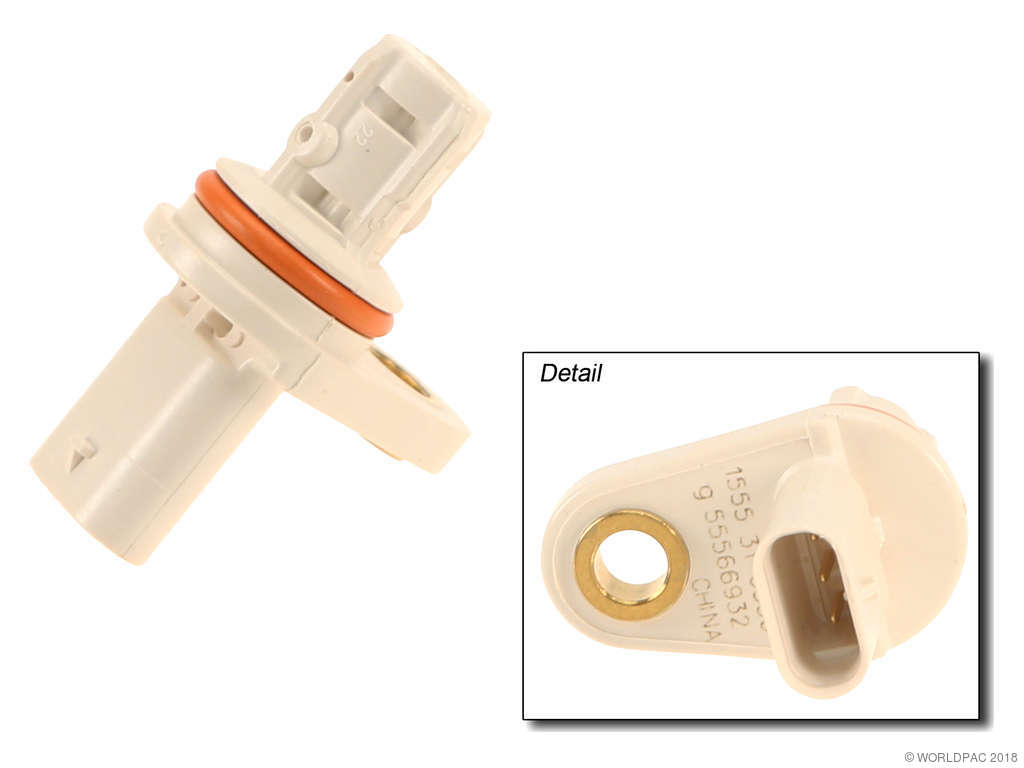
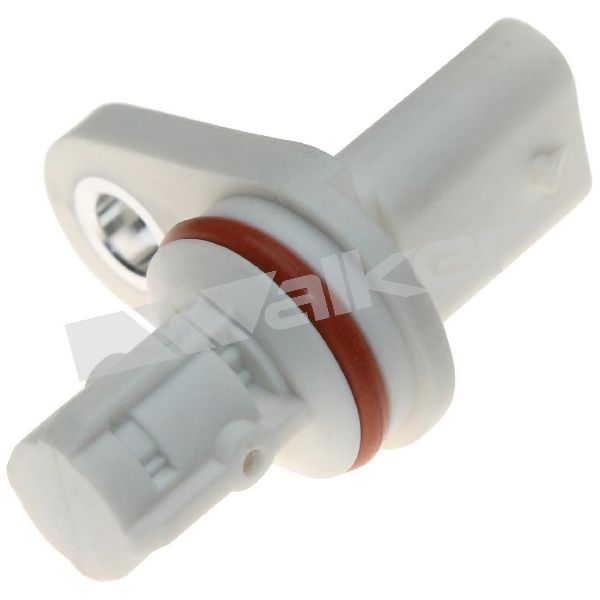
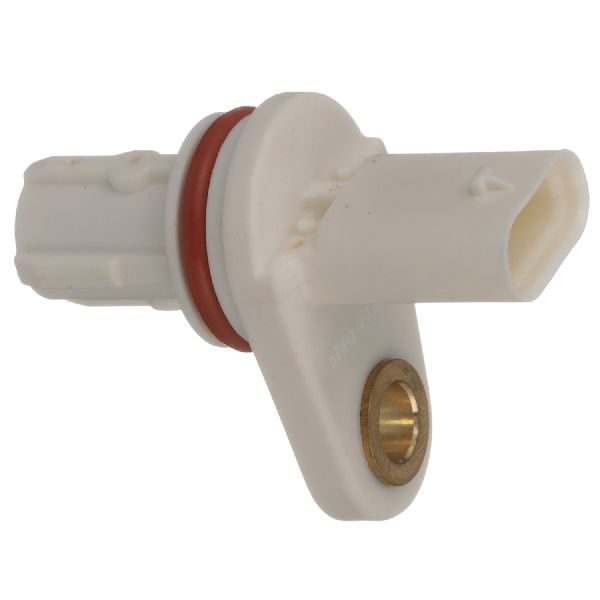
Aftermarket price range: $100-$180 - Exhaust Camshaft Position Sensor
(OEM #55565709 or 25195556)— If the solenoid and timing are confirmed to be good, the sensor itself may have failed, sending incorrect data to the ECM.
Trusted brands: ACDelco, Bosch, NTK
OEM price range: $40-$60
Aftermarket price range: $20-$40
Related Codes That Often Appear With This One
- P0014 — This code ('B' Camshaft Position - Timing Over-Advanced) also relates to the exhaust camshaft. Seeing it with P0017 strongly points to a problem with the exhaust VVT solenoid, oil flow, or mechanical timing.
- P0016 — This is the correlation code for the intake camshaft. If P0016 and P0017 appear together, it's a very strong sign of a base timing issue, like a slipped timing belt affecting both camshafts, as it's unlikely both solenoids failed at once.
Technical Service Bulletins (TSBs) & Recalls

- PIP4543D: 'DTCs P0011 P0014 P0016 Or P0017 After Cylinder Head Or Cam Actuator Removal' - Warns about a missing/damaged black plastic oil sleeve on the camshaft actuator causing timing codes after repairs on 1.6L/1.8L engines.
- Bulletin #PIP4543C: This manufacturer communication provides information regarding diagnostic trouble codes P0011, P0014, P0016, or P0017 in the engine control module following repairs involving the camshaft actuators, specifically noting the role of a unique black plastic oil sleeve.
Platform-Specific Known Issues
- A code of P0017 appearing immediately after a timing belt replacement almost always indicates the mechanical timing was set incorrectly. A Reddit user with a 2012 1.8L Cruze reported this exact scenario, having used all the correct locking tools but still getting the code, pointing to a subtle alignment error.
- TSB PIP4543D is critical for this engine. It warns that after any repair involving cam actuator removal, a missing black plastic oil sleeve can cause this code.
Mechanic-Grade Diagnostic Values
- Camshaft Position Actuator Solenoid Resistance — expected: 8 to 13 Ohms. Failure: A reading of OL (Open Loop/Infinite resistance) or a value significantly outside the expected range indicates a failed solenoid coil.
- Camshaft Position Sensor Power Supply — expected: 5 Volts DC. Failure: A reading significantly lower or higher than 5V points to a problem with the ECM or the wiring harness.
- Scan Tool: Desired vs. Actual Camshaft Position Angle — expected: The 'Actual' value should closely track the 'Desired' value, with a variance near 0 degrees at idle.. Failure: A consistent variance of several degrees that does not change with RPM indicates a mechanical timing or phaser problem.
- Camshaft Position Sensor Ground Circuit — expected: Near 0 Volts DC. Failure: Any significant voltage reading on the ground wire indicates a bad ground connection (high resistance) at a location like G104 or G106.
Scan Tool Commands That Help
- GDS2 (GM Global Diagnostic System 2): Camshaft Position Actuator Control — This bidirectional command allows a technician to manually command the exhaust VVT solenoid to a specific angle while monitoring the actual angle reported by the cam sensor. If the actual angle doesn't change or doesn't match the command, it helps isolate a faulty solenoid, a stuck phaser, or an oil flow issue.
- GDS2 (GM Global Diagnostic System 2): Crankshaft Position Variation Learn — This is not a direct fix for P0017, but it is a required procedure after replacing a crankshaft position sensor or ECM. It calibrates the system to accurately detect misfires. Failure to perform it can lead to other issues, but it will not resolve a mechanical correlation fault.
Wiring & Ground Locations
- G106 — Left rear of the engine block.. This is a primary ground path for the Engine Control Module (ECM). A poor or corroded connection here can cause erratic ECM behavior, unstable sensor readings, and false codes.
- G104 — Lower right rear of the engine block.. This ground is critical for components mounted directly on the engine, including the Crankshaft Position Sensor. A bad connection can disrupt the CKP signal, which is half of the data needed for the correlation check.
- G105 — Left front of the engine compartment, near the underhood fuse block or behind cooling fan relays.. A major engine compartment ground point. While less direct, a loose or corroded G105 can introduce electrical noise and unstable sensor readings across the entire engine harness.
- Exhaust Camshaft Position Sensor Connector — Plugs into the sensor on the left-rear of the cylinder head (driver's side, near firewall).. This is the direct connection point for testing the sensor. Pin 1 is 5V Reference, Pin 2 is Low Reference (Ground), and Pin 3 is the Signal wire. Checking for 5V, good ground, and a square wave signal here can confirm sensor and wiring integrity back to the ECM.
- Exhaust Camshaft Position Actuator Solenoid Connector — On top of the valve cover, plugs into the exhaust solenoid (left side when facing engine from front).. This is where to test the solenoid's resistance (across its two pins) and check for the control signal from the ECM. Pin 1 is the control signal and Pin 2 is the low reference/return.
Real Owner Repair Stories
- Reddit user in r/autorepair (2012 Chevy Sonic LT, 158k miles) — Check Engine Light with code P0017 immediately after picking the car up from service. Car was driving beautifully with no noticeable performance issues.
❌ Tried (didn't work) The shop cleared the code and told the owner the car had not 'registered the new parts yet'., An auto parts store cleared the code, but it returned after about 20 miles.
✅ What actually fixed it The story is a perfect example of P0017 appearing immediately after a timing belt, water pump, and tensioner replacement. The user was taking it back to the shop, and the overwhelming consensus from other mechanics was that the shop made a mistake and the mechanical timing was off by a tooth. - User on Chevrolet Forum (2017 Chevy Sonic 1.8L) — A persistent P0017 code that he can't get rid of. Sometimes it takes two days to return, other times it returns instantly on startup.
❌ Tried (didn't work) Replaced timing belt and tensioner (using alignment tools), Replaced both intake and exhaust cam phasers, Replaced both VVT solenoids, Replaced all three position sensors (intake cam, exhaust cam, crank)
✅ What actually fixed it Unresolved. This story is included because it's a master-level example of the 'parts cannon' failing to fix the issue, highlighting that the problem can be extremely subtle. The user did everything 'by the book' and still had the code, pointing towards a potential wiring issue, an ECM problem, or a very subtle mechanical fault that was overlooked (like the TSB-noted oil sleeve or an issue with the reluctor wheel).
OEM Part Supersession History
12992408→55567050— Part number update/revision by GM for the VVT Solenoid.12655421→12679100— Part number update/revision by GM/ACDelco for the VVT Solenoid.
Model Year Variations Within This Range
- 2019-2020: The 1.8L LUW/LWE engine was discontinued for the 2019 model year. All 2019 and 2020 Sonics came standard with the 1.4L Turbo (LUV) engine, which uses a timing chain instead of a timing belt. Therefore, the causes, parts, and procedures in this article are only applicable to 2012-2018 Sonics with the 1.6L or 1.8L engine.
- 2012-2018: The 1.8L engine came in two forms, LUW (VIN H) and LWE (VIN G). The LWE is a PZEV (Partial Zero-Emission Vehicle) version that adds an air injection smog pump for emissions compliance in certain states. This difference does not fundamentally change the diagnosis for P0017.
Diagnostic Flowchart

Other Known Issues on This Vehicle
Issues unrelated to this code that are worth knowing about as an owner of this generation:
- Cracked Plastic Thermostat/Water Outlet Housing 🔴 High — Extremely common. The plastic becomes brittle and cracks, causing coolant leaks. Often occurs between 50,000 and 100,000 miles. Many owners upgrade to an aftermarket aluminum housing. (Ref: No recall, but it is a widely documented failure.)
- PCV System Failure (Valve Cover) 🟠 Medium — Common. The PCV diaphragm is integrated into the valve cover and is not sold separately. Failure causes vacuum leaks (code P0171), rough idle, and increased oil consumption.
- Intake Manifold Tuning Valve Arm Failure 🟠 Medium — Frequent on the 1.8L engine. A small plastic arm on the intake manifold breaks, causing a P2076 code. The dealer repair is to replace the entire manifold, but aftermarket repair kits for the arm are available.
- Leaking Oil Cooler/Filter Housing Gaskets 🟠 Medium — A common source of oil leaks. The gaskets between the oil cooler/filter housing and the engine block degrade, causing oil to leak down the back of the engine.
- Leaking Water Pump (1.4L Engine) 🔴 High — Common enough on the 1.4L Turbo engine (not the 1.6/1.8L) that GM issued a special coverage adjustment. (Ref: Special Coverage Adjustment 14371B (10 years/150,000 miles for leaking water pump on 1.4L models).)
- Noisy Front Sway Bar Links 🟡 Low — Very common. Worn sway bar links are a primary cause of clunking noises from the front suspension when going over bumps, often misdiagnosed as bad struts. (Ref: GM PI0808 identified this as a common noise source.)
Used vs. New Parts: Buying Guide for This Vehicle
When a used part is the smart pick: A used OEM VVT solenoid from a low-mileage donor vehicle (under 60k miles) can be a cost-effective alternative to a new aftermarket part. It is generally not recommended for other components related to this repair.
Donor-vehicle mileage cap: roughly under 60000 miles for the part to have meaningful remaining life.
What to inspect on the donor part:
- For a VVT solenoid, inspect the mesh screens; they must be perfectly clean, free of debris, and not torn.
- Check the plastic connector housing for cracks or brittleness.
- Ensure the O-ring is pliable, not flattened or cracked (though it's best to replace it anyway).
OEM-only on this vehicle (don't cheap out):
- Timing Belt and Tensioner: This is a critical, high-stress component. The risk of catastrophic engine damage from a failed belt or tensioner is too high to justify using non-OEM or unproven aftermarket parts. While some aftermarket brands are reputable, ACDelco/GM Genuine is the safest choice.
- Camshaft Phasers (Actuators): Aftermarket phasers have a mixed reputation. Given the labor involved to replace them, using OEM parts is strongly recommended to ensure longevity and proper function.
Aftermarket brands forum-validated for this vehicle:
- VVT Solenoids: Dorman (e.g., 917-216) is a widely available and generally accepted aftermarket option. NTK and Delphi are also considered reliable choices.
- Timing Belt Kits: Gates and Continental are well-regarded aftermarket manufacturers for timing components.
Brands owners have reported issues with on this vehicle:
- Avoid unbranded, 'white box' VVT solenoids and sensors from online marketplaces like Amazon or eBay. Forum users frequently report these parts failing within weeks or months, or being dead on arrival.
Real Owner Stories
Aggregated from forums and TSBs cited above. Mileages and costs reflect what owners reported in those sources.
2012 Chevrolet Cruze 1.8L
Symptoms: Error P0017 appeared immediately after a timing belt replacement despite using the correct locking tools.
What fixed it: Correcting a subtle alignment error in the mechanical timing that occurred during the belt installation.
Source hint: Reddit r/Cruze - 'Error P0017 after timing belt replacement'
2012 Chevrolet Sonic
Symptoms: Owner struggled with P0017 and specifically how to rotate the exhaust cam so the slots line up and stay in position during repair.
What fixed it: Properly aligning the camshaft slots and ensuring they stay in position while tensioning the belt.
Source hint: Sonic Owners Forum - '2012 sonic with p0017 code.'
Related OBD-II Codes
Frequently Asked Questions
I just replaced the timing belt on my 1.8L Sonic and now I have a P0017 code. Did I do something wrong?
Does TSB PIP4543D apply to my Chevrolet Sonic if I'm seeing P0017?
Can I test the solenoids myself before buying new parts?
Is there a specific oil I should use to prevent VVT issues like P0017?
Are there other common failures on the Sonic I should look out for while fixing this?
Helpful Videos
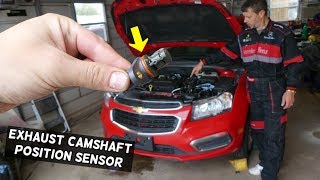
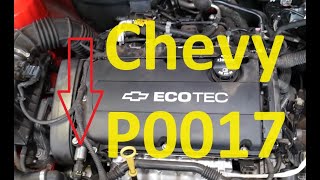
We Have This Part in Stock



The information in this article is provided for general reference and educational purposes only. Vehicle specifications, procedures, and part compatibility can vary by production date, trim level, and region. Always consult your vehicle's factory service manual and verify part numbers before purchasing or performing repairs. Safety-critical components such as airbags, seat belts, and braking systems should be installed by a qualified professional.
- Chevrolet Sonic:
- 🎬 Helpful Videos
- 🛍️ Shop This Part
- What's Unique About the 2012-2020 Chevrolet Sonic
- Symptoms You May Notice
- Most Likely Causes
- Rare But Worth Checking
- Diagnosis Steps
- Parts You'll Likely Need
- Related Codes That Often Appear With This One
- Technical Service Bulletins (TSBs) & Recalls
- Platform-Specific Known Issues
- Mechanic-Grade Diagnostic Values
- Scan Tool Commands That Help
- Wiring & Ground Locations
- Real Owner Repair Stories
- OEM Part Supersession History
- Model Year Variations Within This Range
- Diagnostic Flowchart
- Other Known Issues on This Vehicle
- Used vs. New Parts: Buying Guide for This Vehicle
- Real Owner Stories
- 2012 Chevrolet Cruze 1.8L
- 2012 Chevrolet Sonic
- Related OBD-II Codes
- Frequently Asked Questions
- 🎟️ Get 5% Off