

P0017 on 2008-2015 Audi 2.0T EA888: Timing Chain & Tensioner Guide
On the 2008-2015 Audi 2.0T EA888 engine, P0017 almost always indicates a stretched timing chain or a failed timing chain tensioner. This is a critical issue that can lead to catastrophic engine failure. Do not simply replace the sensors; the root cause is mechanical. The fix requires replacing the chain, guides, and tensioner with the updated version (P/N 06K109467K). Expect a repair cost of $1,500-$3,000+ at a professional shop.
- P0017 on a 2008-2015 Audi 2.0T is a serious code that points to a mechanical timing failure, not a simple sensor issue.
- The most likely cause is a failed timing chain tensioner, a well-known defect in these engines.
- A rattling noise on a cold start is the classic symptom of this failure and should be addressed immediately.
- Do not drive the vehicle. Continuing to do so risks the chain jumping time, which can destroy the engine.
- The correct fix involves replacing the timing chain, tensioner, and guides with updated parts, which is a significant and costly repair.
What's Unique About the 2008-2015 Audi Multiple

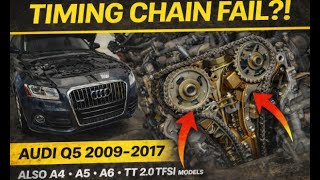
The EA888 Gen1 and Gen2 engines used in this period are notorious for a specific design flaw in the timing chain tensioner. The original tensioner uses a ratchet mechanism that can fail to hold, or the piston can retract completely when oil pressure is absent (engine off). This allows the timing chain to become slack, causing a rattling noise on startup. This slack leads to accelerated chain stretch, allowing the chain to 'jump time,' which triggers P0017 and can cause catastrophic piston-to-valve contact. Unlike many other vehicles where this code might point to a bad sensor, on this Audi engine, it is almost always a sign of this well-documented mechanical failure.
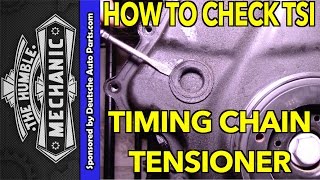
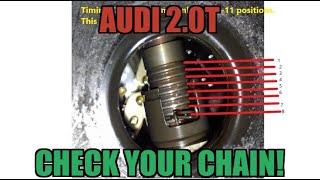
Generation note: This issue primarily affects the EA888 Gen1 and early Gen2 engines, roughly from 2008 through mid-2012, which were factory-equipped with the faulty tensioner design. Later models received an updated tensioner design from the factory, but chain stretch can still occur with high mileage. Visual inspection of the tensioner through the lower timing cover plug 🎬 See how to visually inspect your tensioner through the port. is the best way to confirm which design you have.
Symptoms You May Notice
- Engine rattling noise on cold startup, lasting for a few seconds (the 'death rattle')
- Check Engine Light is on
- EPC (Electronic Power Control) light may be on or blinking
- Rough or unstable idle
- Engine misfires or hesitation during acceleration.
- Noticeable loss of engine power.
- In severe cases, the engine cranks but fails to start, or cranks with an unusual, smooth 'sewing machine' sound, indicating no compression.
- Replacing the camshaft position sensor or crankshaft position sensor without checking the mechanical timing. This is the most common mistake and will not fix the problem.
Most Likely Causes


- Failed Timing Chain Tensioner & Stretched Timing Chain 🔴 High Probability A known design defect in the original-spec tensioner for EA888 Gen1/2 engines causes it to lose hydraulic pressure and its mechanical lock can fail, leading to chain slack and accelerated stretch.
How to confirm: Listen for a rattle on cold starts. Use a VCDS/OBDeleven scan tool to check 'Camshaft adaptation... phase position' (Block 93). A value greater than +/- 5 degrees indicates significant stretch. A mechanic can also remove the inspection plug (P/N 06H115418AA) on the lower timing cover to visually check the tensioner's extension. If it is extended past 6-7 'ribs' or 'teeth', the chain and tensioner need replacement.
Typical fix: Complete replacement of the timing chain, tensioner, and all related guides with the latest revised parts. The updated tensioner part number is 06K109467K.
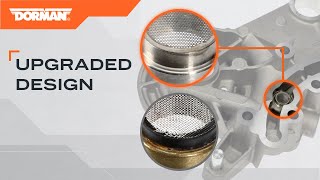
Est. part cost: $300-$600 for a quality kit - Clogged or Damaged Camshaft Bridge Screen 🟡 Medium Probability A small mesh screen on the camshaft bridge, which filters oil for the VVT system, is known to degrade, tear, and break apart. Debris can clog the oil passages to the camshaft adjuster (phaser) or the N205 solenoid, causing it to malfunction and trigger a correlation code.
How to confirm: The camshaft bridge (under the upper timing cover) must be removed to inspect the screen. If the screen is missing or damaged, the bridge should be replaced and oil passages checked for debris.
Typical fix: Replace the camshaft bridge with an updated part (P/N 06H103144K). Many mechanics proactively remove the screen from the new part to prevent future failure, though this is debated.
Est. part cost: $150-$250 for an OEM part - Failed VVT Control Solenoid (N205 Valve) ⚪ Low Probability The solenoid that controls oil flow to the exhaust cam phaser can fail electrically or become clogged with debris (often from a failed bridge screen), getting stuck in one position.
How to confirm: A mechanic can command the solenoid with a scan tool to check for response. It can also be removed and tested for resistance and operation. The internal plunger should move freely.
Typical fix: Replace the N205 solenoid.
Est. part cost: $40-$100
Rare But Worth Checking
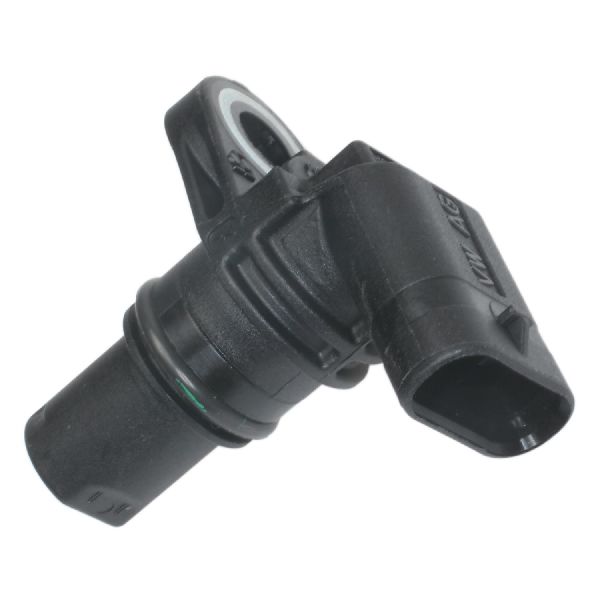
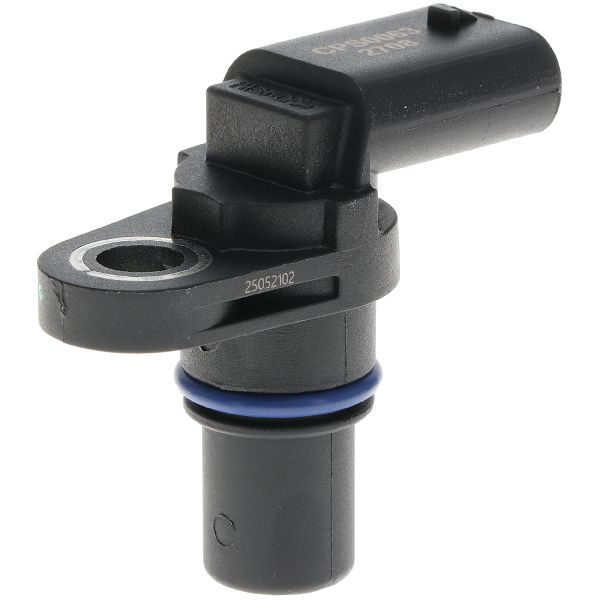
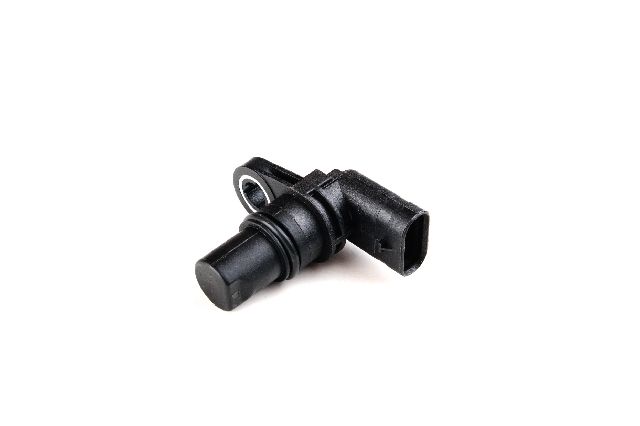
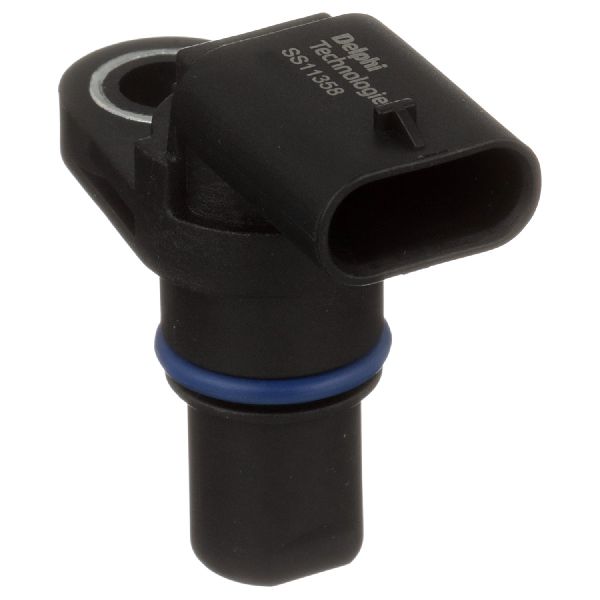
- Failed Camshaft Position Sensor (CMP) or Crankshaft Position Sensor (CKP): While these sensors can trigger correlation codes, it is extremely rare for them to be the root cause on this specific engine. They should only be considered after all mechanical timing components have been verified as working correctly.
- Low Engine Oil Level or Pressure: The entire variable valve timing system relies on correct oil pressure. Severely low oil, incorrect oil viscosity, or a sludged oil pickup screen can cause the tensioner and adjusters to function improperly and set this code. Always check the oil level and service history first.
Diagnosis Steps

- Verify engine oil level and condition. Correct if low or dirty.
- Scan for all DTCs. Note if P0016 is also present, which strongly indicates a base timing fault.
- Listen for a metallic rattling sound from the front of the engine during a cold start.
- With a capable scan tool (like VCDS or OBDeleven), check the camshaft adaptation value ('Measuring Value Block 93 🎬 Watch: How to check for timing chain stretch using VCDS.' on older tools). A deviation greater than +/- 5 degrees at warm idle strongly indicates a mechanical timing problem (stretched chain).
- Have a qualified mechanic visually inspect the timing chain tensioner through the inspection port in the lower timing cover to assess its extension. More than 6-7 ribs showing means the chain is stretched.
- If the tensioner and chain are confirmed to be good, inspect the camshaft bridge for a damaged or missing oil screen. 🎬 Watch this guide on fixing common camshaft bridge screen issues.
- As a secondary check, test the N205 VVT solenoid for proper operation.
- Only after all mechanical causes are ruled out should you test the camshaft and crankshaft position sensors and their wiring.
Parts You'll Likely Need
- Timing Chain Kit (Updated)
(OEM #Tensioner: 06K109467K)— This is the primary failure point. A complete kit includes the updated tensioner (P/N 06K109467K), chain, and all plastic guides needed to fix the root cause. The old tensioner revisions (e.g., 06H109467N, 06H109467T) are faulty and should be replaced on sight.
Trusted brands: INA, Iwis, FCP Euro Kit
OEM price range: $500-$700
Aftermarket price range: $300-$500 - Camshaft Bridge / Bracket
(OEM #06H103144K (supersedes 06H103144J))— The oil screen on the original bridge often fails, starving the VVT system of oil. It is often replaced as part of a full timing job. The latest revision is part number 06H103144K.
Trusted brands: Genuine VW/Audi
OEM price range: $150-$250
Aftermarket price range: $80-$150 - VVT Control Solenoid / Magnet
(OEM #06L109257F)— A less common but possible cause. This solenoid controls oil flow to the cam phaser and can get stuck or fail, often due to debris from the camshaft bridge screen.
Trusted brands: Bosch, Genuine VW/Audi
OEM price range: $80-$120
Aftermarket price range: $40-$70
Related Codes That Often Appear With This One
- P0016 — This is the same correlation error but for the intake camshaft ('Sensor A'). If P0016 and P0017 appear together, it strongly points to a base timing issue like a jumped or severely stretched timing chain.
- P0341 — This code indicates a problem with the camshaft position sensor circuit. It can sometimes appear with P0017 if the timing deviation is severe enough to cause an erratic sensor signal or if debris from a failing bridge screen has damaged other components.
Technical Service Bulletins (TSBs) & Recalls
- While no single TSB number is universally cited for P0017, Audi issued multiple technical service bulletins and updated parts to address the root causes. TSBs exist for related symptoms, such as diagnosing chain stretch and replacing the camshaft bridge. For example, a VW TSB noted that a torn camshaft bridge screen could cause downstream VVT issues. This is a known issue addressed by dealers through a series of internal documents and parts revisions rather than a single public TSB for the code itself.
Platform-Specific Known Issues
- A class-action lawsuit was settled regarding the faulty timing chain tensioners in these engines, which led to an extended warranty for some owners. However, most of these vehicles are now well past the age and mileage limits of that extension program. Always check with a dealer with your VIN, but expect to pay for this repair out of pocket.
Mechanic-Grade Diagnostic Values

- N205 Camshaft Adjustment Valve (VVT Solenoid) Resistance — expected: 5 to 15 Ohms. Failure: A reading outside this range (e.g., open circuit or short) indicates a faulty solenoid.
- Camshaft Position Sensor (G163) Voltage Supply — expected: At least 4.5V. Failure: Voltage below 4.5V at the sensor connector (with ignition on) points to a wiring or ECU power supply issue, not a bad sensor.
- Engine Oil Pressure at Hot Idle (approx. 80°C / 176°F) — expected: 17.4 - 30.5 psi (1.2 - 2.1 bar). Failure: Pressure below this range can starve the VVT system, including the tensioner and phasers, causing correlation codes.
- Engine Oil Pressure at 2000 RPM (Hot) — expected: 39 psi (2.7 bar) or higher. Failure: Low pressure under load indicates a significant lubrication issue, such as a failing oil pump or clogged pickup tube, that must be addressed before timing components.
Scan Tool Commands That Help
- VCDS (VAG-COM) / ODIS: N205 Solenoid Output Test — After checking timing chain stretch (Block 93), this test can be used to functionally check the VVT solenoid. The tool commands the solenoid to activate, and the tech can listen for a click or observe changes in engine timing/behavior to confirm it's not seized.
- VCDS (VAG-COM) / ODIS: Read Measuring Value Block 93 (Camshaft Adaptation Phase Position) — This is the primary diagnostic step for P0017. It shows the live deviation in degrees between the crankshaft and camshaft. A value consistently greater than +/- 5 degrees confirms a mechanical timing issue (stretched chain or jumped tooth).
Wiring & Ground Locations
- Engine Block / Cylinder Head Ground — Multiple ground straps connect the engine block and cylinder head to the chassis. A key location on many B8 models is a ground point on the passenger-side frame rail, near the fender and behind the headlight.. The camshaft and crankshaft sensors, as well as the ignition coils, rely on a clean ground path. A corroded or loose engine ground can introduce electrical noise, potentially affecting sensor signals and contributing to intermittent or unusual timing-related faults, though it is not a primary cause of P0017.
- Camshaft Position Sensor Connector (G163 - Exhaust) — On the upper timing cover or valve cover, typically a 3-pin connector leading to the sensor mounted on the cylinder head.. This is the direct connector for the sensor triggering the P0017 code. Technicians test for supply voltage, ground, and signal integrity at these pins. A forum post for the intake sensor (G40) on a B8 CAEB engine identified the wires as green/red, blue/gray, and black, routing to pins on a larger 14-pin connector under the intake manifold.
Real Owner Repair Stories
- Reddit user 'wwoolyieten' (2015 Ford Expedition EcoBoost (Note: Different vehicle, but identical failure scenario after a timing job)) — After personally replacing the timing chain and phasers, all previous codes cleared, but a new P0017 code appeared.
❌ Tried (didn't work) Triple-checking that timing marks were aligned during the procedure., Testing VCT solenoids and camshaft position sensor voltage.
✅ What actually fixed it The timing was technically correct upon assembly, but slack was left on the wrong side of the chain. Upon the first startup, the chain jumped one tooth, causing the P0017 code. The fix required re-doing the entire timing job to correct the slack position before tensioning. - NHTSA ODI #11708802 — An owner of a related Audi model reported a catastrophic engine failure while driving on the highway. The vehicle displayed DTC P0017 along with P054A and P0301, rendering the vehicle undrivable despite being serviced at recommended intervals.
When the Usual Fixes Don't Work
- In cases where a P0017 code appears immediately after a timing chain replacement, the cause is frequently not a faulty new part. A common scenario is an error in the installation procedure. If the timing chain slack is not properly managed before the new tensioner is released, the chain can jump a single tooth on the crankshaft or camshaft sprocket during the first engine rotation. This will immediately create a correlation error and trigger the P0017 code, even though all parts are new. Another possibility after a chain replacement is that a secondary component, like the camshaft phaser itself or the N205 solenoid, was also failing but was not replaced along with the chain and guides.
OEM Part Supersession History
06H109467N, 06H109467T, 06H109467AB, and others→06K109467K— The original tensioner designs used a faulty ratchet mechanism that could fail, allowing the piston to retract when oil pressure was low. This would cause chain slack, leading to rattling and accelerated chain stretch.
Heads up: The older part numbers should never be used as replacements. If an engine has an older revision tensioner, it should be replaced with 06K109467K on sight, even if it hasn't failed yet.
Model Year Variations Within This Range
- 2008-2012: These years, covering late Gen1 and early Gen2 EA888 engines, were most commonly fitted with the original faulty timing chain tensioner design from the factory. A vehicle in this range is highly likely to have the problematic part if it has not been previously updated.
- 2013-2015: Vehicles in this range are more likely to have the updated 'K' revision tensioner from the factory. While the primary design flaw of the tensioner is resolved, they can still experience P0017 due to normal (though still premature) timing chain stretch from high mileage or poor oil maintenance.
- 2009+: Some Audi engines (e.g., CAEB code) in the Gen2 family were equipped with the Audi Valvelift System (AVS), which adds another layer of complexity to the valvetrain, though it is not a direct cause of P0017.
Diagnostic Flowchart
Used vs. New Parts: Buying Guide for This Vehicle
When a used part is the smart pick: For this specific P0017 repair, using used parts for the core timing system is strongly discouraged. The only scenario where used parts are acceptable is for ancillary components that might be removed during the job, such as the intake manifold, engine covers, or sensor connectors from a low-mileage donor vehicle.
Donor-vehicle mileage cap: roughly under 50000 miles for the part to have meaningful remaining life.
What to inspect on the donor part:
- For non-critical parts, verify no cracks, warping, or broken tabs.
- Ensure electrical connectors are free of corrosion and have intact locking tabs.
- Confirm the donor vehicle was not in a front-end collision that could have damaged engine components.
OEM-only on this vehicle (don't cheap out):
- Timing Chain Tensioner: The aftermarket is flooded with clones; only use the latest OEM revision (06K109467K) or a part from the direct OEM supplier (e.g., INA).
- Timing Chain Guides: These plastic parts become brittle with heat and age. Used guides are a liability. New OEM or OEM-supplier parts are essential.
- Camshaft Bridge: Given the known issue with the integrated screen, a new OEM part (06H103144K) is the only reliable choice.
Aftermarket brands forum-validated for this vehicle:
- INA: Often the Original Equipment Manufacturer for VAG timing components.
- Iwis: A highly respected OEM supplier for timing chains.
- FCP Euro, ECS Tuning, Deutsche Auto Parts: These retailers often bundle OEM and high-quality OEM-supplier parts into complete, reliable kits.
Brands owners have reported issues with on this vehicle:
- Unbranded, generic kits from online marketplaces (e.g., eBay, Amazon, AliExpress) without a specified manufacturer. The cost savings do not justify the immense risk of catastrophic engine failure from a low-quality chain or tensioner.
Real Owner Stories
Aggregated from forums and TSBs cited above. Mileages and costs reflect what owners reported in those sources.
2010 VW Passat 2.0T FSI — 112000 miles
Symptoms: A subtle rattling noise from the front of the engine that grew louder over three months, followed by a check engine light with P0016 and P0017 codes.
What fixed it: Replacing the entire timing kit, including guides, chain, and dampers, was necessary. Replacing just the tensioner was not enough due to correlated wear on all components.
Source hint: AliExpress Review: 'What Is a Timing Chain Tensioner? A Detailed Review of the YIMIAOMO 06H 109 467 N Kit for VW/Audi 2.0T FSI Engines - AliExpress'
Related OBD-II Codes
Frequently Asked Questions
My Audi is rattling on startup. How can I check if my timing chain is stretched without taking the engine apart?
I heard there was a lawsuit about the timing chain tensioner. Will Audi fix my 2011 A4 for free?
What is the part number for the updated, more reliable timing chain tensioner for the 2.0T engine?
How can a mechanic visually confirm the timing chain tensioner has failed?
My mechanic mentioned a 'camshaft bridge screen' might be the problem. What is that?
Is it more likely that P0017 is caused by a bad sensor or a mechanical problem on this engine?
Helpful Videos
Used OEM Parts in Stock
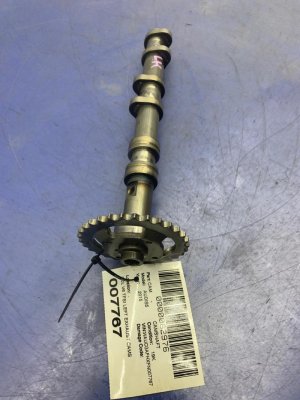
New Aftermarket Parts Available


The information in this article is provided for general reference and educational purposes only. Vehicle specifications, procedures, and part compatibility can vary by production date, trim level, and region. Always consult your vehicle's factory service manual and verify part numbers before purchasing or performing repairs. Safety-critical components such as airbags, seat belts, and braking systems should be installed by a qualified professional.
- Audi Multiple:
- 🎬 Helpful Videos
- 🛍️ Shop This Part
- What's Unique About the 2008-2015 Audi Multiple
- Symptoms You May Notice
- Most Likely Causes
- Rare But Worth Checking
- Diagnosis Steps
- Parts You'll Likely Need
- Related Codes That Often Appear With This One
- Technical Service Bulletins (TSBs) & Recalls
- Platform-Specific Known Issues
- Mechanic-Grade Diagnostic Values
- Scan Tool Commands That Help
- Wiring & Ground Locations
- Real Owner Repair Stories
- When the Usual Fixes Don't Work
- OEM Part Supersession History
- Model Year Variations Within This Range
- Diagnostic Flowchart
- Used vs. New Parts: Buying Guide for This Vehicle
- Real Owner Stories
- 2010 VW Passat 2.0T FSI — 112000 miles
- Related OBD-II Codes
- Frequently Asked Questions
- 🎟️ Get 5% Off