

P0016 on 2011-2016 Chevrolet Cruze 1.4L: Crank/Cam Correlation Causes and Fixes
P0016 on a 1.4L Cruze most often means the timing chain has stretched or a tensioner has failed. This is a serious issue requiring a full timing chain kit replacement. Low oil levels, often caused by a failed PCV system in the valve cover, can accelerate this wear. Expect a professional repair to cost between $800 and $2000.
- P0016 on a 2011-2016 Cruze 1.4L is a serious code that points to a probable mechanical timing issue.
- Do not ignore this code or continue driving, as it can lead to catastrophic engine failure.
- The most likely cause is a stretched timing chain and/or failed tensioner and guides.
- While easier fixes like changing the oil or replacing VVT solenoids are possible, be prepared for the high probability of needing a full timing chain replacement.
- This repair is not recommended for DIY beginners; it requires specialized tools and knowledge.
What's Unique About the 2011-2016 Chevrolet Cruze
The 1.4L Turbo (LUV) engine in the first-generation Cruze is known for premature timing chain system failures. The original timing chains can stretch, and the plastic guides and tensioners can wear out or break, leading to timing correlation codes like P0016. Compounding this, the engine's PCV system is integrated into the valve cover and is a frequent failure point; a ruptured PCV diaphragm leads to increased oil consumption, which can starve the timing components of lubrication and accelerate wear. While sensor or solenoid issues can cause this code on other vehicles, on this specific platform, it is very frequently a sign of a deeper mechanical issue within the timing system itself.
Generation note: This guide covers the first-generation Chevrolet Cruze (2011-2015). For the 2016 model year, Chevrolet sold both the first-generation model as the "Cruze Limited" and the redesigned second-generation model. This guide applies specifically to the 2016 Cruze Limited with the 1.4L LUV engine.
Symptoms You May Notice
- Check Engine Light is on
- Engine runs rough or idles poorly
- Rattling, buzzing, or diesel-like chatter from the engine, especially on cold startup.
- A deep rumbling sound during operation.
- Reduced engine power and acceleration, feeling sluggish.
- Difficulty starting the engine, may require longer cranking.
- Poor fuel economy
- Hesitation when accelerating.
- Replacing only the camshaft or crankshaft position sensors without verifying the engine's mechanical timing. On this engine, P0016 is most often a mechanical fault, not a sensor fault.
- Replacing the VVT solenoids when the actual problem is a stretched timing chain or low oil pressure. While a solenoid can be the cause, it's often a symptom of a larger issue.
Most Likely Causes
- Stretched Timing Chain / Failed Tensioner / Broken Guides 🔴 High Probability The 1.4L LUV engine is widely documented to have issues with timing chain stretch and tensioner failure. The plastic guides can also become brittle, break, and fall into the oil pan, potentially clogging the oil pickup tube and causing oil starvation.
How to confirm: A physical inspection is required. This involves removing the valve cover and timing cover to check for chain slack, broken guides, or a failed tensioner. A mechanic can also use a scan tool to observe cam/crank deviation, but physical inspection is definitive. In some cases, the code will return immediately on startup after being cleared if the timing is off.
Typical fix: Replacement of the entire timing chain kit, including the chain, tensioner, guides, and sometimes the camshaft and crankshaft sprockets.
Est. part cost: $150-$400 - Low or Dirty Engine Oil 🟡 Medium Probability The camshaft position actuators (phasers) use engine oil pressure to adjust timing. If the oil is low, dirty, or the wrong viscosity, it can't provide the necessary pressure, leading to correlation faults. This is often a symptom of a failed PCV system in the valve cover, which causes high oil consumption.
How to confirm: Check the engine oil level and condition on the dipstick. If the oil is low or looks like sludge, this could be the cause. Also inspect for a hissing noise from the valve cover, indicating a PCV failure.
Typical fix: Perform an engine oil and filter change using the correct specification oil (ACDelco dexos1). If the root cause is a failed PCV system, the valve cover must also be replaced.
Est. part cost: $40-$80 - Faulty Camshaft Position Actuator Solenoid (VVT Solenoid) 🟡 Medium Probability
How to confirm: The solenoids can be removed and tested for operation using a 12V source or by checking resistance. A common diagnostic step is to swap the intake and exhaust solenoids; if the code changes to P0017 (exhaust correlation), the solenoid is faulty. The screens on the solenoids should also be inspected for metal debris, which indicates a larger timing system failure.
Typical fix: Replace the faulty solenoid. They are located on the top of the valve cover and are relatively easy to access.
Est. part cost: $30-$70 - Faulty Camshaft or Crankshaft Position Sensor ⚪ Low Probability
How to confirm: Use a scan tool to monitor the live data from the sensors. An erratic or non-existent signal points to a bad sensor. Also, inspect wiring for damage. However, these sensors are rarely the root cause for P0016 on this engine.
Typical fix: Replace the faulty sensor. The camshaft sensor is on the valve cover; the crankshaft sensor is harder to access, located on the engine block.
Est. part cost: $25-$60
Rare But Worth Checking
- Damaged Camshaft Phaser (Actuator): The gear at the end of the camshaft can fail internally, preventing it from changing timing correctly, even if the solenoid is working. This can cause a rattling or knocking sound from the top of the engine.
- Incorrectly Installed Oil Sleeve: As per TSB #PIP4543D, a specific black plastic oil sleeve between the camshaft actuator and camshaft can be installed incorrectly after a repair, causing oil flow issues and triggering this code.
- Slipped Reluctor Wheel on Crankshaft: The toothed ring that the crankshaft sensor reads can slip from its position on the crankshaft, causing a timing mismatch even if the chain is perfectly aligned. One owner reported this as the ultimate, hard-to-diagnose cause of a persistent P0016.
Diagnosis Steps
- Check the engine oil level and condition. Top up or change the oil if it is low, old, or dirty. Use the manufacturer-specified oil.
- With the engine running, listen for a distinct hissing or sucking sound from the top of the engine, which indicates a ruptured PCV diaphragm in the valve cover—a common related issue.
- Use an OBD-II scanner to check for any other related trouble codes, such as P0017 or P0011.
- Inspect the wiring and connectors for the camshaft and crankshaft position sensors for any visible damage.
- Test the camshaft position actuator (VVT) solenoids. You can swap the intake and exhaust solenoids to see if the code changes to P0017. Inspect the solenoid screens for debris.
- If the above steps do not resolve the issue, the next step is to perform a physical inspection of the timing chain system. This is an advanced procedure.
- Remove the valve cover and inspect the timing chain for excessive slack. Check for broken or worn plastic chain guides.
- If the chain is loose or guides are broken, the timing chain kit must be replaced.
- If recent work was performed, verify the correct installation of components like the oil sleeve mentioned in TSB #PIP4543D.
Parts You'll Likely Need
- Timing Chain Kit
(OEM #Chain Only: 55562234)— This is the most common fix for P0016 on the 1.4L Cruze due to the high rate of chain stretch and guide failure. A complete kit ensures all wear items are replaced. The base part number for the chain itself is 55562234.
Trusted brands: ACDelco, Melling, Cloyes
OEM price range: $250-$400
Aftermarket price range: $150-$250 - Intake Camshaft Position Actuator Solenoid
(OEM #12655420 (Superseded by 12679099))— These solenoids can get clogged with debris or fail electrically, preventing proper control of the cam phaser. The part has been updated by GM.
Trusted brands: ACDelco, Delphi, Dorman (P/N: 917-215)
OEM price range: $40-$60
Aftermarket price range: $25-$45 - Exhaust Camshaft Position Actuator Solenoid
(OEM #12655421 (Superseded by 12679099))— Often replaced as a pair with the intake solenoid as a preventative measure, as they are the same age and subject to the same conditions. The updated part number is the same for both intake and exhaust.
Trusted brands: ACDelco, Delphi, Dorman (P/N: 917-216)
OEM price range: $40-$60
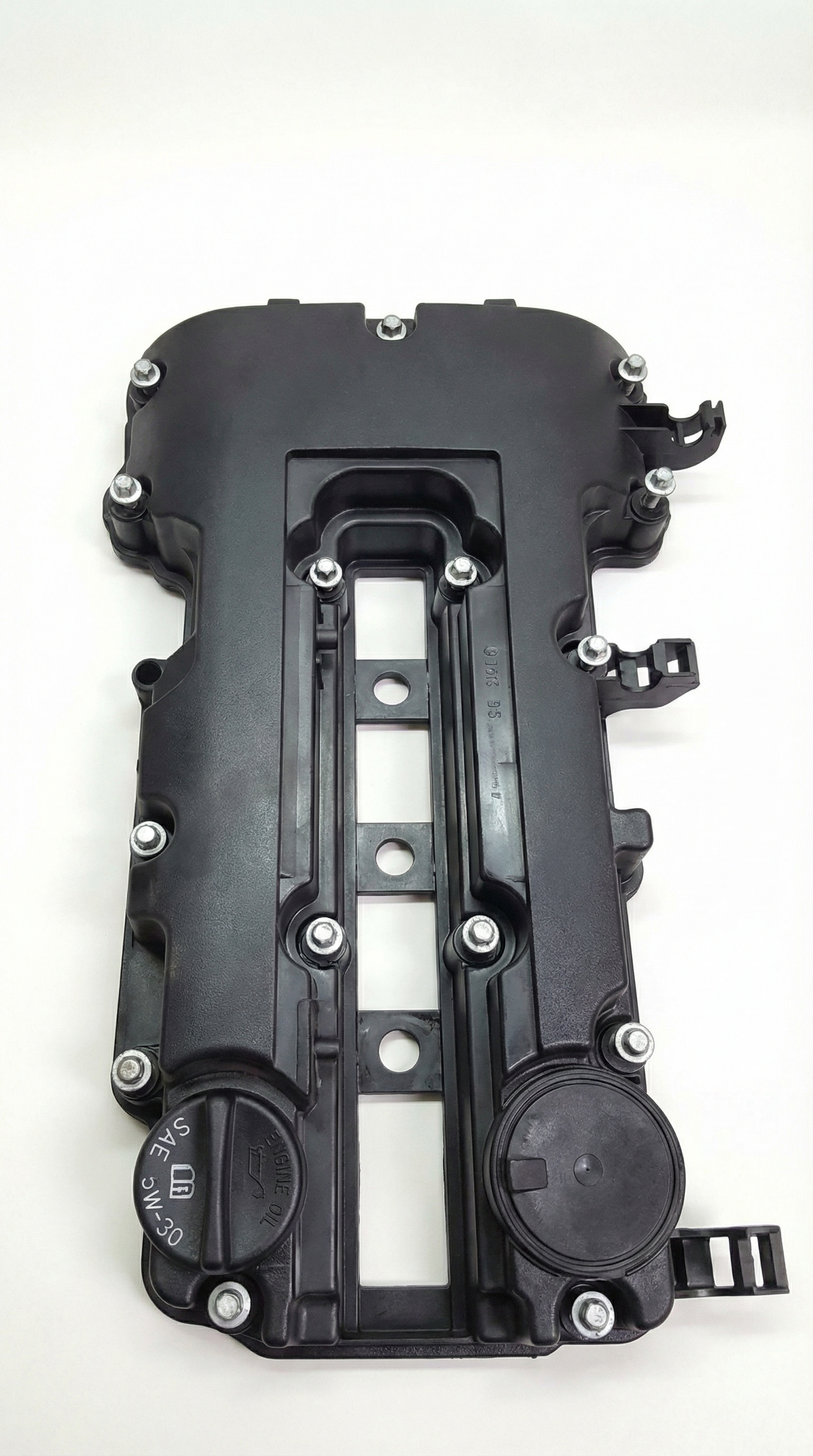
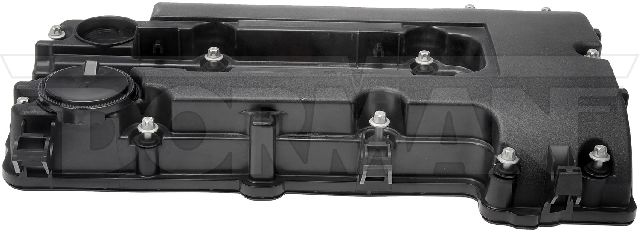
Aftermarket price range: $25-$45 - Valve Cover with PCV Valve — The PCV system on this engine is integrated into the valve cover and is a common failure point, leading to vacuum leaks and oil consumption that can contribute to timing issues.
Trusted brands: ACDelco, Dorman
OEM price range: $120-$200
Aftermarket price range: $50-$100
Related Codes That Often Appear With This One
- P0017 — Crankshaft Position - Camshaft Position Correlation (Bank 1, Sensor B). This is the same error but for the exhaust camshaft. It often appears with P0016 when there is a significant timing chain issue affecting both cams.
- P0011 — Intake Camshaft Position Timing - Over-Advanced. This can be caused by a stuck VVT solenoid or a failing cam phaser, which are also related causes of P0016.
- P0299 — Turbocharger/Supercharger Underboost. This code can appear alongside timing codes if engine performance is severely affected or if there are related crankcase pressure issues from a failed PCV system.
Technical Service Bulletins (TSBs) & Recalls
- PIP4543D: Notes on correct installation of the camshaft actuator oil sleeve after a repair to prevent oil flow issues and related DTCs.
- 14371B: Special coverage for leaking water pumps on 2011-2014 Cruze and 2012-2014 Sonic models with the 1.4L engine.
- 14311B: Special coverage for an insufficient crimp on the negative battery cable, causing various electrical issues. Covers 2011-2015 models for 10 years/120,000 miles.
Platform-Specific Known Issues
- The 1.4L LUV engine is notorious for timing chain guide failure, where the plastic guides become brittle and break apart, falling into the oil pan and potentially clogging the oil pickup tube.
- A failed PCV valve diaphragm in the valve cover is extremely common, causing a loud hissing noise, rough idle, and high oil consumption. This is often caused by a secondary check valve failure in the intake manifold, which must be addressed to prevent repeat failure of the new valve cover.
Mechanic-Grade Diagnostic Values
- Camshaft Position Actuator Solenoid (VVT Solenoid) Resistance — expected: 8-12 Ohms for a new part, up to 20 Ohms for a used but functional part.. Failure: A reading in the kilo-ohm (K-Ohm) or mega-ohm (M-Ohm) range indicates a failed solenoid.
- Camshaft Position Sensor Signal Circuit Voltage (Key On, Engine Off, Sensor Unplugged) — expected: Approximately 4.8-5.0 Volts.. Failure: This voltage is expected on the signal wire. A lack of voltage could point to a wiring or ECM issue. Note that this voltage is normal and does not indicate a faulty sensor by itself.
Scan Tool Commands That Help
- GDS2 (GM Global Diagnostic System 2): Camshaft Position Actuator Solenoid Control — This bidirectional control allows a technician to command the intake and exhaust VVT solenoids on and off to verify their mechanical operation and observe the engine's response. This helps isolate a faulty solenoid from a mechanical phaser or timing chain issue without having to physically swap the solenoids.
Wiring & Ground Locations
- G103 — On the left front shock tower in the engine compartment.. This is a major ground distribution point. While not directly listed for the cam/crank sensors, a poor connection here can cause unpredictable electrical issues in the engine control system.
- G105 — Located at the left front of the engine compartment, sometimes described as being on the engine block or behind cooling fan relays.. This ground is critical for the Engine Control Module (ECM). A corroded or loose G105 ground can cause erratic sensor readings and various engine performance DTCs, including P0016.
- Camshaft Position Sensor Connector — Top of the valve cover, one for intake and one for exhaust.. The pins for the 5V reference, low reference (ground), and signal wire can be tested here. A wiring diagram is needed to identify the specific pin functions for accurate voltage and continuity checks back to the ECM.
Real Owner Repair Stories
- YouTube video from a repair shop (Chevrolet Cruze (engine similar to 1.4L)) — Persistent P0016 code, engine timing confirmed correct multiple times.
❌ Tried (didn't work) Replacing VVT solenoids, Replacing camshaft position sensor, Replacing camshaft phasers (actuators), Verifying timing chain alignment multiple times, Checking for bent connecting rods
✅ What actually fixed it The reluctor ring (phonic wheel) on the intake camshaft had slipped out of its correct position. The mechanic had to remove the camshaft, press the ring back into its correct alignment, and tack weld it to prevent it from slipping again. - cruzetalk.com forum user (2014 Chevy Trax 1.4L Turbo) — P0016 and P0017 codes appeared simultaneously, with loud rattling from the engine and poor running.
❌ Tried (didn't work) Initial thought was sensors, but the simultaneous codes and rattling pointed elsewhere.
✅ What actually fixed it Upon removing the timing cover, the technician found a broken upper timing chain guide and a failed tensioner. Replacing the complete timing chain kit (chain, guides, tensioner) resolved the codes and the noise.
OEM Part Supersession History
25193665 (Exhaust Camshaft)→55568390— Part has been updated by the manufacturer. Reason for update not specified, but could be related to materials or design improvements.25193666 (Intake Camshaft)→25198110— Part has been updated by the manufacturer. Reason for update not specified.12655420 (Intake VVT Solenoid), 12655421 (Exhaust VVT Solenoid)→12679099 (Fits both Intake and Exhaust)— Part consolidation and potential design update. The new part number serves both positions.
Diagnostic Flowchart
Other Known Issues on This Vehicle
Issues unrelated to this code that are worth knowing about as an owner of this generation:
- PCV System Failure (Valve Cover & Intake Manifold) 🔴 High — Extremely common, often occurs after 60,000-80,000 miles. A ruptured diaphragm in the valve cover causes a hissing noise, rough idle, and high oil consumption. This is often caused by a failed check valve in the intake manifold.
- Leaking Water Pump & Thermostat Housing 🔴 High — Very common failure point. The original plastic water outlet and thermostat housing are prone to cracking and leaking coolant. The water pump itself is also known to leak. (Ref: TSB #14371B (Special Coverage for Water Pump))
- Faulty Negative Battery Cable 🟠 Medium — Widespread issue causing a variety of difficult-to-diagnose electrical problems, including flickering displays, random warning lights, and stalling. (Ref: TSB #14311B (Special Coverage for Negative Battery Cable))
- Transmission Failure / Shifting Issues 🟠 Medium — Reported by numerous owners of early models (especially 2011), with symptoms including rattling, hard shifts, or sudden failure. (Ref: Recall #16V502000 (Relates to park lock lever, not internal failure))
- Turbocharger Wastegate Failure 🟡 Low — Can occur at higher mileage, causing an underboost code (P0299) and loss of power due to a worn wastegate actuator pin.
Used vs. New Parts: Buying Guide for This Vehicle
When a used part is the smart pick: For external, easily accessible electronic components like VVT solenoids or camshaft/crankshaft position sensors, a used part from a low-mileage donor can be a cost-effective option. It is critical to test the resistance of a used VVT solenoid before installation.
Donor-vehicle mileage cap: roughly under 60000 miles for the part to have meaningful remaining life.
What to inspect on the donor part:
- For VVT solenoids, check the screens for any metal shavings or sludge. Clean screens suggest a well-maintained donor engine.
- For sensors, inspect the plastic housing and connector for cracks, brittleness, or heat damage.
- Ask for the VIN of the donor vehicle to verify its year and mileage.
- Avoid parts from engines that show signs of heavy oil leaks or coolant contamination (milky oil cap).
OEM-only on this vehicle (don't cheap out):
- Timing Chain Kit (Chain, Guides, Tensioner): This is a high-failure, critical wear item. The risk of premature failure with a used or cheap aftermarket part is too high and can lead to catastrophic engine damage. Always use a new, high-quality OEM or reputable aftermarket kit (e.g., Cloyes, Melling).
Aftermarket brands forum-validated for this vehicle:
- Timing Components: Cloyes, Melling, ACDelco (OEM)
- VVT Solenoids: Delphi, Dorman, ACDelco (OEM)
- Sensors: NTK, Delphi, ACDelco (OEM)
Brands owners have reported issues with on this vehicle:
- Unbranded, 'white-box' timing chain kits from online marketplaces are a significant gamble. Forum discussions frequently link these inexpensive kits to rapid stretching or tensioner failure shortly after installation.
Real Owner Stories
Aggregated from forums and TSBs cited above. Mileages and costs reflect what owners reported in those sources.
2014 Chevrolet Cruze 1.4L Turbo — ~70000 miles
Symptoms: Ruptured diaphragm in the valve cover causing a hissing noise, rough idle, and high oil consumption.
What fixed it: Replacement of the valve cover and addressing the failed check valve in the intake manifold.
Source hint: vehicle_specific_issues
2011 Chevrolet Cruze 1.4L Turbo — ~120000 miles
Symptoms: Rattling, buzzing, or diesel-like chatter from the engine, especially on cold startup; plastic guides found in the oil pan.
What fixed it: Replacement of the entire timing chain kit, including the chain, tensioner, and guides.
Source hint: common_causes - Stretched Timing Chain / Failed Tensioner / Broken Guides
2011 Chevrolet Cruze 1.4L Turbo
Symptoms: P0011 and P0016 codes with a noticeable loss of power.
What fixed it: Cleaning or replacing the VVT solenoids and ensuring the screens were free of debris.
Source hint: https://www.reddit.com/r/cruze/comments/yeyo3w/p0011_p0016_fix_no_more_loss_of_power_or/
Related OBD-II Codes
Frequently Asked Questions
Is there a TSB for the electrical issues and random warning lights on my 2011-2015 Cruze?
My 2014 Cruze 1.4L has a leaking water pump; is this a known issue covered by Chevrolet?
I just replaced my camshaft actuator and now I have a P0016 code. Did I miss a step?
Why is my 1.4L Turbo engine making a loud hissing noise and idling roughly?
Can I just swap parts to see if my VVT solenoid is causing the P0016 code?
What kind of oil should I use to prevent timing issues in my Cruze?
Helpful Videos

Used OEM Parts in Stock
New Aftermarket Parts Available


The information in this article is provided for general reference and educational purposes only. Vehicle specifications, procedures, and part compatibility can vary by production date, trim level, and region. Always consult your vehicle's factory service manual and verify part numbers before purchasing or performing repairs. Safety-critical components such as airbags, seat belts, and braking systems should be installed by a qualified professional.
- Chevrolet Cruze:
- 🎬 Helpful Videos
- 🛍️ Shop This Part
- What's Unique About the 2011-2016 Chevrolet Cruze
- Symptoms You May Notice
- Most Likely Causes
- Rare But Worth Checking
- Diagnosis Steps
- Parts You'll Likely Need
- Related Codes That Often Appear With This One
- Technical Service Bulletins (TSBs) & Recalls
- Platform-Specific Known Issues
- Mechanic-Grade Diagnostic Values
- Scan Tool Commands That Help
- Wiring & Ground Locations
- Real Owner Repair Stories
- OEM Part Supersession History
- Diagnostic Flowchart
- Other Known Issues on This Vehicle
- Used vs. New Parts: Buying Guide for This Vehicle
- Real Owner Stories
- 2014 Chevrolet Cruze 1.4L Turbo — ~70000 miles
- 2011 Chevrolet Cruze 1.4L Turbo — ~120000 miles
- 2011 Chevrolet Cruze 1.4L Turbo
- Related OBD-II Codes
- Frequently Asked Questions
- 🎟️ Get 5% Off