

P0015 on 2015-2019 Ford Fiesta 1.6L: Causes and Fixes for Over-Retarded Camshaft Timing
On a 2015-2019 Ford Fiesta 1.6L, code P0015 is most often caused by a faulty exhaust Variable Camshaft Timing (VCT) solenoid or low/dirty engine oil. Replacing the solenoid is a common fix, costing around $40-$90 for the part. Always check oil level and quality first.
- Always check your engine oil level and condition first; low or dirty oil is a primary cause of P0015.
- The exhaust VCT solenoid is the most likely component to fail. It is relatively inexpensive and accessible for DIY replacement.
- Given the Ford TSBs, ensuring the engine oil is clean is critical to prevent the new solenoid from failing prematurely.
- If the oil and solenoid are good, the problem may be a more serious mechanical issue with the timing belt, which requires more extensive repair.
What's Unique About the 2015-2019 Ford Fiesta
For this generation of Ford Fiesta and other similar Ford engines, the Variable Camshaft Timing (VCT) system is a known point of attention. Ford has issued multiple Technical Service Bulletins (TSBs) acknowledging that small debris in the engine oil can cause the VCT solenoids to stick, leading to codes like P0015. (Bulletin #SSM 48423, #SSM 54366, #SSM 47170) This makes checking oil quality and the health of the VCT solenoid particularly important on this vehicle. A Brazilian mechanic documented a case on a 1.6 Sigma engine where cleaning sludge from the solenoids and changing the oil completely resolved the P0015 code after other checks failed.
Symptoms You May Notice
- Check Engine Light is on
- Rough or uneven idle
- Poor acceleration and loss of engine power
- Engine hesitation or stalling
- Decreased fuel economy
- Rattling or knocking noises from the engine, especially on startup or from the top of the engine.
- Replacing the camshaft position sensor. While a sensor can fail, it's more likely to produce a circuit-related code (like P0345-P0349). P0015 is a mechanical timing correlation error, usually pointing to the oil, solenoid, or timing components. Mechanics on forums consistently advise checking oil and solenoids before sensors for this code.
Most Likely Causes
- Low, Old, or Incorrect Engine Oil 🔴 High Probability The VCT system is hydraulic and highly sensitive to oil pressure and cleanliness. Ford TSBs confirm that debris can cause solenoids to stick. (Bulletin #SSM 48423, #SSM 47170) Lack of proper maintenance leads to sludge that clogs the fine mesh screens on the VCT solenoids.
How to confirm: Check the engine oil level on the dipstick and inspect its condition. If it's low, dark, or sludgy, it needs to be changed. This is the first and most important check.
Typical fix: Perform an engine oil and filter change using the manufacturer-specified oil viscosity (Ford specifies 5W-20 Synthetic Blend for the 1.6L Ti-VCT).
Est. part cost: $30-$60 - Faulty Exhaust VCT Solenoid (Oil Control Valve) 🔴 High Probability As highlighted in Ford TSBs, these solenoids can become clogged with debris or fail electrically, causing them to stick. This is a very common failure point for VCT-related codes.
How to confirm: Remove the solenoid and inspect its filter screens for sludge or metallic debris. You can test the solenoid's resistance with a multimeter (should be 6.9-7.9 ohms). A definitive test is to swap the intake and exhaust solenoids (they are identical) and clear the codes. If the trouble code changes to P0012 (Intake Over-Retarded), the solenoid you moved is confirmed faulty.
Typical fix: Attempt to clean the solenoid screens with brake cleaner. If cleaning doesn't work or the solenoid fails the resistance test, replace it. Replacement is the most common and reliable fix.
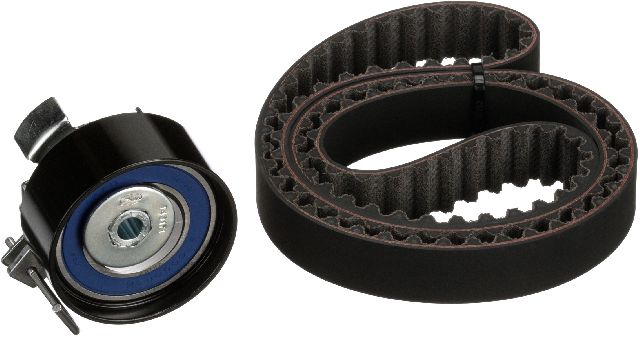
Est. part cost: $40-$90 - Stretched or Worn Timing Belt 🟡 Medium Probability The 1.6L Ti-VCT engine uses a timing belt with a service interval of up to 150,000 miles, though some sources recommend 100,000 miles. Over time, the belt can stretch or the tensioner can weaken, causing the mechanical timing correlation between the crank and cams to be off.
How to confirm: This requires a physical inspection of the timing belt, its tensioner, and alignment marks, which is an involved job. A rattling noise from the timing cover area can be an indicator. A P0017 code (Crank/Cam correlation error) after a timing belt job is a strong sign the timing was set incorrectly.
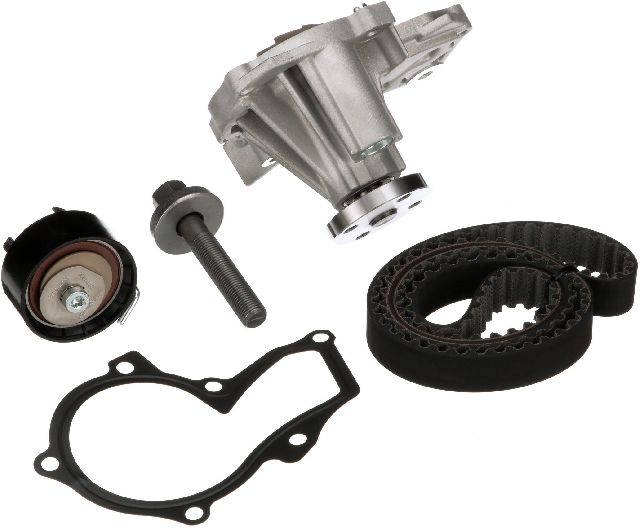
Typical fix: Replace the timing belt, tensioner, and often the water pump at the same time.
Est. part cost: $100-$250
Rare But Worth Checking
- Failing Camshaft Phaser: The mechanical gear that the solenoid controls can get stuck or fail internally. This is less common than a solenoid failure but can happen, especially on higher-mileage engines or those with a history of poor oil maintenance.
- Clogged Oil Passages: Severe sludge from infrequent oil changes can block the small oil passages in the cylinder head leading to the VCT phaser, starving it of the oil pressure needed to adjust timing.
- Faulty Powertrain Control Module (PCM): In very rare cases, the engine computer itself can have a fault, but all other possibilities should be exhausted before considering this.
Diagnosis Steps
- Verify Oil Level and Condition: This is the first, easiest, and most critical step. Ensure the oil is full, clean, and of the correct 5W-20 viscosity. If in doubt, change the oil and filter.
- Scan Tool Analysis: Use an OBD-II scanner to check for other codes and view live data. Monitor the desired vs. actual exhaust camshaft position (Cam Advance PID) to see if the cam is responding to commands.
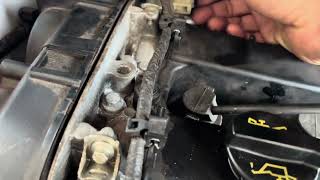
- Inspect VCT Solenoid: Locate the exhaust VCT solenoid on the top of the engine, held by a single 8mm or 10mm bolt. Unplug it and inspect the connector for oil or corrosion. Remove the solenoid and check its mesh screens for sludge or debris.
- Test the Solenoid: You can test the solenoid's internal resistance with a multimeter (typically 6.9-7.9 ohms at 68°F). A more effective test is to swap the exhaust and intake solenoids. Clear the codes, drive the car, and see if the code changes to P0012. If it does, the solenoid you moved is faulty.
- Clean the Solenoid: If the screens are dirty, you can try cleaning them with brake cleaner and a soft brush before reinstalling. Sometimes this is enough to restore function.
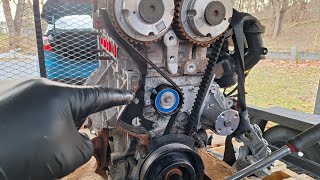
- Inspect Timing System: If the oil and solenoid are good, the next step is to inspect the timing belt and tensioner for wear, damage, or slack. This is a more advanced step and may require partial engine disassembly.
- Check Cam Phaser: While the timing components are exposed, inspect the camshaft phaser for any signs of damage or sludge.
- Check Wiring: Inspect the wiring harness leading to the VCT solenoid for any breaks, shorts, or damage.
Parts You'll Likely Need
- Engine Variable Valve Timing (VVT) Solenoid (Exhaust)
(OEM #CN1Z-6M280-F (supersedes CN1Z-6M280-A, CN1Z-6M280-C))— This is the most common part to fail for this code, often due to internal clogging or electrical failure, as noted in Ford TSBs and numerous owner forums.
Trusted brands: Motorcraft, Dorman, SKP
OEM price range: $50-$90
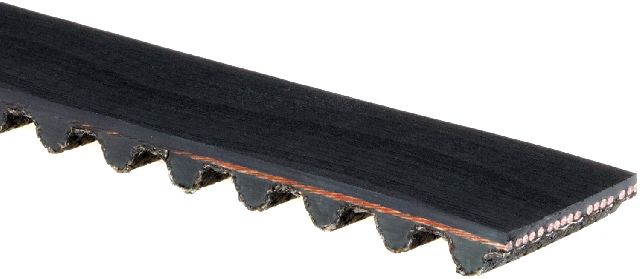
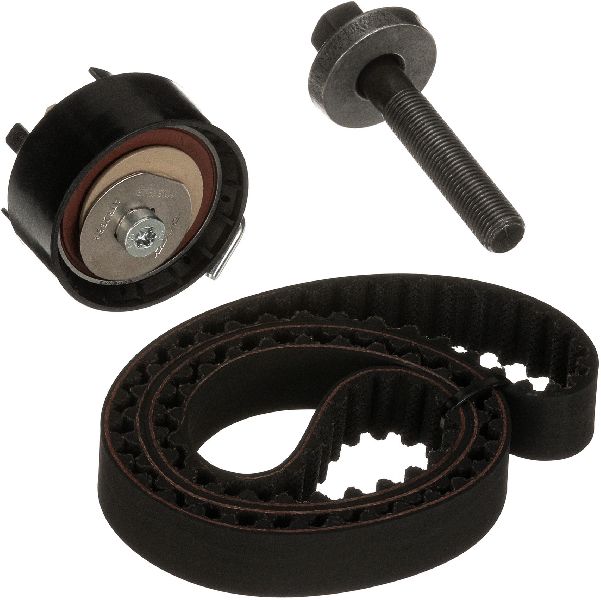
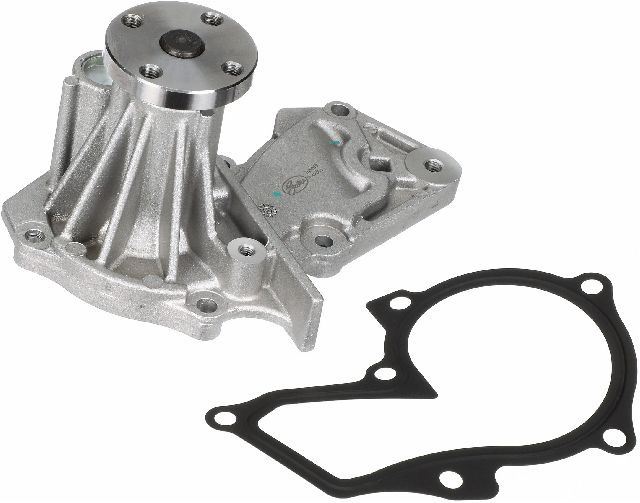
Aftermarket price range: $30-$70 - Timing Belt Kit with Tensioner and Water Pump — If the timing belt is stretched or the tensioner has failed, it will cause a timing correlation code. It's standard practice to replace the belt, tensioner, and water pump together at the recommended 150,000-mile interval or if found to be faulty.
Trusted brands: Gates, Continental, Motorcraft
OEM price range: $200-$350
Aftermarket price range: $100-$250
Related Codes That Often Appear With This One
- P0014 — If the VCT solenoid is sticking intermittently, it might cause both over-retarded (P0015) and over-advanced (P0014) conditions at different times.
- P030x (e.g., P0300, P0301) — Incorrect camshaft timing can lead to poor combustion, causing random or cylinder-specific misfires.
Technical Service Bulletins (TSBs) & Recalls
- SSM 48423: Notes that DTCs including P0015 may be due to small debris causing the VCT solenoid to stick.
- SSM 54366: Mentions P0015 among other VCT-related DTCs and refers to specific diagnostic tests.
- SSM 47170: Similar to SSM 48423, points to debris in the VCT solenoid as a potential cause for P0015.
Platform-Specific Known Issues
- Ford has issued Technical Service Bulletins (e.g., SSM 48423, SSM 54366, SSM 47170) for various 2015-2021 models, including the Fiesta, indicating that P0015 (and related codes) can be caused by small debris causing the VCT solenoid to stick.
Mechanic-Grade Diagnostic Values
- VCT Solenoid Internal Resistance — expected: 6.9 - 7.9 ohms at 68°F (20°C). Failure: A reading of 0 ohms indicates a short, an infinite reading (OL) indicates an open circuit. Readings significantly outside the expected range suggest a failing coil.
- VCT Solenoid Connector Voltage — expected: Battery voltage (~12V) on the power supply pin with ignition on, engine off.. Failure: No voltage or significantly low voltage indicates a problem with the wiring, fuse, or PCM power relay.
Hidden / Shadow Codes Worth Checking
- VCT_ADV_ERR (PID): This is not a trouble code, but a Parameter Identification (PID) value viewable on advanced scan tools like Ford's IDS. It shows the real-time difference in degrees between the PCM's commanded camshaft angle and the actual angle reported by the sensor. A consistently high value confirms the timing is not adjusting as commanded. (see via Ford Integrated Diagnostic System (IDS) or a high-end professional scan tool with Ford-specific PIDs.)
Scan Tool Commands That Help
- Ford IDS (or equivalent professional scan tool): VCT Solenoid On/Off Command — This bidirectional test allows a technician to manually command the VCT solenoid on and off while the engine is idling. A working solenoid will produce an audible click and cause a noticeable change in idle quality. If there is no click or change, it points to a faulty solenoid or a wiring issue.
Wiring & Ground Locations
- G101 — Lower left side of the engine compartment.. This is a primary engine compartment ground. A poor connection here can cause erratic behavior or incorrect readings from various engine sensors and actuators, including the VCT and camshaft position sensor circuits.
- G108 — Engine compartment, right-hand side.. Another key ground point in the engine bay. Ensuring this ground is clean and tight is a crucial step in diagnosing any electrical fault, as a bad ground can mimic component failure.
- VCT Solenoid Connector (C1654) — On the top of the valve cover, plugged into the VCT solenoid.. This 2-pin connector provides power and the control signal from the PCM. It should be inspected for corrosion, oil contamination, or loose pins. The power pin (typically blue-green wire) should have battery voltage with the key on.
Real Owner Repair Stories
- YouTube channel 'cleverton siqueira' (Ford New Fiesta with 1.6L Sigma engine) — P0015 code, car loses power, stalls in the street, runs very poorly ('atrasado' - retarded).
❌ Tried (didn't work) Putting the car in time (verifying timing belt alignment), Testing sensors
✅ What actually fixed it The mechanic removed both VCT solenoids and found them heavily clogged with a crust of oil sludge, preventing oil from passing through even though the solenoids were electrically functional. The final fix was to thoroughly clean both solenoids, perform a complete engine oil and filter change, and reset the PCM. The car then ran perfectly.
When the Usual Fixes Don't Work
- In one documented case on a 2017 Fiesta ST, the owner reported P0014 and P0015 codes. The dealer replaced the timing chain, but the check engine light returned just two days later. This serves as strong evidence that replacing the timing belt/chain—a very expensive job—should not be the first step. The more common and much cheaper VCT solenoid failure should be thoroughly ruled out first, as its symptoms can be mistaken for a more serious mechanical timing issue.
OEM Part Supersession History
CN1Z-6M280-A, CN1Z-6M280-C→CN1Z-6M280-F— Standard part revision and improvement by the manufacturer.
Diagnostic Flowchart
Other Known Issues on This Vehicle
Issues unrelated to this code that are worth knowing about as an owner of this generation:
- PowerShift (DPS6) Automatic Transmission Failure 🔴 High — Extremely common on automatic models. Issues include shuddering, jerking, slipping, and complete failure, often within 30,000-60,000 miles. Subject of class-action lawsuits. (Ref: Multiple TSBs and warranty extensions issued, but no full recall for the core issue.)
- Cooling System Leaks / Overheating 🔴 High — Common issue. Leaks can develop from coolant hoses (especially a small hose at the rear of the engine), the coolant expansion tank, or the water pump. Can lead to overheating and severe engine damage if not addressed. (Ref: Recall 17S09 for potential cylinder head cracking on some 1.6L GTDI engines due to overheating.)
- Suspension Knocks 🟡 Low — A knocking or clunking sound from the front suspension over bumps is common, often caused by worn anti-roll bar drop links. A relatively inexpensive fix.
- Faulty Door Latches 🟡 Low — A widely reported problem where door latch mechanisms fail, causing a 'door ajar' warning light to stay on or preventing the door from latching securely. (Ref: Recalls were issued for this problem on other Ford models, but it remains a common complaint on the Fiesta.)
Used vs. New Parts: Buying Guide for This Vehicle
When a used part is the smart pick: For this specific repair, buying a used VCT solenoid from a junkyard is generally not recommended. The primary failure mode is internal clogging from oil sludge and wear, which is impossible to see from the outside. A used part carries a high risk of being just as faulty as the one being replaced.
Donor-vehicle mileage cap: roughly under 50000 miles for the part to have meaningful remaining life.
What to inspect on the donor part:
- If forced to consider a used part, look for a donor vehicle with the lowest possible mileage.
- Ask for maintenance records if possible, specifically looking for regular oil changes.
- Remove the oil cap on the donor engine; excessive sludge or varnish is a major red flag.
- Even with these checks, a used solenoid remains a significant gamble.
OEM-only on this vehicle (don't cheap out):
- VCT Solenoid
- Camshaft Phaser
Aftermarket brands forum-validated for this vehicle:
- While OEM (Motorcraft) is strongly recommended for timing components, Gates and Continental are highly regarded for timing belt kits.
Brands owners have reported issues with on this vehicle:
- Unnamed, no-brand VCT solenoids from online marketplaces should be avoided. While Dorman is a major aftermarket supplier, forum consensus for Ford VCT systems often leans toward paying the extra for the OEM Motorcraft part to ensure longevity and avoid repeat repairs.
Real Owner Stories
Aggregated from forums and TSBs cited above. Mileages and costs reflect what owners reported in those sources.
2023 Ford Fiesta 1.6L Sigma
Symptoms: Code P0015 present with heavily sludged VCT solenoids.
What fixed it: Cleaning the heavily sludged VCT solenoids and performing a fresh oil change.
Source hint: YouTube, cleverton siqueira, 2023. A detailed video showing a mechanic in Brazil diagnosing and fixing a P0015 on a 1.6L Sigma engine.
2023 Ford Fiesta ST — ~500 miles
Symptoms: Every 50-100 miles the engine light comes on with code P0017 after a recent timing belt replacement.
What fixed it: The mechanic cleaned dirt out of the solenoid, though the code persisted, highlighting issues with timing belt installation.
Source hint: Fiesta ST Forum, User 'sardine,' June 2023
2024 Ford Fiesta 1.6L
Symptoms: VVT solenoids plugged up with sludge.
What fixed it: The user suggested pulling the VVT solenoids to check for sludge; if clean, the issue is likely the timing chain.
Source hint: Reddit r/MechanicAdvice, User RickMN, Feb 2024
Related OBD-II Codes
Frequently Asked Questions
Which Ford Technical Service Bulletins (TSBs) address the P0015 code on my Fiesta?
What is the correct oil viscosity I should use for my 1.6L Ti-VCT engine to prevent VCT codes?
Can I test if the VCT solenoid is the problem without buying a new part?
Is there a specific resistance value I should look for when testing the solenoid with a multimeter?
I just had my timing belt replaced and now I have a P0017 code; is this related to my P0015 issue?
When should I replace the timing belt on my 1.6L Fiesta to avoid timing-related codes?
Helpful Videos
![How to Fix P0015 Engine Code in 4 Minutes [2 DIY Methods / Only $6.62]](https://img.youtube.com/vi/kO0eG5jKmzg/mqdefault.jpg)
We Have This Part in Stock


The information in this article is provided for general reference and educational purposes only. Vehicle specifications, procedures, and part compatibility can vary by production date, trim level, and region. Always consult your vehicle's factory service manual and verify part numbers before purchasing or performing repairs. Safety-critical components such as airbags, seat belts, and braking systems should be installed by a qualified professional.
- Ford Fiesta:
- 🎬 Helpful Videos
- 🛍️ Shop This Part
- What's Unique About the 2015-2019 Ford Fiesta
- Symptoms You May Notice
- Most Likely Causes
- Rare But Worth Checking
- Diagnosis Steps
- Parts You'll Likely Need
- Related Codes That Often Appear With This One
- Technical Service Bulletins (TSBs) & Recalls
- Platform-Specific Known Issues
- Mechanic-Grade Diagnostic Values
- Hidden / Shadow Codes Worth Checking
- Scan Tool Commands That Help
- Wiring & Ground Locations
- Real Owner Repair Stories
- When the Usual Fixes Don't Work
- OEM Part Supersession History
- Diagnostic Flowchart
- Other Known Issues on This Vehicle
- Used vs. New Parts: Buying Guide for This Vehicle
- Real Owner Stories
- 2023 Ford Fiesta 1.6L Sigma
- 2023 Ford Fiesta ST — ~500 miles
- 2024 Ford Fiesta 1.6L
- Related OBD-II Codes
- Frequently Asked Questions
- 🎟️ Get 5% Off