

P0015 on 2015-2020 Ford F-150 5.0L: Exhaust Cam Timing Causes and Fixes
On a 2015-2020 F-150 with the 5.0L V8, P0015 is almost always caused by a sticking exhaust VCT solenoid on the passenger side, often due to dirty oil. The most common fix is to replace the solenoid and change the engine oil, costing about $40-$80 for the part. For 2018+ models, this repair is more complex as the solenoids are under the valve cover.
- P0015 on your 5.0L F-150 points to the passenger side exhaust cam timing being retarded.
- The most likely cause is a sticking VCT solenoid, which is a common and relatively inexpensive part to replace.
- Before buying parts, always check your engine oil level and condition. A simple oil change can sometimes fix the problem.
- If you have a 2018 or newer model, be aware that replacing the solenoid is more difficult as it requires removing the valve cover.
- Do not rush to replace the expensive cam phaser unless you hear the characteristic rattling noise on startup.
What's Unique About the 2015-2020 Ford F-150
The 5.0L Coyote V8's Twin Independent Variable Camshaft Timing (Ti-VCT) system is known to be highly sensitive to oil quality, viscosity, and cleanliness. Ford has issued multiple Technical Service Bulletins (TSBs), such as SSM 48423, acknowledging that codes like P0015 are frequently caused by small debris in the oil causing the VCT solenoids to stick. For the 2018-2020 models, the 5.0L engine was updated (Gen 3 Coyote), and the VCT solenoids were relocated underneath the valve covers, making their replacement significantly more labor-intensive than on 2015-2017 models where they are externally accessible.
Symptoms You May Notice
- Check Engine Light is on
- Rough or unstable idle
- Poor acceleration and reduced engine power
- Engine stalling, especially at low speeds or when stopping
- Decreased fuel economy
- Rattling or tapping noise from the engine, especially on cold starts (if phaser is failing)
- Hesitation when accelerating from a stop
- Replacing the camshaft position sensor first. The sensor is usually just doing its job by reporting the timing error caused by a mechanical or hydraulic issue.
- Replacing the cam phaser when only the VCT solenoid is stuck. Due to the high cost of a phaser job, diagnosing the solenoid first is critical. The solenoid swap test is a key step to avoid this.
- Ignoring low or dirty oil. Always check and correct oil issues before replacing any parts, as it is the cheapest and simplest potential fix.
Most Likely Causes
- Sticking or Failed VCT Solenoid 🔴 High Probability The VCT system on this engine is sensitive to oil contamination. Ford TSBs (SSM 48423, 47170) confirm that debris in the oil is a common cause for these solenoids sticking.
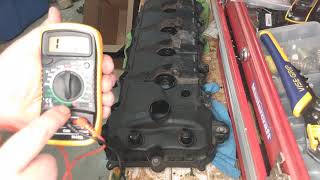
How to confirm: Use a scan tool to monitor desired vs. actual cam angle for Bank 1 Exhaust (PIDs like VCT_EXH_DSD1 vs. VCT_EXH_ACT1). You can also swap the suspect solenoid with an identical one (e.g., the intake solenoid on the same bank) and see if the code changes to follow the part (e.g., to P0011). 🎬 Watch: How to diagnose and test Coyote 5.0 VCT solenoids Resistance should be between 6.9 and 7.9 ohms.
Typical fix: Replace the Bank 1 (passenger side) exhaust VCT solenoid. It is highly recommended to also change the engine oil and filter at the same time. For 2018+ models, this requires removing the valve cover.
Est. part cost: $40-$80 - Low or Dirty Engine Oil 🟡 Medium Probability The VCT system is hydraulically operated by engine oil. Low pressure or flow due to incorrect oil level, viscosity, or contamination directly impacts its function. The 2018-2020 models are also subject to a TSB (19-2365) for excessive oil consumption, which can lead to low oil levels.
How to confirm: Check the oil level on the dipstick and inspect the oil's condition. If it is low, black, or gritty, this is a likely contributor. An oil change alone can sometimes resolve the code.
Typical fix: Perform an engine oil and filter change using the manufacturer-specified grade (e.g., Motorcraft 5W-20 or 5W-30 Synthetic Blend) and ensure the level is correct.
Est. part cost: $50-$100 - Failing Camshaft Phaser ⚪ Low Probability While less common than a solenoid failure for a single code, cam phaser issues are a known problem on Ford modular engines, often causing a distinct startup rattle.
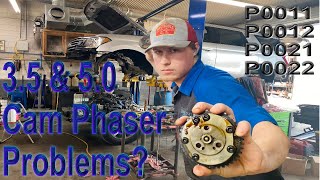
How to confirm: Listen for a distinct 'typewriter' ticking or a loud rattling noise from the front of the engine, especially during a cold start. This is a strong indicator of a phaser problem over a solenoid issue. A persistent P0015 after replacing the solenoid and changing the oil points towards the phaser. 🎬 Watch: Ford variable cam timing phaser problems explained
Typical fix: This is a complex and expensive repair requiring replacement of the camshaft phaser, timing chain, and tensioners. It is often recommended to replace all timing components at the same time.
Est. part cost: $400-$800+
Rare But Worth Checking
- Wiring or Circuit Issue: A damaged wire or poor connection to the VCT solenoid can mimic a failed solenoid. Check the connector and harness for damage, especially if a new solenoid doesn't fix the code. This can be checked by verifying power and ground signals at the solenoid connector.
- Failed Camshaft Position Sensor: This is very rare for this specific code. The sensor's job is to report the timing, and it's almost always reporting the mechanical fault correctly. Only consider replacing it if all other causes have been ruled out. 🎬 Watch: Causes and fixes for the P0015 code
Diagnosis Steps
- Verify the code with a quality OBD-II scanner.
- Check the engine oil level and condition. If low or dirty, correct this first by performing an oil and filter change, clear the code, and see if it returns.
- Using a scan tool, monitor the desired vs. actual camshaft position for Bank 1 Exhaust. A significant lag confirms the issue.
- As per Ford TSB SSM 48423, use the scan tool's bidirectional controls to command the Bank 1 Exhaust VCT solenoid on and off 10 times to try and dislodge any debris (Pinpoint Test HK11). If this resolves the issue, an oil change is still highly recommended.
- Inspect the wiring and connector for the Bank 1 Exhaust VCT solenoid for any signs of damage or corrosion.
- If the issue persists, swap the Bank 1 Exhaust VCT solenoid with the Bank 1 Intake VCT solenoid. Clear the codes and drive the vehicle. If the code changes to P0011 ('A' Camshaft Position - Timing Over-Advanced) or P0012 (Over-Retarded), the solenoid is confirmed faulty.
- If the code P0015 returns after the swap, the problem is not the solenoid. Further diagnosis of the cam phaser, timing chain, or potential oil pressure issues is required.
Parts You'll Likely Need
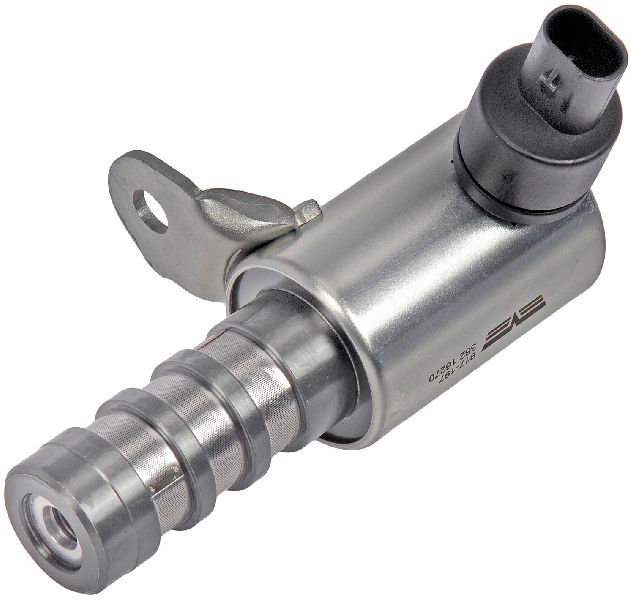
- Variable Camshaft Timing (VCT) Solenoid
(OEM #BR3Z-6M280-D (or -E, -F) for 2015-17; JT4Z-6C880-A for 2018+)— This is the most frequent failure point for code P0015, often getting stuck due to oil debris. Part numbers can be specific, so verifying with VIN is recommended.
Trusted brands: Motorcraft, Dorman
OEM price range: $60-$90
Aftermarket price range: $40-$70 - Ford Performance High Strength VCT Solenoids (Set of 4)
(OEM #M-6297-M50A)— An upgraded option from Ford Performance for owners who want a more robust part, especially if they plan to replace all four solenoids as preventative maintenance.
Trusted brands: Ford Performance
OEM price range: $100-$150 (for set of 4) - Valve Cover Gasket Kit
(OEM #JT4Z-6584-A (Right/Pass. Side), JT4Z-6584-C (Left/Driver Side))— Required for 2018-2020 models, as the VCT solenoids are located under the valve covers. The gasket must be replaced when the cover is removed. Kits often include spark plug tube seals.
Trusted brands: Motorcraft, Fel-Pro, Mahle
OEM price range: $50-$80
Aftermarket price range: $30-$60
Related Codes That Often Appear With This One
- P0017 — Crankshaft Position - Camshaft Position Correlation (Bank 1 Sensor B). This code often appears with P0015 because if the cam timing is over-retarded, it will also conflict with the crankshaft's position, triggering a correlation code.
Technical Service Bulletins (TSBs) & Recalls
- SSM 48423 / SSM 47170: Note that P0015 and other VCT codes may be caused by small debris causing the solenoid to stick. Recommends using a scan tool to cycle the solenoid to attempt to clear it before replacement.
- SSM 49821: A later TSB that includes P0015 among a list of VCT codes that may appear on 2015-2021 Ford vehicles, indicating the issue is persistent across the model range.
- TSB 19-2365: Addresses excessive oil consumption on 2018-2020 5.0L engines, a condition which can lead to low oil levels and trigger VCT-related codes like P0015.
Platform-Specific Known Issues
- For 2018-2020 models, the VCT solenoids are under the valve covers, making replacement a more involved job that requires new valve cover gaskets.
- Ford TSBs SSM 48423 and SSM 47170 directly address this code and recommend attempting to cycle the solenoid with a scan tool to clear debris before replacement.
Mechanic-Grade Diagnostic Values
- VCT Solenoid Internal Resistance — expected: 6.9 - 7.9 Ohms at 68°F (20°C). Failure: A reading outside this range, or an open/infinite reading, indicates a faulty solenoid coil.
- VCT Solenoid Connector Voltage (Key On, Engine Off) — expected: 12V+ (Battery Voltage) on one pin. Failure: No voltage suggests a problem in the power supply circuit, like a wiring fault or blown fuse.
- Mode $06, Test ID $53 (TID 53) — expected: Variable Camshaft Timing (VCT) System Monitor. Failure: A failing test result for Component IDs related to Bank 1 (e.g., CID 01, 02) points to an issue with the VCT system on the passenger side. This data can confirm the PCM's diagnosis before part replacement.
- Hot Idle Oil Pressure (via scan tool) — expected: ~15-20 PSI. Failure: Pressure dropping erratically or falling to near zero after revving the engine can indicate a failing oil pump or pressure control solenoid, which will starve the VCT system and trigger codes like P0015.
Scan Tool Commands That Help
- Ford IDS (or equivalent like FORScan): Pinpoint Test HK11 / HK12: Cycle VCT Solenoid — As per Ford TSB SSM 48423, this command should be used before replacing a VCT solenoid. It forcefully cycles the solenoid 10 times to dislodge small debris that may be causing it to stick, which can sometimes resolve the code without part replacement.
- Ford IDS (or equivalent): Monitor VCT PIDs (e.g., VCT_EXH_DSD1, VCT_EXH_ACT1, VCT_EXH_ERR1) — During diagnosis, monitoring the desired vs. actual cam angle and the resulting error PID is crucial. A large, persistent error value on the Bank 1 exhaust cam (VCT_EXH_ERR1) when the solenoid is commanded confirms a fault in that specific part of the system.
Wiring & Ground Locations
- VCT Solenoid Connector — For 2015-2017 models, it's on the front of the valve cover for the passenger side cylinder head, externally accessible. For 2018-2020, it's under the passenger side valve cover.. This is the primary point for electrical testing (resistance, voltage) of the VCT solenoid circuit. Damage to this connector or its wiring can cause P0015.
- Valve Cover Ground Straps — There are ground straps bolted to the valve covers with 8mm nuts. The passenger side has one on the bottom corner and another near the top.. A poor ground connection can cause erratic behavior in electronically controlled components like VCT solenoids. When removing the valve cover (especially on 2018+ models), ensuring these grounds are clean and secure upon reassembly is critical.
Real Owner Repair Stories
- f150forum.com user (2015 F-150 5.0L with 160k miles) — Rough idle and stalling when hot, rattling from timing components, multiple VCT and oil pressure codes including P0014, P0024, and P0524.
❌ Tried (didn't work) Initially suspected VCT solenoids.
✅ What actually fixed it The user observed on a scan tool (FORScan) that oil pressure was dropping erratically to near 0 PSI after revving the engine when hot, causing the VCT system to malfunction. The root cause was identified as an oil pressure issue, not a primary VCT component failure. The immediate fix was restarting the engine, which temporarily restored normal oil pressure. This points towards a deeper issue like a failing oil pump or pressure control solenoid. - YouTube video comment update (2015 F-150 5.0L) — Rough idle, stalling, sluggish performance, retarded camshaft timing codes for Bank 2 and random misfires.
❌ Tried (didn't work) Replacing the VCT solenoids only partially and temporarily improved the issue; stalling became less frequent but did not stop.
✅ What actually fixed it The ultimate root cause was a stretched timing chain and leaking cam phasers. The dealership replaced the timing chain, phasers, and solenoids to fully resolve the problem.
When the Usual Fixes Don't Work
- In some high-mileage cases or where symptoms persist after a solenoid replacement, the root cause has been found to be a stretched timing chain and/or failed cam phasers. One owner reported that replacing the VCT solenoids only provided a temporary, partial fix, and a full timing job including phasers was ultimately required to stop stalling and clear all codes.
OEM Part Supersession History
BR3Z-6M280-D→BR3Z-6M280-E, then BR3Z-6M280-F— Standard part evolution for improved durability and performance.
Heads up: These parts are for the 2015-2017 (Gen 2) Coyote and are generally interchangeable.JT4Z-6C880-A→N/A— This is the part for the 2018-2020 (Gen 3) Coyote.
Heads up: This part is for the Gen 3 engine and is not compatible with the 2015-2017 models due to the change in location (under valve cover) and design.
Model Year Variations Within This Range
- 2015-2017: Uses the Gen 2 Coyote 5.0L engine. VCT solenoids are externally accessible on the front of the valve covers, making replacement a simple, low-labor job. Uses part number series BR3Z-6M280-X.
- 2018-2020: Uses the Gen 3 Coyote 5.0L engine, which features dual port and direct injection and a higher 12.0:1 compression ratio. The VCT solenoids (part JT4Z-6C880-A) were relocated under the valve covers, requiring valve cover removal for replacement, significantly increasing labor time and cost. These engines are also noted for potential oil consumption issues.
Diagnostic Flowchart
Other Known Issues on This Vehicle
Issues unrelated to this code that are worth knowing about as an owner of this generation:
- Excessive Oil Consumption (2018-2020 models) 🔴 High — Common on 2018-2020 models, can appear as early as 30,000 miles. Some owners report consuming 1 quart every 3,000 miles or less. (Ref: TSB 19-2365: Involves a PCM reprogram to reduce engine vacuum on deceleration and a revised, longer dipstick.)
- Engine 'Typewriter Tick' Noise 🟡 Low — A common characteristic across all 2011-2023 5.0L Coyote engines. It's a light, rhythmic ticking noise often heard at idle when the engine is warm. (Ref: SSM 49761 / NHTSA ID 10191525: Ford has officially stated this noise is a normal operating characteristic and does not affect durability; no repairs should be attempted.)
- 10R80 10-Speed Transmission Harsh Shifting 🟠 Medium — Affects many 2017+ F-150s. Owners report clunking, jerky shifts, or delayed engagement, especially when cold or at low speeds. (Ref: Multiple TSBs exist, including TSB 24-2101, which addresses a migrating CDF clutch drum bushing that causes harsh cold shifts. Other issues are often related to software and adaptive learning tables.)
- Deceleration Rattle (2018-2020 models) 🟡 Low — A distinct rattle noise heard during a deceleration tip-out throttle maneuver from ~1500 RPM to 800 RPM. (Ref: TSB 19-2144: Ford identifies this as a normal characteristic related to the adaptive intake runners and states it is not detrimental to engine function.)
Used vs. New Parts: Buying Guide for This Vehicle
When a used part is the smart pick: For this repair, using used parts is generally not recommended for electronic or hydraulic components. However, if replacing a cracked or damaged valve cover (a possibility on 2018+ models during the repair), a used valve cover from a reputable salvage yard is a perfectly acceptable and cost-effective choice.
Donor-vehicle mileage cap: roughly under 100000 miles for the part to have meaningful remaining life.
What to inspect on the donor part:
- For a valve cover, ensure there are no cracks, especially around bolt holes.
- Check for signs of extreme heat (discoloration, brittleness).
- Verify it is from the correct engine generation (2015-17 vs 2018+ covers may differ).
OEM-only on this vehicle (don't cheap out):
- VCT Solenoid: While some aftermarket brands exist, the cost savings are minimal and the OEM Motorcraft part is known to be reliable. Given the labor involved, especially on 2018+ models, using the OEM part is a smart investment to avoid repeat repairs.
- Cam Phaser: If a phaser replacement is needed, using OEM Motorcraft parts is strongly recommended. Aftermarket phasers have a poor reputation for longevity on Ford modular engines.
Aftermarket brands forum-validated for this vehicle:
- Ford Performance: Offers an upgraded set of VCT solenoids (M-6297-M50A) that are a good choice for those wanting extra durability.
- Fel-Pro / Mahle: For valve cover gaskets (required on 2018+ models), these are reputable aftermarket brands that meet or exceed OEM specifications.
Brands owners have reported issues with on this vehicle:
- Unbranded/white-box VCT solenoids from online marketplaces. The quality control is often poor, and failure rates are high, which can lead to performing the repair a second time.
Real Owner Stories
Aggregated from forums and TSBs cited above. Mileages and costs reflect what owners reported in those sources.
2018 Ford F-150 5.0L
Symptoms: Stalled about 5 minutes into a drive, ran rough at low RPMs but fine at high RPMs. Threw codes P0300, P0015, P0017, P0301, P0302, P0304.
What fixed it: Owner ordered Ford Performance VCT solenoids to attempt a fix.
Source hint: Reddit r/f150 thread '2018 5.0 F-150 Stalling at Stops'
2018 Ford F-150 5.0L — ~30000 miles
Symptoms: Excessive oil consumption, potentially leading to VCT-related codes.
What fixed it: PCM reprogram to reduce engine vacuum on deceleration and a revised, longer dipstick per TSB 19-2365.
Source hint: TSB 19-2365
Related OBD-II Codes
Frequently Asked Questions
Does Ford TSB 19-2365 apply to my 2018 F-150 5.0L with code P0015?
Is it true that I have to remove the valve covers to replace the VCT solenoids on my 2019 F-150?
My engine has a 'typewriter tick' at idle; is this causing my P0015 code?
Can I try to fix P0015 without replacing parts immediately?
What resistance should I look for when testing the Bank 1 Exhaust VCT solenoid?
Will swapping solenoids help diagnose the issue?
Helpful Videos

Used OEM Parts in Stock
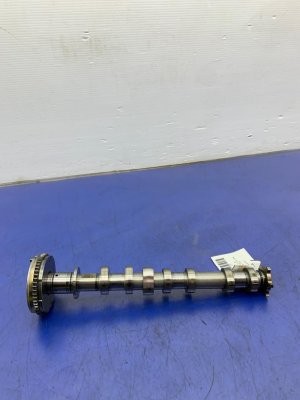
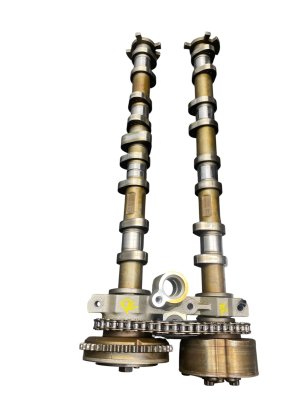
New Aftermarket Parts Available

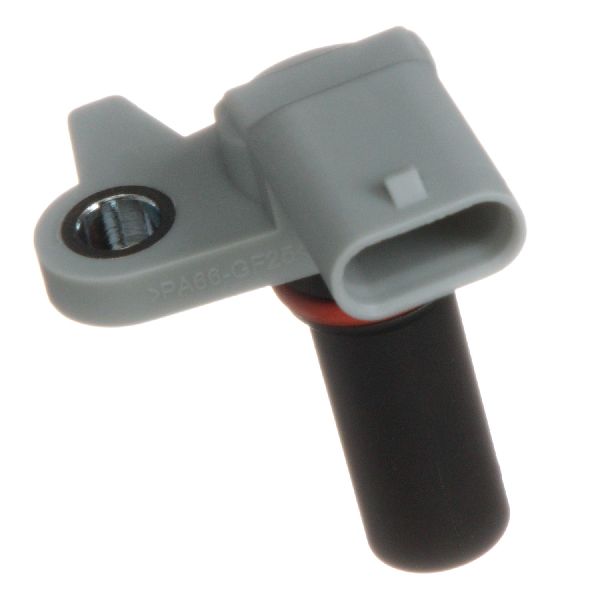
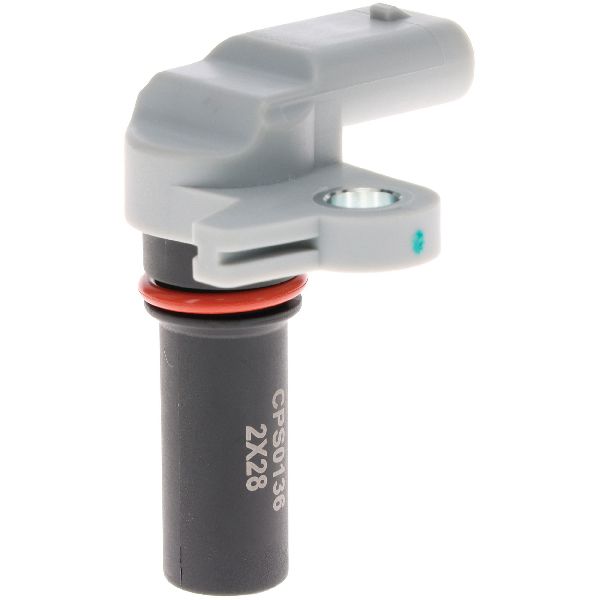

The information in this article is provided for general reference and educational purposes only. Vehicle specifications, procedures, and part compatibility can vary by production date, trim level, and region. Always consult your vehicle's factory service manual and verify part numbers before purchasing or performing repairs. Safety-critical components such as airbags, seat belts, and braking systems should be installed by a qualified professional.
- Ford F-150:
- 🎬 Helpful Videos
- 🛍️ Shop This Part
- What's Unique About the 2015-2020 Ford F-150
- Symptoms You May Notice
- Most Likely Causes
- Rare But Worth Checking
- Diagnosis Steps
- Parts You'll Likely Need
- Related Codes That Often Appear With This One
- Technical Service Bulletins (TSBs) & Recalls
- Platform-Specific Known Issues
- Mechanic-Grade Diagnostic Values
- Scan Tool Commands That Help
- Wiring & Ground Locations
- Real Owner Repair Stories
- When the Usual Fixes Don't Work
- OEM Part Supersession History
- Model Year Variations Within This Range
- Diagnostic Flowchart
- Other Known Issues on This Vehicle
- Used vs. New Parts: Buying Guide for This Vehicle
- Real Owner Stories
- 2018 Ford F-150 5.0L
- 2018 Ford F-150 5.0L — ~30000 miles
- Related OBD-II Codes
- Frequently Asked Questions
- 🎟️ Get 5% Off