

P0014 on 2015-2021 Ford F-150: Exhaust Cam Timing Over-Advanced Causes & Fixes
On 2015-2021 Ford F-150s, P0014 is most often caused by low or dirty engine oil, or a failing Variable Camshaft Timing (VCT) solenoid on Bank 1. An oil change and solenoid replacement are the most common fixes, with a solenoid costing around $40-$100 for the part. In some cases, especially on 3.5L EcoBoost engines, it can be a precursor to timing chain and phaser issues.
- P0014 on your F-150 means the Bank 1 exhaust camshaft timing is too far advanced.
- The most likely cause is low/dirty engine oil or a faulty VCT solenoid. Start by checking your oil.
- Replacing the Bank 1 exhaust VCT solenoid is a common, relatively inexpensive, and DIY-friendly fix.
- If you have a 3.5L EcoBoost and hear a rattling noise on startup, this code could indicate a more serious timing chain issue.
- Do not immediately replace the camshaft position sensor; it is rarely the cause of this specific code.
What's Unique About the 2015-2021 Ford F-150

For the 2015-2021 F-150, which includes engines like the 5.0L Coyote V8 and 3.5L/2.7L EcoBoost V6s, the VCT system is critical but also a known weak point. Ford has issued multiple Technical Service Bulletins (TSBs) acknowledging that debris in the oil can cause the VCT solenoids to stick, leading to codes like P0014. [SSM 48423, SSM 47170] This highlights the platform's sensitivity to oil quality and maintenance intervals, with many owners on forums reporting the code appears near their scheduled oil change. While the solenoids are a frequent culprit, the 3.5L EcoBoost, in particular, is also known for timing chain stretch and cam phaser issues that can trigger this code, often presenting with a distinct startup rattle for 2-5 seconds after a cold soak.
Diagnostic Flowchart

Tap your situation to follow the diagnostic path that matches what you're seeing on this vehicle.
Generation note: This range covers the end of the 13th generation (2015-2020) and the beginning of the 14th generation (2021) F-150. While the VCT system principles are similar, specific part numbers for solenoids and engine designs (e.g., 5.0L V8, 2.7L/3.5L EcoBoost V6) differ. The diagnostic approach is consistent across these generations. For example, on the 5.0L and 3.5L engines, the VCT solenoids are located under the valve covers, requiring more labor to access than on the 2.7L where they are on top of the heads.
🎬 Watch: How to change VVT solenoids on the 2.7L EcoBoost.Symptoms You May Notice

- Check Engine Light is on
- Rough or lumpy idle, especially on cold starts
- Engine may be hard to start
- Reduced fuel economy
- Engine stalling or hesitation, particularly at low speeds
- Noticeable loss of power or sluggish acceleration
- Rattling, ticking, or knocking noise from the engine, particularly on 3.5L EcoBoost models at startup
- Engine sounds louder than normal under acceleration
- Replacing the camshaft position sensor. While related, a sensor failure will typically set a different code specific to the sensor circuit (e.g., P0365, P0369). P0014 is a mechanical/hydraulic timing issue, not an electrical sensor reading issue.
- Replacing the camshaft phaser before thoroughly testing the VCT solenoid and verifying oil pressure/quality. The solenoid is cheaper, easier to replace, and a more common failure point.
Most Likely Causes

- Low, Dirty, or Incorrect Viscosity Engine Oil 🔴 High Probability The VCT system is hydraulically operated by engine oil. Ford TSBs SSM 48423 and SSM 47170 directly state that debris can cause VCT solenoids to stick. [SSM 48423, SSM 47170] Sludge or the wrong oil thickness impedes the solenoid and phaser function. Many owners on forums report this code appearing when their oil life monitor indicates an oil change is due.
How to confirm: Check the oil level on the dipstick and inspect its color and consistency. An oil level that doesn't register on the dipstick is a major red flag. Verify the last oil change date and the type of oil used against manufacturer specifications (e.g., 5W-20 or 5W-30 depending on the engine).
Typical fix: Perform an engine oil and filter change using the correct OEM-specified grade and a high-quality filter. In some cases of sludge, mechanics have reported using an ATF flush or adding kerosene to the old oil and idling briefly before draining to help clean passages, though this is an aggressive approach.
Est. part cost: $50-$100 - Failing VCT Solenoid (Oil Control Valve) 🔴 High Probability These solenoids are a known failure point across Ford's engine lineup. They can get clogged with debris or fail electrically, causing them to stick open or closed. [SSM 48423] The screens on the solenoid can become clogged with sludge, preventing proper oil flow.
How to confirm: Swap the Bank 1 exhaust solenoid with the Bank 1 intake solenoid (if they are identical) and see if the code changes to P0011. Alternatively, apply 12V to the solenoid to check for an audible clicking sound, or test its resistance with a multimeter against OEM specs. 🎬 Watch: A guide to diagnosing and replacing VVT solenoids. When removed, visually inspect the solenoid's screens for sludge or debris.
Typical fix: Replace the Bank 1 exhaust VCT solenoid. On 5.0L and 3.5L engines, this requires removing the valve cover. It is recommended to replace the valve cover gasket at the same time.
Est. part cost: $40-$100 - Stretched Timing Chain or Worn Guides 🟡 Medium Probability Particularly common on higher-mileage 3.5L EcoBoost engines from the first generation (up to ~2016) but can affect later models too. The chain can stretch over time, causing a discrepancy between the crankshaft and camshaft positions that the VCT system cannot compensate for, often causing a startup rattle. 🎬 See this video for a fix on 3.5L startup rattle.
How to confirm: This is an involved diagnosis. It often starts with a characteristic startup rattle lasting 2-5 seconds. A mechanic can use a scan tool to view desired vs. actual cam timing angles (PIDs) or perform a physical inspection by removing the timing cover.
Typical fix: Replace the timing chain, tensioners, and guides. This is a labor-intensive job. It is highly recommended to replace the cam phasers at the same time, as they are often the root cause of the chain stretch.
Est. part cost: $300-$600 - Failing Camshaft Phaser ⚪ Low Probability The cam phaser is the mechanical gear that the solenoid controls. It can fail internally or get stuck, especially if oil maintenance has been poor. Ford issued TSB 20-2315 for 2017-2020 F-150s with the 3.5L EcoBoost for this specific issue, which causes a cold start rattle.
How to confirm: Diagnosis is difficult without ruling out the solenoid and oil issues first. A scan tool showing erratic cam angle data despite a functioning solenoid points toward the phaser. The definitive symptom is a 2-5 second rattle on cold starts.
Typical fix: Replace the camshaft phaser for Bank 1 exhaust. This is often done at the same time as a timing chain job, and TSB 20-2315 recommends replacing all four VCT units (phasers) at the same time.
Est. part cost: $150-$400
Rare But Worth Checking
- Clogged VCT Solenoid Filter Screens: Some engines have small filter screens in the oil passages in the cylinder head leading to the VCT solenoids. These can become clogged with sludge and are often overlooked. Check for and clean or replace these if accessible during solenoid replacement.
- Wiring or Connector Issue: The wiring harness to the VCT solenoid can become damaged, corroded, or have a loose connection, causing an open or short circuit. This is less common than the solenoid itself failing but is a quick visual inspection to perform.
Diagnosis Steps
- Check Engine Oil: Verify the oil level is correct and the oil is clean and of the manufacturer-specified viscosity. If the level is low or the oil is old/dirty, an oil and filter change is the first and most crucial step.
- Scan for Other Codes: Use an OBD-II scanner to check for any other related trouble codes that could provide more diagnostic clues.
- Inspect VCT Solenoid Wiring: Visually inspect the connector and wiring going to the Bank 1 exhaust VCT solenoid for any signs of damage, corrosion, or loose connections.
- Test the VCT Solenoid: The easiest field test is to swap the exhaust solenoid with the intake solenoid on the same bank (if they are the same part). Clear codes and drive. If the code changes to P0011 (intake over-advanced), the solenoid is bad. This is a common diagnostic step shared on owner forums.
- Command Solenoid with Scan Tool: A bi-directional scan tool can be used to command the solenoid on and off while monitoring engine performance. A change in idle quality indicates the solenoid is responding mechanically.
- Check for Debris: When removing the solenoid, inspect its screens and the port in the cylinder head for any sludge or debris. Also check for any small mesh filters in the cylinder head oil passages if applicable.
- Advanced Diagnostics: If the above steps do not resolve the issue, further investigation into oil pressure, timing chain stretch, and camshaft phaser health is required. Listen for a 2-5 second rattle on cold starts, which strongly indicates a phaser/timing chain issue on 3.5L EcoBoost engines. This may require specialized tools and professional service.
Parts You'll Likely Need
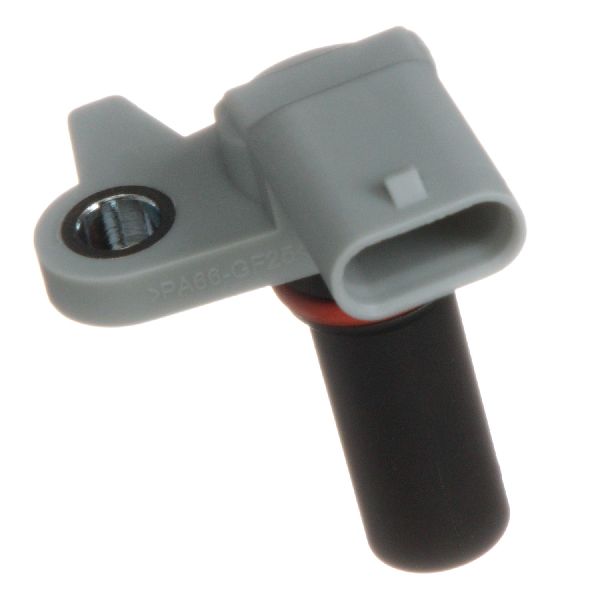
- Variable Camshaft Timing (VCT) Solenoid
(OEM #HL3Z-6M280-A (For many 3.5L/5.0L applications, check VIN))— This is the most common cause of P0014 due to sticking or electrical failure, as noted in Ford TSBs and countless owner forums. It directly controls oil flow to the cam phaser.
Trusted brands: Motorcraft, Dorman, Standard Motor Products (VVT346)
OEM price range: $60-$100
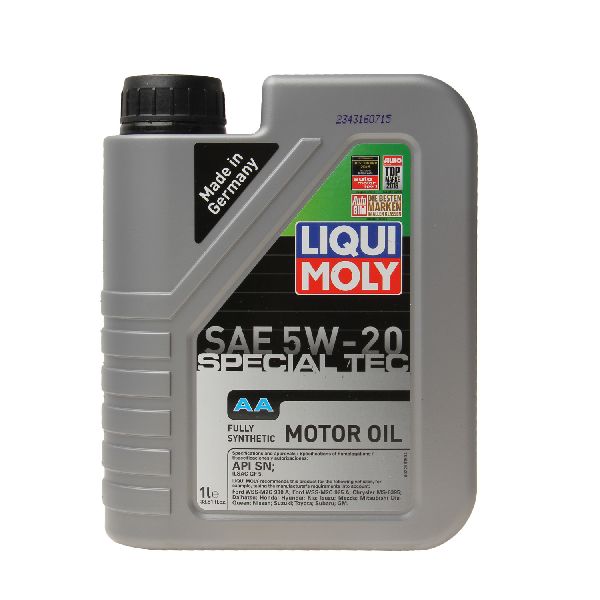
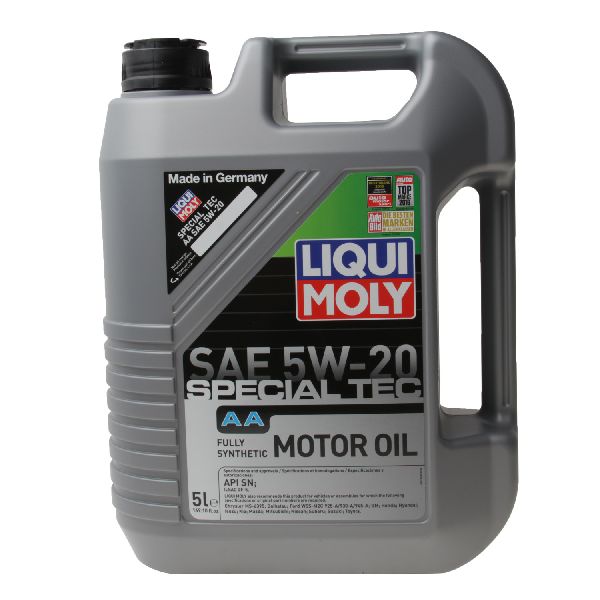
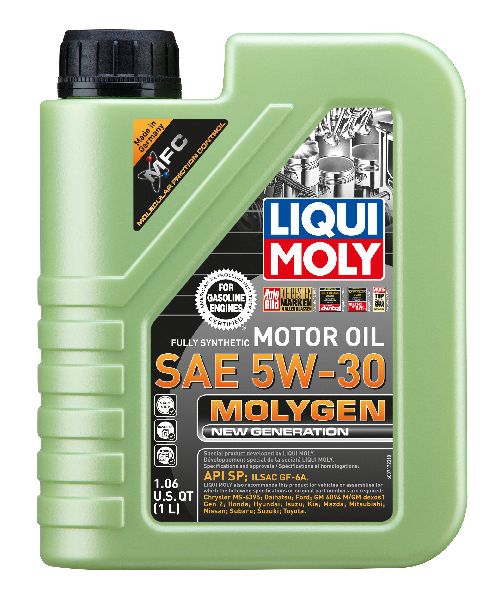
Aftermarket price range: $30-$70 - Engine Oil and Filter — Low, old, or incorrect viscosity oil is a primary cause of VCT system malfunctions and can trigger P0014 by itself.
Trusted brands: Motorcraft, Mobil 1, Pennzoil
OEM price range: $60-$110
Aftermarket price range: $40-$80 - Valve Cover Gasket Kit
(OEM #ML3Z-6584-G (Example, check VIN))— Required when replacing VCT solenoids on 3.5L and 5.0L engines, as the solenoids are located under the valve covers. Reusing old gaskets is not recommended.
Trusted brands: Motorcraft, Fel-Pro, Mahle
OEM price range: $35-$60
Aftermarket price range: $25-$50
Related Codes That Often Appear With This One
- P0011 — Intake camshaft timing over-advanced on Bank 1. If both appear, it could point to a more systemic issue like low oil pressure or a timing chain problem affecting the entire bank.
- P0024 — Exhaust camshaft timing over-advanced on Bank 2. If seen with P0014, it suggests a problem common to both banks, like widespread oil contamination or low pressure.
- P054A — Cold Start 'B' Camshaft Position Timing Over-Advanced Bank 1. This is a more specific version of P0014, pointing directly to an issue that is most prominent during cold starts, often related to thick oil or a sticky solenoid.
Technical Service Bulletins (TSBs) & Recalls
- SSM 54366
- SSM 48423
- SSM 47170
- TSB 20-2315: Specifically addresses cold start ticking/rattle noise in 2017-2020 3.5L EcoBoost engines due to worn VCT units (phasers), a common related issue.
Platform-Specific Known Issues
- This engine is widely known for the 'cold start rattle,' which is a primary symptom of failing cam phasers and a stretched timing chain. This issue is so prevalent that Ford issued TSB 20-2315 to address it. While P0014 can be just a solenoid, on this engine it should be taken more seriously as a potential early warning for this expensive repair.
- On the 5.0L Coyote engine, P0014 is very commonly linked to either old/low oil or the VCT solenoids themselves. Unlike the EcoBoost, widespread, premature timing chain failure is less of a characteristic problem. Owners often resolve the code with an oil change or solenoid replacement. Accessing the solenoids requires removing the valve covers.
- While still susceptible to oil and solenoid issues, the 2.7L V6 has a notable physical difference: the VCT solenoids are located on the top of the cylinder heads and are accessible without removing the valve covers, making replacement significantly easier and faster than on the 3.5L or 5.0L.
Mechanic-Grade Diagnostic Values
- VCT Solenoid Internal Resistance — expected: 5 to 15 Ohms. More specifically, a range of 6.9-7.9 Ohms or 8-12 Ohms is often cited as acceptable.. Failure: A reading outside the specified range, or an open circuit (infinite resistance), indicates a failed solenoid.
- VCT Solenoid Voltage Supply (Key On, Engine Off) — expected: Battery Voltage (approx. 12V) at the solenoid connector power pin.. Failure: No voltage indicates a problem with the wiring or fuse.
- Hot Idle Oil Pressure — expected: The low-pressure warning light may trigger below 15 psi. Normal hot idle pressure can be as low as 12 psi on some engines.. Failure: A persistent low-pressure warning at hot idle, especially after an oil change, can indicate issues like a faulty pressure switch, incorrect oil viscosity, or internal engine problems.
Scan Tool Commands That Help
- FORScan: Variable Camshaft Timing (VCT) PIDs (e.g., VCT_ADV, VCT_ERR) — To monitor the desired vs. actual camshaft angle in real-time. A large and persistent value for VCT_ERR (error) on Bank 1 Exhaust, while the PCM is commanding a change, points to a mechanical or hydraulic issue (stuck solenoid, bad phaser, low oil pressure).
- FORScan / High-End Bi-Directional Scanners: VCT Solenoid Duty Cycle Control — This command allows a technician to manually activate the VCT solenoid while the engine is running. A noticeable change in engine idle (stumble or roughness) when the solenoid is commanded indicates the solenoid is mechanically functioning. No change suggests the solenoid is stuck or clogged.
Wiring & Ground Locations
- Fuse F95 (Under-hood Fuse Box) — In the under-hood fuse box, located in the engine bay next to the battery. It is often the second fuse from the bottom in the right-most row.. This 25A fuse supplies power to the VCT solenoids. If this fuse is blown, none of the VCT solenoids will have power, likely causing multiple VCT-related codes, not just P0014.
- VCT Solenoid Connector — On 5.0L and 3.5L engines, the connectors are on top of the valve covers, but the solenoids themselves are underneath, requiring valve cover removal. On the 2.7L EcoBoost, the solenoids and their connectors are more accessible on the top of the cylinder heads.. This is the primary point for electrical testing (checking for voltage and resistance). Damage or corrosion at this connector can interrupt the signal from the PCM.
- Valve Cover Ground Strap — On some engines, like the 5.0L, a ground strap is attached to a stud on the valve cover.. This ground must be removed to take off the valve cover for VCT solenoid replacement. Forgetting to reinstall it can cause various unrelated electrical issues.
Real Owner Repair Stories
- Ford F150 Forum (2013 F-150 w/ 3.5L EcoBoost, ~110,000 miles) — Check engine light with codes P0012, P0014, P0022, and P0024 all at once. No significant running issues noted.
❌ Tried (didn't work) Initial speculation on crank position sensor or wiring harness issues.
✅ What actually fixed it The problem was oil sludging that clogged the VCT phaser oil screens. A technician performed an engine flush by replacing the engine oil with ATF, running the engine to temperature, then draining it and performing a standard oil and filter change. The user now performs more frequent oil changes (every 4,000 miles). - Reddit r/f150 (2016 F-150 5.0L) — Engine RPMs would drop and bounce at idle, sometimes stalling completely at red lights.
✅ What actually fixed it Replacing all four VCT solenoids resolved the stalling and rough idle issue. The repair involved removing the valve covers. - Ford F150 Forum (2012 F-150 5.0L with 243k miles) — P0014 code appears intermittently, specifically when the truck is due for an oil change (around 28% oil life remaining).
✅ What actually fixed it Changing the engine oil and filter makes the code go away. The user notes this is a recurring pattern, suggesting the VCT system on their high-mileage engine is sensitive to oil condition.
When the Usual Fixes Don't Work
- While replacing the VCT solenoid is a very common fix, there are numerous owner accounts where the code returned shortly after. In many of these cases, the ultimate root cause was either severe oil sludging requiring a deep cleaning/flush, or the issue was a precursor to a larger timing system failure (phasers and chain). One owner on a forum found that only an aggressive flush using ATF as a cleaning agent, performed by a technician, resolved their recurring codes caused by sludge. This highlights that if the oil system is heavily contaminated, simply replacing the solenoid may not be enough as debris can quickly clog the new part.
OEM Part Supersession History
Multiple older part numbers exist.→HL3Z-6M280-A (Intake) and HL3Z-6M280-B (Exhaust) are common replacements for 2017+ 3.5L EcoBoost. Ford Performance offers M-6297-M50A as a high-strength set of four for 5.0L engines.— Updates are often made to improve reliability and prevent sticking, which is a known issue acknowledged in TSBs.
Heads up: It is critical to use the correct part number for your specific engine (5.0L, 3.5L, 2.7L) and model year. While they may look similar, the intake and exhaust solenoids can be different, and designs change between engine generations. Always verify with a VIN.
Model Year Variations Within This Range
- 2018-2021: For the 5.0L V8, the 2018 model year introduced the 'Gen 3' Coyote engine. This update included a dual-injection system (port and direct injection) and other changes that differentiate it from the 2015-2017 'Gen 2' Coyote. While the VCT system functions similarly, part numbers for components like solenoids and phasers may differ.
- 2017-2021: The 3.5L EcoBoost was significantly updated in 2017, introducing the second generation with a new block, turbos, and a 10-speed transmission. This also included changes to the VCT system, meaning solenoids and phasers are not interchangeable with the 2015-2016 first-generation 3.5L EcoBoost.
Helpful Videos

Used OEM Parts in Stock
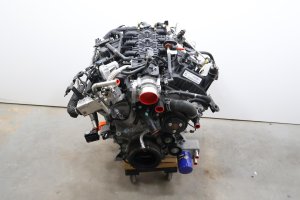
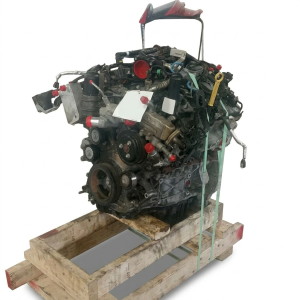
New Aftermarket Parts Available


The information in this article is provided for general reference and educational purposes only. Vehicle specifications, procedures, and part compatibility can vary by production date, trim level, and region. Always consult your vehicle's factory service manual and verify part numbers before purchasing or performing repairs. Safety-critical components such as airbags, seat belts, and braking systems should be installed by a qualified professional.
- Ford F-150:
- 🎬 Helpful Videos
- 🛍️ Shop This Part
- What's Unique About the 2015-2021 Ford F-150
- Diagnostic Flowchart
- Symptoms You May Notice
- Most Likely Causes
- Rare But Worth Checking
- Diagnosis Steps
- Parts You'll Likely Need
- Related Codes That Often Appear With This One
- Technical Service Bulletins (TSBs) & Recalls
- Platform-Specific Known Issues
- Mechanic-Grade Diagnostic Values
- Scan Tool Commands That Help
- Wiring & Ground Locations
- Real Owner Repair Stories
- When the Usual Fixes Don't Work
- OEM Part Supersession History
- Model Year Variations Within This Range
- 🎟️ Get 5% Off