

P0014 on 2015-2017 Ford F-150 5.0L: Causes and Fixes for Exhaust Cam Timing
On the 5.0L Coyote V8, code P0014 is most often caused by a faulty or sticking Bank 1 (passenger side) exhaust VCT solenoid. This is often due to dirty oil, low oil levels, or small debris. Replacing the solenoid is a common fix, costing around $40-$90 for the part. An oil and filter change should be the first step.
- First, check your engine oil. Low or dirty oil is a primary cause of P0014. An oil change may fix the issue.
- The most likely failed part is the Bank 1 (passenger side) exhaust VCT solenoid. Ford TSBs confirm they are prone to sticking.
- A smart diagnostic step is to swap the exhaust and intake solenoids on Bank 1. If the code changes to P0011, you've confirmed the solenoid is bad.
- Replacing the VCT solenoids on this engine requires removing the valve cover, so be prepared to replace the valve cover gasket as well.
- Using high-quality, manufacturer-specified 5W-20 engine oil and changing it on schedule is the best way to prevent this issue from recurring.
What's Unique About the 2015-2017 Ford F-150
The 5.0L Coyote V8 uses a Twin Independent Variable Camshaft Timing (Ti-VCT) system, which allows for precise control over both intake and exhaust cams. However, Ford has issued multiple Technical Service Bulletins (TSBs) indicating that the VCT solenoids in these engines are susceptible to sticking due to small debris in the engine oil. This makes oil quality, correct viscosity (5W-20), and regular maintenance particularly critical for preventing this code. The VCT solenoids are located under the valve covers, making their replacement more labor-intensive than on many other engines.
Symptoms You May Notice
- Check Engine Light is on
- Rough or unstable idle
- Reduced engine power and acceleration, especially low-end torque
- Decreased fuel economy
- Rattling or ticking noise from the engine, especially at idle or on startup
- Engine stalling
- Muffled or louder than normal exhaust sound
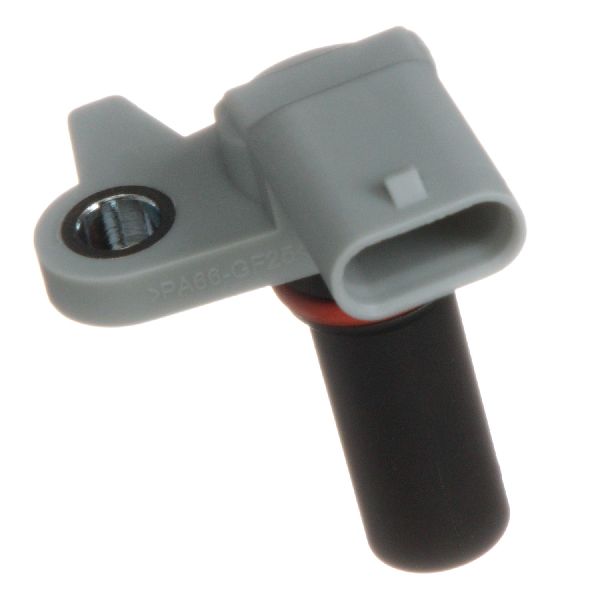
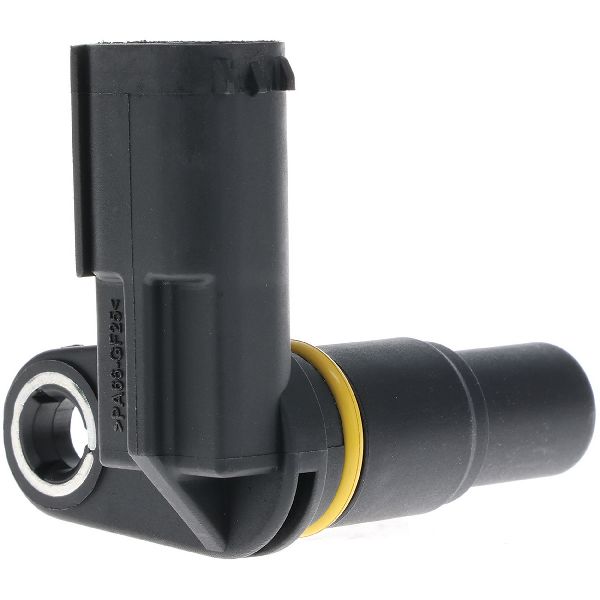
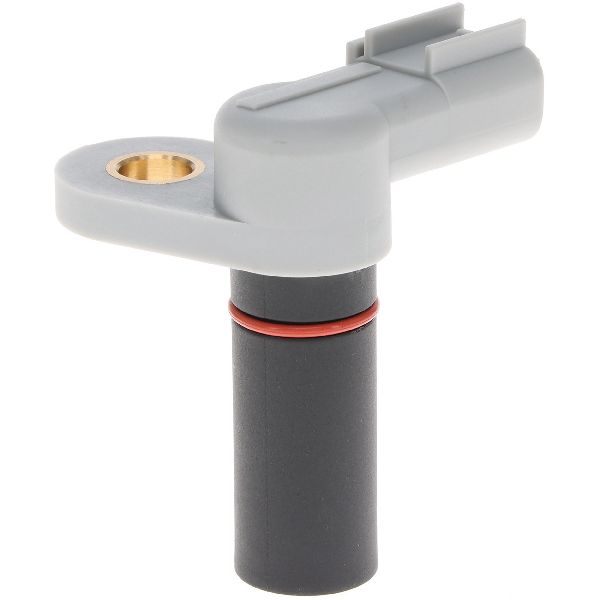
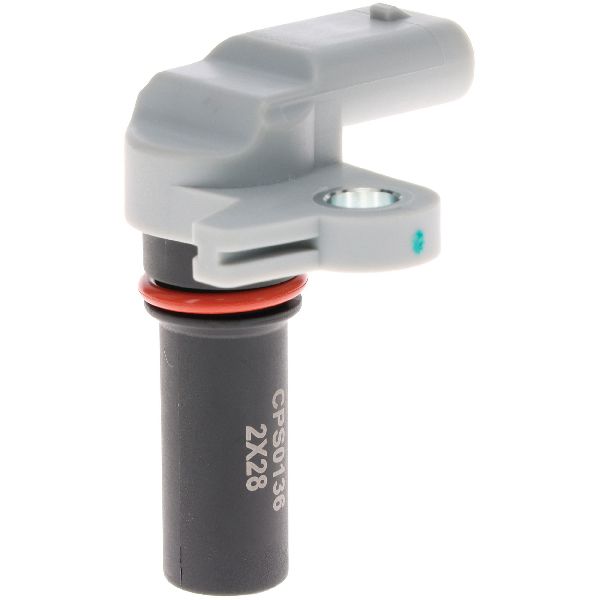
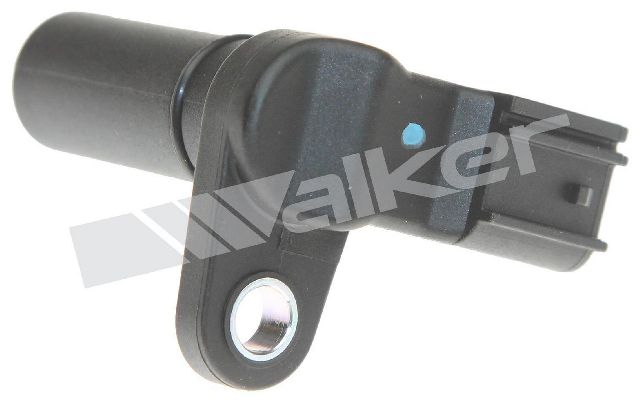
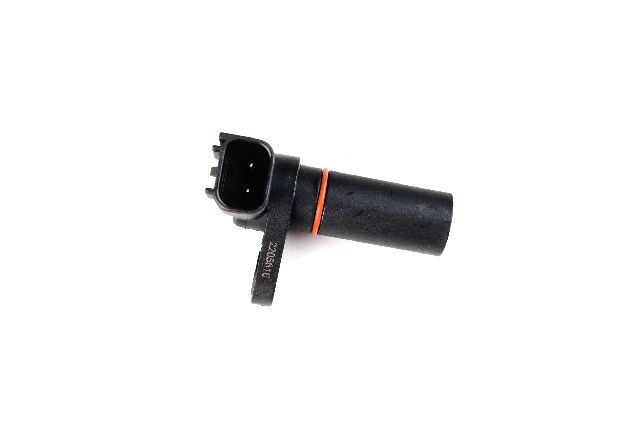
- Replacing the camshaft position sensor. While possible, a sensor failure is less common than a VCT solenoid or oil-related issue for this specific code. A sensor fault would typically generate a different set of codes related to the sensor circuit itself (e.g., P0365, P0369).
Most Likely Causes
- Sticking or Failed VCT Solenoid (Bank 1 Exhaust) 🔴 High Probability Multiple Ford TSBs (SSM 47170, SSM 48423, SSM 54366) state that small debris in the oil can cause the VCT solenoid to stick, which is the most common documented issue for this code on this platform. Forum users frequently report that the internal actuator pin on the old solenoids is found to be sticking upon removal, even on well-maintained engines.
How to confirm: Use a scan tool to command the solenoid on and off to check for response. A more practical test is to swap the Bank 1 exhaust solenoid with the Bank 1 intake solenoid. If the code changes to P0011 (Intake Cam Over-Advanced), the solenoid is confirmed bad. This is a widely recommended DIY diagnostic step.
Typical fix: Replace the Bank 1 exhaust VCT solenoid. The solenoids are located on the front of the valve covers, requiring removal of the valve cover for access.
Est. part cost: $40-$90 - Low, Dirty, or Incorrect Viscosity Engine Oil 🔴 High Probability The VCT system is entirely dependent on clean oil and proper oil pressure to function. Sludge or debris from extended oil change intervals can easily clog the small passages in the VCT solenoids. Many owners on forums report the P0014 code appears specifically when their oil life monitor indicates a change is due or the oil level is low.
How to confirm: Check the oil level on the dipstick and inspect its condition. If it's low, dark, or sludgy, it needs to be changed. Many owners report the code appears near the end of an oil change interval and sometimes resolves with a fresh oil change.
Typical fix: Perform an oil and filter change using the manufacturer-specified 5W-20 oil and a high-quality filter (like Motorcraft).
Est. part cost: $60-$100 - Failed Camshaft Phaser (Bank 1 Exhaust) 🟡 Medium Probability While less common than a solenoid failure, the phaser itself can fail mechanically, getting stuck in the advanced position. This is a more complex and expensive repair and is more likely on higher mileage engines.
How to confirm: This is typically diagnosed after ruling out the VCT solenoid and oil issues. An advanced scan tool may show the actual cam angle being stuck regardless of the commanded angle and solenoid function. A dealership-level diagnosis is often required.
Typical fix: Replace the camshaft phaser, which requires removing the valve cover and timing cover. This is a significant repair.
Est. part cost: $100-$250
Rare But Worth Checking
- Wiring or Connector Issue at VCT Solenoid: Check for damaged wires or a loose connection at the Bank 1 exhaust VCT solenoid connector before replacing parts. Corrosion or a broken wire can interrupt the signal from the PCM.
- Stretched Timing Chain or Worn Guides: On higher mileage engines (150k+ miles), wear in the timing components can cause the base timing to be off, contributing to VCT-related codes. This is a major repair and would likely be accompanied by rattling noises.
Diagnosis Steps
- Check Engine Oil: Verify the oil level is correct and the oil is clean. The 5.0L engine is sensitive to oil level and condition. If it's low or near the end of its life, perform an oil and filter change with full synthetic 5W-20 oil. Clear the code and see if it returns. This is the cheapest and easiest first step.
- Scan Tool Analysis: Use an OBD-II scanner to monitor the desired vs. actual camshaft position for Bank 1 Exhaust (B1E). If the actual angle is stuck advanced and doesn't respond to RPM changes, it points to a mechanical or hydraulic issue.
- Inspect Solenoid Connector: Check the wiring and connector for the Bank 1 exhaust VCT solenoid (passenger side, front of valve cover) for any damage, corrosion, or loose pins. Ensure the connector is fully seated.
- Swap VCT Solenoids: A highly effective DIY diagnostic step is to swap the Bank 1 exhaust solenoid with the Bank 1 intake solenoid. This requires removing the passenger side valve cover. Clear the codes and drive the vehicle. If the trouble code changes to P0011 ('A' Camshaft Position Over-Advanced), you have confirmed the solenoid is the faulty part.
- Test Solenoid (Optional): If you have a multimeter, you can test the solenoid's resistance, which should be between 5-15 ohms. 🎬 Watch: How to test and fix exhaust camshaft timing issues. However, a solenoid can have correct resistance but still be mechanically stuck, making the swap test more definitive.
- Advanced Mechanical Diagnosis: If the code remains P0014 after swapping solenoids and performing an oil change, the problem is likely with the camshaft phaser, timing chain, or a blockage in the oil passages within the cylinder head. This level of diagnosis typically requires a professional mechanic.
Parts You'll Likely Need
- Variable Camshaft Timing (VCT) Solenoid
(OEM #BR3Z-6M280-F (supersedes BR3Z-6M280-D and BR3Z-6M280-E))— This is the most frequent point of failure for code P0014 on this engine, as documented by Ford TSBs and extensive owner experiences. It gets stuck due to oil debris.
Trusted brands: Motorcraft, Standard Motor Products, Dorman
OEM price range: $60-$90
Aftermarket price range: $40-$70 - Valve Cover Gasket Kit
(OEM #FR3Z-6584-A (Right/Passenger Side))— The VCT solenoids are located under the valve covers on the 5.0L Coyote V8. The valve cover must be removed to access them, and the gasket should be replaced to prevent oil leaks. The kit typically includes the main gasket and spark plug tube seals.
Trusted brands: Motorcraft, Fel-Pro, Mahle
OEM price range: $50-$80
Aftermarket price range: $30-$60
Related Codes That Often Appear With This One
- P0011, P0012, P0015, P0021, P0022, P0024, P0025 — These are all VCT-related codes. The cited TSBs list all of these codes as having the same potential root cause: debris causing a VCT solenoid to stick. Seeing multiple codes may indicate a more widespread oil contamination issue or multiple failing components.
- P0345 or P0349 — These codes relate to the Camshaft Position Sensor circuit for Bank 2, but if a similar issue were on Bank 1 (P0340/P0344), it could appear alongside P0014 if there's an electrical or severe mechanical problem affecting the sensor's reading.
Technical Service Bulletins (TSBs) & Recalls
- SSM 47170: Notes that VCT codes can be caused by small debris causing the solenoid to stick.
- SSM 54366: Mentions VCT codes and refers to specific diagnostic pinpoint tests.
- SSM 48423: Repeats the warning about debris causing the VCT solenoid to stick on a wide range of Ford vehicles.
Platform-Specific Known Issues
- TSB SSM 47170, SSM 48423, and SSM 54366 all indicate that P0014 (and other VCT codes) may be caused by 'small debris causing the VCT solenoid to stick.' Ford recommends cycling the solenoid with a scan tool to try and clear it before replacement.
- The location of the VCT solenoids under the valve covers makes this repair more involved than on other engines where they are externally accessible. A DIY replacement takes several hours and requires careful handling of wiring harnesses and PCV tubes.
Mechanic-Grade Diagnostic Values
- VCT Solenoid Internal Resistance — expected: 5 to 15 Ohms. A common range cited is 7-12 Ohms.. Failure: A reading of 0 Ohms (short circuit) or infinite/OL (open circuit) indicates a failed solenoid. However, a solenoid can test good electrically but be mechanically stuck.
- VCT Solenoid Connector Voltage (Key On, Engine Off) — expected: ~12 Volts (Battery Voltage). Failure: Significantly lower or no voltage suggests a wiring issue, blown fuse, or PCM problem, not a faulty solenoid.
- Scan Tool PID: VCT_ADV_ERR (Bank 1 Exhaust) — expected: Close to 0 degrees at idle and should change with RPM.. Failure: A large, persistent non-zero value indicates the actual cam position does not match the commanded position, confirming a fault in the system.
Scan Tool Commands That Help
- Ford IDS (or FORScan): Pinpoint Test HK12 - VCT Solenoid Cycle Test — As per Ford's own service message (SSM 50067), this test should be run before replacing a VCT solenoid. It cycles the solenoid rapidly 10 times to dislodge small debris that may be causing it to stick. If the code clears and does not return after this test, a part replacement may not be necessary.
Wiring & Ground Locations
- Valve Cover Ground Strap — On the passenger side (Bank 1), a ground strap is attached to one of the valve cover mounting studs, typically near the exhaust side. It is secured with an 8mm nut.. While not directly for the VCT circuit, ensuring all engine grounds are clean and secure is critical for preventing erratic sensor readings and electrical issues. This ground must be removed and reinstalled when accessing the VCT solenoids.
Real Owner Repair Stories
- f150forum.com user (2012 F-150 5.0L with 243,000 miles) — P0014 code appears intermittently, specifically when the truck is due for an oil change.
✅ What actually fixed it Changing the engine oil and filter consistently makes the code go away, confirming the direct link between oil condition and VCT function on high-mileage engines. - Ford Truck Enthusiasts forum user (2013 F-150 5.0L with 232,000 miles) — P0014 code with significant power loss, loud engine noise, and an audible tick at idle.
❌ Tried (didn't work) An oil and filter change (the engine was 2 quarts low) did not resolve the power loss or the code, though the ticking noise stopped.
✅ What actually fixed it The user was advised that the next steps were to swap VCT solenoids, and if that failed, to inspect the camshaft phaser and timing chain for wear due to the high mileage. This story highlights that on high-mileage examples, an oil change may not be enough if mechanical wear has occurred.
When the Usual Fixes Don't Work
- While an oil change or solenoid replacement fixes P0014 in many cases, it is not a guaranteed solution, especially on high-mileage (150k+) engines. A forum member with a 2013 5.0L at 232,000 miles found that an oil change did not resolve the code or the associated power loss. In such cases, the root cause is more likely to be mechanical wear of the camshaft phaser itself or stretching of the timing chain, which requires a much more involved and expensive repair.
OEM Part Supersession History
BR3Z-6M280-A, -D, -E→BR3Z-6M280-F— The part has been updated multiple times by Ford, likely to improve durability and resistance to sticking from oil debris, which is the subject of multiple TSBs.
Heads up: The updated solenoids may have different electrical connector sizes than those used on the earliest Coyote engines (pre-2012), sometimes requiring a new wiring pigtail. This is not expected for the 2015-2017 models, but it is crucial to verify the connector matches before installation.
Model Year Variations Within This Range
- 2015-2017: The Gen 2 Coyote V8 used in this range is consistent. It features significant upgrades over the Gen 1 (2011-2014) engine, including revised cylinder heads, larger valves, and stronger connecting rods. However, the VCT system design and the common causes for P0014 are the same across the 2015-2017 model years.
Diagnostic Flowchart
Other Known Issues on This Vehicle
Issues unrelated to this code that are worth knowing about as an owner of this generation:
- Excessive Oil Consumption 🟠 Medium — More common on 2018-2020 models, but some 2015-2017 owners also report issues. Ford considers consumption over 1 quart per 3,000 miles to be excessive. (Ref: TSB 19-2365 (Applies to 2018-2020 models but describes the mechanism of oil being pulled into the cylinders, which can affect earlier models).)
- Coolant Leak at Upper Radiator Hose Y-Connector 🔴 High — Very common failure point across all 5.0L F-150s of this era. The plastic connector or the internal O-ring fails, causing a coolant leak.
- Intermittent 'No Crank' or Electrical Issues 🟡 Low — Some owners report intermittent electrical problems, including no-start conditions or multiple warning lights, sometimes traced to wiring harness issues or grounds. (Ref: SSM 48563 (Applies to 2017-2020 models but relevant))
- EVAP System Purge Valve Failure (P1450) 🟡 Low — The canister purge valve can stick, causing a P1450 code (Unable to Bleed Up Fuel Tank Vacuum) and sometimes rough idle after refueling. It's a relatively common and easy part to replace.
Used vs. New Parts: Buying Guide for This Vehicle
When a used part is the smart pick: For this specific repair, using used parts is not recommended. The primary failure components are the VCT solenoids and valve cover gaskets, which are wear items and should always be purchased new.
What to inspect on the donor part:
- If sourcing a major component like a cylinder head, inspect for any signs of oil sludge or varnish, which would indicate poor maintenance and potential for clogged oil passages.
OEM-only on this vehicle (don't cheap out):
- Variable Camshaft Timing (VCT) Solenoid: Given the known sensitivity to debris and the multiple TSBs issued by Ford, using a new OEM Motorcraft solenoid (BR3Z-6M280-F) is strongly advised to ensure longevity and proper function.
- Valve Cover Gaskets: While aftermarket is an option, OEM gaskets often provide the best fit and seal.
Aftermarket brands forum-validated for this vehicle:
- Fel-Pro (for gaskets)
- Standard Motor Products (for solenoids, as a secondary option to OEM)
Brands owners have reported issues with on this vehicle:
- Unbranded or 'white-box' VCT solenoids from online marketplaces are a significant risk and often fail prematurely, leading to repeat repairs.
Real Owner Stories
Aggregated from forums and TSBs cited above. Mileages and costs reflect what owners reported in those sources.
2012 Ford F-150 5.0L V8
Symptoms: The P0014 code appeared specifically when an oil change was due.
What fixed it: The code was resolved simply by performing a fresh oil change, demonstrating the link between oil condition and VCT function.
Source hint: f150forum.com thread titled 'P0014 code'
2015 Ford Mustang GT 5.0L V8
Symptoms: P0014 code persisted even after replacing sensors, connectors, and VCT solenoids.
What fixed it: The issue was suspected to be a mechanical failure of the camshaft phaser itself after other components were ruled out.
Source hint: mustang6g.com (S550 Forum) thread titled 'p0014 code'
2016 Ford F-150 5.0L V8
Symptoms: P0014 code present; owner noted brittle wiring clips and the need for specific tools during the repair.
What fixed it: Replacement of the VCT solenoids, which required removing the valve covers and approximately 6 hours of labor.
Source hint: Reddit r/f150 thread titled 'vct_solenoid_change'
High-mileage Ford F-150 5.0L V8
Symptoms: P0014 code remained active after an oil change failed to resolve the issue.
What fixed it: The owner was advised to swap VVT solenoids between banks to isolate the failure to the solenoid before proceeding to more expensive repairs.
Source hint: Ford Truck Enthusiasts Forums thread titled '2013 f-150 with 5.0 v8 has p0014 code help'
Related OBD-II Codes
Frequently Asked Questions
Which Ford Technical Service Bulletins (TSBs) address the P0014 code on my 2015-2017 F-150 5.0L?
Can I fix the P0014 code on my Coyote 5.0L just by changing the oil?
Where are the VCT solenoids located on the 2015-2017 F-150 5.0L engine?
Is there a DIY way to confirm if the VCT solenoid is the cause of my P0014 code?
What specific oil should I use for my 2015-2017 F-150 5.0L to prevent VCT issues?
What are the symptoms of a failing VCT solenoid or phaser on the F-150 5.0L?
Helpful Videos

Used OEM Parts in Stock
New Aftermarket Parts Available

The information in this article is provided for general reference and educational purposes only. Vehicle specifications, procedures, and part compatibility can vary by production date, trim level, and region. Always consult your vehicle's factory service manual and verify part numbers before purchasing or performing repairs. Safety-critical components such as airbags, seat belts, and braking systems should be installed by a qualified professional.
- Ford F-150:
- 🎬 Helpful Videos
- 🛍️ Shop This Part
- What's Unique About the 2015-2017 Ford F-150
- Symptoms You May Notice
- Most Likely Causes
- Rare But Worth Checking
- Diagnosis Steps
- Parts You'll Likely Need
- Related Codes That Often Appear With This One
- Technical Service Bulletins (TSBs) & Recalls
- Platform-Specific Known Issues
- Mechanic-Grade Diagnostic Values
- Scan Tool Commands That Help
- Wiring & Ground Locations
- Real Owner Repair Stories
- When the Usual Fixes Don't Work
- OEM Part Supersession History
- Model Year Variations Within This Range
- Diagnostic Flowchart
- Other Known Issues on This Vehicle
- Used vs. New Parts: Buying Guide for This Vehicle
- Real Owner Stories
- 2012 Ford F-150 5.0L V8
- 2015 Ford Mustang GT 5.0L V8
- 2016 Ford F-150 5.0L V8
- High-mileage Ford F-150 5.0L V8
- Related OBD-II Codes
- Frequently Asked Questions
- 🎟️ Get 5% Off