

P0014 on 2021 Chevrolet Trailblazer 1.3L: Exhaust Cam Timing Over-Advanced Causes and Fixes
On a 2021 Trailblazer 1.3L, code P0014 is most often caused by low/dirty engine oil or a faulty exhaust camshaft actuator solenoid. A known issue, covered by a GM Technical Service Bulletin (TSB), is a sticking camshaft actuator oil control valve bolt. This issue is so specific to this platform that GM issued service updates like A202304840 to inspect and repair affected vehicles, sometimes before they were even sold. Always check oil level and condition first before replacing parts.
- Always check your engine oil level and condition first; it's the easiest and most common fix.
- P0014 on this specific engine is often caused by a faulty exhaust VVT solenoid, which is a relatively inexpensive and accessible part to replace.
- Be aware of GM Technical Service Bulletin #A202304840 regarding a sticking OCV bolt. If an oil change and solenoid swap don't fix the issue, this is the likely cause and may require a trip to the dealer.
- A simple diagnostic trick is to swap the intake and exhaust VVT solenoids to see if the trouble code follows the part, changing to P0011.
What's Unique About the 2021-2021 Chevrolet Trailblazer
For the 2021 Trailblazer with the 1.3L L3T engine, this code is frequently linked to specific issues documented by General Motors. GM has issued Technical Service Bulletins (TSBs) like #20-NA-151 and Service Update #A202304840 that point to a sticking camshaft actuator oil control valve (OCV) center bolt as a primary cause, especially when the engine is hot. This is a known mechanical quirk of this engine platform, making it crucial to consider the TSBs before assuming a more common part failure. The TSB diagnostic procedure specifically involves getting the engine oil to 230°F (110°C) to see if the code appears, confirming the heat-related nature of the bolt sticking. This issue also affects its platform-mate, the 2020-2021 Buick Encore GX with the same 1.3L engine.
Symptoms You May Notice
- Check Engine Light is on
- Rough, unstable, or stalling idle.
- Reduced engine power.
- Poor fuel economy
- Hard starting.
- Rattling or knocking noises from the engine.
- Engine surge or shudder feeling at steady speeds.
- Replacing the camshaft position sensor. While a sensor can fail, it's less common for this code than oil-related issues or a faulty solenoid/actuator bolt. A failing sensor usually triggers other specific sensor circuit codes.
Most Likely Causes
- Low, Dirty, or Incorrect Viscosity Engine Oil 🔴 High Probability The VVT system is hydraulic and extremely sensitive to oil pressure and cleanliness. Old, incorrect, or low-level oil can clog the small passages in the VVT solenoids and actuators or fail to provide the necessary pressure for the cam phasers to operate correctly.
How to confirm: Check the engine oil level on the dipstick and inspect its condition. If the oil is low, dark, or sludgy, it needs to be changed.
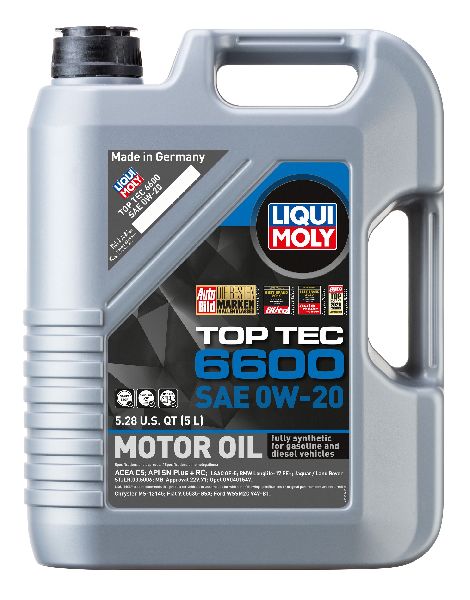
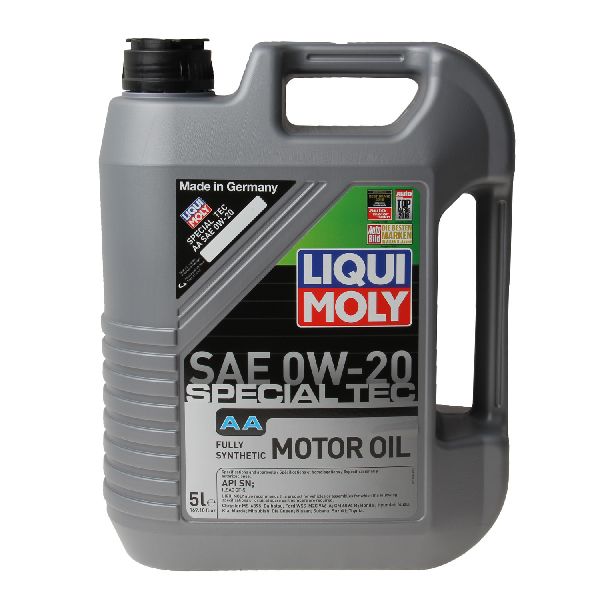
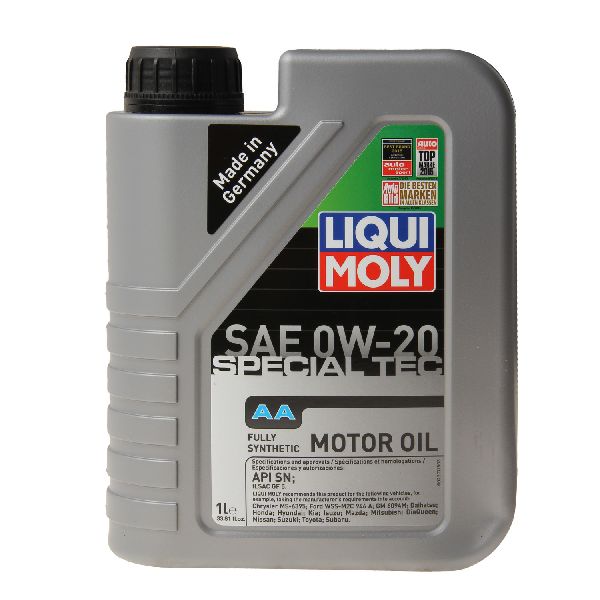
Typical fix: Perform an engine oil and filter change using the manufacturer-specified full synthetic oil (e.g., dexos1 Gen 2 0W-20 is specified for the 1.3L L3T) and a quality oil filter. Clear codes and re-test.
Est. part cost: $30-$70 - Faulty Exhaust Camshaft Position Actuator Solenoid (VVT Solenoid) 🔴 High Probability This solenoid is a common failure point in many VVT systems. It can get clogged with debris from the oil or fail electronically. TSB #20-NA-151 directly addresses this component sticking when hot.
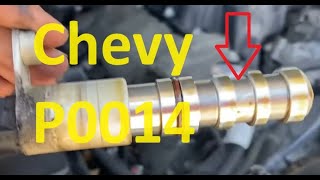
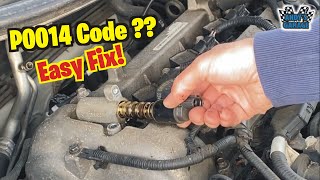
How to confirm: Swap the exhaust solenoid with the intake solenoid (they are often the same part number, but verify first). Clear the codes 🎬 See this walkthrough on how to fix a P0014 code. and drive. If the code changes to P0011 (Intake Camshaft Position), the solenoid is confirmed to be faulty. You can also test the solenoid's resistance with a multimeter against OEM specifications.
Typical fix: Replace the exhaust camshaft actuator solenoid. Many technicians recommend replacing both intake and exhaust solenoids at the same time as a preventative measure. The OEM part number for the exhaust solenoid is 12711861 (which supersedes 12701774).
Est. part cost: $25-$60 - Sticking Camshaft Actuator Oil Control Valve (OCV) Bolt 🟡 Medium Probability This is a known issue for the 2021 Trailblazer 1.3L engine, as documented in GM TSBs #20-NA-151 and #A202304840. The bolt can stick or bind when the engine oil gets hot, causing timing issues. GM estimated that about 11% of the vehicles under the service update would fail the inspection and require this repair.
How to confirm: This issue presents symptoms identical to a bad solenoid. If an oil change and solenoid replacement do not fix the code, this TSB should be investigated. The official diagnostic procedure involves warming the engine oil to 230°F (110°C), driving to cycle the actuators, and then checking if P0014 is set.
Typical fix: A dealer or qualified shop will perform the repair outlined in the TSB, which involves replacing the intake and exhaust camshaft position actuator valve solenoid bolts. The specific repair depends on whether P0011 is also present.
Est. part cost: $20-$50
Rare But Worth Checking
- Stretched Timing Chain or Failed Tensioner: While less common on a newer vehicle, a stretched timing chain can cause the camshaft timing to be physically out of sync with the crankshaft, triggering P0014. This is a more serious mechanical issue that would likely present with rattling noises.
- Failed Camshaft Phaser (Actuator): The mechanical actuator gear on the end of the camshaft can fail internally, getting stuck in an advanced position. This is a more complex and expensive repair than a solenoid replacement and may be caused by debris within the actuator as noted in GM bulletin #PIP6082.
Diagnosis Steps
- Check Engine Oil: Verify the oil level is correct and the oil is clean. If low or dirty, perform an oil and filter change with the correct viscosity oil (dexos1 approved). Clear the code and see if it returns. This is the simplest and most crucial first step.
- Scan for Other Codes: Check for any other stored trouble codes that could provide more context, such as P0011, P0016, or P0300. The presence of P0011 is particularly relevant due to the TSBs.
- Inspect Solenoid Wiring: Visually inspect the wiring harness and connector for the exhaust VVT solenoid for any damage, corrosion, or loose connections.
- Test the Solenoid: The most effective field test is to swap the exhaust VVT solenoid with the intake VVT solenoid. Clear the codes and drive the vehicle. If the code returns as P0011, the solenoid you moved is faulty and must be replaced.
- Investigate TSBs: If the steps above do not resolve the issue, the problem is very likely the sticking OCV bolt described in GM TSBs #20-NA-151 and #A202304840. The official diagnosis requires warming the engine to a specific high temperature (230°F/110°C) and is best left to a professional with access to GM service information.
- Advanced Mechanical Checks: If all else fails, a technician will need to check for more serious mechanical issues like a failed camshaft phaser or a stretched timing chain, which may require removing the valve cover for inspection and using scan tools to monitor desired vs. actual cam angles.
Parts You'll Likely Need
- Engine Variable Valve Timing (VVT) Solenoid / Camshaft Position Actuator Solenoid
(OEM #Exhaust: 12711861 (supersedes 12701774); Intake: 25205040)— This is the most common part to fail or stick, either by getting clogged with debris or failing electronically. It is a critical component for controlling oil flow to the cam phaser.
Trusted brands: ACDelco (GM Genuine), Delphi
OEM price range: $30-$70
Aftermarket price range: $25-$60 - Engine Oil and Filter — Low or contaminated oil is a primary cause of VVT system faults. An oil change is the first and most important diagnostic step.
Trusted brands: ACDelco, Mobil 1, Pennzoil
OEM price range: $50-$80
Aftermarket price range: $30-$70 - Camshaft Position Actuator Solenoid Bolts
(OEM #Varies by repair, consult dealer with VIN and TSB)— Required for the specific fix outlined in TSB #20-NA-151 and #A202304840, where the original bolts are known to stick or bind when hot.
Trusted brands: ACDelco (GM Genuine)
OEM price range: $20-$50
Aftermarket price range: N/A
Related Codes That Often Appear With This One
- P0011 — This is the corresponding code for the Intake camshaft. It can appear with P0014 if there is a systemic oil pressure/quality issue or if both solenoids are failing. It is explicitly mentioned alongside P0014 in TSBs #20-NA-151 and #A202304840.
- P0016 / P0017 — These codes indicate a correlation problem between the crankshaft and camshaft. They can be triggered along with P0014 due to the sticking OCV bolt issue described in TSB #20-NA-151. TSB #21-NA-268 also notes a rare condition where the exhaust cam reluctor can be out of phase, causing P0017.
- P0300 — This is a random misfire code. Incorrect cam timing disrupts the air/fuel mixture and combustion stability, leading to engine misfires. TSB #PIP6082 links cam actuator issues directly to this code.
Technical Service Bulletins (TSBs) & Recalls
- 20-NA-151: Addresses unstable idle and various cam position codes (including P0014) caused by the camshaft position actuator valve solenoid bolt sticking internally when the engine oil is hot.
- A202304840: Service Update for a binding camshaft actuator oil control valve center bolt on 2020-2021 Trailblazer and Buick Encore GX models with the 1.3L engine.
- PIP6082: Notes that engine surges, misfires, and codes like P0014 can be caused by potential debris in the cam actuators.
Platform-Specific Known Issues
- GM Technical Service Bulletin #A202304840 (and its predecessor #20-NA-151) identifies a known issue where the camshaft actuator oil control valve (OCV) center bolt can stick or bind, particularly when the engine oil is hot (specifically tested at 230°F/110°C). This directly causes P0014 and/or P0011 and can be mistaken for a failed solenoid.
Mechanic-Grade Diagnostic Values
- Camshaft Position Actuator Solenoid Resistance — expected: 5-15 Ohms at approx. 70°F. Some sources cite 8-13 Ohms for other GM engines.. Failure: A reading of 0 Ohms indicates a short, while an 'OL' or infinite reading indicates an open circuit. Any reading outside the specified range suggests a faulty solenoid coil.
- Scan Tool: Desired vs. Actual Camshaft Position Angle (Exhaust) — expected: The 'Actual' angle should closely track the 'Desired' angle commanded by the ECM, with only minor, transient deviations during engine speed changes.. Failure: A large, persistent difference between the desired and actual angles, or an actual angle that is stuck at a certain value (e.g., full advance) while the desired angle changes, indicates a fault in the VVT system.
Scan Tool Commands That Help
- GDS2 (GM Dealer Software): Camshaft Position Actuator Test — This bidirectional control allows a technician to command the intake and exhaust cam phasers to specific angles (e.g., 0 to 20 degrees) while the engine is running. By observing the 'Desired' vs. 'Actual' PIDs, a technician can determine if the actuator is responding correctly, sticking, or not moving at all. This is crucial for differentiating between a solenoid, phaser, or oil pressure problem.
- GDS2 (GM Dealer Software): Engine Control Module (ECM) Data Display — To diagnose the TSB-related issue, a technician must monitor the 'Engine Oil Temperature' PID to ensure it reaches the required 230°F (110°C) before checking for DTCs P0011 or P0014.
Real Owner Repair Stories
- Trailblazer.org forum user (2021 Chevrolet Trailblazer 1.3L) — Check Engine Light on with codes P0011 and P0014, rough running engine, and reduced power.
❌ Tried (didn't work) Initial diagnosis suggested replacing the VVT solenoids.
✅ What actually fixed it The vehicle was taken to a dealer who performed the repair outlined in TSB A202304840. The root cause was the sticking camshaft actuator oil control valve (OCV) bolt, not the solenoid itself. The dealer's TSB repair resolved all codes and symptoms.
OEM Part Supersession History
12701774→12711861— The reason for the supersession is not officially documented in public sources, but it is common for manufacturers to update parts to improve reliability, change suppliers, or make minor design improvements.
Heads up: The new part number (12711861) is a direct replacement for the old one and should be fully compatible.
Diagnostic Flowchart
Other Known Issues on This Vehicle
Issues unrelated to this code that are worth knowing about as an owner of this generation:
- Electronic Brake Boost System Fault 🔴 High — Affects certain 2021 models. A recall was issued. (Ref: Recall A202307260 / NHTSA 20V588000. Sensor connection contamination can cause a loss of power brake assist, requiring much greater pedal force to stop.)
- CVT Transmission Hesitation/Jerking (FWD Models) 🟠 Medium — Common complaint on 2021 models with the CVT. Often occurs at low speeds. (Ref: Several TSBs exist for reprogramming the Transmission Control Module (TCM) to improve drivability.)
- Intercooler Icing in Extreme Cold 🟠 Medium — Can occur in temperatures below 0°F (-18°C) shortly after a cold start. (Ref: GM TechLink article acknowledges the issue. Can cause restricted airflow, power loss, and potential for increased crankcase pressure.)
- Infotainment Screen Blackout / Glitches 🟡 Low — Common complaint across 2021-2023 models. (Ref: TSB #23-NA-145 provides a software update to fix black screens, slow boot-up, and Bluetooth issues.)
- Improperly Secured Front Seats 🔴 High — Affected a specific batch of 2021 Trailblazers and 2020 Encore GXs. (Ref: Recall A202304380 / NHTSA 20V537000. Rear attachment bolts for front seats may not have been installed, increasing injury risk in a crash.)
- Leaking Fuel Rail 🔴 High — Some owners have reported strong fuel smells, with dealers finding leaks at the fuel rail. (Ref: GM Service Bulletin PIP5765 addresses this issue for the 1.3L engine.)
Used vs. New Parts: Buying Guide for This Vehicle
When a used part is the smart pick: For this specific repair, using used parts is generally not recommended. The primary failure components (VVT solenoids, special TSB bolts) are sensitive, relatively inexpensive to buy new, and are known failure points. The risk of getting a used part that is already clogged, failing, or is the older problematic version outweighs the small cost savings.
Donor-vehicle mileage cap: roughly under 30000 miles for the part to have meaningful remaining life.
What to inspect on the donor part:
- If forced to buy a used VVT solenoid, inspect the mesh screens for any tears or metallic debris.
- Ensure the electrical connector is free of corrosion or damage.
- Avoid parts from engines that show signs of heavy oil sludge or neglect.
OEM-only on this vehicle (don't cheap out):
- Camshaft Position Actuator Solenoid Bolts (for TSB #A202304840 repair). These are specific, updated parts designed to fix a known defect and should only be sourced from a GM dealer.
Aftermarket brands forum-validated for this vehicle:
- ACDelco (GM Genuine)
- Delphi
Brands owners have reported issues with on this vehicle:
- Unnamed, 'white-box' parts from online marketplaces should be avoided, as their quality and durability are unverified for this sensitive VVT system.
Real Owner Stories
Aggregated from forums and TSBs cited above. Mileages and costs reflect what owners reported in those sources.
2021 Chevrolet Trailblazer 1.3L
Symptoms: Extremely hazardous when accelerating to get on highway and engine power reduces.
What fixed it: The owner reported the issue under code P0014; diagnostic context suggests investigation of the OCV bolt TSB or solenoid replacement.
Source hint: CarComplaints.com: An owner of a 2021 Trailblazer filed a complaint for code P0014
2021 Chevrolet Trailblazer 1.3L L3T
Symptoms: Unstable idle and P0014 code triggered when the engine oil was hot.
What fixed it: Replacing the intake and exhaust camshaft position actuator valve solenoid bolts as per the service update.
Source hint: TSB #20-NA-151 / Service Update #A202304840
2021 Chevrolet Trailblazer 1.3L L3T
Symptoms: Engine surges, misfires, and P0014 code.
What fixed it: Cleaning or addressing potential debris in the cam actuators.
Source hint: GM PIP6082
Related OBD-II Codes
Frequently Asked Questions
My 2021 Trailblazer 1.3L is idling roughly and showing P0014; is there a specific GM bulletin for this?
What specific oil should I use in my 1.3L L3T engine to prevent VVT issues like P0014?
If I need to replace the exhaust VVT solenoid on my Trailblazer, what is the correct part number?
Is it true that P0014 can be caused by the engine oil getting too hot?
Can I test the P0014 code myself before buying parts?
Does the 1.3L engine have any other major issues I should watch for while fixing P0014?
Helpful Videos
Used OEM Parts in Stock
New Aftermarket Parts Available


The information in this article is provided for general reference and educational purposes only. Vehicle specifications, procedures, and part compatibility can vary by production date, trim level, and region. Always consult your vehicle's factory service manual and verify part numbers before purchasing or performing repairs. Safety-critical components such as airbags, seat belts, and braking systems should be installed by a qualified professional.
- Chevrolet Trailblazer:
- 🎬 Helpful Videos
- 🛍️ Shop This Part
- What's Unique About the 2021-2021 Chevrolet Trailblazer
- Symptoms You May Notice
- Most Likely Causes
- Rare But Worth Checking
- Diagnosis Steps
- Parts You'll Likely Need
- Related Codes That Often Appear With This One
- Technical Service Bulletins (TSBs) & Recalls
- Platform-Specific Known Issues
- Mechanic-Grade Diagnostic Values
- Scan Tool Commands That Help
- Real Owner Repair Stories
- OEM Part Supersession History
- Diagnostic Flowchart
- Other Known Issues on This Vehicle
- Used vs. New Parts: Buying Guide for This Vehicle
- Real Owner Stories
- 2021 Chevrolet Trailblazer 1.3L
- 2021 Chevrolet Trailblazer 1.3L L3T
- 2021 Chevrolet Trailblazer 1.3L L3T
- Related OBD-II Codes
- Frequently Asked Questions
- 🎟️ Get 5% Off