

P0012 on 2022-2024 Toyota GR86: FA24D Over-Retarded Camshaft Timing Causes and Fixes
On a 2022-2024 GR86, code P0012 is almost always caused by low, dirty, or incorrect viscosity engine oil. Before buying any parts, check your oil. If an oil change with 0W-20 synthetic oil doesn't fix it, the passenger-side intake Oil Control Valve (OCV) is the next likely culprit, costing ~$90-$140 for an OEM part.
- Always check your engine oil first. Low, old, or incorrect (non 0W-20) oil is the #1 cause of P0012 on the GR86.
- Do not immediately buy a camshaft position sensor; it is rarely the cause of the problem.
- If an oil change doesn't fix the code, the passenger-side intake Oil Control Valve (OCV) is the next most likely part to fail.
- A simple and effective diagnostic step is to swap the passenger and driver side intake OCVs to see if the trouble code follows the part.
- Ignoring this code can lead to poor performance, stalling, and potential long-term engine damage.
What's Unique About the 2022-2024 Toyota GR86
The Toyota GR86 shares its FA24D engine with the Subaru BRZ. This boxer engine design has known sensitivities related to oiling. Two well-documented issues on this platform are excess RTV sealant from the factory clogging the oil pickup tube, and significant oil pressure drops during high-G right-hand cornering on a race track. While these are distinct problems, they highlight the system's critical dependence on perfect oil pressure and cleanliness for the Active Valve Control System (AVCS) to function correctly. Therefore, P0012 on this platform is very frequently tied to oil condition, pressure, or flow restrictions.
Symptoms You May Notice
- Check Engine Light is on
- Rough idle or engine stalling, especially when stopped
- Idle dip or lurching under light acceleration
- Sluggish acceleration and reduced engine power
- Decreased fuel economy
- Hard starting
- Rattling noise from the engine
- Replacing the camshaft position sensor. The sensor is almost always doing its job correctly by reporting the timing error. The fault lies within the mechanical or hydraulic system that controls the camshaft's position (oil, OCV, phaser), not the sensor that reads it.
Most Likely Causes
- Low, Dirty, or Incorrect Viscosity Engine Oil 🔴 High Probability The FA24D's variable valve timing system (AVCS) is hydraulically operated and extremely sensitive to oil pressure and cleanliness. Small passages can become clogged by sludge or debris from old oil, preventing the camshaft phasers from adjusting correctly.
How to confirm: Check the engine oil dipstick. The level should be full, and the oil should be a clear amber/brown color, not black or gritty. Ensure the correct 0W-20 synthetic oil is being used as specified by the manufacturer.
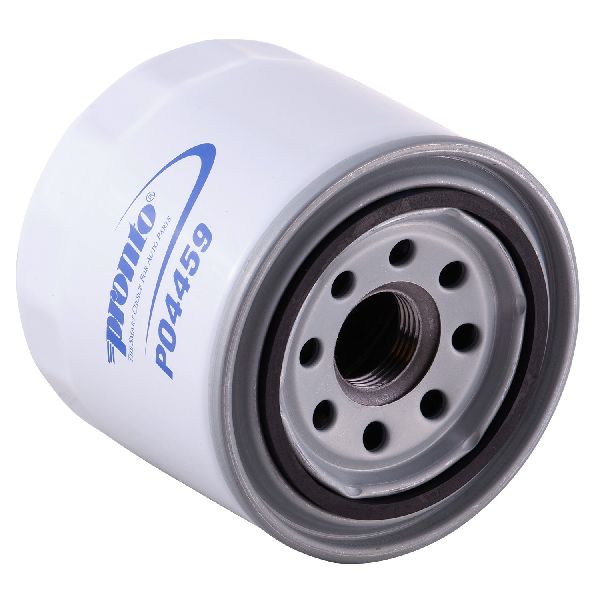
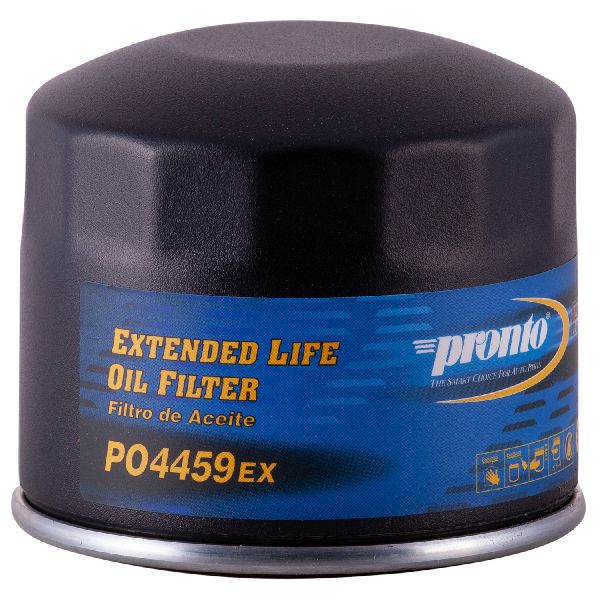
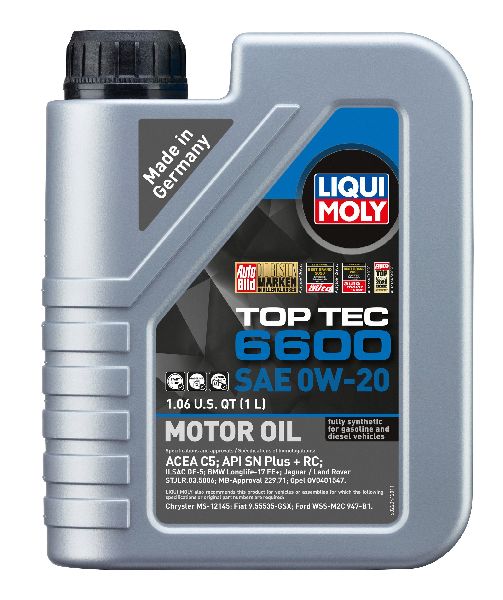
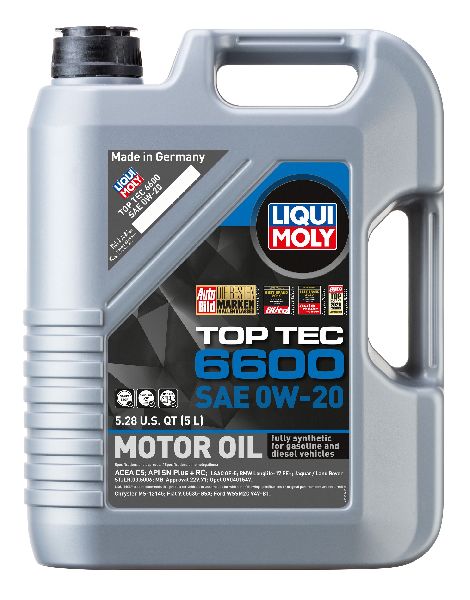
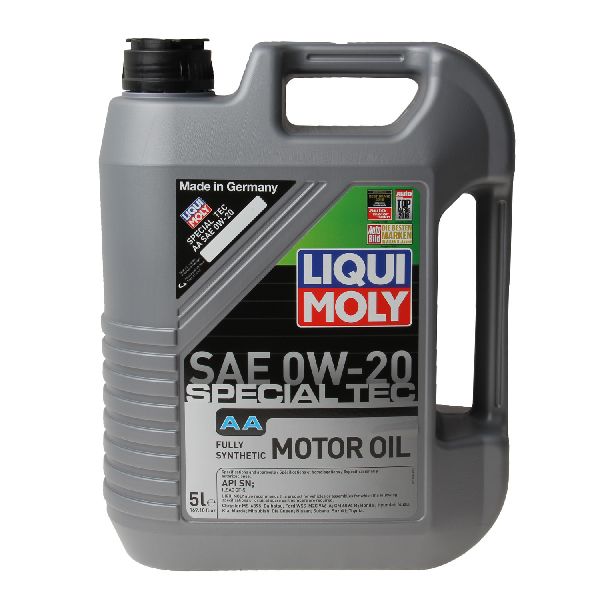
Typical fix: Perform an engine oil and filter change using a high-quality, OEM-spec 0W-20 synthetic oil and a new filter.
Est. part cost: $50-$100 - Faulty Intake Oil Control Valve (OCV) / VVT Solenoid (Bank 1) 🟡 Medium Probability The OCV can get stuck or clogged with debris (including potential RTV sealant particles), preventing it from properly directing oil flow to the camshaft phaser. On Subaru engines, there's also a known possibility of oil wicking past the OCV's internal seal and into the wiring harness, causing electrical issues, as documented in TSB 02-170-17R for prior generation FA/FB engines.
How to confirm: After confirming the oil is clean and full, swap the Bank 1 (passenger side) intake OCV with the Bank 2 (driver's side) intake OCV. They are identical parts. Clear the codes and drive the vehicle. If the code returns as P0022 (the Bank 2 equivalent), the OCV is faulty. Some owners also monitor AVCS values with a scan tool; if the Bank 1 and Bank 2 values do not mirror each other during operation, it can indicate a faulty OCV.
Typical fix: Replace the faulty Oil Control Valve.
Est. part cost: $90-$140
Rare But Worth Checking
- Clogged OCV Filter Screen: Subaru engines have small, thimble-shaped filter screens in the oil passages leading to the OCVs. If these become clogged with sludge or debris (such as loose RTV sealant), they can restrict oil flow even if the OCV itself is functional.
- Failing Camshaft Phaser (AVCS Actuator): The mechanical gear on the end of the camshaft can fail internally, getting stuck in one position. This is a more involved and expensive repair, often accompanied by rattling noises on startup and may be suspected if swapping OCVs does not move the fault code.
- Stretched Timing Chain: While not common on a low-mileage engine, a stretched timing chain can cause the base mechanical timing to be off, which the AVCS system cannot compensate for, triggering the code. This is a major mechanical repair.
Diagnosis Steps
- Read the code with an OBD-II scanner to confirm P0012 is present.
- Check the engine oil level and condition. If the oil is low, top it off, clear the code, and see if it returns.
- If the oil is dark, dirty, or past its service interval, perform a complete oil and filter change using OEM-specified 0W-20 synthetic oil. Clear the code and test drive.
- If the code persists, locate the intake Oil Control Valves (OCVs) on both the passenger (Bank 1) and driver (Bank 2) sides of the engine.
- Inspect the Bank 1 OCV connector for any signs of oil contamination or damaged wires. Oil wicking into the harness is a known issue on Subaru engines.
- Swap the Bank 1 intake OCV with the Bank 2 intake OCV. They are identical and interchangeable.
- Clear the codes and perform a thorough test drive. If the code returns as P0022 (Bank 2 Over-Retarded), the OCV you moved to the driver's side is faulty and must be replaced.
- If the code remains P0012 after the swap, the problem is likely a clogged oil passage (potentially the small OCV filter), a failing camshaft phaser, or a timing chain issue, which requires more in-depth professional diagnosis.
Parts You'll Likely Need
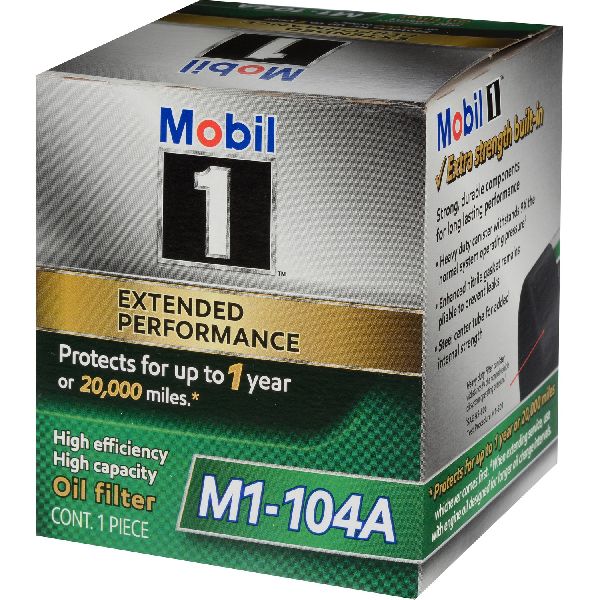
- Engine Oil and Filter — This is the most common cause. The AVCS system requires clean, correct-viscosity oil to function.
Trusted brands: Idemitsu, Mobil 1, Pennzoil
OEM price range: $70-$100
Aftermarket price range: $50-$80 - Intake Oil Control Valve / VVT Solenoid
(OEM #SU003-07806 (Toyota) / 10921AA231 (Subaru))— This is the most common part to fail after oil issues are ruled out. It gets clogged or fails electronically, preventing proper cam timing adjustment. The Toyota part supersedes SU003-00096. The Subaru part supersedes 10921aa220 and 10921aa230.
Trusted brands: Toyota (OEM), Subaru (OEM), Denso
OEM price range: $90-$140
Aftermarket price range: $40-$80
Related Codes That Often Appear With This One
- P0011 — This is the code for 'Timing Over-Advanced' on the same camshaft. Seeing both can indicate an erratic OCV or a severe oil flow/pressure issue.
- P0022 — This is the same 'Over-Retarded' code but for Bank 2 (driver's side). If P0012 and P0022 appear together, it strongly points to a global engine issue like extremely low/dirty oil or low oil pressure from a failing oil pump or clogged oil pickup.
- P0016 / P0018 — These codes indicate a Crankshaft/Camshaft Correlation error. If seen with P0012, it can point towards a more serious mechanical timing issue like a jumped or stretched timing chain.
Technical Service Bulletins (TSBs) & Recalls
- While no TSB is specific to the 2022-2024 GR86 for P0012, Subaru TSB 02-170-17R for prior generation FA/FB engines (including the 2013-19 BRZ) details a failure where the OCV leaks oil past an internal seal and into the wiring harness via capillary action. This is a relevant potential issue to inspect for on the FA24D as well.
Platform-Specific Known Issues
- The FA24D engine can experience oil pressure drops in sustained, high-G right-hand turns (common on racetracks), which can starve the system and potentially trigger oil-pressure-related codes like P0012. Instrumented owner testing has confirmed pressure drops from ~60psi to as low as 28psi in these conditions.
- Excess RTV sealant applied at the factory can break loose and clog the oil pickup strainer 🎬 Watch: How excess RTV sealant affects the FA24 engine in the oil pan, leading to systemic oil starvation that can cause various timing codes and eventual engine failure.
Mechanic-Grade Diagnostic Values
- Oil Control Valve (OCV) / VVT Solenoid Resistance — expected: 6.9 to 7.9 Ohms at 68°F (20°C).. Failure: A reading outside of this range (e.g., an open circuit or a short) indicates a faulty solenoid. 🎬 Watch: How to test a VVT solenoid with a multimeter
- Live Data: AVCS Intake Cam Angle (Bank 1 vs Bank 2) — expected: At idle, both Bank 1 ('AVCS In Right') and Bank 2 ('AVCS In Left') should read at or near 0 degrees. Under load, their values should mirror each other closely as the ECM commands adjustments.. Failure: If Bank 1's angle consistently lags behind Bank 2's angle or fails to change when commanded, it points to a fault in the Bank 1 AVCS system (OCV, phaser, or oil flow).
- Live Data: Base Mechanical Timing Check — expected: With the Bank 1 intake OCV unplugged (disabling AVCS for that cam), the camshaft position value should be close to 0° at idle.. Failure: If the value is stable but off by approximately +/- 10° or a multiple thereof, it indicates the timing chain has likely skipped a tooth on the 36-tooth cam sprocket.
Scan Tool Commands That Help
- Toyota Techstream / Subaru Select Monitor (SSM4): Active Test: 'VVT CTRL B1' or similar AVCS function test. — This command allows the technician to directly order the ECM to order the Bank 1 intake OCV. You can observe live data to see if the camshaft angle changes as commanded. If it doesn't, it confirms a fault in the control system (OCV, wiring, phaser) rather than the ECM or sensors.
- 9V Battery and Jumper Wires: Manual OCV Actuation — As a field test without a high-end scan tool, a technician can disconnect the OCV harness and apply 9V DC directly to the solenoid's pins. A healthy solenoid will make an audible 'click' and its internal plunger will move. This directly tests the solenoid's basic electrical and mechanical function, but does not test for clogging under pressure.
Wiring & Ground Locations
- C7 (Connector) — On the front of the engine, plugs into the Bank 1 (passenger side) intake Oil Control Valve.. This is the electrical connector for the component most likely to be faulty. Inspecting this connector for oil contamination is a critical diagnostic step, as oil wicking past the OCV's internal seal is a known failure mode.
Documented NHTSA Reports
- NHTSA ODI #10579431 describes a scenario where a Toyota owner found both P0012 and P0022 codes present simultaneously, indicating timing over-retarded on both banks.
- An owner reported in NHTSA ODI #10326139 that a P0012 code was accompanied by a low oil level and a leak from the VVT-i line, eventually requiring replacement of the cams, housings, and gears.
- NHTSA ODI #11508837 notes a case where the check engine light for P0012 appeared alongside the oil pressure light and VSC light, which the owner attributed to a manufacturer design defect.
- According to NHTSA ODI #11302625, an owner experienced intermittent P0012 illumination every 1,000 miles, though technicians were initially unable to find a fault after resetting the code.
- NHTSA ODI #10914131 records a vehicle failing an emissions test specifically due to the P0012 "A" Camshaft Position - Timing Over-Retarded (Bank 1) fault.
Real Owner Repair Stories
- ft86club.com forum user (2015 Scion FR-S (First generation, FA20 engine)) — No fault codes present yet, but performing preventative checks.
✅ What actually fixed it During inspection, the user found oil inside the electrical connector for one of the OCVs, a 'tell-tale sign of the fault.' The user replaced all four OCVs with the updated part number to prevent future failure from the known oil-wicking issue. This confirms the TSB-documented failure mode occurs in the real world and can be caught before it triggers a CEL.
OEM Part Supersession History
10921AA220→10921AA230, then 10921AA231 (Subaru)— Revisions were made to improve the reliability of the internal seals and prevent engine oil from leaking into the electrical connector part of the solenoid.
Heads up: The newest part (10921AA231) is backward-compatible and is the recommended replacement for all prior versions.SU003-00096→SU003-07806 (Toyota)— Likely for the same reliability improvements as the corresponding Subaru part.
Model Year Variations Within This Range
- 2022-2024: No significant variations in the AVCS system, OCV part numbers, or diagnostic procedures have been documented within this specific model year range for the GR86/BRZ (ZN8/ZD8 generation).
Diagnostic Flowchart
Other Known Issues on This Vehicle
Issues unrelated to this code that are worth knowing about as an owner of this generation:
- Excessive RTV Sealant in Oil Pan Clogging Oil Pickup 🔴 High — A widely documented issue in early production (2022-2023) models. The amount of excess RTV varies by car. Can lead to oil starvation and catastrophic engine failure.
- Oil Pressure Drop in High-G Right-Hand Turns 🔴 High — Primarily affects vehicles used on a racetrack with sticky tires. Instrumented testing by owners has repeatedly shown significant oil pressure drops in sustained right-hand corners, potentially leading to bearing damage or engine failure.
- Clutch Throwout Bearing Noise / Squeaky Clutch Pedal 🟡 Low — Common complaint of a squeaking or clicking noise when depressing the clutch pedal, or notchy shifting. Often traced to the throwout bearing or clutch fork assembly.
- Flaky Infotainment System 🟡 Low — Owners report issues with Bluetooth connectivity and laggy performance of the head unit, particularly with Apple CarPlay and Android Auto.
- Intermittent Turn Signal Malfunction 🟠 Medium — Some owners have reported that the turn signals will occasionally fail to activate, blinking rapidly on the dash but not illuminating the exterior bulbs. This is a potential safety issue.
Used vs. New Parts: Buying Guide for This Vehicle
When a used part is the smart pick: For this specific repair, using a used part is strongly discouraged. The primary failure component, the Oil Control Valve (OCV), is a known wear item with a high failure rate due to clogging, electrical failure, or internal seal degradation.
What to inspect on the donor part:
- Not applicable, as used OCVs are not recommended.
OEM-only on this vehicle (don't cheap out):
- Oil Control Valve (OCV) / VVT Solenoid
Aftermarket brands forum-validated for this vehicle:
- Denso (often the OEM supplier)
Brands owners have reported issues with on this vehicle:
- Unknown, unbranded, or white-box parts from online marketplaces should be avoided due to the critical nature of the component and the sensitivity of the AVCS system.
Real Owner Stories
Aggregated from forums and TSBs cited above. Mileages and costs reflect what owners reported in those sources.
2022-2024 Toyota GR86 FA24D
Symptoms: Significant oil pressure drops during track use in sustained right-hand corners, with pressure falling from 60psi to 28psi.
What fixed it: The source identifies this as a platform weakness related to oil pan/pickup design during high-G maneuvers rather than a single component failure.
Source hint: ft86club.com - 'GR86/BRZ FA24 Oil Pressure Loss Demonstration'
Subaru FA-series engine
Symptoms: Sluggish acceleration, rough idle, and lurching under light acceleration.
What fixed it: Replacement of the failing Oil Control Valve (OCV).
Source hint: Reddit r/WRX - 'Friendly reminder...'
2013-2019 Subaru BRZ (First Gen)
Symptoms: Multiple AVCS codes that persisted even after replacing solenoids.
What fixed it: Diagnosis pointed toward deeper issues such as clogged internal filters or failed cam sprockets (phasers).
Source hint: ft86club.com - 'Its a laundry list....'
Related OBD-II Codes
Frequently Asked Questions
Does Subaru TSB 02-170-17R apply to my 2022-2024 Toyota GR86?
Can the excess RTV sealant issue cause a P0012 code on my GR86?
I track my GR86; could high-G turns be causing my Check Engine Light?
Can I use a used Oil Control Valve from a donor car to fix this?
What oil should I be using to prevent AVCS issues on the FA24D?
Helpful Videos

We Have This Part in Stock

The information in this article is provided for general reference and educational purposes only. Vehicle specifications, procedures, and part compatibility can vary by production date, trim level, and region. Always consult your vehicle's factory service manual and verify part numbers before purchasing or performing repairs. Safety-critical components such as airbags, seat belts, and braking systems should be installed by a qualified professional.
- Toyota GR86:
- 🎬 Helpful Videos
- 🛍️ Shop This Part
- What's Unique About the 2022-2024 Toyota GR86
- Symptoms You May Notice
- Most Likely Causes
- Rare But Worth Checking
- Diagnosis Steps
- Parts You'll Likely Need
- Related Codes That Often Appear With This One
- Technical Service Bulletins (TSBs) & Recalls
- Platform-Specific Known Issues
- Mechanic-Grade Diagnostic Values
- Scan Tool Commands That Help
- Wiring & Ground Locations
- Documented NHTSA Reports
- Real Owner Repair Stories
- OEM Part Supersession History
- Model Year Variations Within This Range
- Diagnostic Flowchart
- Other Known Issues on This Vehicle
- Used vs. New Parts: Buying Guide for This Vehicle
- Real Owner Stories
- 2022-2024 Toyota GR86 FA24D
- Subaru FA-series engine
- 2013-2019 Subaru BRZ (First Gen)
- Related OBD-II Codes
- Frequently Asked Questions
- 🎟️ Get 5% Off