

P0012 on 2015-2017 Lincoln Navigator 3.5L: "A" Camshaft Position Timing - Over-Retarded (Bank 1) Causes and Fixes
On a 2015-2017 Lincoln Navigator, P0012 is most often caused by low or dirty engine oil, or a failing Bank 1 (passenger side) intake VCT solenoid. An oil change is the first step. If that fails, a new Motorcraft VCT solenoid costs around $40-$90 and is a common, DIY-friendly repair. If a cold-start rattle is present, the issue is likely a stretched timing chain, a known issue for this engine requiring a much more involved repair.
- Always check your engine oil level and condition first. An oil change with the correct 5W-30 synthetic oil is the cheapest and easiest potential fix.
- The most likely failed part is the Bank 1 (passenger side) intake VCT solenoid. Swapping it with the driver's side solenoid is a free way to confirm the failure.
- A rattling noise from the engine on cold starts is a critical symptom that points to a more serious and expensive problem with a stretched timing chain.
- Do not immediately replace the camshaft position sensor; it is rarely the cause of P0012.
What's Unique About the 2015-2017 Lincoln Navigator
The 3.5L EcoBoost engine in this generation of Navigator is known for its sensitivity to oil maintenance. The Variable Camshaft Timing (VCT) system, which this code relates to, uses pressurized engine oil to function. Ford has issued multiple service bulletins (SSM 47170, SSM 48423) acknowledging that debris or sludge can clog the fine mesh screens on the VCT solenoids, causing them to stick. Additionally, these first-generation 3.5L EcoBoost engines (up to 2017) are known to be susceptible to premature timing chain stretch, which can also trigger this code, often accompanied by a distinct rattling noise on cold starts.
Symptoms You May Notice
- Check Engine Light is on
- Rough or unstable idle
- Poor acceleration and loss of power
- Stalling, especially at low speeds or when stopping
- Decreased fuel economy
- Rattling noise from the engine for 2-5 seconds on a cold start
- Replacing the camshaft position sensor first. The sensor is typically reporting the mechanical fault accurately; replacing it will not fix the underlying oil flow or timing chain issue.
- Replacing only the VCT solenoid when a cold-start rattle is present. The rattle is a clear indicator of a deeper mechanical issue (timing chain/phasers), and a new solenoid will not solve the problem.
Most Likely Causes
- Low, Dirty, or Incorrect Viscosity Engine Oil 🔴 High Probability The VCT system is operated by oil pressure. Ford TSBs like SSM 47170 and SSM 48423 specifically note that debris in the oil can cause the VCT solenoids to stick, which is a primary trigger for this code. The turbocharged nature of the EcoBoost engine can also lead to faster oil breakdown, making regular changes with the correct oil critical.
How to confirm: Check the oil dipstick for level and examine the oil's color and consistency. If it's low, dark, or sludgy, or if the last oil change was over the recommended interval, this is the likely cause.
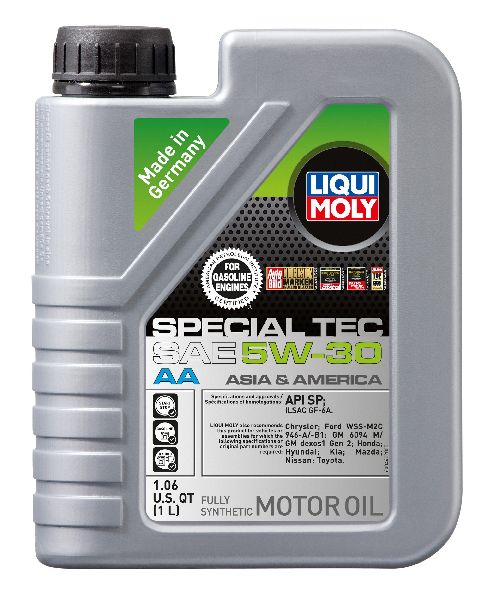
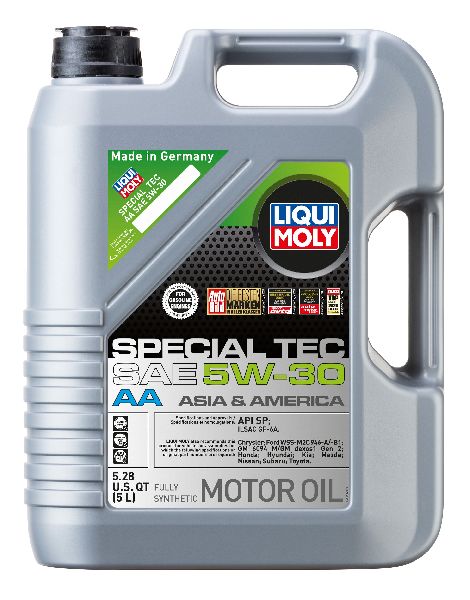
Typical fix: Perform an engine oil and filter change using the correct Ford-specified SAE 5W-30 full synthetic oil (Motorcraft XO-5W30-QSP or equivalent) and a quality filter (Motorcraft FL-500S). This simple maintenance may resolve the code.
Est. part cost: $50-$100 - Failing Intake VCT Solenoid (Bank 1) 🔴 High Probability These solenoids are a common failure point on the 3.5L EcoBoost. They have fine mesh screens that can get clogged by small amounts of debris, causing them to stick in the retarded position. TSB SSM 48423 even suggests a diagnostic procedure of cycling the solenoid with a scan tool to attempt to clear debris before replacement.
How to confirm: A good diagnostic step is to swap the Bank 1 (passenger side) intake VCT solenoid with the Bank 2 (driver's side) intake solenoid. Clear the codes and drive the vehicle. If the code changes to P0022 (Bank 2 Over-Retarded), the solenoid is confirmed to be faulty.
Typical fix: Replace the Bank 1 intake VCT solenoid. It is often recommended to replace all four VCT solenoids (intake and exhaust for both banks) at the same time, as they wear at a similar rate. Use the latest revised part number from Ford for improved durability.
Est. part cost: $40-$90 per solenoid - Stretched Timing Chain or Failed Tensioner 🟡 Medium Probability The first-generation 3.5L EcoBoost (used in 2015-2017 models) is known for premature timing chain stretch, as documented in TSB 15-0131 and its successors like 16-0027. This causes slack in the chain, leading to incorrect timing correlation between the crankshaft and camshafts, which the VCT system cannot overcome.
How to confirm: The primary symptom is a distinct rattling noise from the front of the engine that lasts for 2-5 seconds on a cold startup. A professional diagnosis would involve measuring timing chain slack via tensioner extension, which requires removing the valve cover or front cover.
Typical fix: This is a major repair that involves replacing the timing chain, tensioners, and guides. It is highly recommended to also replace the cam phasers (VCT units) and water pump during this service. Ford has released updated parts for this repair.
Est. part cost: $500-$1500 for a complete kit
Rare But Worth Checking
- Damaged Camshaft Phaser (VCT Unit): While phaser failure is more common on the 2nd-gen EcoBoost (2018+), it can still occur on these earlier models, often in conjunction with a stretched chain. A persistent rattle or ticking noise at idle may point to a phaser issue rather than just the chain. TSB 15-0131 calls for replacing the phasers along with the chain.
- Wiring to VCT Solenoid: Check the wiring harness and connector for the Bank 1 intake VCT solenoid for any damage, corrosion, or oil contamination before replacing the solenoid itself. A poor connection can mimic a failed solenoid.
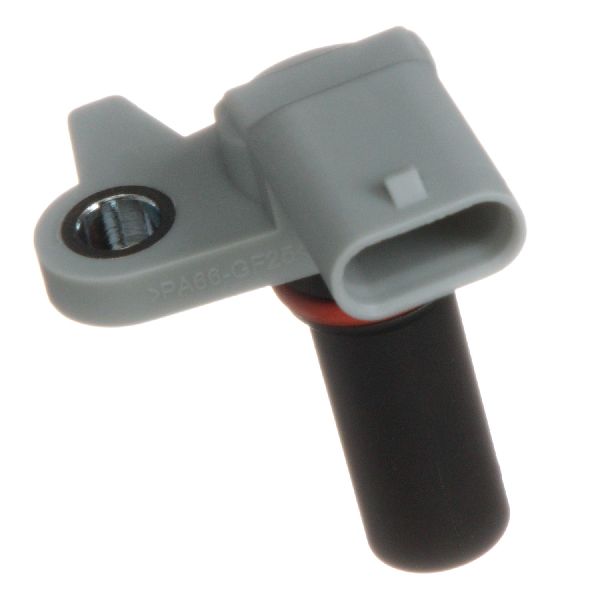
- Failing Camshaft Position Sensor (CMP): This is an uncommon cause. The sensor is usually doing its job by correctly reporting the timing deviation. Do not replace the CMP sensor unless all other possibilities have been ruled out.
Diagnosis Steps
- Check Engine Oil: Verify the oil level is full and the oil is clean. If low or dirty, perform an oil and filter change with SAE 5W-30 synthetic oil. Clear the code and see if it returns.
- Listen for Noise: On a cold start, listen for a 2-5 second rattle from the front of the engine. If present, a timing chain/phaser issue is highly likely.
- Inspect VCT Solenoid Wiring: Check the connector and wiring for the Bank 1 (passenger side) intake VCT solenoid for damage or oil saturation.
- Test the VCT Solenoid: Using a capable scan tool, command the Bank 1 intake VCT solenoid on and off to check for response (per TSB SSM 48423). Alternatively, swap the Bank 1 and Bank 2 intake solenoids. If the code moves to P0022, the solenoid is bad.
- Replace VCT Solenoid: If the solenoid is confirmed faulty, replace it. Consider replacing all four for preventative maintenance.
- Professional Timing System Inspection: If the code persists and/or a startup rattle is present, the vehicle should be taken to a professional to inspect the timing chain, guides, and phasers for wear and slack, referencing TSBs like 15-0131 or 16-0027.
Parts You'll Likely Need
- Variable Camshaft Timing (VCT) Solenoid
(OEM #BL3Z-6M280-B (or newer supersession AT4Z-6M280-A/B))— This is the most common part to fail, typically due to internal sticking caused by oil debris, as noted in multiple Ford TSBs.
Trusted brands: Motorcraft, Dorman
OEM price range: $60-$90
Aftermarket price range: $40-$70 - Engine Oil and Filter
(OEM #XO-5W30-QSP (Oil), FL-500S (Filter))— Clean oil of the correct viscosity is critical for the VCT system to operate. An oil change is the first and most important diagnostic step and can sometimes fix the issue alone.
Trusted brands: Motorcraft
OEM price range: $50-$80
Aftermarket price range: $40-$60 - Timing Chain Kit
(OEM #BL3Z-6D256-C (kit for TSB))— Required if a startup rattle is present, indicating a stretched timing chain, a known issue on this engine. The kit should include the chain, tensioners, guides, and often the phasers as well, per TSB 15-0131.
Trusted brands: Motorcraft, Cloyes
OEM price range: $600-$900
Aftermarket price range: $400-$600
Related Codes That Often Appear With This One
- P0022 — This is the same over-retarded code for Bank 2 (driver's side). Seeing P0012 and P0022 together strongly suggests a systemic issue like low/dirty oil or a stretched primary timing chain affecting the entire engine.
- P0016 — This indicates a Crankshaft/Camshaft Position Correlation error. It can appear with P0012 when the timing has become so retarded that it affects the correlation between the two sensors, often pointing towards a stretched timing chain.
- P052B — Stands for "Cold Start 'A' Camshaft Position Timing Over-Retarded". This code specifically points to a timing issue during cold start conditions and, when seen with P0012, strongly suggests a mechanical problem like failing cam phasers or a stretched timing chain, rather than just a dirty solenoid.
Technical Service Bulletins (TSBs) & Recalls
- SSM 47170: Notes that P0012 and other VCT codes may be due to small debris causing the VCT solenoid to stick.
- SSM 48423: Repeats guidance from SSM 47170 and suggests using a scan tool to cycle the solenoid 10 times to attempt to clear it before replacement.
- TSB 15-0131: For 2011-2015 F-150s (and applicable to Navigators with the same engine), addresses cold start rattle by replacing the primary timing chain and all four VCT phaser units.
- TSB 16-0027: Supersedes earlier TSBs, providing an updated procedure for the timing chain replacement on 1st gen 3.5L EcoBoost engines.
Platform-Specific Known Issues
- The 1st generation 3.5L EcoBoost (2011-2017) has a well-documented issue with premature timing chain stretch, which is a primary cause of this code when accompanied by a cold start rattle. Ford addressed this in TSB 15-0131 and subsequent revisions.
Mechanic-Grade Diagnostic Values
- VCT Solenoid Internal Resistance — expected: Between 5.0 and 15.0 Ohms. A more precise factory spec is 6.9 to 7.9 Ohms at 68°F (20°C).. Failure: A reading of infinite resistance (open circuit) or near-zero resistance (short circuit) indicates a failed solenoid coil.
- VCT Solenoid Connector Voltage (Key On, Engine Off) — expected: Approximately 12 Volts (battery voltage) on one of the two pins.. Failure: No voltage suggests a problem in the power supply circuit, such as a blown fuse or wiring fault, not necessarily a bad solenoid.
- Engine Oil Pressure (Hot Idle) — expected: Minimum of 15 PSI at hot idle with the VCT system inactive.. Failure: Pressure below 15 PSI at hot idle can cause the VCT system to malfunction and set timing codes.
- Scan Tool PID: VCT_ADV_ERR (Cam Advance Error) — expected: Should hover around 0° (+/- 5°) during closed-loop operation.. Failure: A consistent, large deviation (e.g., >5-10 degrees) that does not correct itself indicates the phaser is not responding to commands, pointing to a stuck solenoid, phaser, or oil flow issue.
Hidden / Shadow Codes Worth Checking
- P052B: Cold Start 'A' Camshaft Position Timing Over-Retarded Bank 1. This is not a true 'shadow code' but a more specific companion code. Its presence strongly suggests the over-retarded condition is happening during cold starts, which is a classic symptom of a failing cam phaser locking pin or a stretched timing chain, rather than an oil viscosity or simple solenoid issue. (see via Standard OBD-II scanner.)
Scan Tool Commands That Help
- Ford IDS (or equivalent high-level scanner like FORScan): Pinpoint Test HK11 — As recommended by Ford TSB SSM 48423, this function automatically cycles the VCT solenoid 10 times. It should be used after verifying oil level and before replacing the solenoid, as it can dislodge small debris causing the solenoid to stick.
- Ford IDS / FORScan / Autel: VCT Solenoid Duty Cycle Command (Bidirectional Control) — This allows a technician to manually command the solenoid on and off while monitoring engine RPM or the VCT error PID. A change in idle quality or a response on the error PID confirms the solenoid is electrically functional and can physically move, helping to differentiate between a dead solenoid and a mechanical blockage.
Wiring & Ground Locations
- G104 — On the rear of the right cylinder head (Bank 1).. This is a primary engine-to-chassis ground. A loose or corroded connection at G104 can cause erratic signals from various sensors on that bank, including the Camshaft Position (CMP) sensor, potentially leading to false or intermittent timing codes.
- C145 — The electrical connector for the Bank 1 Intake VCT solenoid, located on the front of the passenger side valve cover.. This is the direct connection point for testing voltage and resistance of the VCT solenoid. It is also a common place for oil to wick into, causing a poor connection that mimics a failed solenoid.
Real Owner Repair Stories
- F150Forum.com user (2017 F-150 3.5L EcoBoost, 93,000 miles) — Check engine light with codes P0012 and P052B, rattling noise at startup.
❌ Tried (didn't work) Clearing the codes (they returned).
✅ What actually fixed it The user was advised by others that the combination of the rattle and the P052B code points directly to a cam phaser/timing chain issue, not just a solenoid. The implied fix, confirmed in many similar threads, is a full timing job (chains, phasers, tensioners). - Reddit r/f150 user (2017 F-150 5.0L (similar VCT system)) — Rough idle and stalling at a stop with code P0012.
✅ What actually fixed it The user replaced the VCT solenoids on Bank 1 (passenger side) to resolve the issue. Other users in the thread confirmed that replacing all four solenoids at once is best practice as the others are likely near failure.
"I Checked Everything" — The Actual Cause
- For code P0012, the equivalent of a 'smoke test clean' scenario is when basic tests pass but the problem persists. For example, a technician confirms the oil level and quality are good, and they test or even replace the Bank 1 intake VCT solenoid, yet the P0012 code returns. In this situation, the root cause is almost always a deeper mechanical issue that these initial tests cannot see: a stretched timing chain or a failing cam phaser. The startup rattle is the key symptom that often gets overlooked until the easier fixes fail.
When the Usual Fixes Don't Work
- While replacing the Bank 1 intake VCT solenoid is a very common and often successful fix, numerous owner accounts show this repair failing to resolve the P0012 code when a critical underlying symptom is also present: a 2-5 second rattle on cold startup. In these cases, the solenoid replacement only temporarily masks the issue or does nothing at all. The counter-evidence strongly indicates that if a startup rattle exists, the diagnostic path should bypass the solenoid swap and proceed directly to an inspection of the timing chain and cam phasers, as this is the confirmed final repair in the majority of such cases.
OEM Part Supersession History
BL3Z-6M280-B→AT4Z-6M280-A / AT4Z-6M280-B— Standard part revision and improvement by Ford. The newer parts are considered more robust against debris and sticking.
Model Year Variations Within This Range
- 2015-2017: These models use the first-generation 3.5L EcoBoost engine. This specific generation is widely documented as being more susceptible to premature timing chain stretch compared to the second-generation 3.5L EcoBoost introduced in 2018+ models, which featured an updated chain and phaser design. Therefore, the probability of P0012 being caused by a timing chain is higher on these specific model years.
Diagnostic Flowchart
Other Known Issues on This Vehicle
Issues unrelated to this code that are worth knowing about as an owner of this generation:
- Brake Master Cylinder Leak 🔴 High — Common enough to trigger a recall (NHTSA 20V332). Affects vehicles with 3.5L EcoBoost engines. (Ref: Recall 20V332)
- Front Blower Motor Failure 🟠 Medium — Widespread enough to trigger a recall (NHTSA 22V150). The motor behind the glove box can fail, leading to loss of climate control airflow. (Ref: Recall 22V150)
- Premature Spark Plug Failure 🟡 Low — Some owners of early EcoBoost engines report needing to replace spark plugs more frequently than the recommended interval to maintain smooth performance.
- Carbon Buildup on Intake Valves 🟠 Medium — A common issue for all direct-injection engines, including the 3.5L EcoBoost. Over many miles (typically 80k+), carbon can build up on the back of intake valves, potentially causing misfires or reduced performance.
- Power Deployable Running Board Failures 🟡 Low — The motors and hinges for the power running boards are exposed to the elements and are a common failure point, often getting stuck in the up or down position.
Used vs. New Parts: Buying Guide for This Vehicle
When a used part is the smart pick: For this specific repair, using used parts is generally not recommended. The only potential exception might be a major structural component like a valve cover if the original was cracked during repair, but electronic and mechanical wear items should be purchased new.
Donor-vehicle mileage cap: roughly under 50000 miles for the part to have meaningful remaining life.
What to inspect on the donor part:
- For any considered used part, verify the donor vehicle had no timing-related trouble codes.
- Physically inspect VCT solenoid screens for any tearing or debris; any contamination is a red flag.
- Avoid parts from engines with visible oil sludge or signs of poor maintenance.
OEM-only on this vehicle (don't cheap out):
- VCT Solenoids: Forum consensus strongly advises against aftermarket brands like Dorman, with many reports of rough idle or premature failure. Use only OEM Motorcraft solenoids.
- Camshaft Phasers: This is a critical precision component. Aftermarket phasers have a poor reputation; use only OEM Motorcraft parts for a timing chain job.
- Timing Chain and Tensioners: Given the labor-intensive nature of the job, using anything other than a high-quality OEM or reputable OEM-equivalent (like Cloyes) kit is a significant risk.
Aftermarket brands forum-validated for this vehicle:
- Cloyes: Often considered a reputable OEM-equivalent for timing chain kits.
Brands owners have reported issues with on this vehicle:
- Dorman (for VCT Solenoids): Multiple forum threads report issues with rough idle, incorrect operation, or early failure when using Dorman VCT solenoids on this platform.
Real Owner Stories
Aggregated from forums and TSBs cited above. Mileages and costs reflect what owners reported in those sources.
2018 Ford Expedition (4th Gen, 3.5L EcoBoost) — 51000 miles
Symptoms: P0012 code present along with a cold-start rattle.
What fixed it: The dealer replaced a bad VVT solenoid and performed the cam phaser replacement TSB.
Source hint: Ford Expedition Forum - P0012 on 2018 Model
2013 Ford F-150 3.5L EcoBoost — 71000 miles
Symptoms: Experienced the cold start rattle characteristic of timing chain issues.
What fixed it: TSB 15-0131 repair (primary timing chain and all four VCT phaser units).
Cost: $3,000-$3,000
Source hint: Ford Truck Enthusiasts - TSB 15-0131 Discussion
2015 Lincoln Navigator 3.5L EcoBoost
Symptoms: Rough idle and P0012 code; low oil pressure at idle (20psi at 600rpm).
What fixed it: The owner replaced VCT solenoids, plugs, and coils, but the issue persisted, pointing toward a timing chain failure even without a noticeable rattle.
Source hint: Ford Trucks Club (Russian Forum) - 2015 Navigator P0012
Ford F-150 3.5L EcoBoost — 85000 miles
Symptoms: Timing chain noise that returned only one year (10,000 miles) after the first repair.
What fixed it: TSB 16-0027 was performed twice; the owner noted that replacing more components than the TSB requires may be necessary for a permanent fix.
Source hint: Ford Truck Enthusiasts - TSB 16-0027 Repair Experience
Related OBD-II Codes
Frequently Asked Questions
Does TSB 15-0131 apply to my 2015 Lincoln Navigator with the 3.5L EcoBoost?
What specific oil should I use for my Navigator to prevent P0012?
My Navigator has a rattle for about 3 seconds when I first start it in the morning. Is this related to P0012?
Can I just clean the VCT solenoids instead of replacing them?
Is it necessary to replace all four VCT solenoids if only Bank 1 is failing?
If I need to replace my timing chain, what else should be changed at the same time?
Helpful Videos
Used OEM Parts in Stock

New Aftermarket Parts Available


The information in this article is provided for general reference and educational purposes only. Vehicle specifications, procedures, and part compatibility can vary by production date, trim level, and region. Always consult your vehicle's factory service manual and verify part numbers before purchasing or performing repairs. Safety-critical components such as airbags, seat belts, and braking systems should be installed by a qualified professional.
- Lincoln Navigator:
- 🎬 Helpful Videos
- 🛍️ Shop This Part
- What's Unique About the 2015-2017 Lincoln Navigator
- Symptoms You May Notice
- Most Likely Causes
- Rare But Worth Checking
- Diagnosis Steps
- Parts You'll Likely Need
- Related Codes That Often Appear With This One
- Technical Service Bulletins (TSBs) & Recalls
- Platform-Specific Known Issues
- Mechanic-Grade Diagnostic Values
- Hidden / Shadow Codes Worth Checking
- Scan Tool Commands That Help
- Wiring & Ground Locations
- Real Owner Repair Stories
- "I Checked Everything" — The Actual Cause
- When the Usual Fixes Don't Work
- OEM Part Supersession History
- Model Year Variations Within This Range
- Diagnostic Flowchart
- Other Known Issues on This Vehicle
- Used vs. New Parts: Buying Guide for This Vehicle
- Real Owner Stories
- 2018 Ford Expedition (4th Gen, 3.5L EcoBoost) — 51000 miles
- 2013 Ford F-150 3.5L EcoBoost — 71000 miles
- 2015 Lincoln Navigator 3.5L EcoBoost
- Ford F-150 3.5L EcoBoost — 85000 miles
- Related OBD-II Codes
- Frequently Asked Questions
- 🎟️ Get 5% Off