

P0012 on 2011-2019 Ford Explorer 3.5L EcoBoost: Causes and Fixes
P0012 on a 3.5L EcoBoost Explorer usually points to a faulty Variable Camshaft Timing (VCT) solenoid or low/dirty engine oil. A sticking VCT solenoid is a common cause, often due to debris from extended oil change intervals. Replacing a solenoid costs around $40-$100 for the part and is a manageable DIY job for many. However, this code can also be the first sign of a more serious timing chain issue.
- Start with the simplest fix: check your engine oil. Low, old, or incorrect oil is a primary cause of P0012.
- The most likely faulty part is the Bank 1 intake VCT solenoid, which is known to stick. This is a moderately easy DIY replacement for one part. [SSM 48423]
- Listen for a rattling noise when starting the engine cold. This sound strongly suggests a more serious and expensive timing chain problem. [ODI #11611949, 8]
- Due to the known issues with this engine, use only the Ford-specified full synthetic oil and adhere to a 5,000-mile oil change interval to prolong the life of the timing components.
What's Unique About the 2011-2019 Ford Explorer
The 3.5L EcoBoost engine family is known for its reliance on clean, correct-viscosity oil to operate the VCT system. Ford has issued Technical Service Bulletins (TSBs) specifically mentioning that small debris can cause the VCT solenoids to stick, leading to codes like P0012. Furthermore, these engines have a documented history of timing chain stretch and cam phaser issues, which can also trigger this code, often accompanied by a distinct startup rattle. The internal, timing-chain-driven water pump on this engine makes any timing-related issue more critical, as a failure can lead to coolant mixing with engine oil, causing catastrophic engine damage.
Symptoms You May Notice
- Check Engine Light is on
- Rough or unstable idle
- Engine stalling or hesitating, especially under load or at stops
- Reduced engine power and poor acceleration
- Decreased fuel economy
- Rattling noise from the engine on cold starts, sometimes described as 'marbles in a can'
- Engine struggles to start
- Replacing the camshaft position sensor. While a sensor can fail, it is much more likely to be a mechanical or hydraulic issue with the VCT solenoid or timing components. A failing sensor would typically set a different code related to the sensor circuit itself (e.g., P0340).
Most Likely Causes
- Low, Dirty, or Incorrect Viscosity Engine Oil 🔴 High Probability The VCT system is hydraulic and highly sensitive to oil pressure and cleanliness. The EcoBoost's turbochargers can increase oil temperatures and breakdown, making regular 5,000-mile oil changes with the correct full synthetic oil critical. Extended intervals can lead to sludge and debris that clog VCT solenoid screens.
How to confirm: Check the oil level on the dipstick and examine its color and consistency. If it's low, black, or sludgy, this is the likely starting point. Using the correct oil viscosity is critical as the system relies on precise oil pressure.
Typical fix: Perform an engine oil and filter change using the Ford-specified full synthetic oil and a quality filter. In some cases, an engine flush may be recommended if sludge is heavy, but this should be done with caution as it can dislodge debris.
Est. part cost: $50-$100 - Failing or Sticking VCT Solenoid 🔴 High Probability Ford TSBs SSM 48423 and SSM 47170 directly state that debris can cause the VCT solenoid to stick on this engine platform, leading to this code. The solenoids contain fine mesh screens that can become clogged by oil sludge or debris, restricting oil flow.
How to confirm: Use a scan tool to monitor desired vs. actual cam timing (PIDs like VCT_INT_ACT1 and VCT_INT_DIF1). A common diagnostic step is to swap the Bank 1 intake solenoid with the Bank 2 intake solenoid to see if the code changes to P0022 (for Bank 2). If it does, the solenoid is faulty. Ford dealers may also use a pinpoint test (HK) to cycle the solenoid to try and clear debris before replacement.
Typical fix: Replace the Bank 1 intake VCT solenoid. The solenoids are located under the valve covers, and on the Explorer's transverse engine, the Bank 1 (rear) valve cover is difficult to access.
Est. part cost: $40-$100 - Stretched Timing Chain or Failed Tensioner/Guide 🟡 Medium Probability The 3.5L EcoBoost engine is known to have issues with timing chain stretch over time, particularly on vehicles with 70,000+ miles or extended oil change intervals. An owner complaint for a 2017 model specifically linked a P0012 code to a potential tensioner failure and rattling noise.
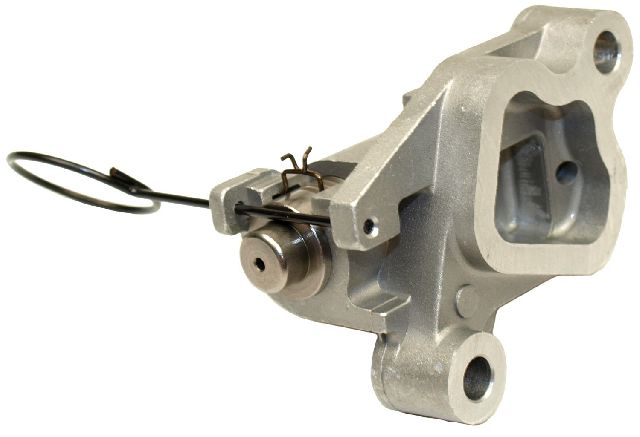
How to confirm: A persistent rattling noise on cold startups that lasts for 2-5 seconds is a strong indicator. A scan tool may also show correlation codes like P0016. Confirming requires inspecting the timing chain tensioner's extension; five or more teeth visible can indicate excessive wear.
Typical fix: Replace the timing chain, tensioners, and guides. This is a labor-intensive job (10+ hours). Due to the internal water pump, it is strongly recommended to be replaced at the same time.
Est. part cost: $400-$800
Rare But Worth Checking
- Failed Camshaft Phaser: The phaser is the gear at the end of the camshaft that the VCT solenoid controls. The locking mechanism inside the phaser can fail, causing it to get stuck or rattle on startup. While less common than a solenoid failure, the phaser itself can fail mechanically or become clogged with sludge, getting stuck in the retarded position.
- Clogged Oil Passages: Severe oil sludging can block the small passages that feed oil to the VCT solenoids and cam phasers, starving them of the pressure needed to operate. This usually points to a history of severely neglected maintenance and may require extensive engine cleaning or replacement.
Diagnosis Steps
- Check Engine Oil: Verify the oil level is correct and the oil is clean. If low or dirty, perform an oil change with the correct Ford-spec full synthetic oil and filter, clear the code, and see if it returns. This is the cheapest and easiest first step.
- Scan Tool Analysis: Use an OBD-II scanner to check for any other pending or active codes. Monitor the live data for desired vs. actual camshaft position for Bank 1 Intake (PIDs: VCT_INT_ACT1, VCT_INT_DIF1, VCT_ADV_ERR). A large, persistent difference points to a mechanical/hydraulic fault.
- Inspect VCT Solenoid: Locate the Bank 1 intake VCT solenoid (rear bank, under the valve cover). Inspect the wiring and connector for damage or corrosion.
- Swap Solenoids (Recommended Test): Swap the Bank 1 intake solenoid with the Bank 2 intake solenoid. Clear the codes and drive the vehicle. If the code returns as P0022 (the code for Bank 2), the solenoid you moved is faulty and needs replacement. This is a definitive test for a bad solenoid.
- Test Solenoid Circuit: If the code does not move, test the wiring to the Bank 1 solenoid for proper voltage and ground. A dealership-level scan tool can also perform a cycle test (Pinpoint Test HK) to attempt to clear debris from the solenoid.
- Inspect Timing Components: If all other tests pass, the issue may be a stretched timing chain or failed phaser. Listen for a startup rattle. This diagnosis requires significant engine disassembly (10-12+ hours) and is best left to a professional if you are not an advanced DIYer.
Parts You'll Likely Need
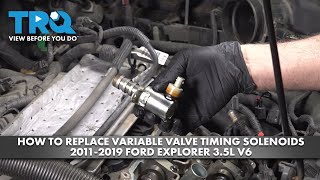
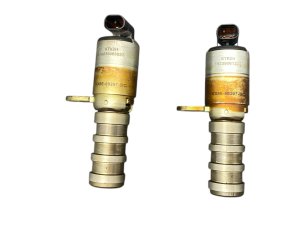
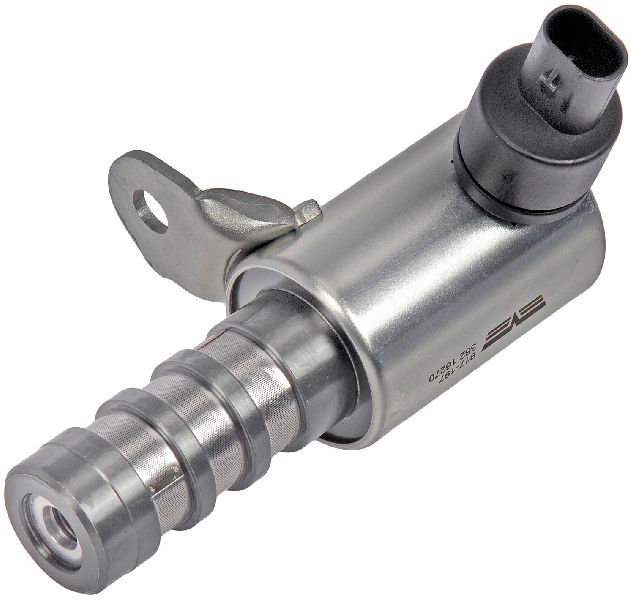
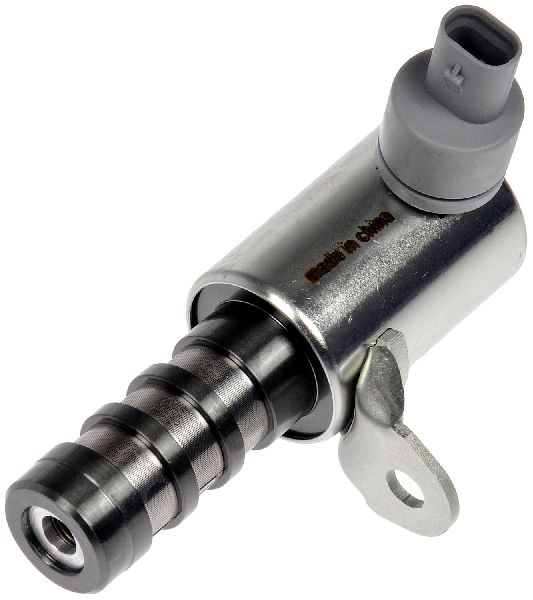
- Engine Variable Valve Timing (VVT) Solenoid
(OEM #AT4Z-6M280-A (Superseded by AT4Z-6M280-B))— This solenoid is the most common failure point for P0012, often sticking due to debris or wear as noted in Ford TSBs. It is highly recommended to replace in pairs or all four at once if one fails.
Trusted brands: Motorcraft, Dorman
OEM price range: $60-$90
Aftermarket price range: $30-$60 - Timing Chain Kit
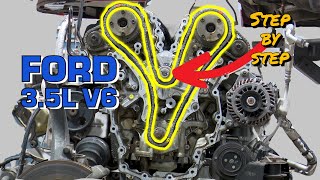
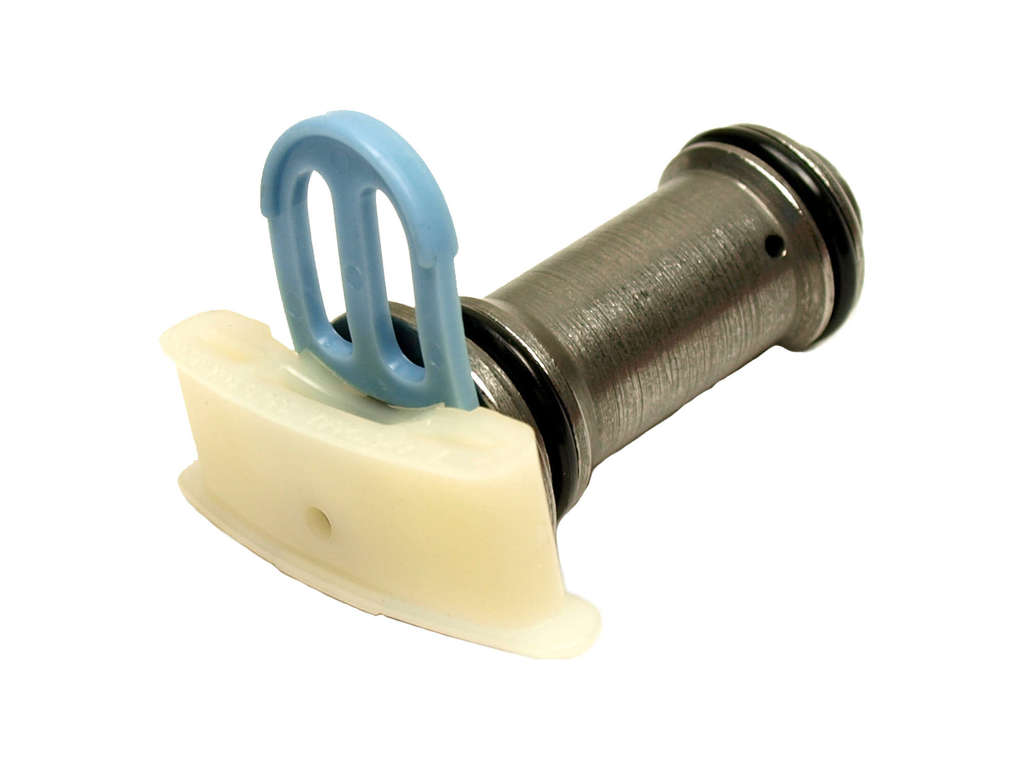
(OEM #AT4Z-6268-C (Primary Chain), ML3Z-6C525-A (Updated Phaser))— If the timing chain has stretched, a complete kit including the chain(s), guides, tensioners, and often phasers is required. This is a known issue on the 3.5L EcoBoost. A full OEM kit can be sourced from dealers or online retailers.
Trusted brands: Motorcraft, Cloyes, Melling
OEM price range: $500-$700
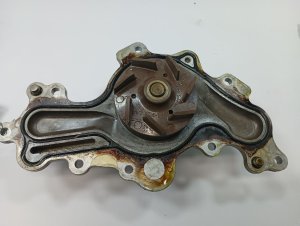
Aftermarket price range: $300-$500 - Water Pump — Because the water pump is internal and driven by the timing chain, it is considered essential preventative maintenance to replace it during any timing chain service to avoid a future, catastrophic failure where coolant mixes with engine oil.
Related Codes That Often Appear With This One
- P0011 — 'A' Camshaft Position - Timing Over-Advanced (Bank 1). This code can appear if the VCT solenoid is sticking intermittently, causing both over-retarded and over-advanced conditions at different times.
- P0016 — Crankshaft Position - Camshaft Position Correlation (Bank 1, Sensor A). This indicates a general mismatch between the crank and cam, which is a common result of a stretched timing chain.
- P0022 — 'A' Camshaft Position - Timing Over-Retarded (Bank 2). If both P0012 and P0022 are present, it points to a systemic issue like low/dirty oil or a problem affecting the primary timing chain, rather than a single component on Bank 1.
- P052C — Cold Start 'A' Camshaft Position Timing Over-Retarded Bank 1. This code often appears with P0012 and specifically points to the timing being incorrect during a cold start, reinforcing the diagnosis of a sticking phaser or a mechanical timing setup issue that is present before oil pressure builds.
Technical Service Bulletins (TSBs) & Recalls
- SSM 48423: Notes that DTCs including P0012 may be due to small debris causing the VCT solenoid to stick.
- SSM 47170: An earlier bulletin with the same information as SSM 48423, indicating debris can cause a sticking VCT solenoid.
- SSM 54366: Mentions P0012 among a list of VCT-related codes and refers to a specific pinpoint test in the service manual.
Platform-Specific Known Issues
- TSB SSM 48423 and SSM 47170: Ford acknowledged that various VCT-related codes, including P0012, can be caused by small debris causing the VCT solenoid to stick. The recommended procedure is to attempt cycling the solenoid with a scan tool before replacement.
- Timing Chain Stretch: The 3.5L EcoBoost is susceptible to timing chain stretch, especially after 70,000 miles, which can cause timing correlation codes like P0012 and a notable cold-start rattle.
- Internal Water Pump: The water pump is driven by the timing chain. A failing water pump can cause coolant to leak into the oil, and a stretched chain can affect water pump function, making timing repairs more critical. A weep hole is designed to leak coolant externally as a warning, but a gasket failure will leak internally.
Mechanic-Grade Diagnostic Values
- VCT Solenoid Internal Resistance — expected: 5 - 15 Ohms across the two pins.. Failure: A reading outside this range (open circuit or short) indicates a failed solenoid.
- VCT Solenoid Connector Voltage — expected: Battery voltage (~12V) on one pin to ground with key on, engine off.. Failure: No voltage indicates a problem with the power supply from the PCM relay or fuse.
- VCT Solenoid Current Draw (Manual Activation) — expected: ~1.2 Amps when activated with a 12V source.. Failure: Significantly higher or lower current draw suggests an internal electrical fault in the solenoid.
- Engine Oil Pressure at Idle (Hot) — expected: Minimum of 15 PSI.. Failure: Pressure below 15 PSI at hot idle can cause the VCT system to malfunction and set codes.
- Scan Tool PID: VCT_ADV_ERR (VCT Advance Error) — expected: Should be close to 0° at idle in closed loop.. Failure: A large, persistent deviation from 0° indicates the cam is not reaching its commanded position.
Scan Tool Commands That Help
- Ford IDS (or equivalent professional scanner): Pinpoint Test HK — As referenced in TSBs SSM 48423 and SSM 54366, this guided test can cycle the VCT solenoid multiple times to attempt to dislodge small debris causing it to stick before recommending replacement.
- Ford IDS, FORScan, or advanced bidirectional scanner: VCT Solenoid Duty Cycle Command / On-Off Test — To manually activate a specific VCT solenoid while the engine is off. The technician should listen for an audible 'click'. This confirms the solenoid's coil is energizing and the plunger is attempting to move.
- Ford IDS or FORScan: Monitor VCT PIDs (VCT_ADV_ERR, VCT_INT_DIF1, etc.) — During a test drive under the conditions noted in the freeze frame data. Watching the desired vs. actual cam angle PIDs in real-time can confirm if the solenoid/phaser is failing to respond under load.
Wiring & Ground Locations
- Engine Harness Ground Straps — Commonly found on the front and top of the cylinder heads, bolted directly to the head. One specific ground is often a stud with a nut near the cam sensors.. The PCM controls the VCT solenoids by providing a pulsed ground signal. A poor or corroded engine ground can cause erratic voltage and disrupt this signal, leading to incorrect solenoid operation and timing codes.
- VCT Solenoid Connector — On the front of the valve covers, one for intake and one for exhaust on each bank. The connector has two wires.. This is the primary point for electrical testing. One wire should have 12V+ (power) with the key on, and the other is the control wire that the PCM pulses to ground.
- PCM (Powertrain Control Module) — Typically located in the engine bay, often near the firewall on the passenger side.. The PCM is the source of the control signal for the VCT solenoids. While rare, a faulty driver circuit within the PCM can mimic a failed solenoid. Verifying power and control signals originate correctly from here is a final step in electrical diagnosis.
Real Owner Repair Stories
- Pine Hollow Auto Diagnostics YouTube Channel (Ford Transit with 3.5L EcoBoost (same engine family and VCT system)) — Persistent P0012 code setting under specific low RPM, high load conditions. Lack of power when light is on.
❌ Tried (didn't work) The mechanic first performed standard diagnostics. The VCT solenoid passed a manual activation test (clicked audibly, drew 1.2A) and its screens were clean.
✅ What actually fixed it The root cause was a previous timing chain replacement by another shop that used incorrect, older-style cam phasers. The installed phasers were not compatible with the vehicle's current PCM software calibration. The final fix was to re-flash the PCM with an older software strategy that matched the installed hardware, which immediately resolved the P0012 code.
"I Checked Everything" — The Actual Cause
- A smoke test is not a relevant diagnostic procedure for code P0012. This code relates to the mechanical and hydraulic operation of the engine's camshaft timing system. A smoke test is used to find air leaks in the evaporative emissions (EVAP) system or vacuum leaks in the intake manifold, neither of which would cause a cam timing over-retarded fault.
When the Usual Fixes Don't Work
- While replacing the VCT solenoid for Bank 1 is the most common fix, it is not always successful. In one documented case, the P0012 code persisted after solenoid replacement because the actual fault was a hardware/software mismatch. A previous shop had installed older-style cam phasers, which required the mechanic to re-flash the PCM with an older calibration to make the system work correctly. This highlights that if the code appears after a major timing job, the problem may be the parts that were installed, not the ones that were just replaced.
OEM Part Supersession History
Various older designs pre-2020→ML3Z-6C525-A (Intake Phaser), ML3Z-6256-A (Exhaust Phaser) and similar updated parts.— The original cam phaser design was prone to premature wear of an internal locking pin, causing oil to drain out when the engine is off. This results in a loud rattle on cold starts for 2-5 seconds until oil pressure builds and locks the phaser. The updated design resolves this flaw.
Heads up: As seen in a documented repair, installing older or incorrect phaser hardware with a newer PCM calibration can cause P0012. The hardware and software strategy must match.AT4Z-6M280-A→AT4Z-6M280-B— Internal design revision for improved durability and resistance to sticking from oil debris.
Model Year Variations Within This Range
- 2013-2019: While the 2011-2019 Explorer is one generation, the 3.5L EcoBoost engine itself had a major redesign (Gen 2) for the 2017 F-150. The Explorer, however, continued to use the transverse version of the Gen 1 EcoBoost through 2019. This is a critical distinction, as parts like intake manifolds and some accessories differ from the more common F-150. However, the core VCT components (solenoids, phasers, chain) and their related issues are largely shared, and updated parts designed for Gen 2 are often used as the fix for Gen 1 engines.
Diagnostic Flowchart
Other Known Issues on This Vehicle
Issues unrelated to this code that are worth knowing about as an owner of this generation:
- Internal Water Pump Failure 🔴 High — Common after 80,000-120,000 miles. Failure can cause coolant to mix with engine oil, leading to catastrophic engine failure. (Ref: No recall, but it is a widely documented design flaw for the transverse 3.5L engine.)
- Power Transfer Unit (PTU) Failure 🔴 High — Common on AWD models. The unit is located near the hot exhaust, cooking the non-serviceable fluid and leading to bearing failure and lock-up, which can damage the transmission.
- Intake Valve Carbon Buildup 🟠 Medium — Affects first-generation (pre-2017) 3.5L EcoBoost engines due to direct injection only. Can cause rough idle, misfires, and loss of power over 60,000+ miles.
- Cracked Exhaust Manifold 🟠 Medium — Can lead to exhaust fumes (and potentially carbon monoxide) entering the cabin.
- Electronic Throttle Body Malfunction 🟠 Medium — Common across the 5th generation, can cause the vehicle to suddenly enter 'limp mode' with a loss of power. Often sets codes P2111 or P2112.
- A-Pillar Trim Detachment/Rattle 🟡 Low — The exterior trim pieces on the A-pillars are known to become loose or detach completely at highway speeds. Interior clips can also vibrate.
Used vs. New Parts: Buying Guide for This Vehicle
When a used part is the smart pick: For this specific repair, using used parts is not recommended. The primary failure components are either electronic solenoids prone to clogging or mechanical timing parts that are subject to wear. The cost savings of a used part do not outweigh the risk of premature failure and the significant labor cost to re-do the job.
What to inspect on the donor part:
- Not applicable, as used parts are not advised for this repair.
OEM-only on this vehicle (don't cheap out):
- Camshaft Phasers: It is strongly recommended to use only Ford/Motorcraft OEM phasers with the latest part number revision. Aftermarket phasers have a poor reputation in owner forums for failing prematurely or causing persistent codes.
- Timing Chain: While high-quality aftermarket kits exist, the OEM Motorcraft chain is a known-good quantity and the safest bet.
Aftermarket brands forum-validated for this vehicle:
- Timing Chain Kits (excluding phasers): Melling and Cloyes are reputable brands that are often considered OEM-equivalent or better and are trusted by many independent shops.
- VCT Solenoids: Dorman is a widely available aftermarket option, but OEM Motorcraft solenoids are generally preferred for longevity.
Brands owners have reported issues with on this vehicle:
- Unnamed or 'white box' timing chain kits from online marketplaces should be avoided. The risk of using low-quality metals and poor tolerances in these critical components is very high and can lead to catastrophic engine failure.
Real Owner Stories
Aggregated from forums and TSBs cited above. Mileages and costs reflect what owners reported in those sources.
2017 Ford Explorer 3.5L EcoBoost
Symptoms: The owner reported a P0012 code accompanied by a rattling noise.
What fixed it: The issue was linked to a potential tensioner failure.
Source hint: common_causes section citing source
2011-2019 Ford F-150 3.5L EcoBoost — 93000 miles
Symptoms: Owner reported P0012 and P052B codes along with a startup rattle.
What fixed it: The discussion identified either the VCT solenoid or the cam phaser as the culprit.
Source hint: Ford F150 Forum - VCT Solenoid Code P0012 & P052B
Ford Expedition 3.5L EcoBoost
Symptoms: Owner still had a P0012 code even after a full timing job was performed.
What fixed it: Replacing the VCT solenoids, which had been omitted during the initial timing chain service.
Source hint: Ford Expedition Forum - Hmmm..P0012 Code
Ford Truck 3.5L EcoBoost
Symptoms: The vehicle experienced a stumbling issue and a P0012 code.
What fixed it: Replacing the solenoids did not fix the stumbling, indicating a deeper mechanical timing problem.
Source hint: Ford Truck Enthusiasts Forums - [VCT]P0011/P0012/P0021/P0022 diagnostic and repair
Related OBD-II Codes
Frequently Asked Questions
Does Ford have any technical service bulletins for P0012 on the 3.5L EcoBoost?
I have a rattling noise on cold starts along with P0012; what does that mean for my Explorer?
Can I just swap the solenoids to see if one is bad?
How often should I change the oil on my 3.5L EcoBoost to avoid VCT issues?
Is the water pump related to the P0012 timing issue?
What PIDs should I monitor on my scan tool to diagnose this?
Helpful Videos
Used OEM Parts in Stock

New Aftermarket Parts Available


The information in this article is provided for general reference and educational purposes only. Vehicle specifications, procedures, and part compatibility can vary by production date, trim level, and region. Always consult your vehicle's factory service manual and verify part numbers before purchasing or performing repairs. Safety-critical components such as airbags, seat belts, and braking systems should be installed by a qualified professional.
- Ford Explorer:
- 🎬 Helpful Videos
- 🛍️ Shop This Part
- What's Unique About the 2011-2019 Ford Explorer
- Symptoms You May Notice
- Most Likely Causes
- Rare But Worth Checking
- Diagnosis Steps
- Parts You'll Likely Need
- Related Codes That Often Appear With This One
- Technical Service Bulletins (TSBs) & Recalls
- Platform-Specific Known Issues
- Mechanic-Grade Diagnostic Values
- Scan Tool Commands That Help
- Wiring & Ground Locations
- Real Owner Repair Stories
- "I Checked Everything" — The Actual Cause
- When the Usual Fixes Don't Work
- OEM Part Supersession History
- Model Year Variations Within This Range
- Diagnostic Flowchart
- Other Known Issues on This Vehicle
- Used vs. New Parts: Buying Guide for This Vehicle
- Real Owner Stories
- 2017 Ford Explorer 3.5L EcoBoost
- 2011-2019 Ford F-150 3.5L EcoBoost — 93000 miles
- Ford Expedition 3.5L EcoBoost
- Ford Truck 3.5L EcoBoost
- Related OBD-II Codes
- Frequently Asked Questions
- 🎟️ Get 5% Off