

P0012 on 2015-2021 Ford Edge: Causes and Fixes for Over-Retarded Camshaft Timing
P0012 on a 2015-2021 Ford Edge most often indicates a sticking Bank 1 intake VCT (Variable Camshaft Timing) solenoid (part base 6M280), frequently caused by dirty or low engine oil. The primary fix is checking the oil and often replacing the VCT solenoid, which costs about $85-$120 for the OEM part.
- The most likely cause of a P0012 code on a 2015-2021 Ford Edge is a sticking VCT solenoid or contaminated engine oil.
- Always check your engine oil level and condition first. A simple oil change can sometimes fix the problem.
- Replacing the Bank 1 intake VCT solenoid is the most common repair. It is an accessible part for a DIYer with basic tools.
- Do not immediately assume a major mechanical failure like a timing chain. The issue is far more likely to be oil-related or a faulty solenoid, as confirmed by Ford's own service bulletins.
What's Unique About the 2015-2021 Ford EDGE

The Ford Edge from this generation, like many other Ford and Lincoln vehicles from the same period, has a Variable Camshaft Timing (VCT) system that is particularly sensitive to oil condition. Ford has issued multiple Technical Service Bulletins (TSBs) acknowledging that small debris in the engine oil can cause the VCT solenoids to stick, triggering this code. TSB SSM 48423 specifically instructs technicians to try cycling the solenoid with a scan tool to dislodge debris before replacing it, confirming the issue is often a blockage rather than a hard failure. This makes an oil-related issue or a faulty solenoid a much more common cause than a major mechanical timing failure.
Diagnostic Flowchart
Tap your situation to follow the diagnostic path that matches what you're seeing on this vehicle.
Symptoms You May Notice
- Check Engine Light is on
- Rough or uneven idle
- Engine hesitates or feels sluggish during acceleration
- Reduced fuel economy
- Engine may stall, especially at low speeds or when stopping
- Hard starting condition
- Rattling engine noises on startup
- Replacing the camshaft position sensor when the root cause is a sticking VCT solenoid or dirty engine oil.
- Replacing the timing chain or phasers before thoroughly testing the VCT solenoids and checking oil quality, and without performing the TSB-recommended solenoid cycling test.
Most Likely Causes

- Dirty, Low, or Incorrect Viscosity Engine Oil 🔴 High Probability The VCT system is hydraulic and relies on clean oil at the correct pressure. Ford TSBs SSM 48423 and SSM 47170 directly link P0012 to debris in the oil causing VCT solenoids to stick. In a documented case on the Ford Edge Forum, a user with multiple VCT codes (including P0012) also noted a flickering low oil pressure light and sludge on the oil cap, pointing to a systemic oiling problem.
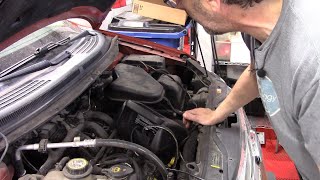
How to confirm: Check the oil level on the dipstick and examine its color and consistency. If the level is low or the oil is dark, gritty, or sludgy, this is the likely cause. A flickering 🎬 Watch: How to diagnose and fix an over-retarded camshaft. oil pressure light on the dash is a definitive sign of a problem.
Typical fix: Perform a complete engine oil and filter change using the manufacturer-specified grade of oil.
Est. part cost: $40-$80 - Failing Variable Camshaft Timing (VCT) Solenoid 🔴 High Probability As stated in Ford TSBs, these solenoids are prone to sticking due to small debris. This prevents them from accurately controlling oil flow to the camshaft phaser. Forum discussions frequently conclude with the solenoid being the culprit after an oil change fails to resolve the code.
How to confirm: Use a capable scan tool to command the Bank 1 intake VCT solenoid on and off; a lack of response or clicking indicates failure. Another common method is to swap the intake and exhaust solenoids (if they are identical) and see if the code changes to P0014 (exhaust side). You can also test the solenoid's resistance with a multimeter; a reading between 6.9 and 7.9 ohms is considered good, while an open circuit means it has failed.
Typical fix: Replace the Bank 1 intake VCT solenoid. A DIY repair video for a similar Ford engine showed this job fixing the code for under $100 in parts.
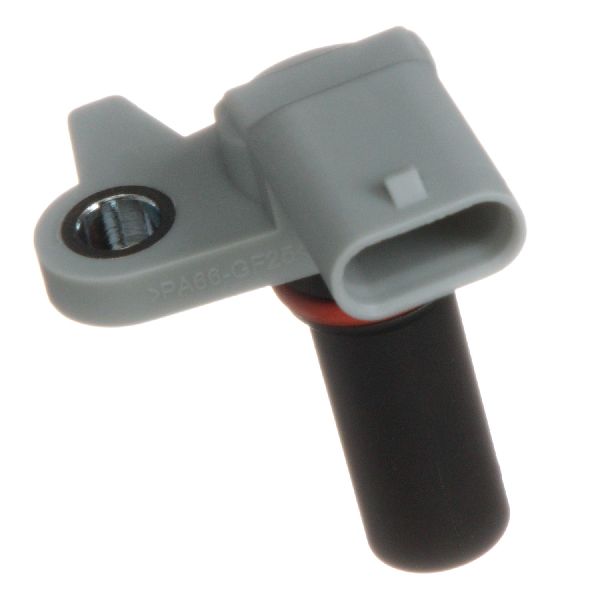
Est. part cost: $85-$120 - Faulty Camshaft Position Sensor ⚪ Low Probability
How to confirm: After confirming the VCT solenoid is functioning, test the sensor's signal with a multimeter or oscilloscope. Inspect the sensor and its wiring for damage.
Typical fix: Replace the Bank 1 intake camshaft position sensor.
Est. part cost: $35-$75
Rare But Worth Checking
- Stretched Timing Chain or Failed Tensioner: This is a more serious mechanical issue. It usually presents with rattling noises, especially on startup. In one documented case, a P0012 code appeared immediately after a severe engine overheating event, which was diagnosed as a jumped timing chain.
- Failed Camshaft Phaser: The phaser is the mechanical gear that the solenoid controls. If it fails internally or gets stuck, the timing will be incorrect even with a good solenoid. This is a known issue on some Ford EcoBoost engines, often causing a distinct rattle on startup.
- Clogged Oil Passages: In cases of severe engine sludge, the small oil passages leading to the VCT system can become blocked, starving the components of oil pressure.
Diagnosis Steps

- Check the engine oil level and condition. If it's low, dirty, or the wrong type, perform an oil and filter change with the correct oil before proceeding. Clear the code and see if it returns.
- Connect an OBD-II scanner to check for any other codes that may provide more context.
- Using the scanner's live data function, monitor the desired vs. actual camshaft position for Bank 1 Intake. A significant, lagging difference confirms the problem.
- TSB-Recommended Step: Before component replacement, use a capable scan tool to access Powertrain Control/Emissions Diagnosis (PC/ED) functions. Run pinpoint test HK11, which cycles the affected VCT solenoid 10 times to attempt to clear debris. Clear codes and re-test.
- If the code returns, use the scanner's bidirectional controls to command the Bank 1 intake VCT solenoid. Listen for an audible click. No click suggests a dead solenoid.
- If possible, swap the Bank 1 intake and exhaust VCT solenoids (confirm they are the same part number first). Clear the codes and drive the vehicle. If the code changes to P0014 (Exhaust Camshaft Position Timing - Over-Retarded), the solenoid you moved is faulty.
- Inspect the wiring and connector for the VCT solenoid and the camshaft position sensor for any signs of damage, corrosion, or loose connections.
- If the solenoid appears to be working, test its internal resistance with a multimeter. Disconnect the solenoid and measure across its two pins. A reading between 6.9 and 7.9 ohms is typical; a reading of infinity (open) or zero (short) indicates a failed solenoid.
- If all electronic components test good, the issue is likely mechanical. Inspect the timing chain for slack and check the camshaft phaser for damage. This is an advanced step and may require professional help.
Parts You'll Likely Need

- Variable Camshaft Timing (VCT) Solenoid
(OEM #Motorcraft CJ5Z-6M280-A (common for 2.0L EcoBoost); Base P/N: 6M280)— This is the most frequent point of failure according to Ford's own Technical Service Bulletins (SSM 48423, SSM 47170), which state it can stick due to debris.
Trusted brands: Motorcraft, Dorman
OEM price range: $85-$120
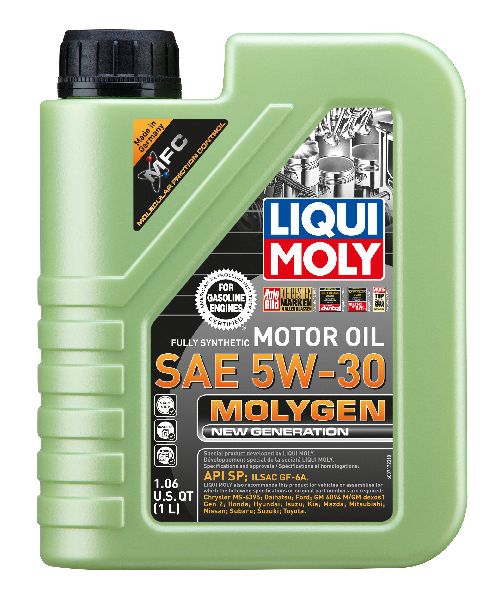
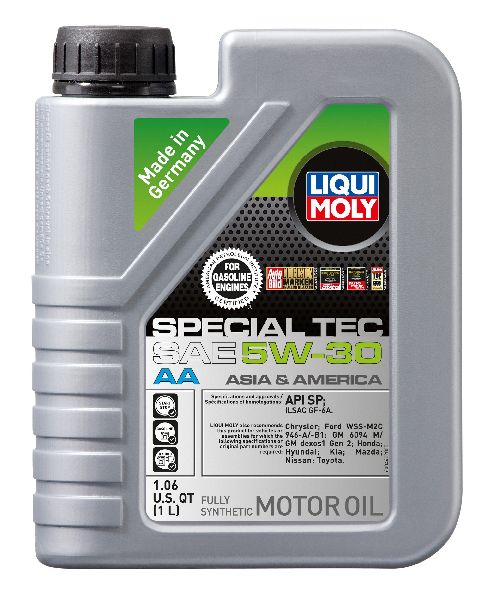
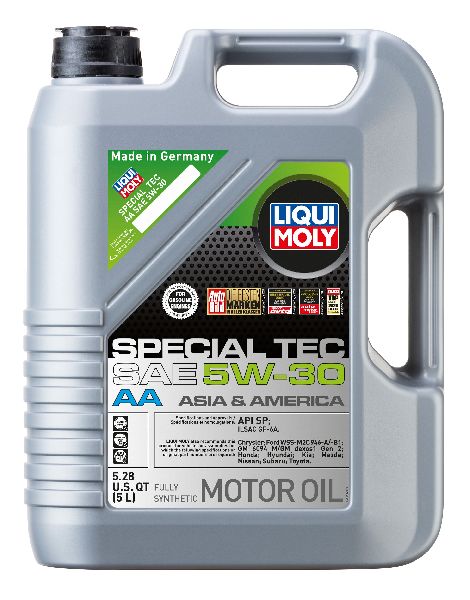
Aftermarket price range: $45-$75 - Engine Oil and Filter — The VCT system is highly dependent on oil pressure and cleanliness. An oil change is a critical first step and may resolve the issue on its own.
Trusted brands: Motorcraft, Mobil 1, Castrol
OEM price range: $50-$90
Aftermarket price range: $40-$70
Related Codes That Often Appear With This One
- P0011 — This is the code for Bank 1 intake camshaft timing being over-advanced. It can appear if the VCT solenoid is sticking intermittently or if the phaser fails.
- P0014, P0015 — These are the equivalent over-retarded/advanced codes for the exhaust camshaft on Bank 1. Seeing them together with P0012 can point to a shared issue like a sticking solenoid on that bank.
- P0021, P0022 — These are the equivalent VCT codes for Bank 2. Seeing them with P0012 could suggest a systemic issue like low oil pressure or severe oil contamination affecting the entire engine, as seen in some owner forums.
- P0420 — This code for 'Catalyst System Efficiency Below Threshold' has been seen with P0012 on the 2.0L EcoBoost. This could be 🎬 Watch: Expert tips for P0012 on the 2.0L EcoBoost engine. due to unburnt fuel from incorrect timing damaging the catalytic converter, or it could be related to oil/coolant contamination from other engine issues affecting both systems.
Technical Service Bulletins (TSBs) & Recalls
- SSM 54366: General diagnostic procedure for a range of VCT codes on 2015-2021 Ford/Lincoln vehicles.
- SSM 48423: Notes that P
Platform-Specific Known Issues
- TSB SSM 48423 - Sticking VCT Solenoid from Debris: Ford issued this bulletin for 2015-2020 models, stating that P0012 (and related codes) may be caused by 'small debris causing the VCT solenoid to stick.' It specifically advises performing pinpoint test HK11 to cycle the solenoid 10 times to clear debris *before* attempting replacement, confirming the issue is often just a temporary blockage.
- TSB SSM 54366 - General VCT Diagnosis: This bulletin covers 2015-2021 models and also lists P0012 among a group of VCT-related codes, directing technicians to a specific pinpoint test (HK) in the service manual for diagnosis.
- 2.0L EcoBoost Coolant Intrusion: While not a direct cause, the 2.0L EcoBoost in some Edge models is known for a defect that can allow coolant to leak into the cylinders. This can contaminate the engine oil, leading to sludge and debris that can clog VCT solenoids and trigger a P0012 code.
Mechanic-Grade Diagnostic Values
- VCT Advance Error PID (VCT_ADV_ERR) — expected: Should hover around 0° during closed-loop operation.. Failure: A difference greater than plus or minus 5° for an excessive amount of time indicates a problem.
- VCT Solenoid Power Supply Voltage — expected: Battery voltage (approx. 12V) with ignition switch on.. Failure: No voltage indicates a wiring or fuse issue before the solenoid.
- Camshaft Position Sensor 5V Reference Voltage at PCM — expected: 5 Volts. Failure: Missing or incorrect voltage points to a PCM or wiring fault, not necessarily the sensor itself.
Hidden / Shadow Codes Worth Checking
- PID: VCT_ADV_ERR: This is not a DTC, but a Parameter Identification (PID) that shows the difference in degrees between the PCM's commanded camshaft angle and the actual angle. It provides a real-time view of the VCT system's performance. (see via Requires a professional-grade scan tool like Ford's Integrated Diagnostic System (IDS) with live data monitoring capabilities.)
Scan Tool Commands That Help
- Ford Integrated Diagnostic System (IDS): Live Data Logger - VCT PIDs — Use to monitor VCT_ADV_ERR and VCT solenoid duty cycle PIDs while driving to see if excessive variation occurs when the drivability issue is present. This helps confirm the fault is within the VCT system.
- Ford Integrated Diagnostic System (IDS): Pinpoint Test HK11 — As recommended by TSB SSM 48423, this function cycles the VCT solenoid 10 times to attempt to dislodge small debris. It should be performed after an oil-related issue is ruled out but before replacing the solenoid.
Wiring & Ground Locations
- VCT Solenoid Connector — On top of the valve cover, plugged into the VCT solenoid for the Bank 1 intake camshaft.. This is where electrical tests for the solenoid are performed. Pin 1 (often a Blue-Green wire) is the 12V power supply from the PCM power relay, and Pin 2 is the ground-side control wire from the PCM.
- PCM Connector C175B (2.0L EcoBoost) — At the Powertrain Control Module (PCM), typically located in the engine bay.. Advanced diagnosis may require checking signals here. For example, on some models, Pin 15 (VREF) provides the 5V reference to the camshaft position sensor, and Pin 27 provides the ground signal to the VCT solenoid.
- Engine Block Ground — A primary ground wire bolts directly from the battery negative cable harness to the side of the engine block. Access may require removing the battery.. A poor engine ground can cause a wide range of electrical issues and incorrect sensor readings, potentially leading to false VCT codes.
Real Owner Repair Stories
- YouTube user proclaimliberty2000 (Vehicle with P0012 (not specified as Edge, but demonstrates a universal VVT issue)) — Check Engine Light, Low Oil Pressure warning light.
❌ Tried (didn't work) Initial diagnosis pointed towards complex VVT components like the solenoid or phaser.
✅ What actually fixed it The problem was resolved by performing a standard engine oil and oil filter change. The old oil was noted as being very dirty (rated 7 out of 10 for dirtiness). This cleared both the P0012 code and the oil pressure light. - YouTube user 'How To Fix' (Ford Expedition (demonstrates a common Ford VCT solenoid failure)) — Flashing Check Engine Light with code P0012, car has no power and struggles to accelerate past 40 MPH.
❌ Tried (didn't work) The user noted that for many people online, this repair did not work, suggesting they may have had other underlying issues.
✅ What actually fixed it The user replaced the Bank 1 VCT solenoid. After the replacement, the check engine light turned off and the vehicle regained its power. The repair was done DIY for under $100.
Model Year Variations Within This Range
- 2015-2018: The base 2.0L EcoBoost engine was a revamped design for 2015 featuring a twin-scroll turbo and was paired with a 6-speed automatic transmission.
- 2019-2021: A 2019 model year facelift introduced an updated 2.0L EcoBoost with a 5hp increase and a new 8-speed automatic transmission with auto start-stop. The 'Sport' trim was replaced by the 'ST' trim, which featured a 335hp 2.7L EcoBoost V6, a 20hp increase over the previous Sport model.
Helpful Videos
Used OEM Parts in Stock


New Aftermarket Parts Available


The information in this article is provided for general reference and educational purposes only. Vehicle specifications, procedures, and part compatibility can vary by production date, trim level, and region. Always consult your vehicle's factory service manual and verify part numbers before purchasing or performing repairs. Safety-critical components such as airbags, seat belts, and braking systems should be installed by a qualified professional.
- Ford EDGE:
- 🎬 Helpful Videos
- 🛍️ Shop This Part
- What's Unique About the 2015-2021 Ford EDGE
- Diagnostic Flowchart
- Symptoms You May Notice
- Most Likely Causes
- Rare But Worth Checking
- Diagnosis Steps
- Parts You'll Likely Need
- Related Codes That Often Appear With This One
- Technical Service Bulletins (TSBs) & Recalls
- Platform-Specific Known Issues
- Mechanic-Grade Diagnostic Values
- Hidden / Shadow Codes Worth Checking
- Scan Tool Commands That Help
- Wiring & Ground Locations
- Real Owner Repair Stories
- Model Year Variations Within This Range
- 🎟️ Get 5% Off