

P0011 on 2014-2019 Kia Soul 2.0L: Causes and Fixes for Over-Advanced Camshaft Timing
For a 2014-2019 Kia Soul with a 2.0L Nu engine, code P0011 is most frequently caused by low or dirty engine oil. These engines are known to consume oil, so many owners report the dipstick being completely dry. Before buying any parts, check the oil level and condition. If the oil is fine, the next most likely culprit is a faulty intake Oil Control Valve (OCV), part number 24355-2G500, which costs about $40-$120 for the part.
- Always check your engine oil level and condition first. Low or dirty oil is the #1 cause of P0011 on this engine.
- If the oil is full and clean, the next most likely cause is a faulty intake Oil Control Valve (OCV), which is a relatively inexpensive and accessible part to replace.
- Use a genuine Kia OEM oil filter during oil changes to help ensure the CVVT system receives the correct oil pressure.
- Do not replace the camshaft position sensor; it is rarely the cause of this code.
- If the code appears with P0016 or persists after replacing the OCV, the issue is likely a more serious mechanical problem like a stretched timing chain.
What's Unique About the 2014-2019 Kia Soul
The Kia Nu engine series is known for significant oil consumption issues, which can lead to low oil levels and sludge formation. This issue is so prevalent that it has been the subject of class-action lawsuits and a specific Kia Technical Service Bulletin (ENG222) addressing excessive consumption. Because the CVVT system is entirely dependent on clean oil at the correct pressure, P0011 is often the first warning sign of a critically low oil condition rather than an immediate part failure. Additionally, a specific Kia Technical Service Bulletin (PS731) notes that this code can appear after an engine replacement if the camshaft reluctor wheel was installed incorrectly, a unique diagnostic consideration for this platform.
Generation note: The 2014-2019 Kia Soul is the second generation (PS). The 2.0L Nu GDI engine was used throughout this generation. The primary causes and fixes for P0011 are consistent across these years.
Symptoms You May Notice
- Check Engine Light is on
- Rough or erratic idling
- Engine stalling, especially at low speeds
- Poor fuel economy
- Hesitation or lack of power during acceleration
- Engine noise or rattling
- Ticking noise from the engine
- Replacing the camshaft position sensor. The sensor is reporting the problem correctly; it is almost never the cause of P0011. A user on reddit.com/r/KiaSoulClub replaced the sensor only for the code to return, pointing to a deeper mechanical issue.
Most Likely Causes
- Low or Dirty Engine Oil 🔴 High Probability These engines are known for consuming oil between changes, with Kia issuing TSB ENG222 to address the problem. The CVVT system is highly sensitive to oil level and cleanliness.
How to confirm: Check the engine oil dipstick. 🎬 Watch: Why you should check your oil before replacing parts. If the level is below the 'low' mark or the oil is dark and sludgy, this is the likely cause. Many owners report the dipstick being completely dry.
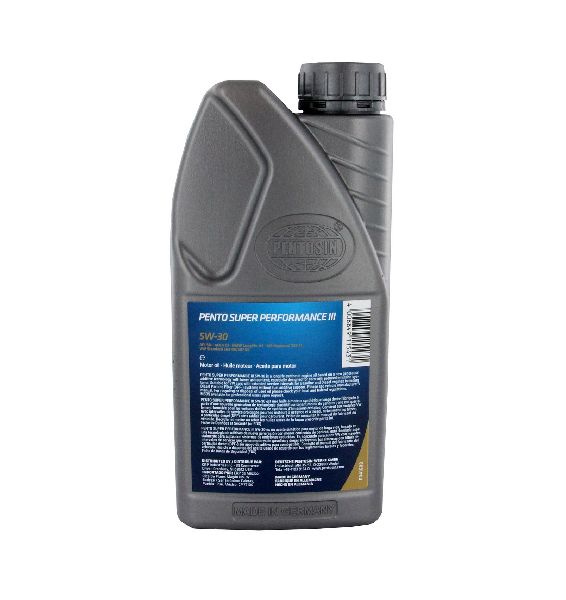
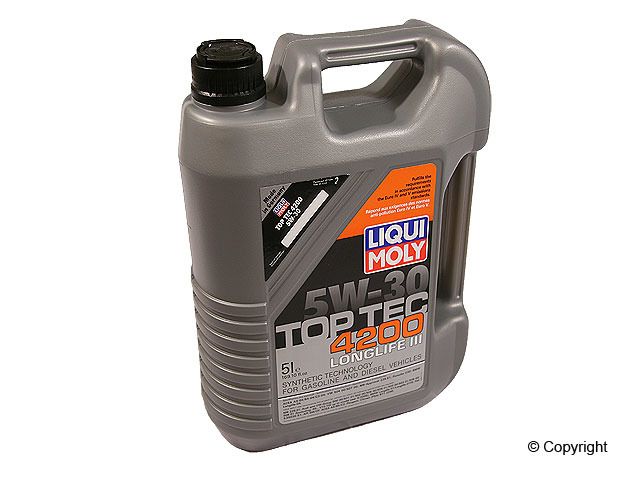
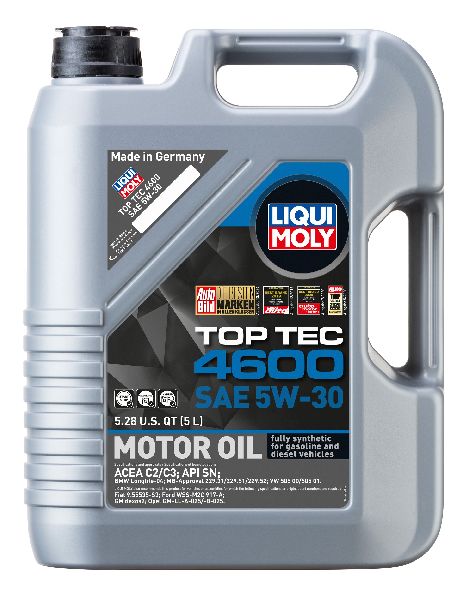
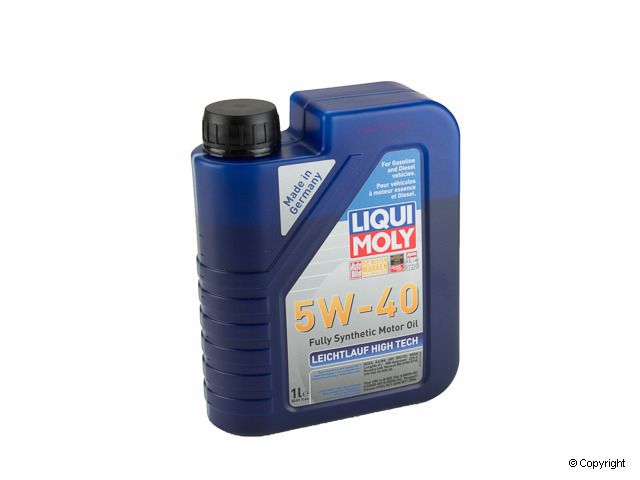
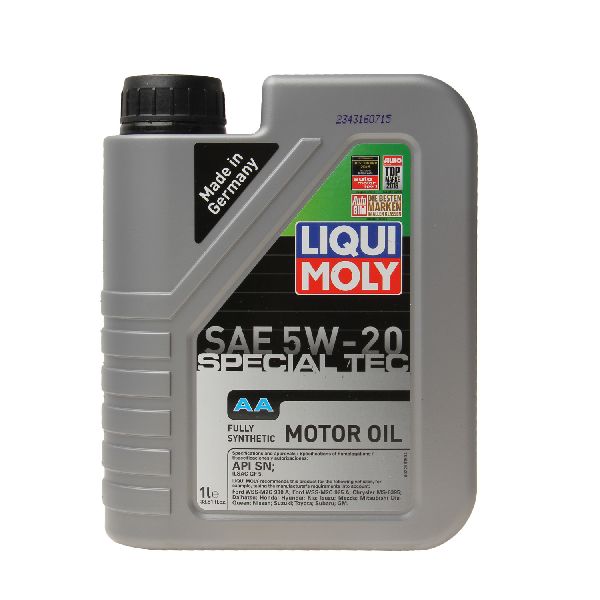
Typical fix: Perform a complete oil and filter change using the manufacturer-specified 5W-20 oil. Using a genuine Kia OEM oil filter is strongly recommended by mechanics to ensure correct oil pressure and prevent issues linked to aftermarket filters.
Est. part cost: $40-$70 - Faulty Intake Oil Control Valve (OCV) / VVT Solenoid 🔴 High Probability The OCV can become clogged with debris from dirty oil or fail electrically, causing it to stick in the advanced position. It is a very common failure part for this code.
How to confirm: Remove the OCV from the top of the valve cover (typically held by one 10mm bolt). Inspect the small filter screens for sludge or debris. You can test its resistance with a multimeter (should be between 6.9 and 7.9 ohms at 68°F/20°C) or apply 12V power to see if the plunger clicks audibly.
Typical fix: Replace the intake OCV (Part No. 24355-2G500). 🎬 See this walkthrough on replacing a bad VVT solenoid. While cleaning with brake cleaner is sometimes possible, replacement is the reliable fix. Many mechanics suggest replacing both intake and exhaust OCVs simultaneously. 🎬 Watch a mechanic diagnose both P0011 and P0014 codes together.
Est. part cost: $40-$120 - Stretched Timing Chain or Failed Tensioner 🟡 Medium Probability Extended periods of low oil pressure or infrequent oil changes can accelerate wear on the timing chain and tensioner, causing timing to become inaccurate.
How to confirm: This is a more involved diagnosis. It often requires removing the valve cover to inspect for visible chain slack. This is usually suspected after oil and OCV issues are ruled out, especially if code P0011 is followed by P0016.
Typical fix: Replacement of the timing chain, guides, and tensioner. This is a labor-intensive job.
Est. part cost: $150-$400
Rare But Worth Checking
- Clogged OCV Filter Screen: Some Kia engines have a small, separate filter screen in the oil passage in the cylinder head leading to the OCV. This screen can get completely clogged with sludge, starving the OCV of oil pressure. It's worth checking if a new OCV doesn't solve the issue. One owner noted part number 24150-23761 for a similar engine.
- Incorrect Camshaft Reluctor Wheel Configuration: Per Kia TSB PS731, if the P0011 code appears immediately after an engine replacement, the camshaft reluctor wheel (pulse wheel) may have been installed incorrectly. This requires inspection and realignment by a technician.
- Failed CVVT Cam Phaser: The phaser unit (actuator) on the end of the camshaft can fail internally and get stuck. This is less common than an OCV failure and is typically diagnosed after other causes are eliminated.
Diagnosis Steps
- Check Engine Oil Level and Condition: This is the first and most critical step. If the oil is low, top it off. If it's old or dirty, perform an oil and filter change using an OEM Kia filter. Clear the code and see if it returns.
- Scan for Other Codes: Check if codes like P0014, P0016, or P1326 are present, as they help narrow down the root cause.
- Inspect and Test the Intake Oil Control Valve (OCV): Locate the intake OCV on the valve cover. Unplug it and check for resistance between 6.9-7.9 ohms.
- Actuate the OCV: Apply 12V power to the OCV pins and listen for a distinct click. A sluggish or silent valve is faulty.
- Inspect OCV Filter Screens: Remove the OCV and check its built-in screens for metal shavings or sludge. Also, check service information for the secondary in-head OCV filter if applicable.
- Check Timing Chain: If the above steps do not resolve the issue, the problem is likely mechanical. A visual inspection for chain slack by removing the valve cover is the next step. This may require professional assistance.
Parts You'll Likely Need
- Intake Oil Control Valve (VVT Solenoid)
(OEM #24355-2G500)— This solenoid is the most common part to fail or clog with debris, directly causing the over-advanced timing condition.
Trusted brands: Kia (Genuine OEM), Hyundai (Genuine OEM), Delphi, Dorman
OEM price range: $80-$120
Aftermarket price range: $40-$80 - Engine Oil and Filter — Low or incorrect viscosity oil is the number one cause of this code on the 2.0L Nu engine. An OEM filter is recommended to ensure proper oil pressure.
Trusted brands: Kia (Genuine OEM Filter), Mobil 1, Castrol, Pennzoil
OEM price range: $40-$70
Aftermarket price range: $30-$50
Related Codes That Often Appear With This One
- P0014 — This is the corresponding code for the exhaust camshaft ('B' Camshaft). Since both intake and exhaust CVVT systems rely on the same oil supply, problems like low/dirty oil can cause both codes to appear.
- P0016 — Indicates a correlation issue between the crankshaft and intake camshaft. This often points towards a mechanical timing issue, such as a stretched timing chain. A common failure pattern seen in forums is P0011 appearing first, then being replaced by P0016 after sensor/solenoid replacements, strongly suggesting a stretched chain.
- P1326 — This is a Kia-specific code for the Knock Sensor Detection System (KSDS). Its appearance with P0011 is a strong indicator of a serious internal engine problem, potentially related to failing rod bearings, which can cause timing issues due to oil pressure loss and engine vibration. This often puts the car in 'limp mode' and may be covered by a lifetime warranty extension from Kia for engine replacement.
Technical Service Bulletins (TSBs) & Recalls
- PS731 (May 2022): DTC P0011/P0014/P0016/P0017 Due to Incorrect Camshaft Reluctor Wheel Configuration after engine replacement.
- ENG222 (Dec 2020): Addresses diagnosis and repair procedures for Excessive Oil Consumption on Nu/Gamma engines.
- PI1802 / PI1803 (Revised): Provides instructions for engine replacement if DTC P1326 is present after the Knock Sensor Detection System (KSDS) update.
Platform-Specific Known Issues
- High oil consumption is a known issue with the 2.0L Nu engine, making regular oil level checks critical to prevent CVVT-related codes like P0011. Kia has acknowledged this with TSB ENG222.
- Kia TSB PS731 addresses P0011 and related codes appearing after an engine replacement due to misaligned camshaft reluctor wheels.
- The 2.0L Nu GDI engine in these vehicles is part of a class-action settlement related to engine seizures, failures, and fires, which also led to the KSDS software update and lifetime engine warranty for certain failures.
Mechanic-Grade Diagnostic Values
- Intake Oil Control Valve (OCV) Coil Resistance — expected: 6.9 - 7.9 Ω at 20°C (68°F). Failure: A reading outside of this range, or an open circuit (infinite resistance), indicates a faulty solenoid coil.
Scan Tool Commands That Help
- Kia GDS (Global Diagnostic System) or equivalent professional scan tool: CVVT Solenoid Activation Test — This bidirectional command allows a technician to manually activate the intake OCV while the engine is running. If the engine stumbles or stalls when the solenoid is commanded ON, it confirms the solenoid is mechanically functioning and the oil passages are likely clear. If there is no change in engine operation, it points to a failed OCV, a blockage in the oil passages, or a wiring issue.
- Kia GDS (Global Diagnostic System) or equivalent professional scan tool: CVVT System Adaptation Reset — After replacing a CVVT component such as an OCV, camshaft phaser, or timing chain, this function should be used. It clears the ECM's learned values and forces it to re-adapt to the new component's operational characteristics, which can prevent the code from returning incorrectly.
Wiring & Ground Locations
- Engine Ground Wiring Assembly — This harness typically runs from the engine block to the chassis, often near the intake manifold or a strut tower. The specific part number for the 2014-2019 Kia Soul with the 2.0L Nu engine is 91860-B2250.. A poor ground connection can cause erratic voltage signals for all engine sensors and actuators, including the camshaft position sensor and the OCV. While not a primary cause, checking for a clean, tight ground connection is a fundamental step in diagnosing any electrical fault.
- Transmission Ground Wiring Assembly — A secondary ground strap connecting the transmission case to the vehicle chassis. The part number for the 2014-2019 Kia Soul is 91860-B2410.. Similar to the main engine ground, a faulty transmission ground can introduce electrical noise and unstable voltages, potentially interfering with the sensitive readings of the crankshaft and camshaft position sensors, which are critical for timing correlation.
Real Owner Repair Stories
- Reddit user in r/KiaSoulClub (2019 Kia Soul w/ 170,000 miles) — Sluggish running, Check Engine Light with P0011.
❌ Tried (didn't work) Replaced the VVT solenoid (OCV) - worked for a short time, then the problem returned., Replaced the camshaft position sensor - car ran slightly better, but the code came back., Replaced the crankshaft position sensor after code P0016 appeared.
✅ What actually fixed it The user's final resolution was not posted, but the diagnostic progression from P0011 to P0016 after replacing sensors and solenoids is a classic symptom pattern for a stretched timing chain. The community and evidence strongly suggest the root cause was mechanical timing failure.
OEM Part Supersession History
Multiple older numbers including 221002g521, 221002g700, 420y42gh00→24355-2G500— Likely an internal design revision for improved reliability, material durability, or to address known failure modes like sticking or electrical failure.
Heads up: While other OCVs like 24355-2S000 or 24375-2E100 may physically fit, they are intended for different engine variants (e.g., 1.8L Nu) and may have different flow rates or electrical characteristics. Using the wrong part can cause the P0011 code to persist or return. Always verify the part number with the vehicle's VIN.
Diagnostic Flowchart
Other Known Issues on This Vehicle
Issues unrelated to this code that are worth knowing about as an owner of this generation:
- Engine Failure, Seizure, and Fire Risk 🔴 High — Widespread enough to trigger multiple class-action lawsuits and recalls. Often preceded by code P1326. (Ref: NHTSA 19V120000, Kia Recall SC176, Product Improvement Campaign PI1802/PI1803)
- Excessive Oil Consumption 🔴 High — Very common issue across the Nu engine family. Can be as high as 1 quart per 1,000 miles. (Ref: Kia TSB ENG222)
- Catalytic Converter Failure 🟠 Medium — Commonly occurs due to high exhaust gas temperatures, which can also lead to piston damage. (Ref: NHTSA 19V120000, Kia Recall SC176)
- Steering Coupler Failure 🟠 Medium — A flexible steering coupler wears out, causing a clicking or clunking noise in the steering column. (Ref: NHTSA 17V608000, Kia Recall SC155)
Used vs. New Parts: Buying Guide for This Vehicle
When a used part is the smart pick: Given the low cost of new aftermarket parts and the high failure rate due to internal sludge and wear, buying a used Oil Control Valve (OCV) is generally not recommended. A used part carries a high risk of having the same issues (clogged screens, sticking plunger) as the part being replaced. Other related components like timing chains or phasers should always be purchased new.
Donor-vehicle mileage cap: roughly under 30000 miles for the part to have meaningful remaining life.
What to inspect on the donor part:
- If considering a used OCV, insist on seeing the screens; they must be perfectly clean with no signs of sludge or debris.
- Ask for the donor vehicle's history; avoid parts from engines with known sludge or infrequent oil changes.
- Test the part by applying 12V power before purchase to ensure the plunger clicks sharply.
OEM-only on this vehicle (don't cheap out):
- Oil Filter - Many mechanics and forum members strongly advise using only genuine Kia/Hyundai OEM oil filters to ensure correct oil pressure and bypass valve operation, which is critical for the CVVT system.
- Oil Control Valve (OCV) - While some aftermarket brands are acceptable, OEM is the safest bet to avoid out-of-box failures or short lifespan, a common complaint with cheaper online parts.
Aftermarket brands forum-validated for this vehicle:
- Delphi
- Standard Motor Products (SMP)
Brands owners have reported issues with on this vehicle:
- No-name, unbranded parts from online marketplaces like eBay or Amazon are frequently cited in forums as failing quickly or not working at all.
Real Owner Stories
Aggregated from forums and TSBs cited above. Mileages and costs reflect what owners reported in those sources.
2015 Kia Soul 1.6L — 140000 miles
Symptoms: Loss of power when driving, rough idling, check engine light with code P0011.
What fixed it: A Firestone shop diagnosed it as a skipped timing chain; the owner was quoted for a timing chain replacement along with a water pump and solenoids.
Cost: $4800
Source hint: Reddit r/MechanicAdvice thread 'Kia Soul Timing Chain Change Out'
2014 Kia Soul
Symptoms: The vehicle was throwing three codes: P0011, P0014, and P1326.
What fixed it: The source identifies P0011 and P0014 as camshaft sensors and P1326 as a knock sensor issue, though the final resolution is not provided in the snippet.
Source hint: Reddit r/Cartalk
Related OBD-II Codes
Frequently Asked Questions
Does Kia TSB ENG222 apply to my 2.0L Nu engine if I'm seeing code P0011?
Can I use an aftermarket oil filter on my 2014-2019 Kia Soul 2.0L?
Is there a specific TSB for P0011 if I just had my engine replaced?
What is the specific part number for the Intake Oil Control Valve on my Kia Soul?
Could my P0011 code be related to the Kia engine failure class-action settlement?
What should the resistance be when testing the OCV on a 2.0L Nu engine?
Helpful Videos
Used OEM Parts in Stock

New Aftermarket Parts Available

The information in this article is provided for general reference and educational purposes only. Vehicle specifications, procedures, and part compatibility can vary by production date, trim level, and region. Always consult your vehicle's factory service manual and verify part numbers before purchasing or performing repairs. Safety-critical components such as airbags, seat belts, and braking systems should be installed by a qualified professional.
- Kia Soul:
- 🎬 Helpful Videos
- 🛍️ Shop This Part
- What's Unique About the 2014-2019 Kia Soul
- Symptoms You May Notice
- Most Likely Causes
- Rare But Worth Checking
- Diagnosis Steps
- Parts You'll Likely Need
- Related Codes That Often Appear With This One
- Technical Service Bulletins (TSBs) & Recalls
- Platform-Specific Known Issues
- Mechanic-Grade Diagnostic Values
- Scan Tool Commands That Help
- Wiring & Ground Locations
- Real Owner Repair Stories
- OEM Part Supersession History
- Diagnostic Flowchart
- Other Known Issues on This Vehicle
- Used vs. New Parts: Buying Guide for This Vehicle
- Real Owner Stories
- 2015 Kia Soul 1.6L — 140000 miles
- 2014 Kia Soul
- Related OBD-II Codes
- Frequently Asked Questions
- 🎟️ Get 5% Off