

P0011 on 2015-2020 Ford F-150: Causes and Fixes for Over-Advanced Cam Timing
On a 2015-2020 F-150, P0011 is most often caused by low/dirty engine oil or a failing Variable Camshaft Timing (VCT) solenoid on Bank 1 (passenger side). Start by checking your oil and changing it if necessary. If the oil is fine, replacing the Bank 1 intake VCT solenoid is the next logical step and often solves the problem. For 3.5L EcoBoost engines, a distinct rattle on cold starts accompanying this code strongly suggests failing cam phasers, a more complex and expensive repair covered by mult
- Always check your engine oil level and condition first; a simple oil change can sometimes fix P0011.
- The most common failed part for this code is the Bank 1 (passenger side) intake VCT solenoid.
- A common DIY diagnostic is to swap the intake VCT solenoids between Bank 1 and Bank 2 to see if the trouble code follows the part.
- If you hear a loud rattle from the engine for a few seconds on a cold start, the problem is more likely a failing cam phaser, which is a much more complex and expensive repair.
What's Unique About the 2015-2020 Ford F-150
For this generation of F-150, P0011 is a very common code across all three major engines (2.7L, 3.5L, 5.0L). While the root cause is often a simple VCT solenoid clogged with debris, the 3.5L EcoBoost and 5.0L Coyote engines are also known for more serious issues with the cam phasers themselves. The 3.5L EcoBoost is particularly infamous for a 'cold start rattle' that signals phaser failure, prompting Ford to release multiple Technical Service Bulletins (TSBs) like 23-2143 and Customer Satisfaction Programs (21N03, 21B10) with updated parts and software strategies to address the widespread issue.
Symptoms You May Notice
- Check Engine Light is on.
- Rough or unstable idle, sometimes dropping below 500 RPM when warm.
- Engine hesitation or stumbling on acceleration.
- Stalling at low speeds or when coming to a stop.
- Reduced engine power and poor fuel economy.
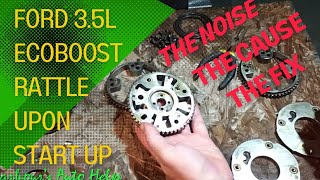
- Rattling, ticking, or knocking noise from the front of the engine, especially a 2-5 second rattle on a cold start (a key symptom of cam phaser failure on the 3.5L EcoBoost). 🎬 Watch: Hear the distinct 3.5L EcoBoost cam phaser rattle
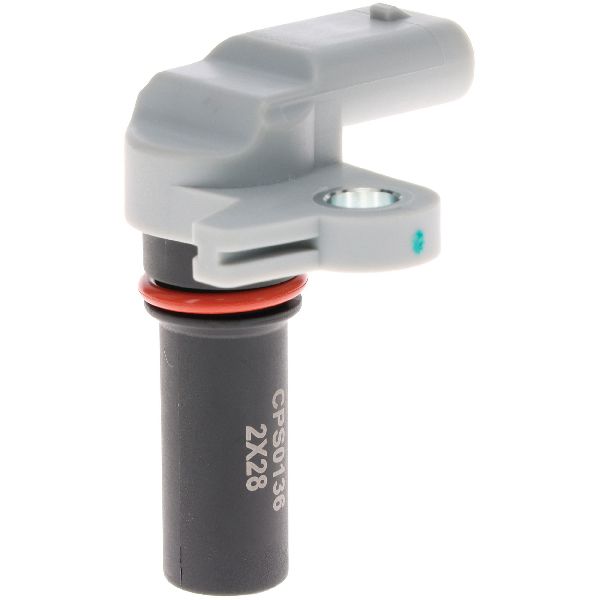
- Replacing the camshaft position sensor first. While possible, the VCT solenoid is a much more frequent point of failure for this specific code.
- Assuming any rattle means the engine is failing. The specific 'cold start rattle' related to cam phasers is very distinct and well-documented; other noises, like a turbo wastegate rattle, can have different causes.
Most Likely Causes
- Low or Dirty Engine Oil 🔴 High Probability The entire Ti-VCT system is hydraulic and relies on clean oil at the correct pressure. Ford's own TSBs (like SSM 48423) point to oil debris as a primary cause of VCT solenoid failure. Forum users have confirmed that an oil change alone, specifically using a Motorcraft filter, can sometimes resolve the code, at least temporarily.
How to confirm: Check the engine oil level on the dipstick and inspect its condition. If the oil is low, past its change interval, or appears dark, gritty, or sludgy, it needs to be changed.
Typical fix: Perform an engine oil and filter change using the correct viscosity oil specified in your owner's manual (e.g., Motorcraft 5W-20 or 5W-30 Synthetic Blend). Clear the code and see if it returns.
Est. part cost: $40-$80 - Sticking or Failed VCT Solenoid 🔴 High Probability The VCT solenoids have very fine mesh screens that can get clogged with small debris from the oil, causing them to stick. Ford has issued multiple TSBs (e.g., SSM 48423, SSM 49583) acknowledging this as a common cause for P0011 across multiple engines. A Reddit user with a 2018 3.5L EcoBoost fixed their P0011 code by replacing the two Bank 1 solenoids after a previous cam phaser replacement failed to prevent the code's return.
How to confirm: A common diagnostic technique is to swap the Bank 1 intake VCT solenoid with the Bank 2 intake VCT solenoid. Clear the codes and drive the vehicle. If the code returns as P0021 ('A' Camshaft Position - Bank 2), the solenoid is confirmed to be faulty. A scan tool can also be used to command the solenoid on and off to check its response.
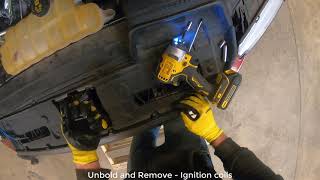
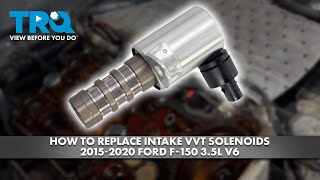
Typical fix: Replace the Bank 1 intake VCT solenoid. On the 2.7L EcoBoost, the solenoids are easily accessible on top of the engine. On the 3.5L and 5.0L engines, this repair is more involved as it requires removing the valve cover. 🎬 See this walkthrough for replacing 3.5L intake VVT solenoids
Est. part cost: $30-$90 - Failing Cam Phaser 🟡 Medium Probability The 2nd generation 3.5L EcoBoost (2017-2020) and, to a lesser extent, the 5.0L V8 engines in this generation are known for cam phaser issues. A common symptom is a loud rattle from the engine on a cold start that lasts for 2-5 seconds. Ford has a customer satisfaction program (21N03) and multiple TSBs (e.g., 21-2119, 23-2143) for this specific issue on the 3.5L EcoBoost.
How to confirm: Listen for a distinct 'marbles in a can' rattle on cold starts. A mechanic can use a scan tool (like FORScan) to monitor requested vs. actual cam angle PIDs (VCT_INT_ADV_ERR1) to confirm the phaser is not responding correctly. This is difficult to diagnose definitively without ruling out the solenoid first.
Typical fix: This is an extensive and expensive repair that involves removing the engine's front/timing cover to replace all four cam phasers, timing chain, and tensioners. It requires special timing tools and is best left to professionals. Labor time is often quoted at 9-10 hours.
Est. part cost: $400-$1200
Rare But Worth Checking
- Stretched Timing Chain: While often replaced during a cam phaser job, a stretched timing chain on its own can cause timing correlation codes. This is more common on higher-mileage 3.5L EcoBoost engines.
- Faulty Camshaft Position Sensor: This is less common for a P0011 code, which indicates a performance/correlation issue rather than a sensor circuit fault (like P0340). However, a failing sensor can provide incorrect data, leading to this code.
- Wiring Harness Issues: Damage or corrosion to the wiring or connector for the VCT solenoid can cause a loss of signal, preventing proper operation and triggering the code.
Diagnosis Steps
- Check Engine Oil: Verify the oil level is full and the oil is clean. If low or dirty, perform an oil and filter change with the correct OEM-specified oil and filter, clear the code, and drive to see if it returns.
- Scan for Other Codes: Check for other related codes (like P0021, P0016, P0012) that can help pinpoint the issue.
- Inspect VCT Solenoid Wiring: Visually inspect the wiring and connector for the Bank 1 intake VCT solenoid for any damage, corrosion, or loose connections.
- Perform VCT Solenoid Swap: Swap the Bank 1 (passenger side) intake VCT solenoid with the Bank 2 (driver's side) intake VCT solenoid. Clear the codes and drive the vehicle. If the fault moves to the other bank and triggers a P0021, the solenoid you moved is bad. Note: This is much easier on the 2.7L EcoBoost where solenoids are on top of the valve covers.
- Test VCT Solenoid (Advanced): If a swap isn't feasible, a mechanic can command the solenoid on and off with a high-end scan tool to check its response or apply 12V power directly to it when removed to see if the internal plunger moves. The solenoid should have a resistance between 7.0 and 14.0 Ohms. Manufacturer bulletin SSM 54366 suggests following Pinpoint test HK in the Powertrain Control and Emissions Diagnosis manual for vehicles exhibiting P0011.
- Diagnose Cam Phasers: If the solenoid is confirmed to be good but the P0011 code returns (especially if a cold-start rattle is present), the issue is likely the cam phaser or a related timing component. This diagnosis is best left to a professional due to its complexity.
Parts You'll Likely Need
- Variable Camshaft Timing (VCT) Solenoid
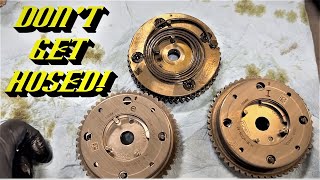
(OEM #2.7L EcoBoost: FT4Z-6M280-D | 3.5L EcoBoost (2017+): HL3Z-6M280-A (Intake), HL3Z-6M280-B (Exhaust) | 5.0L V8 (2018+): HL3Z-6M280-A | 5.0L V8 (2015-2017): BR3Z-6M280-F)🎬 Watch: Common causes for P0011 codes on 5.0L engines — This is the most common cause of P0011. The solenoid gets clogged with debris and sticks, preventing proper camshaft adjustment. Part numbers vary by engine and year.
Trusted brands: Motorcraft, Dorman
OEM price range: $50-$90
Aftermarket price range: $30-$60 - Cam Phaser Kit
(OEM #3.5L EcoBoost (2017-2020): Kit often includes HL3Z-6C525-CD (Phaser) and related timing components. Verify with dealer using VIN.)— If a cold-start rattle is present and the VCT solenoid is not at fault, the cam phasers have likely failed. This is a known issue, especially on the 3.5L EcoBoost. Kits usually include phasers, timing chain, guides, and tensioners.
Trusted brands: Motorcraft
OEM price range: $400-$1200
Aftermarket price range: $300-$800 - Valve Cover Gasket
(OEM #5.0L (Bank 1): HL3Z-6584-A | 3.5L (Bank 1): HL3Z-6584-C)— For the 3.5L and 5.0L engines, the valve cover must be removed to access and replace the VCT solenoids. It is best practice to replace the gasket at the same time.
Related Codes That Often Appear With This One
- P0021 — This is the identical code but for Bank 2 (driver's side). Seeing P0011 and P0021 together often points to a systemic issue like old/low oil affecting both banks.
- P0016 — This is a Crankshaft Position - Camshaft Position Correlation code for Bank 1. It indicates a more direct timing mismatch and often appears with P0011 when the phaser or timing chain is the root cause.
- P0012 — This code is for 'Timing Over-Retarded' on Bank 1. Seeing it with P0011 can indicate a very erratic VCT solenoid or phaser that is sticking and failing in both directions.
Technical Service Bulletins (TSBs) & Recalls
- Supersedes previous TSBs for the 3.5L EcoBoost, addressing a cold start rattle/tick lasting 2-5 seconds. It points to worn VCT units (phasers) and recommends replacing all four. It covers 2017-2020 F-150s and 2018-2020 Expedition/Navigators.
- An extended warranty program for the 3.5L EcoBoost cam phasers. For vehicles that already had the 21B10 PCM reflash, this program covered the cost of replacing all four cam phasers if the noise persisted.
- A program to reprogram the Powertrain Control Module (PCM) on 2017-2020 F-150s with the 3.5L EcoBoost to alter the VCT strategy, intended as a first step to mitigate cam phaser rattle.
- SSM 48423: Special Service Messages noting that codes like P0011 can be caused by small debris in the oil causing a VCT solenoid to stick. Recommends using a scan tool to cycle the solenoid to try and clear it before replacement.
- SSM 49583: Notes that P0011 and other VCT codes on 2019-2020 5.0L F-150s may be caused by faulty VCT solenoids and may be accompanied by noise near the front of the valve covers.
- SSM 54366: States that some 2015-2021 vehicles may exhibit an illuminated MIL with DTC P0011 and directs technicians to Pinpoint test HK in the Powertrain Control and Emissions Diagnosis manual.
Platform-Specific Known Issues
- 3.5L EcoBoost Cam Phaser Rattle: Many 2017-2020 F-150s with the 3.5L EcoBoost engine are subject to Customer Satisfaction Program 21N03 and TSB 23-2143 for a loud rattle on cold starts caused by failing cam phasers. This noise is a strong indicator that the phasers, not just the solenoids, are the root cause of timing codes like P0011.
- 2.7L EcoBoost VCT Solenoid Accessibility: On the 2.7L EcoBoost engine, the four VCT solenoids are located on the top of the cylinder heads, outside of the valve covers. This makes them significantly easier and cheaper to replace compared to the 3.5L and 5.0L engines, where the valve covers must be removed for access.
Mechanic-Grade Diagnostic Values
- VCT Solenoid Internal Resistance — expected: 7.0 to 14.0 Ohms. Failure: A reading outside this range, or an open/short circuit, indicates a failed solenoid coil.
- VCT Solenoid Connector Voltage (Key On, Engine Off) — expected: ~12V (Battery Voltage) at Pin 1. Failure: No voltage or significantly low voltage points to a problem in the wiring harness, fuse, or PCM power supply, not the solenoid itself.
- FORScan PID: VCT_INT_ADV_ERR1 (Bank 1 Intake Cam Advance Error) — expected: Near 0 degrees at idle.. Failure: A large, persistent, non-zero value that does not return to zero quickly indicates the camshaft is not reaching its commanded position. On affected 5.0L engines, this value may swing wildly from positive to negative as the PCM attempts to correct the stuck phaser.
Hidden / Shadow Codes Worth Checking
- P164C: Internal Control Module - Camshaft Position Actuator Position Performance (see via This code may be present in the PCM alongside other VCT codes, particularly on the 3.5L EcoBoost. It can be read by dealer-level scanners like IDS or advanced tools like FORScan. TSB 23-2143 notes this code may appear in conjunction with cold-start rattle and auto-start-stop failure.)
Scan Tool Commands That Help
- FORScan / Ford IDS: VCT Solenoid Output State Control — This bidirectional test allows a technician to manually command the VCT solenoid on and off while monitoring cam angle PIDs. This can help determine if the solenoid is physically sticking or if the wiring is intact without having to remove the part.
- FORScan / Ford IDS: PCM - Reset All Adaptations — After replacing VCT solenoids or cam phasers, it is critical to perform this reset. The PCM 'learns' the response characteristics of the old, failing parts. Without a reset, the PCM may continue to use incorrect adaptive values, potentially causing the P0011 code to return even with new, functional parts.
Real Owner Repair Stories
- Reddit user on r/f150 (2018 F-150 Limited 3.5L EcoBoost, ~70,000 miles) — Intermittent hesitation and rough idle, P0011 code.
❌ Tried (didn't work) The owner had previously had the cam phasers replaced under warranty at 40k miles, so the issue returned.
✅ What actually fixed it The owner replaced the two Bank 1 (passenger side) VVT solenoids (Part HL3Z6M280A) and the valve cover. This resolved the hesitation and rough idle. - Ford F150 Forum user (2016 F-150 XLT 5.0L V8) — Rough idling and stalling at stops.
❌ Tried (didn't work) Months of trying different unspecified things.
✅ What actually fixed it A dealership head mechanic advised the owner to switch to Motorcraft synthetic blend oil AND a Motorcraft filter, and to change the oil more frequently (every 3500-4000 miles). The user reported the problem was completely resolved for 1.5 years after following this advice, suggesting the issue was related to oil quality/filtration and its effect on the VCT solenoids. - NHTSA ODI #11640408 — An owner reported that after a failure persisted and the check engine light illuminated, a mechanic retrieved DTC P0011 and diagnosed that the cam phasers needed to be replaced. The vehicle was subsequently repaired.
"I Checked Everything" — The Actual Cause
- In the context of P0011, the equivalent of a 'smoke test clean' scenario is when major parts are replaced but the code returns. A common story on forums involves an owner replacing the VCT solenoids and even the cam phasers, only for P0011 to reappear. In one such case on a 3.5L EcoBoost, the ultimate fix was replacing the VCT solenoids again, suggesting the initial replacement parts may have been faulty or the underlying oil contamination issue was not resolved, causing the new solenoids to fail quickly.
OEM Part Supersession History
BR3Z-6M280-D, BR3Z-6M280-E→BR3Z-6M280-F— Standard part evolution and updates by Ford.
Heads up: These parts are for the 2015-2017 5.0L V8. While they may physically fit other engines, they are not correct for the 2018+ 5.0L or the EcoBoost engines. Using the wrong solenoid can cause persistent codes.
Model Year Variations Within This Range
- 2018-2020: The 5.0L Coyote V8 was updated to 'Gen 3' in 2018. This engine features a dual-injection system (port and direct injection), higher compression (12.0:1), and a different VCT system compared to the 2015-2017 'Gen 2' engine. TSB SSM 49583 specifically calls out sticking intake VCT solenoids as a cause for P0011/P0012/P0021/P0022 on the 2018-2020 5.0L engines.
- 2017-2020: The 3.5L EcoBoost was updated to its 2nd generation in 2017. This is the engine generation most known for the 'cold start rattle' and is the subject of Customer Satisfaction Program 21N03 and TSB 23-2143, which involve replacing the cam phasers with updated parts.
Diagnostic Flowchart
Real Owner Stories
Aggregated from forums and TSBs cited above. Mileages and costs reflect what owners reported in those sources.
2018 Ford F-150 3.5L EcoBoost
Symptoms: Experienced a recurring P0011 code even after previously having the cam phasers replaced under warranty.
What fixed it: Replaced the two Bank 1 VCT solenoids (Part #HL3Z-6M280-A) and the valve cover.
Source hint: Reddit r/f150 thread titled 'Resolved P0011 Code by Replacing VVT Solenoid'
2016 Ford F-150 Lariat 5.0L V8
Symptoms: Encountered a P0011 code without a solid Check Engine Light, accompanied by a rough idle and stalling.
What fixed it: Temporarily resolved the issue with a simple oil change using the specified Motorcraft 5W-20 Synthetic blend.
Source hint: F150forum.com thread titled '2016 F150 Lariat 5.0 w/ Rough Idle & Stalls'
Ford F-150 5.0L V8
Symptoms: Triggered codes like P0011 due to small debris causing the VCT solenoids to stick.
What fixed it: Cycled the VCT solenoids 10 times with a scan tool to clear the debris before resorting to replacement, as advised by Ford SSM 46450.
Source hint: F150forum.com thread titled '5.0 Phaser failures'
Related OBD-II Codes
Frequently Asked Questions
Does TSB 23-2143 apply to my F-150 for the P0011 code?
What is Customer Satisfaction Program 21N03 and does it cover my 3.5L EcoBoost?
Why is replacing the VCT solenoid cheaper on the 2.7L EcoBoost compared to the 3.5L or 5.0L?
Can a simple oil change fix the P0011 code on my 5.0L Coyote?
How can I test if the Bank 1 VCT solenoid is causing my P0011 code?
My 2019 5.0L F-150 has a P0011 code. Are there any specific service messages for this?
Helpful Videos

Used OEM Parts in Stock
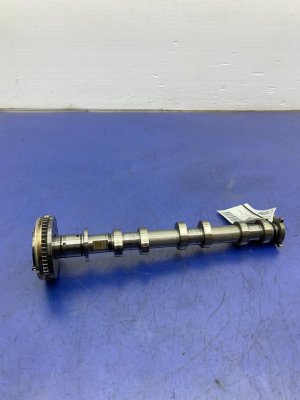
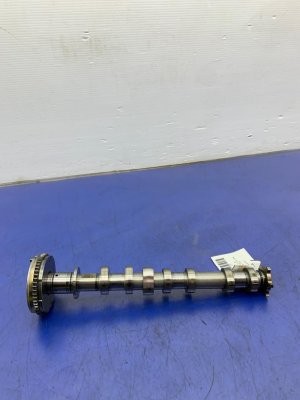
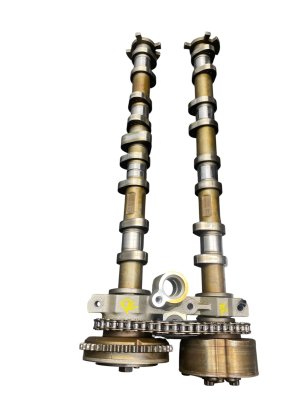
New Aftermarket Parts Available

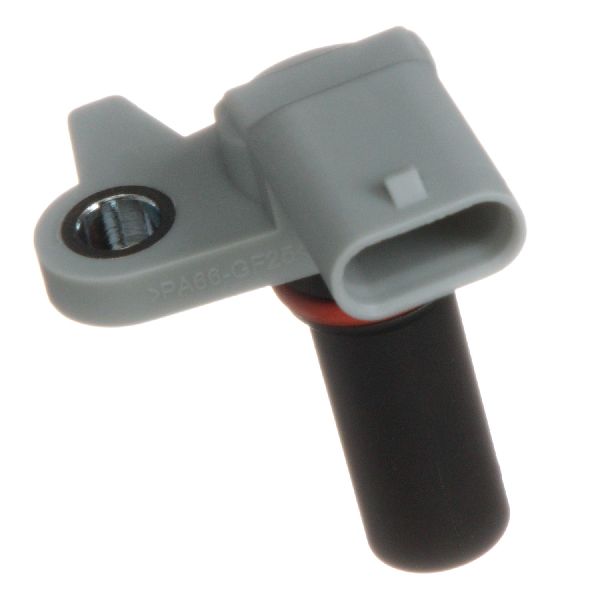

The information in this article is provided for general reference and educational purposes only. Vehicle specifications, procedures, and part compatibility can vary by production date, trim level, and region. Always consult your vehicle's factory service manual and verify part numbers before purchasing or performing repairs. Safety-critical components such as airbags, seat belts, and braking systems should be installed by a qualified professional.
- Ford F-150:
- 🎬 Helpful Videos
- 🛍️ Shop This Part
- What's Unique About the 2015-2020 Ford F-150
- Symptoms You May Notice
- Most Likely Causes
- Rare But Worth Checking
- Diagnosis Steps
- Parts You'll Likely Need
- Related Codes That Often Appear With This One
- Technical Service Bulletins (TSBs) & Recalls
- Platform-Specific Known Issues
- Mechanic-Grade Diagnostic Values
- Hidden / Shadow Codes Worth Checking
- Scan Tool Commands That Help
- Real Owner Repair Stories
- "I Checked Everything" — The Actual Cause
- OEM Part Supersession History
- Model Year Variations Within This Range
- Diagnostic Flowchart
- Real Owner Stories
- 2018 Ford F-150 3.5L EcoBoost
- 2016 Ford F-150 Lariat 5.0L V8
- Ford F-150 5.0L V8
- Related OBD-II Codes
- Frequently Asked Questions
- 🎟️ Get 5% Off