

U1428 on 2011-2023 Dodge Challenger: Inaccurate Torque Signal and Limp Mode Fixes
Code U1428 on a Dodge Challenger means the engine computer received an illogical torque signal from another module, usually causing severe limp mode. The most common fix is a Powertrain Control Module (PCM) software update performed by a dealer. Before that, check for a weak battery, faulty wheel speed sensors, or other engine-related trouble codes.
- U1428 means there is a data mismatch between your car's computers, almost always resulting in limp mode.
- The most probable cause is a software glitch in the Powertrain Control Module (PCM) that requires a dealer update.
- Before going to the dealer, have your battery tested. A weak battery is a common cause of electronic issues.
- If other codes are present, especially for wheel speed sensors, diagnose and fix those first, as they are the likely root cause.
- Do not immediately replace expensive components like the PCM or throttle body without ruling out software and simpler sensor issues.
What's Unique About the 2011-2023 Dodge Challenger
On the Dodge Challenger and other related FCA/Stellantis platforms (Charger, 300), many complex drivability issues are resolved with software updates rather than replacing hardware. An official Technical Service Bulletin (TSB 18-091-19) for a related vehicle confirms that U1428 is often caused by software logic and is fixed by reprogramming the PCM. This means a trip to the dealer for a software flash is a more likely solution than for a similar issue on an older vehicle. Numerous TSBs exist for the Challenger for PCM reprogramming to fix various issues, establishing a clear pattern of software-based repairs.
Generation note: This code can appear on both the first (2008-2014) and second (2015-2023) generations of the modern Challenger, as they share similar CAN bus network architecture based on the Chrysler LX/LD platform. However, software-related causes are more prevalent on the 2015+ models with more complex electronic systems and more frequent software updates. A key difference is the introduction of the Security Gateway Module (SGM) on 2018+ models, which restricts aftermarket scan tool access.
Symptoms You May Notice
- Drastic reduction in engine power (Limp Mode)
- Inability to accelerate or very slow acceleration
- Check Engine Light illuminated
- Electronic Throttle Control (red lightning bolt) light illuminated
- Service Transmission message may appear
- Vehicle may stall or have trouble starting, as noted in owner complaints.
- ABS and Traction Control lights may be illuminated simultaneously.
- Replacing the throttle body without checking for software updates or other codes.
- Replacing the PCM when only a software update is needed.
- Replacing the transmission or TCM when the issue is a faulty wheel speed sensor or wiring.
- Using aftermarket wheel speed sensors which may not communicate correctly with the ABS module.
Most Likely Causes
- Outdated Powertrain Control Module (PCM) Software 🔴 High Probability FCA frequently issues software updates to resolve communication and logic errors between modules. TSB 18-091-19 for a related platform explicitly lists U1428 as being resolved by a PCM reflash. This pattern of software fixes is common across the lineup.
How to confirm: A dealer or a shop with a subscription-based scan tool like wiTECH can check for and verify available PCM software updates against the vehicle's current calibration ID.
Typical fix: Reprogramming the PCM with the latest software version. The TSB notes this is a 0.2-hour labor operation. The TCM may also require an update.
Est. part cost: $0 - Failing Wheel Speed Sensor 🟡 Medium Probability The ABS module uses wheel speed data to calculate traction and stability, which is shared with the PCM for torque management. A failing sensor can send erratic data, causing the PCM to see an 'inaccurate' torque value and trigger limp mode. This is a known issue on the LX/LD platform.
How to confirm: Scan the ABS module for codes related to specific wheel speed sensors (e.g., C0501, C0507, etc.). Use a scan tool that can read ABS data to monitor live data from all four wheel speed sensors while driving; the faulty sensor will show erratic or no readings.
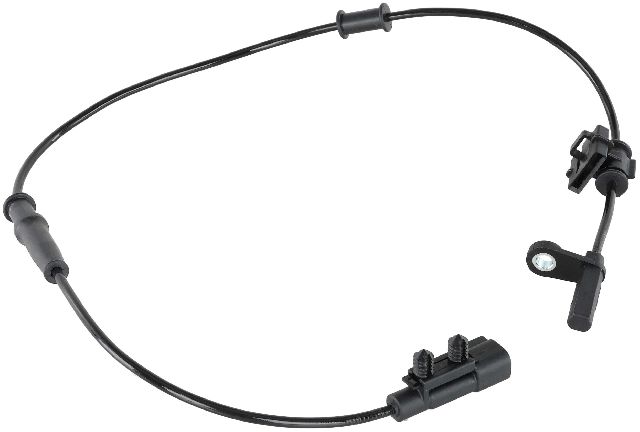
Typical fix: Replace the faulty wheel speed sensor. Owners often recommend using genuine Mopar parts over aftermarket sensors to avoid compatibility issues. The tone ring is integrated into the wheel hub and is not serviced separately.
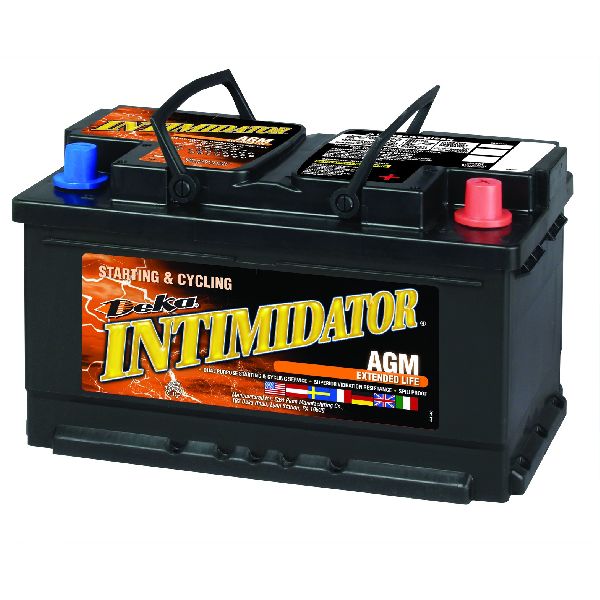
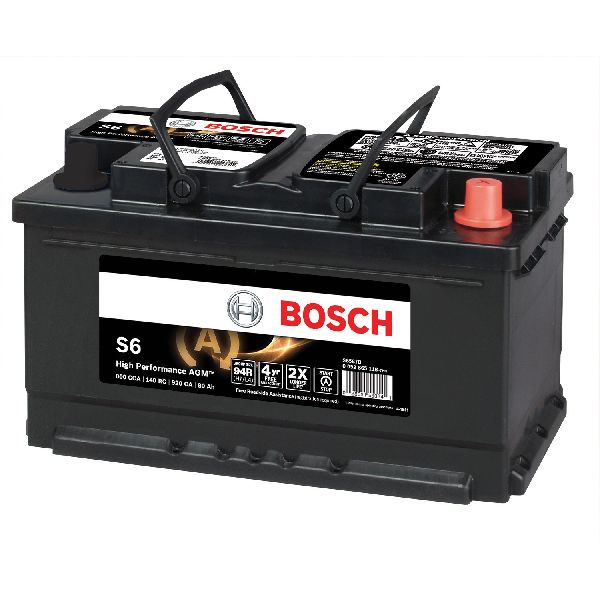
Est. part cost: $25-$75 - Weak or Failing Battery 🟡 Medium Probability These vehicles are packed with electronics that are sensitive to voltage. A weak battery can cause unpredictable communication errors between modules at startup or while driving, leading to various network codes.
How to confirm: Test the battery with a digital multimeter or a carbon pile load tester. A healthy, resting battery should be at ~12.6V. With the engine running, voltage should be ~13.7-14.7V. Any significant drop under load indicates a weak battery. TSBs for flashing modules specifically warn to keep voltage stable between 13.2V and 13.5V during the process.
Typical fix: Replace the vehicle's battery.
Est. part cost: $150-$300
Rare But Worth Checking
- Faulty Throttle Body: An internal fault in the electronic throttle body can cause a mismatch between expected and actual engine torque. This was suspected in an owner complaint where U1428 appeared with throttle code P2172. Aftermarket or modified throttle bodies can also cause limp mode if not tuned for properly.
- Wiring Harness Damage: Chafed or corroded wires in the CAN bus network can corrupt signals between modules. This can be difficult to find and may require inspecting harnesses near the engine, transmission, and ABS module. A bad ground connection for one of the modules can also cause this issue.
- Failing Camshaft Position Sensor: One owner complaint on a platform-mate (Chrysler 300) reported U1428 alongside camshaft position sensor codes P0340 and P0365, resulting in a no-power condition. A faulty cam sensor can disrupt the PCM's ability to properly calculate engine timing and torque, leading to network disagreements.
Diagnosis Steps
- Perform a full vehicle scan with an advanced scanner capable of reading all modules (PCM, TCM, ABS, BCM). Pay close attention to any wheel speed sensor, transmission, or throttle-related codes.
- Check the battery and charging system. Ensure voltage is stable and above 12.4V when off and above 13.5V when running. Low voltage is a common source of network faults.
- Using a dealer tool or advanced scan tool, check for any available software updates for the PCM and TCM. This is the most likely fix, especially if P1DD2 is also present.
- If wheel speed sensor codes are present, use the scan tool's live data function to monitor all four sensors while driving. Replace any sensor that provides an erratic, dropping, or absent signal.
- Inspect the wiring and connectors at the throttle body, ABS module, PCM, and TCM for any signs of damage, corrosion, or looseness.
- If no other codes are present, inspect the engine air filter. A severely clogged air filter has been reported to cause similar torque-related codes.
- Visually inspect major wiring harnesses, particularly the CAN bus twisted pair wires, for any signs of chafing, melting, or corrosion near hot or vibrating components.
Parts You'll Likely Need
- PCM Software Update — This is not a physical part, but a software reflash at the dealership is the most common documented fix for the logic error that triggers this code.
Trusted brands: Mopar (Dealer Service)
OEM price range: $150-$250
Aftermarket price range: N/A - Wheel Speed Sensor
(OEM #68199988AE (Front, example for 2019-2020 RWD), 4779647AE (Rear, example))— A common failure point on this platform that can send bad data over the network, causing this code and limp mode. Part numbers vary significantly by year, drivetrain (AWD/RWD), and position (Front/Rear).
Trusted brands: Mopar, NTK, Standard Motor Products (SMP)
OEM price range: $60-$100
Aftermarket price range: $25-$75 - Battery — Low or unstable voltage is a frequent cause of communication faults between modules in modern vehicles.
Trusted brands: Mopar, Interstate, DieHard
OEM price range: $200-$300
Aftermarket price range: $150-$250
Related Codes That Often Appear With This One
- P1DD2 — This code, 'Torque Request Signal From TCM Denied', is often set in the TCM at the same time U1428 is set in the PCM. They are directly related, as confirmed by TSB 18-091-19, indicating a communication breakdown between the engine and transmission controllers.
- P2172 — This code for 'Throttle Actuator Control System - Sudden High Airflow Detected' can occur with U1428, suggesting the root cause may be related to the throttle body or unmetered air entering the engine.
- C0501 / C0507 / C050D / C0513 — These are codes for wheel speed sensor rationality (Front Left, Front Right, Rear Left, Rear Right). If one of these is present, the faulty wheel speed sensor is the likely cause of the U1428 code, as confirmed by TSB 18-091-19.
Technical Service Bulletins (TSBs) & Recalls
- 18-091-19: Although for a 2018 Jeep Compass, this FCA TSB is highly relevant as it defines U1428 as 'Inaccurate Engine Torque Received' appearing with P1DD2, causing limp mode, and specifies the fix is a PCM software update. It also links wheel speed sensor rationality codes as a potential root cause.
Mechanic-Grade Diagnostic Values
- CAN Bus Network Resistance — expected: ~60 Ω. Failure: A reading of ~120 Ω indicates an open circuit or missing terminating resistor. A reading near 0 Ω indicates a short between the CAN_H and CAN_L wires.
- CAN High (CAN_H) Voltage to Ground — expected: ~2.6 V (Key On, Engine Off). Failure: Significant deviation from 2.6V suggests a module transceiver or wiring issue.
- CAN Low (CAN_L) Voltage to Ground — expected: ~2.4 V (Key On, Engine Off). Failure: Significant deviation from 2.4V suggests a module transceiver or wiring issue.
- Passive Wheel Speed Sensor AC Voltage Output — expected: At least 100-200 mV AC while spinning the wheel by hand.. Failure: No or very low AC voltage indicates a failed sensor, even if its resistance reading is within spec.
Scan Tool Commands That Help
- wiTECH: PCM/TCM Reprogramming (Flash) — This is the primary repair procedure documented in TSBs when U1428 is present with P1DD2 and no other hardware faults are found. It updates the module's logic to prevent false triggers.
- wiTECH (or advanced aftermarket): View Live Data (ABS Module) — Used to confirm a faulty wheel speed sensor. Monitor the output from all four sensors simultaneously while driving to spot one that drops out, reads erratically, or doesn't match the others.
- wiTECH: Clear All DTCs — This is a required step after reprogramming any module to ensure the system re-establishes communication without old fault data.
Wiring & Ground Locations
- CAN Bus Star Connector — On 2015+ models, a primary star connector (CAN bus junction) is located behind the glove box. Another may be in the driver's side kick panel area.. This is the central hub where CAN bus wires from multiple modules meet. A network-wide fault can be isolated by disconnecting modules one-by-one from this connector and re-checking bus resistance/voltage.
- Security Gateway Module (SGM) — On 2018+ models, it is located behind the radio/infotainment screen.. This module blocks aftermarket scan tools from performing bidirectional commands or clearing codes. A 12+8 pin bypass adapter connected directly to the SGM's harnesses is required for full diagnostic capability.
- ABS Module — Located in the engine bay on the driver's side, near the windshield washer fluid reservoir.. This module receives signals from the wheel speed sensors and communicates them over the CAN bus. It's a key source of data for the PCM's torque calculations. Wiring or ground issues at this module can trigger U1428.
- OBD-II Port Fuse — Fuse F23 (10A) in the rear fuse box, located in the trunk.. If the OBD-II port has no power, this fuse is the first place to check before assuming a major network failure.
Real Owner Repair Stories
- Rob The Mechanic, YouTube (Ram Truck (similar FCA CAN-C architecture)) — Massive number of 'lost communication' codes across the entire CAN-C network, but only after driving for exactly 33 miles. Vehicle would not shut off with the button.
❌ Tried (didn't work) Initial checks of wiring and modules showed no faults when the vehicle was stationary.
✅ What actually fixed it Replacing the CAN-C Star Connector. An internal capacitor in the connector was failing only when the network became very busy (i.e., during driving), causing the entire network to crash. It tested good when cold/idle. - Reddit user advice on r/MechanicAdvice (Jeep Compass (related FCA platform)) — P1DD2 code, hard shifting, and lack of acceleration.
❌ Tried (didn't work) The owner was considering major transmission or computer repairs.
✅ What actually fixed it A technician advised that a dirty/clogged engine air filter can cause this code by creating an intake restriction, leading to a torque calculation mismatch. This should be checked before more complex diagnostics.
Model Year Variations Within This Range
- 2018-2023: The introduction of the Security Gateway Module (SGM) behind the radio. This prevents aftermarket scan tools from performing active diagnostics (like clearing codes or running bidirectional tests) without a physical 12+8 pin bypass adapter. Pre-2018 models do not have this module and allow for full access via the standard OBD-II port.
Diagnostic Flowchart
Other Known Issues on This Vehicle
Issues unrelated to this code that are worth knowing about as an owner of this generation:
- Hemi Tick (Lifter/Camshaft Failure) 🔴 High — Common on 5.7L and 6.4L Hemi engines, often appearing between 30k-60k miles but can happen anytime. Caused by lifter roller failure scoring the camshaft.
- Uconnect 8.4" Screen Delamination 🟠 Medium — Widespread on 2017+ models. The screen adhesive fails, causing bubbling and 'ghost touches' that make the infotainment system unusable.
- Active Exhaust Valve Squeak/Rattle 🟡 Low — Common on R/T, Scat Pack, and Hellcat models (2015+). The valves in the exhaust develop a squeak or rattle, especially at low RPMs. Often fixed by lubricating the valve springs or installing a delete kit.
- Broken Exhaust Manifold Bolts 🟠 Medium — Frequent on 5.7L Hemi engines. The bolts, especially on the passenger side, break and cause an exhaust leak, resulting in a ticking noise often mistaken for the 'Hemi Tick'.
- Totally Integrated Power Module (TIPM) Failure 🔴 High — More common on earlier models (pre-2015). Can cause a wide range of bizarre electrical issues, including no-start conditions, fuel pump failure, and random horn activation.
Used vs. New Parts: Buying Guide for This Vehicle
When a used part is the smart pick: A used OEM wheel speed sensor or ABS module from a reputable recycler can be a cost-effective option. These are generally reliable components, and a used OEM part is often preferable to a low-quality new aftermarket part.
Donor-vehicle mileage cap: roughly under 80000 miles for the part to have meaningful remaining life.
What to inspect on the donor part:
- For sensors, ensure the connector pins are clean, green-free, and not bent.
- For modules, check that the housing is not cracked and connectors are free of corrosion.
- Verify the donor vehicle was not in a major collision near the component's location.
OEM-only on this vehicle (don't cheap out):
- PCM/TCM Software Update: This is a service, not a part, and can only be performed by a dealer or a specialized shop with a Mopar wiTECH subscription.
- Wheel Speed Sensor: While good aftermarket options exist, many owners report the highest success rate and avoid compatibility issues by using genuine Mopar sensors.
Aftermarket brands forum-validated for this vehicle:
- NTK (for sensors)
- Standard Motor Products (SMP) (for sensors and connectors)
- Wells (for sensors)
Brands owners have reported issues with on this vehicle:
- Unnamed or 'white-box' electronic sensors sold on marketplace websites are a gamble and may have incorrect resistance or fail prematurely.
Real Owner Stories
Aggregated from forums and TSBs cited above. Mileages and costs reflect what owners reported in those sources.
2018 Dodge Challenger (derived from platform-mate TSB 18-091-19)
Symptoms: Vehicle entered Limp Mode with code U1428 and P1DD2 present. The engine experienced a drastic reduction in power.
What fixed it: Reprogramming the Powertrain Control Module (PCM) with the latest software version as per TSB instructions.
Source hint: TSB 18-091-19
2015+ Dodge Challenger SRT Hellcat
Symptoms: Limp mode with various codes; discussion regarding sensor data mismatches and tuning issues.
What fixed it: Addressing sensor data mismatches and potential tuning conflicts.
Source hint: SRT Hellcat Forum thread titled 'limp mode'
2011-2023 Dodge Challenger (Mopar owner)
Symptoms: ABS and Traction Control lights illuminated. Aftermarket wheel speed sensor failed to resolve the issue.
What fixed it: Replacing the faulty wheel speed sensor with a genuine Mopar part; aftermarket sensors were found to be problematic.
Source hint: YouTube video 'Mopar wheel speed sensor. Top Tip.. Don't buy aftermarket'
2011-2023 Chrysler 300 (Platform Mate)
Symptoms: U1428 code appearing alongside camshaft sensor codes.
What fixed it: Diagnostic investigation into the relationship between the cam sensor and torque communication.
Source hint: NHTSA complaint for a Chrysler 300
Related OBD-II Codes
Frequently Asked Questions
Does TSB 18-091-19 apply to my Dodge Challenger if I have code U1428?
Can a bad wheel speed sensor cause my Challenger to go into limp mode with a U1428 code?
Is the 'Hemi Tick' related to the U1428 code on my 5.7L or 6.4L Challenger?
Why did my Challenger show a 'Service Transmission' message along with the red lightning bolt light?
Could a weak battery be the reason my Challenger is throwing network communication codes?
I have a 2017+ Challenger with a bubbling screen; is this related to the U1428 code?
Used OEM Parts in Stock


New Aftermarket Parts Available



The information in this article is provided for general reference and educational purposes only. Vehicle specifications, procedures, and part compatibility can vary by production date, trim level, and region. Always consult your vehicle's factory service manual and verify part numbers before purchasing or performing repairs. Safety-critical components such as airbags, seat belts, and braking systems should be installed by a qualified professional.
- Dodge Challenger:
- 🛍️ Shop This Part
- What's Unique About the 2011-2023 Dodge Challenger
- Symptoms You May Notice
- Most Likely Causes
- Rare But Worth Checking
- Diagnosis Steps
- Parts You'll Likely Need
- Related Codes That Often Appear With This One
- Technical Service Bulletins (TSBs) & Recalls
- Mechanic-Grade Diagnostic Values
- Scan Tool Commands That Help
- Wiring & Ground Locations
- Real Owner Repair Stories
- Model Year Variations Within This Range
- Diagnostic Flowchart
- Other Known Issues on This Vehicle
- Used vs. New Parts: Buying Guide for This Vehicle
- Real Owner Stories
- 2018 Dodge Challenger (derived from platform-mate TSB 18-091-19)
- 2015+ Dodge Challenger SRT Hellcat
- 2011-2023 Dodge Challenger (Mopar owner)
- 2011-2023 Chrysler 300 (Platform Mate)
- Related OBD-II Codes
- Frequently Asked Questions
- 🎟️ Get 5% Off