

U1424 on 2019-2024 Ram 1500: Implausible Engine Torque Signal Fixes
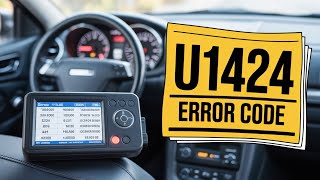
Code U1424 on a 2019-2024 Ram 1500 means a control module, usually for the transmission or ABS, received an unbelievable engine torque value from the main engine computer (PCM). The most common fixes are a PCM software update from the dealer or testing and replacing a weak battery. Less often, it can point to a failing engine sensor, like the crankshaft position sensor. This code is almost always a symptom of another problem, not the root cause.
- U1424 is a communication error, not a specific part failure. It means the engine's torque data is not trusted by another module.
- The top two causes are simple: outdated PCM software and a weak battery. Always check these first.
- If other engine codes are present (misfires, sensor faults), they are the likely root cause. Diagnose and fix them first.
- Do not replace expensive control modules (PCM, TCM) unless all other possibilities have been professionally eliminated.
- A trip to the dealer for a software check is often the quickest and most effective fix.
What's Unique About the 2019-2024 Ram 1500
On Ram trucks, U1424 is often a 'symptom' code rather than a cause. It's frequently set in the TCM or ABS module, but the root problem is usually an engine-side issue causing the PCM to send bad data. Numerous Technical Service Bulletins (TSBs) for Rams and their platform mates point to software glitches as the primary cause, which are resolved by a dealer-installed PCM software update. Furthermore, models with the eTorque mild-hybrid system are especially sensitive to battery voltage, and a weak 12V battery can easily cause communication glitches that trigger this code during startup. Before suspecting expensive hardware failure, checking for software updates and verifying battery health is critical for this platform.
Symptoms You May Notice
- Check Engine Light is on
- Traction Control or Stability Control light is on
- ABS light is on
- "Service Electronic Throttle Control" message
- "Service Trailer Brake System" message
- Vehicle enters 'limp mode' with reduced power
- Erratic or harsh transmission shifting
- Rough idle
- Replacing the Transmission Control Module (TCM) without checking for software updates or engine-side DTCs.
- Replacing the Powertrain Control Module (PCM) when the issue is just a weak battery or outdated software.
- Replacing the transmission itself when the issue is a simple engine sensor or software glitch.
Most Likely Causes
- Outdated Powertrain Control Module (PCM) Software 🔴 High Probability Manufacturers frequently release software updates to fix communication bugs and improve diagnostic logic. Multiple TSBs for Ram/Chrysler products, like TSB 18-062-17, cite a PCM reflash as the specific fix for U1424, often accompanied by other sensor codes.
How to confirm: A dealership or a properly equipped independent shop can check your vehicle's current software calibration ID against the latest version available from the manufacturer using a wiTECH scan tool.
Typical fix: Reprogramming (flashing) the PCM with the latest software. This is a dealer service that typically costs one hour of labor.
Est. part cost: $0-$0 - Weak or Failing Battery 🟡 Medium Probability Modern trucks, especially those with eTorque, are extremely sensitive to voltage. A drop in voltage, especially during startup, can cause communication glitches between modules, leading to spurious network codes like U1424.
How to confirm: Perform a load test on the battery. A simple voltage check is not sufficient. Most auto parts stores can do this for free. Also, check that the alternator is charging correctly (typically 13.5-14.5 volts). In a forum post, a user with a 2020 Ram 1500 with eTorque confirmed a new battery resolved similar electronic issues.
Typical fix: Replace the vehicle's battery.
Est. part cost: $150-$350 - Faulty Engine Sensor 🟡 Medium Probability The PCM's torque calculation relies on data from many sensors. A failing crankshaft position sensor, camshaft position sensor, or throttle position sensor can provide bad data, causing the PCM to calculate an implausible torque value. TSBs have linked U1424 to failing crank and throttle sensors.
How to confirm: Scan for other DTCs that point to a specific sensor. For example, P0335 (Crankshaft Position Sensor Circuit) or P0344 (Camshaft Position Sensor Circuit) often accompany U1424 and should be diagnosed first. A technician would monitor live sensor data for dropouts or erratic readings.
Typical fix: Replace the specific sensor that is failing.
Est. part cost: $50-$200 - Wiring or Connection Issues ⚪ Low Probability While less common, corrosion on module connectors or damage to the CAN bus wiring harness can disrupt communication and trigger this code. A user on RamForum.com was advised to check the BCM connectors in the driver's footwell for damage or looseness.
How to confirm: Visually inspect wiring harnesses between the PCM, TCM, and ABS module. Check major connectors for corrosion, pushed-out pins, or damage. This is an advanced step that may require wiring diagrams.
Typical fix: Repair the damaged wiring or clean/replace the affected connector.
Est. part cost: $10-$100
Rare But Worth Checking
- Failing Control Module (PCM, TCM, or ABS): This is very rare. A control module should only be replaced after all other possibilities—especially software, battery, and wiring—have been exhaustively ruled out.
- Aftermarket Electronics: Improperly installed aftermarket accessories like remote starters or performance tuners can interfere with the CAN bus network and cause communication errors.
Diagnosis Steps
- Scan ALL vehicle modules (PCM, TCM, ABS, BCM) for any stored Diagnostic Trouble Codes (DTCs). Do not just check the engine computer. U1424 is often set in the TCM or ABS module.
- If other codes are present, especially for specific sensors (crank, cam, throttle) or misfires, diagnose and fix those problems first. U1424 is almost always a secondary code.
- Test the battery with a digital load tester and verify the charging system is working correctly (13.5-14.5V). Pay close attention to voltage during engine cranking; a significant drop can trigger network faults.
- Check with a Ram dealer or use a professional tool to see if there are any available software updates for the PCM or TCM. This is a very common fix and is mentioned in multiple TSBs.
- If the battery and software are good, use a scan tool to monitor live data from key sensors like the crankshaft position sensor, accelerator pedal position sensor, and all four wheel speed sensors. Look for any erratic readings or dropouts while driving.
- Inspect the wiring harnesses and connectors going to the PCM, TCM, and ABS module for any visible damage, corrosion, or loose connections. Check the main BCM connectors in the driver's side footwell.
- If all other steps fail, the issue may be an intermittent failure within a control module, which would require advanced diagnostics.
Parts You'll Likely Need
- Powertrain Control Module (PCM) Software Update — This is not a physical part, but a service. It's the most frequently documented fix in manufacturer TSBs for resolving communication logic errors that cause U1424.
Trusted brands: Mopar (dealer service)
OEM price range: $150-$250 - Battery — Low or unstable voltage is a common cause of network communication faults on modern vehicles, especially those with eTorque.
Trusted brands: Mopar, Interstate, DieHard
OEM price range: $250-$400
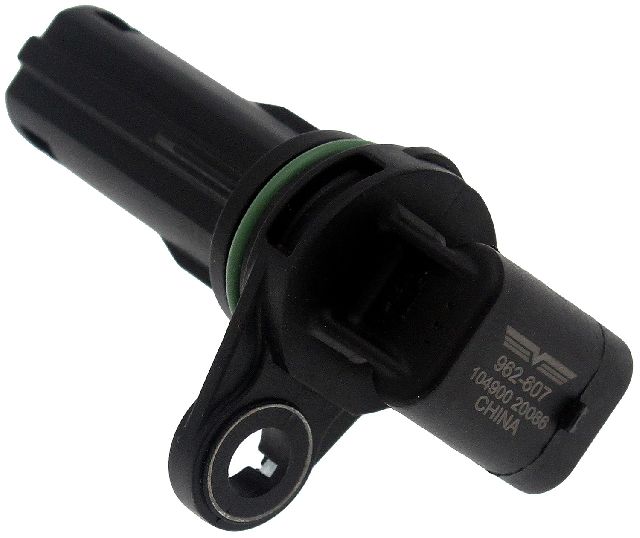
Aftermarket price range: $150-$350 - Crankshaft Position Sensor
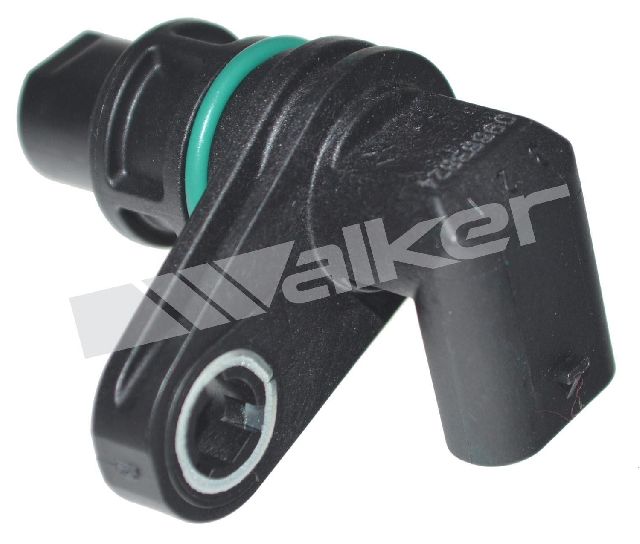
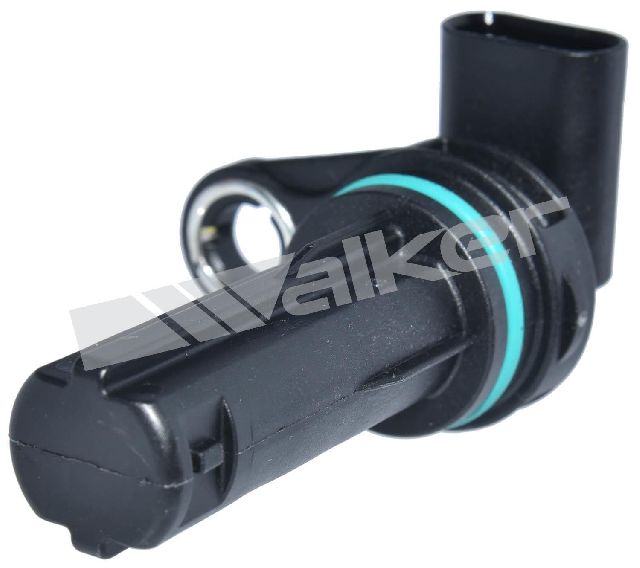
(OEM #68079375AC (for 3.6L V6))— A failing crank sensor provides incorrect engine speed data to the PCM, which directly corrupts the torque calculation and can trigger U1424. It is specifically mentioned in TSBs and owner forums alongside this code.
Trusted brands: Mopar, Bosch, NTK
OEM price range: $70-$120
Aftermarket price range: $40-$80
Related Codes That Often Appear With This One
- P0300-P0308 — Engine misfires can cause erratic crankshaft speed, leading the PCM to calculate an incorrect torque value. A user on the ScannerDanner forum was advised to fix their P0300/P0308 codes first, as the U1424 was likely a symptom.
- P0335 / P0339 — A faulty crankshaft position sensor directly impacts the PCM's ability to calculate engine speed and torque, a known cause of U1424 per TSB #18-103-16 REV. B and multiple owner reports.
- P1DD2 — This code means "Torque Request Signal From TCM Denied." It is very commonly found with U1424 and indicates the PCM is rejecting a request from the transmission, usually because the PCM's own data is implausible.
- U0402 — This code means "Invalid Data Received From TCM." It often appears with U1424, indicating a broader communication problem between the engine and transmission controllers.
- U0140 — This code means "Lost Communication With Body Control Module." It can appear alongside U1424, suggesting a wider network issue, possibly stemming from a bad connection at the BCM or a voltage problem.
Technical Service Bulletins (TSBs) & Recalls
- 18-031-17 REV. B
- 18-062-17
- 18-103-16 REV. B
- 18-019-15 REV C
- 18-021-17
Platform-Specific Known Issues
- Owner Experience: Limp Mode on the Highway: A user on RamForum.com with a 2015 Ram 5.7L reported their truck suddenly went into limp mode on the highway, displaying the check engine light, traction control light, and a message about the brake controller. The code stored was U1424. The community immediately pointed to a PCM software update as the likely solution, citing a specific TSB.
- Real-World Diagnosis: Symptom Code: On the ScannerDanner forum, a technician explained that U1424 is a 'roadsign' code, meaning it points to a problem elsewhere. For a Ram 1500 with U1424 and misfire codes (P0300/P0308), the advice was to ignore the U1424 and fix the misfire, as the implausible torque signal was a direct result of the engine running poorly.
- Platform-Mate Connection: Durango Case: An owner of a 2014 Dodge Durango experienced a no-start followed by a check engine light and multiple codes, including P0335 (Crankshaft Position Sensor) and U1424. The community consensus was that the faulty crank sensor was the root cause of the communication codes, demonstrating the same failure pattern as on the Ram 1500.
Mechanic-Grade Diagnostic Values
- Battery Voltage (Resting) — expected: 12.6V - 12.7V. Failure: Below 12.4V indicates a weak charge; a load test is required to confirm battery health.
- Battery Voltage (Engine Running) — expected: 13.5V - 14.5V. Failure: Voltage below 13.2V or above 14.8V may indicate a failing alternator or voltage regulator.
- PCM Sensor Supply Voltage — expected: 5.0V. Failure: Significant deviation from 5.0V indicates a problem with the PCM's internal regulator or a short in a sensor/harness.
- CAN C Bus Voltage — expected: CAN High (Pin 57) and CAN Low (Pin 33) should show around 2.5V each relative to ground, with CAN High slightly above and CAN Low slightly below. They should mirror each other during data transmission.. Failure: A line stuck high (at 5V or 12V) or low (at 0V) indicates a short in the wiring or a faulty module.
- CAN C Bus Termination Resistance — expected: Approximately 60 Ohms when measured across CAN High and CAN Low pins with the battery disconnected.. Failure: 120 Ohms indicates one of the two terminating resistors (usually in the PCM and ABS/BCM) is missing or disconnected. 0 Ohms indicates a short between the two lines.
Scan Tool Commands That Help
- wiTECH (OEM): Reprogram PCM — This is the primary fix cited in multiple TSBs for U1424. It should be performed if the vehicle's software calibration is outdated.
- wiTECH (OEM): Vehicle Topology View — This color-coded network map immediately shows which modules have DTCs, are unresponsive, or have available software updates, which is critical for diagnosing a network code like U1424.
- wiTECH (OEM): Actuator Tests — Allows the technician to command specific components (like solenoids or relays) to function, verifying their operation and wiring integrity without having to remove them.
- AlfaOBD (Aftermarket): Write VIN — Used when attempting to install a used PCM. This function writes the vehicle's VIN to the replacement module, which is a necessary step for it to be recognized by other modules on the network.
Wiring & Ground Locations
- CAN C / CAN IHS Hubs — Near the steering wheel shaft, under the gauge cluster/dashboard.. These hubs are central connection points for the network. A bad connection here can disrupt communication between multiple modules. The CAN C hub connector is TE part # 2-2138650-1.
- Body Control Module (BCM) — In the driver's side footwell, behind the lower dash panel.. The BCM is a major network gateway. Its connectors can be kicked or damaged, causing widespread communication faults, including U0140 which often accompanies U1424.
- PCM Connector C4 — At the Powertrain Control Module in the engine bay.. This connector contains the primary CAN C bus lines (Pins 33 & 57) and sensor ground (Pin 42). Testing for voltage and resistance at these pins is a key diagnostic step.
- Ground G206 — Located on the right rear of the powertrain (engine/transmission).. A poor powertrain ground can cause erratic sensor readings and unstable module operation, leading to implausible data on the network.
Real Owner Repair Stories
- DodgeForum.com user 'moparman139' (2014 Ram 1500 5.7L Hemi) — Check engine light, no shifting out of first gear, traction control light on.
✅ What actually fixed it The root cause was a bad camshaft position sensor (code P0344). The fix was replacing the cam sensor and reprogramming both the ECM (PCM) and TCM. The U1424 and P1DD2 codes were symptoms of the bad sensor data. - RamForum.com user (2015 Ram 1500) — Intermittent limp mode, loss of power, codes P1DD2 and U1424.
❌ Tried (didn't work) Took truck to the dealer, they found no problem., Took truck to another auto repair shop, they also found no problem.
✅ What actually fixed it An independent shop discovered the front brake pads were seizing intermittently and the rotors were rusted. A complete front brake job resolved the limp mode and power loss issues. - RamForum.com user 'McBroom' (2014 Ram 1500 5.7L) — Service Electronic Throttle Control message, code P1DD2.
❌ Tried (didn't work) Owner had replaced the throttle body about a year prior.
✅ What actually fixed it A dealership visit resulted in a reflash of the ECU (PCM) and a recalibration of the throttle sensor. The dealer suspected the prior throttle body replacement was not properly calibrated.
"I Checked Everything" — The Actual Cause
- In one documented case, a Ram 1500 experiencing limp mode with codes U1424 and P1DD2 had its powertrain systems checked by two different shops with no fault found. The actual cause was intermittently seizing front brake pads, which created a conflict between the expected engine torque and the actual vehicle speed, triggering the implausible torque code. The fix was a complete brake service, not an engine or transmission repair.
When the Usual Fixes Don't Work
- While the most common fixes for U1424 are software updates, battery replacement, or engine sensor replacement, there are confirmed cases where the root cause was entirely outside the electronic powertrain system. One owner chased the issue through multiple repair shops before an independent mechanic found the cause to be seizing front brake pads. The unexpected mechanical drag was creating a discrepancy between the engine's torque output and the vehicle's actual acceleration, causing the TCM to flag the PCM's torque signal as implausible. A full brake job resolved the code and drivability issues, demonstrating that physical vehicle drag can be a rare but real cause.
OEM Part Supersession History
68434915AA→68434915AB, 68434915AC— Incremental hardware or software logic revisions by the manufacturer.
Heads up: While later part numbers are generally backward compatible within the same engine/transmission configuration, using a module from a different vehicle without proper VIN programming will result in a no-start condition due to the immobilizer.
Model Year Variations Within This Range
- 2018+: Vehicles from 2018 and newer are equipped with a Security Gateway Module (SGW). This module blocks most diagnostic commands and all bidirectional controls from the OBD-II port unless the scan tool has proper authentication (e.g., wiTECH with a dealer login or an aftermarket tool with an AutoAuth for FCA subscription). This makes DIY diagnosis of network issues much more difficult.
Diagnostic Flowchart
Other Known Issues on This Vehicle
Issues unrelated to this code that are worth knowing about as an owner of this generation:
- 5.7L HEMI Lifter/Camshaft Failure 🔴 High — A widely discussed issue, particularly in 2019-2022 models. Failure can occur at various mileages, sometimes under 100k miles. Often presents as a distinct 'Hemi tick'.
- Broken Exhaust Manifold Bolts 🟠 Medium — Very common on 5.7L HEMI engines. The steel bolts and cast iron manifold expand/contract at different rates from the aluminum heads, causing bolts to snap. Usually presents as a ticking noise on cold starts that disappears as the engine warms up. (Ref: No recall, but it is a well-documented problem.)
- eTorque System Failures 🟠 Medium — Owners report a range of issues from sudden engine stalling and battery drain to rough start-stop performance. (Ref: Recalls like NHTSA 23V-265 have been issued for PCM software updates to address stalling.)
- Rear Window/Third Brake Light Leaks 🟡 Low — Affects 2019-2021 models primarily. A faulty seal can allow water into the cabin, potentially damaging electronics behind the rear seat, including the eTorque battery module. (Ref: TSBs 23-074-23 and 23-098-23 address this with extended warranty coverage.)
- ABS Module Software Malfunction 🔴 High — A recall (NHTSA 24V-653) was issued for over a million 2019-2024 trucks where a software glitch in the ABS module could disable the Electronic Stability Control (ESC) and other safety systems without warning. (Ref: NHTSA Recall 24V-653)
Used vs. New Parts: Buying Guide for This Vehicle
When a used part is the smart pick: For this code, used parts are generally only a smart choice for basic sensors like the crankshaft or camshaft position sensor. A used PCM is highly discouraged unless you are an advanced user with specialized tools or are swapping the matched set of PCM, SKIM/RFH module, and ignition key from the exact same donor vehicle.
Donor-vehicle mileage cap: roughly under 80000 miles for the part to have meaningful remaining life.
What to inspect on the donor part:
- For sensors, ensure the connector pins are clean and straight, with no signs of corrosion or physical damage to the sensor body.
- For a PCM, verify the part number exactly matches and that there is no physical damage, corrosion, or evidence of water intrusion on the case or connectors.
OEM-only on this vehicle (don't cheap out):
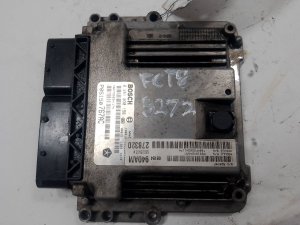
- Powertrain Control Module (PCM): Due to VIN-locking and immobilizer integration, a new OEM module or a professionally remanufactured unit pre-programmed to your VIN is the only reliable option.
- PCM Software Update: This is a service that can only be performed by a dealer or a shop with a licensed wiTECH subscription.
Aftermarket brands forum-validated for this vehicle:
- For sensors (crank/cam): NTK, Bosch, Standard Motor Products (SMP).
- For remanufactured PCMs: Companies like Vertex Auto, MAKS ECM, or FS1 that offer pre-programming to your vehicle's VIN.
Brands owners have reported issues with on this vehicle:
- Ultra-cheap, no-name sensors from online marketplaces often have high failure rates and can cause more diagnostic confusion.
Real Owner Stories
Aggregated from forums and TSBs cited above. Mileages and costs reflect what owners reported in those sources.
2015 Ram 5.7L
Symptoms: The truck suddenly went into limp mode on the highway, displaying the check engine light, traction control light, and a message about the brake controller.
What fixed it: Reprogramming (flashing) the PCM with the latest software as per TSB 18-021-17.
Source hint: RamForum.com thread titled 'U1424 | RamForum.com'
2020 Ram 1500 eTorque
Symptoms: Various electronic issues and communication glitches.
What fixed it: Replacement of the vehicle's battery.
Source hint: RamForum.com thread titled 'etorque gone bad | RamForum.com'
2014 Dodge Durango
Symptoms: No-start condition followed by a check engine light and multiple codes including P0335 and U1424.
What fixed it: Replacement of the faulty crankshaft position sensor.
Source hint: DodgeForum.com thread titled 'Trouble - CEL codes P0335,U1424, P1DD2, U0140'
Ram 1500
Symptoms: Check engine light with codes U1424, P0300, and P0308 (misfires).
What fixed it: Addressing the engine misfires; the U1424 was treated as a symptom of the engine running poorly.
Source hint: ScannerDanner Forum thread titled 'Dodge ram 1500 U1424 - ScannerDanner Forum'
Related OBD-II Codes
Frequently Asked Questions
My 2019 Ram 1500 with eTorque is showing U1424 and other electronic glitches; could the battery be the cause?
Is there a specific TSB for the U1424 code on Ram trucks?
My truck is in 'limp mode' with a 'Service Trailer Brake System' message and U1424. What is the likely fix?
Should I replace my transmission if I have U1424 and harsh shifting?
Can a bad crankshaft sensor cause U1424 on my Ram 1500?
Where should I check for wiring issues if I suspect a bad connection is causing U1424?
Helpful Videos
Used OEM Parts in Stock


New Aftermarket Parts Available


The information in this article is provided for general reference and educational purposes only. Vehicle specifications, procedures, and part compatibility can vary by production date, trim level, and region. Always consult your vehicle's factory service manual and verify part numbers before purchasing or performing repairs. Safety-critical components such as airbags, seat belts, and braking systems should be installed by a qualified professional.
- Ram 1500:
- 🎬 Helpful Videos
- 🛍️ Shop This Part
- What's Unique About the 2019-2024 Ram 1500
- Symptoms You May Notice
- Most Likely Causes
- Rare But Worth Checking
- Diagnosis Steps
- Parts You'll Likely Need
- Related Codes That Often Appear With This One
- Technical Service Bulletins (TSBs) & Recalls
- Platform-Specific Known Issues
- Mechanic-Grade Diagnostic Values
- Scan Tool Commands That Help
- Wiring & Ground Locations
- Real Owner Repair Stories
- "I Checked Everything" — The Actual Cause
- When the Usual Fixes Don't Work
- OEM Part Supersession History
- Model Year Variations Within This Range
- Diagnostic Flowchart
- Other Known Issues on This Vehicle
- Used vs. New Parts: Buying Guide for This Vehicle
- Real Owner Stories
- 2015 Ram 5.7L
- 2020 Ram 1500 eTorque
- 2014 Dodge Durango
- Ram 1500
- Related OBD-II Codes
- Frequently Asked Questions
- 🎟️ Get 5% Off