

U0672 on 2020-2024 GMC Acadia: Causes and Fixes for Coolant Pump Communication Loss
On a 2020-2024 GMC Acadia, code U0672 is most often caused by a poor electrical connection at the Electric Engine Coolant Pump. Before replacing the pump, inspect and clean the connector as advised by GM's Technical Service Bulletins, which state this simple 'connection cycle' often resolves the fault.
- Code U0672 on a 2020-2024 Acadia means the main computer has lost communication with the electric water pump.
- DO NOT drive the vehicle, as the engine can overheat quickly and cause major damage.
- The most common cause is a bad electrical connection at the pump. Always inspect, clean, and reseat this connector before considering replacing any parts.
- This issue is specific to models with the electronically controlled water pump, primarily the 2.0L LSY engine.
- If the connection is good, the pump assembly itself is the next most likely part to have failed.
What's Unique About the 2020-2024 Gmc ACADIA

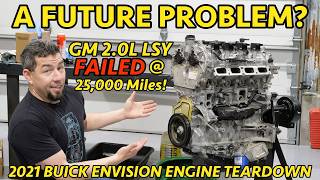
The 2020-2024 GMC Acadia with the 2.0L LSY engine uses a modern, electronically controlled water pump as part of its Active Thermal Management (ATM) system. 🎬 Watch: A deep dive into common ATM system failures. This advanced system does not use a traditional thermostat and instead relies on the ECM to precisely control coolant flow through a split-cooling design. General Motors has issued specific Technical Service Bulletins (TSBs), like PIP5863C, that point directly to a poor electrical connection at the pump as the most common cause for this code, rather than an immediate pump failure. This makes checking the wiring a crucial, platform-specific first step that often avoids a costly pump replacement.
Diagnostic Flowchart

Tap your situation to follow the diagnostic path that matches what you're seeing on this vehicle.
Symptoms You May Notice

- Check Engine Light (Malfunction Indicator Lamp) is on.
- Engine overheating warning on the instrument cluster.
- Engine may enter a reduced power or "limp" mode.
- Cooling fans running at high speed constantly, even when the engine is cold.
- Loss of cabin heat.
- A/C system may be disabled by the ECM as a protective measure.
- Replacing the coolant pump without first inspecting the electrical connector and wiring. The TSBs from GM strongly advise checking the connection first, as it is a very common and low-cost fix that is often covered under warranty.
Most Likely Causes

- Poor Connection at Electric Engine Coolant Pump 🔴 High Probability GM has issued TSBs #PIP5863B and #PIP5863C specifically for this issue, indicating it's a known problem across multiple models with this powertrain. The connector can become contaminated, have poor terminal tension, or not be fully seated.
How to confirm: Visually inspect the 4-pin electrical connector (X327) at the coolant pump for corrosion, damage, or loose pins. Disconnect, clean with electrical contact cleaner, and reconnect it securely ('cycling the connection'). The TSB authorizes 0.3 hours of labor under warranty for this specific action (Labor Op 4088838).
Typical fix: Clean the connector and apply dielectric grease. If the connector or terminals are damaged, the pigtail harness will need to be replaced. The TSB suggests this simple check often resolves the code without further repairs.
Est. part cost: $0-$50 - Failed Electric Engine Coolant Pump Assembly 🟡 Medium Probability The control module is integrated into the pump assembly. An internal electronic failure in this module will cause a communication loss and require replacement of the entire unit. GM has a history of electronic faults with this pump design, as noted in customer satisfaction program N202320510 for a similar issue on earlier models.
How to confirm: If the wiring, connector, and fuse are all confirmed to be good, and power and ground are present at the connector, the pump assembly itself is the likely point of failure. A scan tool may also show the pump module is offline.
Typical fix: Replace the entire electric engine coolant pump assembly. This is a complex job as the pump is driven by an internal chain and requires draining the cooling system.
Est. part cost: $180-$400 - Faulty Fuse or Battery-Mounted Fuse Block ⚪ Low Probability On some GM platforms with similar engines (like the 2.7L L3B), a dedicated fuse on the battery-top fuse block powers the pump. This fuse or the block itself can fail, causing an open circuit, sometimes after a battery replacement.
How to confirm: Locate the battery-mounted fuse block and inspect the fuse for the engine coolant pump (may be 40A or 80A depending on application). A voltage drop test across the fuse while wiggling it is the most effective diagnostic method.
Typical fix: Replace the fuse. In some cases, the fuse is integrated into the battery-top fuse block, requiring replacement of the entire assembly.
Est. part cost: $5-$150
Rare But Worth Checking
- Damaged Wiring Harness: The wiring harness can chafe or get damaged where it's routed near engine or chassis components, leading to a short or open circuit. TSB 23-NA-074 notes a potential chafe point on the battery tray support bracket for similar vehicles, which could cause this and other communication codes. TSB 21-NA-149 also details chafe points over the camshaft carrier cover on related engines.
- Engine Control Module (ECM) Fault: In very rare cases, the ECM's internal communication driver for the LIN bus can fail. This would typically be the last item to suspect after all other possibilities, including wiring and the pump module itself, have been exhausted.
Diagnosis Steps
- Read the trouble codes with an OBD-II scanner.
- Inspect the electrical connector at the Electric Engine Coolant Pump. Look for any signs of corrosion, contamination, or damaged pins.
- Disconnect the connector, clean it with electrical contact cleaner, and apply a small amount of dielectric grease before reconnecting it securely. This is known as 'cycling the connection' and is the primary fix recommended by GM.
- Clear the U0672 code with the scanner.
- Start the engine and let it run to see if the code returns. If it does not, the issue was likely the connection.
- If the code returns, use a multimeter to check for proper voltage (12V+) and ground (less than 0.1 Ω resistance) at the pump's electrical connector with the ignition on. This verifies the integrity of the circuit.
- Inspect the dedicated fuse for the coolant pump, often located in a fuse block on top of the battery. Check for a blown fuse or a poor connection at the fuse block itself.
- Thoroughly inspect the wiring harness for any signs of chafing, especially near the battery tray and where it crosses engine components.
- If the wiring, connector, and fuse are all confirmed to be good, the Electric Engine Coolant Pump assembly has likely failed and requires replacement.
Parts You'll Likely Need
- Electric Engine Coolant Pump
(OEM #12738953)— If the electrical connection is not the cause, the pump's integrated control module has likely failed, requiring replacement of the entire assembly. This part number supersedes 12724522, 55506790, 55508939, 55510113, and 55515497.
Trusted brands: ACDelco, GM Genuine
OEM price range: $250-$400
Aftermarket price range: $180-$300 - Coolant Pump Connector Pigtail — If the connector itself is corroded or damaged, simply cleaning it won't be enough. The connector pigtail will need to be spliced into the harness. A specific OEM part number is not widely published, but aftermarket suppliers like Dorman or Connector Experts offer solutions.
Trusted brands: ACDelco, Dorman, Connector Experts
OEM price range: $40-$70
Aftermarket price range: $25-$50
Related Codes That Often Appear With This One
- U1348 — This code indicates a fault on a LIN Bus (specifically LIN Bus 4 in some cases). Since the electric coolant pump communicates on this bus, a fault with the pump or its wiring can bring down the entire bus, triggering both codes.
- P26BB — This code relates to the Coolant Flow Control Valve, which works in conjunction with the electric water pump. A communication or system fault related to the pump can sometimes cause related codes for other components in the Active Thermal Management system.
Technical Service Bulletins (TSBs) & Recalls
- PIP5863B / PIP5863C: Malfunction Indicator Lamp (MIL) Illuminated due to a U0672 setting. Advises technicians to perform Electric Engine Coolant Pump connection inspections and to cycle the connection. This is the primary document for this fault.
- 23-NA-074: This bulletin addresses multiple electrical codes (including U0672) that can be caused by the engine wiring harness chafing on the battery tray support bracket on similar GM C1XX platform vehicles.
Platform-Specific Known Issues
- GM has identified a known issue with the electrical connection to the Electric Engine Coolant Pump on 2020-2024 Acadia models with the 2.0L LSY engine, as documented in TSB PIP5863C.
- The Active Thermal Management system on this platform is complex, using a variable pump and flow control valves instead of a simple thermostat. This makes proper diagnosis with a scan tool important, as filling and bleeding the system after repair requires a specific service procedure.
Mechanic-Grade Diagnostic Values
- LIN Bus Voltage (at pump connector) — expected: Approximately 12V (or 1V less than battery voltage) when at rest. Toggles down to approximately 1V when communicating.. Failure: A steady 0V indicates a short to ground. A steady voltage significantly lower than 12V (e.g., 7-9V) could indicate a partial short or a module pulling the bus down. No voltage could mean an open circuit.
- Voltage Drop Test (at Battery-Mounted Fuse Block) — expected: Less than 0.1V drop across the fuse terminals.. Failure: A significant voltage drop (e.g., several volts) when wiggling the fuse or its connecting cables indicates a poor internal connection, requiring replacement of the fuse block assembly.
Scan Tool Commands That Help
- GDS2 (GM Global Diagnostic System 2): Coolant Pump Control / Intrusive Diagnostic Test — After verifying power, ground, and the integrity of the LIN bus wire. This command actively runs the pump (e.g., to 4,000 RPM for 15 seconds) and monitors its feedback (AC current) to confirm if it is mechanically and electronically responsive. A failure of this test strongly points to a faulty pump assembly.
- GDS2 (GM Global Diagnostic System 2): Hybrid/EV Battery Pack Coolant Pump Bleed Procedure — After replacing the coolant pump or draining the system, this procedure must be run to properly purge air from the cooling system. Failure to do so can cause overheating, noises, and set new fault codes.
Wiring & Ground Locations
- X327 — The 4-pin electrical connector located directly on the Electric Engine Coolant Pump (G59), which is on the lower driver's side of the engine block.. This is the primary connection point for power, ground, and the LIN bus communication wire. TSB PIP5863C identifies a poor connection here as the most common cause of U0672.
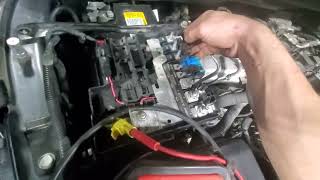
- Battery-Mounted Fuse Block — Directly on top of the vehicle's positive battery terminal.. This block contains the high-amperage fuse (often 40A or 80A) that supplies main power to the electric coolant pump. The fuse itself or the internal connections of the block can fail, causing an open circuit and triggering U0672.
- G107 — An engine block ground, typically located on the engine block or cylinder head.. While not the most common cause, a poor engine ground can create electrical noise and communication issues across various modules, including the coolant pump. It should be inspected if direct circuit checks do not reveal a fault.
Real Owner Repair Stories
- YouTube user 'Rainman Ray's Repairs' (2022 Chevrolet Silverado 1500 with 2.7L L3B engine (uses a similar electric coolant pump and LIN bus architecture)) — Check Engine Light with code U0672 and a LIN bus 4 communication code.
❌ Tried (didn't work) Initial visual inspection of wiring.
✅ What actually fixed it A voltage drop test on the battery-mounted fuse block revealed a massive 5-7 volt drop when the main cable was wiggled. The internal connection for the 80-amp fuse was faulty. Replacing the entire battery-top fuse block assembly resolved the communication code.
When the Usual Fixes Don't Work
- While the most common fix for U0672 is cycling the electrical connector per TSB PIP5863C, there are documented cases where this does not resolve the issue. In one instance involving a similar GM powertrain, the root cause was an internal failure of the battery-mounted fuse block, which was only discoverable via a voltage drop test. In this scenario, replacing the coolant pump or repeatedly cleaning the connector would not have fixed the problem, as the pump was not receiving stable power.
OEM Part Supersession History
55515497, 55510113, 55508939, 55506790, 12724522→12738953— Part has been revised by the manufacturer over time to improve reliability or address known failure modes.
Model Year Variations Within This Range
- 2020+: The 2.0L LSY Turbo engine, which uses this specific electronic coolant pump, was introduced to the Acadia lineup as part of the 2020 model year refresh. Earlier generation Acadias (pre-2017) and some trims of the 2nd generation use different engines (e.g., 3.6L V6) with different water pump designs.
Helpful Videos
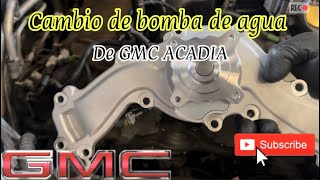
We Have This Part in Stock



The information in this article is provided for general reference and educational purposes only. Vehicle specifications, procedures, and part compatibility can vary by production date, trim level, and region. Always consult your vehicle's factory service manual and verify part numbers before purchasing or performing repairs. Safety-critical components such as airbags, seat belts, and braking systems should be installed by a qualified professional.
- Gmc ACADIA:
- 🎬 Helpful Videos
- 🛍️ Shop This Part
- What's Unique About the 2020-2024 Gmc ACADIA
- Diagnostic Flowchart
- Symptoms You May Notice
- Most Likely Causes
- Rare But Worth Checking
- Diagnosis Steps
- Parts You'll Likely Need
- Related Codes That Often Appear With This One
- Technical Service Bulletins (TSBs) & Recalls
- Platform-Specific Known Issues
- Mechanic-Grade Diagnostic Values
- Scan Tool Commands That Help
- Wiring & Ground Locations
- Real Owner Repair Stories
- When the Usual Fixes Don't Work
- OEM Part Supersession History
- Model Year Variations Within This Range
- 🎟️ Get 5% Off