

U0140 on 2007-2013 BMW X5: Lost Communication With Body Control Module Causes and Fixes
On a 2007-2013 BMW X5 (E70), code U0140 is most often caused by a faulty Junction Box Electronics (JBE) module, frequently due to water damage from clogged sunroof drains. A failing battery or a faulty Footwell Module (FRM) are also common culprits. Expect a diagnostic cost of $100-$250 and a repair cost of $500-$1200 if the JBE module needs replacement and programming.
- U0140 on a 2007-2013 X5 almost always points to a problem with the Junction Box Electronics (JBE), a failing battery, or a faulty Footwell Module (FRM).
- Always check the battery and look for signs of water damage behind the glove box before buying any expensive parts.
- This is not a DIY-friendly repair. Replacing the JBE or FRM requires expensive, specialized tools to code the new module to the car.
- Symptoms can appear suddenly and include a wide range of electrical problems, from non-working wipers and windows to a car that won't start.
- If you experience these issues, especially after heavy rain or a recent jump-start, it is highly likely one of these core modules has failed.
What's Unique About the 2007-2013 BMW X5
On the E70 X5 platform, the role of the 'Body Control Module' is shared between the Junction Box Electronics (JBE) and the Footwell Module (FRM). While U0140 points broadly to a body module communication loss, owner experiences overwhelmingly point to the JBE, located behind the glove compartment, as the primary failure point. This module is notoriously vulnerable to water damage from clogged panoramic sunroof drains or a leaking windshield cowl, leading to corrosion and failure. A secondary, but also very common, issue on this platform is the failure of the Footwell Module (FRM), which can cause similar widespread electrical chaos, often triggered by low voltage events.
Symptoms You May Notice
- Multiple warning lights on the dashboard (e.g., DSC, 4x4, ABS, BRAKE).
- Power windows, mirrors, or door locks not working.
- Exterior lights (headlights, taillights, turn signals) not working, staying on, or flickering.
- Windshield wipers turning on by themselves or not working at all.
- iDrive screen is blank or unresponsive.
- No-crank, no-start condition.
- Clicking noises from behind the passenger side dashboard.
- A/C compressor clutch not engaging.
- Trunk door release not working.
- Speedometer not working.
- Replacing individual components like window switches or wiper motors. The problem is rarely the switch itself, but the module that controls it. If multiple electrical items fail at once, the issue is almost always a central module or network problem.
Most Likely Causes
- Junction Box Electronics (JBE) Module Failure 🔴 High Probability The JBE is located behind the glove box, an area prone to water intrusion from clogged panoramic sunroof drains or leaking windshield seals. This moisture corrodes the module's internal board and external connectors, causing short circuits and communication failure.
How to confirm: Inspect the JBE and its connectors for any signs of blue or white corrosion, water stains, or moisture. A professional will use diagnostic software (like ISTA) to see if the JBE is offline and check for power/ground at the module. In some cases, a user on XBimmers.com reported that simply disconnecting the JBE without first disconnecting the battery caused similar symptoms.
Typical fix: The JBE module must be replaced. A new or used module must be programmed and coded to the vehicle's VIN and specific options using BMW-specific software like NCSExpert or ISTA. A user on the MHH Auto forum confirmed that after replacing the JBE, coding was necessary to resolve a new error with the electronic handbrake.
Est. part cost: $300-$600 - Weak or Failing Battery / Low Voltage 🟡 Medium Probability Modern BMWs are extremely sensitive to voltage. An aging battery can cause voltage drops that make control modules temporarily shut down or corrupt their software, triggering communication faults like U0140.
How to confirm: Test the battery with a digital multimeter or a professional battery tester. A healthy AGM battery should show ~12.6V at rest and >13.5V when the engine is running. This should always be the first check before diagnosing modules.
Typical fix: Replace the vehicle's battery (AGM type is required) and register the new battery with the vehicle's computer system using a capable scan tool. This registration process is critical for battery life and electrical system stability.
Est. part cost: $200-$450 - Footwell Module (FRM) Failure 🟡 Medium Probability The FRM3 on this platform is known to fail due to data corruption (EEPROM). This is often triggered by voltage spikes or drops during a jump-start or battery replacement. Water can also enter the driver's footwell from a clogged sunroof drain, damaging the module.
How to confirm: Symptoms are very similar to JBE failure but often more focused on lights and windows. A diagnostic scan will show the FRM is not communicating. The module is located in the driver's side A-pillar/kick panel area.
Typical fix: Often the module's data can be repaired and reprogrammed by a specialist service without needing a full replacement, which is significantly cheaper. If it must be replaced, it requires coding to the vehicle.
Est. part cost: $150-$500 - Wiring Harness or Connector Corrosion ⚪ Low Probability Water leaks in the rear hatch area can corrode CAN bus wiring splices located in the spare tire well, disrupting the entire vehicle network. The front sunroof drains can also become twisted or crushed behind the kick panel, causing water to back up and damage wiring.
How to confirm: Check the spare tire well and side compartments in the trunk for any signs of water. Inspect wiring harnesses for corrosion, especially any splices wrapped in fabric tape. Pull back the driver and passenger kick panels to check for dampness and the condition of the drain tubes.
Typical fix: The corroded section of wiring must be cut out and repaired with new wires and weatherproof connectors. A crushed drain tube may need to be cut and spliced with a rigid tube to ensure flow.
Est. part cost: $10-$50
Diagnosis Steps
- Check Battery Health: Verify battery voltage is above 12.4V with the car off and above 13.5V with the engine running. A weak battery is a common cause of random communication faults and module corruption.
- Perform a Full System Scan: Use a BMW-capable scan tool (e.g., ISTA, Foxwell, Autel) to read codes from ALL modules. Note which modules are not responding. If the JBE or FRM is offline, it's a primary suspect.
- Inspect for Water Intrusion: This is a critical step. Thoroughly check for dampness or corrosion around the JBE (behind the glove box) and the FRM (driver's footwell). Check the panoramic sunroof drains by slowly pouring water into the front and rear channels and confirming it exits behind the front wheels and near the rear hatch opening. Clogs are extremely common.
- Check Fuses: Inspect all fuses related to the Junction Box and Body Domain Controller. The main fuse panel is located behind the glove box, integrated into the JBE itself. When replacing a JBE, ensure all fuses from the old unit are transferred to the new one, as replacements may not come fully populated.
- Verify Power and Ground at the Module: If a module is suspected to be faulty, a technician should use a multimeter to confirm it is receiving proper power (12.2V-12.8V with ignition on) and has a solid ground connection (less than 0.1 Ω resistance to chassis ground) before condemning the module.
- Network Integrity Check: Advanced diagnosis involves checking the resistance of the CAN bus wires (should be ~60 ohms between CAN High and CAN Low with the battery disconnected) and using an oscilloscope to check for a clean data signal. This can identify wiring shorts or breaks.
Parts You'll Likely Need
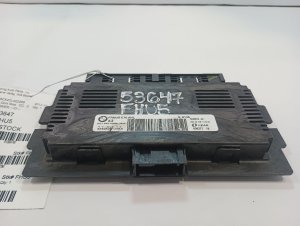
- Junction Box Electronics (JBE) Module
(OEM #61359292707, 61359247465, 61359267511 (Part numbers supersede; always verify with VIN))— This is the most common point of failure for code U0140 on the E70 X5, often due to internal failure or water damage.
Trusted brands: BMW (OEM)
OEM price range: $400-$600
Aftermarket price range: $250-$400 (Used/Remanufactured) - Footwell Module (FRM3)
(OEM #61356801294, 61359249074, 61358886836 (Part numbers vary by options like AHL; always verify with VIN))— A very common failure item on this platform that causes similar communication and electrical issues. Its failure can be triggered by low voltage events.
Trusted brands: BMW (OEM), ECU Fix LTD (Repair Service), Sinspeed (Repair Service), ACTRONICS (Repair Service)
OEM price range: $350-$500
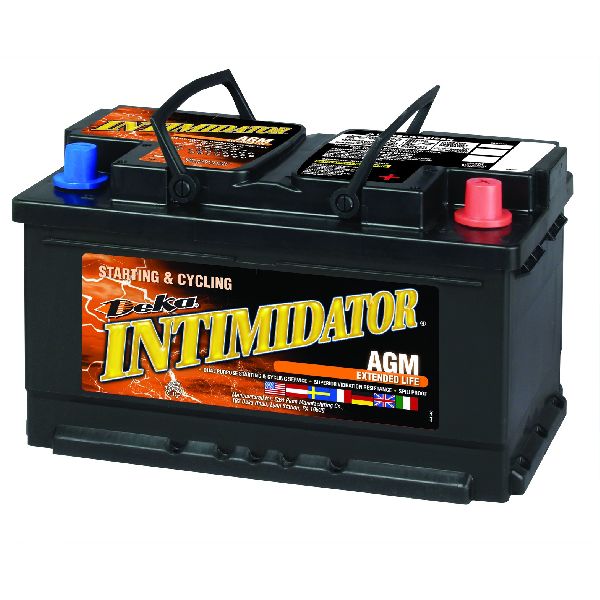
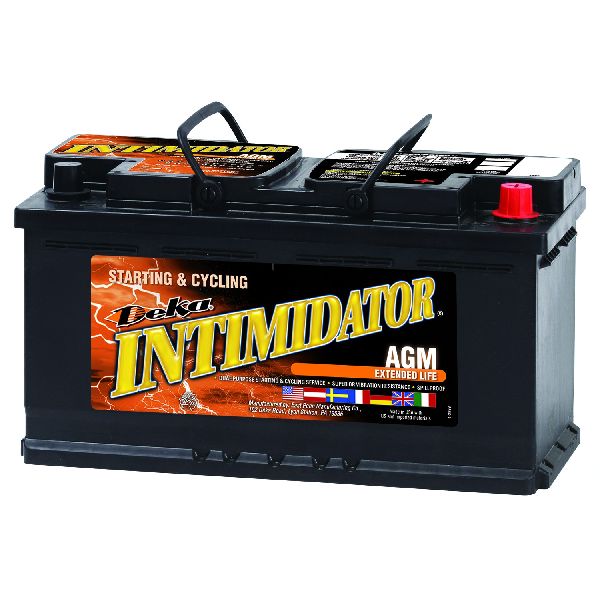
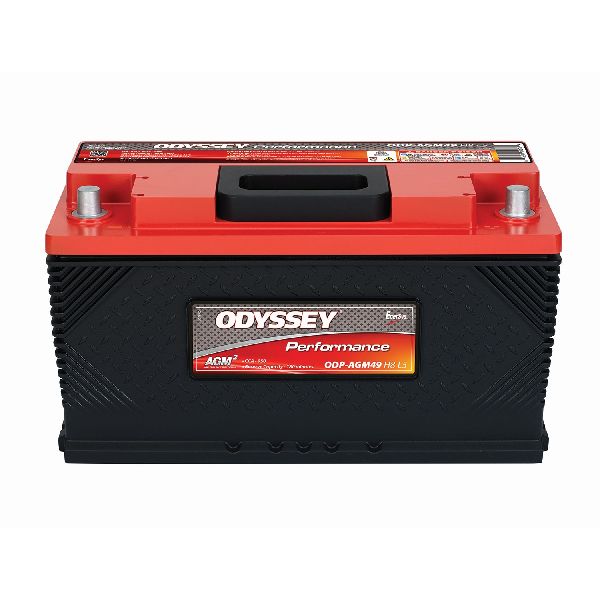
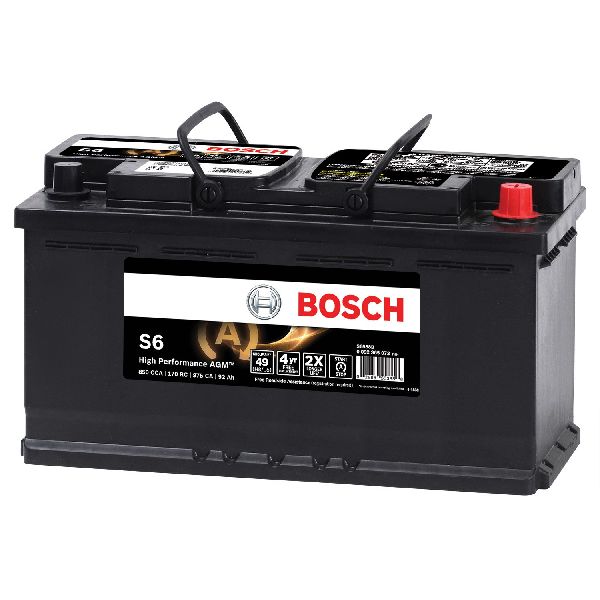
Aftermarket price range: $150-$300 (Repair Service) - AGM Battery — A failing battery is a frequent root cause of various electronic module communication errors in these vehicles.
Trusted brands: Varta, Bosch, Deka, East Penn
OEM price range: $300-$450
Aftermarket price range: $200-$300
Related Codes That Often Appear With This One
- Multiple U-codes — Since the JBE acts as a gateway, its failure prevents communication between many different modules, causing them all to store 'lost communication' faults.
- A3B4, A3C1, 9CBB, 9CBC, 30BA, 30BB — These are common BMW-specific codes indicating a fault with the Footwell Module (FRM), which often fails in conjunction with or produces similar symptoms to a JBE failure.
Platform-Specific Known Issues
- Water damage to the Junction Box Electronics (JBE) from clogged panoramic sunroof drains is a well-documented and frequent problem leading to this code.
- Data corruption in the Footwell Module (FRM3) is a widespread issue across many BMW E-series platforms, often triggered by low voltage during battery replacement or jump-starts, causing identical symptoms to a JBE failure.
Mechanic-Grade Diagnostic Values
- CAN Bus Network Resistance — expected: ~60 Ohms. Failure: A reading of ~120 Ohms indicates an open circuit or a missing terminating resistor. A reading significantly less than 60 Ohms can indicate a short in the harness or a faulty module.
- CAN Bus Voltage (High-Speed CAN) — expected: CAN High: ~2.6V, CAN Low: ~2.4V (relative to ground). Failure: Voltages that are the same may indicate a short between the lines. 0V on both may indicate a short to ground.
- JBE/BCM Power Supply Voltage — expected: 12.2V - 12.8V. Failure: Low or no voltage indicates a problem with the fuse, relay, or power wiring leading to the module.
- JBE/BCM Ground Connection Resistance — expected: < 0.1 Ohms. Failure: Higher resistance indicates a corroded or loose ground connection, which can cause intermittent module operation.
Hidden / Shadow Codes Worth Checking
- A3B4: Message (lighting condition) incorrectly, Transmitter FRM. This indicates the Instrument Cluster is not receiving correct lighting status messages from the Footwell Module. (see via BMW-specific scan tools like ISTA, Autel, or Foxwell.)
- A3C1: Message (FRM foot space module) incorrectly, receiver COMBI, Transmitter FRM. Similar to A3B4, this points to a communication breakdown between the FRM and the instrument cluster (COMBI). (see via BMW-specific scan tools.)
- 9CBB / 9CBC: Short circuit fault within the Footwell Module (FRM). This often points to an internal failure of the module itself. (see via BMW-specific scan tools.)
- 30BA / 30BB: FRM Internal Fault or Supply Voltage Fault. These codes strongly indicate a corrupted EEPROM or internal hardware failure within the FRM, often triggered by a voltage drop. (see via BMW-specific scan tools.)
Scan Tool Commands That Help
- ISTA/D: Vehicle Test / Run Test Plan — This is the primary diagnostic function. After a full vehicle scan, ISTA will identify non-communicating modules and generate a specific test plan to guide the technician through checking power, grounds, and network signals for the faulty module (e.g., the JBE).
- ISTA/P or other programming tools (Autel, Autoland iScan): Module Programming/Encoding — This is required after replacing the JBE or FRM. The new module must be encoded with the vehicle's specific VIN and option codes (VO) to function correctly. Failure to code the module will result in incorrect operation of features or new fault codes.
- ISTA/D: Update Vehicle Software (I-Level) — When installing a used module, it may be necessary to update its software to match the rest of the vehicle. ISTA can manage this process, treating the used module like a new one for programming purposes.
Wiring & Ground Locations
- JBE (Junction Box Electronics) — Behind the glove compartment, integrated with the main passenger-side fuse panel.. This is the central gateway module often implicated by code U0140. Its location makes it vulnerable to water from clogged sunroof drains or a leaking windshield cowl.
- FRM (Footwell Module) — In the driver's side footwell, near the A-pillar / kick panel area.. This module controls lights and windows and its failure causes symptoms nearly identical to a JBE failure. It can also be damaged by water from the driver's side sunroof drain.
- Engine-to-Chassis Ground Strap — On the driver's side of the engine bay, connecting the engine block near the engine mount to the chassis. It is typically accessed by removing the driver's side front wheel and inner fender liners.. This braided strap is prone to corrosion and breaking. A poor ground here creates electrical instability across the entire vehicle, which can cause random communication faults between modules, including the JBE.
- JBE Connectors — On the JBE module itself. Key connectors include a 54-pin (to dashboard), another 54-pin and a 47-pin (to main harness), and a 23-pin (internal to fuse box).. These are the primary connection points for power, ground, and CAN bus signals. Corrosion or loose pins on these connectors will cause a loss of communication.
Real Owner Repair Stories
- YouTube channel 'BestCarFixes' (2008 BMW X5 (E70)) — No-start condition, no injector pulse, multiple electrical issues after previous shop work.
❌ Tried (didn't work) The previous shop had replaced the JBE with a new unit from the dealer but the car still wouldn't start. Checking fuel pressure showed it was good.
✅ What actually fixed it The technician compared the new JBE to the original one and discovered several fuses were missing from the new module. They had not been transferred over. After installing the missing fuses (specifically a 40A fuse) and programming the module, the car started and ran correctly. - MHH Auto forum user 'last1dvl' (BMW X5 E70) — Faults with trunk door, glove box, and A/C compressor clutch. U0140 was likely present, pointing to the JBE.
❌ Tried (didn't work) Replacing the JBE with a new module from the dealer and coding it with a Thinkcar tool fixed the original symptoms, but created a new, persistent error for the electronic handbrake switch.
✅ What actually fixed it After confirming the coding was correct, the technician replaced the physical electronic handbrake switch. This resolved the final error code. The new JBE was somehow incompatible with the old switch, or the old switch failed concurrently. - Reddit user 'dankal' in r/BmwTech (BMW X5 E70) — Water damage in the right rear trunk area. JBE was replaced and corroded splices were repaired, but K-CAN modules (like iDrive, etc.) were still responding intermittently.
❌ Tried (didn't work) Replacing the JBE and repairing visible wiring corrosion.
✅ What actually fixed it The issue was unresolved in the thread, but the diagnostic path pointed towards two likely culprits: 1) A failed HKL (rear hatch module), which is also located in the water-damaged area and is a terminating resistor for the bus. 2) A break or short in the K-CAN wiring elsewhere that wasn't part of the initial splice repair. The key diagnostic step recommended was to measure the CAN bus resistance to see if it was the correct 60 ohms.
OEM Part Supersession History
JBE (Pre-LCI, e.g., JBBE2)→JBE3 (LCI)— Model lifecycle update (LCI) which integrated more functions, such as the Park Distance Control (PDC), directly into the JBE.
Heads up: These modules are not directly cross-compatible. Installing an LCI JBE3 into a pre-LCI car requires significant re-pinning of the connectors, especially for the PDC system, which has a different wiring architecture.
Model Year Variations Within This Range
- 2007-2010 (Pre-LCI): These models use an earlier version of the Junction Box Electronics (JBE/JBBE2). Systems like the Park Distance Control (PDC) use a separate, dedicated control module.
- 2011-2013 (LCI): These models use the updated JBE3 module. The JBE3 integrates the functions of the previously separate PDC module. Due to this change, the JBE modules and associated wiring are different between pre-LCI and LCI vehicles and are not plug-and-play.
Diagnostic Flowchart
Other Known Issues on This Vehicle
Issues unrelated to this code that are worth knowing about as an owner of this generation:
- Electric Water Pump Failure (N52/N55 Engines) 🔴 High — Commonly fails without warning between 60,000 and 100,000 miles.
- Leaking Valve Stem Seals (N62/N63 V8 Engines) 🔴 High — Extremely common, causing blue smoke from the exhaust on startup and after idling. Often appears after 70,000 miles.
- Oil Leaks (Valve Cover, Oil Filter Housing Gaskets) 🟠 Medium — Very common across all engine types (N52, N55, N62/N63). Gaskets become brittle with heat and age, typically requiring replacement every 60,000-80,000 miles.
- Transfer Case Actuator Motor Gear Failure 🟠 Medium — The plastic gear inside the actuator motor wears out, causing 4x4, ABS, and DSC warning lights. A common failure item, often repaired by replacing just the gear.
- Panoramic Sunroof Drain Clogging 🔴 High — A chronic design issue. Drains clog with debris, causing water to overflow into the cabin, damaging sensitive electronics like the JBE and FRM modules. Requires regular cleaning.
- Rear Air Suspension Air Bag Failure 🟠 Medium — The rear air springs develop dry rot and leaks over time, causing the rear of the vehicle to sag. A common replacement item after 80,000-120,000 miles.
Used vs. New Parts: Buying Guide for This Vehicle
When a used part is the smart pick: A used JBE or FRM module from a reputable salvage yard is a viable, cost-saving option, provided it is the correct part number for your vehicle's year and options. The key is that you MUST have access to a workshop or tools (like ISTA) that can program and code the used module to your car's VIN. Without programming, it will not work correctly.
Donor-vehicle mileage cap: roughly under 150000 miles for the part to have meaningful remaining life.
What to inspect on the donor part:
- Verify the donor vehicle was not in a flood or fire.
- Physically inspect the module for any signs of water intrusion, such as white/blue powder or rust on the casing or connector pins.
- Ensure the part number is an exact match or a confirmed superseded part number for your original module.
- Ask the seller if they offer any warranty or guarantee of functionality.
OEM-only on this vehicle (don't cheap out):
- While the physical part can be used OEM, the programming/coding service is non-negotiable. There are no reliable 'pre-programmed' aftermarket JBE modules that are truly plug-and-play for this specific gateway function.
Aftermarket brands forum-validated for this vehicle:
- For FRM3 modules, repair services are a well-known and reliable alternative to replacement. Companies like ECU Fix LTD, Sinspeed, and ACTRONICS specialize in repairing the common EEPROM corruption issue, which returns the module in a plug-and-play state without needing coding.
Brands owners have reported issues with on this vehicle:
- Avoid generic, unbranded electronic modules from online marketplaces that claim to be 'plug-and-play' without requiring VIN programming. The JBE is a central gateway and requires specific coding for the vehicle's options.
Real Owner Stories
Aggregated from forums and TSBs cited above. Mileages and costs reflect what owners reported in those sources.
2011 BMW X5 35i (E70)
Symptoms: Numerous electrical faults including no power to the fuel pump module (EKPS); owner suspected a wet JBE module due to a clogged sunroof drain.
What fixed it: Inspection of the JBE module for water damage caused by clogged sunroof drains.
Source hint: Reddit r/BmwTech thread titled '650$ e70 x5 35i! Need help!'
2007-2013 BMW X5 (E70)
Symptoms: Wipers staying on, DSC warning lights active, and the speedometer not functioning after pulling fuses from the JBE.
What fixed it: Finding and correctly reseating a misplaced fuse in the JBE panel.
Source hint: XBimmers.com thread titled 'HELP, E70 JBE issue after disconnecting!!'
2007-2013 BMW X5 (E70)
Symptoms: Trunk door release not working and A/C compressor clutch not engaging.
What fixed it: Replacement of the JBE module followed by coding to resolve a subsequent electronic handbrake error.
Source hint: MHH Auto forum thread titled 'BMW X5 E70 JBE Module coding'
Related OBD-II Codes
Frequently Asked Questions
Why are my windshield wipers running on their own and my speedometer not working on my E70 X5?
Can I just swap in a used JBE module from another X5 to fix the U0140 code?
Is it true that a simple battery replacement can cause my Footwell Module (FRM3) to fail?
Where is the JBE module located, and why does it get wet?
Do I need to do anything special after installing a new battery to prevent communication codes?
Could a leak in my trunk cause a U0140 communication error?
Used OEM Parts in Stock




New Aftermarket Parts Available


The information in this article is provided for general reference and educational purposes only. Vehicle specifications, procedures, and part compatibility can vary by production date, trim level, and region. Always consult your vehicle's factory service manual and verify part numbers before purchasing or performing repairs. Safety-critical components such as airbags, seat belts, and braking systems should be installed by a qualified professional.
- BMW X5:
- 🛍️ Shop This Part
- What's Unique About the 2007-2013 BMW X5
- Symptoms You May Notice
- Most Likely Causes
- Diagnosis Steps
- Parts You'll Likely Need
- Related Codes That Often Appear With This One
- Platform-Specific Known Issues
- Mechanic-Grade Diagnostic Values
- Hidden / Shadow Codes Worth Checking
- Scan Tool Commands That Help
- Wiring & Ground Locations
- Real Owner Repair Stories
- OEM Part Supersession History
- Model Year Variations Within This Range
- Diagnostic Flowchart
- Other Known Issues on This Vehicle
- Used vs. New Parts: Buying Guide for This Vehicle
- Real Owner Stories
- 2011 BMW X5 35i (E70)
- 2007-2013 BMW X5 (E70)
- 2007-2013 BMW X5 (E70)
- Related OBD-II Codes
- Frequently Asked Questions
- 🎟️ Get 5% Off