

U0100 on 2010-2017 Volvo XC60: Lost Communication With ECM/PCM Causes and Fixes
The U0100 code on a 2010-2017 Volvo XC60 means the Engine Control Module (ECM) has lost communication with other modules. The most common causes are a weak battery, corroded wiring/grounds, or a faulty Central Electronic Module (CEM). Start by checking the battery and all related ground connections before suspecting more expensive components like the ECM.
- U0100 on a Volvo XC60 indicates a communication failure with the Engine Control Module (ECM).
- Always start diagnosis by checking the battery and ground connections before assuming a major component has failed.
- The Central Electronic Module (CEM) is a common failure point on this platform and should be inspected for water damage.
- A Volvo-specific scanner (VIDA) is highly recommended for accurate diagnosis of network codes.
What's Unique About the 2010-2017 Volvo XC60

For this generation of Volvo XC60 (built on the P3 platform), the U0100 code often points back to foundational electrical issues rather than immediate ECM failure. Owners frequently discover that a failing battery or corroded ground straps are the root cause. Before condemning the expensive ECM, a thorough check of the vehicle's power supply and main electrical connections is critical, as Volvos of this era are sensitive to voltage fluctuations. Furthermore, the Central Electronic Module (CEM), located under the dashboard, is a known weak point that can suffer from water damage or internal faults, leading to widespread communication failures.
Symptoms You May Notice

- Check Engine Light is on
- Engine has difficulty starting, cranks for a long time, or won't start at all.
- Intermittent stalling while driving.
- Reduced engine power and poor acceleration ('limp mode')
- Erratic or rough idle.
- Transmission may not shift correctly or may get stuck in one gear.
- Other warning lights (like ABS, SRS, or Traction Control) may illuminate.
- Instrument cluster gauges may stop working intermittently.
- Warning messages like 'Brake, please make a safe stop' may appear on the driver display.
- Intermittent failure of electronic systems like power windows, central locking, or the infotainment system.
- Replacing the ECM when the actual problem is a bad battery or a corroded ground strap.
- Replacing the ECM when the Central Electronic Module (CEM) is the root cause of the network failure.
Most Likely Causes

- Weak or Failing Battery 🔴 High Probability Modern vehicles, including this XC60, have numerous electronic modules that require stable voltage. A low battery is a very common trigger for communication codes, as voltage drops can interrupt the CAN bus.
How to confirm: Test the battery voltage with a multimeter. A healthy, fully charged battery should read around 12.6 volts with the engine off. Perform a load test to confirm its health. Also, check the battery terminals for corrosion and ensure they are tight.
Typical fix: Recharge or replace the battery. Clean the battery terminals.
Est. part cost: $150-$300 - Corroded or Loose Ground Straps/Wiring 🟡 Medium Probability Over time, ground connections can corrode or loosen, creating high resistance and causing electrical issues. Key ground points are on the strut towers, engine block, and chassis. The main engine-to-chassis ground is a common point of failure.
How to confirm: Visually inspect all major ground straps from the battery to the chassis and from the engine to the chassis. Look for corrosion, fraying, or loose bolts. Use a multimeter to check for voltage drops across ground connections.
Typical fix: Clean the contact points of the ground straps with a wire brush and ensure they are securely fastened. 🎬 See how to properly clean and restore your ground connections. Replace any damaged straps.
Est. part cost: $20-$50 - Damaged Wiring or Connectors to the ECM 🟡 Medium Probability
How to confirm: Visually inspect the wiring harness and connectors going to the Engine Control Module (ECM) for any signs of damage, corrosion, or loose pins. A known issue involves wiring chafing against a metal bracket behind the radio/dashboard area, causing an intermittent short.
Typical fix: Repair the damaged section of the wiring harness or replace the affected connector. This may require soldering and heat-shrinking new wires. Insulate repaired wires from sharp metal edges.
Est. part cost: $10-$100 - Faulty Engine Control Module (ECM) ⚪ Low Probability While less common, internal hardware failure of the ECM can occur due to factors like moisture intrusion, voltage spikes, or age. These are typically Bosch units.
How to confirm: This is typically a last resort after all other possibilities (battery, grounds, wiring, CEM) have been ruled out. A professional will need to perform a full network scan with a tool like VIDA and test power/ground directly at the ECM connector.
Typical fix: Replace the ECM. The new module will need to be programmed specifically to the vehicle's VIN and configuration, which usually requires dealer or specialist equipment. Services like Xemodex also offer repair and cloning.
Est. part cost: $800-$1200
Rare But Worth Checking
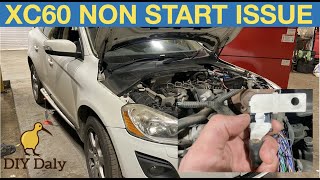
- Blown Fuse: A blown fuse for the ECM or another critical module can cause a U0100 code. Always check the fuse boxes in the engine bay and cabin before proceeding with more complex diagnostics. A specific maxi-fuse on the main battery cable to the starter/alternator is a known failure point that can cause no-start and communication issues. 🎬 Watch: Troubleshooting a no-crank no-start condition on the XC60 T6.
- Faulty Central Electronic Module (CEM): The CEM, located under the driver's side dashboard, is a known failure point. It can be damaged by water leaking from the sunroof drains or windshield cowl. A failing CEM can cause a host of intermittent electrical problems and communication codes, including U0100. Symptoms include random warning lights, non-functional wipers, and no-start conditions. Diagnosis requires a Volvo-specific scanner to check for codes originating from the CEM itself.
Diagnosis Steps
- Read all fault codes from all vehicle modules using a high-quality, Volvo-specific scanner like VIDA. Note any other 'U' codes or module-specific codes, paying close attention to any from the CEM.
- Check the battery. Test its voltage and perform a load test. Ensure terminals are clean and tight. A reading below 12.4V is suspect.
- Inspect all relevant fuses in the engine bay and interior fuse panels, particularly those labeled for ECM, PCM, CEM, or TCM.
- Visually inspect the main battery ground cable and engine-to-chassis ground straps for corrosion or looseness. Key locations are on the strut towers and engine block. Clean and tighten as necessary.
- Inspect the Central Electronic Module (CEM) under the driver's side dashboard for any signs of water intrusion or corrosion on its connectors. 🎬 Watch this guide on how to remove and clean the CEM.
- Locate the ECM and inspect its wiring harness and connectors for any visible damage, corrosion, or moisture.
- If intermittent electrical issues are present, investigate common wiring chafe points, such as behind the radio and climate control module.
- If available, use a multimeter to check for proper power and ground signals at the ECM connector according to the vehicle's wiring diagram.
- Perform a CAN bus network test. This involves checking for 60 ohms of resistance across the CAN High and CAN Low pins at the OBD-II port (with the battery disconnected). This step is best left to a professional.
- If all wiring, power, and grounds are confirmed to be good, the fault likely lies with either the CEM or the ECM, requiring professional diagnosis to pinpoint the failed module.
Parts You'll Likely Need
- Engine Control Module (ECM)
(OEM #Bosch 0261209009 (example for 2012-2015 models, verify by VIN))— If all wiring and power supply checks pass, the ECM itself may have an internal fault preventing it from communicating.
Trusted brands: Bosch, Volvo (OEM)
OEM price range: $1000-$1500
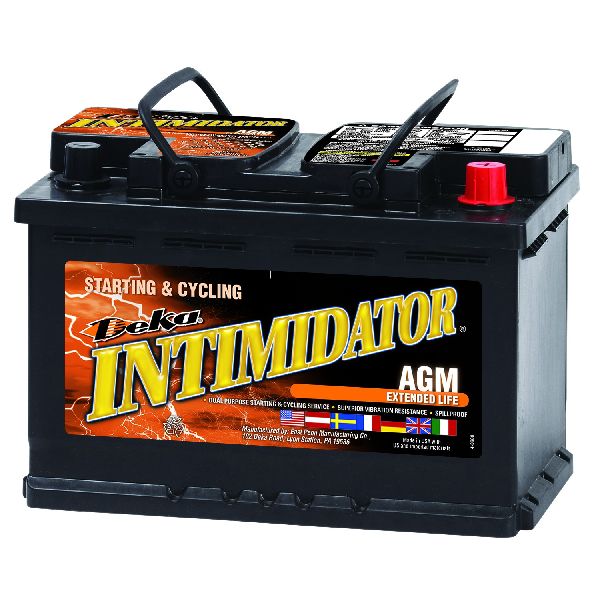
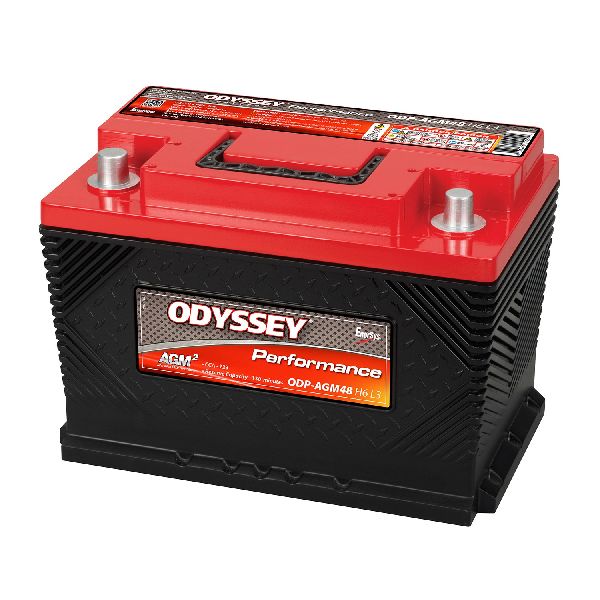
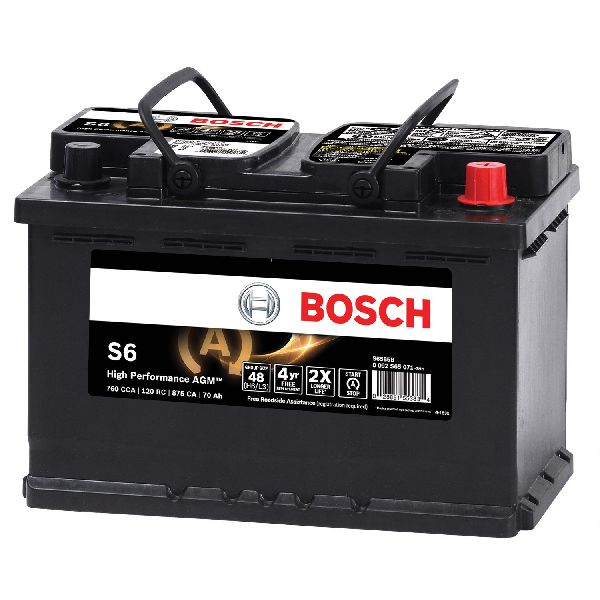
Aftermarket price range: $600-$1000 (Remanufactured) - Battery — A weak or failing battery is a primary cause of network communication faults on modern vehicles.
Trusted brands: Interstate, DieHard, Volvo (OEM)
OEM price range: $250-$400
Aftermarket price range: $150-$300 - Ground Strap
(OEM #30755733 (example engine ground strap, verify by VIN))— Corrosion on ground straps creates high resistance, leading to intermittent and unpredictable electrical faults, including communication codes.
Trusted brands: Volvo (OEM), Standard Motor Products
OEM price range: $40-$75
Aftermarket price range: $15-$40
Related Codes That Often Appear With This One
- U0101 — This code indicates 'Lost Communication with TCM (Transmission Control Module)'. Since the ECM and TCM are on the same CAN network and communicate constantly, a network-wide issue like a wiring fault can cause both codes to appear together.
- U0155 — This code means 'Lost Communication with Instrument Panel Cluster (IPC) Control Module'. If the fault lies within the Central Electronic Module (CEM) or a shared wiring harness, communication to the instrument cluster is often lost at the same time as the ECM.
Technical Service Bulletins (TSBs) & Recalls
- R29159 - ECM, TCM SOFTWARE (NOV-10) for 2011 S80, V70, XC70, XC60, S60 models.
- TJ 26575 - A Technical Journal (similar to a TSB) may exist for some models addressing software updates for the ECM to resolve communication issues. Owners should check with a dealer.
Platform-Specific Known Issues
- Volvo issued several recalls and service campaigns for this era that involved software
Mechanic-Grade Diagnostic Values
- CAN Bus Network Resistance — expected: Approximately 60 Ohms. Failure: A reading of 120 Ohms indicates an open circuit or one of the two terminating resistors is offline. A reading near 0 Ohms indicates a short between the CAN High and CAN Low wires.
- High-Speed CAN Bus Voltage (Key On, Engine Off) — expected: CAN High (Pin 6 to ground): ~2.6-2.7V. CAN Low (Pin 14 to ground): ~2.3-2.4V.. Failure: Voltages that are identical (e.g., both 2.5V) suggest a short between the two lines. Voltages at 0V suggest a short to ground.
- Medium-Speed CAN Bus Voltage (Key On, Engine Off) — expected: This network operates at a lower speed (125 kbit/s) and connects modules like the CEM, door modules, and climate control.. Failure: No activity and voltage near ground potential indicates a module or wiring on this network is shorting it out.
- Battery Voltage (Key Off) — expected: Approximately 12.6 Volts. Failure: A reading below 12.4V is suspect and below 12.0V indicates a discharged battery that can cause communication faults.
Scan Tool Commands That Help
- Volvo VIDA: CEM Reload — This function is required after replacing the Central Electronic Module (CEM). It downloads the vehicle-specific software and configuration to the new module. A simple software update is not sufficient for a replacement; a full reload is necessary.
- Volvo VIDA: Advanced Test / Module Wake-Up — This allows a technician to manually attempt to communicate with or 'wake up' individual modules on the network. If a module does not respond to this direct command, it helps isolate the fault to that specific module or its wiring, assuming the network is otherwise intact.
Wiring & Ground Locations
- Central Electronic Module (CEM) — Located in the passenger compartment, under the dashboard on the driver's side, above the pedals. It is often necessary to remove the lower dash panel to access it.. The CEM is the central gateway for the CAN bus networks. A failure here, often due to water intrusion from clogged sunroof drains, will sever communication between many modules, directly causing U0100 and other 'U' codes.
- Engine Control Module (ECM) — In the engine bay, typically housed in a black plastic box near the firewall or inner fender.. This is the module that has 'lost communication'. All power, ground, and network wiring must be verified at its main connector.
- Main Engine Ground Strap — A braided strap connecting the engine block to the vehicle chassis/frame rail. A key grounding point is also located on the right-hand engine mounting at the top.. Corrosion or looseness of this strap creates high resistance, causing unstable voltage for the ECM and other modules, which is a primary trigger for communication codes.
- Battery Ground Point — The main negative battery cable connection to the chassis, typically on the strut tower or inner fender near the battery.. This is the primary ground for the entire electrical system. Corrosion or a loose connection here can cause widespread, intermittent electrical faults.
- Wiring Harness Splice (Behind Radio) — A known trouble spot is a wiring splice located behind the radio/center console where the radio harness meets the main firewall harness.. Corrosion or chafing at this splice point can interrupt CAN bus signals, causing intermittent communication loss. Technicians often wiggle this harness while monitoring CAN resistance to see if it changes.
Real Owner Repair Stories
- YouTube user DIY Daly (2014 Volvo XC60) — No crank, no start condition. The starter solenoid just 'clicks'.
❌ Tried (didn't work) Initially suspected a bad battery or starter motor.
✅ What actually fixed it The root cause was a cracked/blown maxi-fuse integrated into the main positive battery cable that supplies power to the starter and alternator. The cable itself had continuity, but the fuse was internally broken, causing a no-start and likely communication faults. The fix was to replace the entire starter/alternator cable assembly. - YouTube user G Auto (2013 Volvo XC60 T6) — No crank, no start. Starter solenoid clicks, message on dash says 'starting the progress' but nothing happens.
❌ Tried (didn't work) Replaced the starter motor, but the problem persisted.
✅ What actually fixed it The problem was a faulty pyro-fuse on the positive battery cable leading to the starter and alternator. The fuse terminal was bent and making a poor connection. Replacing this specific fuse component (Volvo P/N 31343764) resolved the no-start condition.
OEM Part Supersession History
31296631→31343764 (Fuse component only)— Volvo began offering the pyro-fuse on the starter cable as a separate, replaceable component instead of requiring the replacement of the entire expensive cable assembly.
Model Year Variations Within This Range
- 2014-2017: The 2014 model year marked a significant facelift for the XC60. This included a new digital instrument cluster (Adaptive Digital Display), a new infotainment system (Sensus), and revised interior/exterior styling. While the core electrical architecture (P3 platform) remained, the introduction of new modules and a different driver interface can present different secondary symptoms or codes alongside a U0100 compared to the 2010-2013 models.
Diagnostic Flowchart
Used vs. New Parts: Buying Guide for This Vehicle
When a used part is the smart pick: For electronic modules like the Central Electronic Module (CEM) or Engine Control Module (ECM), a used part can be a cost-effective option ONLY if you use a specialized service to either clone your original module's data to the used one, or to have the used module 'virginized' for reprogramming. Simply installing a used module from another car will not work as it is coded to the original vehicle's VIN and options.
Donor-vehicle mileage cap: roughly under 120000 miles for the part to have meaningful remaining life.
What to inspect on the donor part:
- Verify the part number on the donor module matches your original module exactly.
- Inspect the donor module's connectors for any signs of corrosion, bent pins, or water damage.
- Obtain the VIN of the donor vehicle if possible to cross-reference its original configuration.
- Prefer parts from vehicles in dry climates to reduce the risk of pre-existing corrosion issues.
OEM-only on this vehicle (don't cheap out):
- Central Electronic Module (CEM)
- Engine Control Module (ECM)
Aftermarket brands forum-validated for this vehicle:
- Xemodex (for remanufacturing/cloning services for CEM and other modules)
Brands owners have reported issues with on this vehicle:
- Unknown/unbranded electronic modules from online marketplaces without a warranty or a clear return policy.
Real Owner Stories
Aggregated from forums and TSBs cited above. Mileages and costs reflect what owners reported in those sources.
2012 Volvo XC60
Symptoms: Owner was chasing a persistent U0100 code and experienced multiple warning lights. After reading forum advice, they decided to rule out all basic power and ground issues before suspecting a major module failure.
What fixed it: The problem was resolved by locating, removing, and thoroughly cleaning the main engine-to-chassis ground strap, which showed signs of corrosion. After re-tightening the clean connection, the code did not return.
Source hint: Matthews Volvo Site - XC60 (2010-2017)
2014 Volvo XC60
Symptoms: The vehicle suddenly displayed a 'Brake, please make a safe stop' message, the instrument cluster went dead, and the engine would not restart after being shut off, triggering code U0100.
What fixed it: After extensive diagnosis ruled out wiring, the issue was traced to a water-damaged Central Electronic Module (CEM) located under the dashboard. The module had to be addressed to restore communication.
Source hint: SwedeSpeed Forums - General Discussion
2013 Volvo XC60
Symptoms: The vehicle had an intermittent U0100 code accompanied by random stalling while driving and the infotainment system cutting out. The issues were unpredictable and hard to replicate.
What fixed it: A technician found a section of the wiring harness behind the radio that had chafed through on a metal bracket. Repairing and insulating the damaged wires from the sharp edge permanently resolved the intermittent short and the communication code.
Source hint: Common Causes section: Damaged Wiring or Connectors to the ECM
Related OBD-II Codes
Frequently Asked Questions
My 2011 XC60 has a U0100 code. Is there a software update that might fix this?
What is the very first and most common thing to check on my XC60 for a U0100 code?
Where are the critical ground straps I should inspect for corrosion on this vehicle?
My mechanic says the ECM is bad. Can I just buy a used one online and install it myself?
Besides the check engine light, what other strange symptoms can U0100 cause on my XC60?
I've heard the CEM can cause this. Where is it located and what should I look for?
My U0100 code is intermittent and happens with other electrical glitches. Is there a known wiring issue?
Helpful Videos



Used OEM Parts in Stock


New Aftermarket Parts Available


The information in this article is provided for general reference and educational purposes only. Vehicle specifications, procedures, and part compatibility can vary by production date, trim level, and region. Always consult your vehicle's factory service manual and verify part numbers before purchasing or performing repairs. Safety-critical components such as airbags, seat belts, and braking systems should be installed by a qualified professional.
- Volvo XC60:
- 🎬 Helpful Videos
- 🛍️ Shop This Part
- What's Unique About the 2010-2017 Volvo XC60
- Symptoms You May Notice
- Most Likely Causes
- Rare But Worth Checking
- Diagnosis Steps
- Parts You'll Likely Need
- Related Codes That Often Appear With This One
- Technical Service Bulletins (TSBs) & Recalls
- Platform-Specific Known Issues
- Mechanic-Grade Diagnostic Values
- Scan Tool Commands That Help
- Wiring & Ground Locations
- Real Owner Repair Stories
- OEM Part Supersession History
- Model Year Variations Within This Range
- Diagnostic Flowchart
- Used vs. New Parts: Buying Guide for This Vehicle
- Real Owner Stories
- 2012 Volvo XC60
- 2014 Volvo XC60
- 2013 Volvo XC60
- Related OBD-II Codes
- Frequently Asked Questions
- 🎟️ Get 5% Off