

U0100 on 2006-2010 Hummer H3: Lost Communication with ECM/PCM Causes and Fixes
On a 2006-2010 Hummer H3, code U0100 is most often caused by a weak battery, defective OEM battery terminals, or poor ground connections. Before replacing any expensive modules, inspect and clean all grounds, test the battery, and consider replacing the stock battery terminals, as these are the most common and cheapest fixes reported by owners.
- U0100 on an H3 is overwhelmingly an electrical power or connection problem, not a failed ECM.
- Always start with the cheapest and most common fixes: battery health, terminal connections, and ground points.
- The OEM battery terminals are a known weak point and should be a primary suspect.
- If the vehicle has a sunroof, water damage to the BCM is a very high probability and must be investigated.
- Do not replace the ECM unless all other possibilities have been professionally and thoroughly exhausted.
What's Unique About the 2006-2010 Hummer H3
The Hummer H3, and its GMT355 platform mates, are highly sensitive to voltage and ground issues. The OEM battery terminals are notoriously poor quality, made of soft metal that deforms and fails to maintain a solid connection, causing intermittent voltage drops that trigger communication codes. A unique and infamous problem on the H3 is the Body Control Module (BCM) being susceptible to water damage from clogged sunroof drain tubes, which allows water to run down the A-pillar and drip directly onto the module, corroding it and disrupting the network. Furthermore, GM Technical Service Bulletins for similar trucks, like PIT5405C, point to specific poor ground locations (G218) and wiring harness issues as known causes for these communication failures.
Symptoms You May Notice
- Engine will not start (no crank or cranks but won't fire).
- Check Engine Light is on.
- Intermittent stalling while driving.
- Transmission may be stuck in one gear (limp mode).
- Multiple warning lights on the dashboard (e.g., ABS, Traction Control).
- Gauges on the instrument cluster may behave erratically or drop to zero.
- Radio or other interior electronics may intermittently lose power.
- Doors may suddenly lock/unlock on their own.
- Replacing the ECM without first checking the battery, terminals, grounds, and wiring. The ECM is expensive and often blamed incorrectly when the actual fault is a simple power supply or connection issue.
Most Likely Causes
- Defective OEM Battery Terminals or Weak Battery 🔴 High Probability H3 forum members overwhelmingly cite the factory battery terminals as a primary source of electrical problems. They are made of a cheap, soft metal that deforms when tightened, preventing a consistently solid connection. This intermittent contact causes voltage fluctuations that disrupt module communication. Even a slightly weak battery can trigger these issues.
How to confirm: Test battery voltage; a healthy battery should be ~12.6V engine off and 13.7-14.7V running. Visually inspect the terminals for corrosion. Even if they look clean and feel tight, they can be internally faulty. Many owners report solving issues only after replacing them.
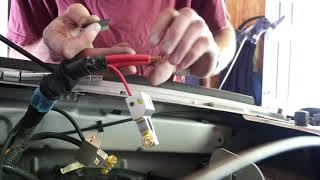
Typical fix: First, clean the battery posts and terminal clamps thoroughly. The highly recommended fix in the owner community is to cut off the OEM terminals and replace them with high-quality aftermarket screw-type terminals 🎬 Watch: How to replace your faulty OEM battery terminals. (e.g., Stinger). If the battery is old or fails a load test, replace it.
Est. part cost: $20-$50 for quality terminals, $150-$300 for a new battery. - Poor or Corroded Ground Connections 🔴 High Probability GM trucks of this era are known for grounding issues. TSB PIT5405C for similar platforms points to a specific BCM ground (G218) under the dash as a cause for U0100. H3 owners frequently find corroded or loose ground straps are the root cause of communication faults.
How to confirm: Visually inspect and physically check the main ground points. Key locations include: the negative battery cable to the engine block (in front of the starter), a strap from the block to the passenger side wheel well near the engine mount, and the main body ground posts located under the driver's side dash. Perform a voltage drop test on these connections; resistance should be near zero.
Typical fix: Disconnect, clean all contact surfaces (eyelet, body/frame, and fastener) with a wire brush until shiny, then re-secure tightly. Apply dielectric grease to prevent future corrosion. Replace any straps that are frayed or excessively corroded.
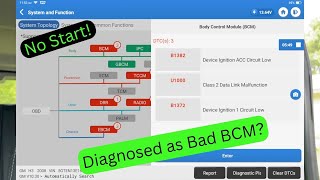
Est. part cost: $5-$25 - Corroded Body Control Module (BCM) from Water Leak 🟡 Medium Probability On H3s with a sunroof, the front drain tubes are notorious for clogging with debris. This causes rainwater to overflow the drain tray, run down the inside of the A-pillar, and drip directly onto the BCM and its connectors 🎬 Watch this walkthrough on inspecting and repairing the BCM. in the passenger footwell, causing severe corrosion.
How to confirm: Access the BCM in the passenger-side footwell/kick panel area. Unplug its electrical connectors and inspect the module pins and harness connectors for any signs of water intrusion, rust, or green/blue corrosion. A damp carpet in this area is a major red flag.
Typical fix: If corrosion is minor, cleaning with an electronics contact cleaner may work. Often, the BCM is damaged beyond repair and must be replaced. The clogged sunroof drains must also be cleared to prevent a repeat failure. A new BCM requires programming with a GM Tech 2 scan tool. OEM Part Numbers include: 15802491, 25816709, 15926780.
Est. part cost: $200-$400 for a used/remanufactured BCM, plus programming costs. - Damaged Wiring or Connectors in CAN Bus Harness 🟡 Medium Probability Wiring can chafe against the frame or engine components. A common, but often overlooked, issue is the female pins within connectors becoming spread or 'fretted' from vibration or multiple reconnections, creating a poor contact. One owner fixed a related U0101 code by carefully re-tensioning the female pins in the TCM connector.
How to confirm: Visually inspect the harness for chafing, especially near the transmission and engine. Unplug connectors for the ECM, TCM, and BCM and look for corroded, backed-out, or spread-open female pins. A poor pin fit can be the source of the intermittent connection.
Typical fix: Repair damaged wires with solder and heat shrink. For loose pins, use a specialized pick tool to carefully tighten the female terminal for a snug fit on the male pin. Replace damaged connector housings or pins if necessary.
Est. part cost: $10-$50 for wiring repair supplies. - Failed Engine Control Module (ECM/PCM) ⚪ Low Probability While possible, internal ECM failure is the least likely cause and is often misdiagnosed. The ECM is typically robust, and the problem is usually in the wiring, power, or grounds supplying it.
How to confirm: This is a diagnosis of exclusion. All other possibilities (battery, terminals, grounds, BCM, wiring, connectors, fuses) must be exhaustively ruled out first. A professional must verify with a scope that power, ground, and data lines are all good at the ECM connector, yet the module remains unresponsive.
Typical fix: Replace the ECM. The new module requires programming with the vehicle's VIN. OEM Part Numbers for 2006 3.5L include: 19209820, 12596784, 12606399.
Est. part cost: $300-$800 for a remanufactured ECM plus programming.
Rare But Worth Checking
- Faulty Aftermarket PCM Tune: One owner on a Hummer forum reported that a custom-tuned PCM caused immediate communication issues and U-codes, which were resolved by reinstalling the original factory PCM. If the problem started right after a tune, this could be the cause.
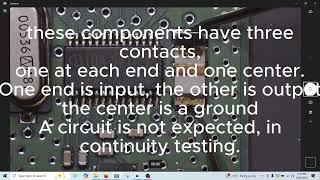
- Corrosion in Underhood Fuse Block: In a detailed diagnostic video, a 2007 H3 with multiple communication codes was traced to a heavily corroded PCM Control Relay (Relay 77) 🎬 See how a corroded relay can cause a no-start. in the underhood fuse block. The corrosion caused low voltage to the PCM, triggering the network faults.
Diagnosis Steps
- Check Battery and Terminals: Start by load testing the battery. Even if it seems fine, the OEM terminals are a known failure point. Clean them thoroughly. If the problem persists, replacing the terminals with a quality aftermarket set is a low-cost, high-impact diagnostic step.
- Inspect Fuses and Relays: Check all fuses related to the ECM, BCM, and TCM in the underhood fuse block. Pull out the PCM Control Relay (often labeled #77) and inspect its pins and the fuse block socket for any green or white corrosion.
- Inspect Grounds: Locate, disconnect, clean, and tighten all main ground points. Focus on the battery-to-block strap, the block-to-body strap near the engine mount, and the ground posts under the driver's side dash.
- Scan for All Codes: Use a high-quality scanner to read codes from ALL modules (BCM, ABS, TCM, etc.), not just the engine. The pattern of codes can help pinpoint the fault.
- Inspect the BCM for Water Damage: In the passenger footwell, access the Body Control Module. Unplug its connectors and inspect for any signs of water damage or corrosion, a known H3 issue. Check for dampness in the carpet.
- Inspect Wiring Harness Connectors: Unplug the main connectors at the ECM, BCM, and TCM. Use a flashlight to look for backed-out pins, corrosion, or female pins that look spread open. A poor pin fit can cause intermittent signal loss.
- Check CAN Bus Resistance: With the battery disconnected, measure the resistance between pins 6 and 14 at the OBD-II port. A reading of 60 ohms indicates the two 120-ohm terminating resistors are intact. A reading of 120 ohms suggests one resistor (or the wiring to it) has failed. An open or shorted reading indicates a wiring fault.
Parts You'll Likely Need
- Battery — A weak or failing battery is a leading cause of communication codes on modern vehicles.
Trusted brands: ACDelco, DieHard, Interstate
OEM price range: $200-$300
Aftermarket price range: $150-$250 - Body Control Module (BCM) — A common failure point on the H3 due to water damage from clogged sunroof drains.
Trusted brands: ACDelco (OEM), Dorman
OEM price range: $350-$500
Aftermarket price range: $200-$400 - Engine Control Module (ECM/PCM) — This is the final possibility if all wiring, power, and ground issues have been ruled out.
Trusted brands: ACDelco (OEM)
OEM price range: $500-$800
Aftermarket price range: $300-$600
Related Codes That Often Appear With This One
- U0073 — Control Module Communications Bus OFF. This is a general network code often set alongside U0100, indicating a total shutdown of the communication bus.
- U0101 — Lost Communication With TCM. If the network is down, communication with the Transmission Control Module is also lost. This can be caused by the same wiring or power issues.
- U0140 — Lost Communication With Body Control Module. This often appears if the BCM itself is the source of the network problem (e.g., due to water damage).
Technical Service Bulletins (TSBs) & Recalls
- GM TSB #PIT5405C: While for other GM trucks, this TSB is highly relevant. It identifies a poor BCM ground at location G218 (often due to trapped insulation), shorted starter cables, and high-resistance battery cables as primary causes for a flood of communication DTCs, including U0100.
- GM Preliminary Information #14-08-47-001: For the 2015 Colorado/Canyon, this bulletin lists U0100 as a potential DTC when diagnosing electric power steering concerns, linking the code to the vehicle's communication network.
Platform-Specific Known Issues
- The Body Control Module (BCM) is located in a position where it is highly susceptible to water damage from the passenger side sunroof drain, leading to corrosion and network failure.
- The platform is known to be very sensitive to poor ground connections, which can cause a wide range of difficult-to-diagnose electrical issues, including communication codes.
Mechanic-Grade Diagnostic Values
- High-Speed GMLAN Bus Resistance — expected: Approximately 60 Ω (with battery disconnected).. Failure: A reading of 120 Ω indicates a fault in one of the two terminating resistors or the circuit. A reading near 0 Ω indicates a short between the high and low circuits. An open circuit (OL) indicates a break in the bus wiring.
- High-Speed GMLAN Bus Voltage (Key On, Engine Off) — expected: GMLAN High (Pin 6 at DLC) should be ~2.6V. GMLAN Low (Pin 14 at DLC) should be ~2.4V.. Failure: Voltages that are stuck high or low, or do not show the characteristic ~2.5V bias, indicate a bus fault, short to power/ground, or a faulty module pulling the bus down.
- Low-Speed GMLAN Bus Voltage (Key On, Engine Off) — expected: This is a single-wire bus (Pin 1 at DLC) that toggles between 0V and ~4-5V during communication.. Failure: A signal that is stuck high or low indicates a fault on the low-speed bus, which can sometimes affect the gateway function of the BCM.
- ECM/PCM Power and Ground Pins — expected: With the key on, specific pins on the ECM connectors should show battery voltage (e.g., Pin 20 on C1) and others should have near-zero resistance to ground.. Failure: Missing voltage or high resistance on a ground pin points to a power supply issue, not an internal ECM fault.
Scan Tool Commands That Help
- GM Tech 2: BCM Module Setup > Setup SDM Serial Number in BCM — This is a critical step after installing a new or used BCM. It registers the airbag system (SDM) with the new BCM. Failure to do this can cause airbag lights and prevent the system from working.
- GM Tech 2 / SPS (Service Programming System): BCM Programming — When a BCM is replaced, it must be programmed with the vehicle's specific VIN and configuration using GM's SPS software. A used BCM will not be plug-and-play and can cause a no-start condition or incorrect mileage display.
- GM Tech 2: Radio Unlock — After replacing and programming a BCM, the factory radio will likely be locked because it no longer recognizes the BCM's security credentials. This function is used to unlock the radio.
- GM Tech 2: VATS Relearn Procedure — If the BCM or ECM is replaced, the Vehicle Anti-Theft System (VATS) may need to be relearned to allow the vehicle to start. While there is a manual 30-minute relearn, the Tech 2 can often expedite this process.
Wiring & Ground Locations
- G103 — On the lower left side of the engine block, often near the starter.. This is a primary engine ground. A loose or corroded G103 can cause a host of issues, including communication faults with the ECM.
- G218 (Reference) — Under the driver's side dash, often behind the kick panel. This is a known issue point on related GM platforms.. This is a major interior ground point. While TSBs point to it on other trucks, H3 owners should inspect all under-dash grounds as a potential source of BCM or data line interference.
- ECM Connector C1 — At the Engine Control Module, located in the right rear corner of the engine compartment.. Pin 20 is a key Battery Positive Voltage input. Pins 15 and 16 are for Class 2 Serial Data, the communication line that, if lost, directly causes a U0100.
- BCM Connectors — Behind the right front kick panel in the passenger footwell.. This is the location most susceptible to water damage from clogged sunroof drains. The BCM acts as a gateway between the high-speed and low-speed data buses, and its failure will take down the network.
- GMLAN Splice Packs (e.g., JX300) — Locations vary, but often found in main body harnesses, such as under the center console carpet (G320 is a ground point in this area).. These packs are where multiple data bus wires join. Corrosion or a loose connection inside a splice pack can take down multiple modules at once, causing widespread communication codes.
Real Owner Repair Stories
- Hummer4x4Offroad forum user (2008 Hummer H3, 54k miles) — After disconnecting the battery for 3 months, the key fobs and TPMS system stopped working. The TPMS would not enter learn mode.
❌ Tried (didn't work) Unplugging and re-seating the antenna from the BCM., Checking for water damage (BCM was bone dry).
✅ What actually fixed it The user concluded the BCM had failed internally, a known issue even without water damage. The discussion confirms that a replacement BCM must be programmed by a dealer or a specialist with a Tech 2 tool to match the vehicle's VIN for security and all features to function correctly. A direct swap is not possible. - YouTube video by 'thediagkid' (Hummer H3 (year not specified)) — No start, no communication with multiple modules, multiple U-codes including U0100.
❌ Tried (didn't work) Initial visual checks of wiring.
✅ What actually fixed it The technician traced the fault to the underhood fuse box. The female terminal for the PCM control relay (Relay 77) was heavily corroded and had lost tension, causing low voltage to the PCM. Cleaning the terminal and ensuring a tight connection restored communication and fixed the no-start condition. - YouTube video by 'Spartan Auto Worx' (Hummer H3 (and related Colorado/Canyon)) — After replacing a water-damaged BCM with a used unit, the odometer stopped counting miles.
❌ Tried (didn't work) Standard BCM programming with OEM software.
✅ What actually fixed it The issue is that mileage is stored in both the BCM and the instrument cluster. If the donor BCM has lower mileage than the cluster, the cluster stops counting. If it has higher mileage, the cluster jumps up to the higher value. The fix required a specialist to physically remove the EEPROM chip from the BCM, read the data, manually correct the mileage value in the file, and then re-flash the chip. This is a bench-level electronics repair, not a simple scan tool procedure.
OEM Part Supersession History
15802491→15926780, 25816709— Standard part evolution and updates by GM.
Heads up: While later part numbers may physically fit, they must be programmed for the specific year and options of the vehicle. A BCM from a 2008 H3 will not work correctly in a 2006 without proper programming. Mileage data is also a critical incompatibility; swapping a used BCM will cause the odometer to either freeze or jump to the donor's mileage.
Model Year Variations Within This Range
- 2008-2010: Introduction of the 5.3L V8 engine option in 2008 brought different ECMs and engine-side wiring harnesses compared to the 3.5L and 3.7L I5 engines. While the U0100 fault's root causes (grounds, BCM, terminals) are similar, the specific ECM part numbers and some pinouts will differ.
- 2006 vs 2007-2008: BCM part numbers changed. For example, some services list compatibility for PN 15926780 as 2007-2008, suggesting the 2006 model may use a different base part number. Always verify the part number on the original module before ordering a replacement.
Diagnostic Flowchart
Used vs. New Parts: Buying Guide for This Vehicle
When a used part is the smart pick: A used BCM or ECM from a junkyard can be a cost-effective option, BUT ONLY if you have a clear plan for programming. Some specialized services can clone your original module's data to a used one, creating a plug-and-play unit. Without this service, you will face expensive and complex dealer/specialist programming.
Donor-vehicle mileage cap: roughly under 150000 miles for the part to have meaningful remaining life.
What to inspect on the donor part:
- For a BCM, insist on seeing photos of the connectors. Any hint of green or white corrosion on the pins means it's junk.
- Ask the dismantler if the vehicle was a 'runner' before being salvaged. Avoid parts from flood or fire-damaged vehicles.
- Check the VIN of the donor vehicle. A BCM from a vehicle with vastly different options (e.g., sunroof vs. no sunroof) can complicate programming.
OEM-only on this vehicle (don't cheap out):
- Body Control Module (BCM)
- Engine Control Module (ECM/PCM)
Aftermarket brands forum-validated for this vehicle:
- For battery terminals: Stinger, Fastronix, or other marine-grade brass or lead terminals are highly recommended by the owner community over OEM-style replacements.
Brands owners have reported issues with on this vehicle:
- Cheap, OEM-style replacement battery terminals made of soft, pot metal should be avoided as they replicate the original design flaw.
Real Owner Stories
Aggregated from forums and TSBs cited above. Mileages and costs reflect what owners reported in those sources.
2008 Hummer H3 with sunroof
Symptoms: The Check Engine Light came on, the transmission was stuck in limp mode, and the radio would cut out intermittently. I noticed the carpet in the passenger footwell was damp after it rained.
What fixed it: The front sunroof drain tubes were clogged, causing water to run down the A-pillar and corrode the Body Control Module (BCM). The BCM had to be replaced and programmed, and the sunroof drains were cleared out to prevent it from happening again.
Cost: $200-$400
Source hint: Vehicle Specific Issues section describing BCM water damage from sunroof drains
2007 Hummer H3
Symptoms: My truck had all sorts of random electrical gremlins. The gauges would drop to zero while driving, multiple warning lights would flash, and sometimes it would stall or refuse to crank. It was very intermittent.
What fixed it: Even though the battery tested okay and the terminals looked tight, I cut off the factory battery terminals and replaced them with heavy-duty aftermarket ones. All the problems disappeared immediately. The original terminals were made of a soft metal that wasn't making a solid connection.
Cost: $20-$50
Source hint: Common Causes section citing H3 forum member consensus
2006 Hummer H3
Symptoms: The dashboard lit up with warning lights for ABS and Traction Control, the doors would lock and unlock by themselves, and the scanner showed a flood of communication codes, including U0100.
What fixed it: Following the advice in TSB PIT5405C, I located the main BCM ground (G218) under the driver's side dash. It was loose. I disconnected it, cleaned all the contact surfaces with a wire brush until they were shiny, and re-tightened it securely. That single ground was the root of all the issues.
Cost: $5-$25
Source hint: TSB PIT5405C, which identifies a poor BCM ground (G218) as a primary cause
2009 Hummer H3
Symptoms: The truck threw a U0101 code for lost communication with the TCM and the transmission was stuck in one gear.
What fixed it: After checking all the usual suspects like grounds and power, I unplugged the main connector at the Transmission Control Module (TCM). I inspected the female pins inside the connector and noticed they looked spread open. I used a small pick tool to carefully re-tension the pins for a tighter fit, which restored the connection and fixed the problem.
Source hint: Common Causes section describing an owner fix for a related U0101 code
Related OBD-II Codes
Frequently Asked Questions
My H3 has a sunroof and the passenger floor is wet. Could this be related to my U0100 code?
What are the first things I should check on my H3 for a U0100 code before taking it to a shop?
I've heard the factory battery terminals are bad on the H3. What is the recommended fix?
Where are the most important ground locations to check for corrosion on a 2006-2010 H3?
I need to replace the BCM in my Hummer H3. Can I just install a used one from a junkyard?
I found GM TSB PIT5405C online. Is it relevant to my H3's communication problems?
How can I test the CAN bus wiring myself?
Helpful Videos
Used OEM Parts in Stock


New Aftermarket Parts Available

The information in this article is provided for general reference and educational purposes only. Vehicle specifications, procedures, and part compatibility can vary by production date, trim level, and region. Always consult your vehicle's factory service manual and verify part numbers before purchasing or performing repairs. Safety-critical components such as airbags, seat belts, and braking systems should be installed by a qualified professional.
- Hummer H3:
- 🎬 Helpful Videos
- 🛍️ Shop This Part
- What's Unique About the 2006-2010 Hummer H3
- Symptoms You May Notice
- Most Likely Causes
- Rare But Worth Checking
- Diagnosis Steps
- Parts You'll Likely Need
- Related Codes That Often Appear With This One
- Technical Service Bulletins (TSBs) & Recalls
- Platform-Specific Known Issues
- Mechanic-Grade Diagnostic Values
- Scan Tool Commands That Help
- Wiring & Ground Locations
- Real Owner Repair Stories
- OEM Part Supersession History
- Model Year Variations Within This Range
- Diagnostic Flowchart
- Used vs. New Parts: Buying Guide for This Vehicle
- Real Owner Stories
- 2008 Hummer H3 with sunroof
- 2007 Hummer H3
- 2006 Hummer H3
- 2009 Hummer H3
- Related OBD-II Codes
- Frequently Asked Questions
- 🎟️ Get 5% Off