

P3075 on 2019-2022 Chevrolet Blazer: Engine Coolant Flow Too Low Causes and Fixes
On a 2019-2022 Blazer, code P3075 almost always means there is a coolant leak or air trapped in the cooling system. Do not replace the water pump first. The most likely fix is finding and repairing a leak, then properly bleeding the system using a vacuum-fill tool.
- P3075 on your Blazer means there's a problem with coolant flow, not a guaranteed broken water pump.
- The most likely cause is a coolant leak or air trapped in the system.
- Always start diagnosis by checking the coolant level and performing a pressure test for leaks.
- A proper repair requires bleeding the system with a vacuum-fill tool to avoid trapping air.
- Do not replace the coolant pump unless leaks, air pockets, and software issues have been ruled out, and the code returns after a first repair attempt.
- Driving with this code active risks engine overheating, so have it inspected promptly.
What's Unique About the 2019-2022 Chevrolet BLAZER

Unlike older vehicles where a water pump issue might be purely mechanical, the GM C1 platform used in the 2019-2022 Blazer uses sophisticated diagnostics. The ECM actively monitors the pump's electrical current to infer its performance. This is a deliberate test run by the ECM once per ignition cycle if conditions are met. GM has issued multiple Technical Service Bulletins (TSBs) advising technicians *not* to immediately replace the coolant pump, as the root cause is far more likely to be a simple coolant leak or air in the system from a previous repair.
Diagnostic Flowchart

Tap your situation to follow the diagnostic path that matches what you're seeing on this vehicle.
Symptoms You May Notice

- Check Engine Light (Malfunction Indicator Lamp) is on.
- Engine cooling fans run constantly or at high speed, even after the engine is off.
- Reduced engine power or "Reduced Acceleration Drive With Care" message on the driver information center.
- Message on the driver information center about the cooling system.
- Visible coolant leaks (puddles of orange/pink DEX-COOL fluid) under the vehicle.
- Low coolant level in the overflow reservoir.
- Coolant temperature gauge reading improperly or not at all.
- Replacing the engine coolant pump assembly before checking for leaks or air in the system. GM bulletins strongly advise against this as the first step.
Most Likely Causes

- Low engine coolant due to a leak 🔴 High Probability Some GM platforms have known issues with radiator hose seals or other plastic components in the cooling system, leading to slow leaks. TSB PIT6494A specifically points to a degraded inlet hose seal on some models.
How to confirm: Perform a cooling system pressure test to identify any external leaks from hoses, the radiator, thermostat housing, or the water pump housing. Check for white or pink crusty residue around cooling system components.
Typical fix: Repair the source of the leak, which may involve replacing a hose, clamp, or seal. Then, refill and properly bleed the cooling system, preferably with a vacuum-fill tool.
Est. part cost: $20-$150 - Air trapped in the cooling system 🔴 High Probability This often occurs after the cooling system has been serviced (e.g., hose replacement, coolant flush) without a proper vacuum-fill or bleeding procedure. The complex routing of hoses can easily trap air.
How to confirm: This is a diagnosis of exclusion. If there are no leaks and the code appeared after recent service, air in the system is the most likely cause. The code may even set and clear a few times after a repair as air works its way out.
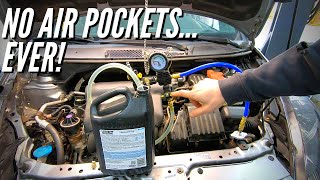
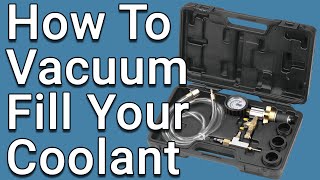
Typical fix: Perform the specific GM cooling system draining and filling procedure using a vacuum-lift refiller (such as the GE-47716) to properly bleed all air from the system.
Est. part cost: $0 (if DIY) or $100-$200 for a shop to perform the bleed procedure. - Outdated Engine Control Module (ECM) Software 🟡 Medium Probability Early software versions for related engines, like the 2.7L L3B, could be overly sensitive. TSB 19-NA-149 specifically addresses a software anomaly causing this code and advises checking for updates first.
How to confirm: A GM dealership or a qualified shop with access to GM's Service Programming System (SPS) can check if the ECM has the latest calibration.
Typical fix: Reprogram the ECM to the latest software version.
Est. part cost: $0 under warranty, or ~$150 for a dealer reprogram. - Failing Engine Coolant Pump ⚪ Low Probability While possible, GM explicitly states this should be the last item to check. TSB 21-NA-257 states to only replace the pump if the code returns for a second time after all other steps have failed.
How to confirm: This is diagnosed only after confirming there are no leaks, the system is properly bled, the software is current, and the code P3075 still returns.
Typical fix: Replace the engine coolant pump assembly.
Est. part cost: $300-$600
Rare But Worth Checking
- Chafed Engine Wiring Harness:
Diagnosis Steps
- Check for any applicable software updates for the Engine Control Module (ECM), especially on 2019 models, per TSB 19-NA-149.
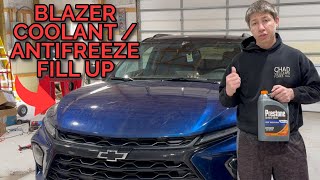
- Visually inspect the coolant reservoir. If it is low, top it off with the correct DEX-COOL coolant 🎬 See this guide on how to fill or replace coolant and look for obvious signs of leaks (pink/orange crust).
- Perform a cooling system pressure test to find any leaks that are not immediately visible. Pay close attention to hose connections, the radiator, and the thermostat housing.
- Repair any leaks found. This could be a hose, clamp, or seal.
- If no leaks are found, or after a leak is repaired, perform the GM-specific cooling system draining and filling procedure using a vacuum-lift tool to ensure no air is trapped.
- Clear the DTCs. Start the engine and let it reach full operating temperature. Perform a road test to help purge any small remaining air pockets.
- Using a GM-compatible scan tool (GDS2), confirm that the P3075 diagnostic test has run and passed during the current drive cycle before returning the vehicle to service.
- If the code P3075 returns for a *second time* after confirming the system is full, bled, leak-free, and software is current, then and only then should you replace the engine coolant pump assembly.
Parts You'll Likely Need
- Radiator Inlet Hose or Seal — A known potential leak point on these vehicles that can cause low coolant levels and trigger P3075.
Trusted brands: ACDelco, Continental
OEM price range: $50-$100
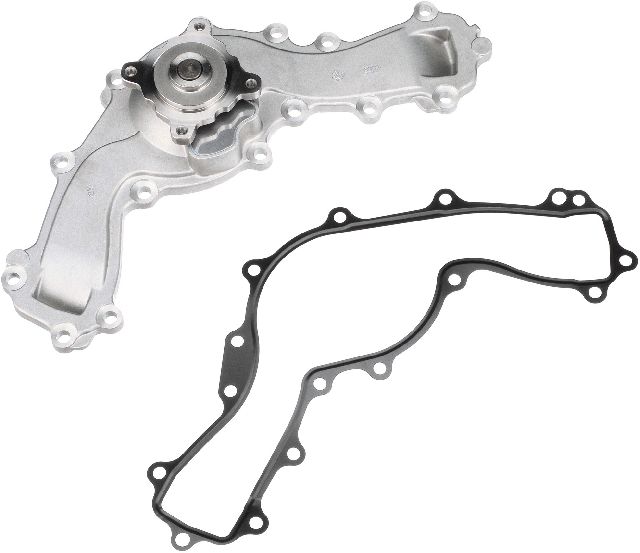
Aftermarket price range: $30-$70 - Engine Coolant Pump
(OEM #12713774 (ACDelco 252-1038) for 3.6L LGX)— This is the correct part to replace only if all other diagnostic steps (checking for leaks, air, and software updates) have failed to resolve the code.
Trusted brands: ACDelco
OEM price range: $400-$600
Aftermarket price range: $300-$500 - DEX-COOL Engine Coolant
(OEM #ACDelco 10-101)— Required for topping off or refilling the system after a repair. Always use the specified orange/pink DEX-COOL.
Trusted brands: ACDelco, Prestone
OEM price range: $20-$25 per gallon
Aftermarket price range: $18-$22 per gallon
Related Codes That Often Appear With This One
- P3076 — P3076 is for 'Engine Coolant Pump High Current Performance.' Both codes relate to the pump's electrical performance and can be triggered by flow issues or pump faults.
- P0128 — P0128 ('Coolant Thermostat Temperature Below Regulatory Temperature') often appears when the cooling system has issues, such as being low on coolant or having a stuck-open thermostat, which can be related to service that introduces air and triggers P3075.
Technical Service Bulletins (TSBs) & Recalls
- 21-NA-257: Malfunction Indicator Lamp (MIL) Illuminated - DTC P3075 Set. Defines the primary cause as low coolant or air in the system and lists affected vehicles including the Blazer.
- 19-NA-149: Malfunction Indicator Lamp (MIL) Illuminated with DTC P3075 Set. Points to a potential software anomaly requiring an ECM update on related platforms.
- PIP5650B: Diagnostic Tip: Possible DTC P3075 That May Be Set Current or History. A preliminary bulletin with the same guidance as 21-NA-257, emphasizing pressure testing and proper bleeding.
- PIT6494A: Malfunction Indicator Lamp (MIL) DTC P3075- Radiator Inlet Hose Coolant Leak. Identifies a specific leak source (inlet hose seal) on other GM models that can cause this code.
Platform-Specific Known Issues
- TSB 21-NA-257 and PIP5650B document that P3075 is commonly caused by low coolant or air in the system, and explicitly warn against replacing the pump as a first step.
- TSB 19-NA-149 notes that a software update for the ECM may be required to correct a sensitive diagnostic threshold for this code, primarily on 2019 truck models but indicative of the diagnostic strategy.
- A Reddit user with a 2024 GMC Acadia (a platform mate) experienced P3075 with low, 'chunky looking' brown coolant, indicating a possible internal leak or contamination issue that can also trigger this code.
Mechanic-Grade Diagnostic Values
- Engine Coolant Pump Intrusive Diagnostic Test — expected: The ECM commands the pump to ~4000 RPM for 15 seconds and measures the AC current draw. A normal reading indicates the pump is moving high-density coolant.. Failure: A lower-than-expected AC current reading suggests the pump is moving low-density air, indicating low coolant or air pockets in the system.
Scan Tool Commands That Help
- GDS2 (GM Global Diagnostic System 2): Cooling System Draining and Filling — This function is required after any cooling system repair or component replacement to ensure the system is properly filled and air is purged. It often involves using a vacuum tool like the GE-47716.
- GDS2 (GM Global Diagnostic System 2): Hybrid/EV Battery Pack Coolant Pump Bleed Procedure — While named for Hybrid/EVs, similar automated bleed procedures are used across modern GM platforms to actuate pumps and valves to purge trapped air after a coolant service. This is critical for preventing P3075 from returning.
- GDS2 (GM Global Diagnostic System 2): Confirm P3075 has ran and passed — After performing repairs, a technician must use the scan tool to verify that the ECM's internal diagnostic test for P3075 has successfully run and passed during the current drive cycle before returning the vehicle to the customer.
- Launch X431 (or similar professional scanner): Engine Coolant Pump Data Reset / Coolant Flow Control Valve Learn — After replacing a coolant pump or flow control valve, this function resets learned adaptations in the ECM. The 'learn' procedure calibrates the new component.
Real Owner Repair Stories
- Reddit user post in r/MechanicAdvice (2024 GMC Acadia (platform-mate to the Blazer) with 4,500 miles) — Check Engine Light on, "reduced acceleration drive with care" message, code P3075, cooling fan running after engine off.
❌ Tried (didn't work) Initial observation by the technician was inconclusive.
✅ What actually fixed it The coolant was found to be low, brown, and 'chunky looking,' suggesting a significant internal contamination issue rather than a simple external leak or air pocket. The vehicle was left at the dealer for diagnosis of the contamination source.
OEM Part Supersession History
12713774→ACDelco 252-1038— Standard part lifecycle and potential minor revisions.
Heads up: ACDelco 252-1038 is the professional-grade replacement for the OEM part 12713774 for the 3.6L LGX V6 engine found in many Blazers and Acadias. No known incompatibilities.
Helpful Videos
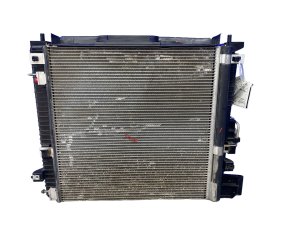
Used OEM Parts in Stock



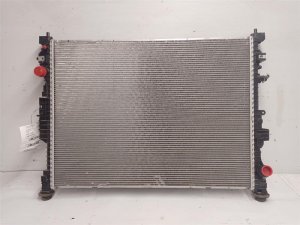
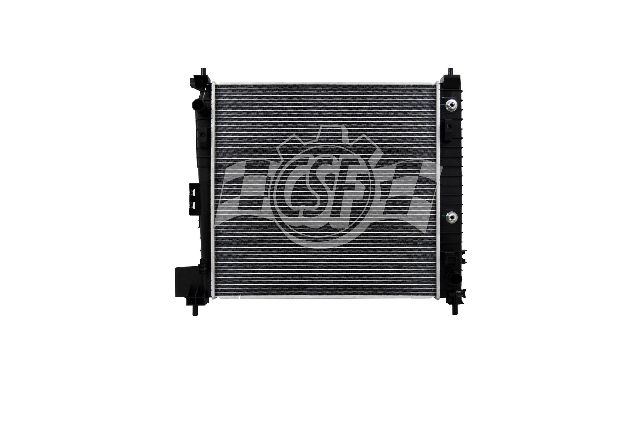
New Aftermarket Parts Available



The information in this article is provided for general reference and educational purposes only. Vehicle specifications, procedures, and part compatibility can vary by production date, trim level, and region. Always consult your vehicle's factory service manual and verify part numbers before purchasing or performing repairs. Safety-critical components such as airbags, seat belts, and braking systems should be installed by a qualified professional.
- Chevrolet BLAZER:
- 🎬 Helpful Videos
- 🛍️ Shop This Part
- What's Unique About the 2019-2022 Chevrolet BLAZER
- Diagnostic Flowchart
- Symptoms You May Notice
- Most Likely Causes
- Rare But Worth Checking
- Diagnosis Steps
- Parts You'll Likely Need
- Related Codes That Often Appear With This One
- Technical Service Bulletins (TSBs) & Recalls
- Platform-Specific Known Issues
- Mechanic-Grade Diagnostic Values
- Scan Tool Commands That Help
- Real Owner Repair Stories
- OEM Part Supersession History
- 🎟️ Get 5% Off