

P2802 on 2013-2019 Lincoln MKZ: Transmission Range Sensor 'B' Circuit Low Causes and Fixes
On a 2013-2019 Lincoln MKZ, code P2802 is most often caused by water intrusion and corrosion in specific electrical connectors, a known issue detailed in Ford TSB SSM 47790. Before replacing any parts, the primary fix is to inspect and clean connectors like C146, C1651, and C134, which are often located under the hood near the cowl or battery area. If the wiring is sound, a failed Transmission Range Sensor (TRS) itself is the next likely cause.
- P2802 on a 2013-2019 MKZ means the computer is getting a low voltage signal from the transmission range sensor's 'B' circuit.
- Before replacing any parts, you MUST inspect the specific electrical connectors listed in TSB SSM 47790 for water damage or corrosion, as this is a very common cause.
- Symptoms are serious and can include the car not starting or getting stuck in gear, so driving is not advised.
- If wiring is not the issue, the Transmission Range Sensor (TRS) is the next most likely part to have failed.
- This code is often accompanied by other transmission and communication codes, pointing to a shared electrical fault.
What's Unique About the 2013-2019 Lincoln MKZ

The Lincoln MKZ and its sibling, the Ford Fusion, are specifically called out in Technical Service Bulletin SSM 47790 for this issue. The problem is frequently not the sensor itself, but water getting into various electrical connectors under the hood, particularly those near the cowl and under the battery tray where water can pool. This causes corrosion and signal problems. This makes a thorough inspection of wiring and connectors the critical first step, which is different from many other vehicles where the sensor itself is the primary failure point.
Diagnostic Flowchart
Tap your situation to follow the diagnostic path that matches what you're seeing on this vehicle.
Symptoms You May Notice
- Check Engine Light is on
- Vehicle will not start
- Gear selector indicator (PRNDL) on the dash flashes or is incorrect.
- Inability to shift out of Park
- Transmission may not shift properly or may go into a 'limp mode'.
- Error message on the dash indicating a transmission service is required.
- Hesitation or loss of power during acceleration.
- Replacing the Transmission Range Sensor without first checking the wiring and connectors. The TSB for this platform strongly indicates that corroded connectors are a primary cause, and replacing the sensor will not fix a wiring issue.
Most Likely Causes

- Water Intrusion / Corrosion in Electrical Connectors 🔴 High Probability As identified in TSB SSM 47790, the Fusion/MKZ platform is susceptible to water entry in specific electrical connectors, leading to corrosion and poor signal integrity for various components, including the transmission range sensor. These connectors are often located in areas where water can collect, such as under the battery or near the cowl.
How to confirm: Visually inspect connectors C146, C1651, C1812, C168C, C1717, and C134 for any signs of green or white corrosion, moisture, or damaged pins. These are located in the engine bay, with C134 often found near the driver-side headlamp behind the bumper.
Typical fix: Disconnect the battery. Disconnect the affected connector(s), clean the pins and terminals thoroughly with an electrical contact cleaner, allow to dry completely, apply dielectric grease to seal out future moisture, and reconnect. If corrosion is severe, the connector or a section of the wiring harness may need to be replaced.
Est. part cost: $10-$50 for cleaner and grease; $50-$120 for connector pigtail replacement. - Failed Transmission Range Sensor (TRS) 🟡 Medium Probability Like any electronic sensor, the TRS can fail internally over time due to heat cycles and vibration. It is mounted on the transmission case.
How to confirm: After confirming the wiring and connectors are good, use a scan tool to monitor the TRS data stream while shifting gears. If the 'B' circuit reading is stuck low or doesn't change with gear selection, the sensor is likely faulty. The sensor can also be tested for resistance with a multimeter according to the service manual.
Typical fix: Replace the Transmission Range Sensor. This sensor is located on the outside of the transmission case where the shift linkage attaches.
Est. part cost: $70-$120 for an OEM part. - Worn or Damaged Shifter Cable Bushing ⚪ Low Probability On models with a physical shifter cable (pre-2017), the plastic or rubber bushings can degrade over time, causing excessive play. This prevents the transmission's manual valve from aligning perfectly with the TRS, leading to incorrect gear readings. This is less common on later models with electronic shifters.
How to confirm: Have an assistant move the gear selector while you observe the selector arm on the transmission. If there is significant slop or play between the cable end and the selector arm, the bushing is likely worn.
Typical fix: Replace the shifter cable bushing. This is often a small, inexpensive part that can be pressed into the cable end.
Est. part cost: $15-$30
Rare But Worth Checking
- Powertrain Control Module (PCM) or Transmission Control Module (TCM) Fault: This is rare and should only be considered after all other possibilities (wiring, connectors, sensor) have been exhaustively ruled out. A module failure can cause it to misinterpret a good signal or fail internally.
Diagnosis Steps

- Scan the vehicle for all DTCs in all modules. Note any other codes that appear with P2802, especially those listed in TSB SSM 47790.
- Crucial First Step: Disconnect the vehicle's battery to prevent short circuits.
- Begin by inspecting the electrical connectors mentioned in TSB SSM 47790: C146, C1651, C1812, C168C, C1717, and C134. They are generally located under the hood, near the firewall, and under the battery tray. Look for any signs of water, damage, or green/white corrosion.
- If corrosion is found, clean the connector pins and terminals thoroughly with a dedicated electrical contact cleaner. Use a small brush if necessary. Allow it to dry completely.
- Apply a light coat of dielectric grease to the connector seal to prevent future moisture intrusion and reconnect securely. Reconnect the battery and clear codes. Test drive to see if the fault returns.
- If the connectors are clean, inspect the wiring harness leading to the Transmission Range Sensor for any visible damage, chafing, or breaks.
- If wiring is confirmed good, use a scan tool to observe the live data for the Transmission Range Sensor circuits ('A', 'B', 'C', etc.) while moving the gear selector. Confirm that the 'B' circuit reading is stuck low or does not change as expected.
- If the sensor data is incorrect, test the sensor itself using a multimeter according to the factory service manual specifications.
- If the sensor tests bad, replace the Transmission Range Sensor.
- If the sensor and wiring are good, the issue may be with the shifter cable bushing (if applicable) or, in rare cases, the control module (TCM/PCM).
Parts You'll Likely Need

- Transmission Range Sensor
(OEM #Motorcraft SW-7670)— This sensor provides the gear position signal. If it fails internally, it can send a low voltage signal, triggering the code.
Trusted brands: Motorcraft, Dorman (511-111), Standard Motor Products (SMP)
OEM price range: $70-$120
Aftermarket price range: $40-$80 - Electrical Connector Pigtail
(OEM #Motorcraft WPT-990)— If corrosion from water intrusion is severe, the connector itself may be damaged beyond repair and will need to be cut out and replaced with a new pigtail.
Trusted brands: Motorcraft, Dorman (645-801)
OEM price range: $50-$100
Aftermarket price range: $25-$50 - Electrical Contact Cleaner and Dielectric Grease — Essential for the most common repair: cleaning corroded connectors and protecting them from future moisture.
Trusted brands: CRC, Permatex
Aftermarket price range: $10-$25
Related Codes That Often Appear With This One
- P2800 — This code is for 'Transmission Range Sensor 'A' Circuit Low' and often appears with P2802, as both can be caused by the same connector/wiring issue. TSB SSM 47790 lists them together.
- P0707 — A generic code for 'Transmission Range Sensor Circuit Low Input'. It can be triggered alongside the more specific P2802 code.
- U019F — A communication code often related to the 'Upfitter Switch Module'. Its appearance with P2802 points towards a broader electrical or network issue, such as the water intrusion mentioned in TSB SSM 47790.
- U0284 — A communication code related to the active grille shutters. Like U019F, its presence suggests a shared electrical problem (like a corroded connector or wiring harness) rather than an isolated sensor failure. It is also listed in TSB SSM 47790.
Technical Service Bulletins (TSBs) & Recalls
- SSM 47790: Notes that 2013-2019 Fusion/MKZ vehicles may exhibit multiple electrical concerns, including P2802, due to water entry or corrosion in specific connectors (C146, C1651, C1812, C168C, C1717, and C134). Recommends inspection and cleaning/repair of these connectors as the primary action.
Platform-Specific Known Issues
- A known issue documented in Ford's Technical Service Bulletin SSM 47790 points to water intrusion causing electrical problems, with P2802 being a common resulting code. This TSB applies to both the MKZ and its platform mate, the Ford Fusion.
- Owners on forums report that the connectors under the battery tray are particularly vulnerable to this water damage.
Mechanic-Grade Diagnostic Values
- TRS Circuit Continuity — expected: Less than 5.0 ohms. Failure: Resistance is higher than 5.0 ohms, indicating an open or high resistance in the circuit between the PCM and the TRS connector.
- TRS Circuit Short to Ground — expected: Greater than 10,000 ohms (10 kOhms). Failure: Resistance is less than 10,000 ohms between any TRS circuit wire and chassis ground, indicating a short to ground.
- Scan Tool PID: TR_DC (Duty Cycle) — expected: Value should correspond to a manufacturer-specific chart for each gear position.. Failure: The duty cycle PID does not change when shifting gears or the value is irrational for the selected gear, pointing to a sensor or circuit fault.
Hidden / Shadow Codes Worth Checking
- Mode 6 Data: Mode 6 is a diagnostic mode that shows the results of the PCM's non-continuous self-tests. It can reveal intermittent issues or faults that have not yet met the threshold to trigger a standard DTC and illuminate the Check Engine Light. (see via A capable scan tool like FORScan or the official Ford IDS is needed to access and interpret Mode 6 data for Ford/Lincoln vehicles.)
Scan Tool Commands That Help
- Ford IDS, FORScan, or equivalent professional scan tool: TRS Relearn / Quick Learn — After replacing the Transmission Range Sensor, a relearn procedure is often required to calibrate the new sensor's output to the TCM. This function commands the module to learn the new sensor values for each gear position.
- Ford IDS, FORScan, or equivalent professional scan tool: Live Data Monitoring (PIDs: TR_V, TR_DC, TR_FREQ) — Used during diagnosis to observe the sensor's voltage, duty cycle, and frequency output in real-time while shifting through the gears. This helps confirm if the 'B' circuit is truly stuck low or providing an erratic signal.
Wiring & Ground Locations
- C134 — In the engine controls sensor harness, located in the engine bay, often near the driver-side headlamp area or G101 ground.. This is one of the primary connectors listed in TSB SSM 47790 as being susceptible to water intrusion, which can directly cause the P2802 circuit low fault.
- C146 — A major engine harness connector, typically located on the left side of the engine compartment.. Also listed in TSB SSM 47790, this connector carries numerous signals and power feeds. Corrosion here can cause P2802 and other seemingly unrelated electrical codes.
- G101 — Main engine ground located on the left front strut tower or left front of the engine compartment.. A poor ground connection at this point can cause a floating ground or voltage drop, leading to various electrical issues, including 'circuit low' codes like P2802.
- G104 — Engine ground located on the right side of the engine compartment.. Provides a ground path for various engine and transmission-related components. A loose or corroded connection here can affect sensor readings.
Real Owner Repair Stories
- Ford Technical Service Bulletin SSM 47790 (2013-2019 Ford Fusion / Lincoln MKZ) — Multiple drivability or electrical concerns, including codes P2800 and P2802.
❌ Tried (didn't work) Implicitly, replacing individual components like the TRS sensor without checking wiring would not solve the root cause.
✅ What actually fixed it Inspecting and cleaning/repairing specific electrical connectors (C146, C1651, C1812, C168C, C1717, and C134) for signs of water entry or corrosion. This is the manufacturer-advised first step and most common real-world fix.
Model Year Variations Within This Range
- 2017-2019: The 2017 model year refresh introduced an electronic, rotary dial gear shifter, replacing the previous physical shift lever and cable. For these later models, the 'worn shifter cable bushing' cause is not applicable. Instead, a fault with the Gear Shift Module (GSM) becomes a rare possibility.
- 2013-2016: These models use a traditional gear shift lever with a physical cable connecting to the transmission. For these years, a worn shifter cable bushing remains a possible, though low-probability, cause for the TRS to read incorrectly.
Helpful Videos
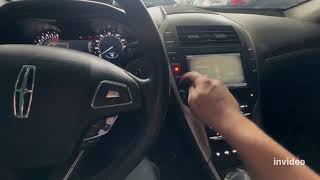
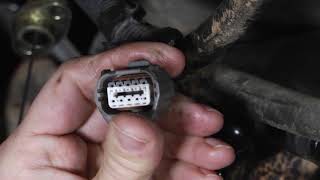
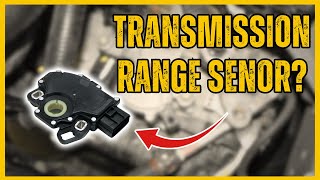
Used OEM Parts in Stock


New Aftermarket Parts Available


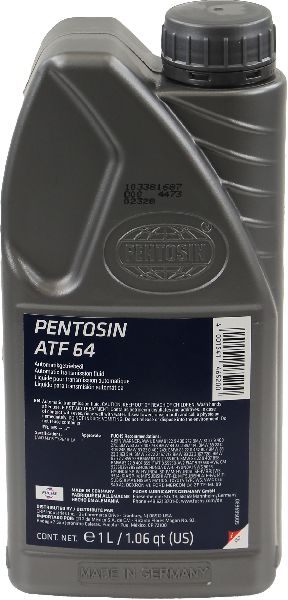


The information in this article is provided for general reference and educational purposes only. Vehicle specifications, procedures, and part compatibility can vary by production date, trim level, and region. Always consult your vehicle's factory service manual and verify part numbers before purchasing or performing repairs. Safety-critical components such as airbags, seat belts, and braking systems should be installed by a qualified professional.
- Lincoln MKZ:
- 🎬 Helpful Videos
- 🛍️ Shop This Part
- What's Unique About the 2013-2019 Lincoln MKZ
- Diagnostic Flowchart
- Symptoms You May Notice
- Most Likely Causes
- Rare But Worth Checking
- Diagnosis Steps
- Parts You'll Likely Need
- Related Codes That Often Appear With This One
- Technical Service Bulletins (TSBs) & Recalls
- Platform-Specific Known Issues
- Mechanic-Grade Diagnostic Values
- Hidden / Shadow Codes Worth Checking
- Scan Tool Commands That Help
- Wiring & Ground Locations
- Real Owner Repair Stories
- Model Year Variations Within This Range
- 🎟️ Get 5% Off