

P2459 on 2022-2023 Ram 3500 6.7L Cummins: Frequent Regeneration Causes & Fixes
This code means the Diesel Particulate Filter (DPF) is cleaning itself (regenerating) too often. For the 2022-2023 Ram 3500, this is a known issue often addressed by manufacturer Technical Service Bulletins (TSBs) that may require a software update or DPF replacement. Before replacing parts, check with a dealer for open TSBs on your vehicle, specifically TSB 25-005-24 REV. B, which may mandate a DPF replacement due to a manufacturing issue.
- P2459 means the DPF is trying to clean itself too frequently on your Ram 3500.
- This is a known issue. Your first step should always be to call a Ram dealer with your VIN to check for open TSBs or software updates, which may provide a fix at no cost under warranty.
- Do not immediately replace the expensive DPF. The problem is often a less expensive sensor or a software glitch.
- Ignoring this code will lead to reduced engine power (de-rate mode) and can eventually cause permanent damage to the DPF, resulting in a very costly repair.
What's Unique About the 2022-2023 Ram 3500
For this specific 2022-2023 model year range, Ram has issued multiple Technical Service Bulletins (TSBs) directly addressing the P2459 code. This indicates a recognized pattern of issues by the manufacturer. Unlike general causes, the solution for these trucks often involves a specific dealer action. TSB #25-005-24 REV. B explicitly targets vehicles built between August 1, 2022, and May 1, 2023, and states the cause is a 'manufacturing issue' where the only fix is to replace the entire DPF assembly. Owner complaints confirm this is a frequent and frustrating issue, with one owner reporting their DPF was replaced five times, suggesting the root cause was misdiagnosed in their case.
Symptoms You May Notice
- Check Engine Light (Malfunction Indicator Lamp) is on.
- Vehicle enters a reduced power or 'de-rate' mode.
- Burning smell or diesel fumes from the exhaust area.
- Message on the dashboard information center regarding the exhaust system being full or needing service.
- Noticeably poor fuel economy.
- Engine may run rough or stumble.
- A 'whistling' sound from the exhaust brake may be noted, which could indicate an exhaust leak upstream of the DPF.
- Replacing the DPF without checking for software updates or faulty sensors first. An owner complaint filed with the NHTSA mentions replacing the DPF five times for code P2459, indicating the root cause was likely not the filter itself.
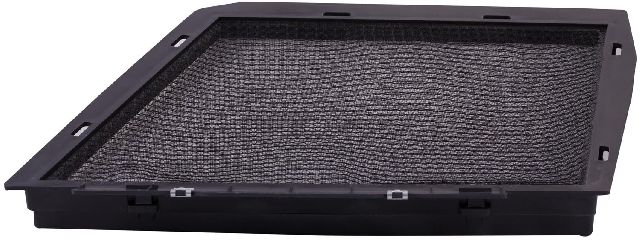
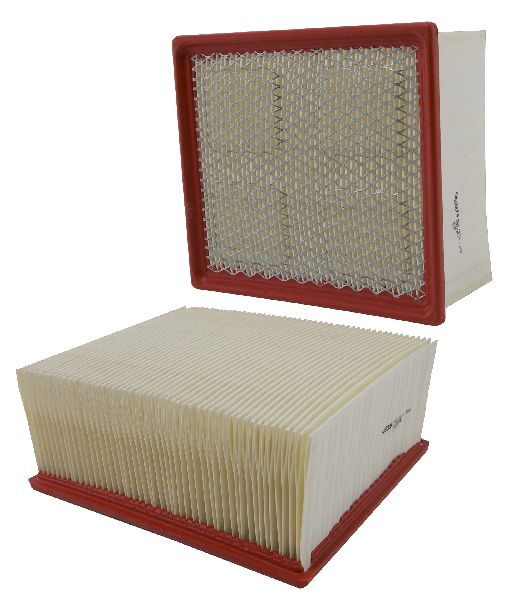
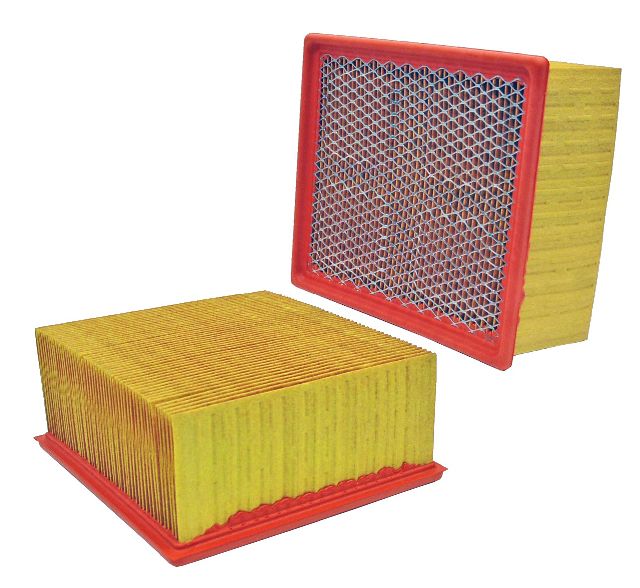
- Overlooking the engine air filter. Multiple forum threads confirm that using a non-OEM or incorrect style of air filter can be the sole cause of P2459, even after expensive sensors and DPFs have been replaced.
Most Likely Causes
- Outdated Powertrain Control Module (PCM) Software 🔴 High Probability Manufacturer TSBs #25-005-24 and #08-350-25 directly address P2459, often with software updates to correct the logic that triggers regeneration. Forum users on Reddit have confirmed that dealers often perform a PCM flash as the first step for this code.
How to confirm: Contact a Ram dealership with your Vehicle Identification Number (VIN) to see if any TSBs, RSUs (Rapid Service Update), or recalls are open for your truck.
Typical fix: The dealership reprograms the PCM with the latest software. This is often the first and most important step.
Est. part cost: $0 - Faulty DPF Differential Pressure Sensor 🟡 Medium Probability This sensor constantly measures exhaust backpressure to estimate soot load. It operates in a harsh environment and is a common failure point that can send incorrect 'full' signals to the PCM.
How to confirm: A mechanic can use a scan tool to monitor the sensor's live data readings. A sensor that reads high pressure at idle or doesn't change with RPM is likely faulty. Expected voltage with Key On, Engine Off (KOEO) is around 0.5V - 0.77V.
Typical fix: Replace the DPF differential pressure sensor and its hoses. The OEM Mopar part number for 2019-2024 models is 68312096AB, which replaces the earlier 68312096AA.
Est. part cost: $50-$180 - Clogged or Failing Diesel Particulate Filter (DPF) 🟡 Medium Probability TSB #25-005-24 REV. B explicitly states that the fix for P2459 under certain conditions is to replace the DPF due to a 'manufacturing issue'. This suggests some filters may be failing prematurely. An owner complaint also mentions multiple DPF replacements for this code. The TSB specifies part number 68296341AE for the replacement DPF assembly.
How to confirm: Diagnosis involves ruling out all other causes first (sensors, software). A mechanic can perform a forced regeneration and measure pressure drop across the filter to confirm it's internally blocked with unburnable ash.
Typical fix: Replacement of the DPF assembly.
Est. part cost: $2000-$4000 - Upstream Engine or Air Intake Issues ⚪ Low Probability Problems that cause incomplete combustion will generate excess soot, overloading the DPF. This can include a failing EGR valve, boost leaks, or even a non-OEM air filter that disrupts airflow. The 6.7L Cummins is known to be extremely sensitive to the air filter design; aftermarket filters with glue beads on the pleats can cause enough air turbulence to trigger P2459.
How to confirm: Inspect the air filter to ensure it is an OEM-spec part (Mopar 53034051AB or Fleetguard AF27684 for 2019+). Scan for other engine codes (like P0401 for EGR or P0299 for turbo underboost) that may appear alongside P2459.
Typical fix: Address the root cause, which could be replacing a faulty EGR valve, fixing a boost leak, or installing an OEM air filter.
Est. part cost: $50-$1000
Rare But Worth Checking
- Worn Rocker Arms: A forum user on RamForum.com reported a dealer diagnosed worn rocker arms as the cause of P2459 on a 2022 model. The theory was that improper valve lift was causing a rich condition, creating excess soot. The dealer replaced 6 rocker arms and 12 pushrods as per instruction from Ram, though the user later reported the issue persisted until they also changed to an OEM air filter.
Diagnosis Steps
- Check for TSBs: Contact a Ram dealer with your VIN to check for any open TSBs or software updates related to P2459. This is the most critical first step for this specific vehicle. Specifically ask about TSB 25-005-24 REV. B.
- Scan for Other Codes: Use an OBD-II scanner to check for any other accompanying codes that could point to a root cause (e.g., EGR, turbo, or sensor codes).
- Inspect Air Intake System: Before checking any other parts, ensure an OEM-spec air filter is installed (e.g., Mopar 53034051AB). Check for any leaks in the intake tract between the air filter and the turbo.
- Analyze Live Data: Use a capable scan tool to monitor live data for the DPF differential pressure sensor, exhaust gas temperature (EGT) sensors, and the calculated soot load percentage. Check the DPF pressure sensor voltage at KOEO; it should be between 0.5V and 0.77V.
- Inspect DPF Pressure Sensor Hoses: Visually and physically inspect the small rubber hoses going to the DPF pressure sensor for any cracks, melting, or blockages. These are a common failure point.
- Test Sensors: If data seems incorrect, test the DPF pressure sensor and EGT sensors individually to confirm they are functioning within specification.
- Inspect DPF: If all other components check out and TSB 25-005-24 REV. B applies, the DPF itself is the likely culprit and requires replacement.
Parts You'll Likely Need
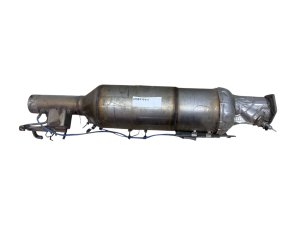
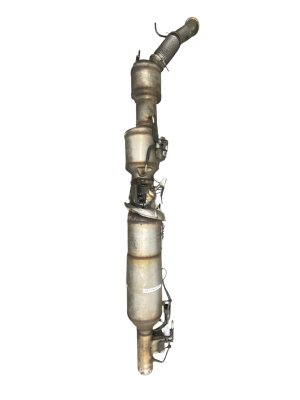
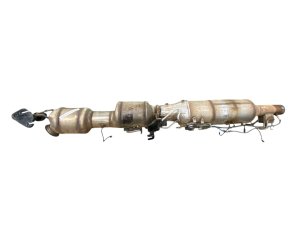
- Diesel Particulate Filter (DPF)
(OEM #68296341AE)— TSB #25-005-24 REV. B explicitly calls for replacing the DPF to fix P2459 in some cases, and owner complaints confirm this is a common, though expensive, repair.
Trusted brands: Mopar
OEM price range: $2000-$4000
Aftermarket price range: $1500-$2500 - DPF Differential Pressure Sensor
(OEM #68312096AB)— This is a common failure point that directly influences the PCM's decision to start a regeneration cycle. An incorrect reading can easily cause the P2459 code.
Trusted brands: Mopar, Bosch
OEM price range: $100-$180
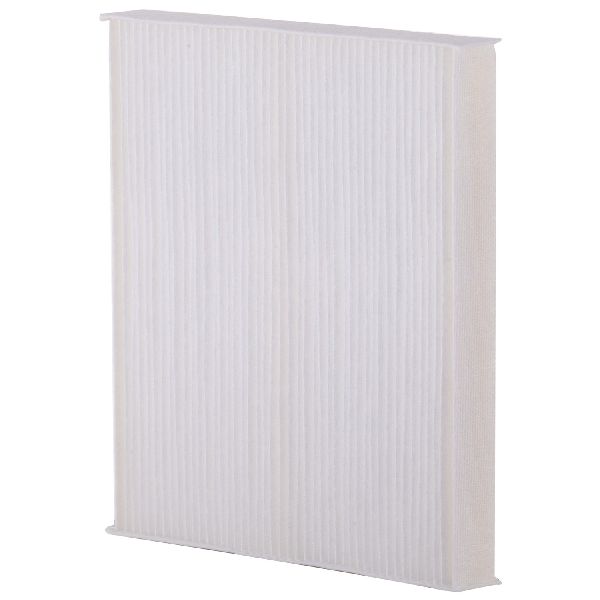
Aftermarket price range: $50-$120 - Engine Air Filter
(OEM #53034051AB)— The 6.7L Cummins engine management system is highly sensitive to airflow. Using a non-OEM or incorrect air filter is a well-documented cause of P2459.
Related Codes That Often Appear With This One
- P0401 — Stands for 'EGR System Flow Insufficient'. A faulty EGR system can cause excess soot production, leading to more frequent DPF regeneration. This code is listed alongside P2459 in TSB #08-350-25.
- P2457 — Stands for 'Exhaust Gas Recirculation Cooling System Performance'. An issue with the EGR cooler can affect combustion and soot levels. This code is also listed in TSB #08-350-25.
- P2263 — Stands for 'Turbo Boost System Performance'. A boost leak or turbo issue can lead to a rich air-fuel mixture, creating more soot and triggering P2459. This code is mentioned in TSB #08-350-25.
- P24A2 — Stands for 'Diesel Particulate Filter Regeneration Incomplete'. This code indicates the cleaning cycle isn't finishing, which is directly related to the P2459 frequency problem. It is also cited in TSB #08-350-25.
- P242F — Stands for 'Diesel Particulate Filter Restriction - Ash Accumulation'. A hot shot trucking company noted on YouTube that P2459 was the first sign of engine trouble, followed by P242F, and eventual internal engine failure on their 2022 Ram 3500.
Technical Service Bulletins (TSBs) & Recalls
- 08-350-25: Addresses P2459 and other DTCs, likely with a software update.
- 25-005-24 REV. B: Specifies DPF replacement as the fix for P2459 and notes that engine de-rate is a symptom.
- 25-005-24: The original version of the above TSB, also identifying P2459 as the key DTC.
Platform-Specific Known Issues
- TSB #25-005-24 REV. B: States that for customers experiencing a Malfunction Indicator Lamp with DTC P2459, the repair involves replacing the DPF. It also notes that engine de-rate will occur if the code is active for a long period.
- TSB #08-350-25: Lists P2459-00 as 'Diesel Particulate Filter Regeneration Too Frequent' among a group of other emissions-related DTCs that are addressed by a software update.
- NHTSA ODI #11667995: An owner of a 2022 model reported persistent P2459 codes and that the 'DPF system has been replaced approximately five times'.
- NHTSA ODI #11643337: A 2022 Ram owner with code P2459 reported 'Overheating of the DPF while stuck in regen cycle causes burning smell and diesel fumes'.
Mechanic-Grade Diagnostic Values
- DPF Differential Pressure Sensor Signal Voltage (KOEO) — expected: 0.61 - 0.77 VDC at or below 25°C (77°F); 0.642 - 0.738 VDC at or above 26°C (78°F). A general range of ~0.5V is also cited.. Failure: A reading of 0V, or one that is significantly higher (e.g., 4.5V or more), points to a faulty sensor or a circuit issue.
- DPF Differential Pressure Sensor 5V Reference Circuit (KOEO) — expected: 4.5 - 5.5 Volts DC at the sensor connector.. Failure: Voltage below 4.5V or above 5.5V indicates a wiring or PCM issue, not necessarily the sensor itself.
- DPF Differential Pressure Sensor Ground Circuit Resistance — expected: Less than 10 ohms between the sensor ground circuit pin and the battery negative terminal.. Failure: Resistance above 10 ohms indicates a poor ground connection or wiring fault.
- Fuel Rail Pressure Sensor Voltage (KOEO) — expected: Approximately 0.5 volts.. Failure: An incorrect voltage may indicate a sensor issue that could affect fuel delivery and soot creation.
Scan Tool Commands That Help
- wiTECH (or equivalent professional scanner): Stationary Desoot / Manual Regeneration — This command forces a parked regeneration cycle. It is used by technicians to verify the system can reach and maintain regeneration temperatures and to monitor sensor data through a complete cycle after a repair has been made.
Real Owner Repair Stories
- Turbo Diesel Register forum user 'Robert G Bradstreet' (2022 Ram 3500 DRW 4x4 with 6.7L HO) — Recurring P2459 code, popping up every 600 to 800 miles after dealer service.
❌ Tried (didn't work) Replaced forward and aft NOx sensors., Replaced the entire Diesel Particulate Filter (DPF) assembly.
✅ What actually fixed it The user's issue was unresolved in the thread after multiple dealer attempts, highlighting that even DPF and sensor replacement may not fix the issue if an underlying cause (like a contaminated air filter, which the user also experienced) is missed. - RamForum.com user 'Diller' (2022 Ram 3500 HO) — Frequent regens followed by a P2459 code, with no change in drivability.
❌ Tried (didn't work) The initial dealer diagnosis pointed to worn rocker arms causing a rich condition and excess soot. The dealer replaced rocker arms and performed a PCM update.
✅ What actually fixed it The user later reported in the thread that the issue persisted after the rocker arm replacement and was only resolved after they also changed the engine air filter to an OEM part, suggesting the air filter was the true root cause.
OEM Part Supersession History
68312096AA→68312096AB— Standard part revision and update by the manufacturer.
Heads up: The new part number (68312096AB) is the correct, direct replacement for 2019-2024 models and should be used for all repairs.
Diagnostic Flowchart
Other Known Issues on This Vehicle
Issues unrelated to this code that are worth knowing about as an owner of this generation:
- Intake Heater Grid Relay Failure (Fire Risk) 🔴 High — Widespread enough to trigger a major safety recall (NHTSA #23V-060 / Ram #13A) for 2021-2023 models. (Ref: Recall 13A / 23V-060)
- Engine Control Module (ECM) Internal Short 🔴 High — Affects certain 2022 models, causing unexpected engine stalling. Led to safety recall NHTSA #22V-642. (Ref: Recall Z87 / 22V-642)
- Transmission Fluid Leak from Dipstick Tube 🟠 Medium — A recall (NHTSA #22V-835) was issued for 2020-2023 Ram 2500/3500s due to pressure buildup causing fluid to be pushed out the dipstick, creating a fire risk. (Ref: Recall / 22V-835)
- High-Pressure Fuel Pump (CP4) Failure 🔴 High — Primarily affects 2019-2020 models, but is a known catastrophic failure point for the 6.7L Cummins of this era. A recall (Y78 / 21V880) was issued to replace the CP4 with a more robust CP3 pump. While not original to 22-23 models, it's a major platform issue owners should be aware of. (Ref: Recall Y78 / 21V880 (for 2019-2020 models))
- Blank Instrument Cluster Display 🟠 Medium — Software glitches in 2022-2024 models can cause the rearview camera or entire instrument cluster to fail to display, prompting several recalls (e.g., NHTSA #23V-059). (Ref: Multiple Recalls (e.g., 23V-059))
Used vs. New Parts: Buying Guide for This Vehicle
When a used part is the smart pick: For this specific vehicle and code, using used parts is generally not recommended for the core components. A used DPF pressure sensor might be a cheap temporary fix, but its remaining lifespan is unknown. Used parts make the most sense for bracketry or connectors if damaged during repair.
Donor-vehicle mileage cap: roughly under 40000 miles for the part to have meaningful remaining life.
What to inspect on the donor part:
- For a DPF: Must be inspected internally with a borescope for cracks, melting, or signs of oil/coolant contamination. The face of the filter should be a uniform light gray, not black or oily.
- For a sensor: Ensure connectors are free of corrosion and the plastic housing is not cracked or melted.
- Verify the donor vehicle was not in a major accident that could have damaged the exhaust system.
OEM-only on this vehicle (don't cheap out):
- Diesel Particulate Filter (DPF): TSB #25-005-24 REV. B points to a 'manufacturing issue' with the original DPFs. Using a used OEM part from the same era risks installing another faulty unit. Aftermarket DPFs for modern diesels often have issues with sensor fitment and meeting strict ECU parameters, leading to persistent codes.
- Engine Air Filter: The 6.7L Cummins is extremely sensitive to airflow. Only an OEM Mopar or OEM-equivalent (Fleetguard) filter should be used to avoid triggering airflow-related codes like P2459.
Aftermarket brands forum-validated for this vehicle:
- Bosch (for DPF Pressure Sensor)
Brands owners have reported issues with on this vehicle:
- Non-spec air filters, particularly those with a glue bead on the pleats, are known to cause issues.
Real Owner Stories
Aggregated from forums and TSBs cited above. Mileages and costs reflect what owners reported in those sources.
2022 Ram 3500 HO 6.7L Cummins
Symptoms: The dealer replaced rocker arms and pushrods to address the issue, but the P2459 code persisted and regeneration frequency remained high.
What fixed it: Switching from a Wix air filter back to an OEM Mopar air filter.
Source hint: RamForum.com thread titled '2022 3500 HO - P2459 Dealer Replacing Rocker Arms'
2023 Ram 2500 6.7L Cummins — 43000 miles
Symptoms: Check engine light with code P2459.
What fixed it: Service following TSB 25-005-24.
Source hint: Reddit r/Cummins thread titled 'Code P2459'
2022 Ram 3500 6.7L Cummins
Symptoms: Persistent P2459 codes; the owner reported that the DPF system had been replaced approximately five times.
What fixed it: The DPF assembly was replaced multiple times under TSB guidelines.
Source hint: NHTSA ODI #11667995
2022 Ram 3500 6.7L Cummins
Symptoms: Overheating of the DPF while stuck in a regeneration cycle, causing a burning smell and diesel fumes.
What fixed it: Diagnosis of the DPF system related to code P2459.
Source hint: NHTSA ODI #11643337
Related OBD-II Codes
Frequently Asked Questions
Does TSB 25-005-24 REV. B apply to my 2022 Ram 3500 with code P2459?
Can a non-OEM air filter cause the P2459 code on my Cummins?
What is the correct voltage for the DPF differential pressure sensor on a 2023 Ram 3500?
Is there a software update for 'Regeneration Too Frequent' on my truck?
Will my truck lose power if I ignore the P2459 code?
What is the latest part number for the DPF pressure sensor?
Used OEM Parts in Stock
New Aftermarket Parts Available


The information in this article is provided for general reference and educational purposes only. Vehicle specifications, procedures, and part compatibility can vary by production date, trim level, and region. Always consult your vehicle's factory service manual and verify part numbers before purchasing or performing repairs. Safety-critical components such as airbags, seat belts, and braking systems should be installed by a qualified professional.
- Ram 3500:
- 🛍️ Shop This Part
- What's Unique About the 2022-2023 Ram 3500
- Symptoms You May Notice
- Most Likely Causes
- Rare But Worth Checking
- Diagnosis Steps
- Parts You'll Likely Need
- Related Codes That Often Appear With This One
- Technical Service Bulletins (TSBs) & Recalls
- Platform-Specific Known Issues
- Mechanic-Grade Diagnostic Values
- Scan Tool Commands That Help
- Real Owner Repair Stories
- OEM Part Supersession History
- Diagnostic Flowchart
- Other Known Issues on This Vehicle
- Used vs. New Parts: Buying Guide for This Vehicle
- Real Owner Stories
- 2022 Ram 3500 HO 6.7L Cummins
- 2023 Ram 2500 6.7L Cummins — 43000 miles
- 2022 Ram 3500 6.7L Cummins
- 2022 Ram 3500 6.7L Cummins
- Related OBD-II Codes
- Frequently Asked Questions
- 🎟️ Get 5% Off