

P2459 on 2007-2012 Mazda 6 2.0L Diesel: DPF Regeneration Frequency Causes and Fixes
On the 2007-2012 Mazda 6 diesel, code P2459 indicates a problem with the Diesel Particulate Filter (DPF) regeneration. The most common issues are driving habits (too many short trips), the need for an oil service reset, or a faulty DPF pressure sensor. A critical consequence to watch for is diesel fuel diluting the engine oil, which can lead to severe engine damage.
- If your DPF light is FLASHING, try resetting the oil service data before attempting any expensive repairs.
- Immediately check your oil level. If it's high and smells like diesel, change the oil and filter to prevent engine damage.
- This code is often a symptom, not the root cause. The actual problem could be your driving style, a bad sensor, or leaking injector seals.
- Ensure you or your mechanic use a low-ash engine oil specifically designed for DPF-equipped vehicles to prevent premature clogging.
What's Unique About the 2007-2012 Mazda 6

The Mazda 6 MZR-CD engine is particularly sensitive to DPF issues, often stemming from three distinct problems. First, a flashing DPF light can simply be a service reminder that needs to be manually reset after an oil change, which is a very common misdiagnosis. Second, these engines are highly prone to engine oil dilution, where failed regeneration cycles cause diesel fuel to leak into the oil pan, raising the oil level to the 'X' mark on the dipstick and severely degrading its quality. Finally, a prevalent root cause for recurring DPF blockage is leaking fuel injector seals (copper washers), which leads to excess carbon that clogs the oil pickup strainer and overloads the DPF, potentially causing oil starvation and catastrophic engine failure.
Symptoms You May Notice
- Flashing or solid DPF warning light
- Check engine light is on
- Vehicle enters 'limp mode' with significantly reduced engine power and acceleration
- Increased fuel consumption
- Inability to maintain RPMs above a certain limit (e.g., 3000 RPM)
- Excessive black smoke from the exhaust
- Engine oil level rising above the 'Full' mark, potentially reaching the 'X' mark on the dipstick
- Replacing the DPF without diagnosing the root cause. If the code returns quickly, the problem is almost always an upstream issue like a bad sensor, driving habits, oil dilution, or leaking injector seals.
- Ignoring a flashing DPF light as a major fault when it is simply the oil service reminder needing to be reset.
Most Likely Causes

- Oil Service Data Not Reset 🔴 High Probability On this specific model, a FLASHING DPF light (often accompanied by P2459) is frequently just the oil change service reminder. The ECU uses an 'oil dilution' counter, and if this data is not reset after an oil change, the ECU assumes the oil is still degraded and triggers the light as a warning.
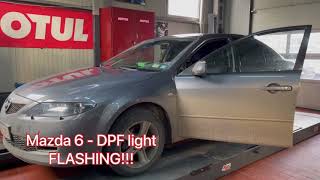
How to confirm: If the DPF light started flashing after an oil change was due or recently performed, this is the most likely cause. The light is specifically flashing, not solid. 🎬 Watch: How to fix a flashing DPF light and P2459 code A scan tool will often show no other active DPF faults.
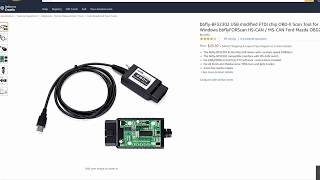
Typical fix: Perform the 'oil data reset' procedure. This can be done with a compatible scan tool (like FORScan) or via a manual method. One documented manual method involves grounding a specific pin in the diagnostic connector and pressing the accelerator pedal a set number of times. An oil and filter change should be performed if not done already using low-ash C1/DL-1 specification oil.
Est. part cost: $0-$100 - Driving Style (Frequent Short Trips) 🔴 High Probability Like all DPF-equipped diesels, this engine needs to reach and maintain high exhaust temperatures (passive regeneration) or complete an active regeneration cycle. Constant short trips or city driving prevent this, causing soot to build up faster than it can be burned off.
How to confirm: Review driving habits. If the vehicle is primarily used for trips under 15-20 minutes where the engine doesn't fully warm up, passive regeneration is likely not occurring.
Typical fix: Drive the vehicle at highway speeds (over 40-50 MPH / 65-80 km/h) for at least 20-30 minutes to allow a regeneration cycle to complete. If the DPF is too clogged (solid DPF light or limp mode), a forced regeneration by a workshop or with a tool like FORScan may be needed.
Est. part cost: $0 - Engine Oil Dilution 🟡 Medium Probability Failed or interrupted regeneration cycles cause the ECU to inject extra fuel to raise exhaust temperature. Some of this unburnt fuel gets past the piston rings and mixes with the engine oil, raising the oil level and thinning it out, which reduces its lubricating properties.
How to confirm: Check the oil dipstick. The oil level will be above the 'Full' mark, often reaching or exceeding the 'X' mark, which specifically indicates excessive dilution. The oil will also smell strongly of diesel fuel.
Typical fix: The engine oil and filter MUST be replaced immediately with a low-ash oil specified for DPF-equipped engines (JASO DL-1). The underlying cause of the failed regenerations (e.g., driving style, faulty sensor) must then be diagnosed and fixed to prevent recurrence.
Est. part cost: $50-$120 - Faulty DPF Differential Pressure Sensor 🟡 Medium Probability This sensor measures DPF soot load by comparing pressure before and after the filter. It can fail electronically or its connecting rubber pipes can crack, perish, or get blocked with soot, sending false 'clogged' signals to the ECU and causing unnecessary regeneration attempts.
How to confirm: Use a scan tool to monitor the sensor's live data. Readings should be near 0 kPa at idle and increase smoothly with RPM. Inspect the sensor's rubber hoses for cracks, splits, or blockages. A faulty sensor may give erratic or zero readings.
Typical fix: Replace the DPF differential pressure sensor and/or its hoses. The OEM part number for this model is often RF7J-18-2B5 or an equivalent like RF8G-18-2B2. After replacement, a sensor data reset must be performed using a scan tool like FORScan.
Est. part cost: $40-$150 - Leaking Fuel Injector Seals (Washers) ⚪ Low Probability The copper injector seals on this engine are a known major failure point. They leak combustion gases into the crankcase, creating hard carbon deposits ('black death') that contaminate the oil and can clog the oil pickup strainer, leading to oil starvation and engine seizure. This process also creates excessive soot, which overloads and clogs the DPF.
How to confirm: This is a difficult diagnosis, often made after other DPF fixes fail. Suspect this if there is a history of low oil pressure warnings or if the oil becomes very thick and carbonized quickly. Visual inspection requires removing the valve cover to check for carbon buildup around the injector bases. Removing the oil pan to inspect the oil pickup strainer for blockage is the definitive check.
Typical fix: This is a major and critical repair. It involves removing the injectors, meticulously cleaning the carbon from the cylinder head and injector ports, replacing the injector seals (copper washers), and cleaning the oil sump and oil pickup strainer. It's crucial to also check for camshaft wear caused by previous oil starvation.
Est. part cost: $50-$400 for parts, but labor is significant.
Rare But Worth Checking
- Clogged or Faulty EGR Valve: A stuck-open or clogged EGR valve can cause excessive soot production by lowering combustion temperatures, leading to the DPF clogging up faster than normal and triggering frequent regenerations.
- Terminally Clogged DPF: The DPF can become so full of non-burnable ash over its service life (typically 100k+ miles) that it can no longer be effectively regenerated. At this point, it must be professionally cleaned off-car or replaced entirely.
- Outdated ECU Software: Mazda released software updates to improve the DPF regeneration logic and prevent cycles from occurring too frequently. An older calibration may be too sensitive.
Diagnosis Steps
- Check the DPF warning light. Is it SOLID (indicates a blockage requiring a regeneration run) or FLASHING (often indicates oil service is due or oil is diluted)?
- Check the engine oil level and smell. If the level is at or above the 'X' mark and/or smells strongly of diesel, stop driving. The oil is diluted and must be changed immediately with correct spec low-ash oil.
- If the DPF light is flashing and an oil change was just done, perform the 'Oil Data Reset' using a scan tool (like FORScan) or the manual procedure first. This alone often fixes the issue.
- Connect an OBD-II scanner. Read all fault codes. Note any codes related to DPF pressure (P2452, P2453), ash/soot accumulation (P2463, P242F), or oil level (P252F).
- Using the scanner, view live data for the DPF differential pressure sensor. Check for plausible values: near zero at idle, and increasing steadily with RPM. Also monitor exhaust gas temperature sensors to ensure they are reading correctly.
Parts You'll Likely Need
- DPF Differential Pressure Sensor
(OEM #RF7J-18-2B5)— This sensor frequently fails or its hoses become blocked/cracked, providing incorrect soot level data to the ECU and disrupting the regeneration process.
Trusted brands: Bosch, Denso, NTY
OEM price range: $120-$200
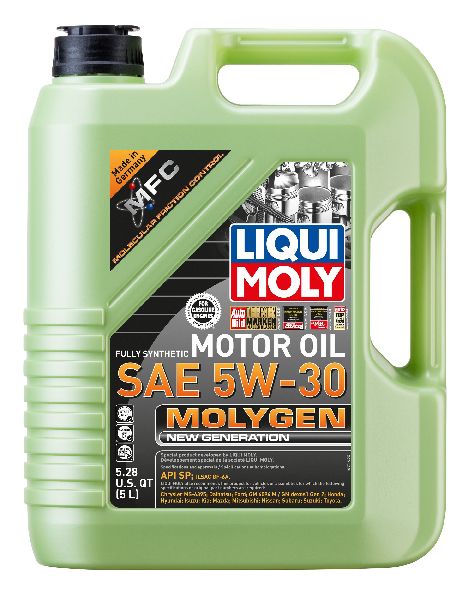
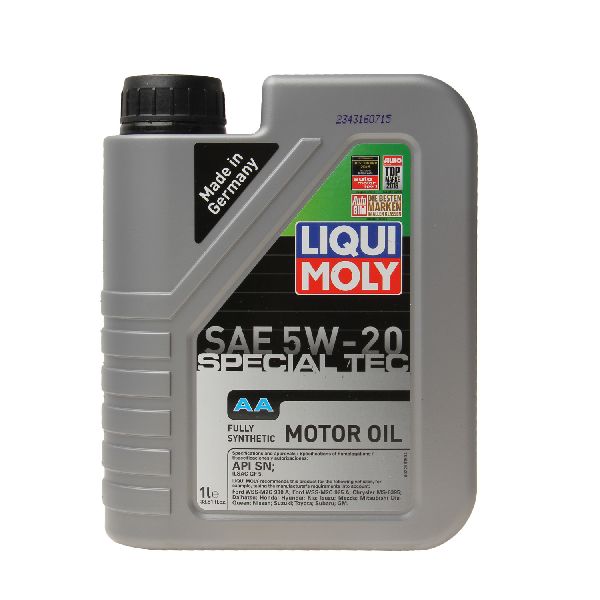
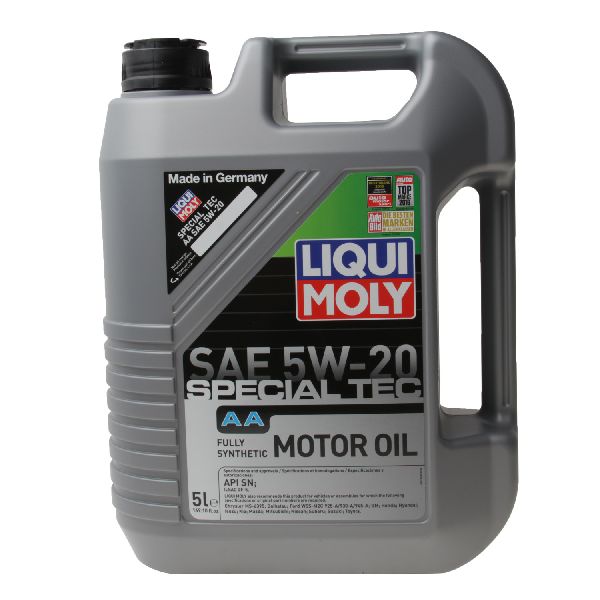
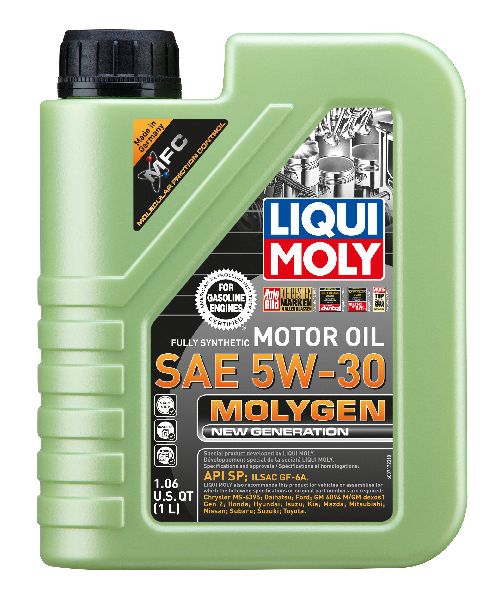
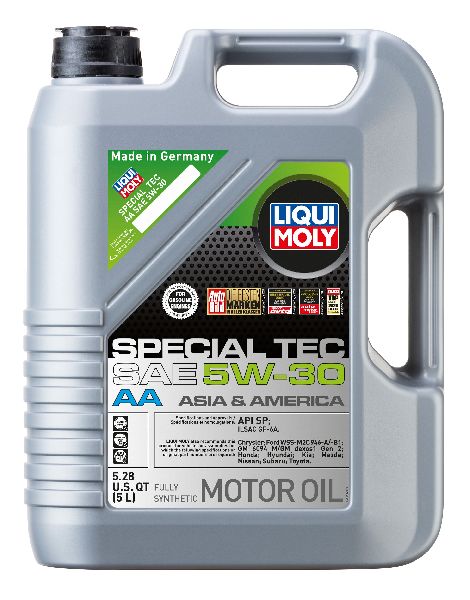
Aftermarket price range: $40-$90 - Engine Oil and Filter Kit (Low-Ash) — Mandatory replacement if oil dilution has occurred. Using the correct low-SAPS (Sulphated Ash, Phosphorus, and Sulphur) oil is critical to prolonging the life of the new DPF.
Trusted brands: Castrol, Mobil 1, Liqui Moly
OEM price range: $80-$120
Aftermarket price range: $50-$80 - Fuel Injector Seal Kit (Washers) — A common root cause of excessive soot production on Mazda diesels. Failure of these seals leads to a cascade of problems that manifest as DPF faults.
Trusted brands: Mazda OE, Elring
OEM price range: $40-$80
Aftermarket price range: $20-$50
Related Codes That Often Appear With This One
- P2463 — Stands for 'Diesel Particulate Filter Restriction - Soot Accumulation'. This code often appears with P2459, indicating the filter is actively clogged, while P2459 points to the frequency of the attempts to clear it.
- P242F — Stands for 'Diesel Particulate Filter Restriction - Ash Accumulation'. This indicates the DPF is clogged with non-burnable ash, a more permanent problem than soot, often requiring professional cleaning or replacement.
- P252F — Stands for 'Engine Oil Level Too High'. This code is a direct result of the oil dilution problem caused by repeated failed DPF regenerations, where diesel fuel contaminates the engine oil.
Technical Service Bulletins (TSBs) & Recalls
- While no specific TSB number was found for P2459 in the search, multiple sources reference Mazda issuing software updates to improve DPF regeneration logic and releasing updated dipsticks and pressure sensors to combat oil dilution issues.
Platform-Specific Known Issues

- The flashing DPF light is a multi-function indicator on this model and can also point to timing chain stretch, though oil service reset is the most common trigger.
- Mazda released a software update and a revised dipstick for some of its diesel engines (notably the 2.2L Skyactiv in the CX-5) to help manage the oil dilution issue. While not confirmed for this specific 2.0L MZR-CD, it highlights the prevalence of the problem across Mazda's diesel lineup.
Mechanic-Grade Diagnostic Values
- DPF Differential Pressure Sensor at idle (engine warm) — expected: 0-7 mbar (0-0.7 kPa).. Failure: Readings significantly above 7 mbar at idle, or a static high reading (e.g., 65 kPa) with Key On Engine Off, indicate a faulty sensor or blockage.
- DPF Differential Pressure Sensor Voltage (Key On Engine Off) — expected: Approximately 0.5V.. Failure: A reading significantly higher, such as 0.8V or more, is suspicious and points to a sensor that is out of range.
- DPF Differential Pressure Sensor Live Data (when sensor is unplugged) — expected: The scan tool should display a default, fixed value.. Failure: On this platform, a common default value is 50 kPa, confirming the PCM is seeing the disconnected sensor.
Scan Tool Commands That Help

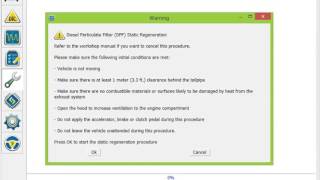
- FORScan or Mazda IDS: DPF Static Regeneration — To command the vehicle to perform a stationary regeneration cycle. This is used when the DPF is too clogged for a normal driving (dynamic) regeneration to start, often when the DPF light is solid.
- FORScan or Mazda IDS: Reset the Diesel Particulate Filter (DPF) learned values — This service function should be performed after replacing the DPF to tell the ECU that a new filter is installed.
- FORScan or Mazda IDS: Reset the engine oil deterioration learned value (Oil Data Reset) — This is a critical step after every oil change. Failing to perform this reset is a very common cause of a flashing DPF light and P2459, as the ECU believes the oil is still old and diluted.
- Manual Procedure (No Scan Tool): Forced DPF Regeneration / Oil Service Reset — As a field fix without a scan tool. The procedure involves connecting a wire from a specific pin on the diagnostic link connector to a chassis ground, then following a sequence of accelerator pedal presses. This can be used to initiate a cleaning cycle or reset the oil life monitor.
Wiring & Ground Locations
- Diagnostic Connector Pin (for manual reset) — In the diagnostic link connector (DLC) under the dashboard. A published guide shows a diagram where a specific pin (circled in red in the source document) is to be connected to a chassis ground to initiate manual DPF service functions.. This specific pin allows a technician or owner to perform a forced regeneration or oil data reset without a specialized scan tool, which can directly resolve a flashing DPF light associated with P2459.
- Engine/Transmission Grounds — Common grounding points are located on the passenger side motor mount, on the transmission housing (often one large and one small wire), and on the chassis frame near the driver's side fender/headlight area.. A poor ground connection can cause erratic behavior from any sensor, including the DPF pressure sensor. Verifying these main grounds are clean and tight is a fundamental step in diagnosing any electrical fault.
Real Owner Repair Stories
- YouTube user 'LM Auto Repairs' (Mazda 6 with 2.0L Diesel) — Flashing DPF light and fault code P2459.
❌ Tried (didn't work) The video focuses on the direct cause and fix.
✅ What actually fixed it The problem was solely due to the oil service data not being reset. After using a scan tool to perform the 'oil data reset' function, the fault code could be cleared and the flashing DPF light went out. - Mazda6 Owners Club Forum (mazda6oc.co.uk) (2007-2012 Mazda 6 2.0d) — Flashing DPF light and P2459 code.
❌ Tried (didn't work) Initial confusion about the cause of the flashing light.
✅ What actually fixed it Forum veterans explained that a flashing light indicates a service is due, not necessarily a blocked DPF. The recommended fix was to use the 'two wire jumper method' (grounding a pin on the DLC) to force a DPF regen and/or reset the oil service counter. - Reddit user in r/mazda6 (2nd Gen Mazda 6 Diesel (2009 2.2D, but procedure applies to 2.0D)) — Flashing DPF light.
❌ Tried (didn't work) Replacing the DPF without addressing the underlying trigger.
✅ What actually fixed it The user confirmed the fix for a flashing DPF light is often just resetting the oil life monitor. They stated this can be done using FORScan or the manual 'wire method' to ground a pin in the engine fuse box area. This resets the ECU's oil dilution counter.
"I Checked Everything" — The Actual Cause
- In one documented case, the DPF pressure sensor pipes were smoke tested and showed no leaks. However, the sensor was still providing incorrect readings. The technician then connected a Mityvac pressure pump directly to the sensor. While applying pressure, the live data on the scan tool did not change, proving the sensor itself was internally faulty and needed replacement, even though its hoses were intact.
OEM Part Supersession History
RF7J-18-2B5→RF8G-18-2B5, RF8G-18-2B2, or aftermarket equivalents like PSD1-K4238.— Mazda has released several revisions of this sensor to improve reliability and accuracy.
Heads up: While later versions are generally backward compatible, it is crucial to ensure the replacement part is specified for the 2.0L MZR-CD engine, as sensors for the 2.2L Skyactiv engine may be physically different or require different calibration.
Model Year Variations Within This Range
- 2008-2012: The 2.0L MZR-CD engine in the second generation (GH) Mazda 6 was a revised version of the one in the first generation. It featured an improved common-rail injection system and an optimized turbocharger. However, core DPF system issues, including the sensitivity to short trips and oil dilution, remained prevalent throughout this generation.
Diagnostic Flowchart
Other Known Issues on This Vehicle
Issues unrelated to this code that are worth knowing about as an owner of this generation:
- Leaking Fuel Injector Seals (Copper Washers) 🔴 High — Common failure point, especially on engines over 75,000 miles. Can lead to catastrophic engine failure if not addressed. (Ref: Mazda reportedly added injector seal replacement to the 75k mile service schedule in some regions due to the high failure rate.)
- Clogged Oil Pump Pickup Strainer 🔴 High — Direct consequence of leaking injector seals. Carbon deposits contaminate the oil and block the strainer, causing oil starvation to the engine.
- Sticking/Clogged EGR Valve 🟠 Medium — Common on many diesel engines of this era. Carbon buildup can cause the valve to stick open or closed, affecting emissions and performance.
- Premature Timing Belt Wear 🔴 High — While the belt itself is generally durable, issues like oil dilution can affect its lifespan. It has a recommended replacement interval (e.g., every 75,000 miles/120,000 km) that must be respected to avoid engine failure.
- Body Rust 🟠 Medium — The GH generation Mazda 6 is known to be prone to rust, particularly around the wheel arches, sills, and underbody, especially in climates with road salt.
- Steering Rack Problems 🟡 Low — Some owners report issues with the steering rack, including knocks, clicks, or excessive effort when turning, sometimes appearing around 80,000-100,000 km.
Used vs. New Parts: Buying Guide for This Vehicle
When a used part is the smart pick: For this specific repair, using used parts is generally not recommended. The key failure components (DPF, pressure sensor) are wear items or prone to failure. A used DPF from a salvage yard likely has significant ash accumulation or may have come from a vehicle with the same upstream engine problems (like leaking injector seals) that cause clogging.
Donor-vehicle mileage cap: roughly under 50000 miles for the part to have meaningful remaining life.
What to inspect on the donor part:
- If considering a used DPF, ask for the donor vehicle's mileage and history if possible. Avoid any from vehicles with known engine failure.
- Visually inspect the DPF for any physical cracks or signs of melting on the filter substrate.
- For a used sensor, there are no reliable visual cues; it's a high-risk purchase.
OEM-only on this vehicle (don't cheap out):
- Diesel Particulate Filter (DPF): While expensive, the OEM filter is designed for the specific regeneration strategy of the ECU. Poor quality aftermarket DPFs can fail to regenerate properly, leading to a quick return of P2459 and other codes.
Aftermarket brands forum-validated for this vehicle:
- For the DPF Pressure Sensor, brands like Bosch, Denso, or Delphi are generally reputable choices if available for this application. FONAN is also noted as a manufacturer of this part.
Brands owners have reported issues with on this vehicle:
- Avoid unbranded, no-name electronic sensors from online marketplaces. These often have poor calibration and high failure rates, leading to incorrect readings and repeated diagnostic work.
Real Owner Stories
Aggregated from forums and TSBs cited above. Mileages and costs reflect what owners reported in those sources.
Mazda 6 2.0L MZR-CD
Symptoms: Vehicle entered limp mode with a flashing DPF light.
What fixed it: The owner's discussion centered on the need for a forced regeneration, the impact of driving style on the DPF system, and the potential high cost of a full DPF replacement if regeneration fails.
Source hint: Honest John Forum: Diesel Particulate Filter Issues [Mazda 6]
Mazda 6 GG1/GY1 2.0 DPF (121hp)
Symptoms: A recurring DPF flashing light issue persisted even after the owner performed an EGR cleaning and a forced regeneration.
What fixed it: The issue was not resolved by initial fixes. The owner was investigating other root causes, such as leaking fuel injectors or a failing DPF differential pressure sensor, as the next step in diagnosis.
Source hint: Mazda Forum: DPF issues in Mazda 6 GG1/GY1 2.0 DPF (121hp)
Related OBD-II Codes
Frequently Asked Questions
Why is my DPF warning light FLASHING instead of being solid on my Mazda 6?
I just changed the oil in my 2.0L MZR-CD, and now the DPF light is flashing. What did I do wrong?
My engine oil level is above the 'Full' mark and smells like diesel. Should I be concerned?
Can my short-trip city driving really be the cause of the P2459 code?
What specific type of oil should I use in my 2007-2012 Mazda 6 diesel?
The DPF differential pressure sensor was mentioned as a cause. What part number should I look for?
Helpful Videos
Used OEM Parts in Stock

New Aftermarket Parts Available

The information in this article is provided for general reference and educational purposes only. Vehicle specifications, procedures, and part compatibility can vary by production date, trim level, and region. Always consult your vehicle's factory service manual and verify part numbers before purchasing or performing repairs. Safety-critical components such as airbags, seat belts, and braking systems should be installed by a qualified professional.
- Mazda 6:
- 🎬 Helpful Videos
- 🛍️ Shop This Part
- What's Unique About the 2007-2012 Mazda 6
- Symptoms You May Notice
- Most Likely Causes
- Rare But Worth Checking
- Diagnosis Steps
- Parts You'll Likely Need
- Related Codes That Often Appear With This One
- Technical Service Bulletins (TSBs) & Recalls
- Platform-Specific Known Issues
- Mechanic-Grade Diagnostic Values
- Scan Tool Commands That Help
- Wiring & Ground Locations
- Real Owner Repair Stories
- "I Checked Everything" — The Actual Cause
- OEM Part Supersession History
- Model Year Variations Within This Range
- Diagnostic Flowchart
- Other Known Issues on This Vehicle
- Used vs. New Parts: Buying Guide for This Vehicle
- Real Owner Stories
- Mazda 6 2.0L MZR-CD
- Mazda 6 GG1/GY1 2.0 DPF (121hp)
- Related OBD-II Codes
- Frequently Asked Questions
- 🎟️ Get 5% Off