

P2280 on 2015-2019 Ford Transit 3.2L Diesel: Air Leak & Wet Filter Causes and Fixes
On a 2015-2019 Ford Transit 3.2L, P2280 is most often caused by a wet and clogged air filter due to a known water leak from the windshield cowl. Check for a soaked air filter first. The permanent fix involves installing an updated water deflector shield (Ford TSB 19-2091) and replacing the saturated air filter.
- For a P2280 code on a 3.2L Transit, immediately inspect the engine air filter for water damage before checking anything else.
- The cause is likely a water leak from the cowl area, a known issue for this van.
- Replacing the air filter is the most common fix. If the problem repeats, the cowl leak must be addressed.
- Do not replace the expensive MAF sensor until you have confirmed the air filter is dry and the intake hose has no cracks or leaks.
What's Unique About the 2015-2019 Ford Transit
The Ford Transit from this era has a well-documented design flaw where water can leak from the windshield cowl area directly onto the air filter housing. The cowl's drain channel can be overwhelmed in heavy rain or when the van is parked on an incline, causing water to spill directly onto the airbox. This saturates the paper air filter, causing it to swell, restrict airflow, and even disintegrate, sending debris down the intake tube. This water intrusion issue is the primary cause for code P2280 on this specific van, making the air filter's condition the number one item to check. Ford acknowledged the problem with Technical Service Bulletin (TSB) 19-2091.
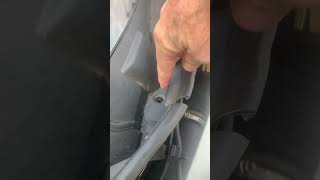
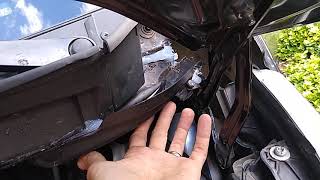
🎬 Watch: How to fix the water leak in your engine baySymptoms You May Notice
- Check Engine Light is on
- Reduced engine power and sluggish acceleration (Limp Mode)
- Rough or unstable idle
- Hesitation when accelerating
- Possible stalling when coming to a stop
- Hissing or whistling sounds from the engine bay, indicating a vacuum or boost leak
- Loud whooshing sound under acceleration if the restriction caused an intercooler hose to blow off
- Replacing the MAF sensor without first checking for a wet air filter or a cracked intake boot. The MAF sensor is often blamed, but the root cause is frequently the air supply to it, especially on this van due to the cowl leak.
Most Likely Causes
- Wet, Clogged, or Disintegrated Air Filter 🔴 High Probability A design flaw allows rainwater from the cowl to drip directly onto the air filter housing, saturating the filter. This is a widely reported issue in owner forums and was addressed by Ford TSB 19-2091.
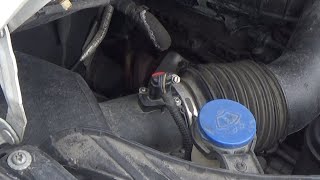
How to confirm: Open the air filter housing and visually inspect the air filter. Check for dampness, water stains, a soggy texture, or signs that the filter material is breaking apart. The filter may be so wet it falls apart upon removal. 🎬 See this walkthrough on fixing a wet engine air filter
Typical fix: Replace the air filter (OEM Part: CK4Z-9601-A). To prevent recurrence, install the updated water deflector shield (OEM Part: CK4Z-6102408-AA) and potentially the revised air cleaner cover (OEM Part: JK4Z-9661-B) as prescribed in Ford TSB 19-2091.
Est. part cost: $25-$50 for the filter, $50-$100 for the TSB hardware kit. - Cracked or Loose Air Intake Hose 🟡 Medium Probability Rubber hoses can become brittle and crack from heat cycles and age. Forum users have noted that finding split intake hoses on these vans in scrapyards is common.
How to confirm: Visually inspect the entire air intake duct between the air filter box and the MAF sensor. Look for cracks, splits, or loose clamps. A smoke test can be performed to reveal leaks that are not visible.
Typical fix: Tighten any loose clamps or replace the damaged intake hose.
Est. part cost: $70-$150 - Dirty or Faulty Mass Airflow (MAF) Sensor ⚪ Low Probability If the air filter has disintegrated due to water, debris and oil mist can contaminate the sensitive MAF sensor wires.
How to confirm: Remove the MAF sensor and inspect the small wires inside for dirt, oil, or debris. You can attempt to clean it using a dedicated MAF sensor cleaner spray. If cleaning does not resolve the issue, the sensor may need to be tested or replaced.
Typical fix: Clean the MAF sensor with a product specifically designed for the task. If the problem persists, replace the MAF sensor.
Est. part cost: $10 (cleaner) - $150 (sensor)
Rare But Worth Checking
- Debris in Air Intake Passage: If a wet air filter has come apart, pieces of filter media can get lodged in the intake tube, causing a restriction. Always check the tube for debris when replacing a damaged filter.
- Blown Intercooler or Charge Pipe: The severe airflow restriction from a soaked filter can create excessive vacuum, and in some cases, has been suspected of causing downstream components like the intercooler or charge air pipes to fail or blow off under pressure.
Diagnosis Steps
- Scan for any other stored trouble codes to see if P2280 is part of a larger problem.
- Open the air filter housing. Carefully inspect the air filter for any signs of water saturation, dirt, clogging, or physical damage/disintegration. This is the most likely cause on a Transit.
- While the filter is out, inspect the inside of the airbox and the intake tube for any water, ice, or filter debris.
- Investigate the source of the water. Check the windshield cowl drain area above the airbox for blockages or signs of overflow. Confirm if the fix from TSB 19-2091 has been performed.
- Thoroughly inspect the flexible air intake hose that runs from the air filter housing to the MAF sensor. Check for cracks, tears, and ensure the clamps at both ends are secure.
- If no visible leaks are found, consider performing a smoke test on the intake system to identify any small, hard-to-see leaks.
- Remove and inspect the MAF sensor. If it appears dirty, clean it with a dedicated MAF sensor cleaner. Do not touch the internal wires. 🎬 Watch: Step-by-step guide to cleaning your MAF sensor
- If the filter and intake tract are in perfect condition and cleaning the MAF sensor doesn't help, the sensor itself may be faulty and require replacement.
Parts You'll Likely Need
- Engine Air Filter
(OEM #CK4Z-9601-A)— This is the most common failure point, often becoming saturated with water due to a cowl leak, which restricts airflow.
Trusted brands: Motorcraft, WIX, Bosch
OEM price range: $30-$50
Aftermarket price range: $20-$40 - Cowl Water Deflector Shield
(OEM #CK4Z-6102408-AA)— This is the official Ford part to fix the root cause of the water leak onto the airbox, as specified in TSB 19-2091.
Trusted brands: Ford OEM
OEM price range: $40-$60 - Engine Air Cleaner Cover
(OEM #JK4Z-9661-B)— A revised cover is part of the TSB 19-2091 fix for 2015-2018 3.2L models to help prevent water intrusion.
Trusted brands: Ford OEM
OEM price range: $50-$80 - Mass Airflow (MAF) Sensor
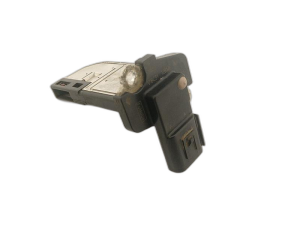
(OEM #8V2Z-12B579-A)— May fail due to contamination from a disintegrating air filter or age. It is often misdiagnosed but is the next logical part to check if the filter and intake tract are confirmed to be good.
Trusted brands: Motorcraft, Walker Products, Bosch
OEM price range: $120-$180
Aftermarket price range: $60-$120 - Air Intake Hose — The rubber hose can crack with age and heat cycles, creating a leak for unmetered air to enter the system.
Trusted brands: Ford OEM, Motorcraft
OEM price range: $100-$150
Aftermarket price range: $70-$120
Related Codes That Often Appear With This One
- P0101 — This code for 'Mass Air Flow (MAF) Circuit Range/Performance' is closely related and can be triggered by the same air leaks or restrictions.
- P1247 — This code for 'Turbocharger Boost Pressure Low' is also linked to the water-ingestion issue on Transits. A saturated air filter restricts airflow, preventing the turbo from building proper boost.
- P00BD — This code for 'Mass or Volume Air Flow 'A' Circuit Range/Performance - Air Flow Too High' is also mentioned in TSB 19-2091 as a possible result of the water intrusion issue.
Technical Service Bulletins (TSBs) & Recalls
- Ford TSB 19-2091: Addresses various drivability concerns (including DTCs P1247 and P00BD) caused by water entry into the engine compartment. The fix involves installing an updated water deflector (CK4Z-6102408-AA), a revised air cleaner cover (JK4Z-9661-B for the 3.2L), and a new air filter. This directly addresses the root cause of P2280 on this platform.
- Ford Customer Satisfaction Program 21M03: While not for P2280, this program extends the warranty for cracked EGR coolers on 2015-2019 Transits with the 3.2L engine. This is a common related issue owners should be aware of.
Platform-Specific Known Issues
- A known design issue on 2015-2019 Transits allows water to run off the windshield cowl and leak into the air filter housing, causing the filter to become saturated. This is a primary cause of airflow-related codes like P2280.
- Forum users describe the water intrusion happening during heavy rain or when parked on an incline, as the scuttle drain channel overflows directly onto the airbox.
Mechanic-Grade Diagnostic Values
- Mass Airflow (MAF) Sensor Live Data at Idle — expected: 2.5 - 3.5 grams/second (g/s) with engine at normal operating temperature.. Failure: Readings significantly lower than 2.5 g/s, such as 0.5 g/s, suggest a restriction or a faulty sensor.
- Mass Airflow (MAF) Sensor Live Data at 2000 RPM (under load) — expected: 10 - 15 grams/second (g/s).. Failure: Readings that do not increase proportionally with RPM or stay flat indicate a problem.
- MAF Sensor Voltage at Idle (Key On, Engine Running) — expected: Approximately 0.5 - 0.8 Volts.. Failure: Voltage significantly outside this range can indicate sensor contamination or failure.
Scan Tool Commands That Help
- Ford IDS (Integrated Diagnostic System): Datalogger - MAF PID Monitoring — Use the datalogger to monitor the MAF sensor's reported airflow in grams/second (g/s) in real-time. This is the primary method for determining if the sensor is reading incorrectly due to a restriction (low reading) or an electrical fault. The IDS is the dealer-level tool providing the most accurate data.
Wiring & Ground Locations
- Fuse F36 — In the engine compartment fuse box.. This 10A fuse provides power to the Mass Air Flow (MAF) sensor on diesel models. If this fuse is blown, the MAF sensor will have no power, leading to MAF-related trouble codes like P2280.
Real Owner Repair Stories
- Multiple threads on FordTransitUSAForum.com (2015-2019 Ford Transit 3.2L Diesel) — Sudden loss of power (limp mode), Check Engine Light on, sometimes accompanied by a 'Service Air Filter' message.
❌ Tried (didn't work) Clearing the code without inspection (code returns immediately), Replacing the MAF sensor without checking the air filter first.
✅ What actually fixed it The consistent fix reported by owners involves a two-part process: 1) Replacing the water-saturated, often deformed or disintegrated, engine air filter. 2) Installing the parts from Ford TSB 19-2091, specifically the cowl water deflector shield (CK4Z-6102408-AA) and the revised air cleaner cover (JK4Z-9661-B), to prevent water from leaking onto the airbox in the future. This combination resolves the root cause and the symptom.
OEM Part Supersession History
TSB 17-0014→TSB 18-2321, then TSB 19-2091— The service procedure and parts list for the water intrusion issue were updated over time for better effectiveness.
Heads up: Always use the latest TSB (19-2091) for the most current parts and procedure.Original Air Cleaner Cover→JK4Z-9661-B— Revised design to help prevent water intrusion as part of the TSB 19-2091 fix.
Heads up: This part number is specific to the 2015-2018 3.2L Diesel and 2015 3.7L gas engines. Other engines, like the 3.5L EcoBoost, use different part numbers (e.g., JK4Z-9661-D or LK4Z-9661-B). Using the wrong cover may result in improper fitment.
Model Year Variations Within This Range
- 2015 - Mid-2018: Vehicles built on or before July 24, 2018, are susceptible to the water leak issue and are the subject of TSB 19-2091. Vehicles built after this date may have the updated water deflector and airbox design from the factory, making the water-soaked filter a less likely cause.
- 2015-2019: The 3.2L Power Stroke diesel engine option was discontinued in the North American market after the 2019 model year, replaced by gasoline and electric powertrains in the 2020+ facelifted generation.
Diagnostic Flowchart
Other Known Issues on This Vehicle
Issues unrelated to this code that are worth knowing about as an owner of this generation:
- Driveshaft Flexible Coupling (Giubo) Failure 🔴 High — Very common on 2015-2017 models, affecting hundreds of thousands of vehicles. Failure can occur as early as 40,000 miles. (Ref: Recall 19S38 (NHTSA 19V-767), superseding 17V-408. The fix involves replacing the flexible coupling with a permanent mechanical U-joint.)
- Internal EGR Cooler Leak 🔴 High — Common enough that Ford issued a customer satisfaction program. Can lead to coolant consumption, white exhaust smoke, and engine overheating. (Ref: Customer Satisfaction Program 21M03 extends the warranty for this part. A revised cooler part (CK4Z-9U433-B) is available.)
- Fuel Injector Clogging from Debris 🔴 High — Affected a specific production range of 2015-2016 models. Can cause engine stalling. (Ref: Recall 16S32 was issued to replace the fuel injection pump and flush the system.)
- Cracked Turbocharger/Intercooler Hoses 🟠 Medium — Rubber hoses can split with age and heat cycles, causing a loss of boost pressure, hissing noises, and reduced power.
Used vs. New Parts: Buying Guide for This Vehicle
When a used part is the smart pick: For this repair, obtaining a used air cleaner housing, cover, or the connecting intake hoses from a salvage yard can be a cost-effective option, especially if the original is cracked or damaged during filter replacement.
Donor-vehicle mileage cap: roughly under 100000 miles for the part to have meaningful remaining life.
What to inspect on the donor part:
- For plastic parts (airbox, cover), inspect for hairline cracks, especially around mounting tabs and screw holes.
- Ensure all clips and locking tabs are present and not broken.
- For rubber hoses, bend and squeeze them to check for brittleness or hidden cracks. The rubber should still be pliable.
- Avoid parts from vehicles that show signs of a front-end collision, even if the part itself looks intact.
OEM-only on this vehicle (don't cheap out):
- Mass Airflow (MAF) Sensor: It is strongly recommended to use an OEM Motorcraft sensor. Aftermarket MAF sensors are notoriously hit-or-miss and can cause persistent performance issues or codes.
- Cowl Water Deflector Shield (CK4Z-6102408-AA): This is a TSB-specific part and should be purchased new from Ford to ensure you have the corrected design.
Aftermarket brands forum-validated for this vehicle:
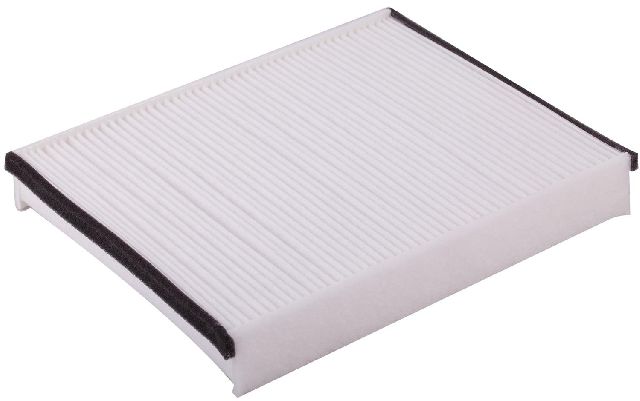
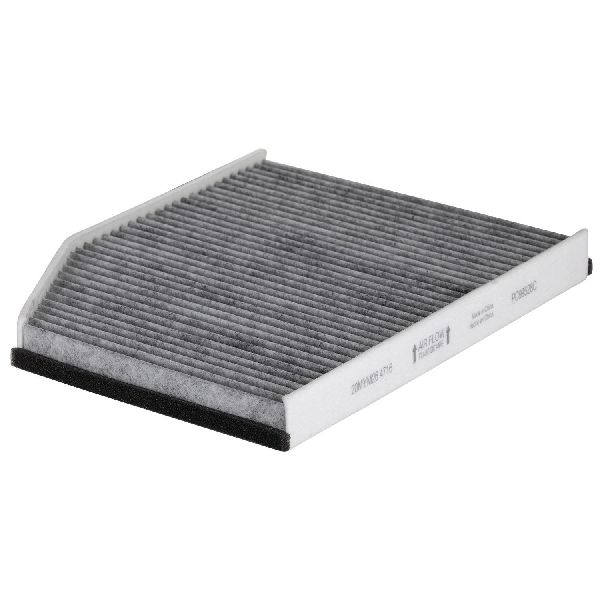
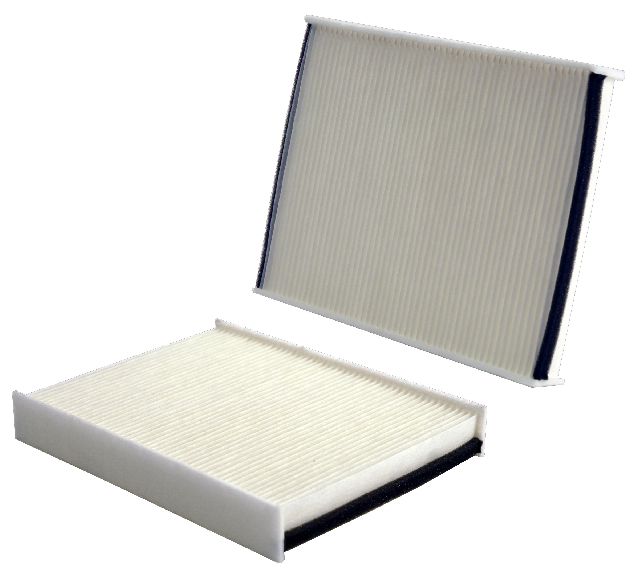
- Engine Air Filter: Motorcraft (OEM), WIX, Bosch, Purolator are all reputable brands that meet or exceed OEM specifications.
Brands owners have reported issues with on this vehicle:
- Unbranded or 'white box' MAF sensors from online marketplaces. These often use lower-quality sensing elements that do not perform to OEM standards and can fail quickly.
Real Owner Stories
Aggregated from forums and TSBs cited above. Mileages and costs reflect what owners reported in those sources.
2015-2019 Ford Transit 3.2L Power Stroke Diesel
Symptoms: The owner found the air filter was completely saturated with water, to the point that it was disintegrating and falling apart upon removal. The van was in limp mode with the Check Engine Light on.
What fixed it: The owner replaced the disintegrated air filter and installed the updated water deflector and revised air cleaner cover as specified in Ford TSB 19-2091 to prevent the issue from happening again.
Cost: $75-$150
Source hint: Ford TSB 19-2091 and owner forum reports on wet air filters.
2015-2019 Ford Transit 3.2L Power Stroke Diesel
Symptoms: An owner reported a wet air filter and a P1247 code after discovering a missing cowl drain pipe, which allowed water to pour onto the airbox. They also suspected a blown intercooler hose.
What fixed it: The diagnosis pointed to the missing cowl drain pipe as the root cause of the water intrusion that saturated the air filter.
Source hint: FordTransit.org - Thread 'Blown intercooler and soaked air filter'
2015-2019 Ford Transit 3.2L Power Stroke Diesel
Symptoms: Owners describe the check engine light for P2280 appearing after heavy rain or after parking the van on an incline, which causes the scuttle drain channel above the engine to overflow directly onto the air filter housing.
What fixed it: The root cause is the water intrusion from the cowl. The permanent solution is the hardware update outlined in TSB 19-2091.
Source hint: Vehicle-specific issues section describing forum user reports.
Related OBD-II Codes
Frequently Asked Questions
Why does the air filter in my 2017 Transit 3.2L keep getting soaked with water?
Is there a permanent fix from Ford for the water leak that causes the P2280 code?
I hear a hissing or whooshing sound when I accelerate. Is this related to the P2280 code?
My MAF sensor might be bad. The parts store has a cheap one, should I use it?
Does the Ford Ranger with the same 3.2L Power Stroke engine have this same wet air filter problem?
Besides this air filter issue, are there any other major recalls for the 2015-2017 Transit 3.2L I should be aware of?
My van is losing coolant and has white smoke, but the code is P2280. Are these related?
Helpful Videos
Used OEM Parts in Stock



New Aftermarket Parts Available



The information in this article is provided for general reference and educational purposes only. Vehicle specifications, procedures, and part compatibility can vary by production date, trim level, and region. Always consult your vehicle's factory service manual and verify part numbers before purchasing or performing repairs. Safety-critical components such as airbags, seat belts, and braking systems should be installed by a qualified professional.
- Ford Transit:
- 🎬 Helpful Videos
- 🛍️ Shop This Part
- What's Unique About the 2015-2019 Ford Transit
- Symptoms You May Notice
- Most Likely Causes
- Rare But Worth Checking
- Diagnosis Steps
- Parts You'll Likely Need
- Related Codes That Often Appear With This One
- Technical Service Bulletins (TSBs) & Recalls
- Platform-Specific Known Issues
- Mechanic-Grade Diagnostic Values
- Scan Tool Commands That Help
- Wiring & Ground Locations
- Real Owner Repair Stories
- OEM Part Supersession History
- Model Year Variations Within This Range
- Diagnostic Flowchart
- Other Known Issues on This Vehicle
- Used vs. New Parts: Buying Guide for This Vehicle
- Real Owner Stories
- 2015-2019 Ford Transit 3.2L Power Stroke Diesel
- 2015-2019 Ford Transit 3.2L Power Stroke Diesel
- 2015-2019 Ford Transit 3.2L Power Stroke Diesel
- Related OBD-II Codes
- Frequently Asked Questions
- 🎟️ Get 5% Off