

P2198 on 2008-2012 Ford Escape 3.0L: Causes and Fixes for Stuck Rich O2 Sensor
This code means the Bank 2 upstream O2 sensor is stuck reporting a rich fuel mixture. The most common causes are a faulty O2 sensor or a stuck-open EVAP purge valve. Replacing the O2 sensor costs about $50-$150 for the part and is a common DIY fix.
- P2198 means the front-most upstream O2 sensor thinks the engine is running too rich.
- Before buying an O2 sensor, check for a stuck-open EVAP purge valve, a very common issue on these Escapes that is cheaper and easier to fix.
- If you also have code P2196 (for Bank 1), the problem is almost certainly not the O2 sensors themselves but a shared component like the purge valve or fuel pressure regulator.
- Bank 2 is the cylinder bank toward the front of the vehicle (by the radiator). Sensor 1 is the upstream sensor before the catalytic converter.
- Driving for too long with this code can reduce fuel efficiency and potentially damage your catalytic converter.
What's Unique About the 2008-2012 Ford Escape
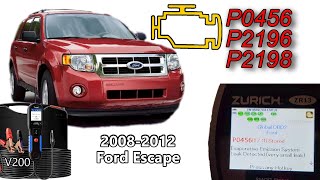
On the 3.0L Duratec V6 in the second-generation Escape, this code is frequently linked to components beyond just the O2 sensor itself. A very common issue for this platform is a faulty EVAP purge control valve that gets stuck open, creating a vacuum leak that pulls in fuel vapors and causes a rich condition on both banks. If both P2196 (Bank 1 Rich) and P2198 (Bank 2 Rich) are present, the purge valve is the primary suspect. 🎬 Watch this step-by-step EVAP purge valve fix for these codes. While a bad O2 sensor is still a prime suspect, owners should be aware that fuel delivery issues like leaking injectors or a failing fuel rail pressure sensor have also been documented as the root cause.
Symptoms You May Notice
- Check Engine Light is on
- Decreased fuel economy
- Rough idle or hesitation
- Smell of gasoline or black smoke from the exhaust
- Poor engine performance and lack of acceleration
- Replacing the catalytic converter. This code points to a problem with the air-fuel mixture *before* the converter. The downstream sensor (Sensor 2) monitors converter efficiency.
- Replacing the wrong oxygen sensor. The code is specific to Bank 2, Sensor 1. On the 3.0L V6 Escape, Bank 2 is the cylinder bank at the front of the vehicle, near the radiator. Sensor 1 is the upstream sensor before the catalytic converter.
Most Likely Causes
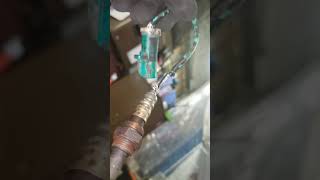
- Faulty Bank 2, Sensor 1 Oxygen Sensor 🔴 High Probability Oxygen sensors are wear items and fail over time due to heat and contamination. On the 3.0L V6, Bank 2 is the cylinder bank closer to the radiator (front of the vehicle), making this sensor somewhat accessible from underneath, though the connector can be difficult to reach. 🎬 See how to replace the Bank 2 Sensor 1 O2 sensor.
How to confirm: Use a scan tool to monitor the live data for the B2S1 O2 sensor. A healthy sensor's voltage should switch rapidly between approximately 0.1V and 0.9V. If it is stuck at a high voltage (e.g., >0.8V or 900 millivolts), the sensor is likely faulty.
Typical fix: Replace the Bank 2, Sensor 1 oxygen sensor. This requires a special O2 sensor socket.
Est. part cost: $50-$150 - Stuck-Open EVAP Purge Valve/Solenoid 🟡 Medium Probability The EVAP purge valve on these Ford models is a known failure point. When it sticks open, it creates a constant vacuum leak that pulls unmetered fuel vapors from the charcoal canister into the intake manifold, causing a rich condition often affecting both banks (P2196 and P2198).
How to confirm: With the engine running, disconnect the vapor line from the purge solenoid. If you can feel vacuum suction from the solenoid's port, it is stuck open and needs to be replaced. There should be no vacuum when the engine is idling. Another test is to remove the valve and try to blow through it; if air passes, it has failed.
Typical fix: Replace the EVAP purge control valve/solenoid. It is located on top of the engine and is easy to access.
Est. part cost: $30-$70 - Leaking Fuel Injector(s) on Bank 2 ⚪ Low Probability While less common, an injector can fail and leak excess fuel into one or more cylinders on Bank 2. This can happen due to age or contamination.
How to confirm: This is more difficult to diagnose. A professional may perform a fuel pressure leak-down test or remove the fuel rail and injectors to observe for leaks. Another method is to check the spark plugs on Bank 2 for signs of being fuel-fouled (wet, black, and smelling of gas). In one documented case with both P2196 and P2198, a flow test revealed several injectors were flowing too much fuel, and replacing the full set fixed the issue.
Typical fix: Replace the faulty fuel injector(s). It is often recommended to replace all injectors on that bank at the same time.
Est. part cost: $40-$100 per injector
Rare But Worth Checking
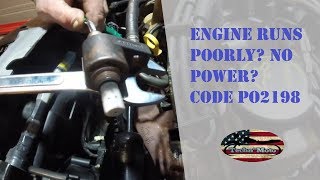
- Faulty Fuel Rail Pressure Sensor: A failing fuel rail pressure sensor can send incorrect data to the PCM, causing it to command excessive fuel pressure. This was seen on an older Escape but is relevant; if the scan tool PID for fuel pressure doesn't match a mechanical gauge reading, the sensor is suspect. In one documented case, a mechanical gauge read over 100 PSI while the scan tool reported a normal 30 PSI, indicating a bad sensor was the root cause of P2196 and P2198 codes. 🎬 Watch a diagnostic walkthrough for a P2198 code causing poor performance.
- Wiring or Connector Issues: Check the wiring harness and connector for the B2S1 O2 sensor for any damage, corrosion, or shorts. Wires can be damaged by heat from the exhaust or road debris. The connector is located in a tight spot, making it susceptible to damage during other repairs.
- Powertrain Control Module (PCM) Failure: This is extremely rare. The PCM itself can fail, but this should only be considered after all other possibilities have been exhaustively ruled out. On some other Ford models, PCM software glitches have been known to cause false rich codes, fixed by a dealer reflash, but this is less documented for this specific Escape issue.
Diagnosis Steps
- Read all fault codes with an OBD-II scanner. Note if other codes like P2196 or EVAP codes are present, as this points towards a systemic issue rather than a single sensor.
- Use the scanner's live data function to observe the voltage of the Bank 2, Sensor 1 (B2S1) O2 sensor. It should fluctuate rapidly. If it is stuck high (above ~0.8V), it confirms the rich signal.
- Inspect the EVAP purge valve. With the engine at idle, disconnect the hose leading from the valve to the intake manifold and check for vacuum. If suction is present, the valve is stuck open and is the likely cause. You can also remove it and try blowing through it; if air passes, it's bad.
- If the purge valve is okay, inspect the B2S1 wiring and connector for any visible damage, melting, or corrosion. The connector is green and located in a tight spot near the driver's side of the engine bay.
- Check for vacuum leaks. Although this code is for a rich condition, the PCM's reaction to other issues can sometimes lead here. A smoke test is the most effective way to find hidden leaks.
- If all else checks out, the B2S1 O2 sensor is the most probable cause. Proceed with replacement. An O2 sensor socket is required.
- If replacing the sensor does not fix the issue, investigate the fuel system more deeply. Check fuel pressure with a mechanical gauge and compare it to the PID value on the scan tool. Consider testing the fuel injectors on Bank 2.
Parts You'll Likely Need
- Oxygen Sensor (Bank 2, Sensor 1)
(OEM #Motorcraft DY-1100)— This is the sensor directly identified by the code and is a common wear-and-tear item. Its failure is a high-probability cause.
Trusted brands: Motorcraft, Bosch, Denso, NTK
OEM price range: $80-$180
Aftermarket price range: $50-$145 - EVAP Purge Control Valve / Solenoid
(OEM #Motorcraft CX-2456 (replaces older part numbers))— A very common failure on this platform that directly causes a rich condition, often triggering both P2198 and P2196.
Trusted brands: Motorcraft, Dorman
OEM price range: $50-$90
Aftermarket price range: $30-$70
Related Codes That Often Appear With This One
- P2196 — O2 Sensor Signal Stuck Rich Bank 1 Sensor 1. If both P2196 and P2198 are present, it strongly suggests a common cause affecting both banks, such as a stuck-open EVAP purge valve, incorrect fuel pressure, or mismatched fuel injectors.
- P0456 — Evaporative Emission System Leak Detected (Very Small Leak). This can appear alongside the rich codes if the fault lies with the EVAP purge valve, as the valve is part of the EVAP system.
- P0153 — O2 Sensor Circuit Slow Response (Bank 2, Sensor 1). This code can accompany P2198, indicating the sensor is not only stuck rich but also not switching as quickly as the PCM expects, further pointing to a faulty sensor or a severe exhaust leak before the sensor.
Technical Service Bulletins (TSBs) & Recalls
- While no TSB directly addresses P2198 on this specific platform, TSBs for other Ford models with similar engines (like TSB 21-2045 for the F-150) show a history of PCM logic issues causing false rich codes. This suggests that if mechanical and sensor-based fixes fail, a PCM reflash could be a potential, though less common, solution.
Platform-Specific Known Issues
- EVAP Purge Valve is a Primary Suspect for Dual Rich Codes: Multiple owner forums and technician videos confirm that when both P2196 and P2198 codes appear together on the 3.0L V6, the first part to check is the EVAP purge valve. A YouTube video by 'FordTechMakuloco' (though not directly cited, the principle is widely shared) and others demonstrate testing the valve by simply removing it and trying to blow through it. If air passes, it has failed. This simple test can save hundreds in diagnostic fees.
- Accessing Bank 2 Sensor 1 Connector: While the Bank 2 Sensor 1 itself is on the front of the engine, its electrical connector can be difficult to access. It's often tucked away near the driver's side, requiring the removal of the air intake tube and reaching into a tight space to disconnect it. Owners report that being 'comfortable with being uncomfortable' is key to this part of the job.
Mechanic-Grade Diagnostic Values
- EVAP Purge Valve Solenoid Resistance — expected: 12 to 130 ohms, with a more typical range being 20-30 ohms for many Ford models.. Failure: A reading of zero ohms (short circuit) or infinite/OL (open circuit) indicates a failed solenoid coil.
- Upstream O2 Sensor (B2S1) Live Data Voltage — expected: Rapidly fluctuating between ~0.1V (lean) and ~0.9V (rich).. Failure: Stuck high, consistently above 0.45V and often around 900 millivolts (0.9V), indicates a persistent rich signal.
- Fuel Pressure (KOER - Key On, Engine Running) — expected: Approximately 55 PSI for this platform.. Failure: Significantly higher pressure could indicate a faulty fuel pressure regulator or sensor, forcing a rich condition.
Scan Tool Commands That Help
- Ford IDS (Integrated Diagnostic System) or equivalent bidirectional scanner: EVAP Purge Valve Command / Active Test — This function allows the technician to command the purge valve to open and close on demand. While monitoring the engine RPM or listening for a click, you can verify if the valve is responding electrically and mechanically without removing it from the vehicle.
- Ford IDS or equivalent bidirectional scanner: KAM (Keep Alive Memory) Reset — After replacing a component like an O2 sensor or purge valve, resetting the KAM clears the long-term fuel trim adaptations. This forces the PCM to relearn the fuel strategy with the new part, which can be crucial for resolving the issue and preventing the code from returning immediately.
- Ford IDS or equivalent scanner with Mode 06 capabilities: Mode 06, Test ID $05 — Requesting on-board monitoring test results for oxygen sensors can provide more detailed data than just live voltage, showing test values and limits for sensor switching times and response rates, which can help confirm a slow or failing sensor.
Wiring & Ground Locations
- G110 — On the 3.0L V6, this ground is located at the left front of the engine compartment.. This is a primary engine compartment ground point. A corroded or loose G110 can cause erratic voltage and signal issues for various engine sensors, including oxygen sensors, leading to false readings and incorrect trouble codes.
- O2 Sensor B2S1 Connector — The connector for the Bank 2 (front) upstream O2 sensor is typically found near the top of the engine, towards the driver's side, often tucked near the firewall or intake manifold components. It is frequently a green-colored connector.. The connector itself can be a point of failure due to corrosion or damaged pins. Its tight location makes it susceptible to damage during other engine repairs. Verifying a clean, secure connection is a key diagnostic step.
Real Owner Repair Stories
- ALLDATA Repair Case Study (2004 Ford Escape AWD 3.0L V6 (Note: Older model but same engine family and directly relevant codes)) — MIL was on, decreased gas mileage, no noticeable drivability issues. Codes P2196 and P2198 present.
❌ Tried (didn't work) Fuel pressure was checked and found to be within specifications., Fuel pressure regulator was checked for leaks., Air filter was confirmed to be new.
✅ What actually fixed it A scan tool showed both upstream O2 sensors were stuck around 900 millivolts. A flow test was performed on the fuel injectors, and several were found to be flowing too much fuel. Replacing the full set of injectors resolved the dual rich codes. - S197Forum.com user post (Ford Mustang V6 (different vehicle, but common Ford issue with same codes P2196 & P2198)) — Sluggish start, CEL with both rich codes.
❌ Tried (didn't work) Alternator test (checked out fine).
✅ What actually fixed it The EVAP purge valve was found to be bad and stuck. The root cause was traced back to a poorly repaired (taped) EVAP canister line that had been damaged. Replacing the purge valve with a junkyard part instantly solved the problem and the codes did not return.
"I Checked Everything" — The Actual Cause
- In cases where both P2196 and P2198 are present and a smoke test reveals no vacuum leaks, the cause is often not unmetered air but rather an excess of unmetered fuel. A stuck-open EVAP purge valve is a primary example, as it introduces fuel vapors, not just air. Another example is an incorrect fuel ethanol percentage reading stored in the PCM; on flex-fuel capable Fords, if the computer thinks the ethanol content is high (e.g., 64%) when it's actually low (e.g., 10%), it will command a much longer injector pulse width, flooding the engine with fuel and causing both banks to read rich. This requires a scan tool capable of reading the ethanol PID and potentially a KAM reset to resolve.
When the Usual Fixes Don't Work
- While the most common fixes are the O2 sensor and EVAP purge valve, there are documented cases where neither was the cause. In one instance involving both P2196 and P2198, extensive diagnosis revealed that multiple fuel injectors were flowing too much fuel. The O2 sensors were correctly reporting the rich condition caused by the injectors. Replacing the full set of injectors was the only solution that fixed the vehicle, after checking fuel pressure and other systems. This highlights the importance of not just replacing the O2 sensor that is setting the code, but using scan tool data to confirm if the sensor is accurately reporting a problem that originates elsewhere in the fuel system.
OEM Part Supersession History
Various older Ford part numbers→Motorcraft CX-2456— This is the current service part number for the EVAP Purge Control Valve for many Ford applications, including later model Escapes, replacing previous versions.
Heads up: While the part number CX-2456 is listed for 2014+ Escapes, the same physical valve design was used on earlier models. Always verify fitment with VIN, but the underlying component is a very common Ford part.
Model Year Variations Within This Range
- 2009-2012: Starting in the 2009 model year, the 3.0L V6 engine was updated, increasing horsepower from 200 hp to 240 hp. The 4-speed automatic was also replaced by a more efficient 6-speed automatic transmission. While the P2198 code applies to the whole generation, these powertrain updates mean some underlying components and PCM software may differ from the 2008 models.
- 2008: The 2008 model was a 'half-gen' update, featuring the new body style but carrying over the engine and 4-speed transmission from the first generation Escape. Therefore, diagnostics and parts may have slight differences compared to the 2009-2012 models with the updated powertrain.
Diagnostic Flowchart
Other Known Issues on This Vehicle
Issues unrelated to this code that are worth knowing about as an owner of this generation:
- 6F35 Transmission Failure 🔴 High — Widespread issue, particularly in 2009-2012 models. Can occur under 100,000 miles. Symptoms include harsh shifting, shuddering, and complete failure. (Ref: Subject of a class-action lawsuit, but no major recall was issued by Ford.)
- Rear Shock Tower Rust 🔴 High — Extremely common in regions that use road salt. The passenger side shock tower rusts through from the inside out, causing the shock to detach. (Ref: No recall. Dorman and other aftermarket companies produce weld-in or bolt-in repair panels (e.g., Dorman 924-358).)
- Electronic Throttle Body (ETB) Failure 🟠 Medium — Very common problem causing the vehicle to enter 'limp mode' with sudden loss of power. (Ref: Ford Customer Satisfaction Program 13N03 extended the warranty on this part, but has since expired for most vehicles.)
- Leaking Driver's Side Axle Seal 🟡 Low — A common leak point for the 6F35 transmission, causing fluid loss that can lead to more severe transmission damage if not addressed.
Used vs. New Parts: Buying Guide for This Vehicle
When a used part is the smart pick: A used EVAP purge valve from a low-mileage donor vehicle can be a cost-effective choice, as it's a simple solenoid that either works or doesn't. It's an external engine component that is easy to access and replace if the used part is faulty.
Donor-vehicle mileage cap: roughly under 80000 miles for the part to have meaningful remaining life.
What to inspect on the donor part:
- Check for cracks in the plastic housing or connector.
- Ensure the hose nipples are not broken or brittle.
- If possible, perform a simple blow-through test at the junkyard; no air should pass through when unpowered.
- Look for a donor vehicle that appears well-maintained and is from a dry, non-salt-belt region to minimize corrosion.
OEM-only on this vehicle (don't cheap out):
- Oxygen Sensor
Aftermarket brands forum-validated for this vehicle:
- NTK, Denso, or Bosch for Oxygen Sensors.
- Motorcraft (OEM) for the EVAP Purge Valve is highly recommended, though Dorman is a commonly available alternative with some users reporting success.
Brands owners have reported issues with on this vehicle:
- Some users report issues with the fitment of electrical connectors on non-Dorman, generic aftermarket EVAP purge valves. There are also reports of Dorman purge valves failing prematurely on other Ford models, suggesting Motorcraft is the safer, albeit more expensive, choice.
Real Owner Stories
Aggregated from forums and TSBs cited above. Mileages and costs reflect what owners reported in those sources.
2008-2012 Ford Escape 3.0L V6
Symptoms: The vehicle threw codes P0456, P2196, and P2198 simultaneously.
What fixed it: Replacement of the EVAP purge solenoid after confirming it was stuck open by blowing through the valve.
Source hint: YouTube - '2008 thru 2012 Escape P0456 P2196, P2198 Fix'
2012 Ford Fusion 3.0L V6
Symptoms: DTC p2196 and p2198 present at the same time.
What fixed it: The technician suggested investigating the Fuel Pump Driver Module (FPDM) for over-volting the pump.
Source hint: 2CarPros.com - 'DTC p2196 and p2198?'
Ford Ranger 3.0L V6
Symptoms: Long diagnostic process for both P2196 and P2198 rich codes following a head replacement.
What fixed it: The owner suspected mismatched fuel injectors were causing the fuel delivery changes.
Source hint: Ranger-Forums.com - '3.0 litre P2196 and P2198'
Related OBD-II Codes
Frequently Asked Questions
Where is the Bank 2, Sensor 1 oxygen sensor located on my 3.0L Duratec V6?
I have both P2196 and P2198 codes; what is the most likely common failure point?
Is there a TSB for false rich codes like P2198 on the 2008-2012 Escape?
Can a faulty Fuel Pump Driver Module (FPDM) cause my P2198 code?
What special tools do I need to replace the B2S1 sensor on my Escape?
Could my P2198 code be related to the common 6F35 transmission issues?
Helpful Videos

Used OEM Parts in Stock
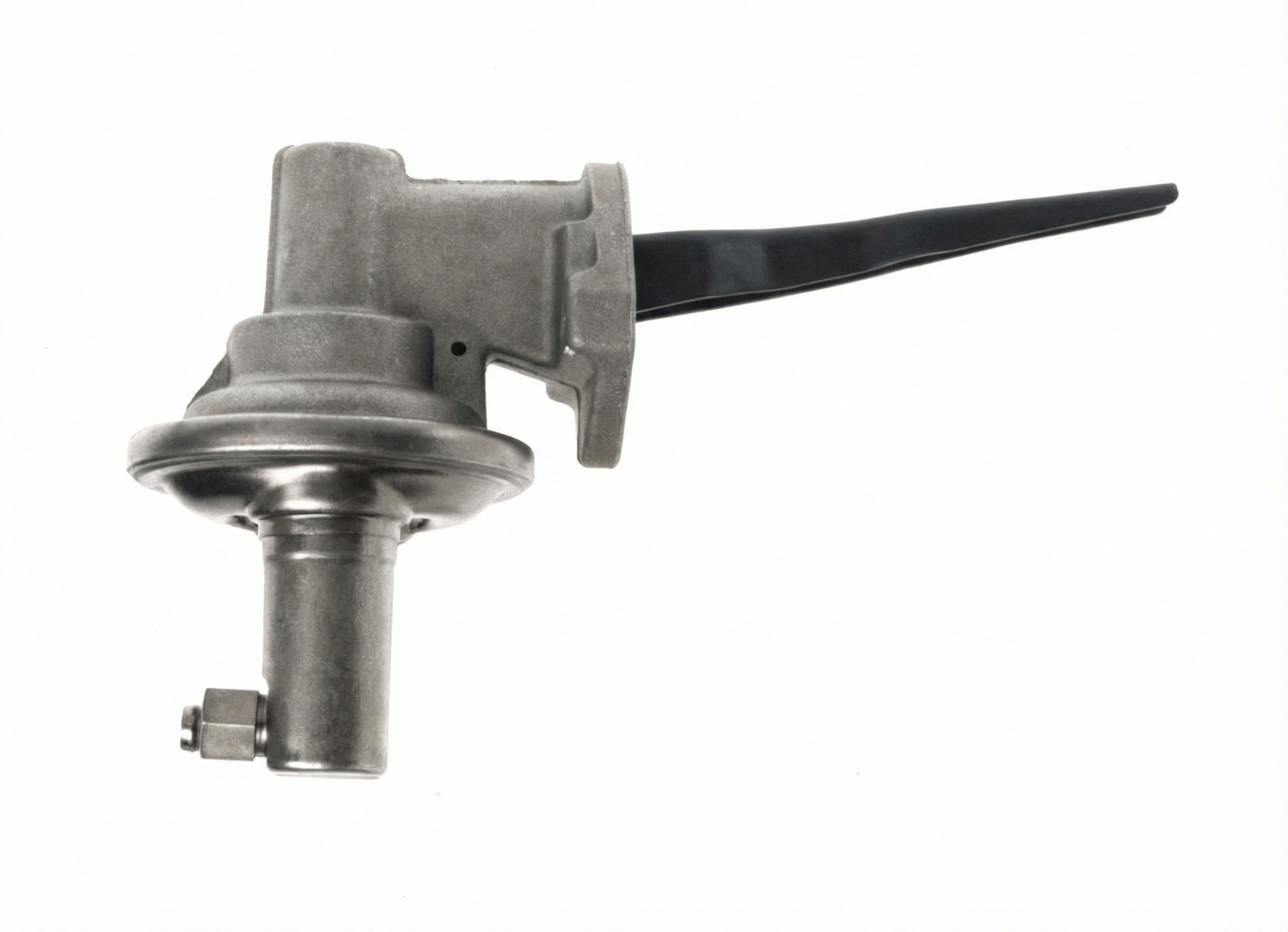
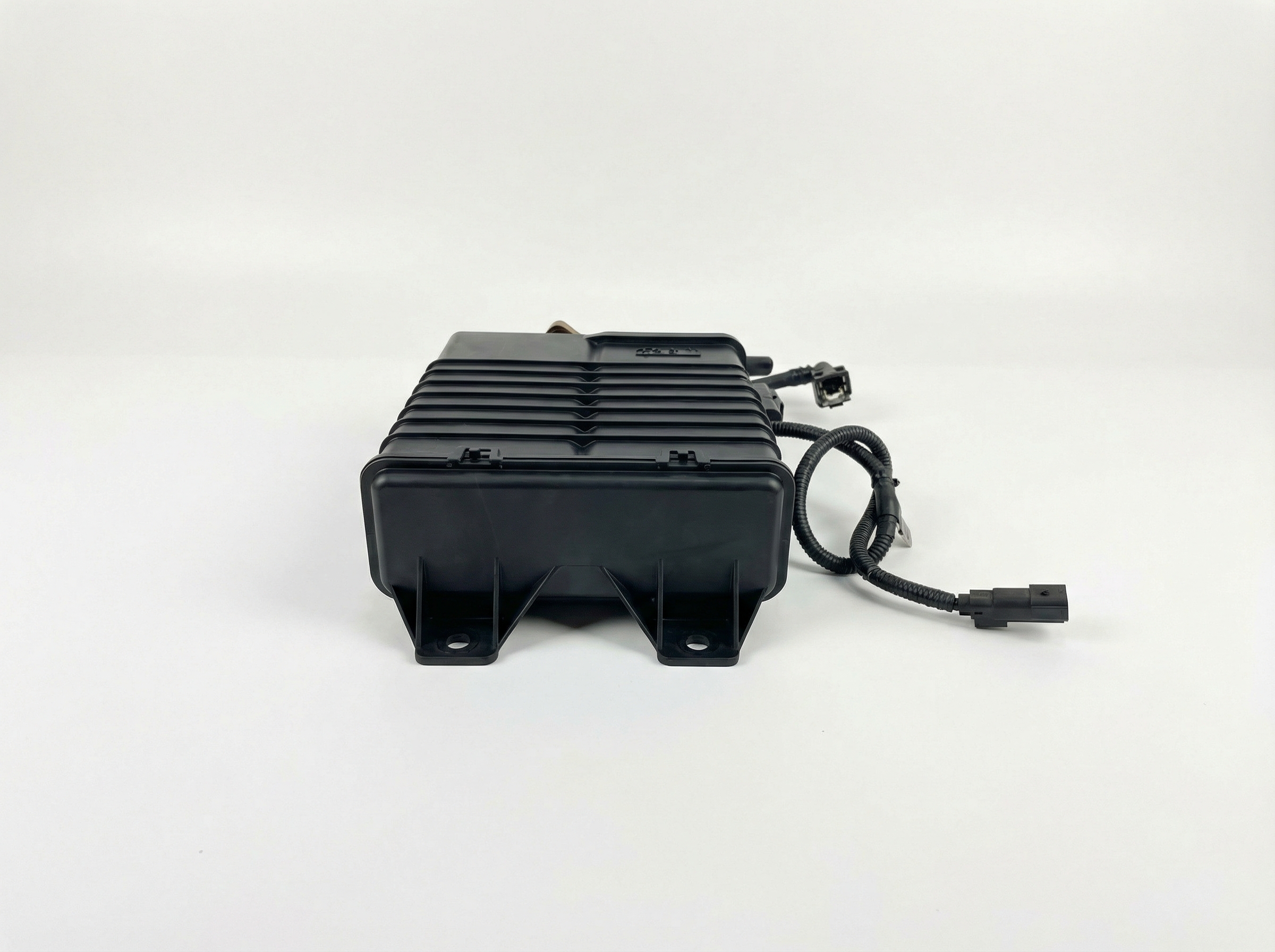

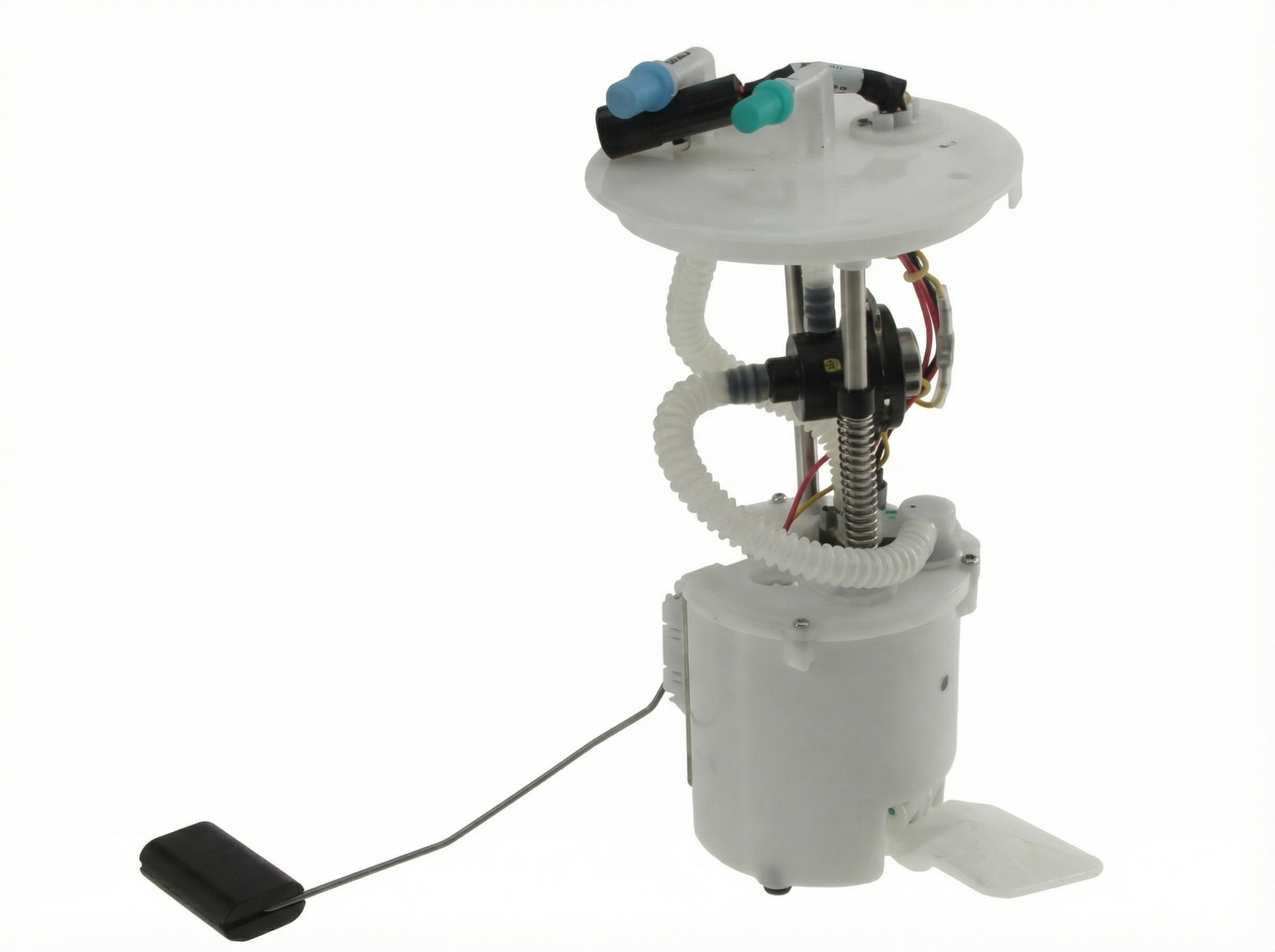
New Aftermarket Parts Available

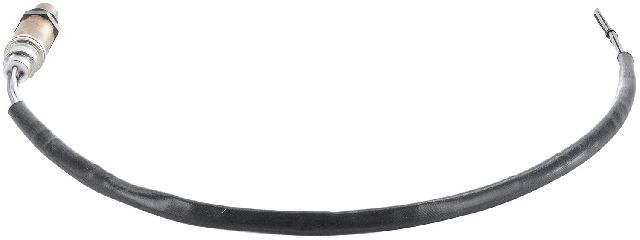

The information in this article is provided for general reference and educational purposes only. Vehicle specifications, procedures, and part compatibility can vary by production date, trim level, and region. Always consult your vehicle's factory service manual and verify part numbers before purchasing or performing repairs. Safety-critical components such as airbags, seat belts, and braking systems should be installed by a qualified professional.
- Ford Escape:
- 🎬 Helpful Videos
- 🛍️ Shop This Part
- What's Unique About the 2008-2012 Ford Escape
- Symptoms You May Notice
- Most Likely Causes
- Rare But Worth Checking
- Diagnosis Steps
- Parts You'll Likely Need
- Related Codes That Often Appear With This One
- Technical Service Bulletins (TSBs) & Recalls
- Platform-Specific Known Issues
- Mechanic-Grade Diagnostic Values
- Scan Tool Commands That Help
- Wiring & Ground Locations
- Real Owner Repair Stories
- "I Checked Everything" — The Actual Cause
- When the Usual Fixes Don't Work
- OEM Part Supersession History
- Model Year Variations Within This Range
- Diagnostic Flowchart
- Other Known Issues on This Vehicle
- Used vs. New Parts: Buying Guide for This Vehicle
- Real Owner Stories
- 2008-2012 Ford Escape 3.0L V6
- 2012 Ford Fusion 3.0L V6
- Ford Ranger 3.0L V6
- Related OBD-II Codes
- Frequently Asked Questions
- 🎟️ Get 5% Off