

P2178 on 2009-2017 Audi Q5 2.0T: Causes and Fixes for Rich Fuel Mixture Off-Idle
On the Audi Q5 2.0T (EA888), code P2178 is almost always caused by a failed High-Pressure Fuel Pump (HPFP) leaking fuel into the oil, or a failed PCV valve creating a massive vacuum leak. First, check the oil on the dipstick for a strong gasoline smell; if present, the HPFP has failed. If not, check for strong vacuum at the oil cap when idling, which indicates a bad PCV valve. Replacing the HPFP costs $250-$500 for the part.
- P2178 on your Audi Q5 2.0T means the engine is running too rich when you are accelerating or cruising.
- Before buying any parts, perform two simple checks: smell the engine oil for gasoline (points to HPFP failure) and check for strong suction at the oil cap while idling (points to PCV failure).
- The two most likely causes are a failed High-Pressure Fuel Pump (HPFP) or a bad PCV valve.
- Do not immediately replace the oxygen sensor; it is almost always just reporting the problem correctly.
- Ignoring this code can lead to fuel-diluted oil, which can cause severe engine damage, and will eventually ruin the catalytic converter.
What's Unique About the 2009-2017 Audi Q5

The EA888 engine in this generation of Audi Q5 has two very well-documented failure points that directly cause a P2178 code. The first is the High-Pressure Fuel Pump (HPFP), where an internal seal on the plunger fails, allowing raw fuel to be forced directly into the engine's crankcase and contaminating the oil. The second is a failure-prone PCV (Positive Crankcase Ventilation) valve, where a torn internal diaphragm creates a massive, un-metered vacuum leak. The ECM misinterprets this as a lean condition and over-fuels to compensate, leading to a rich code. These two issues are so common on this platform that they should be the first items checked before considering other possibilities like injectors or sensors.
Generation note: The 2009-2017 model years cover the first generation of the Audi Q5 (Type 8R), which received a facelift for the 2013 model year (B8.5). While the core engine architecture (EA888 Gen 2) is the same, some parts like the PCV valve and HPFP have updated part numbers for later years. The primary causes and diagnostic methods for P2178 remain consistent across this entire year range. Early tensioner designs are also a known issue on pre-2012 models.
Symptoms You May Notice
- Check Engine Light is on
- Poor fuel economy
- Strong smell of gasoline from the exhaust or, critically, in the engine oil.
- Rough, unstable, or sputtering idle.
- Engine hesitation, lack of power, or stuttering during acceleration.
- Black smoke from the exhaust pipe
- Difficulty or extended cranking when starting the engine.
- Engine stalling, especially when coming to a stop or at idle.
- Oil level appears to be rising on the dipstick.
- Replacing the front oxygen (O2) sensor first. The O2 sensor is usually the messenger, not the cause. It is accurately detecting the rich condition created by a failed HPFP, PCV valve, or injector.
- Replacing fuel injectors when the HPFP is the real cause of fuel in the oil. The gasoline smell in the crankcase is the key differentiator.
Most Likely Causes


- Failed High-Pressure Fuel Pump (HPFP) 🔴 High Probability A seal inside the pump is a notorious failure point on the EA888 engine. It degrades and allows pressurized fuel to leak past the pump's plunger directly into the cylinder head and drain into the crankcase, mixing with the engine oil. This fuel-contaminated oil is then recirculated via the PCV system, causing a severe rich condition.
How to confirm: The most definitive test is to remove the oil filler cap or pull the dipstick and smell for a strong odor of raw gasoline. The oil will often appear thin and may be over the 'full' mark. A scan tool will show extreme negative long-term fuel trims (e.g., -25% or worse). A scan tool can also be used to monitor fuel rail pressure after the engine is shut off; if the pressure bleeds down quickly, it indicates a leak, likely from the HPFP into the crankcase.
Typical fix: Replace the high-pressure fuel pump and the cam follower it rides on. 🎬 Watch: How to replace the fuel pump and cam follower. An immediate oil and filter change is mandatory to remove the fuel-contaminated oil.
Est. part cost: $250-$500 - Failed PCV Valve / Oil Separator 🔴 High Probability The rubber diaphragm inside the PCV assembly is prone to tearing. This creates a large, unmetered vacuum leak, as the engine starts sucking air directly from the crankcase. The ECU detects the excess air via the O2 sensor, thinks the engine is running lean, and injects excessive fuel to compensate, resulting in a rich code (P2178/P2188).
How to confirm: With the engine running at idle, try to remove the oil filler cap. If there is a very strong suction holding the cap down, making it difficult to lift, the PCV diaphragm has failed. You may also hear a loud whistling or 'honking' sound from the engine bay, which is air being sucked through the torn diaphragm.
Typical fix: Replace the entire PCV valve assembly, which is located on top of the valve cover. 🎬 Watch: Step-by-step guide to replacing the PCV valve assembly. Use an updated part number if available.
Est. part cost: $150-$250 - Leaking Fuel Injector(s) 🟡 Medium Probability Direct injectors can become stuck partially open due to carbon buildup or internal wear, allowing excess fuel to drip into the cylinders after the engine is shut off or during operation.
How to confirm: This is more difficult to confirm without professional tools. A mechanic can perform a fuel injector balance test or a leak-down test. A DIY method is to pull the spark plugs after the engine has sat for a while; a wet, fuel-soaked plug indicates a leak in that cylinder. This cause is often suspected after the HPFP and PCV valve have been ruled out.
Typical fix: Replace the faulty fuel injector(s). It is highly recommended to replace them as a set to ensure balanced fuel delivery and prevent future failures.
Est. part cost: $50-$150 per injector - Dirty or Faulty Mass Air Flow (MAF) Sensor ⚪ Low Probability
How to confirm: The MAF sensor can be removed and inspected for contamination like oil or dirt. If dirty, it can be cleaned with a dedicated MAF sensor cleaner spray. A faulty MAF may under-report airflow, causing the ECU to inject less fuel than needed, which typically leads to a lean code, not a rich one. However, erratic readings can sometimes contribute to fuel trim issues.
Typical fix: First, attempt to clean the sensor with an appropriate cleaner. If the problem persists, replace the MAF sensor.
Est. part cost: $100-$250
Rare But Worth Checking
- Faulty Front Oxygen (O2) Sensor: While a possible cause, the O2 sensor is more often correctly reporting a rich condition caused by another part. A faulty O2 sensor might send a false 'lean' signal, tricking the ECU into adding fuel, but this is less common than the primary failures. It should only be replaced after all other common causes have been ruled out.
- High Fuel Pressure from Low-Pressure Fuel Pump: Less common than the HPFP failure, an issue with the in-tank low-pressure fuel pump or its control module could theoretically cause excessive fuel pressure. However, this is not a primary suspect for P2178 on this engine and would likely present with other fuel pressure codes.
Diagnosis Steps
- Read all fault codes with an OBD-II scanner (like VCDS for VW/Audi) and record the freeze frame data, which shows engine conditions when the code was set.
- CRITICAL STEP: With the engine off, remove the oil filler cap or dipstick and smell for a strong odor of raw gasoline. If a fuel smell is present, the High-Pressure Fuel Pump (HPFP) has almost certainly failed and is leaking fuel into the crankcase. The oil may also be thin or overfilled.
- If no fuel smell is in the oil, start the engine and let it idle. Try to remove the oil filler cap. If a strong vacuum holds it down or a loud whistling/honking noise is heard, the PCV valve diaphragm has failed.
- Connect a scan tool and monitor fuel trim values. Look at Long-Term Fuel Trim (LTFT) in Measuring Value Block 032 (for VCDS). For a P2178 code, you will see highly negative values (e.g., -15% to -30%) as the ECM tries to remove fuel.
- If the HPFP and PCV tests are negative, the next step is to investigate leaking fuel injectors. Pull the spark plugs and inspect for any that are wet with fuel.
- As a lower probability check, inspect the MAF sensor for contamination and clean it with dedicated MAF sensor cleaner. Do not touch the sensor wires.
- If the issue persists, more advanced diagnostics are needed, such as a fuel pressure test on the low and high-pressure systems and professional testing of fuel injectors.
Parts You'll Likely Need

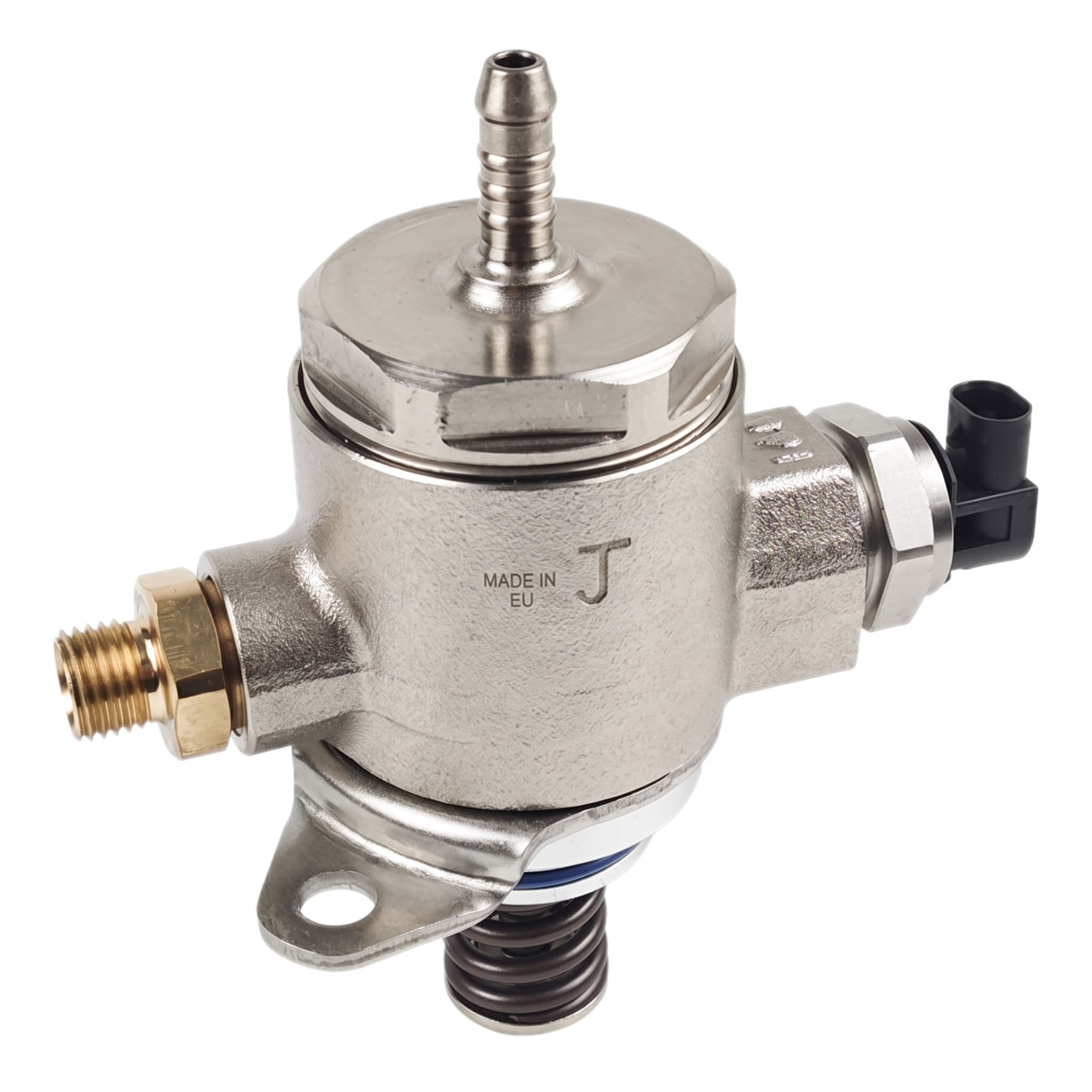
- High-Pressure Fuel Pump (HPFP)
(OEM #06H127025Q (supersedes 06H127025N, 06H127025M, etc. Always check VIN))— This is a primary cause of P2178 on the 2.0T engine due to a common internal seal failure that leaks fuel into the engine oil.
Trusted brands: Bosch, Hitachi (OEM supplier)
OEM price range: $400-$550 - PCV Valve / Oil Separator
(OEM #06H103495AK (latest common revision, supersedes AE, J, AH, etc.))— The internal diaphragm is a very common failure item, causing a massive vacuum leak that the ECU overcompensates for with fuel.
Trusted brands: Audi (Genuine), Vaico, Magneti Marelli
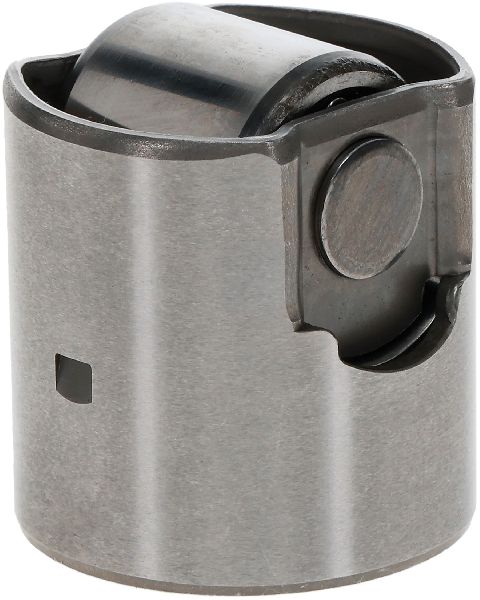
OEM price range: $150-$250 - Cam Follower
(OEM #06H109311B or 06L109311)— This part sits between the camshaft and the HPFP. While the roller-style follower in the EA888 Gen 2 is much more durable than the flat tappet in the older EA113, it is best practice to inspect and often replace it when replacing the HPFP.
Trusted brands: INA, Audi (Genuine)
OEM price range: $30-$50
Related Codes That Often Appear With This One
- P2188 — P2188 is 'System Too Rich at Idle'. The same faults, like a leaking HPFP or bad PCV valve, cause rich conditions at both idle and off-idle, often triggering both codes together.
- P0172 — P0172 is the generic OBD-II code for 'System Too Rich (Bank 1)'. P2178 is more specific, indicating the problem occurs off-idle. You may see P0172 alongside or instead of P2178.
- P0300, P0301, P0302, P0303, P0304 — These are random or specific cylinder misfire codes. An overly rich mixture can foul spark plugs and cause incomplete combustion, leading to misfires.
- P0087 — This code means 'Fuel Rail/System Pressure - Too Low'. While seemingly contradictory, it can appear alongside rich codes if a failing HPFP cannot build pressure correctly under load, even while it is leaking fuel into the crankcase at other times.
Technical Service Bulletins (TSBs) & Recalls
- TSB 2027731/5 (also cited as 17 13 43): Titled 'Engine oil consumption too high' for 2009-2011 A4, A5, and Q5 2.0T models. This TSB addresses excessive oil consumption, which can be related to crankcase pressure issues. The prescribed fix involves replacing the crankcase pressure regulating valve (PCV) with an updated part (06H103495J at the time) and the front crankshaft seal.
Platform-Specific Known Issues
- The EA888 engine is widely known for the High-Pressure Fuel Pump (HPFP) failing and contaminating the engine oil with fuel. This is not a random occurrence but a recognized pattern for this powertrain.
- The PCV valve diaphragm failure is another extremely common issue that directly causes fuel trim problems, leading to lean (P2187) or rich (P2188, P2178) codes.
Mechanic-Grade Diagnostic Values

- High-Pressure Fuel Rail Pressure at Idle — expected: Approximately 40 bar (580 PSI). Failure: Significantly lower pressure (e.g., 6-10 bar) can indicate a failing HPFP. Pressure that bleeds down quickly after engine shutoff also indicates a leak.
- Long-Term Fuel Trim (Bank 1) — expected: Close to 0%, typically within +/- 5%. Failure: A highly negative value, such as -25% or more, indicates the ECM is removing a large amount of fuel to compensate for a rich condition.
- Low-Pressure Fuel System Pressure — expected: 40-70 PSI. Failure: Pressure below this range indicates an issue with the in-tank fuel pump, which must be ruled out before condemning the HPFP.
- Fuel Pressure Sensor (G247) Voltage — expected: Signal voltage should correspond to pressure. A 5V reference and ground are supplied to the sensor.. Failure: A short between the signal and 5V reference wire can cause a false high reading, while a corroded ground can cause erratic readings.
Scan Tool Commands That Help
- VCDS (VAG-COM): Output Test for N276 (Fuel Pressure Regulating Valve) — This test cycles the solenoid on the HPFP. An audible click indicates the solenoid is likely functional electronically, helping to differentiate between a mechanical pump failure and an electrical control issue.
- VCDS (VAG-COM): Basic Settings - Throttle Body Adaptation — After cleaning or replacing the throttle body (if done as part of chasing vacuum leaks), this procedure should be run to reset its learned values.
Wiring & Ground Locations
- Ground Connection 12 — In the engine compartment, on the left side frame rail/suspension strut tower area.. This is a primary engine bay ground point. A loose or corroded connection here can cause erratic sensor readings for multiple components, including the fuel pressure sensor (G247) and the ECM itself, potentially leading to incorrect fuel calculations.
- G247 Fuel Pressure Sensor Connector — On the end of the high-pressure fuel rail, under the intake manifold.. This 3-pin connector provides the ECM with the fuel rail pressure reading. Pin 2 is the ground. Verifying a solid ground and checking for voltage on Pin 1 (signal) and Pin 3 (5V reference) is crucial if sensor malfunction is suspected.
- Positive Jump Start Post — Under a red plastic cover next to the brake fluid reservoir in the engine bay.. While not directly related to the code, knowing this location is critical for providing battery support during extended diagnostic sessions (key-on, engine-off) to avoid draining the battery.
Real Owner Repair Stories
- AudiWorld Forums user 'jwalters103' (2010 Audi A5 2.0T (platform mate) with APR Stage 2 tune) — P2178 and P2188 codes, hard warm starts, sputtering on startup, smoke from exhaust, smell of gas in oil.
❌ Tried (didn't work) Replacing one stuck-open fuel injector., Replacing the PCV with an aftermarket catch can system., Replacing the other three fuel injectors., Replacing spark plugs.
✅ What actually fixed it The user had previously installed a cheap eBay HPFP. The codes persisted until they re-installed their original OEM HPFP, which resolved the rich codes. This indicates the aftermarket HPFP was faulty and causing the issue. - AudiWorld Forums user 'Mr. Krabs' (2015 Audi Q5 2.0T, 99.5k miles) — Check Engine Light with codes P2188 and P0172.
❌ Tried (didn't work) Initial diagnosis pointed towards HPFP.
✅ What actually fixed it The owner replaced the High-Pressure Fuel Pump with a Hitachi (OEM supplier) unit. They inspected the roller-style cam follower (PN 06L109311) but found it in good condition at 100k miles and did not replace it. The pump replacement fixed the codes.
"I Checked Everything" — The Actual Cause
- A common scenario is a smoke test showing no leaks, but the PCV valve is still bad. The internal diaphragm can fail in a way that doesn't present as an external leak but still creates a massive internal vacuum leak by sucking air from the crankcase, which a smoke test won't always identify. The definitive test remains checking for strong suction at the oil cap while idling.
When the Usual Fixes Don't Work
- In one documented case on a platform-mate A5, the owner replaced the HPFP, PCV, and all four injectors, but the P2178/P2188 codes persisted. The final fix was swapping back to the original OEM HPFP, as the new, cheap aftermarket HPFP was defective out of the box and was the source of the continued rich condition. This highlights the risk of using low-quality aftermarket fuel system components.
OEM Part Supersession History
06H103495E, 06H103495J, 06H103495AC, 06H103495AH→06H103495AK (and others)— Revisions to the internal diaphragm and valve design to improve durability and prevent premature tearing.
Heads up: While most are interchangeable, it is critical to use the latest available revision for your vehicle's VIN to ensure the longest service life. Cheap aftermarket versions are known to fail quickly.06H127025M, 06H127025N, 06H127025P→06H127025Q— Internal design and seal material improvements to reduce the likelihood of fuel leaking into the crankcase.
Model Year Variations Within This Range
- 2009-2012 (B8): These pre-facelift models use the EA888 Gen 2 engine, commonly with engine codes CAEB. Software tuning and some specific part numbers may differ from later models.
- 2013-2017 (B8.5): The facelifted models continued with the EA888 Gen 2 but may have different engine codes (e.g., CPMB) and updated parts. The infotainment and exterior styling were also updated. The fundamental causes of P2178 remain the same.
- 2015+: Later model year vehicles (approx. 2015+) use a roller-style cam follower (e.g., 06L109311) for the HPFP which is significantly more durable than the flat tappet follower on the older EA113 engine (not used in the Q5). As a result, routine replacement of the follower is less critical on these later models unless visible wear is present.
Diagnostic Flowchart
Other Known Issues on This Vehicle
Issues unrelated to this code that are worth knowing about as an owner of this generation:
- Timing Chain Tensioner Failure 🔴 High — Common on pre-2013 models with the original tensioner design. Failure can occur with little warning, typically between 60k-120k miles. A brief rattle on cold start is a key warning sign. (Ref: Audi had warranty extensions, but most are now expired. Visual inspection of the tensioner's extension is the only definitive check.)
- Excessive Oil Consumption 🔴 High — Widespread on 2009-2011 models due to faulty piston ring design. Can require topping up oil every 1,000 miles or less. Later models are improved but can still consume oil. (Ref: TSB 2027731/5 was an early attempt to fix via PCV replacement. A class-action lawsuit led to a settlement for piston ring replacement, but the window for claims is largely closed.)
- Water Pump / Thermostat Housing Failure 🟠 Medium — Very common failure. The plastic housing becomes brittle and cracks, leading to coolant leaks. Often occurs between 60k-100k miles. Early signs are a sweet coolant smell after driving and a slowly dropping coolant level.
- Intake Manifold Runner Flap Failure 🟠 Medium — The plastic intake manifold can fail, either due to the runner position sensor failing or the flap mechanism breaking. This usually triggers a check engine light with codes like P2015. (Ref: A warranty extension was offered for some vehicles, but may be expired.)
- Carbon Buildup on Intake Valves 🟠 Medium — An inherent issue with all direct-injection engines, including the EA888. Carbon deposits build up on the back of intake valves over time, restricting airflow and causing misfires, hesitation, and poor performance. Typically requires cleaning every 60k-80k miles.
Used vs. New Parts: Buying Guide for This Vehicle
When a used part is the smart pick: For this specific set of repairs, using used parts is generally not recommended. The primary failure components (HPFP, PCV) are known wear items with high failure rates. A used part from a donor vehicle is likely to have a similar level of wear and may fail soon after installation.
Donor-vehicle mileage cap: roughly under 60000 miles for the part to have meaningful remaining life.
What to inspect on the donor part:
- If considering a used part is unavoidable, verify the donor vehicle's mileage.
- For a PCV valve, inspect the unit for any cracks in the plastic housing.
- For an HPFP, there are no reliable visual cues to determine its internal condition.
OEM-only on this vehicle (don't cheap out):
- High-Pressure Fuel Pump (HPFP)
- PCV Valve / Oil Separator
Aftermarket brands forum-validated for this vehicle:
- HPFP: Bosch, Hitachi (often the OEM supplier)
- PCV Valve: Vaico, Magneti Marelli (often OEM supplier)
- Injectors: Bosch
- Sensors: Bosch, NTK
Brands owners have reported issues with on this vehicle:
- Unbranded, 'no-name' parts from online marketplaces like eBay or Amazon, especially for the HPFP. A real-world case showed a cheap aftermarket HPFP was defective and caused the same P2178/P2188 codes it was meant to fix.
Real Owner Stories
Aggregated from forums and TSBs cited above. Mileages and costs reflect what owners reported in those sources.
Audi A5 2.0T
Symptoms: P2178 and P2188 codes persisted, with a noticeable smell of gas in the engine oil, even after replacing injectors and the PCV system.
What fixed it: Replacing a cheap aftermarket High-Pressure Fuel Pump (HPFP) with an original OEM part finally solved the fuel dilution problem and cleared the codes.
Source hint: AudiWorld Forums: P2178 and P2188 woes. please help
2013 Audi A4 2.0L
Symptoms: Vehicle presented with a P2178 code, misfire codes, and extremely negative fuel trims (-36%). A check of the oil confirmed it was contaminated with fuel.
What fixed it: The High-Pressure Fuel Pump (HPFP) was identified as the cause of fuel leaking into the crankcase. Replacing the HPFP and performing an oil change resolved the issue and brought fuel trims back to normal.
Source hint: YouTube: 2013 Audi A4 2.0L Running Rich P2178
2010 Audi A4 — 105000 miles
Symptoms: Engine was stalling, sputtering, and had a rough idle, which triggered a P2178 code. The owner had previously replaced the PCV valve for a similar issue.
What fixed it: The owner did not report the final fix, but discussion with other owners pointed to either a failed High-Pressure Fuel Pump (HPFP) or leaking fuel injectors as the next most likely causes to investigate.
Source hint: AudiWorld Forums: Rough Idle, Sputter, Die...
Related OBD-II Codes
Frequently Asked Questions
I smell a strong odor of gasoline in my Q5's engine oil. What is the most likely cause for the P2178 code?
My oil level on the dipstick seems to be rising. Is this related to the Check Engine Light for P2178?
I hear a loud whistling or 'honking' noise from the engine bay at idle. Could this be causing my P2178 code?
Is it safe to continue driving my Audi Q5 with a P2178 code if I suspect fuel is in the oil?
Does Audi TSB 2027731/5 for high oil consumption relate to my P2178 rich code?
I'm replacing the High-Pressure Fuel Pump (HPFP) to fix P2178. Is there anything else I must replace at the same time?
Helpful Videos

Used OEM Parts in Stock


New Aftermarket Parts Available


The information in this article is provided for general reference and educational purposes only. Vehicle specifications, procedures, and part compatibility can vary by production date, trim level, and region. Always consult your vehicle's factory service manual and verify part numbers before purchasing or performing repairs. Safety-critical components such as airbags, seat belts, and braking systems should be installed by a qualified professional.
- Audi Q5:
- 🎬 Helpful Videos
- 🛍️ Shop This Part
- What's Unique About the 2009-2017 Audi Q5
- Symptoms You May Notice
- Most Likely Causes
- Rare But Worth Checking
- Diagnosis Steps
- Parts You'll Likely Need
- Related Codes That Often Appear With This One
- Technical Service Bulletins (TSBs) & Recalls
- Platform-Specific Known Issues
- Mechanic-Grade Diagnostic Values
- Scan Tool Commands That Help
- Wiring & Ground Locations
- Real Owner Repair Stories
- "I Checked Everything" — The Actual Cause
- When the Usual Fixes Don't Work
- OEM Part Supersession History
- Model Year Variations Within This Range
- Diagnostic Flowchart
- Other Known Issues on This Vehicle
- Used vs. New Parts: Buying Guide for This Vehicle
- Real Owner Stories
- Audi A5 2.0T
- 2013 Audi A4 2.0L
- 2010 Audi A4 — 105000 miles
- Related OBD-II Codes
- Frequently Asked Questions
- 🎟️ Get 5% Off